Breaking News

  • The Hidden Dependency: Why Men Need Women More Than They Realize

    The Hidden Dependency: Why Men Need Women More Than They Realize

    Men wouldn’t last long without women, but women—most of them—would do just fine without men. There’s real science behind that idea. Research in psychology and public health suggests that men tend to depend more heavily on their romantic partners for emotional grounding and daily stability than women do.

    Across long-term studies, men’s health often declines after breakups or divorce. They experience higher stress levels, poorer sleep, worse eating habits, and an increased risk of heart problems. In some cases, separated or divorced men even face a higher risk of early death compared to their married peers.

    Women, on the other hand, are generally more likely to build and maintain wider social support networks. They tend to nurture friendships, stay connected with family, and openly discuss their emotions. Because their support systems are more distributed, they are less likely to rely on one single partner for all emotional needs.

    When a relationship ends, women often adapt socially more quickly. They are more inclined to seek conversation, community, and shared understanding, which helps them process stress in healthier ways. That broader emotional web acts as a buffer during life transitions.

    Biologically and socially, men are often more oriented toward risk-taking and short-term rewards. This can show up in career moves, lifestyle choices, or even coping behaviors. Without stabilizing influences, those tendencies can sometimes lead to poorer health outcomes over time.

    Women are generally more wired toward safety, connection, and long-term planning—the elements that keep daily life structured and sustainable. Managing households, maintaining routines, and fostering emotional bonds are skills many women cultivate early and consistently.

    None of this means women don’t love men or value partnership. It simply suggests that dependence is not always symmetrical. Emotional reliance, daily structure, and even health habits can lean more heavily in one direction than many people assume.

    So when someone jokes that she would be lost without him, the reality may be quite different. His brain and body might be benefiting more from her presence than he realizes—emotionally, physically, and socially.

  • SANDRA BULLOCK NAVIGATES A CHALLENGING TIME FOLLOWING A PERSONAL LOSS!

    SANDRA BULLOCK NAVIGATES A CHALLENGING TIME FOLLOWING A PERSONAL LOSS!

    The life of Sandra Bullock has long reflected a balance between global fame and intentional privacy. While audiences know her as a charismatic and relatable star, she has consistently kept her personal world protected. Her career spans decades of success, from the adrenaline-driven action of Speed to the heartfelt drama of The Blind Side and the gripping solitude portrayed in Gravity. Yet beyond these celebrated performances, her most meaningful role unfolded away from cameras — as a partner, mother, and caregiver.

    In 2015, Bullock met photographer Bryan Randall under simple and personal circumstances. He had been hired to photograph her son’s birthday party, and what began as a professional connection gradually developed into a serious relationship. Unlike many celebrity couples, they chose to keep their bond private. Their relationship was grounded in mutual respect and a shared desire to prioritize family life over public attention.

    Their commitment faced its greatest test when Randall was diagnosed with ALS, a progressive neurological disease that affects muscle control and eventually impacts speech and breathing. The diagnosis was devastating, but the couple chose not to share their struggle publicly. Instead of drawing attention to their hardship, they focused on preserving dignity and normalcy within their home.

    During the years that followed, Bullock quietly shifted her priorities. In 2022, she announced a break from acting to devote more time to her family. At the time, the decision seemed like a personal reset. Later, it became clear that she had stepped back to support Randall through his illness. There were no public updates, no interviews about their challenges — only a private commitment to care and presence.

    Randall passed away in August 2023 at the age of 57. The brief statement released afterward respected his wish for privacy and thanked those who had supported him quietly. The response from the public and entertainment community was notably respectful. Rather than sensationalizing the loss, many acknowledged the strength and discretion the couple had shown.

    Bullock’s resilience has been visible before. In 2010, while celebrating professional recognition at the highest level, she simultaneously faced personal upheaval. Instead of engaging publicly with the turmoil, she focused on expanding her family through adoption and strengthening her role as a mother. That pattern — stepping away from noise and turning toward what matters most — has defined her life choices.

    Her philanthropic efforts mirror that same approach. Over the years, she has made substantial contributions to disaster relief efforts, including donations following Hurricane Katrina and other crises, often without publicity. Her actions consistently demonstrate that meaningful impact does not require constant visibility.

    As she moves forward, Bullock continues to live deliberately and quietly. Her journey reflects a broader truth about fame and humanity: public success does not shield anyone from personal grief. What distinguishes her story is not celebrity, but the choice to handle love, loss, and responsibility with dignity. In a culture driven by exposure, her steady commitment to privacy and family remains one of her most defining strengths.

  • Here son became a world-famous celebrity, but his mother’s tragic past is worse than you can imagine

    Here son became a world-famous celebrity, but his mother’s tragic past is worse than you can imagine

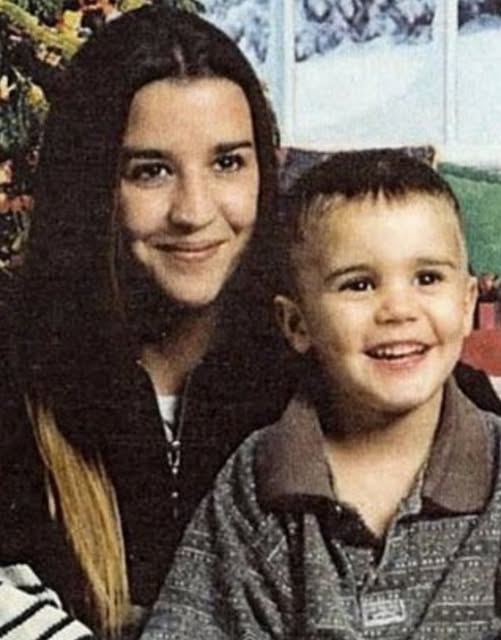
    Justin Bieber’s rise to fame began when he placed second in a local talent competition for his rendition of Ne-Yo’s “So Sick.” His mother, Pattie Mallette, uploaded the performance to YouTube, where it gained widespread attention. She continued sharing videos of Justin online, ultimately launching his path to stardom.

    In 2012, Pattie released her autobiography, Nowhere But Up, published by Christian house Revell. The book details her difficult upbringing, including abuse, addiction, and single motherhood, as well as how her faith helped her find hope and become a devoted parent to Justin.

    As Justin grew older, their close bond evolved. “When your kids hit a certain age your parenting style changes… it is hard letting go,” Pattie told People in 2013, when Justin turned 19. She reflected on how his independence brought both pride and emotional challenges.

    Trouble struck in 2014 when Justin was arrested for street racing. The incident strained their relationship, leading to a period of silence between them. “I never wanted my mom to be disappointed in me,” Justin told Billboard in 2015. “It takes time to rebuild that trust… but it’s getting better.”

    Despite their rocky period, their bond has grown stronger. Pattie has remained supportive and proud of the man Justin is becoming. In a heartfelt Instagram post, she praised his integrity and spiritual growth.

    “I’m so proud of the amazing young man you are… your relationship with Jesus is evident in the choices you’re making,” she wrote. “You are maturing beautifully and wise beyond your years.”

    Their journey reflects the complexities of parenting through fame and adversity. Pattie’s strength and love helped guide her son, and today, both mother and son continue to heal, grow, and inspire.

  • This Little Boy Grew Up To Be One Of The Most Evil Men In The World

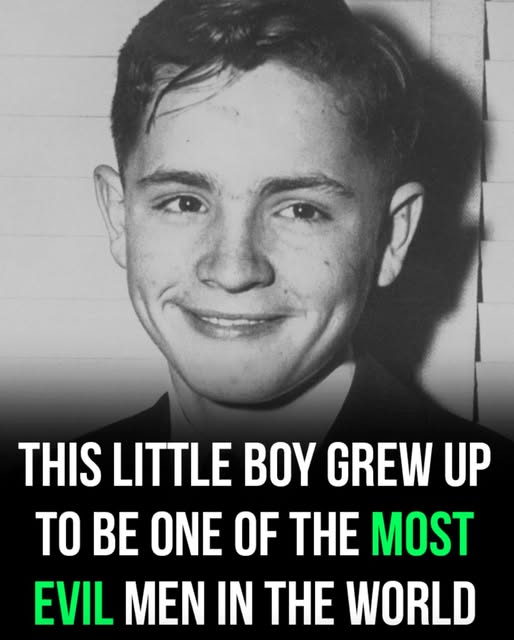
    This Little Boy Grew Up To Be One Of The Most Evil Men In The World

    Charles Manson’s life shows how extreme instability, neglect, and violence can shape a child into something unrecognizable. Born in 1934 to a teenage mother and an absent father, his early years were marked by abandonment and chaos. After his mother was imprisoned, he was sent to relatives, then returned to a home plagued by alcoholism and neglect. Brief moments of stability faded quickly, replaced by constant disruption and emotional insecurity.

    By childhood, Manson’s behavior had already turned destructive. He later claimed he had “already set one of his schools on fire” by age nine. Truancy, theft, and defiance escalated into repeated arrests and placements in reform schools. At one institution, harsh discipline and beatings led him to run away, leaving him homeless, stealing to survive, and drifting through dangerous environments that hardened his outlook.

    Teenage years brought deeper criminal involvement. He described using the “insane game,” acting wildly to intimidate others. Arrests followed for theft, armed robbery, and assault, while psychiatric evaluations labeled him “aggressively anti-social.” Short attempts at normal life failed, and by adulthood, crime, manipulation, and control defined his identity.

    While incarcerated, he refined persuasive techniques, reportedly practicing hypnosis and psychological pressure. These skills later helped him dominate followers. After release, he drifted through scams, exploitation, and illegal activities, eventually forming the cult-like group later known as the Manson Family. His delusions grew, including claims that the Beatles were sending him messages and that he was a prophetic figure.

    In 1969, his influence culminated in horrific murders, including those of Sharon Tate and others. Prosecutor Vincent Bugliosi summarized his impact: “The very name Manson has become a metaphor for evil—and evil has its allure.” Though he did not physically commit every crime, his control and ideology drove others to kill.

    Convicted and sentenced to life in prison, Manson remained incarcerated until his death in 2017. His story endures as a grim reminder of how childhood trauma, combined with manipulation and choice, can evolve into lasting violence and destruction.

  • A Cast-Iron Grate on a Grave: A Symbol of Home and Memory

    A Cast-Iron Grate on a Grave: A Symbol of Home and Memory

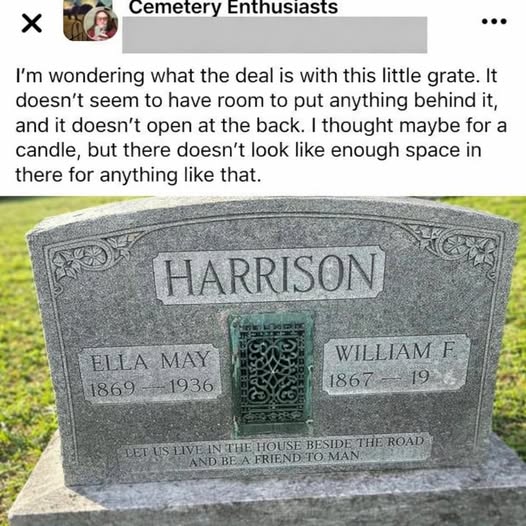
    A unique cemetery marker featuring a small cast-iron grate offers a deeply personal tribute to home and memory. At first glance, the metal detail may seem unusual for a gravestone, yet it carries powerful symbolism. The grate resembles the decorative floor vents commonly found in late 19th- and early 20th-century houses, a period when such features were both functional and carefully crafted. Its presence suggests a meaningful connection to a cherished home, allowing a familiar element of daily life to accompany the individual in rest.

    The design also reflects the values expressed in Sam Walter Foss’s poem, “The House by the Side of the Road.” The poem celebrates kindness, openness, and hospitality — qualities that align beautifully with the imagery of warmth spreading through a home. Just as a heating grate allowed air to circulate from room to room, the poem speaks of generosity flowing outward to others. Together, the grate and the verse form a unified message of comfort, welcome, and enduring spirit.

    Historically, cast-iron grates were common components of early heating systems, especially when central heating was still developing. Beyond their practical role, they often featured intricate patterns that highlighted the craftsmanship of the era. Even everyday household objects were designed with care, blending usefulness and artistry. This attention to detail transformed simple fixtures into lasting symbols of domestic pride.

    Placed on a grave marker, the grate becomes more than decoration. It represents a threshold — a reminder of a welcoming home and the warmth shared within it. The symbolism suggests that memories continue to radiate, much like heat once did through iron vents. In this way, the design preserves a sense of comfort, connection, and timeless belonging.

  • Man converted storage silo into a beautiful 2-bedroom home — see inside

    Man converted storage silo into a beautiful 2-bedroom home — see inside

    Imagine driving along the scenic Highway 50 up to Elmdale, turning westward. Within a mere 90 minutes, you’re enveloped by the authentic serenity of Kansas.

    Listen to the rustling leaves, witness an unpolluted night sky, and experience a golden tranquility.

    Deep in the heart of West Chase County, surrounded by lush soybean fields and embraced by a gentle creek valley, is a silo vacation rental known as the Owl’s Nest Silo House.

    This isn’t just any house; it’s a meticulously designed log cabin, constructed in 2019, that you can call home, at least for a weekend.

    Gerald Wiens, the man behind this haven, had initially envisioned it as a log cabin for sporadic weekend rentals.

    “We decided that we were going to build a log cabin and rent it out for weekends, hopefully like Airbnb. We thought just a couple weekends a month,” he said.

    Little did he anticipate the overwhelming demand during the pandemic year, with the Paw Print Cabin being occupied for over 180 nights!

    Close by the cabin, an old silo stood tall. It was in commendable shape and sparked an idea in Gerald.

    With some creativity, sketches, models, and brainstorming on floor plans, he embarked on a project to convert the silo into a living space. However, the circular structure presented some challenges.

    “That’s basically what happened. And then, you know, we just looked at many ideas. We had little models drawn. We had different floor plans,” said Gerald, per KSN.

    The result? A four-floor marvel standing at 45 feet.

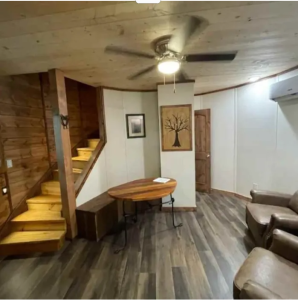
    Stepping into the silo vacation rental, the entryway seamlessly flows into a unique circular living room, an intimate space designed for comfort and relaxation.Immediately catching the eye, are two plush leather chairs perfectly positioned to encourage heartwarming conversations or solitary moments of reflection.

    For entertainment seekers, a modern flat-screen TV is strategically mounted above a magnificent stone-framed gas fireplace. Whether you’re in the mood for a movie night or simply want to enjoy the gentle warmth of the flames with a backdrop of your favorite show, this living space offers the perfect setting.And, not to forget practicality, cleverly tucked under the winding staircase is a discreet half bathroom. This space-saving design ensures that guests don’t have to venture far for amenities, even when ensconced in the comforts of the living room.

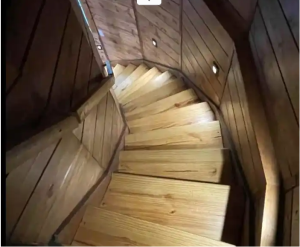
    Moreover, the Owl’s Nest Silo House offers an extraordinary journey to the pinnacle of comfort. To reach the grandeur of the fourth-floor master bedroom, you embark on a captivating ascent of 45 stairs, winding their way up.For those interested, the log cabin is already listed on AirBnB under “Vacation Rentals Chase County,” and the silo vacation rental house will soon join its ranks.“To say it’s been a labor of love, I mean, we spent so much time here. If you had to pay me to do this, I’d hate to say how many hours it took because it’s not your typical construction,” said Gerald.

  • The less we make love, the more we …… See the 1st comment

    The less we make love, the more we …… See the 1st comment

    In the contemporary ecosystem of professional coaching and personal development, inspirational quotes are remarkable levers for transformation. This in-depth guide examines how ancient wisdom can revolutionize your journey to self-fulfillment and optimize your psychological well-being.

    The Foundations of Emotional Intelligence: Mastering the Art of Reflection
    The Methodology of Informed Decision-Making
    “Before you speak, listen; Before reacting, think about it; before you spend, earn; Before you give up, give it a try. This fundamental maxim of life coaching illustrates the cardinal principles of modern emotional intelligence. In our society where impulsiveness dominates decision-making processes, this structured approach is the basis for effective stress management and sustainable development.

    Personal development training teaches us that the human personality is made up of three distinct dimensions: the projected public image, the identity revealed to loved ones, and the secret part kept to oneself. This in-depth psychological understanding is essential for building authentic interpersonal relationships and maintaining optimal mental balance.

    The Art of Active Listening in Professional Relationships
    Advanced communication techniques are based on this ability to listen prior to any interaction. This skill, valued in management and leadership training, makes it possible to optimize performance in companies and to develop a solid professional career.

    Advanced Personal Development Strategies: Transformation through Action
    The Philosophy of Productive Work and Innovation

    “The magic you’re looking for is in the work you avoid.” This fundamental truth of professional coaching underscores the crucial importance of stepping out of your comfort zone to achieve your ambitious financial and professional goals.

    The most effective motivational methods taught in entrepreneurship training involve a direct confrontation with our psychological resistances. This approach, validated by contemporary behavioural psychology, demonstrates that financial success requires a total commitment to the challenges we prefer to avoid.

    Skills Development and Continuing
    Education Investment in continuing vocational training is now a major competitive advantage. E-learning platforms and certification programs provide technical skills that are in demand in the modern job market.

    This philosophy extends to the fields of technology, digital marketing, and personal finance, sectors where constant innovation requires constant adaptation.

    Relationship Psychology and Couples Therapy: A Scientific Approach
    The Psychological Dimension of Modern
    Intimacy “The less we make love, the more we find ourselves face to face.” This profound observation on sexuality and well-being reveals a fundamental dimension: physical intimacy transcends the act to become a spiritual communion between partners.

    In the context of modern couples therapy, this reflection takes on a special significance. When physical intimacy diminishes, we are led to explore our inner world with a new intensity. This introspection, initially destabilizing, can become an extraordinary catalyst for personal growth.

    Redefining Authentic Love in the Digital Age
    The lack of regular physical intimacy leads us to reconsider our relationship to contemporary romantic relationships. It encourages us to develop alternative forms of affective expression: caring attention, authentic presence, deep and meaningful communication.

    These elements, often neglected in our hyperconnected society, nevertheless constitute the lasting foundations of true love. This rarity gives exceptional value to every gesture, transforming the search for immediate gratification into a search for deep meaning.
    “Life doesn’t get easier or more forgiving, we get stronger and more resilient.” This central truth of psychological resilience is an essential pillar of modern mental well-being. Rather than hoping for a reduction in difficulties, wisdom consists in developing our capacity for adaptation and resilience.

    The most effective stress management techniques involve this profound inner transformation. As another telling quote puts it: “It is possible to make no mistakes and still lose; it is not weakness, it is the reality of existence. »

    Mindfulness Strategies and Modern Meditation
    The acceptance of unpredictability is a key element of contemporary mental health. Meditation and mindfulness practices, integrated into corporate wellness programs, allow you to develop this constructive acceptance while maintaining optimal professional performance.

    These approaches, validated by neuroscience research, demonstrate measurable benefits on productivity, creativity, and job satisfaction.

    Financial Strategies and Personal Investing: Maximizing Economic Freedom
    The Modern Philosophy of Saving and Investing
    “If you want to get rich, think of saving as a gain.” This revolutionary approach to personal financial management is radically transforming the way we think about money and wealth creation.

    Instead of perceiving saving as a deprivation, this mentality presents it as a strategic investment in our future financial freedom. This philosophy extends to the fields of real estate, cryptocurrencies, and stock market investments.

    Diversification of Income Sources and Entrepreneurship
    The modern economy requires diversification of income sources. Digital entrepreneurship, affiliate marketing, and real estate investments represent particularly attractive opportunities for creating passive income.

    This approach builds strong financial security while developing entrepreneurial skills that are in demand in today’s job market.

    Social Intelligence and Professional Networking: Optimizing Your Environment
    The Impact of the Social Environment on Success
    “The average of the five is real: if you really want to get to know someone, look at the five people they spend the most time with.” This observation, validated by modern social psychology, underlines the crucial importance of our social environment in our professional development.

    Contemporary social skills go beyond simple communication; They include the strategic selection of our professional network. As another relevant maxim states: “Your contacts’ problems become your challenges; The more selective your social circle, the fewer complications you accumulate. »

    Digital Networking and Online
    Presence The digital age has revolutionized professional networking strategies. LinkedIn platforms, specialized communities, and virtual events offer unprecedented opportunities for professional development and the creation of strategic partnerships.

    An optimized online presence is now essential to build a solid professional reputation and attract career opportunities.

    Mindfulness and Temporal Awareness: Cultivating Authentic Presence
    Time Management in the Age of Hyperconnectivity
    “The problem is that you think you have time.” This reflection on mindfulness and temporal awareness reminds us of the importance of living each moment to the fullest. In our age of hyperconnectivity and constant digital distractions, this wisdom becomes especially relevant.

    Meditation and mindfulness practices teach us to appreciate the value of the present moment, transforming our relationship with time and significantly reducing our levels of anxiety and professional stress. Productivity Techniques and Time Optimization
    The integration of modern productivity techniques, such as the Pomodoro method or time-blocking, allows us to optimize our use of time while maintaining a satisfactory work-life balance.

    These approaches, combined with mindfulness practices, create an optimal framework for personal growth and sustainable professional success.

    Personal Transformation and Taking Action: Achieving Your Goals
    The Importance of Consistency Between Words and Actions
    “You are what you do, not what you say you will do.” This fundamental truth underlines the crucial importance of concrete action in the process of personal transformation.

    Personal coaching training emphasizes this coherence between intentions and achievements. The SMART objectives (Specific, Measurable, Achievable, Realistic, Time-bound) are a proven methodological framework for achieving professional and personal ambitions.

    Methods for Monitoring and Evaluating Progress
    The use of tracking tools and personal development applications allows you to objectively measure your progress and adjust your strategies according to the results obtained.

    This data-driven approach to personal development optimizes the effectiveness of the efforts invested and significantly accelerates results.

    Conclusion: Integrating Modern Wisdom into Your Everyday Professional Life

    These motivational quotes transcend the status of mere inspirational phrases; they represent concrete tools for personal and professional transformation. Their strategic integration into our daily lives can revolutionize our approach to happiness, interpersonal relationships, and entrepreneurial success.

    The modern art of living is to draw on this contemporary wisdom to effectively navigate the challenges of our time. By developing our emotional intelligence and cultivating these timeless principles, we create the optimal conditions for a more fulfilling and authentic existence.

    Personal transformation begins with action guided by wisdom, supported by continuous formation and amplified by a supportive social environment. In this quest for personal and professional excellence, every step we take brings us closer to our optimal version.

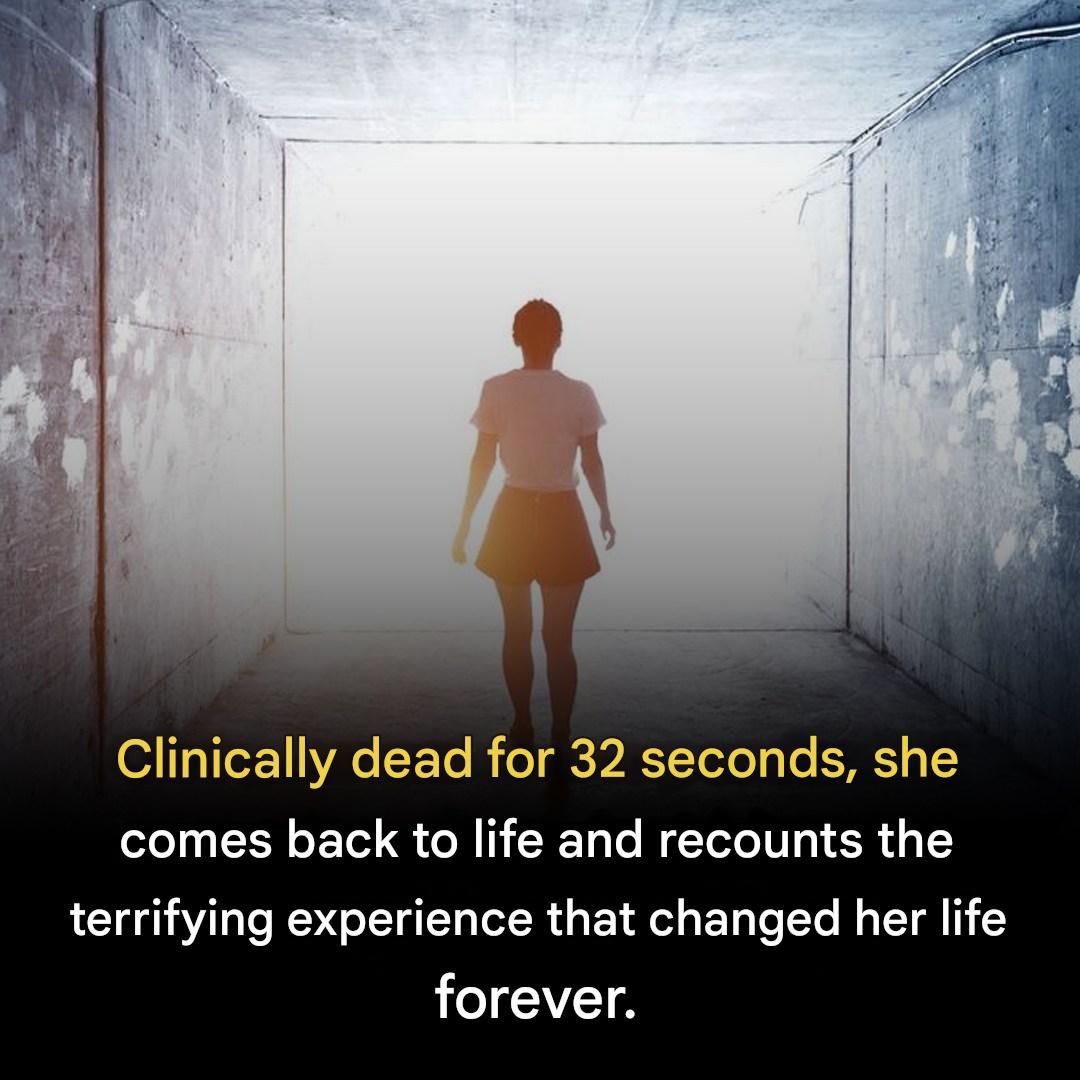
  • Clinically dead for 32 seconds, she comes back to life and reveals what she saw: a terrifying experience that changed her life forever

    Clinically dead for 32 seconds, she comes back to life and reveals what she saw: a terrifying experience that changed her life forever

    What if a simple medical examination was enough to turn an entire life upside down? Some experiences, no matter how brief, leave a lasting imprint, like a perfume that you never really get rid of. Between intimate questions, troubling perceptions and a quest for meaning, the testimony that follows profoundly questions our relationship to life, to time… and to what could exist beyond what we perceive on a daily basis.
    The French and the question of the future:

    Whether or not to believe in a form of continuity after life remains a great mystery. According to a survey conducted by Ifop, about a third of French people say they are open to this idea, a proportion that has remained relatively stable over the years. Among them, there are very varied profiles: believers, agnostics, but also people who are simply curious about what is beyond understanding. These figures show one thing above all: the subject fascinates, intrigues and feeds discussions, often late at night, between friends or family.

    When consciousness seems to escape
    We hear more and more about experiences at the frontiers of consciousness. They sometimes occur during delicate medical situations and are described as moments of rare emotional intensity. Those affected often evoke a feeling of detachment, a different perception of time or very symbolic images. Nothing spectacular in the Hollywood sense, but a deeply striking experience,

    Angela Harris’ singular testimony
    This is precisely what Angela Harris, an American whose journey took an unexpected turn following a medical examination to understand repeated discomforts. For a few seconds, her body was taken care of by the care team, while she reported going through an intense inner experience. Unlike the sweet stories often shared, hers is distinguished by more confusing, almost disturbing feelings, which deeply questioned her.

    A vision that upsets the benchmarks
    Angela explains that she perceived symbolic images related to the future of our world, feeling an urgency to review our priorities. Without going into anxiety-provoking predictions, she talks above all about a message: that of becoming aware of the fragility of our environment and the importance of more harmonious relationships. For her, this experience acted as a benevolent electroshock, inviting her to slow down, listen more and cultivate a form of presence on a daily basis, a bit like when you rediscover the simple taste of a shared coffee without looking at the time.

    A new look at everyday life
    Since then, Angela Harris has chosen to accompany others in their quest for well-being. She insists on an essential point: there is no need to experience such an intense event to reconnect with oneself. Taking a few minutes to breathe deeply, write down your thoughts in a notebook or take a walk without a specific goal can already transform your relationship with life. It just goes to show that giving a new meaning to one’s life sometimes starts with very simple gestures.

    Why these stories touch us so much
    If these testimonies meet with such an echo, it is perhaps because they put words to our own questions. They remind us that life is precious, unpredictable, and that it’s important to savor every nuance of it. Without looking for definitive answers, they open up a space for intimate reflection, where everyone can pick up what resonates with their personal history, at their own pace and without pressure.

    Sometimes, all it takes is a disturbing story to remind us of the essential: to live fully, here and now, with gentleness and awareness.

  • As Her Memories Slipped Away Our Bond Began

    As Her Memories Slipped Away Our Bond Began

    As Her Memories Slipped Away Our Bond Began

    Every Thursday afternoon, after my last college class, I drove ten minutes out of town to a small brick care home with peeling white shutters and a garden that tried its best.

    That’s where I met Ruth.

    She was eighty-four—tiny and soft-spoken, with clouded blue eyes and a halo of thin silver hair. The first day I stepped into her room, she looked up from the knitted blanket in her lap and smiled as if she’d been waiting for me.

    “Claire,” she whispered, her face lighting up. “You’re late.”

    I froze. “I’m sorry, I think you—”

    A nurse gently touched my arm and gave a small shake of her head.

    Later, in the hallway, she explained. “Her daughter, Claire, died years ago. Ruth has advanced dementia. She gets confused. It’s kinder not to correct her.”

    So the next week, when Ruth reached for my hand and said, “Claire, do you remember the lake house? You were afraid of the dock,” I didn’t argue.

    “I remember,” I said softly.

    And from then on, I became Claire.

    Every visit felt like stepping into someone else’s memories. Ruth told me about “our” camping trips, how I used to braid her hair before church, how we burned cookies one Christmas and blamed the oven.

    Sometimes her stories were vivid and detailed. Other times they drifted and dissolved mid-sentence. But every time, she looked at me with such relief—like something fractured inside her had briefly mended.

    Once, I made the mistake of saying gently, “Ruth, I’m not really Claire.”

    Her expression crumpled so quickly it stole the air from my lungs.

    “You’re not?” she whispered. “Then where is she? Why hasn’t she come?”

    That night, I cried in my car.

    After that, I never corrected her again.

    If being Claire brought her peace for an hour, I could be Claire.

    Six months later, the care home director called.

    Ruth had passed away peacefully in her sleep.

    I didn’t expect the grief to hit as hard as it did. She wasn’t my grandmother. She didn’t even know my real name.

    And yet… she had held my hand like it mattered.

    I went to the funeral.

    The chapel was small, filled with soft organ music and pale flowers arranged around a simple wooden casket. I stood near the back, unsure whether I belonged there at all.

    After the service, a tall man in his fifties approached me. His eyes were red but kind.

    “You must be the volunteer,” he said gently. “Mom talked about you. Or… she talked about Claire.”

    My throat tightened. “I’m so sorry for your loss.”

    He nodded, then reached into his jacket pocket. “There’s something I want to show you.”

    He handed me a worn photograph dated 1982.

    In it stood a young woman about my age—blonde hair falling over her shoulders, a crooked smile, a faint dimple in her left cheek.

    My stomach dropped.

    She looked like me.

    Not exactly—but enough to feel unsettling. Like seeing a reflection from another lifetime.

    “That’s my sister,” he said quietly. “Claire.”

    My hands trembled as I stared at the photo.

    “She died in a car accident when she was nineteen,” he continued. “The same age you are now.”

    Nineteen.

    The number echoed in my head.

    “My mom never really recovered,” he said. “She functioned. She smiled. But something in her was always broken.”

    He studied my face.

    “When you started visiting, the nurses told me she thought you were Claire. I didn’t know what to think. But then they said you never corrected her. That you listened. That you held her hand.”

    Tears burned behind my eyes.

    “I didn’t mean to mislead her,” I said quickly. “They told me it was kinder not to.”

    He nodded. “You gave her something we couldn’t. For a little while, she believed her daughter had come back. She was calmer on the days you visited. She slept better. She smiled more.”

    His voice thickened.

    “You became her peace.”

    I had to look down at the photograph because I couldn’t hold his gaze.

    All those Thursdays. All those borrowed memories—the lake house, the burnt cookies, the braided hair.

    I had thought I was filling a lonely hour.

    Instead, I had stepped into a space grief had hollowed out decades earlier.

    “I hope it wasn’t too strange for you,” he added softly.

    Strange.

    It had been strange—being called by another name, being folded into someone else’s history, being loved for reasons that weren’t mine.

    But it had also been deeply meaningful.

    “I don’t think it was an accident,” I said quietly, surprising myself. “That we looked alike.”

    He offered a faint, sad smile. “My mom used to say God had a strange sense of humor.”

    We stood there for a moment, two strangers connected by a woman who had loved fiercely and lost unbearably.

    As I handed the photograph back, a realization settled over me.

    For six months, Ruth hadn’t truly seen me.

    But she had felt her daughter’s presence.

    And maybe that was enough.

    On the drive home, I kept thinking about identity—how fragile and fluid it can be. In the fading corridors of memory, love sometimes reshapes reality into something bearable.

    I had walked into that care home as a college student hoping to do something kind.

    I walked out carrying a piece of someone else’s unfinished grief.

    I wasn’t Claire.

    But for a little while, I had been the shape of her hope.

    And somehow, that feels like the most important role I’ve ever played.
  • Before you judge someone for having dirty nails, consider what it might actually mean

    Before you judge someone for having dirty nails, consider what it might actually mean

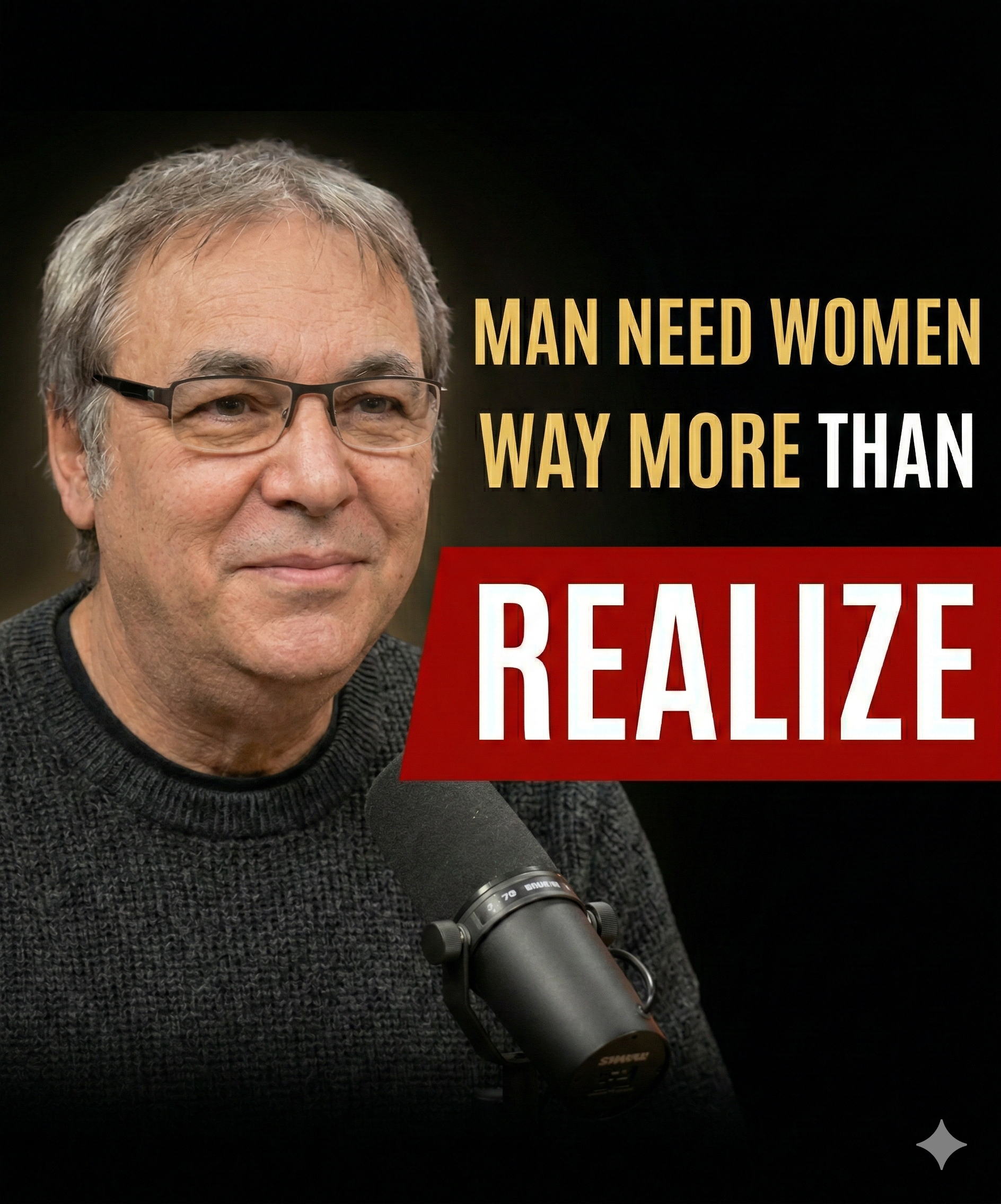
    The sight of fingernails darkened by dirt often sparks judgment. People link “unclean nails” with poor hygiene, because from a young age, we are taught that clean hands and nails are “an essential part of good health.” In offices, schools, or social settings, dirty nails can be seen as neglect, suggesting a lack of care or self-discipline.

    Yet, this view doesn’t tell the whole story. Dirt under nails often comes from hard, honest work. Mechanics, gardeners, farmers, construction workers, painters, plumbers, electricians, and welders frequently have stains that “aren’t a sign of neglect but rather a testament to a day’s hard labor.” For them, darkened nails symbolize dedication, craftsmanship, and effort.

    Context matters. In formal settings, unclean nails may suggest someone hasn’t groomed properly. But after a day in a garden or on a construction site, dirt can represent persistence and responsibility. A volunteer helping rebuild homes or a parent fixing a fence might show through their nails “effort, sacrifice, and meaningful contribution.”

    So, what do dirty nails really mean? Sometimes they indicate a need for better hygiene, but often they tell the story of someone working tirelessly with their hands. Instead of labeling them as “unclean,” it may be more accurate to recognize them as diligent, responsible, and dedicated. “Sometimes the dirt on someone’s nails is simply the result of their efforts to accomplish something important.”

    In a world where cleanliness is tied to health and respect, we should remember that respect for people matters just as much. Dirt-stained nails can be proof of hard work, not poor hygiene. By withholding judgment and considering the context, we can see beyond appearances to the effort, sacrifices, and contributions people make every day.