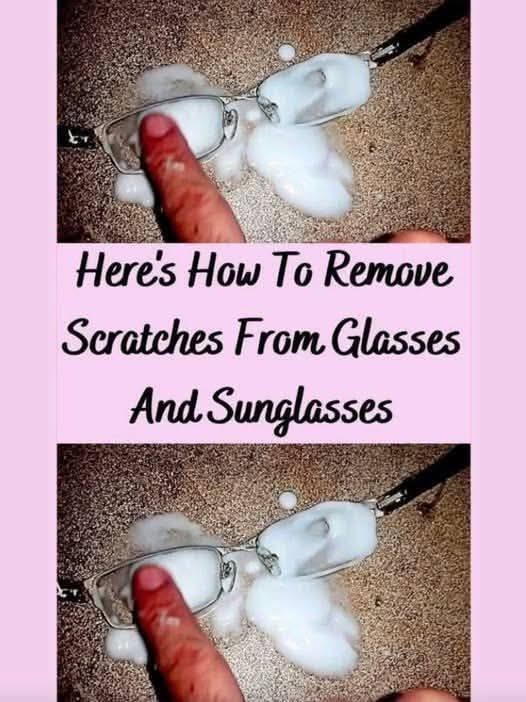
Minor scratches on eyeglass lenses sometimes look worse than they are, and a few gentle home methods may reduce their appearance—especially on older, uncoated lenses. These tricks won’t truly “fix” scratches, but they can soften very fine marks under the right conditions.
One common approach uses baking soda mixed with a few drops of distilled water to create a smooth, thin paste. After thoroughly cleaning and drying your lenses, lightly rub the paste over the scratch using a fingertip or soft cotton in small circles for about 10–15 seconds. Rinse with lukewarm water and dry using a microfiber cloth. This method is only suitable for hairline scratches on lenses without protective coatings.
Toothpaste is another widely shared remedy, but it comes with risks. Only plain, non-gel, non-whitening toothpaste should ever be considered. Apply a very small amount to a damp microfiber cloth and gently polish the scratch for no more than 10 seconds before rinsing and drying. Because many modern toothpastes contain abrasive particles, this should be a last resort and tested on the lens edge first.
Some people turn to car wax or specialty lens scratch removers to make scratches less noticeable. These products don’t remove damage; instead, they temporarily fill in fine lines, reducing how light scatters across the lens. Apply sparingly with a microfiber cloth, buff gently, and wipe away all residue. This is better suited for sunglasses or backup glasses than everyday prescription lenses.
Harsh products like metal polish or Brasso should never be used on eyeglasses. These substances are extremely abrasive and can permanently cloud lenses or strip away coatings, leaving them worse than before. Online “hacks” suggesting these products often ignore the long-term damage they cause.
Because true scratch repair is limited, prevention is your best defense. Always store glasses in a hard case, clean them only with proper lens cleaner and microfiber cloths, and avoid wiping them with clothing or paper towels. Setting glasses down lens-up and having a spare pair for rough use also helps extend lens life.
If scratches sit directly in your line of sight, cause glare or headaches, or appear alongside peeling coatings or cracks, it’s time to see an optician. Many vision plans allow regular lens replacement, and worn lenses can strain your eyes more than you realize.
Ultimately, your glasses are essential tools, not just accessories. While a mild DIY method might help an old or spare pair, experimenting on your main prescription lenses can cost more in the long run. Sometimes the best solution is accepting the scratch and choosing clearer, safer vision instead.
Leave a Reply