The mere mention of a colonoscopy often sparks tension before any explanation is given. Many people instinctively associate the word with discomfort, exposure, or frightening outcomes. Some fear pain, others dread embarrassment, and many quietly assume that agreeing to the test means something must already be wrong. These reactions are natural responses to uncertainty, which often feels more threatening than reality itself.
In truth, a colonoscopy is one of the most controlled and preventive tools in modern healthcare. Rather than signaling bad news, it frequently prevents serious illness from ever developing. Despite this, fear and misinformation still cause people to delay or avoid the procedure altogether, missing the opportunity for reassurance and early protection. Understanding what truly happens — and having open conversations — can completely shift that experience.
Most anxiety surrounding colonoscopy has little to do with the procedure and more to do with three common fears: pain, embarrassment, and potential findings. Stories shared by friends or exaggerated online accounts only intensify those worries. Yet the experience reported by most patients is far calmer than expected. In fact, the anxiety beforehand is almost always worse than the procedure itself.
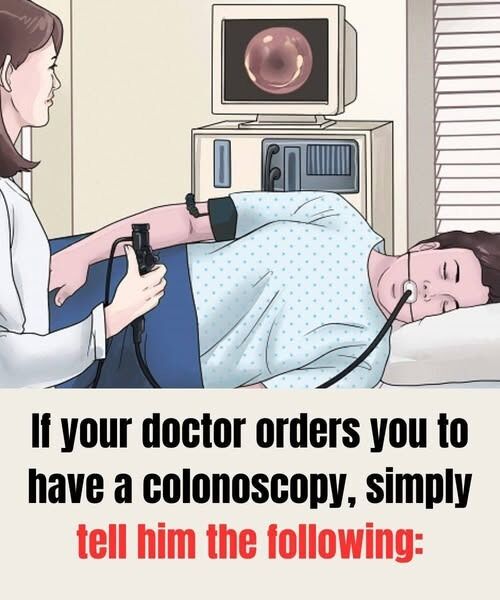
Medically speaking, a colonoscopy is a short examination of the large intestine using a flexible camera. It allows doctors to inspect the colon, identify inflammation or bleeding, detect growths, remove precancerous polyps immediately, and take samples if needed. The exam typically lasts less than an hour, and most patients are sedated, remembering little afterward. There is no sharp pain, no prolonged discomfort, and for many, the most surprising part is waking up to find it already finished.
Doctors recommend colonoscopy even when someone feels perfectly healthy because colorectal cancer often develops quietly over many years. Polyps can take a decade or more to turn cancerous, and symptoms usually appear late. Colonoscopy interrupts that process by finding problems early or eliminating them entirely. It is one of the rare tests that not only detects disease but can prevent cancer before it starts.
While the preparation is often considered the least pleasant aspect, it is temporary and manageable. Cleaning the colon allows doctors to see clearly, resulting in a faster, more accurate exam and reducing the need for repeat testing. During the procedure itself, most patients receive sedation that makes the experience feel more like a brief nap than a medical event, with continuous monitoring to ensure safety and comfort.
Asking the right questions beforehand can dramatically reduce fear. Understanding the type of sedation, recovery expectations, and what happens if polyps are found replaces uncertainty with clarity. When polyps are discovered, they are often removed immediately, preventing future cancer. This outcome represents success, not failure, and offers long-term peace of mind.
Ultimately, a colonoscopy is best viewed as an act of self-care rather than something to fear. Avoiding it does not remove risk — it only delays answers. Those who complete the test often describe relief, confidence, and gratitude afterward. Fear is human, but informed action is powerful. A colonoscopy is not about what might go wrong; it is about giving yourself the chance for many more healthy years ahead.
Leave a Reply