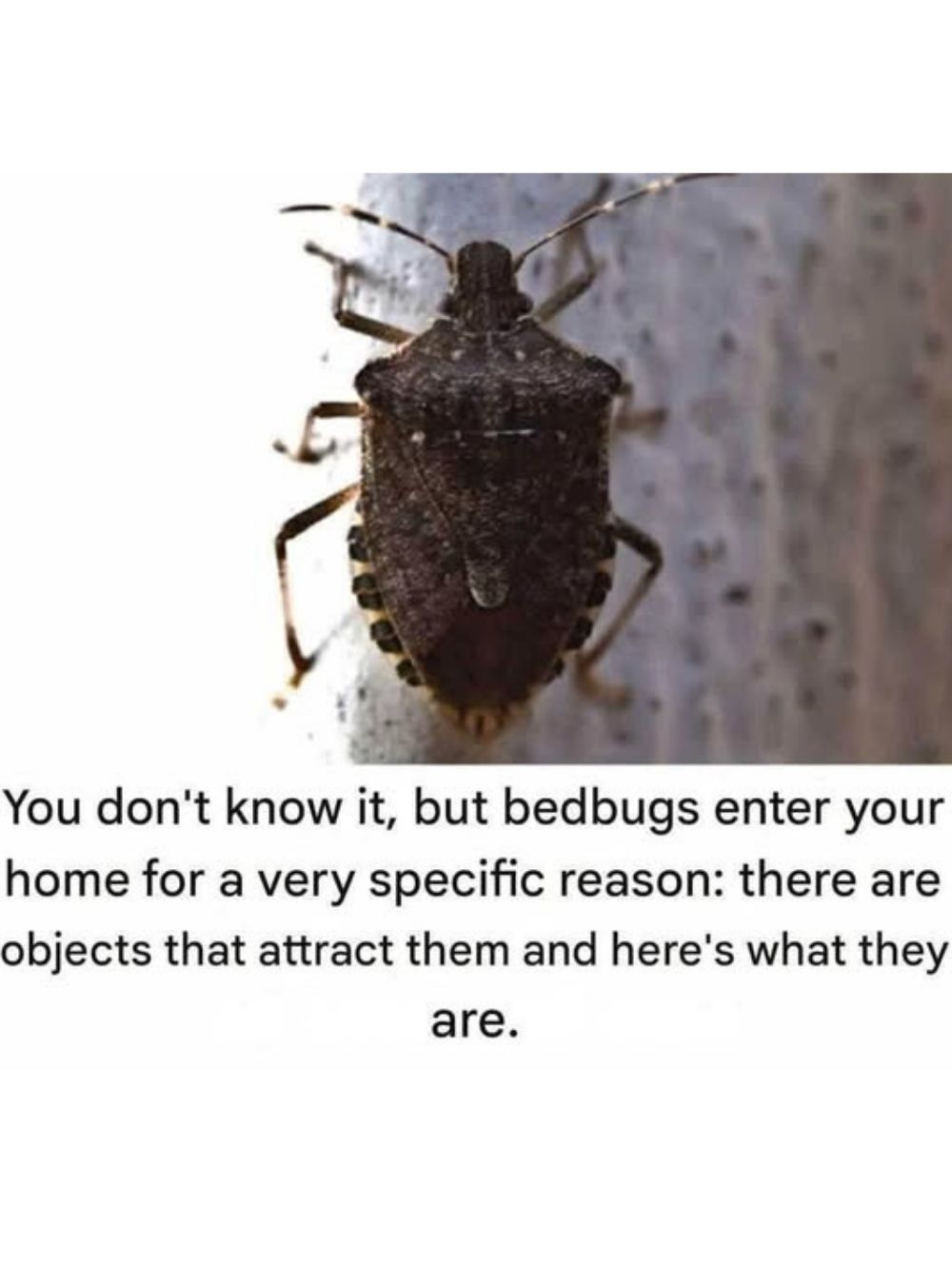
There’s a growing misconception online that deserves clarification. An insect being labeled as a “bedbug” in recent posts does not actually match the appearance or behavior of true bedbugs. Misidentifying pests can cause unnecessary panic, costly treatments, and the wrong approach to solving the problem.
Let’s separate fact from confusion.
Bedbugs are small, flat, reddish-brown parasitic insects that feed solely on human blood. They live indoors and stay close to sleeping areas. Common hiding spots include mattresses, box springs, bed frames, headboards, upholstered furniture, baseboards, and tiny wall crevices. They are primarily active at night and tend to remain hidden during the day.
Bedbugs are not green.
They are not outdoor garden insects.
They are not typically seen crawling openly on walls or gathering near windows in daylight.
If you’re noticing green insects around windows, ceilings, or light fixtures — particularly during seasonal changes — you are likely dealing with a completely different pest.
The insect most often confused with bedbugs is the green stink bug. Unlike bedbugs, stink bugs live outdoors and feed on plants. They are commonly found in gardens, trees, and agricultural areas. When temperatures drop, they may enter homes seeking warmth and shelter.
Stink bugs do not bite or feed on blood.
They do not infest mattresses or furniture.
They do not form hidden indoor colonies.
They are often attracted to light and warmth, which is why they’re commonly seen near windows, doors, radiators, or ceiling fixtures.
Their presence indoors is usually temporary and seasonal. While they can release an unpleasant odor if disturbed, they do not pose the same health risks associated with bedbug infestations.
The most important takeaway is accurate identification. True bedbug infestations often require professional pest control and targeted treatment. Stink bug issues, on the other hand, are typically managed by sealing entry points, repairing screens, and applying seasonal prevention measures. Correct identification saves time, money, and unnecessary stress.
Leave a Reply