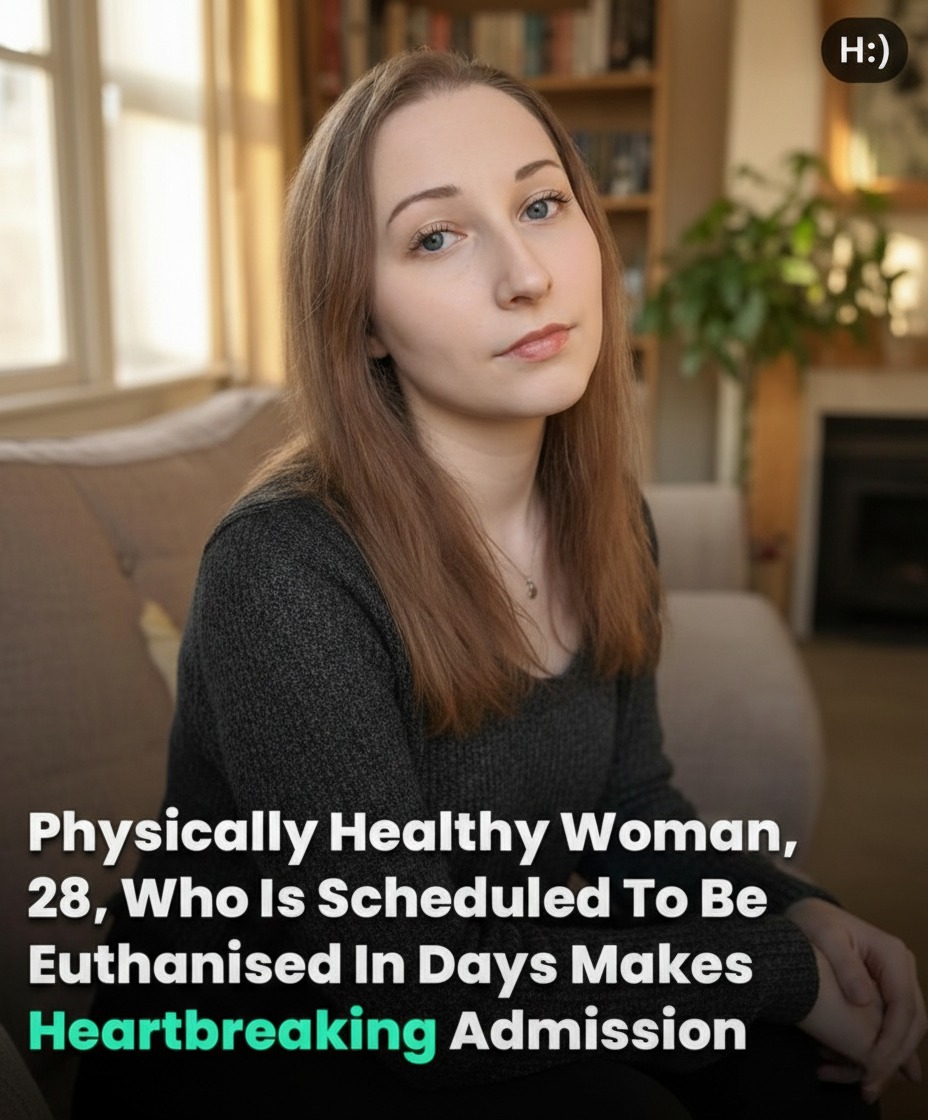
The story of Zoraya ter Beek, a 28-year-old woman from the Netherlands, has ignited a profound and emotionally charged discussion across continents after she publicly shared her decision to pursue euthanasia. Unlike many widely reported assisted dying cases that involve terminal cancer or irreversible physical decline, her situation centers on long-standing psychiatric conditions rather than a life-limiting disease. That distinction alone has made her case particularly complex in the eyes of the public.
Conversations about assisted dying often revolve around visible physical suffering, but psychological pain can be far less visible while still deeply debilitating. By speaking openly about her choice, ter Beek has brought renewed attention to the difficult intersection of mental health, autonomy, and medical ethics. Around the world, people have responded with a mixture of empathy, concern, support, and alarm. Some see her decision as an assertion of personal agency after years of unrelieved suffering, while others view it as a troubling sign of how societies address — or fail to address — severe mental illness. The intensity of the reaction reflects how sensitive and deeply personal the topic of euthanasia remains, especially when the suffering involved is psychological rather than physical.
In the Netherlands, euthanasia has been legally regulated since 2002 under one of the most closely monitored frameworks in the world. The law allows assisted dying when a patient experiences unbearable suffering with no reasonable prospect of improvement, provided that strict criteria are met. Physicians must be satisfied that the request is voluntary and well-considered, that the suffering is enduring and intolerable, and that no viable alternatives remain. Independent doctors must review the case, and oversight committees later evaluate whether all due care standards were upheld. Psychiatric cases, in particular, are subject to additional scrutiny because of the complexities involved in assessing mental illness. Determining whether suffering is truly without hope of improvement can be especially challenging when symptoms fluctuate or when new therapies continue to emerge.
Ter Beek has publicly described living with severe, treatment-resistant depression, autism, and borderline personality disorder. She has recounted years of therapy sessions, medication adjustments, hospital visits, and structured treatment programs. According to her statements, the recurring cycle of hope followed by disappointment gradually became part of the emotional burden she carried. Each new treatment plan brought temporary anticipation, only to be followed by the return of overwhelming distress. In her telling, the exhaustion of repeated attempts played a central role in her decision-making process.
Supporters of assisted dying legislation argue that suffering is not defined solely by physical deterioration. They contend that mental anguish, when persistent and resistant to treatment, can be just as consuming and incapacitating as bodily pain. From this perspective, autonomy is central: individuals who meet carefully defined legal standards should be permitted to make decisions about their own medical care, including the decision to end life under regulated conditions.
Advocates emphasize that psychiatric euthanasia cases in the Netherlands undergo especially rigorous evaluation, often involving multiple independent psychiatrists and extended observation periods. The goal, they argue, is to ensure that the choice is not impulsive and that every reasonable therapeutic option has been explored. In this framework, compassion is expressed not only through attempts to heal but also through recognition of personal agency. Those who support ter Beek’s decision often describe it as an act of self-determination after years of documented suffering. They believe the legal safeguards are designed precisely to prevent abuse while respecting individual dignity. For them, her story reflects the difficult reality that not all pain is visible, and not all illnesses respond to treatment in predictable ways.
Critics, however, voice serious concerns about extending euthanasia eligibility to psychiatric conditions. Some mental health professionals argue that hopelessness is itself a hallmark symptom of severe depression, raising questions about whether a person’s desire to die can ever be fully separated from the illness influencing their thoughts. They caution that mental health conditions can evolve over time and that new therapies, medications, or social interventions may emerge that could change a patient’s outlook.
Others worry about the broader societal implications, suggesting that normalizing psychiatric euthanasia could unintentionally signal that certain lives are less worthy of long-term investment and care. There is also concern about whether adequate mental health resources are consistently available, both in the Netherlands and elsewhere. If patients face long waiting lists, limited specialist access, or insufficient community support, critics ask whether all alternatives have truly been exhausted. For some observers, ter Beek’s case underscores the urgency of strengthening mental health systems rather than expanding end-of-life options. They fear that vulnerable individuals might internalize a sense of being burdensome, particularly in cultures where productivity and independence are highly valued. These apprehensions reveal how the debate extends far beyond one individual, touching on collective responsibility and societal values.
Ter Beek herself has described her choice not as an act of despair but as a sense of release after years of unrelenting psychological distress. In interviews and public statements, she has spoken about feeling a measure of peace in having clarity about her path. That framing has resonated with some and unsettled others. The language of relief can sound radically different depending on one’s beliefs about suffering and recovery. For individuals who have witnessed loved ones struggle with severe mental illness, her words may evoke compassion and recognition. For others who believe strongly in the potential for unexpected improvement, they may provoke concern or sadness. The emotional intensity surrounding her case reflects how deeply personal the topic is for many people.
Mental health challenges touch families, friendships, and communities across the globe. When someone publicly articulates a desire to end their life under legal medical supervision, it forces society to confront uncomfortable questions about resilience, hope, and the limits of medicine. It also challenges simplified narratives about recovery, reminding observers that not all treatment journeys follow linear paths toward improvement.
Regardless of where one stands in the debate, ter Beek’s story has prompted thoughtful reflection worldwide about autonomy, dignity, and ethical responsibility. It has encouraged renewed examination of how different countries regulate assisted dying and how mental health systems support those in prolonged distress. Some nations maintain strict prohibitions against any form of euthanasia, while others are gradually expanding eligibility criteria. Each legal framework reflects cultural values, historical context, and evolving medical understanding.
Ter Beek’s case does not offer easy answers, nor does it resolve the philosophical tensions at the heart of the issue. Instead, it highlights the complexity of balancing compassion with caution, individual rights with collective duty. It reminds us that discussions about assisted dying cannot be separated from broader conversations about mental health care, social support, and the meaning of suffering itself. In bringing her private decision into the public sphere, she has ensured that these conversations continue — not as abstract policy debates alone, but as deeply human questions about how societies respond when healing proves elusive and autonomy stands at the forefront of personal choice.
Leave a Reply