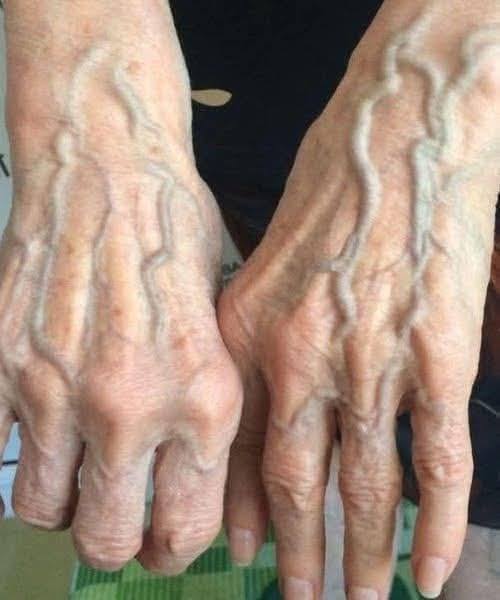
Visible veins on the hands, arms, or legs are often completely harmless. In many people, they simply reflect natural aging, lower body fat, warm temperatures, or regular exercise. Athletes, in particular, tend to have more prominent veins due to strong circulation and reduced subcutaneous fat. In these cases, visible veins are normal and not a cause for concern.
However, medical experts caution that suddenly noticeable or bulging veins should not be ignored. A rapid change in appearance — especially when paired with discomfort — may signal an underlying vascular issue. Understanding the difference between harmless visibility and potential warning signs is key to protecting long-term vein health.
One possible cause is chronic venous insufficiency (CVI), a condition in which the valves inside the veins weaken and fail to push blood efficiently back toward the heart. As a result, blood can pool in the legs, leading to swelling, heaviness, aching, and enlarged or twisted veins. If left untreated, CVI may gradually worsen over time.
Closely related are varicose veins, which often appear rope-like or raised beneath the skin. While they are sometimes considered primarily cosmetic, they can also cause discomfort, throbbing, or a feeling of pressure. In more advanced cases, medical evaluation and treatment may be necessary.
A more serious condition to be aware of is deep vein thrombosis (DVT). This occurs when a blood clot forms in a deep vein, usually in the leg, partially or completely blocking blood flow. Symptoms may include pain, swelling, warmth, and redness.
If a clot breaks loose and travels to the lungs, it can cause a life-threatening pulmonary embolism, requiring immediate medical attention.
Hormonal changes, pregnancy, prolonged standing, and even dehydration can also temporarily make veins appear more prominent by increasing pressure inside them. In many cases, simple lifestyle measures such as regular movement, leg elevation, maintaining a healthy weight, and wearing compression stockings can help reduce symptoms.
The key message is balance: not all visible or bulging veins are dangerous, but sudden changes — especially when accompanied by pain, swelling, skin discoloration, or unusual fatigue — should prompt a conversation with a healthcare professional. Paying attention to your body can make a meaningful difference in maintaining vascular health.
Leave a Reply