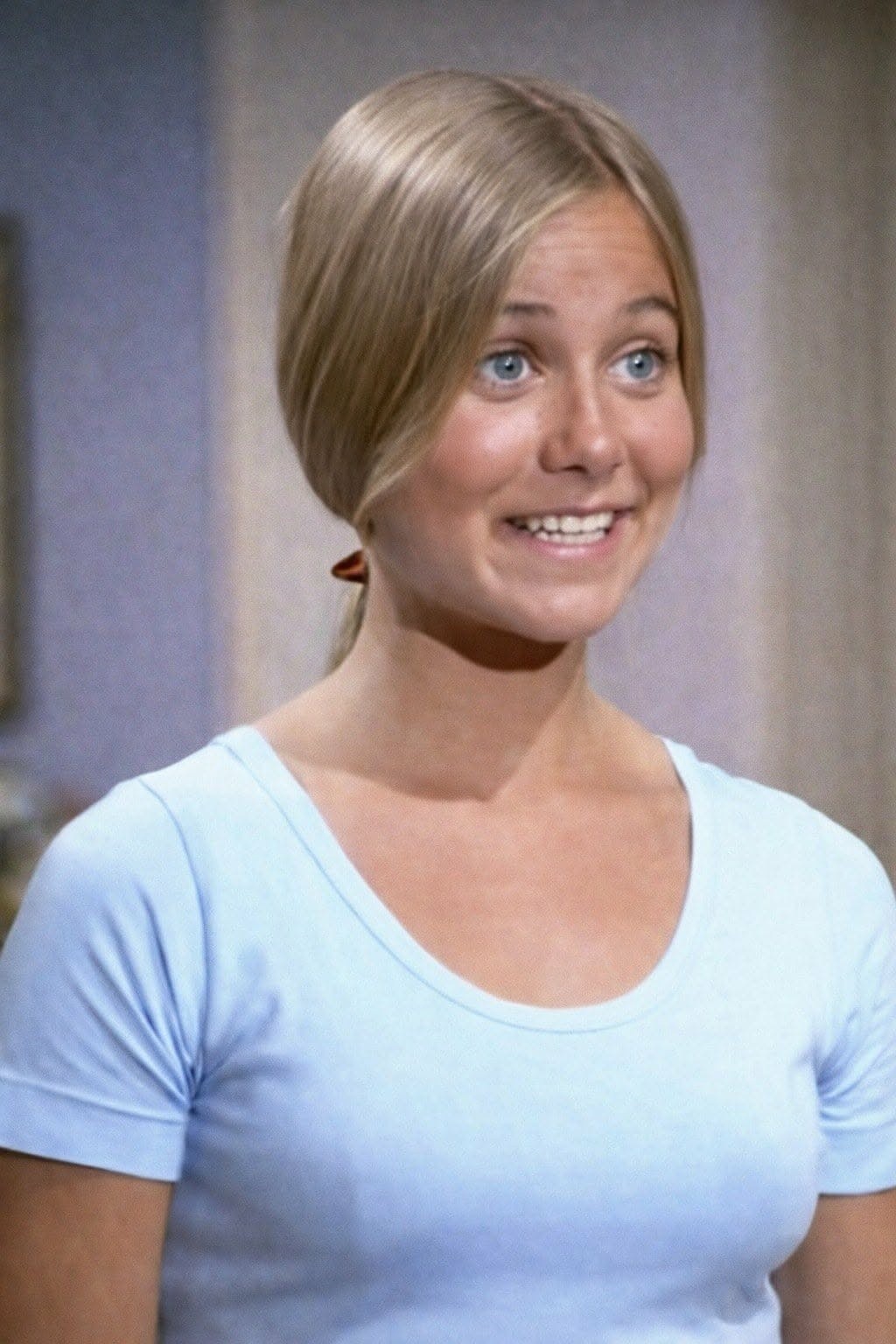
The Brady Bunch is widely regarded as one of the most recognizable family sitcoms in television history. The series originally aired from 1969 to 1974 and centered on a blended family formed when a widowed architect married a woman with three daughters. Together, they created a lively household of six children, guided by steady parental support and the help of a live-in housekeeper. Each episode focused on everyday childhood dilemmas, sibling rivalries, and gentle life lessons, all presented with humor and optimism that reflected the tone of late-1960s and early-1970s television.
Although the show did not dominate ratings during its initial network run, its true success emerged in syndication. Repeated broadcasts on local stations introduced the series to new generations of viewers, particularly children watching after school and families tuning in on weekends. This consistent exposure allowed the sitcom to grow far beyond its original audience, transforming it into a cultural staple. Over time, the series became less a television program and more a shared nostalgic experience.
The enduring popularity of the show led to numerous spin-offs and reunions, including animated adaptations, television movies, and theatrical releases. These extensions kept the Brady family alive in popular culture long after the final episode aired. The show’s catchy theme song and iconic opening grid sequence became instantly recognizable elements of American television history.
Behind the scenes, strong bonds developed among the cast members, contributing to the warmth audiences felt on screen. Maureen McCormick, who portrayed the eldest daughter Marcia Brady, became especially associated with her character’s confident yet relatable personality. Susan Olsen and Barry Williams also played central roles in shaping the show’s sibling dynamics, helping create moments that felt natural and engaging.
Their off-screen friendships often translated into authentic chemistry during filming. While the scripts delivered tidy resolutions and clear moral lessons, it was the performers’ rapport that gave the series its lasting charm. Viewers responded not only to the storylines but also to the sense of genuine connection among the cast.
Decades after its original broadcast, *The Brady Bunch* continues to resonate. Through reruns, pop culture references, and dedicated fan communities, the show remains a symbol of nostalgia and family-centered storytelling. Its portrayal of unity, patience, and optimism still appeals to audiences seeking comfort and familiarity.
In many ways, the series represents a snapshot of a particular era in television — one defined by straightforward storytelling and wholesome humor. Yet its themes of blending families, resolving conflicts, and growing up together remain timeless. That universality has allowed it to endure beyond changing trends and viewing habits.
Today, the Brady household stands as an enduring emblem of classic American sitcom tradition. While television has evolved dramatically since the early 1970s, the series’ influence can still be felt in modern family comedies. Its legacy lies not only in ratings or spin-offs, but in the generations who continue to find warmth, laughter, and nostalgia in its episodes.
Leave a Reply