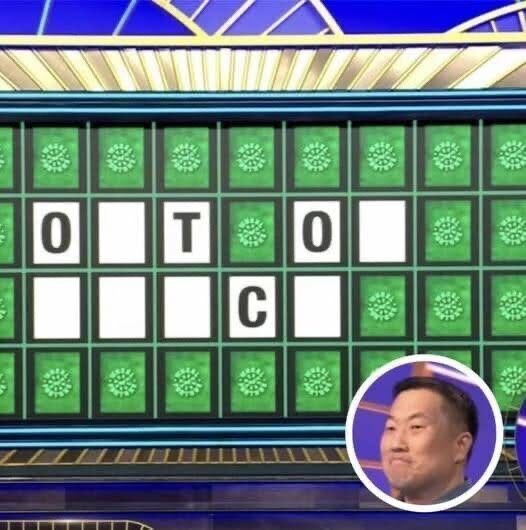
The episode of Wheel of Fortune captured the attention of viewers nationwide, and for good reason. Unlike typical episodes featuring strangers vying for prizes, this installment had a special “Bragging Rights” theme, bringing together coworkers from the same pediatric medical office. The dynamic was immediately different: instead of strangers navigating the wheel, the tension, camaraderie, and teasing among familiar faces added layers of entertainment. Sam Oh, hailing from Cypress, Texas, faced off against Peter Jung and Daniel Park, both representing Houston. Beyond the prizes, the trio was competing for workplace bragging rights, an unusual twist that made the stakes feel both intimate and absurdly hilarious. What started as lighthearted teasing quickly evolved into a highly competitive battle, as each contestant wanted to prove their mastery over both the puzzle and their colleagues’ respect. The blend of personal history, professional rivalry, and national television exposure created an episode that was equal parts suspenseful, comedic, and strangely relatable for anyone who’s ever competed in friendly contests with coworkers.
The energy in the studio was electric as host Ryan Seacrest introduced the competitors. From the start, it was clear that the usual formalities of a game show were being replaced by inside jokes and playful banter. One of the first moments that set the tone occurred when Seacrest learned that Jung had previously been Park’s pediatrician. “Still waiting for him to grow,” Jung quipped, eliciting laughter from both the audience and his fellow contestants. Seacrest, never missing a beat, replied with his own jab, “People say the same about me — better watch it!” The friendly teasing immediately established a sense of intimacy, demonstrating how the relationships among contestants could create both comedic gold and psychological pressure. Unlike typical episodes where tension is largely about unfamiliar rivals and high stakes, this episode layered in personal history, teasing, and camaraderie, making the competition feel simultaneously high-stakes and amusingly absurd.
As the game progressed, it became clear that the real drama wasn’t just spinning the wheel but handling the mental pressure of the Bonus Round. By the time Sam Oh reached this final stage, the potential $1 million prize had everyone on edge. While the audience eagerly watched, tension mounted both in the studio and at home, as it became apparent that even experienced contestants could falter under the weight of expectation. In front of millions of viewers, Oh hesitated at a critical moment, a pause that spoke volumes about the psychological demands of televised game shows. Unlike a casual quiz or a board game among friends, Wheel of Fortune combines time pressure, public scrutiny, and a massive monetary incentive, creating a unique cocktail of stress that can unsettle even confident contestants. The irony was striking: having navigated the main rounds with poise, Oh’s stumble in the Bonus Round reminded viewers how unpredictable high-pressure situations can be.
The dynamics of competing against colleagues added a fascinating psychological layer. Normally, contestants approach the game with a sense of anonymity, but this episode highlighted how pre-existing relationships could heighten stress and impact performance. For instance, the playful teasing between Jung and Park intensified the stakes for Oh, who had to balance her own desire to win with the social expectations and competitive energy of her coworkers. The audience could see subtle shifts in posture, facial expressions, and even eye contact that reflected the interplay of camaraderie, rivalry, and professional respect. In many ways, the episode illustrated a fundamental truth about human competition: familiarity complicates strategy. While competing against strangers might invoke generic stress, competing against people whose opinions you value adds layers of psychological nuance that can either enhance or impair performance. Observers at home could sense the tension in these subtle moments, making the eventual misstep in the Bonus Round all the more compelling and relatable.
Leave a Reply