Author: admin

  • More Than Preference: How Colors Reflect Your Mood and Mind

    More Than Preference: How Colors Reflect Your Mood and Mind

    The Hidden Language of Colors
    Colors speak before we do. Without a single word, they stir emotions, memories, and moods. They act as a subtle language that communicates straight to the heart. While many of us treat color as a simple preference—“I like blue” or “I avoid yellow”—our choices often mirror our inner world.

    Red is bold and passionate, radiating energy and desire. It empowers but may also reveal restlessness or unspoken frustration. People often reach for red when they feel drained, craving intensity and stimulation.

    Blue, on the other hand, calms and soothes. It invites peace, clarity, and trust. Yet, an attraction to blue can also reflect distance, loneliness, or a quiet longing for serenity.

    Purple carries mystery and transformation. It often surfaces during life shifts, symbolizing introspection, renewal, and spiritual change. For many, purple feels like a bridge between endings and new beginnings.

    Our brains respond instantly to color. Light and shade can alter moods, while the hues we wear can make us feel powerful, secure, or invisible. Cultural meanings deepen this impact: white may represent purity in one society but mourning in another, while red can symbolize love, danger, or celebration depending on context.

    The colors we surround ourselves with—sage green walls, a black hoodie, or a burnt-orange sweater—often express subconscious needs. These choices reflect comfort, healing, or protection, and they shift with life’s transitions such as breakups, moves, or new chapters.

    Even the colors we resist carry meaning. Avoiding red might signal discomfort with intensity, while rejecting white could reflect grief or vulnerability. Our refusals say as much as our preferences.

    Color speaks when words fail. Next time you’re drawn to a shade, pause and listen. It may reveal truths about your emotions long before you consciously recognize them.

  • A Look Inside Ellen DeGeneres’ Expansive Home in the English Countryside – Photo

    A Look Inside Ellen DeGeneres’ Expansive Home in the English Countryside – Photo

    Now living full-time in England’s idyllic Cotswolds region, Ellen DeGeneres and her wife, Portia de Rossi, have embraced a life far removed from Hollywood’s red carpets and the relentless glare of studio lights. After stepping away from American television, the couple decided to make a dramatic shift in lifestyle. Following the cancellation of DeGeneres’ long-running talk show in 2024, they left the United States entirely, seeking a quieter, more grounded existence in the scenic English countryside. Before settling permanently in the Cotswolds, the couple concluded a final nationwide stand-up tour, marking the end of one chapter of their professional lives.

    The Cotswolds, celebrated for its rolling hills, honey-colored stone villages, and timeless charm, provided the perfect setting for the couple’s next phase. DeGeneres and de Rossi, who have previously been involved in multimillion-dollar home-flipping ventures in California, quickly applied that same passion and expertise to their new life abroad. Within months of their relocation, they purchased two rural estates. The first, Kitesbridge Farm, spans 43 acres and was acquired in the spring of 2024 for approximately $20 million. They undertook an extensive renovation of the property before placing it back on the market.

    By 2025, Kitesbridge was listed for £22.5 million, roughly $30 million, through U.K. Sotheby’s International Realty. Although the home had been transformed under their careful direction, the couple realized they needed more space to accommodate their lifestyle, particularly for de Rossi’s horses. “When we decided to live here full-time, we knew that Portia couldn’t live without her horses,” DeGeneres explained in a statement shared via Sotheby’s. “We needed a home that had a horse facility and pastures for them.”

    This necessity led them to their second and permanent residence, a sleek, glass-walled contemporary farmhouse located nearby. The property provides ample room for de Rossi’s horses, who were transported from the United States to live on the sprawling estate. “It’s absolutely beautiful,” DeGeneres shared about their surroundings. “We’re just not used to seeing this kind of beauty. The villages and the towns and the architecture—everything you see is charming, and it’s just a simpler way of life.” Through photos and videos shared on social media, DeGeneres has offered glimpses into this quieter chapter of their lives.

    The posts often feature farm animals and snapshots of the couple’s rural routine, reflecting a slower, more grounded way of living. Their Cotswolds estate provides more than just a residence; it embodies a lifestyle rooted in nature, rhythm, and simplicity. The property itself is vast and characterized by wide-open pastures, rows of meticulously maintained trees, and expansive views of the surrounding countryside. Meadows blend seamlessly with quiet woodlands, while winding dirt paths connect the working areas of the farm to more serene corners of the land. The couple’s daily life revolves around the natural rhythms of the property—mowing grass, tending to animals, and taking long walks across the estate accompanied by their dogs.

    DeGeneres and de Rossi have welcomed a variety of animals into their daily routines. Chickens roam freely in a custom-built coop and are known to hop onto DeGeneres’ lap during her morning rounds, while sheep graze calmly across the pastures. Each animal seems to have found its place on the property, mirroring the couple’s own sense of belonging. These quiet, unscripted moments reflect the contentment they have found in this new life. One side of the estate features a barn designed to combine rustic charm with modern functionality. The structure houses the couple’s horses in spacious, well-ventilated stalls and also includes a warm, lived-in seating area. Leather armchairs, vintage trunks, and wool blankets create a cozy, lounge-like atmosphere that is both practical and inviting.

    Inside the farmhouse, the aesthetic shifts from pastoral to contemporary, yet remains grounded in comfort. The main living area features floor-to-ceiling glass walls that flood the space with natural light while offering panoramic views of the surrounding countryside. One side of the room overlooks a meticulously maintained backyard, while the other frames a smaller internal courtyard designed in a minimalist Japanese style.

    The home’s open-plan layout is expansive but carefully curated. At the center, a large glass table is adorned with neatly stacked books, sculptural objects, and clusters of candles, each piece thoughtfully placed. Nearby, a dining table seats up to eight guests and balances utility with elegant design, its neutral-toned chairs complementing the earthy palette of the home. In the lounge, a large beige couch anchors one of several seating areas, accompanied by plush armchairs and low-profile tables. Soft, patterned rugs stretch across polished concrete floors, adding warmth and defining separate spaces within the open interior.

    Despite its refined design, the home retains a sense of liveliness. Dog toys and cozy pet beds are scattered across the floors, and the couple’s dogs roam freely, moving between lounging spots and the floor-to-ceiling windows. Exposed wooden beams cross the ceiling, providing subtle architectural texture that harmonizes with the clean lines of the furniture. The result is a space that feels both elegant and alive, reflecting the couple’s instinct to blend style with practicality, and form with soul.

    Ellen DeGeneres and Portia de Rossi’s Cotswolds retreat represents more than just a beautiful property—it is a portrait of a new chapter in their lives. What began as a transatlantic move has evolved into a slower, more grounded lifestyle, centered on animals, open land, and the kind of quiet peace that cannot be found in Hollywood. Their home, their routines, and their surroundings embody a lifestyle defined by simplicity, connection to nature, and a deep appreciation for life beyond the spotlight.

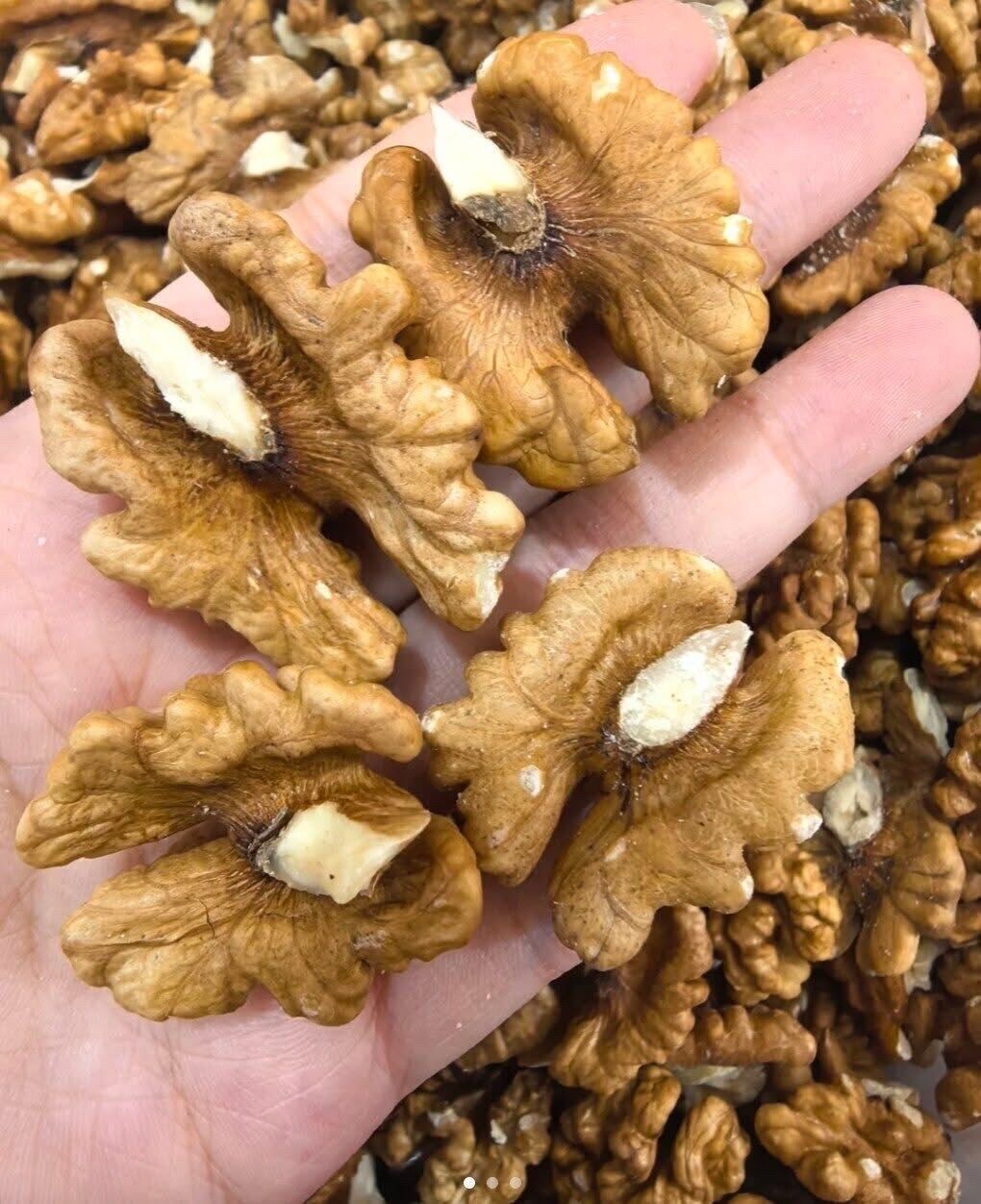
  • Walnuts pack major health benefits into a small snack. Rich in omega-3s, antioxidants, and fiber, they support heart health

    Walnuts pack major health benefits into a small snack. Rich in omega-3s, antioxidants, and fiber, they support heart health

    Don’t underestimate the power of a walnut, because beneath its rough shell is a food that has supported human health for generations. Long before modern nutrition science, walnuts were valued not as a luxury but as a steady source of nourishment, offering energy, clarity, and resilience during daily physical and mental work.

    Today, research confirms what tradition already understood: walnuts quietly support the heart, brain, digestion, and overall balance through their rich combination of omega-3 fatty acids, antioxidants, fiber, and essential minerals.

    Their benefits are not dramatic or instant, but cumulative, working with the body rather than forcing quick results. Walnuts are especially notable for their relationship with the brain. It is no coincidence that their shape resembles the human brain, as the healthy fats they contain help maintain brain cell structure, support communication between neurons, and protect against oxidative stress.

    Regular consumption is linked to steadier focus, improved mental stamina, and emotional balance. Rather than stimulating the nervous system artificially, walnuts provide the raw materials the brain needs to function smoothly and sustainably.

    The heart also responds positively to walnuts. Their omega-3 fats help reduce harmful cholesterol, support healthier blood vessels, and promote smooth circulation. Combined with anti-inflammatory plant compounds, this creates long-term cardiovascular support without overstimulation or energy crashes. Walnuts nourish the heart with consistency, allowing benefits to build gradually over time.

    Beyond this, walnuts help regulate blood sugar and metabolism by slowing digestion and promoting lasting fullness. They reduce sudden energy swings and cravings while supporting insulin sensitivity. At the same time, they act as a natural prebiotic, feeding beneficial gut bacteria and strengthening digestion, immunity, and even mood.

    What makes walnuts truly remarkable is how easily they fit into daily life. They require no special preparation and adapt to countless meals. Their value lies not in trends or marketing, but in reliability, proving that powerful nourishment can be simple, steady, and deeply effective.

  • What the Small Fish Symbol on Some Cars Really Means

    What the Small Fish Symbol on Some Cars Really Means

    You may have noticed “a small silver fish attached to the back of a car, quietly reflecting the red glow of brake lights.” It is subtle and easy to overlook, yet it often sparks curiosity. While it may appear decorative, its meaning reaches far beyond modern traffic and carries a long tradition rooted in shared values.

    Long before it appeared on vehicles, the fish symbol represented patience, kindness, and mutual respect. It served as “a quiet sign of belonging,” allowing people to recognize others who embraced the same principles. Its purpose was never secrecy or division, but connection—an understated way to acknowledge shared values without drawing attention.

    That meaning continues today in a modern setting. For many drivers, placing the fish on their car is “a personal reminder to remain calm, tolerant, and considerate behind the wheel.”

    It does not promise protection, luck, or special favor. Instead, it reflects an intention to drive responsibly and reduce tension in situations that often provoke stress and impatience.

    The symbol is also a form of personal expression. On roads filled with nearly identical vehicles, small details help drivers stand out in quiet ways. This modest emblem can “gently humanize the road,” suggesting that behind the wheel is someone trying to move through the day with care rather than aggression.

    Ultimately, the silver fish serves as “a quiet reminder that driving is a shared experience.” It points to the idea that small, thoughtful choices—patience, courtesy, and restraint—can make everyday travel safer and more respectful for everyone.

  • unexpected scent that secretly drives many men wild isn’t found in any perfume bottle

    unexpected scent that secretly drives many men wild isn’t found in any perfume bottle

    Most people grow up believing attraction is something you buy — “it comes in glass bottles with gold caps.” Perfume counters teach us that seduction can be manufactured, but the truth is quieter. For many men, the most powerful scent doesn’t come from a bottle. It comes from a woman’s natural skin — “subtle, human, real.” It doesn’t announce itself or perform. It lingers softly and stays in memory long after brand names fade.

    Attraction existed long before romance had words. It began as a biological language — “small, invisible, chemical conversations our bodies learned to interpret.” Every person carries a unique chemical signature shaped by genetics, hormones, and mood. When two people are deeply compatible, that natural scent feels less like seduction and more like recognition, whispering, “This feels right.”

    Men often notice this before they can explain it. The scents they remember most aren’t perfumes. They’re “the way she smells right after a shower,” the warmth of clean skin, or the faint trace left on a T-shirt. These moments feel intimate because they are unforced. Authenticity, not performance, leaves the deepest impression.

    Emotional state plays a powerful role. Stress creates sharper undertones; calm softens them. When a woman feels truly safe, her body settles, and her scent becomes something a man naturally leans into. These quiet moments — laughter, sleep, slow embraces — carry a physical signal that says, “Stay close.”

    Perfume can enhance attraction, but it can’t replace what’s real. “Perfume is a performance. Natural scent is a truth.” Fragrance may catch attention from across a room, but natural scent is what keeps someone close when everything else disappears.

    This kind of attraction doesn’t shout. It appears in still mornings, long hugs, shared silence. It requires nothing elaborate — just presence. “Just being” becomes magnetic, awakening something instinctive, emotional, and deeply human.

    If you want it even shorter, more poetic, or more neutral, tell me the style and I’ll adjust it instantly.

  • If You Notice This Insect on Your Skin, Clothing, or Pets, Take These Immediate Steps to Protect Your Health, Prevent Long-Term Complications, and Understand Why Ignoring This Tiny Bite Can Lead to Serious and Life-Changing Consequences

    If You Notice This Insect on Your Skin, Clothing, or Pets, Take These Immediate Steps to Protect Your Health, Prevent Long-Term Complications, and Understand Why Ignoring This Tiny Bite Can Lead to Serious and Life-Changing Consequences

    A few weeks ago, I was mowing the lawn with my old, half-functional mower, the kind that only keeps going if you talk to it nicely and don’t stop moving. The sun was warm but not unbearable, and everything felt normal in that quiet, suburban way. My golden retriever, Mochi, was stretched out under the oak tree, tail thumping lazily every time I passed by. It was an ordinary afternoon, the kind you don’t expect to remember.

    Then I felt a strange tickle on my ankle.

    At first, I brushed it off. It felt like a mosquito landing, nothing more than a fleeting irritation. But when the sensation didn’t go away, I looked down. Clinging to my skin was a tiny black dot, so small it almost didn’t look real. It wasn’t moving. It wasn’t flying away. It was attached.

    That’s when the unease hit.

    I bent down and carefully removed it, using my fingers as gently as I could. When I looked closer, my stomach tightened. There it was, unmistakable even to my untrained eye: a lone star tick, identified by the small white spot on its back.

    In that moment, the peaceful afternoon ended.

    I’ve always been someone who tolerates nature’s inconveniences. Mosquito bites itch, but they pass. Bee stings hurt, but you ice them and move on. But ticks are different. They aren’t just annoying or painful. They’re silent, persistent, and potentially dangerous in ways that aren’t always immediate or obvious.

    Ticks don’t just bite and leave. They latch on. They feed slowly. And while they do, they can transmit bacteria, viruses, and other pathogens that can affect your health long after the bite itself has healed. The lone star tick, in particular, has earned a reputation for being one of the most concerning species in many parts of the country.

    The first thing to understand is what makes this tick different.

    The lone star tick gets its name from the single white dot on the back of adult females. Males don’t have the spot, which makes them harder to identify, but they are just as capable of biting. Unlike some tick species that simply wait for a host to brush past them, the lone star tick is an active hunter. It detects movement, body heat, and carbon dioxide, and it will move toward a potential host.

    That host can be a deer, a dog, or you.

    This behavior increases the chances of human contact significantly, especially in grassy yards, wooded areas, parks, and even suburban neighborhoods. Many people assume ticks are only a concern when hiking deep in forests. That assumption leads to complacency, and complacency is where problems begin.

    If you notice a tick on your body, the steps you take in the first few minutes matter far more than most people realize.

    The very first rule is this: do not panic, but do not ignore it either.

    Ticks need time to transmit many of the diseases they carry. The longer they remain attached, the greater the risk. Acting promptly and correctly can significantly reduce potential harm.

    If the tick is still attached, removal must be done carefully. Grabbing it hastily or squeezing the body can actually increase the risk of infection by forcing pathogens into the bite site. The safest approach is to use fine-tipped tweezers. Grip the tick as close to the skin as possible, aiming for the head or mouthparts rather than the swollen body. Pull upward slowly and steadily. Do not twist, jerk, or crush it.

    Once removed, do not throw the tick away immediately. Place it in a sealed container, a small plastic bag, or even wrap it tightly in tape. This may sound excessive, but keeping the tick allows for identification later if symptoms develop. Some healthcare providers may ask to see it, and having it available can be helpful.

    After removal, thoroughly clean the bite area and your hands with soap and water or rubbing alcohol. This reduces the chance of secondary infection and helps remove any remaining bacteria on the skin.

    Next, monitor the bite site closely over the following days and weeks. This is where many people make a critical mistake. They assume that if the bite doesn’t hurt, everything is fine. But tick-borne illnesses often don’t announce themselves immediately. Early symptoms can be subtle and easy to dismiss.

    Pay attention to redness that spreads beyond the bite, unusual rashes, persistent itching, or swelling. Also watch for symptoms that seem unrelated at first: fatigue that doesn’t make sense, headaches, muscle aches, joint pain, fever, or gastrointestinal issues. With the lone star tick, one particularly concerning condition is alpha-gal syndrome, a reaction that can cause a delayed allergy to red meat.

    This condition doesn’t always appear right away. Some people develop symptoms weeks or even months after the bite. Suddenly, foods they’ve eaten their entire lives trigger hives, stomach pain, or even severe allergic reactions. Because the connection isn’t obvious, many people spend years confused about what’s happening to their bodies.

    That is why documentation matters.

    If you find a tick, note the date, location, and approximate duration of attachment if you can estimate it. Take a photo of the bite. These small details can be invaluable later if you need medical advice.

    Another important step is checking your pets. Dogs, especially those who spend time outdoors, can bring ticks into the home without anyone noticing. Regularly inspect your pet’s ears, neck, underbelly, and between their toes. Preventative tick treatments for animals are not optional in high-risk areas; they are essential.

    Your yard itself may need attention as well. Lone star ticks thrive in environments where grass is tall, leaves accumulate, and wildlife passes through regularly. Keeping lawns trimmed, removing leaf litter, and creating barriers between wooded areas and recreational spaces can significantly reduce tick populations. If deer or other wildlife frequently pass through your yard, additional measures may be necessary.

    Clothing choices also matter more than people realize. When spending time outdoors, especially in grassy or wooded areas, wearing long sleeves, long pants tucked into socks, and light-colored fabrics can make ticks easier to spot before they attach. Using insect repellents designed to deter ticks adds another layer of protection.

    One of the most dangerous misconceptions about ticks is that you’ll “feel it” if something is wrong. Many tick bites are painless. Many infections begin quietly. By the time symptoms are obvious, the condition may already be established. That’s why awareness, not fear, is the most effective defense.

    If you develop symptoms after a tick bite, even mild ones, seek medical advice. Be specific about the bite, the species if known, and the timing. Early intervention can make an enormous difference in outcomes.

    What struck me most after my encounter wasn’t just the fear, but how easily it could have been missed. If I hadn’t felt that tickle, if I hadn’t looked down, that lone star tick could have stayed attached far longer. The difference between a brief scare and a long-term health issue can be measured in hours.

    Ticks don’t announce themselves. They don’t buzz or sting or leave immediately visible damage. They rely on being unnoticed. That’s what makes them dangerous.

    So if you notice this insect—on your skin, your clothing, or your pet—don’t shrug it off. Take it seriously, act carefully, and stay alert in the days that follow. These steps aren’t about panic. They’re about respect for a risk that is small in size, but significant in consequence.

    Sometimes, the most important health decisions begin with noticing something tiny and choosing not to ignore it.

  • Most People Don’t Know What a Tongue Piercing Really Means — The Secret Reasons People Get Them, the Hidden Messages Behind the Jewelry, the History Nobody Talks About, and Why This Tiny Piece of Metal Says More Than You Think

    Most People Don’t Know What a Tongue Piercing Really Means — The Secret Reasons People Get Them, the Hidden Messages Behind the Jewelry, the History Nobody Talks About, and Why This Tiny Piece of Metal Says More Than You Think

    A tongue piercing is one of those things people think they understand at first glance. You see someone with a barbell in the center of their tongue and immediately—whether you admit it out loud or not—your mind jumps to certain assumptions. Some people think it means rebellion. Others assume it’s for shock value. Some whisper that it’s a symbol of confidence. Others attach rumors, judgments, and winks that get passed quietly between curious observers. But the truth is both simpler and deeper than any stereotype. Most people don’t actually know what a tongue piercing means, not really, not beyond the shallow guesses society has repeated for years. When you start asking people why they chose it, listening to their stories, their vulnerabilities, their intentions, you realize that a tongue piercing isn’t a single statement. It’s dozens of different meanings layered over time—cultural, personal, emotional, spiritual, aesthetic, and sometimes none of the above. And somewhere in the middle of all that complexity sits the truth: a tongue piercing only means what the wearer decided it meant for them. Everything else is noise.

    Yet the noise is loud. It’s persistent. It’s woven into pop culture, whispered in locker rooms, and tossed around with knowing smirks. People think they’re in on some secret or that the jewelry signals something private. But judgment has never told the full story. Curiosity rarely opens the right door. And assumptions—well, they tend to say more about the observer than the pierced person. I learned this long before I ever knew someone close to me who chose to get one, back when I was a teenager working in a small café. I remember the day a woman walked in with a tongue piercing that flashed as she spoke. One of my coworkers elbowed me and whispered a tired old stereotype, certain he understood exactly what it meant. But when that woman came to the counter, she spoke about courage, recovery, reclaiming control of her life after surviving something terrible. The piercing wasn’t a wild act—it was a declaration that she was still here. That memory stayed with me. It taught me early that meaning is never surface level.

    What most people don’t know is that tongue piercings have a long history, one that existed centuries before modern gossip turned them into a punchline. Ancient cultures used tongue piercings as spiritual symbols, markers of devotion, and tools for rituals meant to strengthen the connection between the physical and spiritual world. In some traditions, priests pierced their tongues to honor their gods, believing it allowed them to speak with clarity or absorb wisdom. Piercing wasn’t rebellion back then—it was reverence. Power. Identity. And while the modern reasons aren’t always spiritual, the personal meaning can be just as deep. For many people, the decision to get a tongue piercing stems from a private moment of reclaiming personal autonomy. It might be the first act of self-expression after years of being told what to do. It might be a mark of survival after coming out of a difficult chapter. It might be something someone does quietly, with no intention of explaining themselves to others.

    Ask enough people and you’ll hear stories that tie the piercing to confidence. For some, it’s a way to feel bold in a life where they were constantly told to be small. For others, it’s about embracing a part of themselves they’ve long been afraid to show. Some say the piercing makes them feel powerful because it’s hidden most of the time—present but private, known but not necessarily seen. A secret between themselves and the mirror. There’s something intimate about choosing a piercing that isn’t on the ears, nose, or eyebrow. The tongue is personal. Soft. Vulnerable. It’s one of the most sensitive muscles in the body, responsible for speech, taste, and so much of what makes us human. To pierce it is to control it in a way, to mark something delicate with intention. And maybe that’s why it carries so many assumptions—people can sense the intimacy behind it even if they don’t understand it.

    Of course, there are people who choose it simply because they like how it looks. They enjoy the sparkle when they laugh. They love the tiny flash of metal that appears in conversation like an unintentional punctuation mark. Some get it because it fits their aesthetic, because it matches the rest of their piercings or complements their style. And there’s nothing shallow about that. Choosing something because it’s beautiful is just as meaningful as choosing something for emotional reasons. Beauty, too, can be an expression of soul. And then there are those who get it for the thrill alone—for the experience, the rush, the story. The world pressures people to justify every personal choice, to explain themselves, to provide meaning. But sometimes the truth is beautifully simple: “I wanted it, so I got it.”

    But the stereotypes persist. They follow people with tongue piercings like shadows, especially women. Assumptions bloom in the silence before someone speaks. Judgments surface long before the person has even opened their mouth. Some people assume something intimate or provocative, reducing the decision to something shallow or sexual. These stereotypes reveal a common truth: people fear what they don’t understand and label what they can’t categorize. But a piercing is not an invitation for someone else’s interpretation. It’s not a coded message for strangers. And for many, it’s an act of defiance against precisely those assumptions—an intentional reclaiming of autonomy over their own body and image.

    Everyone who wears one has a story. Some of those stories are soft and tender. Others are fiery and bold. One woman I spoke to told me she got hers after ending a long, painful relationship where she had been stripped of her voice. Piercing her tongue was symbolic—she said it reminded her every day that her voice belonged to her again. Another person told me it helped them overcome their fear of vulnerability. “It taught me I can face something painful and come out stronger,” they said. Another got it on their 30th birthday as a promise to never let adulthood turn them dull. “It’s my reminder,” they laughed, “that I’m still allowed to surprise myself.”

    And then there are the people who get it to mark transitions—big ones, life-changing ones. A new job, a divorce, a recovery, a birthday, a move across the country. A tongue piercing becomes a punctuation mark on the end of a chapter, a bold period declaring, “This is where things change.” People often think piercings are impulsive, but many happen after long nights of reflection, after a quiet promise whispered internally: “I’m doing this for me.”

    I once met a man who said his tongue piercing helped him reconnect with his identity after years of suppressing parts of himself to please others. He said it made him feel complete. Whole. Authentic. He loved that the piercing was both visible and hidden, depending on how he used his voice. “It’s like a part of me I control,” he said. “I choose who sees it.” That sentiment comes up often—the idea that the piercing is private yet powerful. It’s not like an ear piercing, visible to the world every moment. A tongue piercing stays tucked away, surfacing only when the person allows it. And because of that, it becomes a form of self-expression that feels deeper, more intimate. It’s a choice made for oneself before anyone else.

    Another layer people rarely consider is the sensory one. Some people find the piercing comforting. The smooth bead becomes something they roll against their teeth or their tongue when they’re nervous or need grounding. It becomes a tactile reminder of resilience, a subtle anchor when life feels overwhelming. They’re not thinking about what anyone else assumes—it’s their private comfort object, disguised as jewelry.

    On the other end of the spectrum, some people choose tongue piercings because of the thrill and challenge of healing them. It requires discipline—cleaning routines, careful eating, patience. It forces mindfulness. It teaches awareness of your own body in a way few other piercings do. And for some, mastering that process becomes a point of pride. “If I can get through this,” one person told me, “I can get through anything.”

    Still, the stereotypes persist. They always have. And they likely always will, because society has a habit of flattening complex things into simple labels. But the deeper truth is that tongue piercings reveal far more about individuality than rebellion. They reveal courage, autonomy, confidence, and sometimes quiet fragility. They reveal personal chapters, private victories, and identities that might not be expressed any other way. They symbolize freedom—not because of what they mean to others, but because the decision belongs entirely to the person who chose it.

    Most people don’t know the meaning behind a tongue piercing because there isn’t just one. There never was. There are thousands—one for each person who has ever walked into a piercing shop with a reason in their heart they didn’t feel obligated to explain. And that’s the most important part: they don’t have to explain it. Not to strangers. Not to family. Not to friends. Not to anyone except themselves.

    The next time you see someone with a tongue piercing, pause before letting the stereotypes rush in. You might be looking at a person who fought hard for their confidence and won. You might be looking at someone who broke free from a chapter of their life that held them down. You might be looking at someone who did something brave just for themselves. Or someone who simply enjoys the shimmer of metal against their smile. You might never know the truth behind their choice. And that’s okay. Meaning doesn’t always need an audience.

    Most people don’t know what a tongue piercing means—but the people who wear them do. And that meaning, whatever shape it takes, is theirs alone.

  • Doctors Reveal the Unexpected Effects Cashews Can Have on Mood, Energy, Appetite, and Daily Health — Why This Common Snack Works Differently in Your Body Than You Think, and the Science Behind Its Surprising Benefits and Hidden Risks

    Doctors Reveal the Unexpected Effects Cashews Can Have on Mood, Energy, Appetite, and Daily Health — Why This Common Snack Works Differently in Your Body Than You Think, and the Science Behind Its Surprising Benefits and Hidden Risks

    Doctors reveal that eating cashews causes unexpected changes in mood, energy, and appetite — effects most people never realize come from this small but powerful nut. Cashews are one of those foods most people eat without a second thought—tossed into a trail mix, sprinkled over a salad, blended into a creamy sauce, or eaten straight from the bag during a late-night craving. They’re small, soft, mild in flavor, and easy to overlook in the crowded world of so-called “superfoods.” Yet doctors and nutrition experts have increasingly pointed out something surprising: cashews affect the body in ways most people never notice, influencing mood, energy, appetite, and even how the brain handles stress.

    These effects aren’t magic. They’re not miracles. They’re biology—and understanding that biology explains why this little kidney-shaped nut has become a subject of interest among nutrition researchers.

    To understand what cashews do, you have to look closely at their composition. Cashews contain healthy fats, specifically monounsaturated fats; vitamins like K, E, B6; and minerals like magnesium, copper, zinc, and iron. But the real story begins with an amino acid called L-tryptophan, which plays a direct role in serotonin production. That’s where the mood connection starts.

    The average person does not look at a handful of cashews and think about neurotransmitters. They think: snack. Crunchy. Easy. Filling. But doctors explaining the effects of cashews often highlight how small foods can influence large internal systems—not in extreme ways, but consistent ones. And consistency is often what shapes long-term health.

    So when someone regularly eats cashews—daily or several times a week—these subtle effects accumulate. For some, that translates to better mental clarity. For others, steadier energy. And for many, a surprising shift in appetite patterns.

    But let’s not just skim the surface. To understand why doctors talk about cashews, we have to go deep into the breakdown of what they offer, how the body uses those nutrients, and why this simple snack produces changes people often notice only in hindsight.

    This article is that deep dive: not hype, not rumor, not “miracle cure” promises, but real, grounded explanations for how cashews quietly influence the mind and body in measurable, predictable ways. And how to eat them correctly to maximize their benefits without overdoing it.

    Let’s begin where the doctor’s sentence leaves off—with the unexpected.

    1. The Mood Connection: Why Cashews Influence How You Feel

    Doctors often point out that foods high in tryptophan can support serotonin levels, especially when paired with healthy fats that increase absorption. Cashews check both boxes.

    Serotonin is sometimes oversimplified as the “happy hormone,” but it’s more accurate to call it a stability chemical. It affects:

    mood

    emotional balance

    appetite

    sleep

    stress response

    Cashews don’t flood the brain with serotonin—nothing in food can do that—but they provide ingredients the body uses to create it. A consistent intake can create small but noticeable shifts: fewer mood dips, a little more emotional evenness, and a greater sense of calm after stressful moments.

    People who snack on cashews often comment that they feel “lighter” or “less irritable.” There’s science behind that perception.

    Magnesium: The overlooked mineral

    Cashews are rich in magnesium, a mineral most adults in the U.S. have insufficient levels of without realizing it. Magnesium directly supports:

    nerve function

    muscle relaxation

    stress regulation

    sleep quality

    Some doctors even refer to magnesium as the “original chill pill.” Cashews provide it in a natural, easy-to-use form.

    If mood stability is a painting, magnesium is the primer underneath—quiet, invisible, necessary.

    2. Energy Without Jitters: How Cashews Feed the Brain and Body

    When people want a quick energy boost, they usually reach for:

    coffee

    candy

    soda

    energy drinks

    Those give a spike, then a crash. Cashews work differently. They provide:

    slow-burning fats

    plant protein

    complex carbohydrates

    This combination provides steady energy, not a burst followed by a slump.

    Doctors often compare cashews to fuel logs rather than kindling—you get sustained heat, not a sudden flare-up.

    Copper & Iron: The oxygen connection

    Cashews contain copper and iron, which support the production of red blood cells. More healthy red blood cells mean better oxygen delivery throughout the body, translating into:

    improved stamina

    reduced fatigue

    sharper concentration

    This is why many people describe feeling “clearer” or “less foggy” when they incorporate cashews regularly.

    3. Appetite Control: Why Cashews Make You Feel Full Faster

    Doctors reveal another surprising effect: cashews support appetite regulation. Not because they suppress hunger, but because they satisfy it more effectively.

    Why?

    Because fats + protein + fiber = satiety.

    Processed snacks leave people hungry again within minutes because they lack one or more of those components. Cashews provide all three.

    This results in:

    fewer sugar cravings

    reduced late-night snacking

    smaller portion sizes at meals

    better blood sugar stability

    It’s no coincidence that diets focusing on weight balance often include nuts like cashews as daily staples.

    4. Brain Health Benefits: The Memory and Focus Link

    Cashews supply healthy fats essential for brain function. The brain is made largely of fat, and it requires a steady supply to:

    repair cells

    form new neural connections

    support memory retention

    maintain cognitive clarity

    Copper, zinc, and vitamin E also play roles in protecting the brain from oxidative stress—which increases as we age.

    It’s not dramatic enough to feel like a transformation, but many people notice:

    fewer “Where did I put my keys?” moments

    improved concentration

    reduced mental fatigue

    These are small shifts, but meaningful ones—especially over time.

    5. Heart Health: The Gentle Daily Support

    Some people misunderstand fats in nuts. Cashews contain monounsaturated fats—the same type found in olive oil. These fats support:

    healthy cholesterol levels

    reduced inflammation

    improved circulation

    lower cardiovascular stress

    Doctors emphasize that it’s not one serving that changes anything—it’s the accumulation of smart habits. A handful of cashews most days is one of those habits that quietly reduces risk factors without calling attention to itself.

    6. The Danger of Overeating: When Cashews Become Too Much

    Cashews are dense. Extremely dense. One handful is enough. Two is pushing it. Three becomes a problem.

    Overeating cashews can lead to:

    excess calorie intake

    digestive discomfort

    bloating

    unwanted weight gain

    And for certain people—especially those with nut allergies—cashews can be dangerous. Doctors never suggest treating cashews like candy or mindlessly snacking while watching TV.

    Moderation is the key that unlocks benefits without causing issues.

    7. Cashew Myths Doctors Want to Correct
    Myth 1: Cashews melt belly fat.

    No food melts fat. Cashews support appetite control and balanced eating, but they are not “fat burners.”

    Myth 2: Cashews cure depression.

    They may support serotonin production, but they do not and cannot treat clinical depression.

    Myth 3: Cashews are low-calorie.

    They’re calorie-dense. Healthy, but dense.

    Myth 4: Cashew milk is nutritionally identical to whole nuts.

    It is not. Most commercial cashew milk contains few actual cashews.

    8. The Right Way to Eat Cashews: Doctor-Approved Guidelines
    1. Keep portions reasonable

    1–2 ounces per day (one small handful) is ideal.

    2. Choose unsalted or lightly salted

    Too much sodium cancels out heart benefits.

    3. Avoid oil-roasted versions

    Dry-roasted or raw is best.

    4. Pair them with fruit or vegetables

    This improves nutrient absorption.

    5. Use as a replacement, not an addition

    Swap for a sugary snack—not in addition to one.

    9. Cashews in a Healthy Diet: Examples of Daily Use

    Here are ways doctors recommend incorporating cashews without overdoing it:

    Sprinkle a few over oatmeal

    Blend into a smoothie for creaminess

    Add to stir-fry

    Combine with seeds and dried fruit

    Use in homemade pesto

    Eat a small handful during a mid-afternoon slump

    Consistency matters more than quantity.

    10. Why Doctors Keep Talking About Cashews

    The real reason cashews get attention has nothing to do with hype. It’s because they sit at the intersection of several important health categories:

    mental health support

    stable energy

    balanced appetite

    healthy fats

    brain function

    mineral intake

    Cashews are not a miracle or cure. They simply offer the kind of daily nourishment that modern diets often lack.

    11. The Emotional Side of Food: Why Cashews Feel Comforting

    Doctors focus on biology, but there’s another layer: emotional eating patterns.

    Cashews satisfy multiple senses:

    crunch

    creaminess

    mild sweetness

    warmth when roasted

    This triggers positive associations, which subtly reinforce emotional regulation.

    Pairing these sensory comforts with the nutrient benefits creates a food that feels both soothing and energizing.

    12. The Cashew Conclusion

    Eating cashews causes subtle, meaningful changes in mood, energy, appetite, and brain function—not because they are magical, but because they contain nutrients most modern diets lack.

    Doctors emphasize that the true power of cashews is not in dramatic effects but in consistent ones.

    A handful a few times a week won’t transform your life overnight.

    But over months and years, these small choices accumulate—supporting a healthier, calmer, more energized version of yourself.

    And sometimes, the quietest foods make the loudest difference.

  • You Might Want to Hear This: How West African Entry Bans on Americans Reveal a Deeper Shift in Global Power, Reciprocity, Mobility Rights, and the Quiet End of One-Sided Diplomacy Between Nations Once Considered Unequal

    You Might Want to Hear This: How West African Entry Bans on Americans Reveal a Deeper Shift in Global Power, Reciprocity, Mobility Rights, and the Quiet End of One-Sided Diplomacy Between Nations Once Considered Unequal

    What appears at first glance to be a technical travel issue is, in reality, a powerful geopolitical signal. Recent decisions by several West African governments to restrict or fully ban entry for American citizens are not isolated acts of protest, nor are they temporary diplomatic spats. They reflect a broader and more profound shift in how nations in the Sahel and surrounding regions view sovereignty, reciprocity, and their place in a world that has long been shaped by asymmetrical power relationships. While headlines focus on visas and borders, the deeper story is about dignity, leverage, and the slow rebalancing of international norms.

    At the center of this development are decisions by Mali and Burkina Faso, which recently announced restrictions on U.S. citizens entering their territories. These moves followed earlier actions by Niger, which imposed a permanent halt on visas for Americans, and Chad, which previously suspended similar access. Taken together, these decisions mark a coordinated regional posture rather than a series of unrelated policy choices.

    The official justification offered by these governments is straightforward: reciprocity. Leaders argue that if their citizens face restrictive, unpredictable, or burdensome entry requirements when traveling to the United States, then equal treatment should apply in reverse. From their perspective, this is not punishment but parity. For decades, mobility has been one of the clearest indicators of global inequality. Passports from wealthy nations open doors effortlessly, while citizens of poorer or politically marginalized countries face intense scrutiny, delays, and denials. By invoking reciprocity, West African governments are challenging that imbalance directly.

    From the standpoint of United States, tightened travel policies are often framed as administrative necessities. Officials cite security vetting, immigration compliance, and bureaucratic capacity as reasons for stricter entry rules. In Washington, such measures are presented as neutral tools of governance, stripped of political intent. Yet this framing overlooks how policies are experienced abroad. For countries whose citizens regularly encounter visa denials or invasive screening, these rules feel less like administration and more like exclusion.

    The consequences of the bans extend far beyond diplomats and policymakers. Families with members spread across continents have found themselves suddenly separated, unsure when reunions will be possible. Students who planned to participate in academic exchanges or research programs now face canceled visas and stalled careers. Nonprofit organizations and humanitarian workers report delays that directly affect healthcare delivery, education initiatives, and food security projects. In these cases, the people most affected are ordinary citizens with no influence over the policies that triggered the restrictions.

    Psychologically and socially, such disruptions deepen a sense of global inequality. When mobility becomes a privilege reserved for certain nationalities, it reinforces the idea that some lives are inherently more mobile, more valuable, or more trusted than others. By pushing back, Sahel states are not only asserting legal equality but also symbolic agency. They are signaling that access to their territory is not automatic and that respect must be mutual.

    This shift also reflects changing regional dynamics. Over the past decade, many West African countries have reevaluated long-standing relationships with Western powers, particularly in the realms of security, development aid, and political influence. Military partnerships, foreign bases, and external interventions have come under increasing scrutiny. In this context, visa and entry policies become one more arena in which sovereignty is asserted. Control over borders is among the most visible expressions of state power, and these governments are using it deliberately.

    Another layer of complexity lies in public perception. Within these countries, the bans are often framed domestically as acts of strength and self-respect. Leaders emphasize national dignity and independence, appealing to populations that have grown weary of perceived double standards. Internationally, however, the same actions are sometimes portrayed as destabilizing or antagonistic. This divergence in narratives highlights a persistent gap between how policies are justified internally and how they are interpreted externally.

    The widening gap between Washington’s administrative language and West Africa’s reciprocity-based framing illustrates a breakdown in dialogue. Rather than addressing grievances through negotiation, both sides have defaulted to unilateral measures. Mutual suspicion grows, and trust erodes. History shows that such patterns, if left unaddressed, can harden into long-term diplomatic rifts that outlast the original disputes.

    Importantly, this moment does not suggest that global cooperation is impossible. Instead, it underscores the need for updated frameworks that recognize changing power dynamics. The world is no longer structured around a small group of nations setting rules for everyone else. Emerging and reasserting states are increasingly willing to say no, to impose conditions, and to demand equal treatment. Whether this leads to healthier reciprocity or entrenched fragmentation will depend on how governments respond in the coming years.

    For individuals watching from the outside, the lesson is sobering. Travel, education, and cultural exchange—often assumed to be apolitical—are deeply entangled with power. When governments clash, mobility becomes one of the first casualties. What begins as a visa policy can quickly evolve into a symbol of broader global tensions.

    Ultimately, the bans imposed by Mali, Burkina Faso, Niger, and Chad are less about Americans specifically and more about a statement to the world. They signal that the era of one-sided mobility is being questioned, that sovereignty is being reasserted in tangible ways, and that global relationships are entering a phase of renegotiation. Whether this moment leads to renewed dialogue or deeper division remains uncertain. What is clear, however, is that these decisions are not temporary footnotes. They are markers of a shifting international order—one where even the most powerful passports are no longer guaranteed universal access.

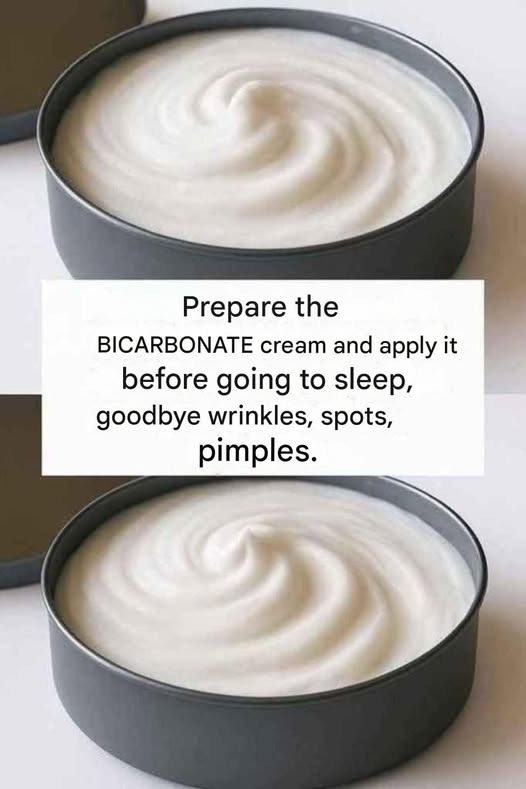
  • Prepare Your Baking Soda Cream Before Going to Sleep as a Gentle, Short-Term Skin-Care Experiment That May Help Smooth Texture, Reduce Excess Oil, and Refresh Dull Skin When Used Carefully, Realistically, and Without Expecting Miracles or Permanent Anti-Aging Results

    Prepare Your Baking Soda Cream Before Going to Sleep as a Gentle, Short-Term Skin-Care Experiment That May Help Smooth Texture, Reduce Excess Oil, and Refresh Dull Skin When Used Carefully, Realistically, and Without Expecting Miracles or Permanent Anti-Aging Results

    In the search for healthier, clearer, and more comfortable skin, many people eventually circle back to something surprisingly simple: the kitchen. Long before skincare aisles overflowed with serums, acids, and complicated routines, people relied on basic household ingredients to cleanse, exfoliate, and soothe their skin. This renewed interest in simplicity is not about rejecting modern dermatology, but about understanding what gentle, minimal interventions can realistically do when used with care and moderation.

    One ingredient that frequently appears in home skincare discussions is baking soda. Its reputation is often exaggerated online, sometimes framed as a miracle cure that can erase wrinkles, pimples, and dark spots overnight. Those claims are misleading and potentially harmful if taken literally. Baking soda is not an anti-aging treatment, it does not rebuild collagen, and it cannot permanently remove wrinkles or pigmentation.

    What it can do—when used sparingly, cautiously, and on appropriate skin types—is provide mild exfoliation and oil-balancing effects that may temporarily improve skin texture and appearance. This article is written to separate hype from reality, explain the science behind baking soda’s effects on skin, outline safer ways to experiment with it at home, and clarify who should and should not use it.

    This is not a promise of transformation. It is a practical, realistic guide.

    Understanding Baking Soda and the Skin Barrier

    Baking soda, or sodium bicarbonate, is an alkaline compound. Human skin, by contrast, is naturally acidic, with a surface pH typically ranging from 4.5 to 5.5. This acidic environment is essential. It supports the skin’s microbiome, maintains hydration, and protects against irritation and infection.

    Because baking soda is alkaline, applying it to the skin can temporarily disrupt this balance. That disruption is why baking soda can feel cleansing or smoothing at first—but it is also why overuse can lead to dryness, irritation, redness, or sensitivity.

    This dual nature is crucial to understand.

    Baking soda is not inherently “bad” for the skin, but it is not neutral either. Its effects depend entirely on:

    Concentration

    Frequency of use

    Skin type

    Supporting ingredients

    Duration of contact

    Used incorrectly, it can damage the skin barrier. Used cautiously and infrequently, it can act as a mild physical exfoliant and oil reducer for some people.

    Why People Associate Baking Soda With Acne and Skin Clarity

    Acne is influenced by several factors:

    Excess oil production

    Dead skin cell buildup

    Clogged pores

    Bacterial activity

    Inflammation

    Baking soda addresses some of these factors, but not all.

    Its fine granules can help remove dead skin cells from the surface, making pores appear cleaner. Its alkalinity can temporarily reduce surface oil. These effects may give the appearance of clearer skin shortly after use.

    However, acne is not just a surface problem. Hormones, inflammation, and bacteria play major roles. Baking soda does not treat those underlying causes.

    This is why baking soda masks may make skin look smoother and less oily temporarily, but do not “cure” acne.

    Wrinkles, Spots, and Pimples: What Baking Soda Can and Cannot Do

    It is important to be precise.

    Wrinkles

    Wrinkles form due to collagen loss, sun damage, repeated facial movement, and skin thinning over time. Baking soda does not stimulate collagen production. It cannot reverse structural aging.

    What it may do:

    Smooth rough surface texture

    Remove dull, dead skin cells

    Make fine lines appear less noticeable temporarily

    This effect is cosmetic, not corrective.

    Dark Spots

    Dark spots are caused by excess melanin production, often triggered by sun exposure, inflammation, or hormonal changes.

    Baking soda does not regulate melanin production. It may help gently exfoliate the surface, which can make spots look slightly lighter over time by removing pigmented dead skin cells—but this effect is limited.

    Sun protection and targeted treatments are essential for meaningful improvement.

    Pimples

    Baking soda may help reduce surface oil and unclog pores, which can reduce the appearance of small pimples in some cases. However, it does not address bacterial acne, cystic acne, or inflammatory acne.

    Overuse can actually worsen breakouts by damaging the skin barrier and triggering rebound oil production.

    Why Evening Use Is Often Recommended

    Applying exfoliating treatments in the evening allows the skin time to recover overnight. At night:

    The skin is not exposed to sunlight

    Repair processes are more active

    There is less risk of immediate environmental irritation

    This does not mean baking soda should be left on overnight. It should always be rinsed off thoroughly. The benefit of nighttime use lies in giving the skin several hours to rebalance before facing daily stressors.

    A Realistic Baking Soda Cream for Occasional Use

    The goal of a baking soda cream is not intensity. It is gentleness.

    Ingredients

    Two tablespoons baking soda

    Enough water to create a soft paste

    One teaspoon aloe vera gel or olive oil

    Optional: a small amount of honey for dry skin

    Each supporting ingredient has a purpose:

    Water dilutes alkalinity

    Aloe vera soothes and hydrates

    Olive oil reduces friction and dryness

    Honey supports moisture and comfort

    These ingredients help buffer baking soda’s harshness.

    How to Prepare the Cream Safely

    In a clean bowl, add baking soda first. Slowly add water, stirring continuously, until a smooth, spreadable paste forms. The texture should be creamy, not gritty or thick.

    Add aloe vera gel or olive oil and mix thoroughly. If using honey, add a very small amount and blend evenly.

    The final mixture should feel soft and gentle when touched—not abrasive.

    How to Apply Without Damaging Your Skin

    Start with clean, dry skin.

    Apply a thin layer to areas of concern only. Avoid:

    The eye area

    Lips

    Broken skin

    Inflamed pimples

    Areas with eczema or rosacea

    Do not scrub. Use light, upward motions if spreading is necessary.

    Leave on for no more than 15–20 minutes.

    If you feel stinging, burning, or strong tingling, rinse immediately.

    Rinse thoroughly with lukewarm water and gently pat dry. Always apply a light moisturizer afterward to support barrier recovery.

    Under-Eye Use: Extra Caution Required

    The skin under the eyes is thinner and more fragile than anywhere else on the face. Baking soda is not recommended for most people in this area.

    If someone chooses to experiment, the mixture must be extremely diluted, applied in a very thin layer, and used infrequently. Any discomfort is a sign to stop immediately.

    Safer alternatives for dark circles include:

    Cold compresses

    Cucumber slices

    Chilled green tea bags

    Adequate sleep and hydration

    Frequency Matters More Than Ingredients

    Even gentle exfoliation can become harmful if overused.

    Baking soda treatments should be used:

    No more than 1–3 times per week

    Not daily

    Not as a long-term routine

    Skin needs time to restore its natural pH and barrier. Overuse increases sensitivity, dryness, and breakouts.

    Who Should Avoid Baking Soda on the Face

    Baking soda is not suitable for everyone.

    Avoid use if you have:

    Sensitive skin

    Rosacea

    Eczema

    Active acne inflammation

    Compromised skin barrier

    Recent chemical peels or treatments

    People with darker skin tones should also be cautious, as irritation can lead to post-inflammatory hyperpigmentation.

    Patch Testing Is Not Optional

    Always perform a patch test:

    Apply a small amount behind the ear or on the inner wrist

    Wait 24 hours

    Check for redness, itching, or irritation

    If any reaction occurs, do not use the mixture on your face.

    Supporting Results With Healthy Habits

    No topical treatment works in isolation. Skin appearance is influenced by:

    Sleep quality

    Hydration

    Nutrition

    Sun exposure

    Stress levels

    Daily sunscreen use is essential to prevent wrinkles and dark spots. Gentle cleansing, adequate moisture, and consistent routines matter more than any single ingredient.

    Why Social Media Claims Are So Extreme

    Online content often exaggerates because bold promises attract attention. Phrases like “goodbye wrinkles” create unrealistic expectations and set people up for disappointment or harm.

    Healthy skin care is gradual, cumulative, and individual. There is no overnight fix.

    A Balanced Perspective

    Baking soda is not a miracle. It is not poison. It is a strong household ingredient that can be experimented with cautiously by some people for short-term cosmetic effects.

    The safest mindset is curiosity without commitment.

    If your skin responds well, use sparingly. If it doesn’t, stop immediately. There are many other gentler options available.

    Final Thoughts

    Preparing a baking soda cream before sleep is not about chasing perfection. It is about understanding how your skin responds to simple exfoliation and whether it benefits from occasional surface smoothing.

    Wrinkles, spots, and pimples are complex. They reflect biology, lifestyle, and time. No kitchen ingredient erases them permanently.

    What thoughtful skincare can do is support comfort, clarity, and confidence when practiced responsibly.

    The most effective skincare routine is not the most dramatic one. It is the one your skin tolerates, recovers from, and benefits from over time.

    Use knowledge. Use restraint. And always listen to your skin.