Author: admin

  • Painting trees white serves several practical purposes, including protecting the trunks from harsh sunlight, preventing cracking during extreme temperature changes, deterring insects, and helping reduce damage from pests, all while offering a simple, long-lasting method for maintaining healthier, stronger trees overall.

    Painting trees white serves several practical purposes, including protecting the trunks from harsh sunlight, preventing cracking during extreme temperature changes, deterring insects, and helping reduce damage from pests, all while offering a simple, long-lasting method for maintaining healthier, stronger trees overall.

    Many people have noticed trees with white-painted trunks and wondered why someone would color them in such a way. At first glance, the paint may seem decorative, or perhaps symbolic of some sort of special tree classification. In reality, the white coating has nothing to do with aesthetics and everything to do with the health and protection of the tree. Tree caretakers, gardeners, and property owners often use this technique as a preventative measure to safeguard trees, especially young or vulnerable ones, from seasonal environmental stress. What appears to be a simple coat of paint actually reflects a deeper understanding of how temperature changes affect a tree’s bark and structural strength.

    The white paint also fits into a broader system of tree markings used by professionals who manage forests, landscapes, or private properties. It contrasts sharply with other colors that serve very different purposes. Orange paint markings, for example, typically indicate trees that are slated for removal. This could be because the tree is diseased, poses a hazard, or is part of a land management plan. Purple paint has an entirely separate meaning and is frequently used in states where “purple paint laws” exist. These laws allow landowners to mark trees or fence posts with purple paint to indicate private property and “no trespassing” boundaries without needing additional signage. Understanding the meaning behind these colors helps people interpret what’s happening on the land around them.

    White paint specifically is used to protect trees from winter sunscald, a condition that may not be widely known but can cause significant long-term harm. Sunscald develops during cold months when sunlight warms a tree’s bark during the day. Even in winter, sunlight can raise bark temperatures enough to prompt the tissue to expand. When nighttime arrives and temperatures drop sharply, the bark rapidly cools and contracts. This abrupt shift stresses the tree’s outer layers, often resulting in cracks or splits. These cracks weaken the tree structurally and create openings that allow fungi, bacteria, and insects to enter, jeopardizing the tree’s long-term health and stability.

    To combat this problem, caretakers apply white latex paint as a reflective barrier. The goal is not to seal the bark but to regulate its exposure to sunlight. Because white reflects rather than absorbs heat, the painted bark remains closer to the surrounding air temperature throughout the day. This stability minimizes the extreme temperature fluctuations that cause sunscald. The method is simple, accessible, and effective even for inexperienced gardeners. It is widely used on young fruit trees, ornamental trees, and any species with thin or vulnerable bark. These trees are especially prone to temperature-related damage because their bark has not yet thickened or toughened.

    The paint mixture itself is usually diluted—one gallon of latex paint mixed with one gallon of water—so it forms a thin but even coating. Using latex paint is essential because oil-based paints can trap moisture inside the bark, causing more harm than good. The diluted mixture allows the bark to breathe naturally while still providing enough reflectivity to prevent overheating. Application can be done with a brush or sprayer, depending on preference and the size of the tree. Typically, the paint is applied from the base of the trunk up to the first set of branches, covering the area most vulnerable to sun exposure.

    This protective layer only needs to be refreshed about once a year, usually in late fall or early winter before the harshest temperature swings begin. For many tree caretakers, this annual maintenance is a small task with significant long-term benefits. When you see a white-painted tree trunk, you are witnessing an act of care—a small intervention that shields the tree from the environmental stress of winter. Far from being merely decorative, the white trunk tells a story of thoughtful stewardship. It demonstrates how a simple, inexpensive method can help trees remain strong, resilient, and healthy through challenging seasonal conditions.


  • Finding a Tick Can Be Scary, but Knowing How to Remove and Dispose of It Properly Can Protect Your Health—From Using Tweezers Safely to Sealing or Saving It for Identification, This Guide Explains How to Prevent Infection, Spot Warning Signs, and Stay Safe Outdoors

    Finding a Tick Can Be Scary, but Knowing How to Remove and Dispose of It Properly Can Protect Your Health—From Using Tweezers Safely to Sealing or Saving It for Identification, This Guide Explains How to Prevent Infection, Spot Warning Signs, and Stay Safe Outdoors

    Ticks are among the smallest creatures that pose some of the biggest health risks to humans and animals, especially for people who live near forests, fields, parks, or rural landscapes. These tiny arachnids thrive in tall grass, leaf litter, shrubs, and wooded areas where they wait patiently for a host to pass by. Once they latch onto skin or fur, they feed on blood for hours or even days, often without being noticed. What makes ticks particularly dangerous is not their bite itself, which is usually painless, but the diseases they can carry. Illnesses such as Lyme disease, Rocky Mountain spotted fever, ehrlichiosis, and babesiosis can be transmitted through a single bite and may lead to long-term complications if not treated promptly. Symptoms may appear days or weeks later, sometimes beginning with fatigue, fever, joint pain, or rashes that are easy to overlook. Because of this delayed reaction, many people do not immediately connect their illness to a tick bite. Understanding how to prevent encounters with ticks, how to remove them safely, and how to dispose of them properly is therefore essential for protecting both personal health and family well-being.

    Prevention remains the most effective defense against ticks, and it begins long before you ever step outdoors. When spending time in grassy or wooded areas, wearing light-colored clothing makes it easier to spot ticks before they attach. Long sleeves, long pants, and closed shoes provide an important physical barrier between skin and insects. Tucking pants into socks and shirts into waistbands can further reduce exposed areas. Insect repellents containing DEET, picaridin, or permethrin are highly effective when used correctly. Permethrin-treated clothing, in particular, can repel and kill ticks on contact. After outdoor activities, thorough body checks are critical. Ticks often hide in warm, moist areas such as behind the knees, under the arms, around the waist, behind the ears, along the hairline, and in the scalp. Showering soon after coming indoors can help wash away unattached ticks and makes inspection easier. Parents should carefully check children, and pet owners should examine animals as well, since pets frequently bring ticks into the home. Making these habits routine significantly lowers the risk of bites and disease transmission.

    Despite careful prevention, ticks sometimes still manage to attach themselves to the skin. When this happens, proper removal is crucial. Many people are tempted to use home remedies such as burning the tick with a match, coating it with petroleum jelly, nail polish, or oil, or pulling it out with bare fingers. These methods are strongly discouraged because they can cause the tick to regurgitate bodily fluids into the wound, increasing the risk of infection. The safest and most reliable tool is a pair of fine-tipped tweezers. Using steady hands, grasp the tick as close to the skin’s surface as possible, aiming for the head or mouthparts. Pull upward with slow, even pressure, avoiding twisting or jerking motions that might break the tick and leave parts embedded in the skin. Once removed, clean the bite area and your hands thoroughly with soap and water, rubbing alcohol, or an antiseptic solution. Mild redness or irritation is common, but swelling, increasing pain, or rash should be monitored carefully. Removing a tick promptly and correctly reduces the likelihood of disease transmission, especially if the tick has been attached for less than twenty-four hours.

    After removal, disposing of the tick properly is just as important as taking it off safely. Crushing a tick between fingers is not recommended, as this can expose you to infectious material. One effective method is to place the tick in a sealed plastic bag, small container, or piece of tape and throw it away in the trash. Another option is flushing it down the toilet, ensuring it cannot escape. In some situations, especially if symptoms appear later, it may be useful to save the tick in a labeled container with the date and location of the bite. This allows medical professionals or veterinarians to identify the species and assess possible disease risks. Some public health departments and laboratories also offer tick identification services. Knowing whether the tick was a deer tick, dog tick, or another species can provide valuable information about potential exposure. Proper disposal not only prevents the tick from reattaching but also helps reduce the chance of spreading ticks within the home.

    Pets face many of the same risks as humans, and in some cases, even greater ones. Dogs and cats frequently roam through tall grass, bushes, and wooded areas where ticks are abundant. Once attached, ticks can transmit diseases such as Lyme disease, anaplasmosis, and ehrlichiosis to animals, causing symptoms like lethargy, fever, loss of appetite, and joint pain. Regular inspection is essential, especially during warmer months when ticks are most active. Owners should check around the ears, collar line, neck, underbelly, armpits, between toes, and tail base. Using veterinarian-approved tick prevention products such as topical treatments, oral medications, or tick collars adds an extra layer of protection. Keeping lawns trimmed, removing leaf piles, and creating barriers between wooded areas and yards can also reduce tick populations near the home. By protecting pets, families also reduce the likelihood of ticks being carried indoors, where they may later attach to humans.

    Even after careful removal and disposal, it is important to monitor health in the weeks following a tick bite. Early warning signs of tick-borne illnesses can include fever, chills, headaches, muscle aches, fatigue, swollen lymph nodes, or unusual rashes, such as the characteristic “bull’s-eye” pattern associated with Lyme disease. However, not all infections produce visible rashes, and symptoms can vary widely. Anyone who develops concerning signs after a bite should seek medical attention promptly and inform their healthcare provider about possible tick exposure. Early treatment with antibiotics or other medications can prevent serious complications. Ultimately, ticks may be small, but the dangers they carry are significant. By practicing prevention, learning proper removal techniques, disposing of ticks safely, protecting pets, and remaining alert to symptoms, individuals can enjoy outdoor activities with greater confidence. Awareness and preparedness transform tick encounters from a source of fear into a manageable part of life in natural environments, helping families stay healthy while continuing to appreciate the outdoors.

  • PRINCE WILLIAM SHARES DEEPLY HEARTBREAKING NEWS, OPENING UP ABOUT AN INTIMATE PERSONAL LOSS THAT HAS PROFOUNDLY SHAKEN THE ROYAL FAMILY, AS HE SPEAKS WITH QUIET DIGNITY, EMOTIONAL HONESTY, AND RESTRAINED STRENGTH ABOUT GRIEF, RESPONSIBILITY, AND THE HEAVY BALANCE BETWEEN PRIVATE SORROW, PUBLIC DUTY, AND A FUTURE SHAPED BY LOSS

    PRINCE WILLIAM SHARES DEEPLY HEARTBREAKING NEWS, OPENING UP ABOUT AN INTIMATE PERSONAL LOSS THAT HAS PROFOUNDLY SHAKEN THE ROYAL FAMILY, AS HE SPEAKS WITH QUIET DIGNITY, EMOTIONAL HONESTY, AND RESTRAINED STRENGTH ABOUT GRIEF, RESPONSIBILITY, AND THE HEAVY BALANCE BETWEEN PRIVATE SORROW, PUBLIC DUTY, AND A FUTURE SHAPED BY LOSS

    Prince William stood before the public with a composure that has long been associated with his role, yet on this occasion that familiar calm carried a visible weight. When he announced the sad news, his words were measured, careful, and restrained, but the emotion beneath them was unmistakable. It was not simply a formal statement delivered out of obligation; it was a deeply personal moment that resonated far beyond royal protocol. Those listening could sense that this was not about ceremony or tradition alone, but about loss, reflection, and the quiet endurance required when personal grief intersects with public duty. As he spoke, there was a collective stillness—an almost universal pause—as people absorbed the gravity of what was being shared. His voice did not waver dramatically, yet it carried the unmistakable tone of someone bearing responsibility while processing sorrow. In that balance between steadiness and vulnerability, Prince William reminded the world that even those born into history and privilege experience moments that strip life down to its most human core.

    The announcement touched on themes that have followed Prince William throughout his life: grief, responsibility, and the burden of expectation. From a young age, he learned that sorrow does not arrive quietly when one lives under constant public attention. The loss of his mother, Princess Diana, shaped him not only as a son but as a future leader, forcing him to grow up under circumstances few could imagine. That early experience taught him that pain can be both intensely private and profoundly public at the same time. As he spoke now, many could not help but hear echoes of that past—lessons learned through heartbreak and resilience. His words suggested an understanding that grief does not weaken a person, but rather reveals the depth of their humanity. By choosing to speak with honesty and restraint, he demonstrated that strength is not found in emotional distance, but in the ability to acknowledge loss while continuing to move forward with purpose.

    What stood out most to observers was the tone of compassion woven throughout his message. Prince William did not dramatize the moment or seek sympathy. Instead, he emphasized gratitude for support, reflection during difficult times, and the importance of kindness. This approach resonated deeply with many who have faced their own losses, reminding them that grief is not something to hide or rush through. His words carried an unspoken recognition that countless people listening were navigating personal challenges of their own. In that sense, the announcement became more than a royal update—it became a shared human experience. By speaking openly yet respectfully, he created space for empathy, encouraging others to extend patience and understanding not only to the royal family, but to one another.

    The public response was swift and heartfelt. Across the United Kingdom and around the world, messages of sympathy and solidarity poured in. Social media platforms, often filled with noise and division, briefly transformed into spaces of reflection and compassion. Many comments focused not only on the sadness of the news itself, but on the dignity with which it was delivered. In an era where public figures are often expected to perform emotion or provide constant reassurance, Prince William’s calm seriousness felt grounding. It reminded people that there are moments when quiet acknowledgment carries more weight than dramatic expression. The announcement sparked broader conversations about how leaders cope with grief under scrutiny, and how public empathy can play a meaningful role in allowing space for healing. It also highlighted the universal nature of loss—something that transcends status, wealth, or title.

    Behind the scenes, the moment undoubtedly carried layers of private emotion for the royal household. While the public saw only a brief statement, it was widely understood that such news reverberates deeply within a family bound not only by blood, but by centuries of tradition and expectation. Prince William’s position requires a delicate balance between personal feeling and public responsibility, and this moment exemplified that challenge. His words reflected not only sadness, but also resolve—a commitment to honor what had been lost while continuing to fulfill his role. Observers noted that his approach aligns with the evolving image of the modern monarchy: one that values emotional intelligence, transparency, and authenticity alongside tradition. This evolution has helped bridge the gap between institution and individual, allowing the monarchy to feel more relatable and human in moments of vulnerability.

    As commentators reflected on the announcement, many noted its broader significance. The sad news was framed not as an ending, but as a moment of transition—a reminder that life continues, even through sorrow. Prince William’s message subtly reinforced ideas of resilience, continuity, and collective support. He did not suggest that grief should be resolved quickly or neatly, but rather acknowledged it as something to be carried with care and respect over time. By addressing the public directly, he invited people into a shared moment of reflection, encouraging patience and compassion in a world often dominated by urgency and division. In doing so, the announcement transcended its immediate context, serving as a reminder of shared humanity at a time when such reminders feel increasingly necessary.

    Ultimately, Prince William’s announcement will likely be remembered not only for the sadness it conveyed, but for the way it was handled—with dignity, calm, and emotional clarity. It underscored the idea that leadership is often defined not by moments of celebration, but by how one responds to loss and uncertainty. Through his words and presence, he demonstrated that acknowledging sorrow openly can be an act of strength rather than weakness. While the news itself carried a somber weight, the response it inspired reflected something quietly hopeful: the enduring power of empathy, the value of shared understanding, and the resilience that allows individuals and communities to move forward together. In a world that often demands immediate answers and constant optimism, this moment stood as a testament to the courage it takes to speak honestly, to honor grief, and to continue forward with grace even when the path ahead feels uncertain.

  • 5 Common Medications Doctors Often Approach with Caution for Long-Term Use

    5 Common Medications Doctors Often Approach with Caution for Long-Term Use

    Many people turn to common medications to ease pain, calm heartburn, help with sleep, or manage other everyday issues. While these treatments can be effective in the short run, long-term use can sometimes carry risks that medical professionals monitor closely.

    Research, including findings referenced by groups like the American Geriatrics Society, suggests that extended use of certain drugs may gradually impact the kidneys, digestive system, or bone health. If you take any of these medications on a regular basis, it’s helpful to understand why doctors carefully balance their benefits with possible downsides.

    The encouraging news is that safer options—or more mindful ways to use these medications—are often available. We’ll also share practical points you can discuss with your healthcare provider, and if you stay until the end, you’ll discover how simple lifestyle adjustments may even lessen your reliance on some medications altogether.

    Why Long-Term Medication Use Raises Questions

    Doctors don’t eliminate these medications from treatment plans—they can be very effective when used correctly. That said, clinical guidelines such as the Beers Criteria recommend extra caution with long-term use, particularly for older adults or people with specific medical conditions. Using them over extended periods may increase the risk of problems like organ stress or dependence. The most important factor is awareness: understanding the potential concerns empowers you to have more informed, productive conversations with your healthcare provider.
    1. Non-Steroidal Anti-Inflammatory Drugs (NSAIDs) – Like Ibuprofen and Naproxen

    NSAIDs are go-to options for headaches, arthritis discomfort, or muscle aches. They’re available over-the-counter and provide quick relief by reducing inflammation.

    Yet here’s the concern: Regular, long-term use has been linked in studies to potential effects on kidney function, increased blood pressure, and stomach lining issues. Organizations like the American Geriatrics Society suggest avoiding routine long-term use where possible, particularly if alternatives exist.

    Why doctors think twice: Kidneys filter these drugs, and over time, this can add stress—especially with higher doses or in people with existing risks.

    Practical tip: If you want pain relief often, track how frequently you reach for them. Consider acetaminophen for occasional use instead, as it may be gentler on the stomach and kidneys in moderation.

    Many people discover that combining rest, gentle movement, or heat packs cuts their reliance significantly.
    2. Proton Pump Inhibitors (PPIs) – Like Omeprazole and Esomeprazole

    These medications reduce stomach acid and are commonly used for heartburn, acid reflux, or ulcer prevention. They’re effective and widely prescribed.

    Research shows that extended use (beyond a few months) may affect nutrient absorption—like calcium, magnesium, or vitamin B12—and could influence bone health or kidney function in some cases. The FDA and medical reviews note these associations, prompting doctors to reassess ongoing need.

    Bucket brigade: But that’s not the full picture…

    Actionable steps:

    Use the lowest effective dose for the shortest time needed.

    Try lifestyle changes first: Eat smaller meals, avoid triggers like spicy foods late at night, and elevate your head while sleeping.

    Discuss periodic “breaks” or switching to antacids with your provider.

    Many find that simple dietary adjustments make a big difference in reducing symptoms.
    3. Acetaminophen (Paracetamol) – Like Tylenol

    This is often seen as a safer first choice for pain or fever because it doesn’t irritate the stomach like NSAIDs.

    However, exceeding recommended doses over time can strain the liver. Studies show that accidental overuse is a common issue, especially when combined with other products containing it.

    Quick list of tips to stay safe:

    Stick to no more than 3,000–4,000 mg per day (check labels carefully).

    Avoid alcohol while using it regularly.

    Monitor total intake from all sources, including cold remedies.

    Doctors appreciate when patients are proactive about tracking this.

  • House Cleaning Mistakes: Places Professionals Often Skip

    House Cleaning Mistakes: Places Professionals Often Skip

    Inviting a professional cleaner into your home is like handing over your space to someone trained to bring order to chaos. Equipped with high-powered vacuums, specialized cleaning solutions, and organized systems, they transform dusty, cluttered rooms into fresh, breathable spaces. Their efficiency, however, relies on a cooperative approach. Clearing countertops, securing pets, and outlining priorities allows cleaners to focus on meaningful tasks rather than sorting through piles of laundry or scattered toys.

    Preparation directly increases the effectiveness and value of their visit, making every minute count. Even with their expertise, professional cleaners operate within certain boundaries. Issues such as infestations, significant mold, chimneys, air ducts, high-risk heights, and delicate antiques often fall outside the scope of standard cleaning services.

    This is not due to lack of effort but because addressing these hazards safely requires specialized equipment, insurance, or training. Attempting to push beyond these limits can risk damage to property or injury to the cleaner.

    Knowing where routine cleaning ends and specialized work begins is crucial. It allows homeowners to set realistic expectations, ensures safety, and helps cleaners focus on what they do best.

    Clear communication before a session can prevent surprises, reduce stress, and allow both parties to maximize results. Ultimately, a professional cleaning visit is a collaboration. When prepared, aware, and respectful of boundaries, you receive not only a spotless home but a healthier, safer, and genuinely refreshed living space, making the investment in professional help worthwhile every time.

  • Chappell Roan’s Grammy Outfit Sparks Major Online Reactions

    Chappell Roan’s Grammy Outfit Sparks Major Online Reactions

    Chappell Roan, the reigning Best New Artist, made headlines at the 2026 Grammy Awards — this time for her bold red carpet fashion choice. Music’s biggest night in Los Angeles featured major performances, awards, and moments of cultural commentary, but Roan’s outfit quickly became one of the most talked-about topics online.

    She arrived wearing a sheer maroon Mugler gown inspired by a 1998 archival design, reinterpreted for Spring/Summer 2026. Fashion fans praised the look for its historical references and theatrical flair, while others felt it crossed into shock-focused styling. Social media quickly filled with opinions, ranging from appreciation of her confidence to criticism of the growing trend toward more revealing red carpet fashion.

    Roan’s outfit was part of a broader movement among celebrities embracing bold, expressive looks. Stars such as Florence Pugh, Kristen Stewart, Dakota Johnson, and Julia Fox have all experimented with similar styles in recent years, sparking wider conversations about personal expression, fashion boundaries, and public expectations at major events.

    Despite mixed reactions, Roan is known for embracing dramatic visuals and unapologetic creativity. Fans pointed out that her style has always pushed limits, making her Grammys appearance consistent with her artistic identity.

    Whether praised or questioned, her look succeeded in doing one thing clearly — getting people talking. As awards season continues, Chappell Roan remains a standout both musically and stylistically, proving that fashion, like music, can spark conversation, creativity, and strong opinions all at once.

  • I was just walking through the parking lot, not expecting anything wild, when this motorcycle stopped me in my tracks 😭.

    I was just walking through the parking lot, not expecting anything wild, when this motorcycle stopped me in my tracks 😭.

    I was just walking through the parking lot, not expecting anything wild, when this motorcycle stopped me in my tracks 😭. I had to do a double take because tell me why this grown, shiny, serious-looking bike has straight-up training wheels on it. Like… sir?? This isn’t a toddler’s first ride around the driveway, this is a Yamaha trying to learn balance. My brain was glitching because it looks fast, loud, and intimidating from the front, but then you get to the back and it’s giving beginner energy in the most unexpected way. The contrast was actually disrespectful. From one angle, it looked like it could outrun its own shadow. From another, it looked like it needed words of encouragement and a slow clap.

    I stood there longer than I’d like to admit, staring at it like the answer might suddenly explain itself. Was this a joke? A custom modification? Some kind of confidence-building phase for motorcycles? Nothing in my life prepared me for this visual.

    The training wheels weren’t even subtle either. They were bold. Present. Doing their job with pride. This wasn’t a temporary situation — this bike was committed to stability.

    People kept walking past me like nothing was wrong, meanwhile I was having a full mental shutdown in the middle of the parking lot. I felt like I had discovered a glitch in the simulation and no one else noticed.

    The more I thought about it, the funnier it became. A motorcycle that says “don’t underestimate me,” but also “just in case.” Fast, fierce, and emotionally supported.

    I started imagining the rider pulling up, revving the engine aggressively, then casually cruising away with zero fear of tipping over. Confidence with a safety net. Honestly? That’s growth.

    Eventually I snapped out of it and kept walking, but that image is permanently burned into my memory. Because once you see a Yamaha that looks ready to race the world yet refuses to fall over, you never really forget it.

  • The explanation behind hotel beds always having blankets

    The explanation behind hotel beds always having blankets

    If you’ve ever stayed in a hotel, you’ve probably noticed that nearly every bed is always meticulously made with a blanket, duvet, or comforter neatly arranged on top. While this may seem like a simple aesthetic choice or part of standard housekeeping, there are actually several practical, thoughtful reasons why hotels consistently include blankets on their beds. These reasons range from comfort and hygiene to guest psychology and even subtle design considerations. 1. Comfort and Temperature Control. Hotels welcome guests from all over the world, each with unique preferences when it comes to temperature and bedding.

    A blanket provides an additional layer of warmth, allowing guests to adjust their sleeping environment without needing to contact housekeeping in the middle of the night. This is particularly helpful because hotel rooms often have air conditioning or heating systems that are not individually adjustable for every guest’s ideal comfort level. For someone who feels chilly at night, a blanket ensures they can stay cozy and sleep soundly. Conversely, if it becomes too warm, the blanket can be easily folded back or removed, giving guests a flexible and convenient solution that enhances their overall experience.

    2. Aesthetic Appeal and Presentation
    The visual presentation of a hotel room is critically important, as first impressions often shape a guest’s perception of quality and service. Blankets, duvets, or comforters add a polished, structured look to the bed, creating an impression of luxury, cleanliness, and order. Hotels often select high-quality fabrics in neutral colors or subtle patterns so that the room feels inviting without appearing cluttered or overly personalized. A neatly made bed with a layered blanket signals attention to detail and suggests that the property cares about both comfort and visual appeal, which contributes to an overall sense of professionalism and sophistication.

    3. Hygiene and Cleanliness
    Hygiene is one of the most important aspects of a guest’s hotel experience, and blankets play a key role in maintaining it. Most hotels place a top sheet beneath the blanket or duvet, which is changed and washed after every guest departs. However, higher-end hotels often go even further, cleaning or replacing blankets regularly to ensure a fresh sleeping environment. Lightweight blankets are easier to wash and maintain compared to thick, heavy comforters, which may require specialized cleaning and less frequent rotation. This attention to detail ensures that each guest has a bed that is not only comfortable but also hygienic, reducing the risk of allergens, dust mites, or unpleasant odors.

    4. Versatility for Diverse Guests
    Every guest has different sleep preferences. Some individuals naturally sleep hot, while others get cold very easily. By providing a blanket in addition to a duvet, hotels give guests control over their personal comfort. Guests can remove the blanket entirely if they prefer lighter bedding, layer it with the duvet for extra warmth, or even fold it neatly at the foot of the bed as an added cushion. This adaptability makes the sleeping experience highly customizable and ensures that every guest, regardless of their body temperature or personal preference, has the ability to rest comfortably.

    5. Psychological Comfort and Emotional Reassurance
    A neatly made bed with a soft blanket is more than just a practical feature—it carries psychological weight. The presence of a blanket communicates cleanliness, relaxation, and care, helping guests feel nurtured in an unfamiliar environment. Many people associate blankets with the warmth and security of home, so having one readily available can ease anxiety and make the transition to sleeping in a hotel room much smoother. This subtle psychological comfort contributes significantly to the overall sense of satisfaction during a stay.

    6. Functional Convenience for Personal Belongings
    Blankets also serve a functional purpose beyond sleeping. Many guests use them as a clean surface to place personal belongings such as phones, laptops, books, or clothing, rather than putting items directly on the sheets. This small detail allows guests to keep their personal space organized, protects bedding from accidental spills or dirt, and adds to the perception of thoughtfulness in hotel design. Even something as simple as a blanket can enhance the sense of order and convenience within a room.

    7. Sound Absorption and Insulation
    In addition to comfort and aesthetics, blankets provide practical environmental benefits. Thicker blankets and duvets can help absorb sound, reducing noise from neighboring rooms, hallways, or outside traffic. This creates a quieter, more peaceful sleeping environment, which is particularly valuable in urban hotels or older buildings where soundproofing may be limited. Furthermore, blankets add an extra layer of insulation, helping maintain a consistent temperature in the room, which can be particularly useful in colder climates or drafty spaces.

    In conclusion, while a blanket on a hotel bed might seem like a minor detail, it actually serves multiple important purposes. It provides warmth and comfort, enhances the room’s appearance, supports hygiene standards, accommodates diverse guest needs, offers psychological reassurance, provides functional convenience, and even contributes to noise reduction and insulation. The next time you notice a blanket folded neatly on a hotel bed, you’ll understand that it’s not just there for decoration—it’s an intentional and thoughtful part of creating a welcoming, comfortable, and practical stay for every guest.

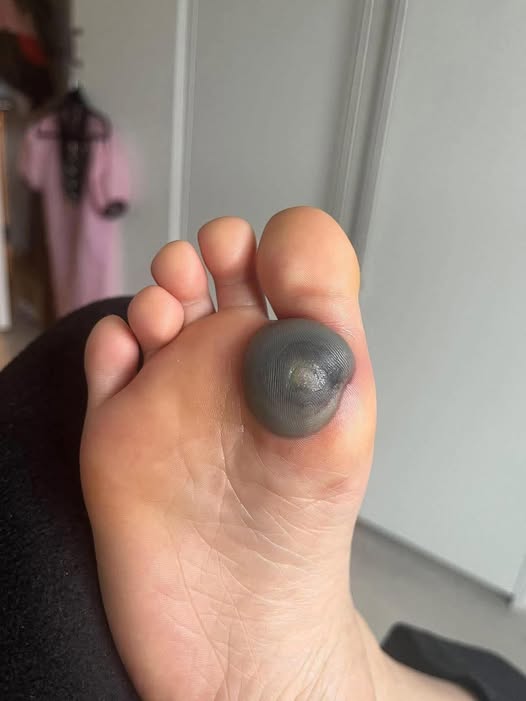
  • My daughter woke up with this huge spot on her foot I don’t know what it could be. She’s been in pain and can’t move her foot what is this.. Explain this 😩

    My daughter woke up with this huge spot on her foot I don’t know what it could be. She’s been in pain and can’t move her foot what is this.. Explain this 😩

    A blood blister can be startling the first time you notice one—a dark red, purple, or almost black bubble appearing suddenly beneath intact skin. Although they often look more serious than they are, blood blisters can be uncomfortable and, in certain situations, may point to underlying issues. Knowing what causes them, how to treat them, and when to seek medical advice can help you respond safely and confidently.

    What exactly is a blood blister?
    A blood blister forms when tiny blood vessels (capillaries) break under the skin, but the skin itself does not tear. Blood becomes trapped beneath the surface, creating a raised pocket filled with blood rather than clear fluid. This is why blood blisters appear darker than typical friction blisters.

    They most commonly show up on areas exposed to pressure or friction, including the fingers, palms, toes, soles of the feet, and inside the mouth on the cheeks, gums, or tongue.

    Common causes of blood blisters
    Most blood blisters are the result of sudden trauma or repeated pressure. Common triggers include slamming a finger in a door, wearing shoes that are too tight, gripping tools or sports equipment without protection, or performing repetitive motions that compress the skin.

    Blood blisters inside the mouth often develop after accidental biting, dental procedures, or irritation from sharp or poorly fitting dental appliances.

    Some people are more prone to developing blood blisters, especially those with thinner or more fragile skin, circulation problems, diabetes, or certain blood and clotting disorders.

    What symptoms should you expect?
    A typical blood blister appears as a raised, bubble-like spot beneath the skin, dark red or purple in color. It may feel tender, sore, or tight, particularly if it’s located on a weight-bearing area like the foot or on a frequently used finger. Mild swelling around the blister is also common.

    In most cases, blood blisters are harmless and heal on their own within one to two weeks as the body gradually reabsorbs the trapped blood.

    Should you pop a blood blister?
    Generally, no. The skin covering a blood blister acts as a natural protective barrier against infection. Popping it increases the risk of bacteria entering the wound and can delay healing.

    If a blood blister breaks on its own, gently clean the area with soap and water, apply an antiseptic, and cover it with a sterile bandage. Keeping the area clean and dry is key to preventing infection.

    Treating a blood blister at home
    For uncomplicated blood blisters, simple care is usually enough. Reduce pressure or friction on the affected area whenever possible. Applying a cold compress for 10 to 15 minutes can help ease swelling and discomfort. Protect the blister with a clean bandage, and wear well-fitting shoes or gloves to prevent further irritation.

    Avoid harsh chemicals, strong antiseptics, or home remedies that could irritate the skin and slow healing.

    Blood blisters in the mouth
    Oral blood blisters often heal quickly but can be painful while they last. Rinsing your mouth with warm salt water can help keep the area clean and reduce irritation. It’s best to avoid hot, spicy, or sharp foods until healing is complete.

    If blood blisters in the mouth occur frequently or without any obvious injury, it’s worth discussing this with a dentist or healthcare provider.

    When to see a doctor
    Medical advice is recommended if a blood blister is extremely painful, continues to grow, shows signs of infection such as redness, warmth, pus, or fever, or takes longer than two weeks to heal. Repeated or unexplained blood blisters should also be evaluated, particularly if you have diabetes, poor circulation, or a bleeding disorder.

    In rare cases, recurring blood blisters can be linked to underlying medical conditions that need further investigation.

    Can blood blisters be prevented?
    You can lower your risk by wearing properly fitting shoes and protective gloves, cushioning tools or sports equipment, keeping skin moisturized to reduce cracking, and managing any underlying health conditions carefully.

    Final thoughts
    Blood blisters are usually minor injuries caused by pressure or friction and often resolve without treatment. While their appearance can be alarming, most are temporary and harmless. Paying attention to how often they occur, where they appear, and how quickly they heal can help you decide whether simple home care is enough or if a medical checkup is needed.

  • Why Drooling During Sleep Can Happen More Often Than You Think

    Why Drooling During Sleep Can Happen More Often Than You Think

    Occasional drooling during sleep is very common and usually completely harmless. It often happens when you sleep deeply, your facial muscles fully relax, or you’re lying on your side.

    But if the drooling is new, keeps happening a lot, feels excessive, or is clearly only on one side, it’s worth paying attention. It can sometimes point to an underlying health or lifestyle issue.
    Blocked or irritated nasal passages
Allergies,

    colds, sinus congestion, or a deviated septum force mouth breathing at night. When the jaw relaxes completely, extra saliva just spills out. You’ll usually notice snoring, dry mouth in the morning, or restless sleep too.

    Digestive problems
Nighttime acid reflux can trigger more saliva because the body tries to protect the throat from irritation.

    “Nighttime acid reflux may stimulate saliva production as the body tries to neutralize irritation in the throat.”
People with reflux often feel heartburn, a sour taste in the mouth, or coughing when lying down. Eating earlier and sleeping with the head slightly raised usually helps a lot.

    Oral health issues
Inflamed gums, dental problems, or throat infections make the body produce extra saliva as a defense. It’s usually temporary and improves once the irritation is treated.
    In most cases drooling is no big deal. But if it starts suddenly, won’t stop, or comes with other symptoms, see a doctor or dentist. Often fixing nasal breathing, adjusting sleep position, or treating reflux solves it quickly.