Author: admin

  • Which Groups of Men Usually Prefer Slim Women?

    Which Groups of Men Usually Prefer Slim Women?

    When it comes to attraction, beauty standards are far from universal. Some men admire curvy figures, while others are drawn to slimmer body types. Slim women, in particular, have often been idealized in certain cultures and social settings. But which groups of men are most likely to prefer slim women, and why?

    ounger Men Influenced by Media

    Younger generations are heavily exposed to movies, social media, and fashion trends. For many of them, slim women are associated with glamour, style, and sexual attractiveness. The influence of celebrities, models, and influencers plays a big role here. Slimness is often marketed as “modern beauty,” making young men more inclined to admire women who fit this image.
    Men in Urban and Professional Circles

    Men who live in big cities or work in professional environments—such as business, fashion, or entertainment—are often surrounded by cultural standards that equate slimness with sophistication. In these social circles, a slim figure can symbolize discipline, self-care, and even social class. For such men, being with a slim partner may feel like aligning with the ideals of elegance and success.
    Men Highly Focused on Appearance

    Not every man prioritizes looks, but those who do often place slimness at the top of their preferences. These are men who consume a lot of visual media, pay attention to trends, or compare women to idealized images. For them, a slim body is not just about health—it represents desirability in the most visible way.
    Men Seeking Short-Term Relationships

    Research in evolutionary psychology suggests that men who are more interested in short-term relationships often emphasize physical appearance above other qualities. For these men, slimness may act as an immediate cue of attractiveness, even if it does not necessarily indicate long-term compatibility, health, or fertility.

    A Cultural Contrast

    It is important to note that not all men prefer slim women. In many cultures, especially in rural or agricultural communities, fuller figures are considered healthier and more fertile. Men who value long-term stability and family life may focus less on slimness and more on signs of vitality, kindness, and emotional strength.
    Final Thoughts

    The preference for slim women is shaped by culture, age, environment, and personal outlook. Younger men, those in urban or fashion-conscious circles, and those seeking casual dating are most likely to favor slim figures. Meanwhile, men who prioritize family, stability, and health may see beauty in a wider range of body types. Ultimately, attraction is subjective, and what truly matters is confidence, personality, and compatibility beyond appearance.

  • Global Fallout After DOJ Releases Millions of Epstein Files

    Global Fallout After DOJ Releases Millions of Epstein Files

    The release was extensive, but not explosive in the way early headlines suggested. Thousands of pages—records, logs, correspondence—entered the public domain, prompting renewed scrutiny rather than final judgment. What had circulated for years in fragments was now consolidated, forcing institutions to confront how proximity to wrongdoing is documented, remembered, and interpreted.

    The documents released by the U.S. Department of Justice relate to the long-running investigation into Jeffrey Epstein, whose crimes and connections have haunted public life well beyond his death. The material includes flight records, contact information, internal notes, and communications that illustrate how Epstein moved within elite circles for years, often without meaningful restraint.

    Importantly, the records do not constitute findings of guilt for those named within them. Legal authorities have reiterated that appearance in documents—emails, calendars, or contact lists—does not establish criminal responsibility. Still, context matters. In a climate already shaped by public distrust, even indirect association has carried political and reputational consequences.

    In parts of Europe, officials resigned not in response to charges, but to the erosion of confidence that accompanies unresolved proximity. The threshold for accountability shifted—not from law, but from legitimacy. For many institutions, the question became less about what could be proven in court and more about whether credibility could be sustained in public view.

    From a deeper lens, the moment reflects a tension modern societies have yet to resolve: how to reckon with exposure without surrendering to presumption. Transparency can clarify patterns and failures, but it can also blur lines if interpretation races ahead of evidence. Justice depends not only on disclosure, but on discipline—distinguishing between documentation and determination.

    For survivors, the release has carried a different weight. Many have said they are not watching for spectacle or downfall, but for acknowledgment—that systems enabled harm, that silence was protected, and that power delayed accountability. Whether this moment leads to lasting reform remains uncertain.

    What is clear is that the documents have reopened questions institutions once hoped time would bury: how influence shielded abuse, how warnings were missed or ignored, and how responsibility disperses when wrongdoing moves through respected spaces.

    This is not an ending. It is a record—one that demands careful reading, restraint in judgment, and a commitment to follow evidence where it leads, rather than where outrage points first.

  • The ‘bizarre reason’ Justin Bieber performed at Grammys in his underwear

    The ‘bizarre reason’ Justin Bieber performed at Grammys in his underwear

    There was no shortage of headline-grabbing moments at this year’s Grammy Awards, from surprise red-carpet choices to on-stage mishaps. Yet amid the chatter about Chappell Roan’s daring appearance and Cher’s awkward announcing slip, one performance quietly became the night’s most talked-about spectacle.

    That moment belonged to Justin Bieber.

    Bieber is hardly new to the pressures of global attention. Discovered as a teenager and propelled to stardom almost overnight, his career has unfolded under a microscope for more than half his life. Now 31, he has weathered the highs and lows that come with international fame—chart-topping success, public scrutiny, health setbacks, and extended breaks from touring.

    At the 2026 ceremony, Bieber took the stage to perform his track Yukon. Almost immediately, however, discussion shifted away from his vocals or stage presence to something far more visual: his outfit—or lack of one. Instead of a carefully styled ensemble, Bieber appeared wearing only boxer shorts, a purple guitar slung across his shoulder.

    Social media reacted instantly. Viewers flooded platforms with disbelief and humor, questioning whether performing in underwear was a deliberate artistic statement or simply an unexpected choice. Some fans were amused, others confused, and plenty openly skeptical.

    The reasoning behind the look, though, appears far less provocative than early reactions suggested. Bieber has been steadily promoting his lifestyle brand, Skylrk, which sells a wide range of products including apparel, accessories, and, notably, boxer shorts. The pair worn during his performance were reportedly from that line. In marketing terms, the message was hard to miss: maximum exposure for a product, delivered on one of music’s biggest stages.

    From a business perspective, the move worked. Reports following the show indicated a noticeable spike in interest and purchases tied to the brand, suggesting that the performance doubled as a highly visible promotional moment.

    Beyond the wardrobe conversation, Bieber’s return to the Grammy stage carried deeper significance. His performance was largely well received, with many viewers expressing relief and excitement at seeing him back in action after stepping away from touring for health reasons. In 2022, he canceled his Justice World Tour, sparking concern among fans and raising questions about his future as a live performer.

    That uncertainty now appears to be easing. Bieber is scheduled to perform at Coachella later this year, marking his first major concert appearance since the cancellation. For longtime followers, the Grammys performance felt less like a stunt and more like a statement: he is returning on his own terms, unapologetically and visibly in control of his image.

    Whether audiences loved or loathed the underwear look, it undeniably ensured that Bieber’s performance remained one of the night’s defining moments—proof that, years into his career, he still knows how to command attention and steer the conversation.

  • Can You Spot the Hidden Cat That’s Baffling Viewers?

    Can You Spot the Hidden Cat That’s Baffling Viewers?

    In the world of internet puzzles and viral challenges, one has recently gained massive popularity: a seemingly ordinary picture with a cleverly hidden cat. At first glance, the image appears to be just another tranquil outdoor scene, but it has left countless viewers scratching their heads in frustration. The original post boldly claims that 99% of people can’t find the cat.

    Sparking curiosity and a competitive spirit among those eager to prove they belong to the elusive 1%. What makes this image so challenging? Unlike traditional “find the hidden object” puzzles, this one relies on the natural ability of the cat to blend effortlessly into its surroundings. The feline is perfectly camouflaged amidst rocks, leaves, and shadows, using the environment to stay hidden.

    This level of camouflage is a testament to the survival instincts of animals, particularly cats, who often use their surroundings to avoid predators and prey. The cat’s near-perfect disguise is what makes the puzzle so difficult—and so intriguing. The simplicity of the puzzle also contributes to its appeal. Unlike more complex challenges that require specialized knowledge, this one only demands sharp eyesight and patience.

    However, the claim that 99% of people fail to find the cat adds pressure, enticing viewers to keep looking, determined to outsmart the odds. From a psychological perspective, hidden object puzzles tap into the concept of “inattentional blindness,” where people fail to notice something in plain sight because they are focused on something else, adding a layer of complexity to the challenge.

  • Easy Tips to Reduce Nighttime Wake-Ups and Sleep Better

    Easy Tips to Reduce Nighttime Wake-Ups and Sleep Better

    Nighttime wake-ups are a common frustration for many people. One moment you’re sound asleep, and the next you’re staring at the ceiling, wondering what pulled you out of rest. These interruptions can make mornings feel heavy, but they often stem from simple habits or natural sleep cycles that we don’t pay much attention to. Understanding these influences can help make those restless moments easier to manage.

    A comfortable sleep environment is one of the most effective ways to reduce interruptions. Room temperature, lighting, and noise levels all play a major role in how deeply you rest. Keeping the room cool, blocking outside light, and minimizing disruptive sounds can support more stable sleep. Choosing soft bedding or using calming background noise can also make it easier to drift back to sleep when you wake.

    Your thoughts can also impact how quickly you settle again. Stress or lingering worries tend to feel louder in the quiet hours of the night. Gentle relaxation techniques—slow breathing, stretching, or writing down any racing thoughts—can help calm both body and mind. Establishing a soothing bedtime routine and limiting screens in the evening prepares you for more peaceful sleep.

    Daily habits matter as well. Eating late, consuming caffeine or alcohol before bed, or drinking too much water in the evening can interrupt rest. If nighttime wake-ups become frequent, speaking with a healthcare professional can provide helpful guidance. Small adjustments and mindful routines can lead to calmer nights and more refreshed mornings.

  • The Car-Starting Habit Experts Say Can Cause Long-Term Damage

    The Car-Starting Habit Experts Say Can Cause Long-Term Damage

    Every morning, millions of drivers follow the same routine: turn the key, shift into gear, and drive away almost instantly. It feels efficient and harmless, especially when rushing to work or school. But according to automotive experts, this quick getaway is one of the most common habits that quietly shortens the life of an engine. What seems like a small time-saver actually forces the vehicle to work harder before it’s ready, slowly increasing wear over the years.

    When a car sits overnight, engine oil naturally drains down to the lower parts of the system. The moment you start the vehicle, the oil pump begins circulating lubricant to protect internal components — but this process takes a short amount of time. Mechanics explain that it usually requires around 30 to 40 seconds for oil to fully reach bearings, pistons, and other moving parts.

    Driving away immediately means those components begin operating without complete lubrication, creating friction that leads to gradual but permanent damage. Many workshops have documented the results of this habit: engines with visibly worn bearings, scratched surfaces, and premature breakdowns. These repairs can be expensive, often involving replacement parts and detailed labor that could have been avoided with a simple adjustment to daily driving routines.

    The recommendation from professionals is straightforward. Allow your car a brief moment to stabilize before putting it into motion, especially on cold mornings. Avoid heavy acceleration until the engine temperature begins to rise. A small pause at the start of your drive can extend the life of your vehicle and reduce long-term repair costs.

  • A Parenting Memory That Shows How Much Times Have Changed

    A Parenting Memory That Shows How Much Times Have Changed

    Modern parenting is often associated with technology, convenience, and carefully designed products meant to make life easier. We think of progress in terms of apps that track sleep, specialized baby gear, and shelves filled with disposable supplies. These markers of advancement feel tangible and reassuring.

    Yet real progress doesn’t always look polished. In a cramped bathroom with little more than a toilet, a diaper pail, and weary hands, another kind of advancement quietly unfolded. Load by load, cloth diapers were washed, wrung, and reused—not by choice, but by necessity.

    There was nothing stylish or shareable about that routine. It didn’t belong in photos or parenting guides. It was hard, repetitive work driven by responsibility rather than preference. Survival depended on consistency, endurance, and the determination to keep going despite exhaustion.

    Remembering that image—the physical effort, the lack of alternatives—reshapes how we view our own challenges. Today’s fatigue is real, but so was theirs. The weight may be different, yet the strain is no less meaningful. Each era carries its own form of difficulty.

    Earlier generations relied heavily on physical labor. Their days demanded strength, stamina, and hands-on effort. In contrast, modern parents are stretched by constant decisions, information overload, and emotional demands that rarely allow rest.

    Instead of measuring one struggle against another, this reflection creates connection. It turns memory into a bridge rather than a scale. Understanding replaces comparison, and empathy grows where judgment might otherwise settle.

    That perspective invites gratitude—for conveniences we now have—and respect for the endurance that came before us. It reminds us that easier tools do not erase the legitimacy of exhaustion, just as harder conditions did not diminish love or care.

    Ultimately, it encourages kindness toward every parent, across generations. Each one is navigating their own version of difficulty, using what is available to them. Past or present, every effort is shaped by circumstance, and every parent is simply doing their best with what they hold in their hands.

  • Cher Mistakenly Announces a Late Legendary Singer as Grammy Winner in a Moment That Shocked, Delighted, and Ultimately Celebrated the Lasting Influence of Luther Vandross While Marking the Pop Icon’s Triumphant Return to the Grammy Stage After Nearly Two Decades Away

    Cher Mistakenly Announces a Late Legendary Singer as Grammy Winner in a Moment That Shocked, Delighted, and Ultimately Celebrated the Lasting Influence of Luther Vandross While Marking the Pop Icon’s Triumphant Return to the Grammy Stage After Nearly Two Decades Away

    On February 1, the Grammy stage shimmered with nostalgia and star power as Cher made her long-awaited return—her first appearance at the ceremony in nearly twenty years. Now 79, the living icon stepped back into the spotlight to receive a Lifetime Achievement Award honoring more than six decades of trailblazing artistry, reinvention, and unmatched cultural influence. It was a moment fans had been hoping to witness again, especially after nearly eighteen years since her last Grammy appearance and twenty-six years since she accepted Record of the Year for her mega-hit “Believe.” She walked onto the stage to a roaring ovation, stunning in her presence, confidence, and candor.

    Her speech was classic Cher—honest, reflective, and delivered with the wit and grit that has defined her career. She spoke about knowing exactly what she wanted at age five, about becoming famous at nineteen, about hosting one of television’s top shows in her twenties, and about how none of it prepared her for the turbulence that eventually forced her to rebuild herself. She recalled the rough patches, the label drop in the 80s, and the unexpected path that led her to recording “Believe,” the song that not only revived her career but shifted global pop music. With the same comedic timing that made her a household name, she ended her speech simply: “Never give up on your dream… and if it’s not happening now, it will happen soon.” The audience rose to their feet once again.

    As she prepared to step offstage—uttering, “I guess I’m supposed to walk off now… all right, I have to walk off now”—host Trevor Noah quickly called her back. It was his final year hosting the show, and he wasn’t about to let Cher escape without presenting one more award—the very category she’d won in 2000. Laughing, she agreed, took the winner’s envelope, and turned again toward the mic.

    And then came the moment that instantly became Grammy history.

    She opened the envelope, paused, and admitted with a laugh, “Oh! They told me it was going to be on a prompter.” The audience chuckled, expecting a bit of improvisation. She continued brightly: “Oh, the Grammy goes to Luther Vandross!”

    For a split second, the room froze.

    Luther Vandross—beloved R&B and soul legend—passed away in 2005. His name had not appeared in the list of nominees. But the crowd erupted—not in confusion, but in laughter and affectionate surprise. Cher blinked, clearly startled, then quickly corrected herself: “Oh! Kendrick! No—Kendrick Lamar!” Her hand flew to her chest. She mouthed, “I’m so sorry,” while the audience, including Kendrick Lamar, laughed good-naturedly at the iconic mix-up.

    It was an honest mistake with an oddly poetic twist. The winning song, “Luther,” by Kendrick Lamar and SZA, samples Vandross’s 1982 duet with Cheryl Lynn on “If This World Were Mine.” Vandross’s name is deeply tied to the track’s DNA. In a sense, Cher’s slip became a spontaneous tribute—one no scriptwriter could have crafted more perfectly.

    Kendrick Lamar, still laughing as he took the stage, reassured everyone by praising Vandross’s legacy. In his acceptance speech, he reflected on what the sample meant to him:
    “This is what music is about. Luther Vandross… this is special for me. He’s one of my favorite artists of all time. When we got the clearance, I promise you, we all dropped a tear.” His voice carried sincerity, reverence, and deep gratitude for the permission that allowed him and SZA to re-imagine a song so important to generations of fans.

    Online reactions flooded in within minutes. Fans embraced the moment with warmth rather than criticism. Many pointed out how understandable the confusion was—especially given the song’s title and its thematic homage to Vandross.
    “Iconic moment. Two legends, one historic #GRAMMYs announcement,” one fan wrote.
    “At least they leaned into it,” another posted. “And the song IS connected to Vandross, so she wasn’t completely wrong.”

    Others couldn’t resist playful commentary, including one user who inadvertently exposed their generational gap by asking, “Who is Luther Vandross?? Is she famous?”

    But overall, the moment landed not as a blunder, but as an unexpected spark of charm—pure Cher energy delivered live before millions. Instead of overshadowing the night, her mistake became one of the ceremony’s most memorable highlights. It reminded viewers why Cher remains an icon: even her slip-ups become cultural moments. Even her errors are endearing. Even her confusion creates joy.

    Her return to the Grammys proved what fans have known for decades: Cher doesn’t just perform—she creates moments people talk about for years. And in misreading “Luther” for Luther Vandross, she inadvertently honored a late legend, acknowledged his influence, and connected past and present in a way only she could.

  • The Surprising Science Behind Why Some People Place a Wet Towel on Their Windowsill While Sleeping, How This Simple Evaporative-Cooling Trick Mimics Expensive AC Systems, Why It Works Better Than You’d Expect on Hot Summer Nights, And How a Chilled Pillowcase Can Transform Your Entire Sleep Cycle

    The Surprising Science Behind Why Some People Place a Wet Towel on Their Windowsill While Sleeping, How This Simple Evaporative-Cooling Trick Mimics Expensive AC Systems, Why It Works Better Than You’d Expect on Hot Summer Nights, And How a Chilled Pillowcase Can Transform Your Entire Sleep Cycle

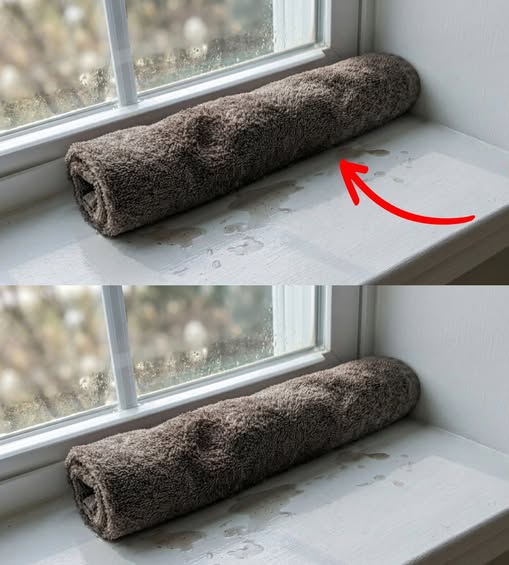
    When the air in your bedroom feels thick and suffocating, the kind of heat that presses into your skin and makes sleep feel impossible, you start to rethink every trick you’ve ever heard about staying cool. Anyone who has endured a summer night in a room with no breeze and no air conditioning knows the specific frustration of lying awake for hours, feeling your pillow grow warmer by the minute, wondering how tomorrow’s responsibilities will feel when you’ve barely slept at all. That’s why some of the simplest, most unconventional cooling methods have become surprising lifelines for people desperate to reclaim a restful night’s sleep. Among them is one trick that sounds almost too simple to take seriously: placing a damp towel across an open windowsill, letting it hang so the passing air flows over and through it. Paired with another strange-but-effective hack—a pillowcase chilled in the refrigerator—these methods have quietly transformed sleep routines for people who assumed comfort was impossible without pricey AC units or gadgets.

    The idea of using a wet towel to cool a room might sound like something invented by someone half-delirious from heat, but it’s firmly rooted in basic principles of evaporative cooling—the same science behind desert wind chill, clay pot coolers, and large commercial swamp coolers used in arid climates. When water evaporates, it absorbs heat from the surrounding air. That’s why your skin feels cooler when sweat evaporates, and why stepping out of a pool into a breeze sends chills through your body. When you drape a damp towel over a windowsill, you’re essentially creating a miniature version of that same phenomenon. As warm outside air flows through the open window and touches the wet fabric, the water within the towel begins to evaporate. The process extracts heat from the air itself, creating a light but noticeably cooler flow that drifts into the room.

    For people living in dry areas, this effect can be dramatic—almost like running a small cooling unit. But even in humid climates, the drop in temperature is subtle yet meaningful. Hot, stagnant air becomes easier to breathe, and the sensation of heavy warmth begins to lighten. When your sleeping environment shifts even a few degrees cooler, your body can finally begin its natural descent into the core-temperature drop required for restful sleep. This cooling cycle is one of the most important biological triggers for falling asleep; when your body can’t release heat, you remain mentally alert and physically restless. The towel method gives your body the help it needs to cross that threshold.

    People who swear by this trick describe the moment the cooled air first begins to drift through the room. It’s not powerful, not like the push of an AC vent, but it’s persistent—a slow, gentle movement that breaks the oppressive stillness. It feels like the difference between trying to sleep in a sealed box and sleeping in a space where the air finally feels alive. As the towel continues evaporating through the night, this effect compounds, often helping the room maintain a cooler climate until morning. If the towel dries out too quickly, some simply re-dampen it before bed or use thick cotton towels that retain moisture longer.

    Then there’s the second trick, one that seems almost too childish or gimmicky to take seriously until you try it: placing your pillowcase—or even a whole pillow, if space allows—in the fridge or freezer before bed. At first glance, this sounds like a novelty, a quick jolt of cold that couldn’t possibly last long enough to matter. But cooling the areas around your head and neck has an outsized impact on your body’s temperature regulation. Your head contains dense networks of blood vessels close to the surface, and cooling them directly encourages your core temperature to drop—one of the main physiological signals that tells your brain it’s time to sleep.

    The moment your skin makes contact with the chilled pillowcase, your nervous system interprets the relief instantly. The contrast between the oppressive heat of the room and the sudden coolness beneath your cheek triggers a sense of safety, comfort, and release. It doesn’t matter that the chilled fabric eventually warms; that first stage is often enough to help your body shift into sleep mode. For many people, this early window—those first five to ten minutes—is the hardest part of falling asleep in a hot room. Once they get past it, the body’s natural sleep cycles take over. The chilled pillowcase acts like a hand guiding them across that threshold.

    Some people take the pillowcase trick further by stuffing a small cooling pack or frozen water bottle into a pillow pocket, removing it just before lying down so the fabric retains the cold without direct ice contact. Others create a rotation system: one pillowcase cooling while the other is in use, swapping them out when needed. The beauty of the method is not in its complexity but in its efficiency—cooling the areas that cool you the fastest.

    When you combine both techniques—the evaporative effect of the wet towel and the direct skin cooling of the chilled pillowcase—you create two intersecting pathways that support your body’s natural thermoregulation. One cools the air, making the surrounding environment more tolerable, even pleasant. The other cools the body directly, helping your internal temperature shift toward sleep readiness. Together, they form a powerful minimalist cooling system that requires nothing more than water, fabric, and a refrigerator.

    People who have adopted these rituals often describe transformative results. Nights that once felt endless and suffocating become manageable. Some report falling asleep faster; others say they wake less often, their bodies no longer jolting awake from spikes of trapped heat. The mental relief is just as significant. Knowing you have control—however small—over your environment can ease nighttime anxiety. Instead of lying awake dreading the hours ahead, you prepare your towel, chill your pillowcase, and step into bedtime with a sense of capability rather than helplessness.

    These tricks also appeal to those seeking sustainable, energy-efficient solutions. Running an air conditioner all night is noisy, costly, and environmentally taxing. But a towel and pillowcase? Silent. Accessible. And, for many, surprisingly powerful. They offer comfort to people in old homes with poor ventilation, to college students in sweltering dorms, to families trying to sleep through heatwaves without skyrocketing utility bills. In an era where climate unpredictability makes extreme temperatures more common, these simple hacks become tools of resilience—small but meaningful acts of caring for the body.

    There’s also something tender about these rituals, something reminiscent of older generations who cooled their homes with ingenuity rather than machinery. Grandparents who hung damp sheets in doorways. Parents who placed cold washcloths on foreheads. Caregivers who opened windows at just the right time to catch the night breeze. The wet towel and chilled pillowcase methods feel like a continuation of that quiet wisdom—a reminder that comfort doesn’t always come from noise or technology, but from understanding how the body interacts with its environment.

    Of course, these methods are not magic. They won’t turn a sweltering room into a refrigerated sanctuary. They won’t replace air conditioning during dangerous heat waves. But they offer relief in the spaces between discomfort and danger—in bedrooms where the air is too warm for rest but not yet hazardous. They offer gentle improvement where none seemed possible. And they reconnect us with simple physics, reminding us that sometimes the smallest interventions create the biggest sense of ease.

    So if you ever find yourself lying awake on a humid summer night, feeling the heat gather beneath your skin and frustration bloom behind your eyes, consider these rituals. Wet a towel, drape it across the windowsill, let the night air filter through. Slide a chilled pillowcase onto your pillow. Give your body a chance to release the tension it’s been holding. Let cooling become a kind of evening ritual—quiet, mindful, and rooted in care.

    Because sometimes, the difference between a night spent suffering and a night spent finally drifting off is not an expensive device, but the simplest gesture of comfort: a cool pillow beneath your cheek, a faint breeze softened by evaporation, and the gentle reminder that sleep doesn’t have to be a battle.


  • The Real Reason Your $20 Bill Has a Bow-and-Arrow Symbol, How Mysterious Marks on U.S. Currency Reveal Global Trade Routes, Underground Verification Networks, and Centuries-Old Money-Handling Traditions That Continue Today Without Most Americans Realizing It

    The Real Reason Your $20 Bill Has a Bow-and-Arrow Symbol, How Mysterious Marks on U.S. Currency Reveal Global Trade Routes, Underground Verification Networks, and Centuries-Old Money-Handling Traditions That Continue Today Without Most Americans Realizing It

    Most people glance at their cash only long enough to check the amount, fold it into their wallet, and continue on with their day. But every so often, a dollar bill catches your attention—maybe because of an odd stamp, tiny initials, or a strange symbol you’ve never seen before. One of the most frequently reported markings is a miniature bow-and-arrow symbol or something that resembles a small emblem stamped in ink near the portrait or edges. At first glance, it may seem like graffiti, a secret code, or even a counterfeit warning. But the truth is far more fascinating.

    These symbols are part of a long-standing global tradition known as chop marking—a practice older than paper money itself. Chop marks tell a story of travel, verification, and trust in places where the U.S. dollar circulates far beyond America’s borders. And if your $20 bill has a bow-and-arrow stamp, you’re not holding damaged currency; you’re holding a clue to the bill’s international journey through markets, money-exchange stalls, and informal verification systems across the world.

    To understand why these markings exist, we need to go back centuries—long before the U.S. dollar, long before modern banking, and long before electronic verification made it possible to instantly authenticate currency. In ancient China, merchants faced a challenge when trading silver coins: how could they ensure each piece had the correct weight and purity? Their solution was remarkably simple and deeply practical. After testing a coin, a merchant stamped it—literally punched it—with a unique symbol. Over time, these markings built a chain of trust. A coin with multiple chops had been tested many times and was more likely to be accepted as genuine. The “chop” became the merchant’s signature, a promise to everyone who handled it next.

    This centuries-old habit carried forward through time, eventually adapting to new forms of currency. When paper money became the dominant medium of exchange, especially in regions with inconsistent banking infrastructure, the chop tradition re-emerged. Instead of punching a mark into metal, money handlers used ink stamps on paper. And because the U.S. dollar became the most widely accepted international currency—used in markets, tourist destinations, border exchanges, and even in countries where it circulates alongside or instead of local money—the dollar became the primary canvas for these marks.

    That bow-and-arrow symbol on your $20 bill is almost certainly one of these chop marks, added by a money changer or merchant outside the United States to confirm that this particular bill was inspected and trusted. The exact symbol varies from person to person and region to region, which is why you may see circles, stars, letters, squares, dragons, arrows, or abstract shapes. They are not secret codes used by the U.S. government. They are not indicators of counterfeit activity within America. They are, more often than not, simple verification marks used in areas where large amounts of cash circulate hand-to-hand each day.

    In parts of Asia, especially Southeast Asia and China, chop marks on U.S. bills are extremely common. Vendors, foreign exchange booths, and travel money handlers use them as shorthand—quick, visual confirmation that someone upstream has already validated the bill. In Africa, similar marks help safeguard cash transactions in marketplaces, transportation hubs, and regions where electronic banking is not consistently available. In Latin America, especially border regions and tourist economies, chop marks serve the same purpose: reassurance.

    Imagine a bill passing through dozens of hands. A vendor receives it, checks its authenticity, stamps it with their personal mark, and passes it along. A money changer receives the same bill from a traveler, examines it, adds their own stamp, and sends it back into circulation. In places where counterfeiting is a real concern, these tiny symbols communicate silently from one person to the next: “This note was checked. It’s good.”

    Because of its durability, iconic design, and global trust, the U.S. dollar has become the world’s most frequently chop-marked paper currency. And although U.S. law prohibits intentionally defacing currency in a way that renders it unusable, light chop marks generally do not violate regulations and rarely affect the value of the bill. Banks in the United States will usually accept bills with these marks without issue. However, automated machines—like vending machines or bill readers—might occasionally reject marked notes because the ink interferes with their sensors.

    For collectors, chop-marked currency isn’t considered vandalized—it’s seen as a historical artifact, evidence of a bill’s life outside the United States. A single stamp might mean the bill traveled halfway around the world. Multiple stamps can indicate years of movement across borders, hands, cultures, and markets. You’re holding not just money, but a living document of global trade.

    When people ask why their bill has an arrow symbol or what looks like a foreign emblem, the answer is simpler—and richer—than they expect. The mark is a travel stamp, a footprint of the bill’s journey. Somewhere, perhaps in a busy Hong Kong street-side exchange, a dusty marketplace in West Africa, or a tourist kiosk in Central America, someone tested your bill, confirmed it was genuine, and stamped it as part of a long chain of trust.

    You may spend the $20 the next time you buy groceries or hand it over at a café, completely unaware of the thousands of miles it may have traveled. But the bow-and-arrow mark remains as a quiet reminder that currency is more than numbers on paper. It is movement. It is history. It is connection.

    And sometimes, the world leaves its fingerprints behind.