Author: admin

  • Melania Trump Issues Rare Public Statement After Recent Shooting Incident

    Melania Trump Issues Rare Public Statement After Recent Shooting Incident

    Melania Trump made a rare public political statement on January 27, calling for unity and peaceful expression amid unrest in Minnesota. Speaking on Fox & Friends while promoting a film project, she paused to address recent violence, emphasizing that she opposes violence in all forms.

    Her remarks were notable because Melania Trump has traditionally avoided public political commentary. The brief statement stood out during an emotionally charged moment, drawing attention precisely because of her typically reserved role in political debates.

    The unrest followed two recent shootings involving federal immigration agents in Minnesota. One incident resulted in the death of Alex Pretti, which authorities initially described as an act of self-defense, sparking protests and widespread public concern.

    As demonstrations spread across the state, Melania urged Americans to express their views peacefully. She stressed that while disagreement and protest are valid, violence only deepens divisions and prolongs suffering.

    She also referenced coordination between federal, state, and local leaders. According to Melania, President Trump spoke with Minnesota’s governor and the mayor of Minneapolis to help reduce tensions and restore calm.

    Around the same time, the president indicated that some federal immigration personnel might be withdrawn from the area, suggesting a potential shift in response as officials reassess the situation. Investigations into the shootings remain ongoing.

    Pretti’s family has disputed the official account, describing him as compassionate and motivated by concern over immigration policies. His sister said he wanted to help others through peaceful action, adding emotional weight to the case.

    As Minnesota continues to grapple with grief, protest, and unanswered questions, Melania Trump’s appeal reflects a broader call for empathy, accountability, and calm dialogue during a moment of national strain.

  • Hidden Truth Behind His Smile

    Hidden Truth Behind His Smile

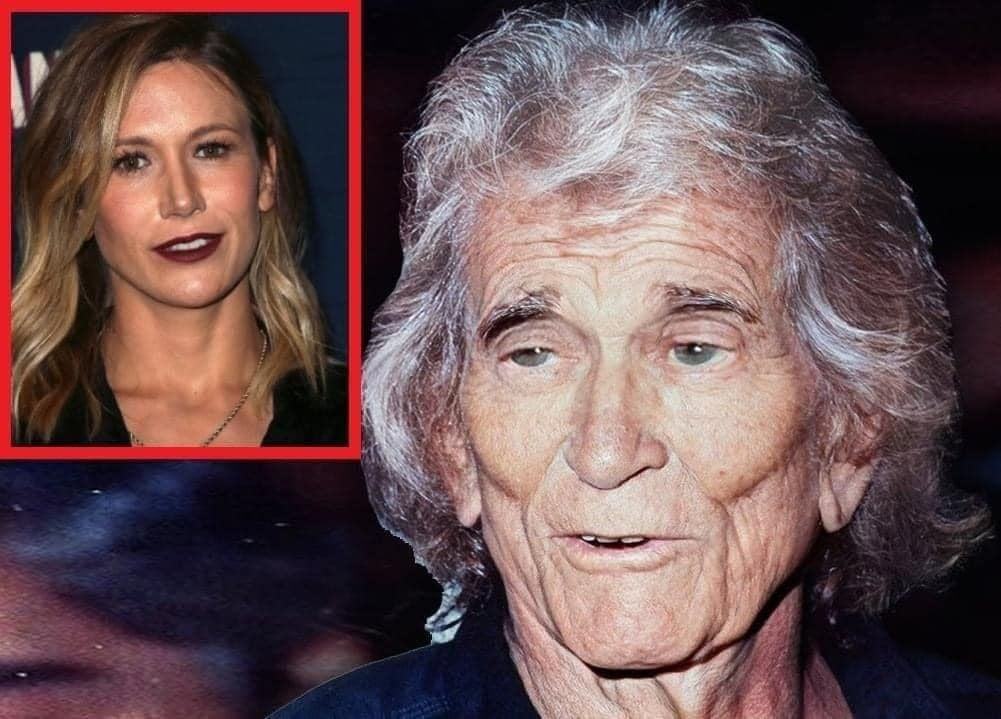
    Michael Landon was never quite the man the public believed. Behind his twinkling eyes and gentle voice lay a childhood marked by fear—a boy navigating a home that often felt like a war zone, bracing for his mother’s unpredictable outbursts. The image of the kind, easygoing star now collides with a past his daughter has revealed, exposing struggles that shaped him in ways fans never saw.

    She portrays a man who learned early that love could be dangerous and safety had to be performed rather than felt. That boy grew into an adult determined not to pass trauma forward. Instead, he transformed his pain into creativity, weaving themes of mercy, redemption, and second chances into the shows he wrote and starred in.

    His intensity, perfectionism, and long hours on set were more than ambition; they were efforts to outrun the chaos of his upbringing. Every project became a quiet act of resilience, a way to process private wounds through public stories of hope that millions would embrace.

    The daughter’s account does not aim to tarnish her father’s legacy but to humanize him. She emphasizes that the comfort and inspiration Landon offered to audiences came at a personal cost he rarely acknowledged. His public kindness was a conscious choice, a deliberate counter to the fear he experienced as a child.

    In revealing the truth, she reframes his life: Landon was not an untouchable figure of perfection, but a survivor. His achievements, charm, and generosity were grounded in a lifelong effort to manage the shadows of his past.

    Fans now see the duality of his existence—a man capable of deep warmth and compassion, yet shaped by early suffering. This perspective enriches his legacy, showing the courage it took to remain gentle despite personal hardship.

    Ultimately, her testimony gives him something he lacked in life: recognition for the complexity of his humanity. It is a reminder that the most inspiring figures often carry unseen burdens.

    Through her words, Michael Landon emerges not just as a television icon, but as a survivor who chose to create hope in a world that once offered him little.

  • Funny story! Old man gets revenge on three ruthless bikers

    Funny story! Old man gets revenge on three ruthless bikers

    The truck stop sat just off the highway, glowing against the night like a familiar promise. Engines hummed outside, neon lights buzzed overhead, and the air carried the permanent blend of coffee, grease, and sugar. It was a resting place for people in motion, a pause between long stretches of road.

    In the corner booth sat an elderly truck driver, silver hair tucked beneath a worn cap, boots scuffed from decades of travel. He ate a slice of warm pie slowly, savoring the quiet. This stop wasn’t special—it was predictable, steady, and safe, just like the routes he’d driven for years.

    The door suddenly slammed open, shattering the calm. Three bikers strode in loudly, leather jackets creaking, boots striking the floor with intention. Their laughter carried across the diner, drawing attention and unease. When they spotted the old man alone, something shifted. He became entertainment.

    One biker pressed a lit cigarette into the center of the pie. Another spat into the glass of milk. The third flipped the plate to the floor, laughing as it shattered. The room fell silent, every eye on the old man. He didn’t react. He didn’t speak.

    Instead, he placed a few bills on the table, stood, adjusted his jacket, and walked out without looking back. The bikers laughed harder, mocking his silence. When they asked the waitress if he was “much of a man,” she smiled and said, “Not much of a truck driver either.”

    Moments later, a deep engine roar shook the diner. Outside, the old man’s semi rolled backward—straight over the bikers’ motorcycles. Metal crumpled, pride collapsed, and the truck drove off calmly. The lesson was clear: quiet doesn’t mean weak. Sometimes, it just means patient.

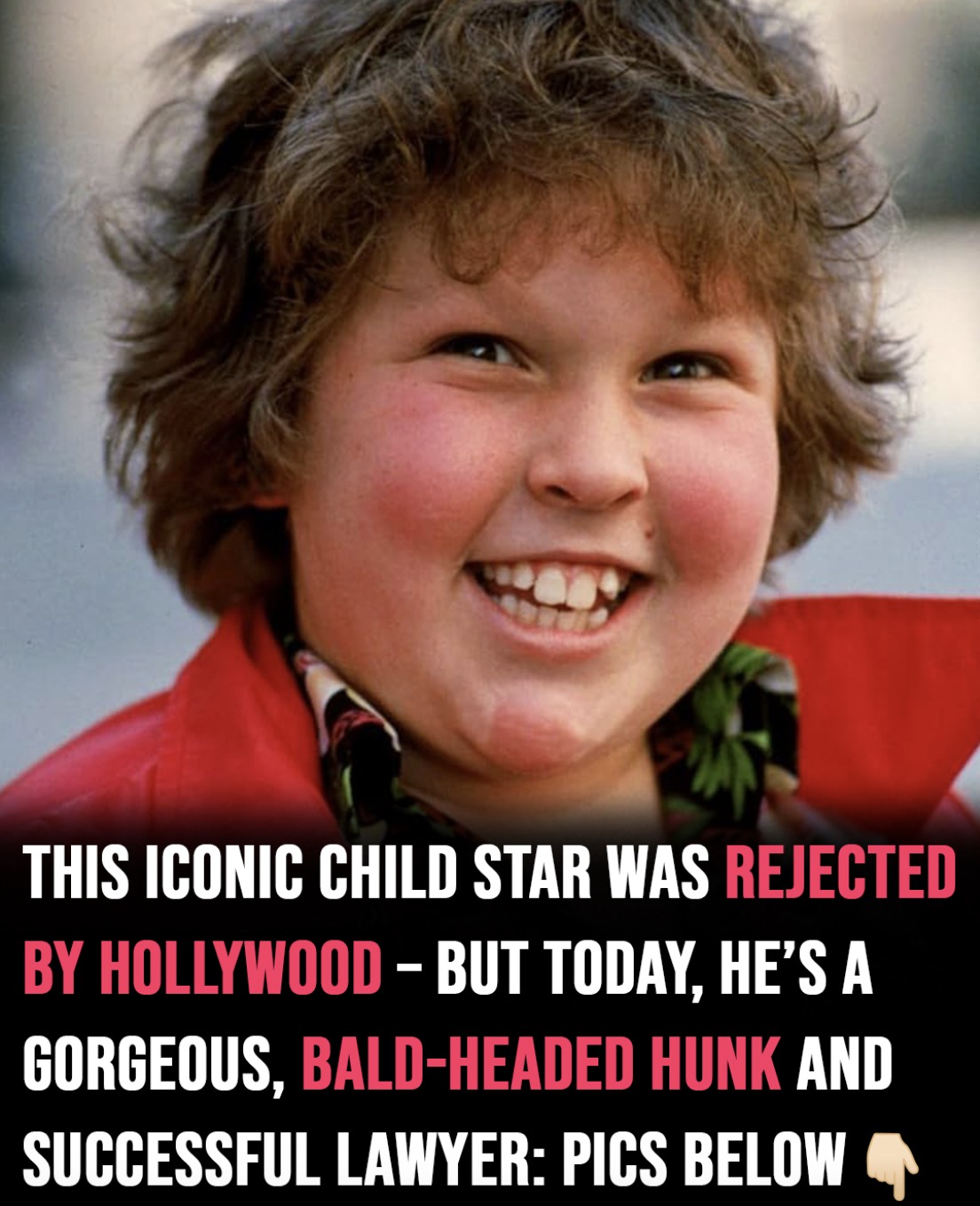
  • From Goonies Glory to Courtroom Power: Jeff Cohen’s Unlikely Reinvention

    From Goonies Glory to Courtroom Power: Jeff Cohen’s Unlikely Reinvention

    If you were a kid in the 1980s, Chunk wasn’t just a character — he was a cultural moment. The loud Hawaiian shirt, the unforgettable Truffle Shuffle, and the pure, chaotic heart made him impossible to ignore. Jeff Cohen didn’t just play Chunk in The Goonies — he was Chunk, and the role cemented him into pop-culture history almost instantly.

    Behind the scenes, Cohen’s path into fame was anything but smooth. Born Jeffrey Bertan McMahon on June 25, 1974, in Los Angeles, his childhood was marked by change early on. When his parents separated while he was still young, it left a lasting impact that shaped both his personal life and his drive to succeed.

    As his acting career began to take shape, he made a deliberate choice to reinvent himself professionally. He adopted the surname “Cohen” for the screen, honoring his mother Elaine’s maiden name. It was an early sign of the self-awareness that would later define his post-Hollywood career.

    Before The Goonies ever entered production, Cohen was already a familiar face on television. In the early 1980s, he appeared on CBS’s Child’s Play, helping contestants solve clues. A few years later, he showed up again as a young celebrity guest on the game show Body Language, slowly building momentum in the industry.

    Everything changed in 1985. With Richard Donner directing and Steven Spielberg producing, The Goonies became an instant classic. Cohen’s performance as Chunk — awkward, emotional, and endlessly funny — stood out even among a talented ensemble cast, making him one of the most memorable characters in the film.

    What most fans didn’t realize was how close he came to losing that role. During filming, Cohen was battling chickenpox but kept it hidden, afraid he’d be replaced if the studio found out. The gamble paid off — and eagle-eyed fans can still spot the marks during the famous Truffle Shuffle scene.

    Despite the film’s success, Cohen’s acting career stalled just as quickly as it took off. Puberty changed his appearance, and with it, Hollywood’s interest. Roles dried up, not because of a lack of talent, but because he no longer fit the narrow boxes the industry demanded.

    Looking back, Cohen summed it up with brutal honesty. Acting wasn’t something he walked away from by choice. As he put it, his first love didn’t leave — it moved on without him. That forced ending, however, would ultimately push him toward a second act even more surprising than the first.

  • Letting your gray hair go natural often reflects a deep psychological shift toward self-acceptance, authenticity, and emotional maturity. It can symbolize freedom from social pressure, confidence in one’s identity, and a desire to age honestly without hiding changes. Many people view this choice as an empowering statement of self-worth, inner peace, and a healthier relationship with time and personal growth.

    Letting your gray hair go natural often reflects a deep psychological shift toward self-acceptance, authenticity, and emotional maturity. It can symbolize freedom from social pressure, confidence in one’s identity, and a desire to age honestly without hiding changes. Many people view this choice as an empowering statement of self-worth, inner peace, and a healthier relationship with time and personal growth.

    Leaving gray hair untouched rather than concealing it with dye has become increasingly common, and psychologists view this shift as deeply connected to changes in personal identity and emotional growth. For much of modern history, gray hair symbolized aging, decline, and fading relevance, shaping social expectations that equated youth with value. These beliefs encouraged people to hide signs of aging to maintain acceptance and desirability. Today, that narrative is changing. Gray hair is now often seen as a sign of authenticity, confidence, and self-assurance rather than loss. This evolving perception reflects broader cultural and psychological changes in how people understand beauty, worth, and time. What was once stigmatized is now, for many, an intentional expression of self-acceptance.

    From a psychological standpoint, choosing to stop dyeing hair often marks a significant shift in self-perception. Hair is closely tied to identity and social presentation, making gray hair a visible challenge to internalized beliefs about aging. Many discover their discomfort is rooted not in appearance but in fear of judgment or invisibility. Letting gray hair show can therefore represent a redefinition of self-worth, moving away from youth-based validation toward inner alignment. Aging becomes a natural process rather than a threat.

    Psychologists often frame this choice as self-affirmation. By rejecting dye, individuals communicate acceptance of their true selves, challenging cultural narratives that tie worth to youthfulness. This decision reflects autonomy and emotional maturity, replacing obligation with authenticity. It becomes an act of reclaiming control over one’s image.

    Women have historically faced stronger pressure to hide aging, making this choice particularly significant. Allowing gray hair can feel like a quiet rebellion against unrealistic beauty standards that link female value to youth. Many women describe feeling relieved and liberated after letting go of dye and constant maintenance.

    Men, though traditionally permitted to age more visibly, also face growing pressure to appear youthful and competitive. Choosing gray hair can represent confidence and a refusal to equate value with constant productivity. For both genders, the shift centers on self-acceptance rather than appearance-based validation.

    Ultimately, embracing gray hair is about emotional freedom. It reflects a healthier relationship with aging and a rejection of shame. For many, this acceptance extends beyond appearance, fostering confidence, resilience, and a deeper sense of authenticity.

  • Minneapolis Mayor Jacob Frey Just FOLDED to President Donald Trump —…

    Minneapolis Mayor Jacob Frey Just FOLDED to President Donald Trump —…

    A man was shot and killed during a federal immigration enforcement operation in Minneapolis, sparking grief and outrage. ICU nurse Alex Pretti’s death raised questions about how the encounter escalated, with calls for transparency and accountability as investigations continue. Mayor Jacob Frey described the situation as “impossible,” caught between federal authority and community fury.

    Pretti’s shooting followed another fatal federal incident in Minnesota, intensifying protests and public scrutiny of ICE and Border Patrol tactics. Vigils and demonstrations highlighted broader concerns about law enforcement practices and civilian safety.

    The unrest has resonated far beyond Minnesota. In Santa Ana, California, 21-year-old protester Kaden Rummler lost vision in one eye after being struck by a projectile fired by a federal agent during an anti-ICE demonstration.

    Video shows Rummler hit at close range, then pulled backward by officers before being taken into custody. He underwent surgery for severe facial injuries and now faces permanent vision loss in that eye.

    The Santa Ana rally was organized in response to the Minneapolis shootings, showing how violent federal encounters in one city can reverberate nationwide.

    These events have prompted questions about use-of-force policies, crowd control tactics, and the risks associated with so-called less-lethal weapons. Critics argue that these tools are being deployed in ways that can cause serious injury.

    Protests and legal challenges continue as communities demand accountability, highlighting tension between federal enforcement and public safety concerns.

    The incidents in Minneapolis and Santa Ana underscore national debates over immigration enforcement, civil liberties, and the proper limits of federal authority during protests, leaving communities, officials, and citizens seeking answers and justice.

  • Downstairs neighbor breaks silence with heartbreaking claim after ICE agents shot Alex Pretti dead.

    Downstairs neighbor breaks silence with heartbreaking claim after ICE agents shot Alex Pretti dead.

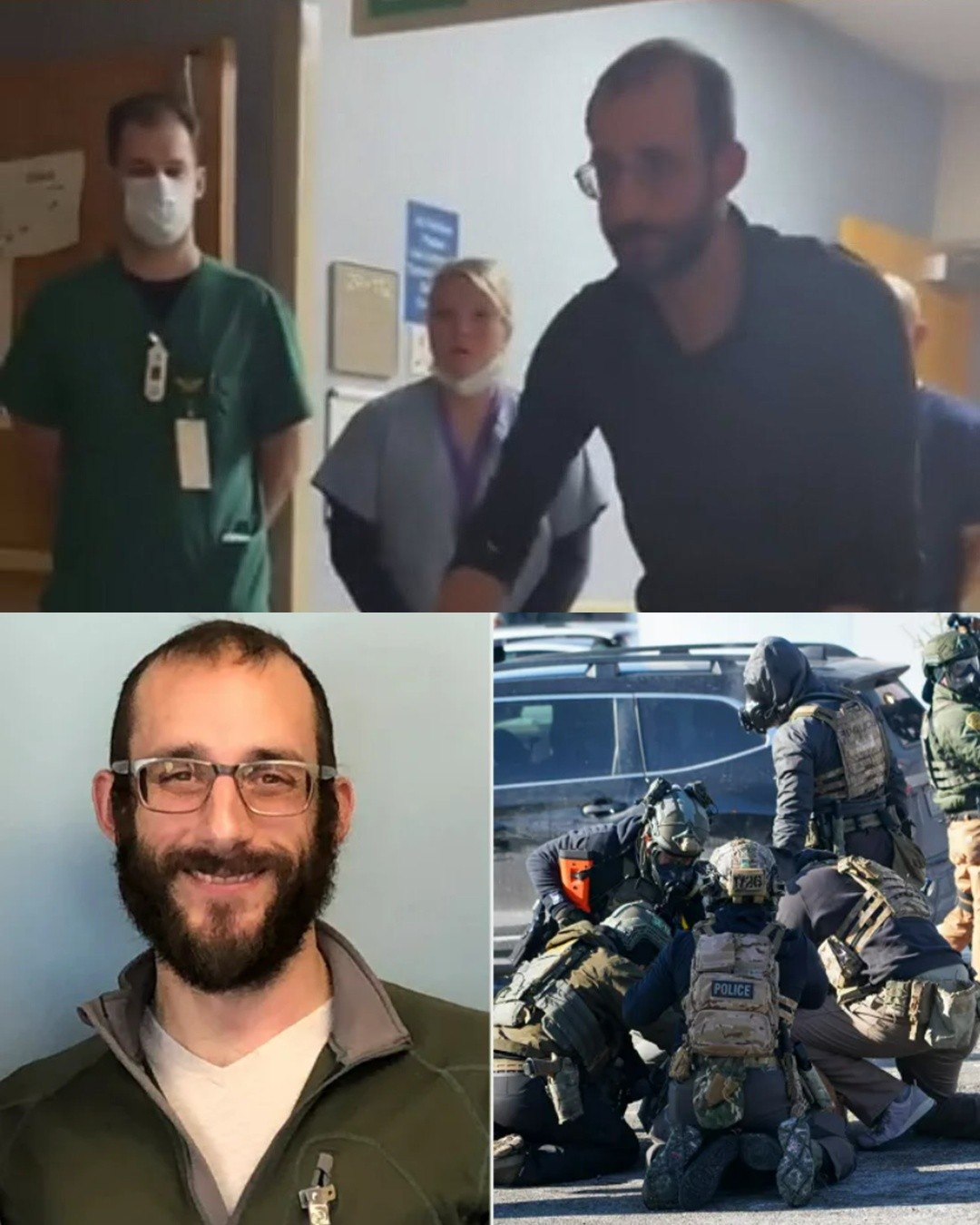
    On January 24, 2026, Alex Jeffrey Pretti, a 37-year-old ICU nurse and U.S. citizen, was shot and killed by a federal Border Patrol agent during an immigration enforcement operation in Minneapolis. The incident occurred amid heightened tension following another fatal federal encounter earlier that month. The shooting quickly drew national attention, conflicting narratives, and public demands for accountability.

    Neighbors described Pretti as kind and trustworthy, someone who helped others and never behaved aggressively. One resident said she never imagined he carried a gun, reflecting disbelief shared by many in the community.

    Pretti worked at the Minneapolis Veterans Affairs Health Care System, where colleagues called him calm, professional, and compassionate. Friends said he rarely discussed politics but cared deeply about people’s well-being. He had a lawful concealed carry permit and no criminal record and was active in peaceful protests motivated by concern, not confrontation.

    Federal officials stated that Pretti approached agents with a firearm and resisted disarmament, prompting an agent to fire in self-defense. Homeland Security Secretary Kristi Noem and Border Patrol leadership defended the agents’ actions, citing training and protocol.

    Multiple bystander videos and eyewitness accounts challenged the federal narrative. Footage shows Pretti holding a cellphone, recording or observing enforcement activity, and stepping between an agent and another person before a struggle. Shots were fired within seconds while he was surrounded, and Pretti does not appear to have brandished a weapon prior to being shot.

    Pretti’s parents rejected claims that he was violent, saying video shows him holding only a phone. They called for a thorough, independent investigation and for public statements to be grounded in verified facts.

    The shooting sparked protests across Minneapolis, with residents demanding transparency and accountability. Minnesota Governor Tim Walz criticized federal portrayals of the incident and called for limits on federal operations in the city.

    The case has become a focal point in national debates over immigration enforcement, the use of force, and citizens’ rights to document law enforcement. Those who knew Pretti remember him as a caregiver and neighbor, highlighting the human life behind the headlines and the urgent need for accountability and trust.

  • Alex Pretti’s parents found a folded clue in their son’s work jacket pocket; his last phone call home contained only 10 words

    Alex Pretti’s parents found a folded clue in their son’s work jacket pocket; his last phone call home contained only 10 words

    Alex Pretti’s parents have painted a portrait of their son that contrasts sharply with official accounts. Pretti, 37, was an ICU nurse at the Minneapolis VA hospital, known for his calm, compassionate care, especially for veterans.

    The Department of Homeland Security said he was shot by a U.S. Border Patrol agent during a “targeted operation,” claiming he approached officers armed with a handgun and resisted disarmament.

    His parents, Michael and Susan Pretti, rejected this portrayal, describing him as kindhearted and motivated by concern for others, not violence. They emphasized that he was not aggressive toward law enforcement.

    In a written statement, they called the federal narrative “sickening” and insisted that video evidence shows him holding a phone, not a gun, during the confrontation.

    They shared that on the day of the shooting, Pretti’s last act was trying to help a woman, reflecting his nature as someone who consistently aided others.

    Family members highlighted his dedication to veterans and his empathetic nature as central to his identity, underscoring a life of service and care.

    The Prettis urged the public to “get the truth out” about who their son really was, challenging misleading portrayals and calling for honesty in reporting.

    Their remarks have fueled broader demands for independent investigation and transparency, raising questions about the alignment of official accounts with video evidence and witness testimony.

  • Drunk Guy Gets Pulled Over After Late-Night Joyride Turns Into a Bizarre Roadside Encounter, Leaving Police Stunned by His Slurred Excuses, Questionable Decisions, and the Unexpected Chain of Events That Followed Under Flashing Blue Lights on a Quiet City Street Emerson Solomon

    Drunk Guy Gets Pulled Over After Late-Night Joyride Turns Into a Bizarre Roadside Encounter, Leaving Police Stunned by His Slurred Excuses, Questionable Decisions, and the Unexpected Chain of Events That Followed Under Flashing Blue Lights on a Quiet City Street Emerson Solomon

    Late one quiet night, a drunk driver was pulled over after swerving slightly on an empty road. Streetlights hummed softly as the patrol car followed, then activated its lights, splashing red and blue across parked cars. The man eased to the curb with exaggerated care, exhaling as the officer approached, the smell of alcohol unmistakable.

    When asked how much he had to drink, he smiled and said, “Just a couple,” treating his words like a clever defense. He stepped out of the car with theatrical caution, swaying slightly but insisting he was steady, joking about the road and his fatigue. The officer listened patiently, noting the glassy eyes and delayed reactions.

    The first sobriety test—walking a straight line—quickly failed. He veered off, blaming the “crooked” road, then dramatically attempted to stand on one foot, insisting he needed different conditions to succeed. His humor and explanations collided with reality, yet the officer remained calm, repeating instructions and observing every detail.

    During further tests, his confidence waned. Following a pen with his eyes caused him to lurch; he stumbled through stories and the alphabet, alternating between pride and embarrassment. He insisted he was a good driver and that nothing serious had happened, while the night grew colder and quieter around them.

    Eventually, the officer told him to place his hands behind his back. He froze, then sighed, muttering about paperwork and the hassle ahead, finally accepting the situation with subdued resignation.

    The ride to the station was quiet, broken only by the hum of tires and radio crackle. Under harsh fluorescent lights, he followed instructions, occasionally apologizing and asking for clarification, his bravado replaced by introspection.

    By morning, outside the station, he breathed in the crisp air, reflecting on his choices and the narrow escape. Humor felt distant, replaced by a quiet determination and awareness of consequences.

    In the following days, the night resurfaced in memory—a reminder of how thin the line is between laughter and regret. The experience planted a seed of caution, shaping future decisions, and under the same humming streetlights, life moved on, quietly urging vigilance.

  • My gas lasted 6 months when I learned this trick that a gas fitter showed me.

    My gas lasted 6 months when I learned this trick that a gas fitter showed me.

    Do you feel your bottled or natural gas is running out faster than before? Many blame suppliers or appliance use, but the real culprit is often the burners themselves. A gas technician explained that dirty or clogged burners can drastically increase gas consumption without obvious signs.

    When cooking, food scraps, grease, or spills can fall onto the stovetop and burn, clogging the gas outlets. If your flame looks orange or yellow instead of blue, combustion is inefficient. Weak flames cook slower and waste gas.

    Cleaning burners properly is simple and inexpensive. You’ll need white toothpaste (not gel), 2 tablespoons of salt, 1 tablespoon of baking soda, 1 tablespoon of liquid detergent, hot water, a large container, and a brush or sponge.

    Do you feel your bottled or natural gas is running out faster than before? Many blame suppliers or appliance use, but the real culprit is often the burners themselves. A gas technician explained that dirty or clogged burners can drastically increase gas consumption without obvious signs.

    When cooking, food scraps, grease, or spills can fall onto the stovetop and burn, clogging the gas outlets. If your flame looks orange or yellow instead of blue, combustion is inefficient. Weak flames cook slower and waste gas.

    Cleaning burners properly is simple and inexpensive. You’ll need white toothpaste (not gel), 2 tablespoons of salt, 1 tablespoon of baking soda, 1 tablespoon of liquid detergent, hot water, a large container, and a brush or sponge.