Author: admin

  • People are only just learning what the tiny hole in nail clippers is actually for

    People are only just learning what the tiny hole in nail clippers is actually for

    We use them all the time, toss them into bathroom drawers, travel bags, or glove compartments — and yet somehow, we don’t always know the little details about them.

    Take nail clippers, for example. They’re one of those everyday tools that feel completely self-explanatory. You press, they clip, job done. But apparently, even something that simple can still surprise us.

    Let’s start with the obvious: the main reason we own nail clippers is to trim our nails. Not everyone is going for dramatic, red-carpet-ready claws à la Cynthia Erivo — and beyond style, there’s actually a health argument for keeping nails shorter.

    Back in 2022, Jeffrey Kaplan, a biology professor at American University, spoke to USA Today about what can lurk under longer nails.

    “The longer the nail, the more surface area there is for microorganisms to adhere,” he explained.
    “Studies have found 32 different bacteria and 28 different fungi underneath fingernails.”

    That’s… not exactly comforting.

    Kaplan noted that it doesn’t really matter whether your nails are natural or artificial — both can harbor microorganisms. And regular handwashing doesn’t always fully eliminate what hides beneath the nail edge. He also warned that bacteria can enter the body through habits like scratching, nail-biting, or even nose-picking, potentially leading to infection.

    So yes, trimming your nails isn’t just about appearance — it can also be about hygiene.

    But here’s where things get unexpectedly interesting.

    Have you ever noticed the tiny hole at the end of your nail clippers?

    Be honest. Most of us have seen it and simply assumed it was decorative, random, or there because “that’s just how they’re made.” Turns out, it has a purpose — and it’s surprisingly practical.

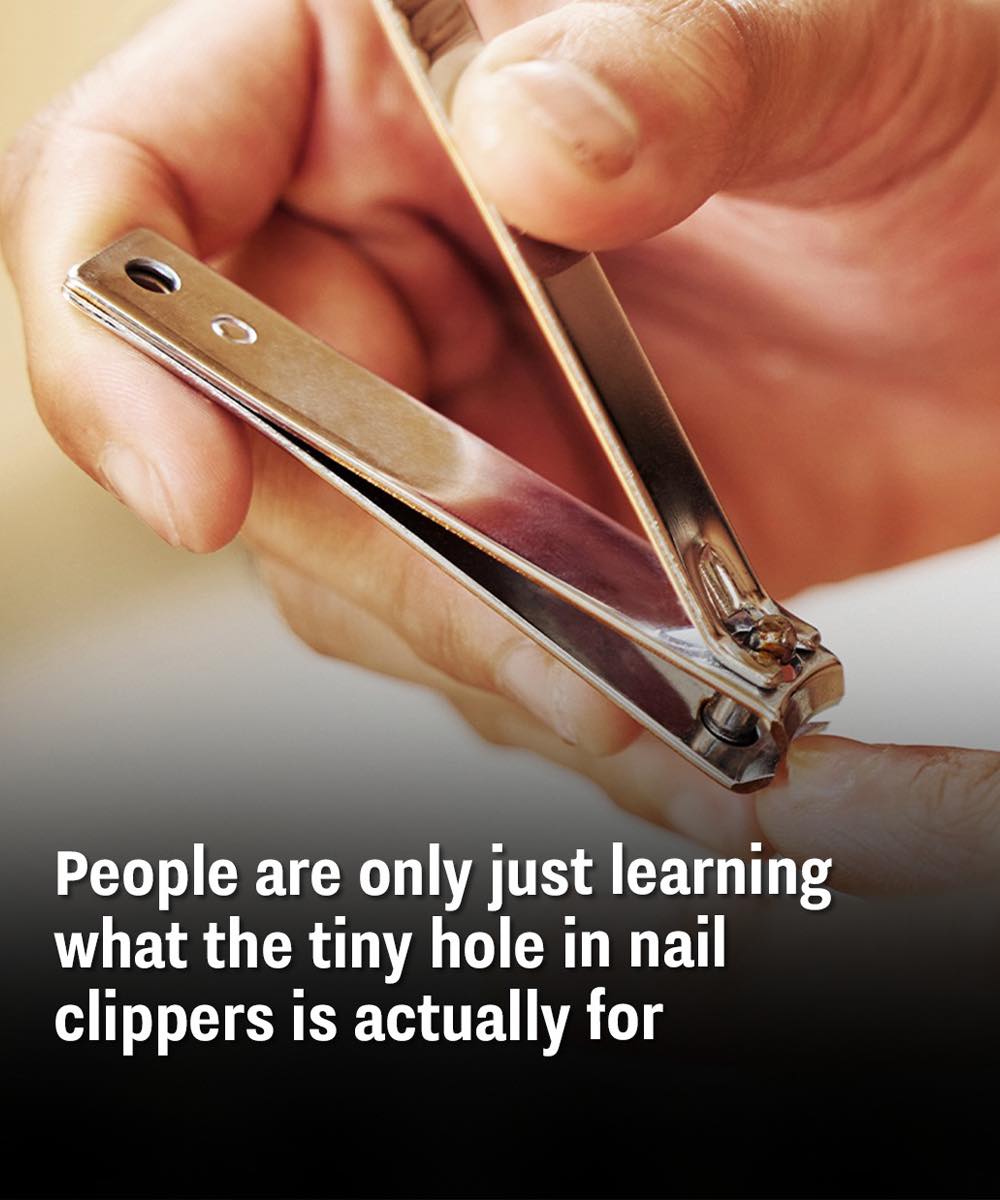
    That little hole is designed so you can attach the clippers to something. A keychain. A toiletry bag. A grooming kit. Even a lanyard. It keeps them from disappearing into the black hole that is every bathroom drawer.

    Simple. Functional. Completely logical.

    And yet, when people find out, many react like they’ve just uncovered a hidden life hack.

    A recent viral Facebook post captured that exact moment of realization. One man shared that his mother-in-law couldn’t stop laughing when he admitted he had no idea what the tiny hole was for.

    “My mother-in-law couldn’t stop laughing when she realized I had no idea what the tiny hole in a nail clipper is for. Now I wonder… am I the only one who never knew?
    I was so embarrassed — I’d literally never thought about it before.”

    It’s oddly comforting, isn’t it? The reminder that even the most ordinary objects can hold small secrets.

    Of course, not everyone is convinced long nails are inherently a hygiene disaster. Kayla Newman, a nail technician based in North Carolina, offered a more balanced perspective. She noted that in her experience, clients with long nails typically maintain them carefully.

    “Generally people who have long nails know how to maneuver with them and keep them clean,” she said.
    “If you’re spending upwards of $60 to get your nails done and you don’t keep them clean, that doesn’t make sense.”

    And she does have a point. For many people, nail care is a deliberate investment — both financially and practically.

    In the end, the lesson here is twofold.

    First: hygiene matters, and keeping nails trimmed can reduce the buildup of unwanted microorganisms.
    Second: even the most familiar objects can have overlooked design features hiding in plain sight.

    That tiny hole in your nail clippers? It’s not decorative. It’s not random. It’s just quietly doing its job — much like the clippers themselves.

    And honestly, if you didn’t know before today, you’re definitely not alone.

  • Vertical ridges on fingernails are common after 40 and usually harmless, reflecting natural aging and dryness. However, they can sometimes signal nutrient deficiencies or health issues, making nail changes worth noticing and caring for.

    Vertical ridges on fingernails are common after 40 and usually harmless, reflecting natural aging and dryness. However, they can sometimes signal nutrient deficiencies or health issues, making nail changes worth noticing and caring for.

    Have you noticed faint or deep vertical lines running from the base to the tip of your fingernails? If so, you’re not alone — and you’re certainly not imagining it. These lines, often more noticeable with age, are commonly referred to as vertical nail ridges. For many people over the age of 40, they seem to appear suddenly and raise questions about what might be happening beneath the surface.

    The good news is that in most cases, vertical nail ridges are harmless. However, they can sometimes point to deeper issues related to health or lifestyle. Understanding why they occur, what they might mean, and how to care for aging nails can help you maintain strong, healthy nails as you get older.

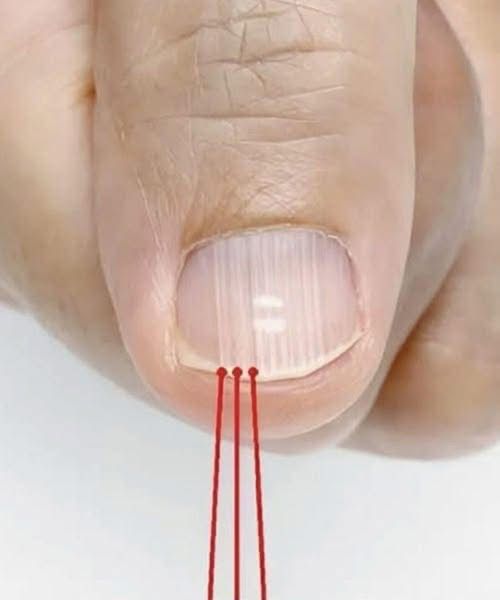
    Vertical nail ridges, also called longitudinal striations, are raised lines that extend from the cuticle to the tip of the nail. Some are subtle and barely visible, while others are more pronounced and can be felt when you run your finger across the nail’s surface.

    These ridges are often a natural part of aging. Just as skin wrinkles and hair changes color over time, nails also undergo structural changes. The keratin-producing cells responsible for nail growth may slow down or grow unevenly, resulting in changes to the nail’s texture and smoothness.

    One of the most common causes of vertical ridges after 40 is natural aging. As the body’s ability to regenerate cells declines, the nail matrix may produce cells less consistently. This uneven growth creates ridges and texture changes that are usually harmless and expected with age.

    Dryness and dehydration can also make nail ridges more noticeable. Aging often reduces moisture retention in both skin and nails, leading to brittleness and reduced flexibility. Frequent handwashing, exposure to soaps, or cleaning products without gloves can worsen dryness and emphasize existing ridges.

    Nutrient deficiencies may play a role as well. Low levels of biotin, iron, zinc, or magnesium can affect nail strength and appearance. Because nutrient absorption becomes less efficient with age, even a balanced diet may not always meet the body’s needs, and nails may be one of the first places to show changes.

    In rarer cases, vertical ridges may be linked to underlying health conditions. Poor circulation, thyroid disorders, rheumatoid arthritis, or skin conditions like eczema and psoriasis can all affect nail growth. When ridges appear alongside symptoms such as fatigue, joint pain, or skin changes, medical evaluation is recommended.

    Although vertical ridges are usually benign, certain warning signs warrant a doctor’s visit. Dark streaks beneath the nail, splitting or thickening nails, or redness and pain around the nail bed may signal infection, injury, or in rare cases, melanoma developing under the nail.

    Caring for aging nails can help reduce the appearance of ridges and improve nail health. Regular moisturizing with hand creams or nail oils, staying well hydrated, and maintaining a nutrient-rich diet all support stronger, smoother nails. Gentle nail care is essential, as aggressive filing or buffing can cause damage.

    Protective habits also make a difference. Wearing gloves during household chores or gardening limits exposure to chemicals and moisture that dry out nails. Choosing acetone-free polish remover and avoiding artificial nails or gels can further prevent weakening.

    Vertical nail ridges are a common and natural part of aging, but they can also offer subtle insights into overall health. By paying attention to changes and practicing good nail care, you can keep your nails healthy and resilient. If changes are sudden or concerning, consulting a healthcare provider is always a wise step.

  • Savannah Guthrie’s sister has revealed new information about what happened before their mother was possibly kidnapped, offering a rare and personal glimpse into the events leading up to the incident. Her account provides important context for investigators and helps the public understand the situation from the family’s perspective. These details may be crucial in piecing together the timeline and uncovering key evidence in the ongoing investigation.

    Savannah Guthrie’s sister has revealed new information about what happened before their mother was possibly kidnapped, offering a rare and personal glimpse into the events leading up to the incident. Her account provides important context for investigators and helps the public understand the situation from the family’s perspective. These details may be crucial in piecing together the timeline and uncovering key evidence in the ongoing investigation.

    A deeply unsettling situation has gripped Tucson, Arizona, and the broader public following the disappearance of 84-year-old Nancy Guthrie, mother of television journalist Savannah Guthrie. On the morning of Sunday, February 1, 2026, authorities were alerted after a family member realized Nancy could not be reached and placed a 911 call. What initially appeared to be a routine welfare check quickly transformed into a case that law enforcement described as highly unusual and deeply concerning. Investigators now suspect that Nancy was abducted from her home while asleep, a scenario that shocked officials and family alike. Sheriff Chris Nanos of the Pima County Sheriff’s Department confirmed that evidence suggested Nancy was taken from her residence in the upscale Catalina Foothills area during the overnight hours, a situation he said is “very concerning” and rare for a missing-person investigation. The gravity of the case prompted immediate deployment of homicide detectives, drones, search dogs, and volunteers, highlighting the seriousness with which authorities are treating this incident.

    Reconstructing the timeline of Nancy Guthrie’s last known movements revealed a troubling set of circumstances. On Saturday evening, January 31, she had dinner with her daughter Annie, who reported no signs of distress or unusual behavior. Between 9:30 and 9:45 p.m., Nancy was dropped off at her home in what appeared to be an ordinary routine. “There were no red flags,” Annie told investigators. She appeared mentally alert, fully independent, and in good spirits. By Sunday morning, however, she had vanished. The family became aware of her absence only around 11 a.m., when someone from her church noticed she had not arrived. Police were notified shortly thereafter, leaving a critical overnight window during which investigators now believe key events occurred. The absence of any voluntary departure—Nancy’s cellphone, wallet, and car remained in the home—coupled with her reliance on daily medication and limited mobility, raised immediate concern that she was in significant danger.

    Further complicating the situation, investigators confirmed that evidence inside the home, including DNA samples, had been collected and sent for analysis, signaling that the scene is now being treated as a potential crime rather than a simple missing-person case. Sheriff Nanos emphasized that while Nancy is mentally alert and independent, her physical health is fragile. “She cannot walk 50 yards on her own,” he said, “and timing is very critical. The longer this goes on, the more danger she faces.” This urgency has prompted law enforcement to canvass the neighborhood for surveillance footage, review doorbell and security camera recordings, and follow up on any tips or leads from the public. The intensity of the response—including the dismissal of search-and-rescue teams previously canvassing nearby areas—underscores the authorities’ belief that Nancy’s disappearance is not ordinary but a potential abduction requiring careful forensic examination.

    Amid this frightening backdrop, the Guthrie family has faced additional stress from a separate, unrelated but alarming incident involving hoax communications. In the days following Nancy’s disappearance, a California man, Derrick Callella, allegedly sent text messages to family members referencing bitcoin payments. Prosecutors allege that Callella obtained the family’s contact information online and sent the messages to gauge whether they would respond, without intending an actual ransom demand. The messages arrived during an already emotional period, causing distress and confusion. Family members promptly alerted law enforcement, enabling the sender to be identified and arrested. He now faces federal charges for transmitting communications falsely implying a ransom demand. Authorities emphasized that his actions appear completely unrelated to Nancy’s disappearance but illustrate how hoaxes and misinformation can complicate investigations, divert resources, and deepen the emotional toll on families.

    The combined pressures of Nancy’s unexplained disappearance and the hoax messages have left her family in anguish. Savannah Guthrie, along with her siblings Annie and Camron, has appealed publicly for support, prayers, and responsible sharing of information. In an emotional social media post, Savannah asked the public to join in lifting their mother in prayer and to exercise hope and faith. Family members described Nancy as a loving, devoted, and independent woman whose absence has left a profound void in their lives. Law enforcement has emphasized that the public’s cooperation, accurate reporting, and vigilance could be critical to resolving the case. Investigators continue to review surveillance footage, canvass the community, and pursue every credible lead in an effort to reconstruct Nancy’s last known movements and identify any individuals who may have had contact with her.

    Despite the challenges, authorities remain steadfast in their commitment to finding Nancy Guthrie and bringing her home safely. The combination of a nighttime abduction, the abandonment of personal belongings, the collection of DNA evidence, and the swift hoax communications has created a complex and emotionally charged investigation. Officials stress that the case highlights the importance of careful forensic work, timely information, and public cooperation in resolving missing-person incidents with potential criminal elements. As of now, no arrests have been made related to the disappearance, and the investigation continues around the clock. For the Guthrie family, the ordeal is both terrifying and surreal, a reminder that even the most ordinary days can be transformed into deeply unsettling mysteries. The public, authorities, and family alike remain hopeful that every lead and every piece of evidence will ultimately help bring Nancy safely home.

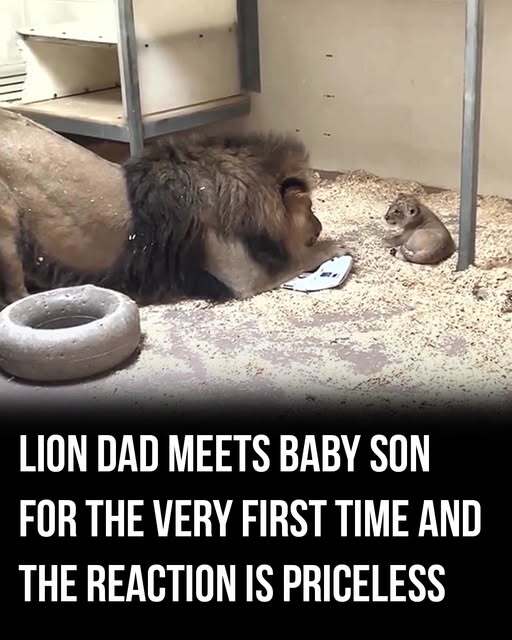
  • A proud lion father meets his newborn cub for the first time, gently sniffing and studying the tiny bundle as curiosity turns into quiet affection, creating a heart-melting moment that captures nature’s softer, surprisingly tender side. 🦁💛

    A proud lion father meets his newborn cub for the first time, gently sniffing and studying the tiny bundle as curiosity turns into quiet affection, creating a heart-melting moment that captures nature’s softer, surprisingly tender side. 🦁💛

    Parental love is often thought of as a defining human trait, something rooted in our emotional intelligence and social bonds, yet the natural world repeatedly challenges that assumption. Across countless species, scientists and observers have documented behaviors that suggest deep emotional connections between parents and offspring. Primates such as chimpanzees, bonobos, and gorillas are especially well known for their strong family bonds, mourning their dead, nurturing their young for years, and displaying behaviors that closely mirror human affection and grief. But mammals beyond primates also demonstrate complex emotional lives, and big cats are no exception. Lions, in particular, occupy a fascinating place in this discussion. Known for their strength, dominance, and sometimes brutal survival strategies, lions are rarely associated with tenderness. Yet within their social structure—the pride—there exists cooperation, protection, and shared responsibility that hint at emotional depth. While lionesses are most often observed caring for cubs, the role of male lions is more nuanced and varies depending on circumstances. This complexity makes moments of visible paternal connection especially compelling. When such moments are captured on camera, they offer rare insight into the emotional capacities of animals often viewed solely through the lens of power and aggression. One such moment, recorded at the Denver Zoo, challenged common assumptions and invited viewers around the world to reconsider what lion fatherhood can look like.

    In September 2019, shortly after the birth of a lion cub named Tatu, cameras inside the Denver Zoo’s lion enclosure captured a quiet yet deeply touching encounter between father and son. Tatu had been born on July 25, 2019, to his mother Neliah, a calm and attentive lioness known for her strong maternal instincts. For several weeks, Tatu remained mostly out of public view as zoo staff ensured he was healthy, safe, and bonding properly with his mother. When the time finally came for his introduction to his father, Tobias, the moment carried both emotional and practical significance. Tobias, a powerful adult male lion, had never fathered cubs before, making this his first experience encountering his own offspring. The footage shows Tobias approaching the small, fluffy cub with visible curiosity rather than dominance. He lowers his head, sniffs gently, and pauses, as if carefully processing the presence of this tiny new life. Tatu, still unsteady and wide-eyed, appears unafraid, a sign that the environment had been carefully managed to minimize stress. The scene unfolds slowly, without aggression or tension, allowing viewers to witness something rare: a lion father expressing calm interest and acceptance toward his newborn cub. It is a quiet moment, but one filled with meaning, especially for those who understand how unpredictable such encounters can sometimes be.

    Once the Denver Zoo shared the video on social media, the response was immediate and overwhelming. Thousands of viewers commented on the gentleness of Tobias’ behavior and the undeniable sweetness of Tatu’s reactions. Within days, the clip had gone viral, accumulating hundreds of thousands of views and spreading across platforms far beyond the zoo’s usual audience. Tatu quickly became a favorite among animal lovers, with his fluffy coat, oversized paws, and playful demeanor capturing hearts worldwide. Zoo staff shared updates about his growth, noting that even at just a few months old, he already weighed around twelve pounds and showed signs of healthy development. This popularity, while heartwarming, also served a deeper purpose. Each share and comment helped draw attention to the broader story behind Tatu’s birth—a story rooted in conservation rather than mere cuteness. Neliah, already an experienced mother, continued to display patience and protectiveness, while Tatu explored his surroundings under her watchful eye. His growing visibility helped humanize the challenges facing lions as a species, transforming abstract statistics into a relatable, living individual. The viral success of the video demonstrated how powerful emotional storytelling can be in connecting people to wildlife conservation, turning a single moment into a catalyst for awareness and education.

    Beyond its emotional appeal, Tatu’s birth represents a significant milestone in global conservation efforts. According to DenverZoo.org, approximately half of Africa’s wild lion population has vanished over the past twenty-five years. Habitat destruction, human-wildlife conflict, poaching, and declining prey populations have all contributed to this alarming decline. In this context, every successful birth within managed conservation programs matters. Tatu is part of the Lion Species Survival Plan (SSP), an initiative designed to maintain genetically diverse and healthy lion populations in accredited zoos across the United States. These programs are not intended to replace wild populations but to serve as genetic reservoirs and educational ambassadors. Tobias’ role in this effort is especially important. As a male lion who had never previously fathered cubs, his genetics were underrepresented in the managed population. Tatu’s birth therefore adds valuable diversity, strengthening the overall sustainability of the program. The careful planning behind such pairings underscores how modern zoos function not merely as places of display, but as active participants in species preservation. Every aspect of Tatu’s early life—from veterinary monitoring to controlled introductions—was designed with long-term conservation goals in mind. His existence is both a scientific achievement and a symbol of hope for a species facing an uncertain future.

    The first meeting between Tobias and Tatu also offers insight into the emotional complexity of lions, particularly male lions, whose parental roles are often misunderstood. In the wild, male lions may protect cubs by defending territory from rival males, but they can also pose a threat if pride dynamics shift or resources become scarce. Infanticide by incoming males is a harsh reality in nature, driven by evolutionary pressures rather than malice. This reality makes peaceful father-cub interactions especially noteworthy. In controlled environments like accredited zoos, stressors such as territorial competition and food scarcity are minimized, allowing different aspects of lion behavior to emerge. Tobias’ calm demeanor during his meeting with Tatu reflects this stability, highlighting how environment plays a crucial role in shaping behavior. The interaction was not one of overt affection in the human sense, but rather a measured, respectful acknowledgment—an animal expression of acceptance. Such moments remind us that animal behavior exists on a spectrum, influenced by biology, environment, and social structure. While it is important not to anthropomorphize excessively, it is equally important not to dismiss the emotional lives of animals altogether. Observations like these contribute valuable data to our understanding of animal cognition and social bonds, reinforcing the idea that emotions are not uniquely human.

    Ultimately, the story of Tatu and his first meeting with his father is far more than an adorable viral clip. It is a narrative that weaves together emotion, science, and conservation into a single, powerful moment. For the public, it offers a rare glimpse into the softer side of one of nature’s most formidable predators. For conservationists, it represents progress, genetic success, and renewed motivation to continue protecting endangered species. And for researchers, it provides another piece of evidence that animals experience the world in ways that are richer and more complex than once believed. As Tatu continues to grow, he will serve as both an ambassador for his species and a reminder of what thoughtful conservation can achieve. His early life, marked by careful planning and a peaceful paternal introduction, stands in contrast to the many challenges lions face in the wild. Yet it is precisely this contrast that gives his story power. Moments like these help bridge the emotional gap between humans and wildlife, fostering empathy and responsibility. In celebrating Tatu’s birth and his gentle encounter with Tobias, we are also celebrating the possibility of coexistence, understanding, and hope for the future of lions everywhere.

    Click to see the video

  • A magic pill transforms the gas grill into something brilliant: the charcoal deposits fall to pieces.

    A magic pill transforms the gas grill into something brilliant: the charcoal deposits fall to pieces.

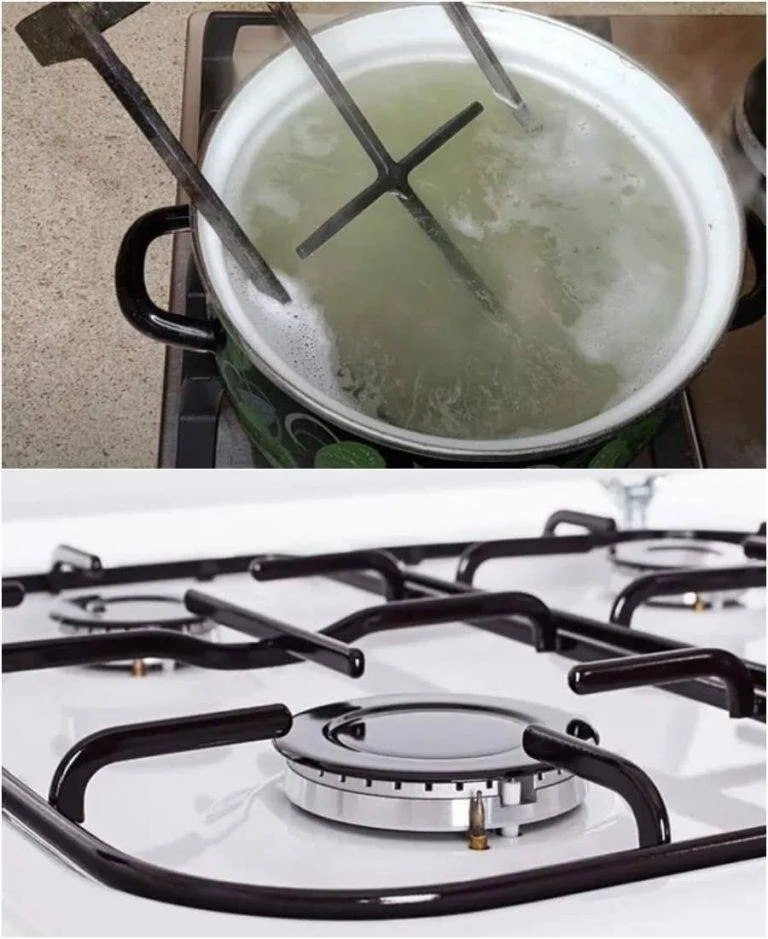
    Over time, gas stove grates can develop a thick, stubborn layer of grease and carbon deposits. This buildup forms gradually with daily cooking and often becomes impossible to remove using standard dish soap or surface cleaners. Scrubbing alone rarely works and can quickly turn into a frustrating chore. After years of experimenting with different methods, I found a simple solution that consistently delivers excellent results. It relies on hot water and an everyday household product. Dishwasher tablets.

    This method is especially effective for cast iron grates, but it also works well on grates made from other types of metal. It requires very little effort and saves a significant amount of time compared to traditional cleaning approaches.

    What You Will Need

    To get started, gather the following items:

    A large pan that can fit part of the stove grate
    Water
    Two dishwasher tablets
    A sponge or stiff brush
    A knife for stubborn residue, if necessary

    Make sure the pan is deep enough to fully submerge at least one section of the grate.

    Step by Step Cleaning Method

    Place the pan on the stove and fill it with enough water to cover the section of the grate you plan to clean first. Drop two dishwasher tablets into the water and allow them to dissolve as the water heats.

    Bring the water to a steady boil. Once boiling, carefully lower the stove grate into the pan. If the grate is too large to fit completely, clean it in sections. Submerge one half at a time so the detergent and heat can work effectively.

    Let the grate boil gently for about thirty minutes. During this time, the hot water and cleaning agents in the dishwasher tablets begin to break down grease, soot, and baked on residue. This step is crucial, as it softens buildup that would otherwise require heavy scrubbing.

    After thirty minutes, carefully remove the grate from the pan. Clean it immediately while it is still hot. Use a sponge or brush to scrub away the loosened grime. You will notice that most of the grease slides off with very little effort.

    If some hardened carbon deposits remain, gently scrape them off using a knife. Apply light pressure and work slowly to avoid damaging the surface of the grate.

    Once one side is clean, turn the grate over. Place the remaining dirty section back into the pan, bring the water back to a boil, and repeat the same process. Boil, scrub, and scrape as needed until the entire grate is clean.

    Why This Method Works So Well

    Dishwasher tablets are designed to tackle baked on food, grease, and residue inside dishwashers. When used in boiling water, their powerful cleaning agents become even more effective. The heat softens thick layers of carbon while the detergent breaks them apart, allowing dirt to be removed easily without excessive force.

    Unlike harsh chemical cleaners, this method does not rely on strong fumes or abrasive tools. It works through heat and gentle chemical action, which makes it safer for both the grate and the user.

    Helpful Tips for Best Results

    Always clean the grate while it is hot, as residue hardens again once it cools
    Avoid using steel wool, which can damage the surface
    Rinse the grate thoroughly after cleaning to remove detergent residue
    Dry the grate completely before placing it back on the stove to prevent rust

    Final Thoughts

    A heavily soiled stove grate does not need to be replaced or aggressively scrubbed to look clean again. With patience, boiling water, and dishwasher tablets, even years of grease and carbon buildup can be removed efficiently. This method has helped me maintain a cleaner kitchen with far less effort, and it has become my go to solution for deep cleaning stove grates. Simple, effective, and reliable, it proves that sometimes the best cleaning tricks come from everyday products already at home.

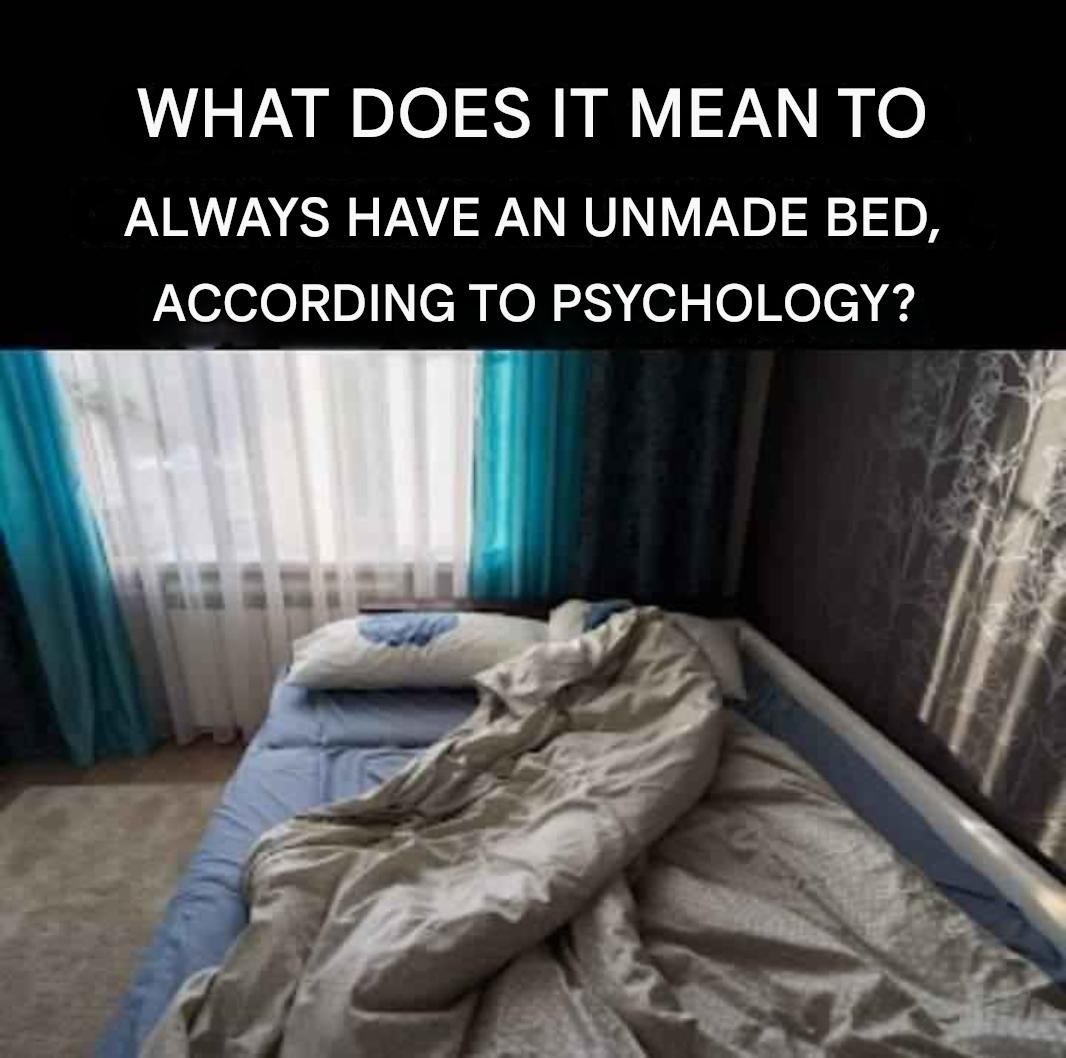
  • WHAT DOES IT MEAN TO ALWAYS HAVE AN UNMADE BED, ACCORDING TO PSYCHOLOGY?

    WHAT DOES IT MEAN TO ALWAYS HAVE AN UNMADE BED, ACCORDING TO PSYCHOLOGY?

    The way we maintain our personal space can reflect deep aspects of our personality and state of mind, and one of the most common topics in discussions about home organization is the state of the bed.
    For many, leaving the bed unmade might seem like a simple habit or a matter of laziness. However, psychology offers a deeper perspective on what this might mean.

    1. A Reflection of Personality
    The way we organize our environment can be a mirror of our personality. According to several psychological studies, people who tend to leave their beds unmade are often more relaxed and less concerned with perfection.
    This behavior can be associated with a creative and independent personality, where the need for order is not a priority.
    On the other hand, those who make their beds every day are often described as more disciplined and organized. This difference in habits can be indicative of how each person handles stress and daily responsibilities.

    2. The relationship between order and mental health
    Always leaving your bed unmade is a behavior that can have multiple meanings depending on the psychological perspective. Whether it’s a reflection of personality, an indicator of mental health, a cultural influence, or an emotional expression, this habit invites us to explore our own motivations and needs.
    While some people may find value in order and structure, others may see disorder as a way to break free from societal expectations. The key lies in understanding that each person has their own relationship with the space they inhabit.
    For those seeking a greater balance between order and disorder, reflecting on the meaning behind their habits can be a first step toward a more conscious and fulfilling life.
    Making the bed or leaving it unmade doesn’t define who we are
    Maintaining a tidy space can have a direct effect on our mental health; studies have shown that a cluttered environment can increase anxiety and stress levels. However, for some, clutter may not have the same negative effect.
    People who leave their beds unmade may find a sense of freedom in this mess. For them, the act of not making the bed can be a way of rebelling against social norms and expectations, allowing them to feel more comfortable in their own space.
    3. The Influence of Cultural Context
    The meaning of leaving the bed unmade also varies depending on the cultural context. In some cultures, order and cleanliness are highly valued, while in others, a more relaxed and less structured lifestyle is accepted.
    This cultural variability can influence how people perceive and justify leaving the bed unmade.
    For example, in societies where productivity and success are associated with tidiness, leaving the bed unmade could be interpreted as a sign of laziness or a lack of ambition. In contrast, in cultures that value spontaneity and creativity, this habit could be seen as an expression of personal freedom.

    4. The emotional connection with home

    Our home is a space where we seek comfort and security, and the way we organize this space can reflect our emotions and mental states. For some people, leaving the bed unmade is a manifestation of their emotional state.
    Those going through difficult times or experiencing anxiety may find that their environment reflects their inner struggle; an unmade bed can symbolize inner chaos or a lack of control in other areas of their life. Therefore, it is crucial to understand that this behavior can be indicative of deeper emotional issues.
    5. Resistance to Routine
    For some people, leaving the bed unmade can be a conscious act of resistance to the daily routine. Making the bed has become an automatic task for many; therefore, not doing it can be a way of challenging that monotony.
    This behavior may be related to a search for authenticity and a need to break with convention. By not making their bed, these people may be expressing their desire to live in the present moment and enjoy a less structured life.
    6. Final Thoughts

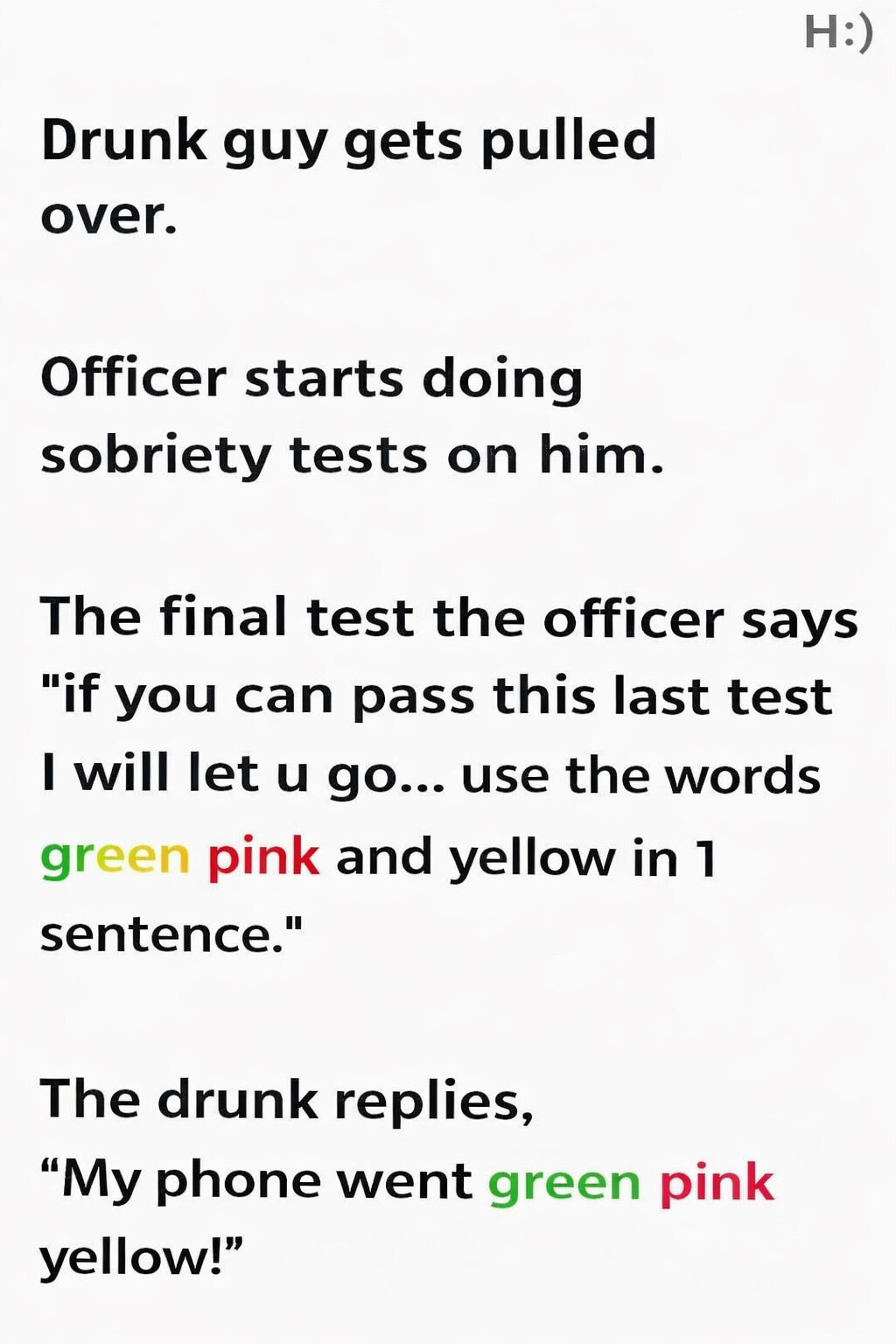
  • Drunk Guy Gets Pulled Over After Late-Night Joyride Turns Into a Bizarre Roadside Encounter, Leaving Police Stunned by His Slurred Excuses, Questionable Decisions, and the Unexpected Chain of Events That Followed Under Flashing Blue Lights on a Quiet City Street

    Drunk Guy Gets Pulled Over After Late-Night Joyride Turns Into a Bizarre Roadside Encounter, Leaving Police Stunned by His Slurred Excuses, Questionable Decisions, and the Unexpected Chain of Events That Followed Under Flashing Blue Lights on a Quiet City Street

    Late one quiet night, a drunk guy gets pulled over after swerving just enough to catch a patrol car’s attention on an otherwise empty road. The city feels paused, like it’s holding its breath, streetlights humming softly over asphalt that hasn’t seen much action in hours. The patrol car follows for a block longer than necessary, just to be sure, then the lights flick on, splashing red and blue across storefront windows and parked cars.

    The driver sighs as if mildly inconvenienced, easing his car to the side with exaggerated care, aligning it almost too perfectly with the curb. When the officer approaches the window, the unmistakable smell of alcohol spills out into the cool night air, thick enough to make the officer take a subtle step back. Asked how much he’s had to drink, the man smiles confidently, the kind of smile that suggests he believes charm is a universal currency, and says, “Just a couple,” drawing out the words as if they carry legal weight. He chuckles softly, nodding at his own answer, as though he’s just cracked a clever joke. The officer asks him to step out of the car, and the man does so with dramatic caution, one hand braced on the door, the other lifted for balance like a tightrope walker. He sways slightly but insists he’s perfectly steady, even offering commentary about how the ground feels “a little softer than usual.”

    He laughs again, brushing off the whole situation as a misunderstanding, explaining that he’s had a long day, that the road markings are confusing at night, that anyone could drift a little when they’re tired. He talks fast, words tumbling over each other, stories half-formed and abandoned mid-sentence. The officer listens without interrupting, calm and patient, letting the man talk himself in circles while taking in every detail: the glassy eyes, the delayed reactions, the faint stain on his shirt from an earlier spill. Somewhere nearby, a traffic light cycles pointlessly through its colors, illuminating the scene like a silent witness, while the night remains otherwise still, as if the entire city has decided to watch how this unfolds.

    The first sobriety test begins with a simple request: walk in a straight line. The man nods enthusiastically, confident in his ability, placing one foot in front of the other with ceremonial seriousness. He manages two steps before veering to the side, correcting too late, nearly toppling over, then stopping abruptly to point at the pavement. With absolute sincerity, he explains that the road must be crooked tonight, squinting down at the line as if expecting it to apologize. He gestures broadly, tracing an imaginary curve with his finger, delivering a mini lecture about how old roads shift over time, how asphalt expands and contracts, how it’s really no one’s fault.

    The officer raises an eyebrow but says nothing, calmly moving on to the next test. This time, the man is asked to stand on one foot. He lifts his foot, wobbles dramatically, windmills his arms in wide, panicked circles, and then drops it back down. Without missing a beat, he announces that he can’t do the test properly because he’s barefoot and his balance “depends on his shoes,” even though his shoes are very clearly still on his feet. He bends down to gesture at them, nearly losing his balance again in the process. He laughs at himself, a loud, unfiltered laugh that echoes down the empty street, then grows suddenly serious, insisting he could do it perfectly under different conditions.

    He asks if they can try again on a flatter section of road, or maybe on the sidewalk, or maybe after he stretches a little. The officer remains composed, explaining the instructions once more, voice steady and neutral. Around them, the quiet night feels increasingly awkward, like an audience trapped in an uncomfortable performance. A stray cat darts across the road and disappears between buildings, uninterested in the drama, while the man continues to negotiate with gravity, reality, and the rules, convinced that if he just explains himself well enough, everything will work out.

    As the tests continue, the man’s confidence begins to fray, replaced by bursts of exaggerated optimism followed by moments of genuine confusion. When asked to follow a pen with his eyes, he leans forward too far, nearly bumping into the officer, then pulls back and apologizes profusely, complimenting the officer’s patience and uniform in the same breath. He tries to crack jokes, each one landing softer than the last, his laughter trailing off when he realizes the officer isn’t laughing along. He starts telling a story about where he was earlier in the evening, a story that changes details each time he circles back to it, friends becoming coworkers, then cousins, then neighbors he barely knows.

    He insists he only stayed for a short while, that the drinks were weaker than usual, that time must have passed differently than he remembers. The officer asks clear, simple questions, writing notes under the steady glow of a flashlight, and the man watches the pen nervously, as if the words themselves might suddenly leap off the page and accuse him. At one point, he tries to demonstrate how well he can recite the alphabet, starting strong before skipping several letters and confidently declaring he’s finished early because “efficiency matters.” His mood shifts between cooperative and defensive, between apologetic and oddly proud. He keeps insisting that he’s a good driver, that nothing bad happened, that he’s never been in trouble before, that tonight is just unlucky. The night air feels colder now, or maybe that’s just the tension settling in. In the distance, a truck passes on a larger road, its sound fading quickly, reminding everyone how isolated this little scene is.

    The officer eventually tells the man to turn around and place his hands behind his back. The man freezes for a second, processing the words, then sighs deeply, shoulders slumping as reality finally begins to sink in. He mutters something about how this is going to be a hassle tomorrow, how paperwork is the real punishment, and for the first time, there’s no joke in his voice.

    The ride to the station is quiet, broken only by the soft crackle of the radio and the hum of tires on pavement. The man sits in the back seat, staring out the window at passing lights, his earlier bravado replaced by a subdued, introspective silence. He asks once if he can just get a warning, then quickly adds that he understands if that’s not possible, his voice trailing off as if he already knows the answer. At the station, the bright fluorescent lights feel harsh after the darkness of the street, illuminating every tired detail of his face. The process unfolds methodically: paperwork, questions, instructions repeated more than once. The man follows along as best he can, occasionally asking for clarification, occasionally apologizing again. He cracks one last joke about how he always said he should cut back, then winces when no one responds.

    Sitting on a bench, waiting, he watches other officers move about with practiced ease, realizing how routine this is for them, how unremarkable his situation really is. That realization seems to weigh on him more than the inconvenience itself. He rubs his face with his hands, exhales slowly, and stares at the floor, lost in thought. Time stretches in a way it never does when you’re busy or distracted, each minute feeling heavier than the last. Eventually, paperwork is completed, instructions are given, and he’s told what happens next, the consequences laid out clearly and without drama. He nods along, accepting it all with a tired kind of resignation, no longer trying to talk his way out of it. The station feels oddly calm, almost peaceful, as if designed to drain excess emotion from anyone who passes through.

    By the time he steps back outside, the sky has begun to lighten just slightly at the edges, hinting at morning. The street looks different now, less forgiving, more honest. He takes a deep breath of cool air, sharper and cleaner than before, and for a moment he just stands there, grounded by the reality of what’s happened. There’s no audience now, no one to impress or convince. He thinks about the drive he shouldn’t have taken, the decision that felt small at the time but grew larger with every mile. He imagines how easily the night could have ended differently, how a quiet road doesn’t mean a safe one. The humor he leaned on earlier feels distant, even embarrassing, stripped of its protective layer. Instead, there’s a quiet determination forming, a promise made silently to himself, though he doesn’t know yet if he’ll keep it. As the city begins to wake up around him, he blends back into it, just another person carrying a story that will probably be retold later, smoothed over with jokes and exaggeration. But for now, in this brief, honest moment, he feels the weight of consequence and the clarity that sometimes comes only after everything else has been taken away. The night’s lesson lingers with him as the sun rises, not loud or dramatic, just steady and unavoidable, like the light itself.

    In the days that follow, the memory of that quiet night keeps resurfacing at unexpected moments. It comes back when he hears sirens in the distance, when he passes the stretch of road where the lights first flashed behind him, when friends casually suggest grabbing a drink and driving home after. Each time, there’s a flicker of that same cold realization, a reminder of how thin the line can be between a story you laugh about and one you regret forever. He tells the tale eventually, polishing it just enough to make it entertaining, emphasizing the crooked road and the barefoot excuse, drawing laughs at the right moments. But beneath the humor, there’s a seriousness he can’t quite hide, a pause in his voice when he gets to the part where the officer asked him to step out of the car. The experience becomes a reference point, a before-and-after marker he didn’t know he needed. It doesn’t transform him overnight or turn him into a different person, but it plants a seed of awareness that grows quietly over time. The night itself fades into the past, but its impact lingers, shaping choices in subtle ways. And somewhere on a quiet street, under streetlights that continue to hum and flicker, another patrol car waits, ready to notice the smallest swerve, reminding anyone who passes that even the calmest nights can change direction in an instant.
  • The Reason You Should Always Place a Coin in Your Freezer

    The Reason You Should Always Place a Coin in Your Freezer

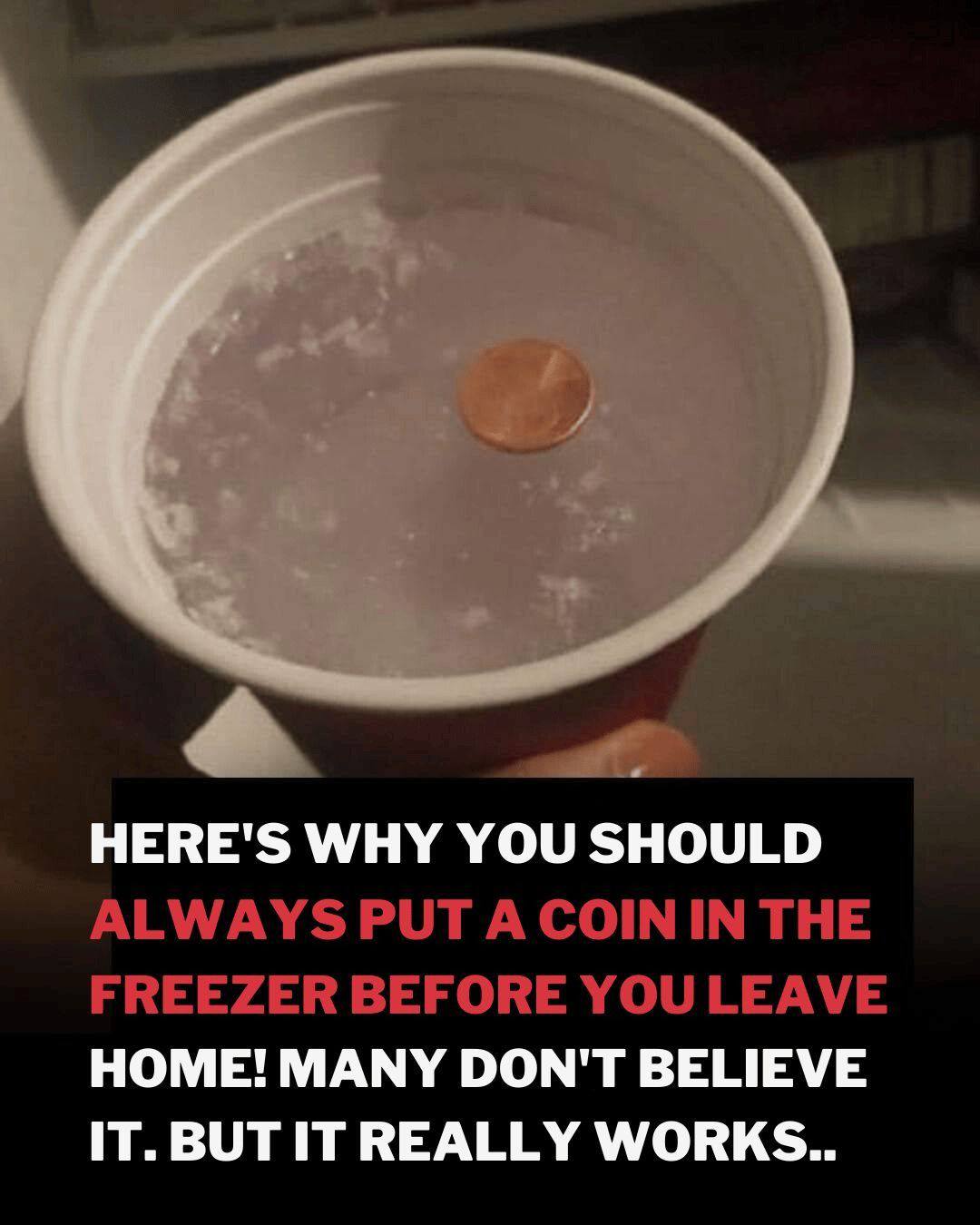
    Life is unpredictable, and household routines can be disrupted without warning. Power outages, natural disasters, severe weather, or even routine electrical maintenance that slips your mind can interrupt the freezing process in your home. When this happens, frozen food may partially or fully thaw before freezing again. This situation poses a serious health risk, particularly for meat, seafood, and dairy products, because bacteria can multiply rapidly once food enters unsafe temperatures. Unfortunately, after the power comes back on, it is often impossible to tell whether food has thawed and refrozen just by looking at it. This is where the coin in a cup method becomes surprisingly useful.

    Imagine you are heading out of town for a weekend or even a longer vacation. If everything runs smoothly and your freezer stays powered the entire time, your food should be safe when you return. The problem arises if there is a power outage or a freezer malfunction while you are gone. Your frozen food may thaw completely and then refreeze once electricity is restored. When you open the freezer, everything may look normal, but the damage has already been done. Refrozen food can hide dangerous bacterial growth, making it risky to consume even if it appears solid again.

    The coin in a cup method offers a simple way to know whether your freezer contents stayed frozen the entire time you were away. This clever trick has circulated online for years and was popularized by Sheila Pulanco Russell, who shared it on Facebook as a helpful tip for people who might need to evacuate their homes during storms or emergencies. The method requires only a cup, water, and a coin, yet it can provide valuable peace of mind.

    To use this method, fill a cup with water and place it in your freezer until the water is completely frozen solid. Once frozen, place a coin on top of the ice and return the cup to the freezer. Leave it there permanently. If your freezer loses power for a short time but does not fully thaw, the coin will remain on top of the ice. However, if the power goes out long enough for the ice to melt and then refreeze, the coin will sink into the water before freezing again.

    When you return home or open your freezer after an outage, the position of the coin tells the story. If the coin is still on top, your food likely stayed frozen and is generally safe to eat. If the coin is partway down or at the bottom of the cup, it means the ice melted significantly, indicating that your food likely thawed. In that case, perishable items may no longer be safe and should be discarded to avoid foodborne illness.

    This method is especially helpful because it removes guesswork. Instead of relying on smell, texture, or appearance, which can be misleading, you have a clear visual indicator of what happened while you were away. It is an easy precaution that takes only minutes to set up and can prevent serious health risks.

    While the coin in a cup method is not a substitute for food safety guidelines or temperature monitoring devices, it is a practical backup tool. It works best when paired with proper freezer maintenance and safe food handling practices. In uncertain situations, it is always better to err on the side of caution. With this simple trick in place, you can leave home knowing you will have a clearer answer waiting for you when you return.

  • Common Myths About the Safety of Kissing or Touching the Deceased

    Common Myths About the Safety of Kissing or Touching the Deceased

    When a loved one passes away, many people feel an instinctive urge to touch them, hold their hand, or offer a final kiss. These gestures are deeply human and rooted in love, grief, and the need for closure. However, there are many misunderstandings about what is medically safe after death. While professionals aim to balance compassion with health precautions, myths often persist—sometimes leading families to take unnecessary risks.

    Below are some of the most common myths about kissing or touching the deceased, and what science actually says.
    Myth 1: “There is no health risk once a person has d!ed”

    This is one of the most widespread misconceptions. While a deceased body is not “alive” in the way a sick person is, certain bacteria and viruses can still be present for a period of time after death. Depending on the cause of death, some pathogens may remain active on the skin or in bodily fluids.

    Medical professionals assess each situation individually. In many cases, brief, non-invasive contact may be considered low risk—but it is never automatically risk-free.

    Myth 2: “If the person didn’t d!e from an infection, touching them is completely safe”

    Even when death is not caused by an infectious disease, the body begins to change almost immediately. The immune system stops functioning, allowing naturally occurring bacteria to multiply more rapidly. Within hours, these changes can increase the risk of contamination, especially through the mouth, nose, eyes, or any open cuts on the living person.

    This is why healthcare workers and funeral staff follow strict hygiene protocols regardless of the cause of death.
    Myth 3: “A quick kiss on the forehead is harmless”

    A brief kiss may feel innocent, and in many cases it does not lead to illness but medically, it is not risk-free. The mouth is a direct entry point for bacteria. Even minimal contact can pose a small risk, particularly for children, elderly individuals, or those with weakened immune systems.

    Doctors do not say this to discourage grieving rituals, but to encourage safer alternatives when possible.
    Myth 4: “Funeral homes always make the body safe to touch”

    Funeral professionals take many steps to prepare the body respectfully, especially if embalming is involved. However, not all bodies are embalmed immediately, and some cultural or religious practices avoid embalming altogether.

    Preparation reduces risks, but it does not eliminate them completely. This is why staff may advise against close contact in certain situations.
    Myth 5: “Touching the deceased is necessary for emotional closure”

    Psychologists emphasize that closure does not come from a specific physical action. Many people find peace through words, prayers, presence, or symbolic gestures rather than physical contact. While touch can be meaningful for some, it is not the only—or the healthiest—way to say goodbye.

    Grief is personal, and no single ritual determines how well someone will heal.
    Myth 6: “Doctors and hospitals are too strict about these rules”

    Hospital policies may feel cold during moments of grief, but they are based on decades of medical evidence. These rules exist not to deny compassion, but to protect families from harm they may not see in the moment.

    In fact, many healthcare providers work closely with families to find safer ways to honor their loved ones.
    Safer Ways to Say Goodbye

    Medical professionals often suggest alternatives such as:

    Holding the person’s hand briefly if permitted
    Speaking to them or saying goodbye verbally
    Touching clothing or hair rather than the face
    Standing close without direct contact
    These gestures can still carry deep emotional meaning without added risk.

    Final Thoughts

    The desire to touch or kiss a loved one after death comes from love, not ignorance. Still, understanding the medical realities helps families make informed decisions during vulnerable moments. Respecting both emotion and safety allows grief to be honored without unintended consequences.

    Saying goodbye is never easy—but it doesn’t have to be dangerous to be meaningful.

  • Savannah Guthrie Opens Up About Difficult New Developments

    Savannah Guthrie Opens Up About Difficult New Developments

    Savannah Guthrie has shared an emotional update regarding her mother’s ongoing disappearance, offering a deeply personal glimpse into what her family has been enduring behind the scenes. While continuing her professional responsibilities, she has also been navigating the uncertainty, stress, and heartbreak that come with waiting for answers no family ever wants to face.

    In her remarks, Guthrie spoke honestly about the emotional toll of not knowing where a loved one is or whether they are safe. She acknowledged how difficult it has been to balance hope with reality, especially as days turn into weeks. Her words resonated with many viewers who have experienced similar situations, reminding them that these stories are not just headlines, but deeply human struggles.

    Rather than focusing on details of the investigation, Guthrie emphasized gratitude for the outpouring of support her family has received. Messages, prayers, and encouragement from the public, she said, have provided strength during moments when uncertainty feels overwhelming. She also thanked law enforcement and search teams for their continued efforts.

    As the case develops, Guthrie remains focused on honoring her mother through love, patience, and trust in the process. While the situation remains unresolved, she expressed appreciation for every gesture of kindness extended to her family and encouraged compassion for others facing similar challenges. Her message stands as a reminder that behind every missing-person case is a family holding onto hope, relying on community, and waiting for clarity in the midst of difficult circumstances.