Author: Profile 1

  • Doctors Reveal the Real Benefits of Eating Boiled Eggs in the Morning

    Doctors Reveal the Real Benefits of Eating Boiled Eggs in the Morning

    It’s one of the simplest breakfasts you can make — no blender, no pan, no complicated recipe. Just a boiled egg, a pinch of salt, and a quiet moment in the morning. But health experts say starting your day with boiled eggs may do more than curb hunger.

    From supporting muscle repair to helping you feel fuller longer, this simple food provides steady, lasting energy that can shape your entire morning.

    Boiled eggs are rich in high-quality protein, offering about 6 grams per large egg along with all nine essential amino acids.

    This makes them a “complete protein,” important for maintaining muscle health and supporting body function.

    Eating protein early in the day may also reduce mid-morning cravings by helping you feel satisfied longer. Unlike sugary breakfasts that cause energy spikes and crashes, boiled eggs provide a steady release of energy.

    Eggs have long been studied for heart health. Although once viewed cautiously due to cholesterol, newer research suggests moderate egg consumption can fit into a balanced diet for most people.

    Eggs also contain choline, vitamin D, and antioxidants like lutein and zeaxanthin, which support brain and eye health. Boiling eggs preserves nutrients without adding extra fats.

    Beyond nutrition, boiled eggs are affordable, practical, and easy to prepare ahead. Doctors emphasize they aren’t a miracle food — but simple, nutrient-dense choices like boiled eggs can help build a healthier morning routine.

  • This Is Why Women Living Alone Should Wait Before Turning on Lights at Home

    This Is Why Women Living Alone Should Wait Before Turning on Lights at Home

    When you live alone, routines become comfort. You walk in, close the door, reach for the light switch. It feels automatic. Safe. Normal.
    But what if that tiny, ordinary action could unintentionally make you vulnerable?

    Many women who live alone don’t realize that immediately turning on all the lights the moment they step inside can reveal more than they intend. It’s not about fear. It’s about awareness — and small habits that quietly protect you.

    The Visibility Factor

    At night, when the outside is dark and your home suddenly lights up, you create contrast. Anyone outside can see clearly into your space, especially if curtains or blinds are even slightly open. Meanwhile, you cannot see outside at all. The light reflects back at you, turning your windows into mirrors.
    This means someone outside could observe:

    Your layout
    Whether you are alone
    Where you place your phone or keys
    Which rooms you move through

    It’s not about assuming danger — it’s about understanding visibility.
    A Safer First Step

    Instead of flipping the main switch immediately, consider pausing for 30–60 seconds after entering.

    Close and lock the door.
    Check that windows are secure.
    Pull curtains or blinds shut.

    Then turn on interior lights.

    This small pause gives you control over who can see in — and who can’t.
    The “Predictable Pattern” Problem

    Another overlooked issue is routine predictability. If lights switch on at exactly the same time every night, it quietly signals your schedule. Over days or weeks, patterns can be noticed.

    Varying small habits — such as using a lamp instead of overhead lighting, or turning lights on in different rooms first — makes your presence less predictable.

    Predictability isn’t weakness. But reducing it increases safety.
    The Psychological Advantage

    Waiting before turning on lights also gives you a moment to tune into your surroundings.

    Do you hear anything unusual?
    Is anything out of place?
    Did you notice a car parked nearby that wasn’t there before?

    That short pause shifts you from autopilot to awareness.

    Most safety experts agree: awareness is your strongest defense.
    Smart Alternatives

    If fumbling in the dark feels uncomfortable, here are balanced options:

    Install smart bulbs you can control from your phone before entering.
    Use motion-sensor lights inside entryways only.
    Keep a small flashlight on your keychain.
    Install outdoor motion lights instead of relying solely on indoor lighting.

    These options keep you secure without sacrificing comfort.
    It’s About Empowerment, Not Fear

    Living alone is independence. Strength. Freedom.

    But independence doesn’t mean ignoring simple precautions. It means owning your safety decisions confidently.

    You don’t have to live in paranoia. You don’t have to feel afraid.

    You simply need to be intentional.

    A habit that takes less than a minute could protect your privacy, your routines, and your peace of mind.

    And sometimes, safety isn’t about dramatic actions.

    It’s about the quiet pause before you flip the switch.

  • Your favorite colors often reflect your emotions, personality, and inner world in subtle but powerful ways. The hues you’re drawn to can reveal how you feel, what you value, and how you express yourself emotionally. Whether you love calm blues, energetic reds, or gentle pastels, each shade mirrors a part of your emotional landscape and personal identity.

    Color communicates in a way that language rarely can, moving past rational thought and speaking directly to the emotional and subconscious layers of the mind. Long before words are processed, color is felt. It triggers sensations, moods, and memories that often surface without explanation, forming immediate impressions that logic never gets the chance to filter. This is why color can feel so personal and intimate, even when we are not actively thinking about it. The shades we gravitate toward are rarely random; they tend to align with what is happening beneath the surface of our awareness. Whether soothing, energizing, or unsettling, color becomes a quiet emotional signal, reflecting inner states that may be difficult to name or express. In this sense, color functions as a kind of emotional shorthand, capturing complex feelings in a single visual experience.

    Every color carries a wide emotional range rather than a single fixed meaning. Red, for instance, is often associated with intensity in all its forms. It can symbolize passion, vitality, confidence, and physical energy, expressing movement and desire. At the same time, red can also suggest agitation, anger, or inner tension, especially when someone is feeling overwhelmed or restless. Blue occupies a similarly complex emotional space. It is commonly linked to calmness, clarity, and trust, evoking a sense of openness and mental ease. Yet blue can also reveal emotional withdrawal, melancholy, or a longing for peace that has not yet been achieved. Purple often appears during moments of inner change, connected to transformation, introspection, and spiritual growth. It can signal healing, emotional integration, or the search for meaning, particularly during periods of transition when identity and direction are being reshaped.

    The colors people favor often act as subtle emotional mirrors. These preferences, whether consciously chosen or instinctively felt, can reflect emotional truths that remain unspoken. Someone drawn repeatedly to grounding, muted tones may be seeking stability or safety, while another who prefers bright, vivid colors may be craving stimulation, expression, or renewal. These choices are rarely deliberate psychological statements, yet they quietly reveal inner needs, fears, and desires. Color becomes a way the psyche communicates with itself, offering clues about emotional states that have not yet reached conscious awareness. In this way, color preferences can reveal internal conflicts, emotional longings, or unresolved experiences, functioning as gentle indicators of what is happening beneath outward behavior.

    This powerful relationship between color and emotion is rooted partly in biology. On a neurological level, color perception is directly linked to areas of the brain responsible for mood regulation, memory, and emotional response. Certain colors can stimulate the nervous system, increasing alertness or excitement, while others encourage relaxation and calm. These reactions often occur automatically, without conscious thought, because they are tied to how the brain processes sensory information. Over time, repeated emotional experiences associated with certain colors become embedded in memory, strengthening their emotional impact. As a result, color does not simply decorate the world; it actively shapes how the world is experienced, influencing emotional reactions before rational interpretation has a chance to intervene.

    Culture adds another layer of meaning, shaping how colors are interpreted and emotionally understood. Across societies, colors carry symbolic associations that are passed down through tradition, art, and shared experience. Red may symbolize love, passion, or celebration in one culture, while representing danger, warning, or aggression in another. White can convey purity, innocence, and new beginnings in some traditions, yet symbolize mourning, loss, or spiritual transition in others. These cultural meanings do not replace biological responses but interact with them, creating layered emotional reactions. What a color evokes is therefore shaped not only by individual psychology but also by collective history, belief systems, and social context.

    When biology and culture intersect, color becomes more than a visual sensation; it becomes a psychological language. This language operates quietly, influencing emotions, decisions, and self-perception without requiring conscious awareness. Color can comfort, provoke, inspire, or unsettle, often guiding behavior and emotional responses in subtle ways. It reveals hidden aspects of identity, emotional needs, and inner transformation, offering insight into the parts of ourselves that words struggle to reach. By paying attention to the colors we are drawn to, we can gain a deeper understanding of our emotional landscape. In this silent dialogue between perception and feeling, color continues to shape experience, communicating truths that exist beyond spoken language.


  • Don’t throw away your tuna cans, they’re worth their weight in gold at home: how to reuse them

    Don’t throw away your tuna cans, they’re worth their weight in gold at home: how to reuse them

    How many times have you thrown away dozens of tuna cans without a second thought? Next time, pause and consider reusing them—they are more valuable than you might realize. Canned tuna is a staple for many households, praised for its omega-3 fatty acids and convenience. Nutritionists recommend it, and millions of people buy it daily to enjoy a quick, healthy meal. But once the tuna is gone, the can is usually tossed aside.

    Empty tuna cans, however, can be cleverly repurposed for a variety of household uses. Instead of discarding them, you can transform these small containers into practical and decorative items. With a little creativity, a humble can becomes much more than just packaging—it can become a resource for organization, decoration, and fun.

    One of the simplest ideas is to turn tuna cans into flower pots. Small plants, such as succulents or miniature cacti, fit perfectly inside. You can decorate the cans using clothespins or paint to add a personal touch, making charming, inexpensive pots for your windowsill or desk.

    Tuna cans can also be used as candle holders. By placing a candle inside a glass within the can, you can safely display it without damaging the tin. Decorate with clothespins or other materials for a rustic, creative look that brightens any room.

    In the kitchen, tuna cans can serve as molds for individual desserts, small stews, or puddings. Simply clean the cans thoroughly and remove labels before using. Their compact size makes them ideal for crafting perfectly shaped portions that are visually appealing and practical for serving.

    For children’s crafts, tuna cans can become fun DIY projects like rattles or hanging decorations. By threading string through multiple cans and suspending them, kids can enjoy tactile and auditory play. More advanced crafters can even transform tuna cans into a wall clock by adding a clock mechanism. With a little imagination, the possibilities for reusing tuna cans are endless.

  • What the Color of Your Urine Says About Your Health

    What the Color of Your Urine Says About Your Health

    When I was a child, my grandmother would often smile and say, “The body whispers before it shouts.” She believed that long before discomfort becomes pain, or illness becomes obvious, the body offers small, gentle clues about how it’s feeling. Among those clues, she paid special attention to simple daily signs—skin tone, energy levels, the strength of hair and nails, and yes, even the color of urine. While modern medicine provides far more precise tools for understanding health, there is something grounding about paying attention to these everyday signals.

    One of the easiest ways to check in with yourself is by noticing hydration. Urine color, in many cases, reflects how much fluid your body is processing. A clear or very light yellow shade is often associated with good hydration. In my grandmother’s words, it meant “your body is well-watered.” Pale yellow has traditionally been viewed as the ideal, balanced color—neither too diluted nor too concentrated.

    When urine appears darker yellow or amber, it may simply mean the body needs more fluids. Sometimes this happens after a busy day, warm weather, or drinking less water than usual. An orange tint can occasionally appear after eating certain foods, such as carrots, or from vitamin supplements. Folk wisdom encourages gentle awareness rather than alarm—notice, adjust, and observe.

    Pink or reddish tones may follow meals rich in natural pigments, like beets or berries. While this can be harmless and temporary, any unusual color that persists deserves attention from a healthcare professional. Rare green or blue tones are often linked to foods, dyes, or medications and are uncommon.

    Supporting healthy hydration can be simple. A refreshing infusion of lemon, cucumber, and mint in water offers a pleasant way to encourage regular sipping throughout the day. Small, steady hydration is often more comfortable for the body than large amounts all at once.

    Ultimately, the message is one of mindfulness. By gently observing daily patterns—without worry or obsession—we stay connected to our bodies’ rhythms. These small acts of awareness can guide healthier habits and deeper balance.

    Disclaimer: This article reflects general wellness perspectives and is not medical advice. Consult a healthcare professional for any health concerns.

  • Why Vertical Lines on Your Nails Often Appear With Age

    Why Vertical Lines on Your Nails Often Appear With Age

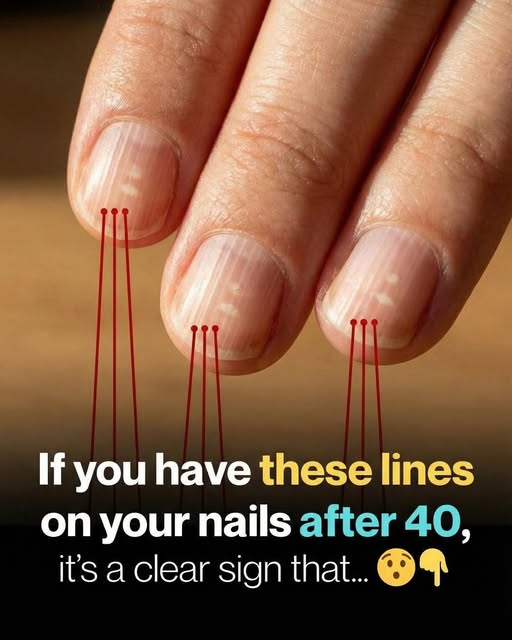
    Noticing thin vertical lines running from the base of your fingernails to the tips can be surprising, especially as they become more visible with age. Many people first notice them after 40, and in most cases, they are completely normal.

    These lines are known as vertical or longitudinal nail ridges. They are usually a natural part of aging, similar to wrinkles in the skin or changes in hair texture. Nails evolve as the body matures.

    Fingernails are made of keratin, a protein produced in the nail matrix beneath the cuticle. Over time, this production can slow or become less even, leading to subtle ridges along the nail surface.

    Dryness often makes these ridges more noticeable. As we age, nails retain less moisture, and frequent handwashing, cleaning products, or harsh soaps can strip away natural oils.

    Lifestyle and internal factors may also play a role. Mild nutritional imbalances, especially involving nutrients that support nail health, can affect nail appearance over time.

    Circulation changes can influence nail growth as well. Healthy blood flow delivers oxygen and nutrients to the nail matrix, and gradual shifts may subtly alter nail texture.

    Caring for aging nails is simple but effective. Regular moisturizing of nails and cuticles helps reduce dryness, while wearing gloves during chores protects against chemicals and excess water.

    Staying hydrated, eating a balanced diet, and filing nails gently all support healthier growth. While vertical ridges are usually harmless, staying aware of changes in color, shape, or comfort helps you stay connected to your overall health.

  • If this sign has appeared for a week, it is a war:ning of …

    If this sign has appeared for a week, it is a war:ning of …

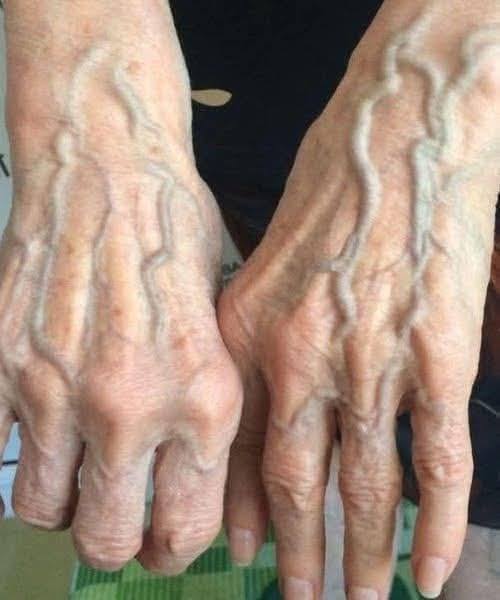
    Our hands can tell us a great deal about what is happening inside our bodies. The appearance of visible veins is often completely normal, especially as we age, stay active, or naturally have thinner skin. In many cases, these veins are simply more pronounced because the skin loses elasticity over time, or because the body is efficiently circulating blood after exercise or exposure to heat. However, if you notice that the veins in your hands suddenly appear bulging, twisted, or unusually prominent for more than a week, this change deserves closer attention. While it may not always point to a serious health issue, sudden changes in vein visibility can sometimes signal an underlying condition that should not be ignored.

    One of the most common reasons for visible, bulging veins is the presence of varicose veins. This occurs when the tiny valves inside the veins fail to function properly. These valves are responsible for keeping blood moving toward the heart. When they weaken or become damaged, blood can pool within the vein, causing it to stretch, enlarge, and twist. Varicose veins are most often found in the legs, where gravity places greater pressure on circulation, but they can occasionally appear in the hands as well. When they do, they may cause a raised, rope-like appearance beneath the skin, sometimes accompanied by discomfort or throbbing.

    Another possible explanation is venous insufficiency. This condition develops when the veins struggle to return blood efficiently to the heart. It may result in poor circulation and lead to symptoms such as swelling, tingling, or a heavy sensation in the hands or arms. People who spend long periods sitting or standing without moving their limbs may be more prone to this issue. Over time, venous insufficiency can cause both cosmetic changes and functional problems, making early recognition important.

    Visible hand veins can also appear more pronounced after rapid weight loss or dehydration. When the layer of fat beneath the skin thins quickly, veins that were always present can suddenly become much more noticeable. Likewise, dehydration can cause the body’s tissues to shrink slightly, making veins stand out. These causes are typically temporary and may improve once hydration or body composition stabilizes. Still, if the change seems sudden or severe, it is best to confirm that nothing else is contributing to it.

    In more uncommon situations, bulging hand veins might reflect deeper health concerns involving the heart, liver, or other organs. For instance, conditions that affect blood flow or increase internal pressure can lead to swelling and prominent veins. When this happens, other symptoms are usually present, such as fatigue, overall puffiness, or discomfort in different areas of the body. While these cases are rare, they emphasize the importance of viewing hand changes as part of the body’s broader health picture.

    If your hand veins suddenly appear more visible and are accompanied by pain, redness, warmth, or numbness, a medical evaluation is recommended. A doctor might perform an ultrasound or similar imaging test to assess blood flow and rule out any blockages. In mild cases, simple lifestyle adjustments can help, such as staying well hydrated, keeping your hands elevated when possible, and engaging in regular movement to encourage circulation. If the veins remain prominent or continue to worsen, professional treatment may be needed to restore proper blood flow and relieve discomfort.

    Paying attention to changes in your hands may seem minor, yet it can offer early clues about circulation and cardiovascular health. Observing, understanding, and addressing these changes promptly supports overall well-being and can help prevent more serious complications later on.

  • Police are urging everyone to stay away from this area! See it!

    Police are urging everyone to stay away from this area! See it!

    In a rapidly escalating development that has paralyzed local transit and cast a shadow of uncertainty over the surrounding community, law enforcement officials have issued an urgent directive for all civilians to remain clear of a designated high-risk zone. What began as a localized response has blossomed into a full-scale tactical operation, as officers converge on the scene to manage what is officially being described as an active and potentially life-threatening situation. Emergency services have moved with calculated precision to establish a wide, multi-layered perimeter, effectively sealing off major arteries and restricting access to all but essential personnel. This exclusion zone is not merely a logistical necessity; authorities emphasize that the warning is being issued out of an abundance of caution, aimed squarely at mitigating the risk of civilian casualties while the incident remains unresolved.

    The visual landscape of the area has been transformed by a heavy police presence, with dozens of units—ranging from standard patrol vehicles to armored tactical transports—securing the perimeter. Witnesses and local residents have reported a rhythmic influx of emergency sirens, punctuated by the arrival of specialized units specifically trained in high-stakes negotiation and rapid response. While law enforcement officials have maintained a disciplined silence regarding the specific nature of the threat, the deployment of such high-level assets suggests a situation of significant gravity. The strategic lockdown of nearby buildings and the redirection of commuters highlight the proactive measures being taken to ensure that the “footprint” of the danger is contained.

    As the situation continues to unfold, the vacuum of information has been filled by the meticulous work of emergency responders. Law enforcement agencies are currently operating in a coordinated joint-task-force capacity, ensuring that communication remains seamless between police, medical teams, and fire rescue services. The objective is twofold: to neutralize the core threat while simultaneously safeguarding the surrounding civilian population. Officials have acknowledged that the situation is exceptionally fluid, meaning that the boundaries of the secured area may expand or contract without warning as new tactical data becomes available.

    Residents in the immediate and surrounding neighborhoods have been placed under a de facto “shelter-in-place” advisory. Local police spokespeople have been frequenting airwaves and digital platforms to urge the public to remain indoors, lock their doors, and stay away from windows that face the street. The psychological strain on the community is palpable, yet the directive remains clear: the safest place for a civilian during an active police incident is behind a closed door. “Please give our officers the physical and operational space they need to do their jobs safely and effectively,” a department spokesperson reiterated during a brief press update. The emphasis is on total cooperation; any unauthorized presence within the cordoned area not only endangers the individual but also creates a significant distraction for officers who must remain focused on the primary objective.

    In an age of instant digital communication, authorities are also grappling with the secondary challenge of misinformation. As the incident trends on social platforms, a wave of unverified claims, speculative theories, and “citizen journalism” has begun to circulate. Law enforcement has issued a stern reminder that the spread of false information can have real-world consequences, potentially causing unnecessary panic or, worse, compromising the safety of officers on the ground. The public is being asked to rely exclusively on official channels for updates and to refrain from broadcasting tactical movements that might be visible from residential windows. The integrity of the operation relies on a degree of tactical obscurity, and officials are urging the community to act as responsible partners in the interest of public safety.

    For those trapped outside the perimeter, the logistical impact is significant. Commuters have been forced into long detours, and local businesses within the “red zone” have shuttered their doors, leaving the streets eerily silent except for the hum of idling engines and the occasional crackle of a police radio. This silence, however, is a sign of the perimeter’s effectiveness. By clearing the area, law enforcement has created a “sterile environment” in which specialized units can operate without the complicating factor of pedestrian traffic or civilian interference. This is a textbook response to a high-risk scenario, prioritizing the preservation of life over the convenience of movement.

    As the clock ticks and the standoff or investigation persists, the focus shifts toward the resolution phase. Tactical commanders are reportedly analyzing every shred of intelligence, from thermal imaging to localized surveillance feeds, to determine the most effective path forward. The goal in any active situation is a peaceful resolution with zero loss of life, but officers are prepared for every eventuality. The deployment of medical triage units just outside the primary perimeter serves as a somber reminder of the stakes involved. Every resource is on the table, and every contingency has been planned for, from a negotiated surrender to a more dynamic intervention.

    Updates are being promised on a rolling basis, though officials have made it clear that “thoroughness will not be sacrificed for speed.” The complexity of the scene dictates a slow, methodical approach. In the meantime, the police department has expressed gratitude for the community’s patience and cooperation. They are encouraging anyone who may have relevant information regarding the origins of the incident—perhaps something seen or heard just before the perimeter was established—to reach out via official tip lines. Such information, even if it seems trivial to a bystander, can often provide the “missing piece” needed by tactical analysts to bring the situation to a close.

    The road to reopening the area will likely be gradual. Once the immediate threat is neutralized, a secondary sweep will be required to ensure no secondary hazards—such as discarded weapons or environmental risks—remain. Only after a final “all clear” is issued by the commanding officer will the barricades be moved and the rhythm of the city allowed to return to normal. Until then, the perimeter stands as a hard border between a community in waiting and a police force in action.

    The incident serves as a stark reminder of the critical role played by emergency responders in maintaining the thin line of public safety. As the sun sets over the secured streets, the flashing lights remain the only constant, signaling to all that the situation is far from over, but is being handled by those best equipped for the task. The public is urged to remain vigilant, stay informed through legitimate news outlets, and continue to honor the restrictions that have been put in place for their own protection.

  • Doctors reveal that eating avocado causes in

    Doctors reveal that eating avocado causes in

    Avocados: A Superfood for Health

    Avocados are often praised as one of nature’s most complete and nourishing foods. Known for their creamy texture and rich taste, they are far more than a delicious ingredient. Avocados are filled with essential nutrients that support nearly every function of the body. They provide heart-healthy fats, fiber, antioxidants, and a variety of vitamins and minerals that work together to enhance overall well-being. Because of this impressive nutritional profile, they have earned their reputation as a true superfood.

    Heart Health Benefits

    One of the most significant advantages of eating avocados is their contribution to cardiovascular health. They are rich in monounsaturated fats, particularly oleic acid, which is known to help lower levels of bad cholesterol while increasing good cholesterol. This balance supports better circulation and helps prevent the buildup of plaque in the arteries. Regular avocado consumption may also reduce blood pressure, thanks to its potassium content, which helps regulate fluid balance and supports healthy heart function. Including avocados as part of a balanced diet can therefore lower the risk of heart disease and improve long-term cardiovascular wellness.

    Digestive Support

    Avocados are an excellent source of dietary fiber, both soluble and insoluble. This combination helps food move smoothly through the digestive system and nourishes the beneficial bacteria in the gut. A healthy digestive tract supports the body’s ability to absorb nutrients efficiently while preventing constipation and bloating. The fiber in avocados also helps maintain steady energy levels throughout the day. By incorporating them into your meals, you are supporting not only digestion but also long-term gut health and balance.

    Blood Sugar Control

    The healthy fats in avocados play a key role in regulating blood sugar. These fats slow the absorption of carbohydrates, which prevents sudden spikes and drops in glucose levels. This makes avocados especially helpful for people who need to manage their blood sugar, including those with diabetes or insulin resistance. Eating avocados with other foods can also increase satiety and reduce cravings for sugary snacks, promoting more consistent energy and better metabolic control.

    Skin and Brain Function

    Avocados are packed with antioxidants and anti-inflammatory compounds that protect the body at a cellular level. Vitamin E, a powerful antioxidant, helps maintain skin elasticity and reduces signs of aging by fighting free radical damage. Meanwhile, the healthy fats and nutrients like folate and potassium support brain function and cognitive performance. The combination of healthy fats and antioxidants nourishes both the body and mind, keeping you sharp, energized, and glowing from within.

    Weight Management

    Despite their richness, avocados can actually help with weight management. Their healthy fats and fiber increase satiety, helping you feel full for longer periods. This can naturally reduce overeating and support balanced calorie intake. Since avocados are nutrient-dense, they supply essential vitamins and minerals without excessive calories. Replacing processed snacks or refined fats with avocado-based meals is a simple step toward healthier eating and better body composition.

    Healing Through Food

    Incorporating avocados into your daily meals is more than a culinary choice. It is a step toward healing and prevention. Their anti-inflammatory and immune-supporting properties make them a valuable addition to any diet focused on longevity and wellness. Whether enjoyed as part of a salad, blended into a smoothie, or spread on whole-grain toast, avocados provide nourishment that supports the body’s natural healing processes.

    Recipe Inspiration

    There are countless ways to enjoy avocados. Classic avocado toast remains a favorite, but they also shine in smoothies, salads, sushi rolls, and creamy dips like guacamole. Their mild flavor blends well with both sweet and savory dishes. Adding avocados to your diet not only enhances the taste of meals but also boosts nutrient absorption, promoting overall health from the inside out.

  • My Daughter’s Unexpected Question Changed Our Father’s Day Plans

    My Daughter’s Unexpected Question Changed Our Father’s Day Plans

    Father’s Day had always followed the same comforting script. Lazy mornings, cartoons murmuring in the background, pancakes drowned in syrup, and handmade cards taped a little crookedly to the fridge. I expected nothing different this year—just another quiet celebration of routines I loved.

    But that Sunday didn’t unfold the way I imagined.

    On the drive home from the park, the conversation drifted the way it always did—from clouds that looked like animals to imaginary fairy houses hidden in trees. Then, without warning, my daughter’s voice changed. Not in tone, not in emotion—just in content. She said something simple, something innocent, yet so out of place that it instantly broke the rhythm of our everyday life.

    There was no drama in her voice. No secrecy. Just honesty—the kind only children have, where truth isn’t filtered or softened. I kept driving, listening carefully, feeling my understanding of our home quietly shift with every word she spoke.

    That evening, while my wife worked late, my daughter and I made dinner together. She took the task seriously, lining up plates with intense focus, adjusting a vase of sunflowers until it sat perfectly centered on the table. It felt ordinary. Safe. Almost peaceful.

    Then there was a knock at the door.

    What followed wasn’t loud or explosive. No raised voices. No accusations. Just a quiet, overdue conversation—one that had been avoided for far too long. Old misunderstandings surfaced. Choices were explained. Perspectives were finally spoken aloud. It wasn’t easy, but it was calm in a way I didn’t expect. Honest in a way that felt unavoidable.

    In the days that followed, my focus narrowed to one thing: keeping my daughter’s world steady.

    We clung to the routines she loved. Breakfasts just the way she liked them. Messy art projects. Bedtime stories she asked for again and again. When she asked careful questions, I answered gently—without details, without confusion. Children don’t need complex explanations. They need reassurance. Consistency. The feeling that their world is still safe.

    One night, as she curled up beside me, she whispered a question so small it nearly broke me.“Are you still my daddy?”

    I held her close and told her the truth—that nothing could ever change that. And in that moment, I understood something I hadn’t fully grasped before.Family isn’t defined by perfection.
    It isn’t built on predictability.
    It survives on presence, patience, and the promise to show up—especially when life takes an unexpected turn.

    And the question that quietly changed everything came from my five-year-old daughter, Lily.