Author: Profile 1

  • We’ve all experienced it. You pull into a gas station, park confidently… and then realize your fuel door is on the opposite side.

    We’ve all experienced it. You pull into a gas station, park confidently… and then realize your fuel door is on the opposite side.

    Have you ever pulled up to a gas pump, only to realize your fuel door is on the “wrong” side? Suddenly, you’re repositioning the car or stretching the hose in ways that feel unnecessarily complicated.

    So why don’t car manufacturers just standardize fuel doors? The answer is more technical than most people expect.

    There’s no regulation dictating which side a fuel door must be on, giving automakers flexibility. Engineers use that freedom strategically: fuel tank placement depends on weight distribution, exhaust routing, structural safety zones, drivetrain layout, and how the filler pipe connects without interfering with heat sources or other components. In many designs, placing the tank opposite the driver helps balance the vehicle slightly. Minor safety considerations and collision angles can also influence the decision. With thousands of parts competing for limited space, efficiency and structural integrity take precedence over uniformity.

    Some people point to “curbside logic” as an explanation. In left-hand drive countries like the United States, putting the fuel door on the passenger side keeps drivers closer to the curb and farther from traffic. In right-hand drive countries such as the UK, the opposite may apply. But global vehicle production complicates this, and some manufacturers maintain consistent designs across markets, meaning placement doesn’t always follow local driving orientation.

    The placement isn’t random—it’s intentional. And here’s a tip many drivers miss: check your dashboard. Next to the gas pump icon on the fuel gauge, a small arrow points to the side of your fuel door. That tiny detail eliminates guesswork entirely.

    While standardizing fuel doors might seem convenient, it would restrict design flexibility without improving safety in any meaningful way.

    Next time you’re doing the “gas station shuffle,” remember: it’s just one of those harmless quirks of automotive engineering—and your dashboard already has the answer.

  • Don’t Get Fooled by the Supermarkets… Here’s What’s Really Going On

    Don’t Get Fooled by the Supermarkets… Here’s What’s Really Going On

    Lately, shoppers have started noticing subtle changes in packaged meat. Certain cuts release more liquid in the pan, some textures feel different, and others shrink more than expected during cooking.

    Initially, many assumed these were isolated incidents. But as similar observations appeared in online forums and community discussions, a clearer pattern emerged.

    An independent food-testing group decided to investigate. They reviewed meat from several large retailers, expecting minor differences in storage or processing. Instead, they discovered that some distributors were blending meats from different sources or mixing varying grades within the same packaging category. While all products met safety standards, the quality did not always match consumer expectations.

    Importantly, no health risks were identified. The issue wasn’t safety—it was consistency and transparency. Shoppers expect that when they purchase a labeled cut, its texture, performance, and cooking behavior will be predictable. Variations in sourcing or grading, if not clearly communicated, can lead to disappointment and erode trust.

    Consumer experts suggest practical steps for more reliable purchases: read labels carefully, note country-of-origin information, choose brands known for consistency, and, when possible, buy from local butchers who can explain sourcing directly.

    Modern food supply chains are complex. Large retailers often work with multiple suppliers to meet demand, and product blending may occur for logistical efficiency—not deception. However, when labeling lacks clarity, shoppers can feel misled.

    Supermarkets and regulatory bodies have reportedly reviewed supplier practices to ensure accurate and transparent labeling. The key takeaway isn’t alarm—it’s awareness.

    Ultimately, consumers want confidence that what’s written on the package reflects what’s inside. Understanding meat sourcing and processing empowers shoppers to make informed decisions and protects the trust that grocery stores depend on every day.

  • If a Corner of Your Wall Is Turning Black, It Could Be Indicating Something Important…

    If a Corner of Your Wall Is Turning Black, It Could Be Indicating Something Important…

    At first, it may seem harmless—a faint dark smudge tucked in the corner of a room. But when these spots start to spread, deepen in color, or develop a musty odor, they often signal more than just surface dirt.

    In many cases, black marks on walls are an early indicator of excess moisture. Humidity is usually the main culprit. Spaces like bathrooms, kitchens, laundry areas, or even bedrooms that aren’t ventilated regularly can trap damp air. When warm, humid air meets a cooler wall surface, condensation forms. Over time, these damp conditions create the perfect environment for mold growth.

    Other factors can contribute as well: poor ventilation, blocked airflow behind furniture, leaks in the roof or gutters, foundation seepage, or insufficient wall insulation. Even tightly placed furniture can prevent air circulation, allowing moisture to accumulate unnoticed.

    The good news is that early intervention can prevent serious damage. Simple steps include airing out rooms daily—even ten minutes in winter can help—keeping indoor humidity between 40–60%, moving furniture slightly away from walls, and using a dehumidifier or moisture absorber in damp spaces.

    For light surface cleaning, white vinegar diluted with warm water can remove minor mold patches, while hydrogen peroxide is effective for tougher spots. However, avoid using vinegar on stone or marble, as it may cause damage.

    Prevention is just as important as cleaning. Installing extractor fans, monitoring humidity with a hygrometer, and applying anti-moisture paint can reduce the risk of recurring growth. If black marks persist despite these measures, it may indicate a deeper issue, such as hidden leaks or rising damp, which requires professional assessment.

    Renters should promptly report these problems to their property owner or landlord, as prolonged exposure to mold can affect both air quality and health.

    Even small black specks can serve as early warnings. Addressing moisture issues promptly not only preserves the integrity of your walls but also helps maintain a safer, healthier living environment.

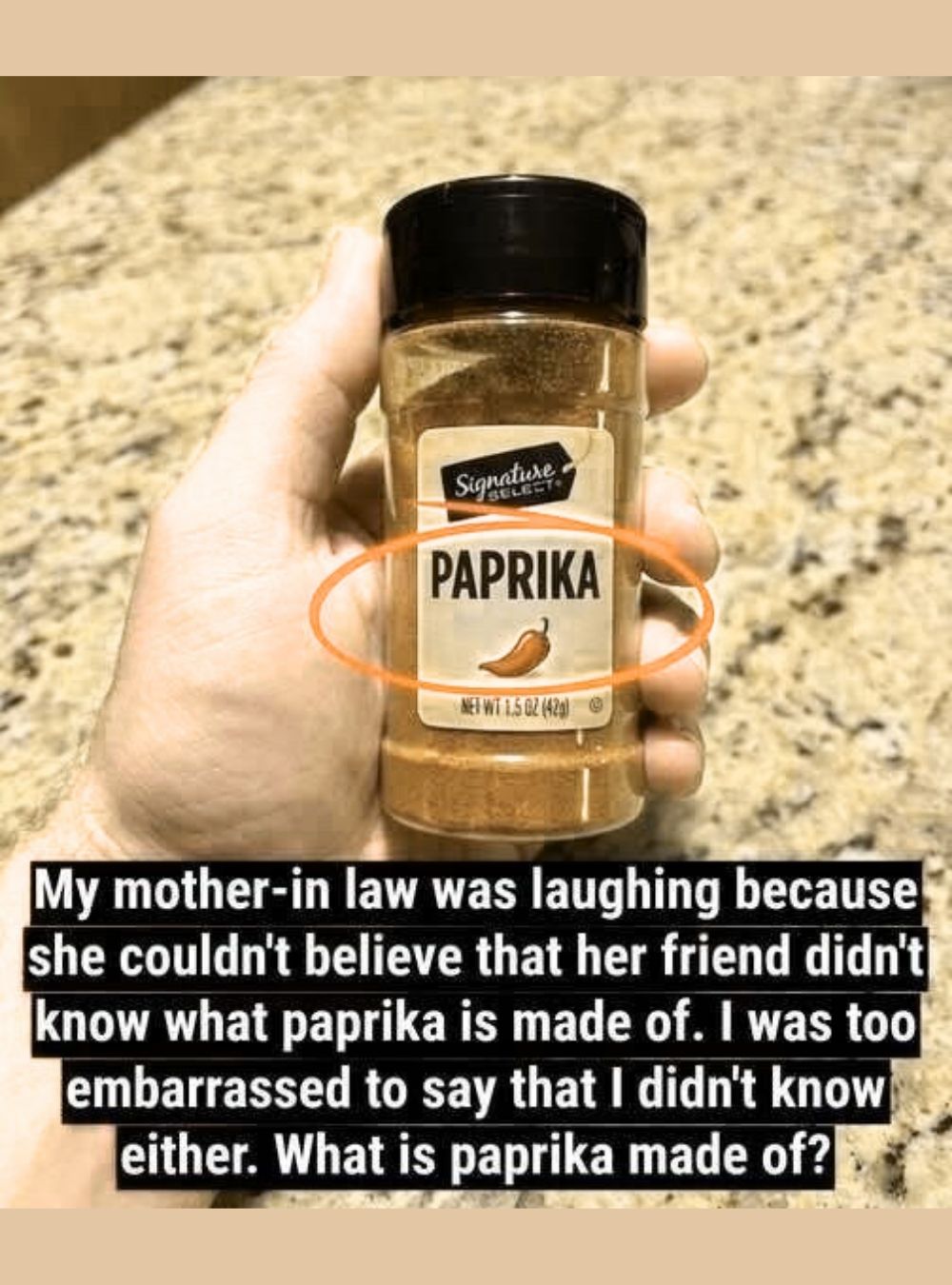
  • People Apparently Still Don’t Know What Paprika Is Made From

    People Apparently Still Don’t Know What Paprika Is Made From

    It started as a routine afternoon in the kitchen—chopping onions, browning meat, and following a cherished family recipe for goulash—when an innocent question paused everything.

    “What is paprika actually made from?”

    For a moment, it seemed almost mysterious. Was it a root, a bark, or some rare seed from a distant land? After all, paprika had been a staple in the pantry for years, yet its origin had never been considered.

    The answer was surprisingly simple: paprika comes from ground sweet red peppers. Dried peppers, carefully crushed into a vibrant powder, transform into the spice that colors and flavors countless dishes. For someone accustomed to sprinkling it without a second thought, the realization felt unexpectedly fresh. Something so familiar had quietly carried a story all along.

    Beyond its simplicity, paprika is packed with nutritional value. The red peppers used to make it are rich in vitamin A and beta-carotene, compounds that support vision, immunity, and overall cellular health. Its bold red hue comes from carotenoids, potent antioxidants found in many brightly colored vegetables.

    Some varieties of paprika also contain capsaicin, the compound that gives spicy peppers their heat. Capsaicin has been studied for potential benefits in circulation, heart health, and metabolism, adding a subtle but meaningful layer of wellness to any dish.

    Paprika is not a single spice but a family of flavors. Sweet paprika offers gentle warmth and color, smoked paprika brings depth and richness from peppers dried over wood smoke, and hot paprika delivers a punch of heat. Each variation tells a story of pepper type, drying method, and regional tradition.

    What began as a casual kitchen question became a quiet reminder: the ingredients we use every day often have histories, origins, and benefits we overlook. Something as ordinary as paprika can hold more than flavor—it can carry a little wonder, waiting to be noticed.

    Sometimes, the most remarkable discoveries are hiding in plain sight, in the simple, everyday ingredients that have been part of our lives all along.

  • From Hollywood Spotlight to a More Private Life: A Journey of Reinvention

    From Hollywood Spotlight to a More Private Life: A Journey of Reinvention

    Lara Flynn Boyle first captured widespread attention in the early 1990s with her work on a groundbreaking mystery television series. Her performance stood out for its subtlety and emotional depth, offering a presence that drew viewers in without relying on overt dramatics. At a time when television storytelling was shifting toward more nuanced character work, her portrayal marked her as a rising talent with remarkable poise.

    Boyle’s early life in Iowa shaped much of her resilience. Raised mainly by her mother, she faced challenges including dyslexia, yet she found a strong outlet in the arts. Encouraged by her passion, she pursued formal training at the Chicago Academy for the Arts, where she honed her skills and developed the discipline necessary for a demanding industry. Even early setbacks, like losing roles due to editing or casting changes, did not deter her ambition.

    Her breakthrough role on “Twin Peaks” brought her to national attention, opening doors to both television and film projects. This visibility allowed her to work with established actors and directors, gradually building a career that combined dramatic intensity with versatility. Over the following years, Boyle became a familiar face in legal dramas, mainstream films, and high-profile television series, establishing a solid reputation in Hollywood.

    Throughout the 1990s and into the early 2000s, media scrutiny often accompanied her professional success. While interviews and public appearances highlighted her career achievements, coverage also extended to her personal life and relationships. Like many actors of the era, she navigated the dual pressures of maintaining privacy while managing the demands of a high-profile career.

    As her career progressed, Boyle began to make intentional choices about the roles she accepted. Rather than pursuing constant visibility, she focused on projects that aligned with her interests and artistic goals. This selective approach allowed her to balance professional satisfaction with personal well-being, gradually reducing the intensity of public attention.

    Her decision to step back from the spotlight did not signal a retreat from acting entirely. Instead, it reflected a conscious effort to live on her own terms. She occasionally returned for select film or television projects, demonstrating that a reduced public presence could coexist with a continued commitment to meaningful work.

    Boyle’s trajectory highlights the evolving nature of a career in Hollywood. Early success gave her opportunities, but her later choices underscore the importance of agency and self-care in an industry known for relentless demands. She exemplifies how a performer can remain relevant without sacrificing personal priorities.

    Today, Boyle is recognized not only for her early iconic roles but also for the way she navigated fame with intentionality. Her story serves as a reminder that success in entertainment can be measured both by public recognition and by the ability to define one’s own path, maintaining creative fulfillment while preserving personal balance.

  • A “1-Minute Teeth Whitening Trick” You Should Think Twice About

    A “1-Minute Teeth Whitening Trick” You Should Think Twice About

    It’s tempting, isn’t it? The promise of a “one-minute bright smile” using simple kitchen ingredients sounds almost magical. But here’s the reality: what viral DIY methods offer is mostly **surface stain removal**, not true whitening.

    **Here’s what’s happening in that mix:**

    * **Rice flour** – Mildly abrasive; can scrub off some surface stains but can also wear down enamel if overused.
    * **Lemon juice** – Acidic; may temporarily lighten stains, but repeated use can **erode enamel**, making teeth more sensitive and even more yellow over time.
    * **Olive oil** – Mostly harmless, but it doesn’t chemically whiten teeth.
    * **Toothpaste** – Supports general cleaning and dental health, but short brushing with this mixture doesn’t match the effect of whitening products.

    **The main risks:**
    Repeated acid and abrasion can **damage enamel**, increase sensitivity, and make your teeth appear darker in the long run.

    **Safer, more effective alternatives:**

    * Dentist-approved whitening toothpaste
    * Professional cleanings
    * Whitening strips or gels recommended by dentists
    * Rinsing after coffee, tea, or wine
    * Consistent brushing and flossing

    The takeaway: quick DIY tricks may give **temporary shine**, but protecting your enamel ensures your teeth stay healthy and naturally brighter over time.

    If you want real whitening without risk, it’s wiser to stick with **dentist-approved methods** rather than trusting a viral one-minute mix.

    Would you like me to break down **why enamel erosion makes teeth look more yellow**, even if you’re “whitening” them?

  • There Is Actually a Rule — And Now I Finally Understand the Reason

    There Is Actually a Rule — And Now I Finally Understand the Reason

    Most people don’t realize it, but there’s a subtle difference between men’s and women’s shirts: the buttons are on opposite sides. Women’s shirts button on the left, while men’s button on the right. It seems trivial today, but this design choice has centuries-old roots.

    ### Why Women’s Shirts Button on the Left

    In the 18th and 19th centuries, wealthy women rarely dressed themselves. Their clothing was elaborate—layered dresses, corsets, and fine fabrics—and they relied on maids for help. Since most people were right-handed, it was easier for a maid standing in front of her employer to fasten buttons on the left side. Over time, left-side buttons became a standard feature in women’s clothing, turning a practical adjustment into a long-standing fashion convention.

    ### Why Men’s Shirts Button on the Right

    Men’s garments followed a different logic. Historically, many men carried swords on their left side for quick access with their right hand. Buttons on the right allowed coats and jackets to be opened quickly, especially in military contexts. This practical design became codified in men’s fashion and has persisted even though the original need has vanished.

    ### A Design That Tells a Story

    Today, right- or left-side buttons are mostly symbolic. They reflect centuries of social habits, gender roles, and class distinctions. Something as simple as button placement quietly preserves a piece of history—proof that everyday objects often carry stories we rarely notice.

    It’s a small detail, but once you see it, every shirt tells a subtle tale of practicality, power, and tradition.

  • She Was One Step Away From Donating Her Old Quilt, But One Simple Fold Turned It Into the Most Beautiful Guest Room Accent—Now Visitors Compliment It First, and She Can’t Believe She Almost Gave Away Something That Brings So Much Warmth and Memory Into Her Home

    She Was One Step Away From Donating Her Old Quilt, But One Simple Fold Turned It Into the Most Beautiful Guest Room Accent—Now Visitors Compliment It First, and She Can’t Believe She Almost Gave Away Something That Brings So Much Warmth and Memory Into Her Home

    It usually happens quietly.

    You’re tidying up a closet, sorting things for donation, thinking you’re making space. You lift an old quilt and pause. “I don’t really use this anymore,” you tell yourself. It seems practical to let it go.

    That’s exactly where she was.

    The quilt had rested folded on a hallway shelf for years. It wasn’t damaged. It wasn’t unloved. It simply no longer fit the neutral, modern aesthetic of her home—clean lines, soft bedding, fewer busy patterns. It belonged to another time.

    But as she held it, she hesitated.

    ### A Quilt Full of History

    Quilts like this were more than decoration. Soft cotton squares, hand-stitched seams, pastel florals, maybe lace edging—each piece told a story. They were crafted at kitchen tables, pieced from scraps, worked on during long winter evenings. Some were gifts, some practical, all infused with care.

    This quilt had lain on beds through childhood, adolescence, early marriage. It had been washed hundreds of times, warmed guests, softened rooms—and then it had been folded and stored. Not because it wasn’t cherished, but because life moved forward.

    ### The Almost Goodbye

    Running her hand over the faded stitching, she felt the weight of memory. Some patches came from her daughter’s first dress, some from old curtains. She imagined a stranger finding it in a thrift store, unaware of its story. That quilt suddenly felt too personal to give away.

    But where could it live in a modern home? Neutral throws and minimal bedding left little space. And then she tried something simple: one thoughtful fold.

    ### One Fold That Transformed

    She folded the quilt lengthwise into thirds, then once more horizontally, placing it neatly at the foot of the bed.

    Nothing was sewn. Nothing altered. Just a single fold. And the room transformed.

    Against crisp white bedding, the vintage colors came alive. The quilt added texture and warmth without dominating the space. What once seemed outdated now looked intentional—like a carefully chosen accent. The guest room felt prepared, welcoming, full of quiet care.

    ### Layering Makes a Difference

    Designers often emphasize layering. Layering adds depth, interest, and a sense of completeness. A folded quilt does exactly that—introducing color, texture, and utility without overwhelming the space. And unlike a store-bought blanket, it carries story and history.

    ### What Guests Notice

    The first visitors immediately commented. “This quilt is beautiful. Where did you find it?” They didn’t see an old blanket—they saw warmth, character, and personality. What was meaningful to her became a shared experience for others.

    ### Why This Resonates

    For women who grew up in the 60s and 70s, quilts were everyday companions—folded on couches, stacked in closets, practical and familiar. Decades later, they feel special, embodying homemaking, patience, craftsmanship, care, and family history. Letting one go feels like losing a chapter; folding it differently preserves that story.

    ### The Emotional Value

    Almost donating the quilt highlighted the emotional weight of what we often discard without thought. Modern minimalism encourages us to simplify, but some objects carry memory, love, and identity. This quilt was not clutter—it was stitched memory.

    ### Small Changes, Big Impact

    Guest rooms can feel neutral, functional, disconnected. Layering in a vintage quilt instantly changes the feel—saying, “You are welcome here,” and hinting at the home’s history. Imperfections in stitches or fading fabric add charm, reminding us that life has been lived and loved.

    You don’t need a full makeover. One fold, one perspective shift, can transform a space. Rediscovering what you already own often has more impact than buying something new.

    ### Passing It Forward Without Losing It

    Now the quilt is visible again. Grandchildren notice it, daughters remember stories, conversations begin anew. That single fold keeps memory alive while welcoming the present.

    ### A Gentle Reminder

    If you have an old quilt tucked away, take it out. Fold it neatly. Lay it across the foot of a bed, over a chair, on a bench. Let it exist again. Its presence adds warmth—to a room, and to the heart.

    ### The Final Thought

    She almost gave it away. Instead, one thoughtful fold transformed it. Sometimes beauty isn’t in something new—it’s in seeing what you already have differently. And sometimes, one simple fold is all it takes to make a room—and your heart—feel full again.


  • Drunk Guy Gets Pulled Over After Late-Night Joyride Turns Into a Bizarre Roadside Encounter, Leaving Police Stunned by His Slurred Excuses, Questionable Decisions, and the Unexpected Chain of Events That Followed Under Flashing Blue Lights on a Quiet City Street

    Drunk Guy Gets Pulled Over After Late-Night Joyride Turns Into a Bizarre Roadside Encounter, Leaving Police Stunned by His Slurred Excuses, Questionable Decisions, and the Unexpected Chain of Events That Followed Under Flashing Blue Lights on a Quiet City Street

    Late one quiet night, a man who had been drinking found himself driving a little less steadily than he believed. The streets were nearly empty, washed in the pale glow of streetlights, and for a moment it felt like no one else existed. Then flashing red and blue lights filled his rearview mirror. He pulled over carefully—almost too carefully—trying to appear composed as the patrol car stopped behind him.

    When the officer approached, the smell of alcohol carried through the open window. Asked how much he had to drink, the man offered the familiar answer: “Just a couple.” He smiled as though confidence alone could steady the situation. But confidence has limits, especially under the quiet scrutiny of a late-night traffic stop.

    Stepping out of the car, he tried to move with deliberate control, placing each foot carefully as if the pavement might shift beneath him. He joked about the uneven road, blamed long hours and tired eyes, and talked quickly—filling the silence with explanations that sounded convincing only to himself. The officer listened patiently, observing more than responding.

    The sobriety tests began simply enough. Walk a straight line. Stand on one foot. Follow a pen with your eyes. Each request seemed easy in theory. In practice, balance faltered, steps wandered, and words grew less certain. The man tried humor again, laughing louder than necessary, as if laughter could smooth over missteps. But the night remained still and unimpressed.

    As the interaction continued, his bravado thinned. Stories shifted slightly each time he told them. Details blurred. The confidence that had filled the first few minutes began to drain away, replaced by a quieter understanding. When the officer finally instructed him to turn around and place his hands behind his back, there was a pause—just long enough for reality to settle in.

    The ride to the station was subdued. The flashing lights were gone now, replaced by the steady hum of the road. The earlier jokes felt distant. At the station, the process unfolded without drama: paperwork, instructions, measured explanations of what would happen next. For the officers, it was routine. For him, it was a night he would not easily forget.

    By the time he stepped back outside, the sky was beginning to lighten. The cool air felt sharper than before. In the quiet of early morning, without an audience or a punchline, he felt the weight of a decision that had seemed small at the time. A short drive. An ordinary road. A moment of misplaced confidence.

    In the days that followed, the memory stayed with him. It surfaced at the sound of distant sirens and during casual conversations about late-night plans. He would eventually retell the story, smoothing the edges with humor, drawing laughter at the parts that once felt awkward. But beneath the jokes lived a steadier truth: even on the calmest nights, choices carry consequences. And sometimes the clearest lessons arrive not with noise or drama, but in the quiet aftermath, when the lights fade and morning begins.

  • Reason You May See White Goop Coming Out of Your Cooked Chicken — The Surprising Science Behind That Strange Oozing Substance and Why It’s Completely Normal, Safe to Eat, and Easy to Prevent With a Few Simple Cooking Adjustments at Home

    Reason You May See White Goop Coming Out of Your Cooked Chicken — The Surprising Science Behind That Strange Oozing Substance and Why It’s Completely Normal, Safe to Eat, and Easy to Prevent With a Few Simple Cooking Adjustments at Home

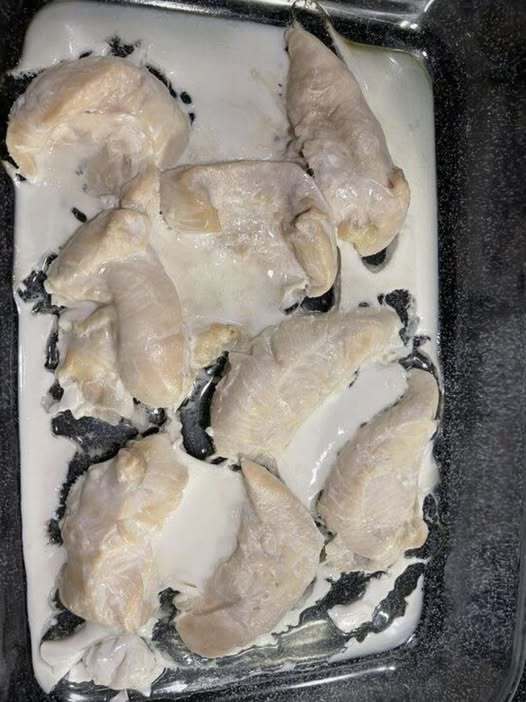
    You take a perfectly seasoned chicken breast out of the oven. It looks golden, smells amazing, and seems ready to serve. Then you notice it — a strange white, slightly jelly-like substance sitting on top. It can look alarming if you have never seen it before.

    The good news? Nothing is wrong. That white “goo” is completely normal. It is simply protein and water reacting to heat during the cooking process.

    Chicken breast is naturally high in protein and contains a significant amount of water. When exposed to heat, the proteins inside the meat change structure in a process called denaturation. This is the same transformation that turns egg whites from clear to solid white when cooked.

    As chicken heats up, its muscle fibers tighten. When they contract, they squeeze out water trapped inside. That water mixes with dissolved proteins and rises to the surface. Once it continues cooking on the outside, it solidifies into the white substance you see. It may look unusual, but it is just cooked protein.

    This effect is most noticeable with boneless, skinless chicken breasts because they are lean. They contain less fat than thighs or drumsticks, so there is nothing to mask the protein release. Lean meats tend to show this reaction more clearly.

    Cooking temperature plays a major role. High heat — such as baking at 400°F (205°C) or aggressive pan-searing — causes proteins to contract quickly. Rapid contraction pushes out more liquid, making the white substance more visible. Lower, gentler cooking allows proteins to tighten gradually, reducing the effect.

    Cooking frozen or partially frozen chicken can also increase the white residue. Freezing forms ice crystals inside the muscle fibers, which can damage their structure. When thawed and cooked, those damaged fibers release more moisture, leading to more protein rising to the surface. Fully thawing chicken before cooking helps minimize this.

    Importantly, the white substance is safe to eat. It is not bacteria, spoilage, or contamination. However, you should always assess chicken before cooking. A sour smell, slimy texture, or gray-green discoloration in raw chicken are signs of spoilage. The white substance that appears during cooking is unrelated to those issues.

    If you would prefer to reduce its appearance, there are simple adjustments you can make. Cook at a slightly lower temperature, such as 350°F (175°C), to allow proteins to contract more gently. Brining the chicken in saltwater for 30 to 60 minutes can help it retain moisture. Letting the meat sit out briefly before cooking reduces temperature shock. Avoid overcooking by using a thermometer and removing the chicken at an internal temperature of 165°F (74°C). Higher-quality or air-chilled chicken may also release less excess moisture.

    The white protein does not affect flavor or safety. At most, heavy leakage can signal slight overcooking, which may reduce juiciness — but the substance itself does not ruin the meal. If presentation matters, you can gently wipe it away.

    In simple terms, heat changes protein structure. The proteins tighten, squeeze out water, and that mixture cooks on the surface. What looks strange at first is simply chemistry at work.

    So if you see that white substance on your chicken, there is no need to panic. You did not ruin dinner. You simply witnessed a normal reaction that happens in kitchens everywhere — from home cooks to professional chefs. Your meal is safe, and everything is perfectly fine.