Author: Profile 1

  • If You Are a Woman, What Your Chin Whiskers Could Quietly Be Telling You About Your Hormones, Metabolism, Stress Levels, and Overall Health — Signs Many Ignore Until Other Symptoms Appear

    If You Are a Woman, What Your Chin Whiskers Could Quietly Be Telling You About Your Hormones, Metabolism, Stress Levels, and Overall Health — Signs Many Ignore Until Other Symptoms Appear

    If you have ever leaned toward the mirror and spotted a single coarse hair on your chin that definitely was not there before, you are far from alone. For many women, chin whiskers appear gradually—one at a time—often catching them off guard. Sometimes they are faint and soft. Other times they are dark, thick, and persistent. Almost always, they raise quiet questions.

    Most women simply pluck the hair and move on. Few pause to consider why it appeared in the first place.

    Chin hair is often dismissed as a cosmetic nuisance, a genetic trait, or an inevitable part of aging. While those explanations can be accurate, they are not always the full story. In some cases, new or increasing facial hair reflects subtle internal changes. The body frequently communicates shifts in balance through small, visible signs before more obvious symptoms emerge.

    One of the most common contributors to chin whiskers in women is hormonal fluctuation—particularly involving androgens. Androgens, including testosterone, are often labeled “male hormones,” but they are naturally present and important in women’s bodies as well. They support bone strength, mood, libido, and muscle tone. Problems tend to arise when the balance between estrogen and androgens shifts.

    When androgen activity increases relative to estrogen, certain hair follicles become more stimulated. Areas such as the chin, jawline, upper lip, chest, and lower abdomen are especially sensitive to these hormones. This is why chin hairs are often thicker and darker than other facial hair—they are hormonally responsive.

    One well-known condition linked to excess facial hair is **Polycystic ovary syndrome** (PCOS). PCOS affects many women worldwide and can remain undiagnosed for years. In some cases, chin whiskers appear before other common symptoms, such as irregular menstrual cycles, acne, or difficulty managing weight. Early signs may be subtle, which is why changes in hair growth patterns deserve thoughtful attention.

    Insulin resistance is another important factor. When the body becomes less responsive to insulin, it compensates by producing more of it. Elevated insulin levels can stimulate the ovaries and adrenal glands to increase androgen production. Over time, this hormonal ripple effect may encourage coarse hair growth in androgen-sensitive areas like the chin—even before blood sugar problems are formally diagnosed.

    Chronic stress can also influence hormone balance. Prolonged elevation of cortisol, the body’s main stress hormone, affects the delicate interaction between reproductive hormones and metabolic regulation. During extended periods of emotional strain, burnout, or major life transitions, some women notice shifts in hair growth patterns alongside fatigue, sleep disruption, or mood changes.

    Age-related transitions play a role as well. During perimenopause and menopause, estrogen levels decline. Even if androgen levels remain stable, the ratio between them changes, making androgens relatively more dominant. This shift can activate hair follicles that were previously dormant, which is why many women first notice chin whiskers in their late thirties, forties, or fifties.

    Thyroid health is another consideration. The thyroid regulates metabolism and influences hormone processing throughout the body. When thyroid function is underactive or imbalanced, hair growth cycles can change. Some women experience thinning scalp hair along with increased facial hair growth, sometimes before a thyroid condition is formally identified.

    Nutritional status and medications may also contribute. Deficiencies in nutrients such as iron, zinc, or vitamin B12 can subtly affect hormone regulation. Certain medications, including steroid-based treatments or hormone therapies, may alter hair follicle sensitivity. Genetics, too, influence how strongly hair follicles respond to hormonal signals—family patterns often provide clues.

    Importantly, chin whiskers do not automatically signal serious illness. They do not define femininity, health, or worth. Hair growth is a biological response—not a personal failing. However, if facial hair appears suddenly, increases rapidly, or accompanies symptoms like missed periods, severe acne, unexplained weight changes, or scalp hair thinning, medical evaluation may be helpful.

    Managing appearance through plucking, waxing, shaving, or laser treatments addresses the surface concern but does not alter the underlying drivers. Supporting hormone balance—through stable blood sugar habits, stress management, quality sleep, adequate protein intake, and regular movement—can help regulate internal systems over time. In some cases, laboratory testing and professional guidance provide clarity and reassurance.

    The key message is not fear, but awareness. The body rarely changes without reason. Chin whiskers can be small indicators of shifting hormonal patterns, metabolic stress, or natural life transitions. Listening early allows for thoughtful adjustments rather than reactive measures later.

    When you begin to see these subtle signs as information rather than embarrassment, the narrative changes. What once felt confusing becomes understandable. The body is not betraying you—it is communicating. And sometimes, that message arrives quietly, in the form of a single stubborn hair that simply asks you to pay attention.


  • Doctors Reveal That Eating Lettuce in Winter Can Disrupt Digestion, Weaken Immunity, Increase Sensitivity to Cold, and Heighten Certain Health Risks When Consumed Incorrectly, Especially for Vulnerable Individuals Who Ignore Seasonal Eating Principles

    Doctors Reveal That Eating Lettuce in Winter Can Disrupt Digestion, Weaken Immunity, Increase Sensitivity to Cold, and Heighten Certain Health Risks When Consumed Incorrectly, Especially for Vulnerable Individuals Who Ignore Seasonal Eating Principles

    Winter brings noticeable shifts in how the body functions. Metabolism adjusts, digestion can feel slower, and the immune system faces greater demands. During colder months, the body naturally gravitates toward warmth and sustaining foods. Yet many people continue eating the same light, raw meals they prefer in summer, without considering how seasonal changes may influence digestion and overall comfort. Lettuce is often part of this discussion.

    Health professionals emphasize that lettuce itself is not harmful in winter. However, its effects can vary depending on portion size, preparation, and individual sensitivity. Context matters. A food that feels refreshing and energizing in July may feel less satisfying—or even uncomfortable—during colder months.

    Seasonal eating has deep historical roots. Before refrigeration and global transport, winter diets consisted mainly of cooked grains, legumes, stored root vegetables, and warming stews. Fresh leafy greens were more common in spring and summer. While modern supply chains make lettuce available year-round, the body’s seasonal rhythms have not changed as quickly as food access has.

    From a nutritional standpoint, lettuce is high in water, low in calories, and typically eaten raw. These qualities are beneficial in hot weather when hydration and lightness are welcome. In winter, though, very cold or raw foods may require more digestive effort. Some individuals report bloating, gas, or feeling chilled after eating large raw salads in cold weather, especially if their digestion is already sensitive.

    Digestion plays a central role in immune health. Because much of the immune system is connected to the gut, anything that disrupts comfortable digestion can indirectly affect how resilient someone feels. While lettuce does not cause illness, consistently relying on cold, low-calorie meals in winter may leave some people feeling less nourished or energized.

    Another consideration is temperature regulation. When you eat cold food, your body expends energy to warm it internally. For people who already feel cold easily—such as older adults or those with certain health conditions—this effect may be more noticeable. Feeling chilled or sluggish after meals can be a sign that adjustments are needed.

    Food safety is also important. Because lettuce is eaten raw, it does not undergo cooking that would eliminate bacteria. Proper washing and sourcing are essential year-round, but especially during seasons when produce may travel long distances. Choosing fresh, well-handled greens reduces potential risks.

    This does not mean lettuce must be avoided in winter. Moderation and preparation make a difference. Pairing small amounts of lettuce with warm grains, roasted vegetables, soups, or protein can create balance. Allowing salads to reach room temperature rather than eating them straight from the refrigerator may also improve comfort.

    For those who prefer seasonal alternatives, lightly cooked greens like spinach or kale, along with root vegetables such as carrots, beets, squash, and sweet potatoes, provide warmth and nutrient density. Ultimately, the broader lesson is flexibility. True nutrition adapts to the body’s signals. Paying attention to how you feel after meals—and adjusting accordingly—supports health more effectively than rigidly following food trends year-round.

  • Joe Rogan Responds After His Name Appears in Newly Released Epstein Documents

    Joe Rogan Responds After His Name Appears in Newly Released Epstein Documents

    Recently released documents from the United States Department of Justice related to the Jeffrey Epstein investigation have drawn widespread attention. Among the many names that surfaced in the sprawling records was that of Joe Rogan, prompting him to respond publicly to the mention. The spotlight on these materials has reignited public discussion about how names connected—even indirectly—to Epstein’s world are perceived.

    The documents, released in stages throughout 2025 and 2026 under a federal transparency law, consist of millions of pages from past investigative files. They detail Epstein’s well-documented abuse of underage girls and provide insight into how investigators evaluated evidence. Significantly, the records make clear that authorities did not find sufficient proof to tie a broader trafficking conspiracy to other prominent figures.

    The sheer volume of the release has fueled intense scrutiny. For many, seeing familiar names in the context of emails or notes raises questions, even when no criminal behavior is alleged. The public reaction underscores how easily association can lead to speculation when nuanced legal findings are oversimplified or misunderstood.

    In one exchange highlighted in the released files, Rogan’s name appears in a 2017 email between Epstein and physicist Lawrence Krauss. Epstein wrote that he had seen Krauss on Rogan’s podcast and asked if an introduction could be arranged. Krauss responded that he would reach out, and later informed Epstein that Rogan was uninterested in meeting.

    Years after the message was sent, Rogan addressed the mention on The Joe Rogan Experience. “I’m in the files for not going,” he remarked succinctly, emphasizing that the idea of his involvement was never viable. He expressed surprise that the exchange generated attention and reiterated that he declined any engagement with Epstein.

    During that same podcast episode, Rogan also responded to media summaries of related investigative findings, including conclusions from the Federal Bureau of Investigation. According to the FBI’s assessment, while there was compelling evidence of Epstein’s abuse, there was not enough verifiable evidence to establish that a criminal network involving other public figures existed. Prosecutors similarly noted that photographs and financial data recovered from Epstein’s properties did not substantiate charges against additional individuals.

    These conclusions do not diminish the severity of Epstein’s crimes. Rather, they draw an important distinction between proven wrongdoing and mere proximity or correspondence. Legal outcomes are determined by evidence—not inference or rumor—and the public record reflects those boundaries.

    As more individuals named in indirect contexts speak out, a broader pattern is emerging. It is not one of hidden conspiracies coming to light, but of how easily reputations can be questioned when names are shared without context. The situation serves as a reminder that clarity and precision are essential in public discourse: holding the guilty accountable is vital, but maintaining fairness toward those without substantiated involvement is equally important.

  • Scaly Patch on a Child’s Scalp: What It Could Be and What Parents Should Know

    Scaly Patch on a Child’s Scalp: What It Could Be and What Parents Should Know

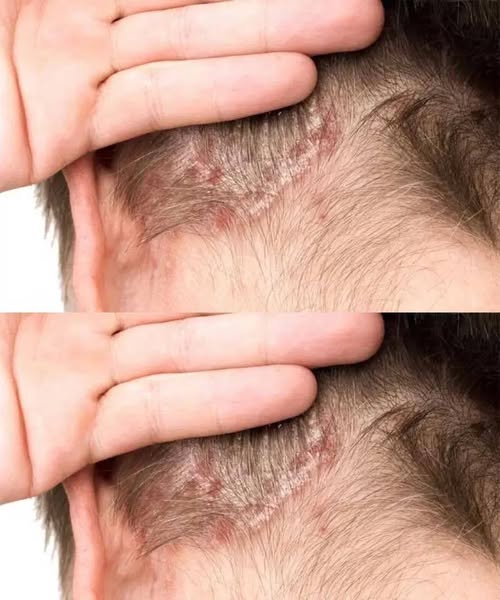
    Finding a strange patch on your child’s scalp can be stressful, especially when you can’t see a doctor right away. If you notice a red, scaly, or crusty area, there are a few common causes to consider. While “only a healthcare professional can provide a diagnosis,” knowing the possibilities can help you take safe steps in the meantime.

    One frequent cause is tinea capitis, also known as scalp ringworm. Despite the name, “it’s not caused by worms—it’s a fungal infection.” Signs include round or irregular scaly patches, redness, broken hairs, small bald spots, and mild itching. It spreads through shared hats, combs, pillows, or close contact. This condition usually requires prescription antifungal medication.

    Another possibility is seborrheic dermatitis. It often appears as greasy, flaky scales with mild redness and is “usually not very itchy.” In babies it’s called cradle cap, but older children can develop it too. Medicated shampoos may help manage symptoms.

    Psoriasis can also affect the scalp, causing thick, silvery scales and well-defined red patches, sometimes with itching. It is a chronic condition that may need medicated treatment. Eczema (atopic dermatitis) is another cause, especially if your child already has sensitive skin or eczema elsewhere.

    While waiting for a doctor, keep the area clean with a mild shampoo and avoid harsh scrubbing. Do not share combs, brushes, hats, pillows, or towels. If you suspect a fungal infection, you may try an over-the-counter antifungal shampoo containing ketoconazole or selenium sulfide 2–3 times per week. This may reduce spread but often won’t fully cure it without oral medication.

    Seek urgent care if you notice rapid spreading, severe swelling, pus, fever, or painful swollen lymph nodes. Even if symptoms improve, scalp infections in children often require prescription treatment.

  • Here’s my honest opinion

    Here’s my honest opinion

    Towels are one of those everyday items we rarely think deeply about—but they actually affect comfort more than we realize.

    A good towel can genuinely improve your daily routine. That moment after a shower, when you wrap yourself in something soft and absorbent, sets the tone for how refreshed you feel. On the other hand, a thin, scratchy, or poorly absorbing towel can make even a relaxing shower feel unfinished.

    If I had to prioritize, I’d say absorbency and durability matter more than appearance. A towel can look beautiful hanging in the bathroom, but if it pushes water around instead of absorbing it, it’s not doing its job.

    Material makes a big difference:

    • Cotton (especially long-staple cotton) is usually the safest choice for softness and absorbency.
    • Bamboo blends feel smooth and are breathable, which many people appreciate.
    • Microfiber is practical for travel and gym use, but for everyday home comfort, it doesn’t always feel as luxurious.

    GSM is also important, but it depends on preference.
    Lower GSM dries faster and works well in humid environments.
    Higher GSM feels plush and hotel-like—but takes longer to dry and may need better ventilation.

    Personally, I think balance is key: a mid-to-high GSM cotton towel gives comfort without becoming heavy or staying damp for too long.

    Care is underrated too. Fabric softener might make towels feel smooth temporarily, but over time it reduces absorbency. Proper washing and low-heat drying really extend their lifespan.

    So my opinion? Towels aren’t just basic household items—they’re daily comfort tools. Choosing wisely and caring for them properly makes a noticeable difference in hygiene, comfort, and even mood.

    Sometimes the smallest upgrades at home bring the biggest everyday improvements.

  • One Word on ‘Wheel of Fortune’ Sparked a Big Debate Among Viewers

    One Word on ‘Wheel of Fortune’ Sparked a Big Debate Among Viewers

    For more than forty years, Wheel of Fortune has followed a familiar pattern, introducing new contestants who enjoy a brief moment in the spotlight before the next group takes the stage. A recent episode, however, offered something different by featuring three longtime firefighter friends from Rhode Island. Their shared history brought a relaxed, natural energy that stood out from the show’s usual competitive rhythm.

    Melissa “Missy” Porter, Darrin “Poppa” Gallagher, and Tim Stebenne approached the game with an easygoing confidence that reflected years of friendship. Instead of appearing tense or overly strategic, they joked comfortably with one another, making the stage feel less like a studio set and more like a friendly gathering. Their camaraderie added warmth and authenticity to the competition.

    Viewers quickly picked up on the shift in tone. Social media reactions and fan comments highlighted how refreshing it was to see contestants who genuinely enjoyed each other’s company. The lighthearted banter blended naturally with the puzzle-solving, creating an episode that felt both entertaining and personal.

    The production also tapped into nostalgia by reintroducing classic features such as the Jackpot round and a high-value prize wedge. These elements added suspense and excitement, balancing the friendly dynamic with meaningful stakes. The mix of old-school touches and lively contestant chemistry gave the episode a renewed spark.

    Each firefighter had memorable highlights during the game. Travel prizes, quick-thinking letter calls, and strong performances in speed rounds kept the momentum going. As the competition narrowed, Gallagher ultimately secured a spot in the Bonus Round, building anticipation for the final challenge.

    The concluding puzzle turned out to be a tough one. Although the solution was missed, the dramatic pause and reveal sparked conversation among fans afterward. Still, many viewers seemed less focused on the final outcome and more on the journey that led there.

    What resonated most was the authenticity the trio brought to the stage. Their easy interaction demonstrated how shared experience and mutual support can shift the tone of even a well-established format. It was a reminder that personality often matters as much as performance.

    In the end, the episode showed that even a long-running television institution can feel refreshed with the right combination of chemistry and subtle format changes. After decades on air, **Wheel of Fortune** continues to prove that small surprises and genuine human connection can keep a familiar show feeling new.

  • How Left-Side Sleeping Improves Brain Function and Digestive Health

    How Left-Side Sleeping Improves Brain Function and Digestive Health

    Making a small adjustment to your sleep position can sometimes lead to noticeable health benefits. For many people, sleeping on the left side supports natural body alignment and may ease common nighttime discomforts such as back pain, snoring, or digestive upset.

    One key advantage of left-side sleeping is improved spinal alignment. When you lie on your side with proper pillow support, your spine can remain in a more neutral position. This reduces strain on the lower back and may help decrease stiffness or soreness upon waking. Placing a pillow between your knees can further support hip alignment and relieve pressure on the lower spine.

    Snoring may also improve when sleeping on your side. Lying flat on your back allows gravity to pull the tongue and soft tissues backward, which can partially narrow the airway. Side sleeping helps keep the airway more open, encouraging smoother airflow and potentially quieter rest.

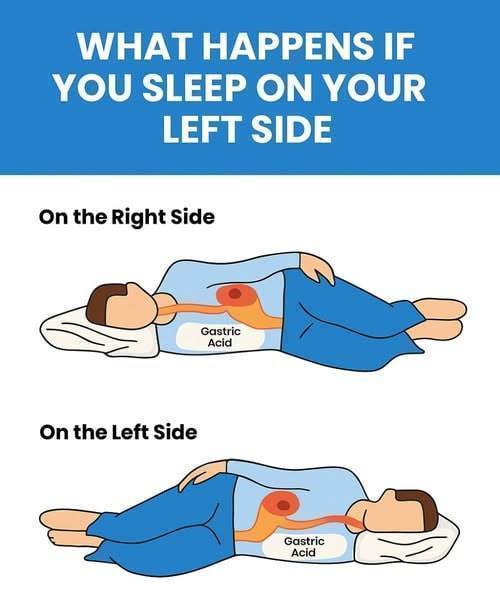
    Digestive comfort is another potential benefit. The stomach and pancreas are positioned in a way that may allow gravity to assist with the movement of food and digestive juices when lying on the left side. Some individuals with occasional heartburn or mild acid reflux report fewer symptoms in this position, especially if they avoid lying down immediately after meals.

    Research has also explored how sleep position may influence the brain’s waste-removal process, known as the glymphatic system. This system becomes more active during sleep and helps clear metabolic byproducts from the brain. While more studies are needed, some findings suggest that side sleeping could support this natural cleansing function.

    Circulation can improve as well, which is one reason healthcare providers often recommend left-side sleeping during pregnancy. This position can enhance blood flow to the heart and vital organs while reducing pressure on major blood vessels in the abdomen.

    For those transitioning to side sleeping, comfort adjustments are important. A supportive pillow that keeps the neck aligned with the spine can prevent strain. Placing a pillow behind your back may help you stay on your side throughout the night if you tend to roll over.

    Although left-side sleeping may not solve every sleep concern, it can be a simple and practical change worth trying. With proper support and consistency, this position may contribute to better rest and improved overall comfort.

  • What It Means When You Notice Ridges on Your Fingernails

    What It Means When You Notice Ridges on Your Fingernails

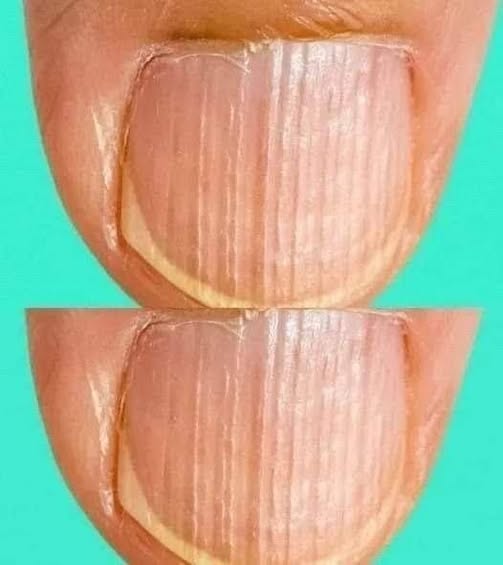
    It’s common for people to notice small ridges forming on their fingernails over time. These subtle lines can appear gradually and often cause concern, especially if someone has never seen them before. In most situations, however, nail ridges are harmless and simply reflect normal changes in the body.

    As we age, our nails naturally lose some moisture and elasticity. This can lead to vertical ridges that run from the cuticle to the tip of the nail. Daily habits such as frequent handwashing, using harsh cleaning products, or exposure to cold weather can also dry out the nails, making ridges more noticeable.

    Personal habits sometimes play a role as well. Nail biting, picking at the cuticles, or trimming nails too aggressively may temporarily affect nail texture. Because nails grow slowly, any disruption at the base can take weeks or months to fully grow out.

    Individual differences also matter. Just as hair and skin vary from person to person, nail texture does too. Some people naturally have more visible ridges due to their unique nail growth patterns, even when they are perfectly healthy.

    In certain cases, nutrition can influence nail appearance. Low levels of specific vitamins or minerals may contribute to brittle nails or subtle texture changes. Maintaining a balanced diet and staying hydrated can support overall nail strength and growth.

    Most healthcare professionals agree that minor ridges alone are rarely a sign of serious illness. Many nail changes stem from everyday environmental factors or routine grooming habits rather than underlying medical conditions.

    That said, sudden or dramatic changes deserve attention. Deep horizontal grooves, rapid discoloration, thickening, separation from the nail bed, or swelling around the nail could signal infection or another medical issue. Persistent redness, warmth, or pain should also be evaluated.

    If you are ever unsure about changes in your nails, consulting a qualified healthcare provider is the best course of action. They can assess your symptoms in context and offer personalized advice. Monitoring nail health is a simple way to stay aware of your overall well-being, and seeking guidance when something seems unusual can provide reassurance.

  • An Unexpected Way to Improve Your Home Internet Performance

    An Unexpected Way to Improve Your Home Internet Performance

    Improving your Wi-Fi signal does not always require expensive upgrades or technical expertise. Surprisingly, one of the simplest ways to enhance your internet performance may already be sitting in your kitchen drawer: aluminum foil. Although it might sound unconventional, this technique is grounded in the science of how wireless signals travel and interact with surfaces inside your home.

    Wi-Fi routers broadcast signals in every direction, sending waves through walls, ceilings, and even outside your house. While this wide coverage can be useful, it often means that signal strength is wasted in areas where you do not need connectivity. As a result, rooms where strong internet access is essential—such as a home office or living room—may receive weaker performance.

    Aluminum foil can act as a reflective surface for wireless signals. When positioned correctly, it helps redirect radio waves toward specific areas rather than allowing them to disperse randomly. By guiding the signal in a preferred direction, you can improve coverage where it matters most.

    This concept works because Wi-Fi signals are a type of electromagnetic wave. Like light, these waves can bounce off certain materials, including metal surfaces. Aluminum, being highly conductive, reflects the signal instead of absorbing it, helping concentrate the broadcast path.

    Research supports this approach. Engineers at Dartmouth College experimented with shaping Wi-Fi coverage using reflective surfaces backed with aluminum. Their findings showed that signal strength could increase significantly in targeted spaces while reducing unnecessary spread in other directions.

    In some cases, researchers observed improvements of up to 50 percent in selected areas. At the same time, signal leakage into unwanted spaces dropped considerably. Beyond improving performance, this focused distribution may also slightly reduce the chances of your network signal extending far outside your home.

    Trying this method is straightforward. Place a sheet of aluminum foil behind your router, curving it slightly to direct the signal toward the room where stronger coverage is needed. Be careful not to block ventilation openings or interfere with external antennas, as proper airflow and positioning remain important.

    While this simple trick will not replace advanced mesh systems or high-powered routers, it can provide a noticeable boost at virtually no cost. With thoughtful placement and a small adjustment, aluminum foil can serve as a practical and budget-friendly way to make your existing Wi-Fi setup more efficient.

  • Making Weight Loss Permanent with a WFPB Diet

    Making Weight Loss Permanent with a WFPB Diet

    After years of being obese and yo-yo dieting, Sam Tyler was finally able to regain his health and lose 95 lbs and keep it off with a whole-food, plant-based (WFPB) diet.

    In November 2017, I made a firm decision to reclaim my health for good. That morning marked a turning point in my life, as I committed to transforming my habits and embracing a new way of living. I knew lasting change would require dedication, but I was ready to take full responsibility for my well-being.

    I immediately adopted a fully plant-based diet, choosing to fuel my body with whole, minimally processed foods. This shift was not a temporary experiment but a deliberate, long-term lifestyle change. I focused on nourishing meals built around vegetables, fruits, legumes, whole grains, and other plant foods.

    Around the same time, from late 2017 through the spring of 2018, I had the opportunity to participate in a clinical study centered on plant-based nutrition. The program was sponsored by Physicians Committee for Responsible Medicine and led by Dr. Neal Barnard in Washington, D.C. Being part of a structured research study gave me both accountability and education.

    The study examined how a low-fat vegan diet could influence weight loss, metabolic health, and gut function. Throughout the 16-week program, I learned practical strategies for planning balanced meals and maintaining consistency. The guidance I received helped me understand how to follow a plant-based diet in a healthy and sustainable way.

    By the end of the study, I had lost 34 pounds. That initial success motivated me to continue pushing forward. The physical changes were encouraging, but the improvements in my energy and confidence were just as meaningful.

    Two years later, I remained fully committed to this plant-based lifestyle. What began as a health experiment had become a permanent way of living. Over time, my total weight loss reached 95 pounds, a milestone I once thought was impossible.

    The health benefits extended far beyond the number on the scale. My blood pressure returned to a normal range, and my prediabetes was completely reversed. I regained stamina, strength, and the ability to enjoy physical activity again without limitations.

    Today, I continue building on this foundation of wellness. I have completed multiple marathons, including my second race in November 2019, and I feel stronger than ever. This transformation is not the end of my journey—it is the beginning of a lifelong commitment to health and vitality.