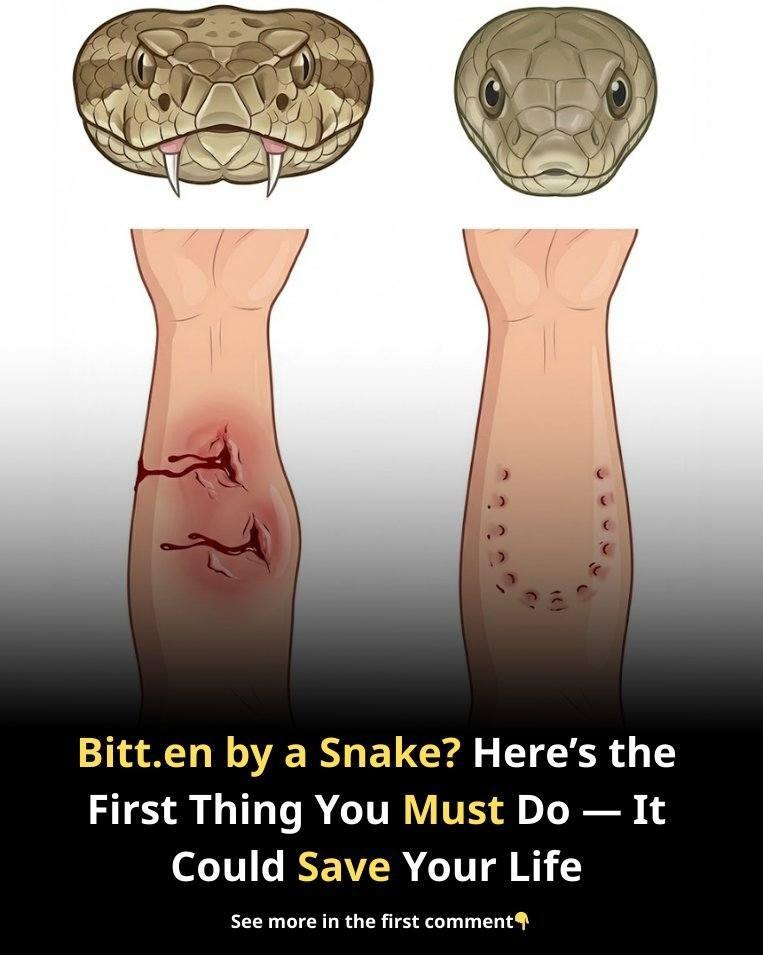
Snakebites remain a serious but often misunderstood risk in rural and semi-rural communities. Studies show that most victims are men in their 30s, particularly those working in agriculture or spending long hours outdoors. Surprisingly, however, more than half of snakebites happen close to home rather than deep in wilderness areas.
Everyday activities are frequently involved. Gardening, walking through tall grass, lifting firewood, or attempting to move or kill a snake are among the most common scenarios. Rural properties often provide ideal conditions for snakes, especially when water sources and rodent populations are nearby, creating a steady food supply.
Prevention begins with reducing what attracts them. Keeping lawns trimmed, clearing piles of debris, sealing gaps in sheds, and managing rodent activity can significantly lower the chance of an encounter. Simple environmental awareness makes a meaningful difference.
Protective clothing also plays a crucial role. Wearing boots, long trousers, thick socks, long sleeves, and gloves when working outdoors provides a physical barrier. More than 90 percent of bites affect the arms or legs, making limb protection especially important.
Not every snake strike injects venom. A “dry bite” occurs when a snake bites defensively without releasing venom. While symptoms may be limited to pain, redness, or mild swelling, it is impossible to confirm immediately whether venom was delivered.
Venomous bites can lead to more serious symptoms, including significant swelling, nausea, blurred vision, breathing difficulty, irregular heartbeat, abdominal pain, bleeding, or even paralysis. In some cases, the bite itself appears minor, with only small puncture marks, while dangerous symptoms develop gradually.
Because early signs can be deceptive, every snakebite must be treated as potentially life-threatening. Waiting to “see what happens” can delay critical care. Immediate response is essential, even if the person initially feels stable.
If a bite occurs, keep the person calm and completely still, call emergency services right away, apply a firm pressure bandage over the bite site and along the limb, and immobilize the affected area with a splint if possible. Do not wash the wound, as venom traces can help with identification. Rapid medical treatment greatly improves survival and recovery, turning a dangerous encounter into a manageable emergency.
Leave a Reply