Category: News

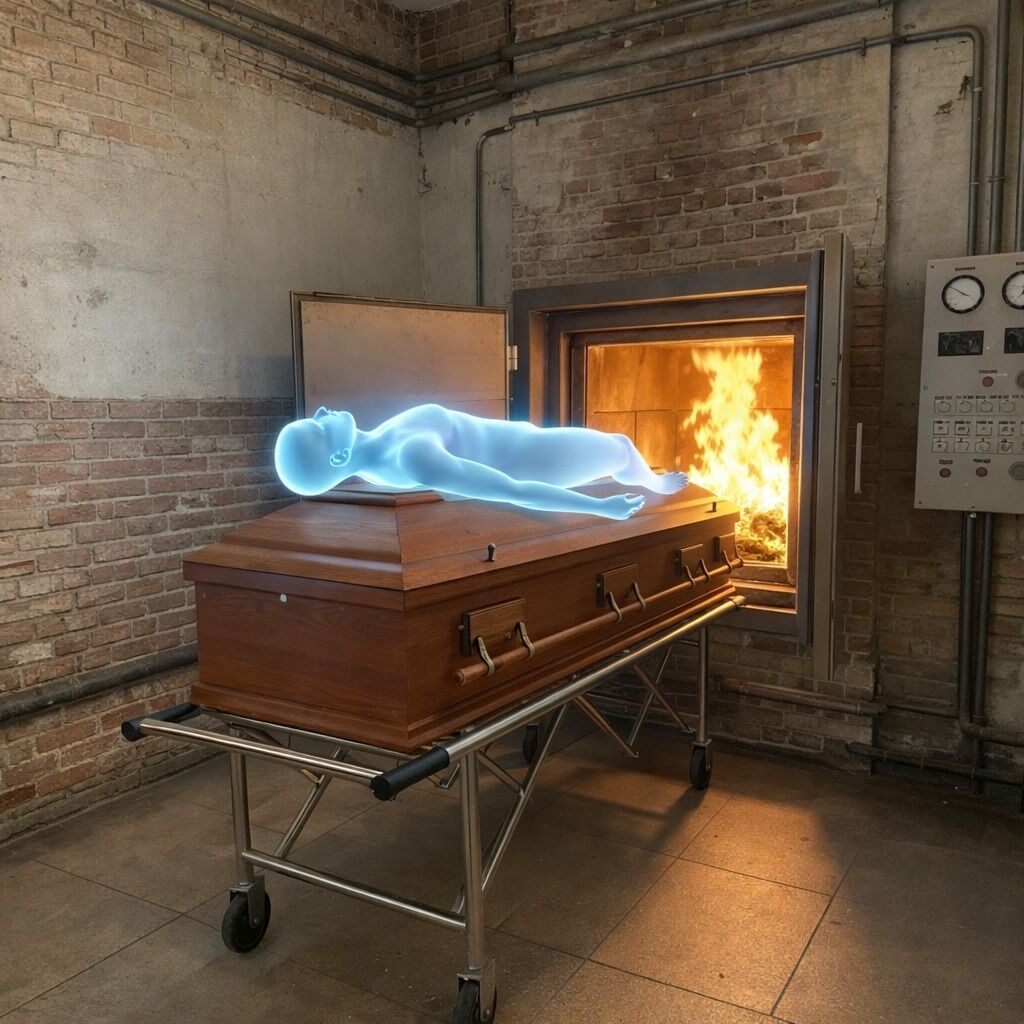
  • THE SIN OF CREMATION according to the Bible says

    THE SIN OF CREMATION according to the Bible says

    Cremation has become increasingly common in recent decades, particularly in the Western world. Rising costs, limited burial space, and environmental concerns have led many families to view it as a practical and respectful alternative to traditional burial. Yet, for many Christians, the topic continues to stir questions of faith and tradition.

    Many believers still wonder: Is cremation a sin according to the Bible? This question often sparks debate, as scripture, symbolism, and centuries of tradition shape how Christians view the body after death.

    The Bible, however, does not explicitly forbid cremation. There is no commandment instructing believers to avoid it. Instead, the preference for burial comes largely from biblical custom and cultural context rather than direct teaching.

    In scripture, burial was the most common practice. Figures like Abraham, Moses, and Jesus were buried, not burned. For this reason, burial became a sacred tradition, symbolizing peace, respect, and the hope of resurrection through Christ.

    Throughout history, theologians have debated whether cremation dishonors the body, which scripture calls the “temple of the Holy Spirit.” Others argue that the soul, not the physical remains, is what matters most to God.

    Culturally, burial has long symbolized reverence and continuity, while cremation was once associated with pagan rituals. Although modern cremation is motivated by practicality, this historic connection has made some Christians uneasy.

    Today, many pastors and scholars agree that cremation does not affect one’s salvation or resurrection. God’s power to renew life is not limited by the form in which the body returns to the earth.

    Ultimately, the decision between burial and cremation is deeply personal. For Christians, the focus lies not on the body’s resting place but on the eternal promise of life beyond death — a hope that transcends both ashes and dust.
  • NEVER Keep These Items on TOP of Your Fridge. If You’re Doing This, Stop ASAP!

    NEVER Keep These Items on TOP of Your Fridge. If You’re Doing This, Stop ASAP!

    Your refrigerator is one of the hardest-working appliances in your home, running 24/7 to keep food fresh, drinks cold, and leftovers safe. But there’s one habit that could be quietly damaging it: stacking things on top. That flat space might seem perfect for extra storage, but experts warn that putting the wrong items up there can cause safety hazards, waste energy, and even shorten your fridge’s lifespan. Here’s why it’s time to clear it off — and what to do instead.

    1. Small Kitchen Appliances ( Microwave, Air Fryer, Toaster)
    Many people stash small appliances on top of the fridge to save space, but this setup is both unsafe and inefficient. The fridge releases heat through its top and back. Blocking those vents makes it work harder, wasting energy and risking overheating. Plus, when both appliances generate heat, it increases the risk of electrical failure or fire. Better option: keep these appliances on a sturdy countertop with plenty of ventilation space around them.
    Groceries
    2. Dry Foods (Cereal, Bread, Snacks)
    Warm air rises, and the top of your refrigerator is surprisingly hot. Bread molds faster, cereal loses its crunch, and snacks go stale. Dust, grease, and humidity also settle on food packages, making them unhygienic. Better option: store dry goods in a cool, dark cabinet inside airtight containers.

    3. Bottles of Oil, Wine, or Liquor
    They may look stylish up there, but it’s one of the worst places for bottles. The fridge vibrates constantly, causing bottles to shift and possibly fall. The heat also ruins flavor—olive oil can go rancid, and wine can lose quality. Better option: keep bottles in a cool pantry or a dedicated wine rack away from any heat sources.

    4. Cookbooks or Paper Items
    Many people stack cookbooks, napkins, or paper towels on top of the fridge, which creates a big fire risk. Paper is flammable, and since fridges generate heat and use electrical wiring, placing combustible materials nearby increases danger. Better option: store books and paper goods on a shelf or inside a drawer to reduce clutter and risk.

    5. Heavy Pots and Pans
    Big cookware might fit perfectly up there, but it’s unsafe. Every time you open or close the fridge door, vibrations can shift heavy items, leading to dangerous falls and injuries. Better option: keep heavy cookware in lower cabinets where it’s stable and easy to reach.

    6. Medicines or Supplements
    Some people store vitamins or medications out of reach on top of the fridge, but that’s not a safe spot. The constant heat can weaken or spoil active ingredients, making them less effective or unsafe. Better option: store all medicines in a cool, dry cabinet away from sunlight and heat

    7. Plants
    A leafy plant might look great up there, but it’s not ideal for either the plant or your fridge. Water can drip into the fridge’s electrical components, causing damage or mold. The warmth can also stress the plant and make it wilt faster. Better option: place plants on a bright windowsill or open shelf where watering is safe.

    Why a Clear Top Matters
    The space above your refrigerator isn’t “extra storage”—it’s a crucial ventilation zone. Blocking it forces the appliance to work harder, which increases electricity bills, shortens its life, and raises fire risks. If you truly need storage space, have a fitted cabinet or shelf installed above the fridge. That way, you gain extra room safely without trapping heat or risking damage.

    💡 Final Tip: Take five minutes today to clear off your fridge top—your food, your wallet, and your home will thank you.