Category: Uncategorized

  • A magic pill transforms the gas grill into something brilliant: the charcoal deposits fall to pieces.

    A magic pill transforms the gas grill into something brilliant: the charcoal deposits fall to pieces.

    Over time, gas stove grates can develop a thick, stubborn layer of grease and carbon deposits. This buildup forms gradually with daily cooking and often becomes impossible to remove using standard dish soap or surface cleaners. Scrubbing alone rarely works and can quickly turn into a frustrating chore. After years of experimenting with different methods, I found a simple solution that consistently delivers excellent results. It relies on hot water and an everyday household product. Dishwasher tablets.

    This method is especially effective for cast iron grates, but it also works well on grates made from other types of metal. It requires very little effort and saves a significant amount of time compared to traditional cleaning approaches.

    What You Will Need

    To get started, gather the following items:

    A large pan that can fit part of the stove grate
    Water
    Two dishwasher tablets
    A sponge or stiff brush
    A knife for stubborn residue, if necessary

    Make sure the pan is deep enough to fully submerge at least one section of the grate.

    Step by Step Cleaning Method

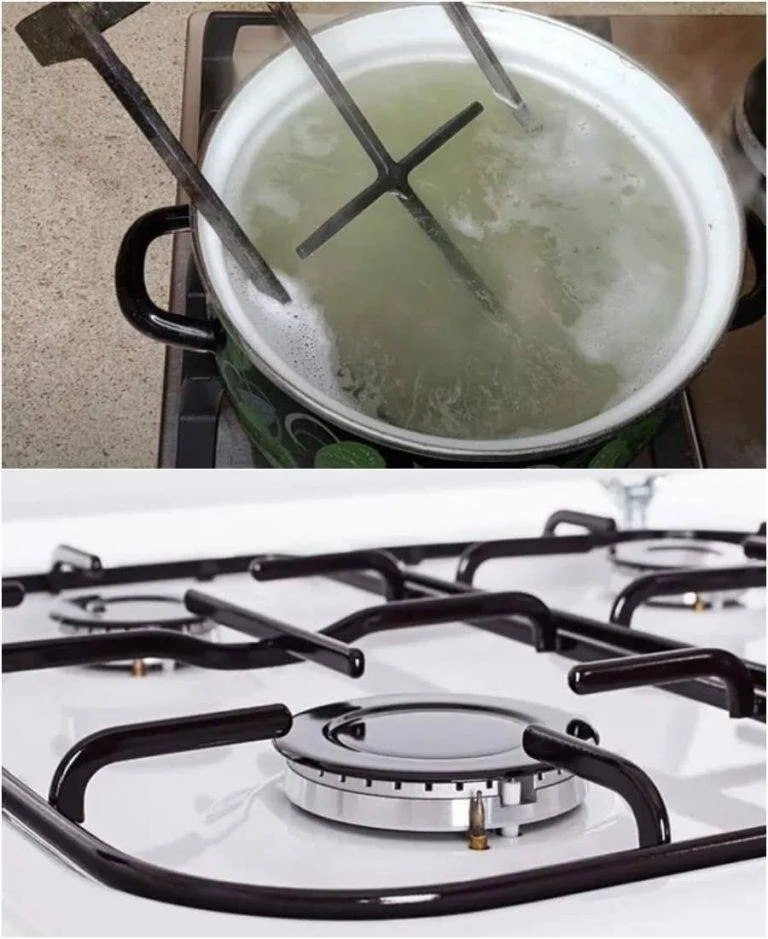
    Place the pan on the stove and fill it with enough water to cover the section of the grate you plan to clean first. Drop two dishwasher tablets into the water and allow them to dissolve as the water heats.

    Bring the water to a steady boil. Once boiling, carefully lower the stove grate into the pan. If the grate is too large to fit completely, clean it in sections. Submerge one half at a time so the detergent and heat can work effectively.

    Let the grate boil gently for about thirty minutes. During this time, the hot water and cleaning agents in the dishwasher tablets begin to break down grease, soot, and baked on residue. This step is crucial, as it softens buildup that would otherwise require heavy scrubbing.

    After thirty minutes, carefully remove the grate from the pan. Clean it immediately while it is still hot. Use a sponge or brush to scrub away the loosened grime. You will notice that most of the grease slides off with very little effort.

    If some hardened carbon deposits remain, gently scrape them off using a knife. Apply light pressure and work slowly to avoid damaging the surface of the grate.

    Once one side is clean, turn the grate over. Place the remaining dirty section back into the pan, bring the water back to a boil, and repeat the same process. Boil, scrub, and scrape as needed until the entire grate is clean.

    Why This Method Works So Well

    Dishwasher tablets are designed to tackle baked on food, grease, and residue inside dishwashers. When used in boiling water, their powerful cleaning agents become even more effective. The heat softens thick layers of carbon while the detergent breaks them apart, allowing dirt to be removed easily without excessive force.

    Unlike harsh chemical cleaners, this method does not rely on strong fumes or abrasive tools. It works through heat and gentle chemical action, which makes it safer for both the grate and the user.

    Helpful Tips for Best Results

    Always clean the grate while it is hot, as residue hardens again once it cools
    Avoid using steel wool, which can damage the surface
    Rinse the grate thoroughly after cleaning to remove detergent residue
    Dry the grate completely before placing it back on the stove to prevent rust

    Final Thoughts

    A heavily soiled stove grate does not need to be replaced or aggressively scrubbed to look clean again. With patience, boiling water, and dishwasher tablets, even years of grease and carbon buildup can be removed efficiently. This method has helped me maintain a cleaner kitchen with far less effort, and it has become my go to solution for deep cleaning stove grates. Simple, effective, and reliable, it proves that sometimes the best cleaning tricks come from everyday products already at home.

  • WHAT DOES IT MEAN TO ALWAYS HAVE AN UNMADE BED, ACCORDING TO PSYCHOLOGY?

    WHAT DOES IT MEAN TO ALWAYS HAVE AN UNMADE BED, ACCORDING TO PSYCHOLOGY?

    The way we maintain our personal space can reflect deep aspects of our personality and state of mind, and one of the most common topics in discussions about home organization is the state of the bed.
    For many, leaving the bed unmade might seem like a simple habit or a matter of laziness. However, psychology offers a deeper perspective on what this might mean.

    1. A Reflection of Personality
    The way we organize our environment can be a mirror of our personality. According to several psychological studies, people who tend to leave their beds unmade are often more relaxed and less concerned with perfection.
    This behavior can be associated with a creative and independent personality, where the need for order is not a priority.
    On the other hand, those who make their beds every day are often described as more disciplined and organized. This difference in habits can be indicative of how each person handles stress and daily responsibilities.

    2. The relationship between order and mental health
    Always leaving your bed unmade is a behavior that can have multiple meanings depending on the psychological perspective. Whether it’s a reflection of personality, an indicator of mental health, a cultural influence, or an emotional expression, this habit invites us to explore our own motivations and needs.
    While some people may find value in order and structure, others may see disorder as a way to break free from societal expectations. The key lies in understanding that each person has their own relationship with the space they inhabit.
    For those seeking a greater balance between order and disorder, reflecting on the meaning behind their habits can be a first step toward a more conscious and fulfilling life.
    Making the bed or leaving it unmade doesn’t define who we are
    Maintaining a tidy space can have a direct effect on our mental health; studies have shown that a cluttered environment can increase anxiety and stress levels. However, for some, clutter may not have the same negative effect.
    People who leave their beds unmade may find a sense of freedom in this mess. For them, the act of not making the bed can be a way of rebelling against social norms and expectations, allowing them to feel more comfortable in their own space.
    3. The Influence of Cultural Context
    The meaning of leaving the bed unmade also varies depending on the cultural context. In some cultures, order and cleanliness are highly valued, while in others, a more relaxed and less structured lifestyle is accepted.
    This cultural variability can influence how people perceive and justify leaving the bed unmade.
    For example, in societies where productivity and success are associated with tidiness, leaving the bed unmade could be interpreted as a sign of laziness or a lack of ambition. In contrast, in cultures that value spontaneity and creativity, this habit could be seen as an expression of personal freedom.

    4. The emotional connection with home

    Our home is a space where we seek comfort and security, and the way we organize this space can reflect our emotions and mental states. For some people, leaving the bed unmade is a manifestation of their emotional state.
    Those going through difficult times or experiencing anxiety may find that their environment reflects their inner struggle; an unmade bed can symbolize inner chaos or a lack of control in other areas of their life. Therefore, it is crucial to understand that this behavior can be indicative of deeper emotional issues.
    5. Resistance to Routine
    For some people, leaving the bed unmade can be a conscious act of resistance to the daily routine. Making the bed has become an automatic task for many; therefore, not doing it can be a way of challenging that monotony.
    This behavior may be related to a search for authenticity and a need to break with convention. By not making their bed, these people may be expressing their desire to live in the present moment and enjoy a less structured life.
    6. Final Thoughts

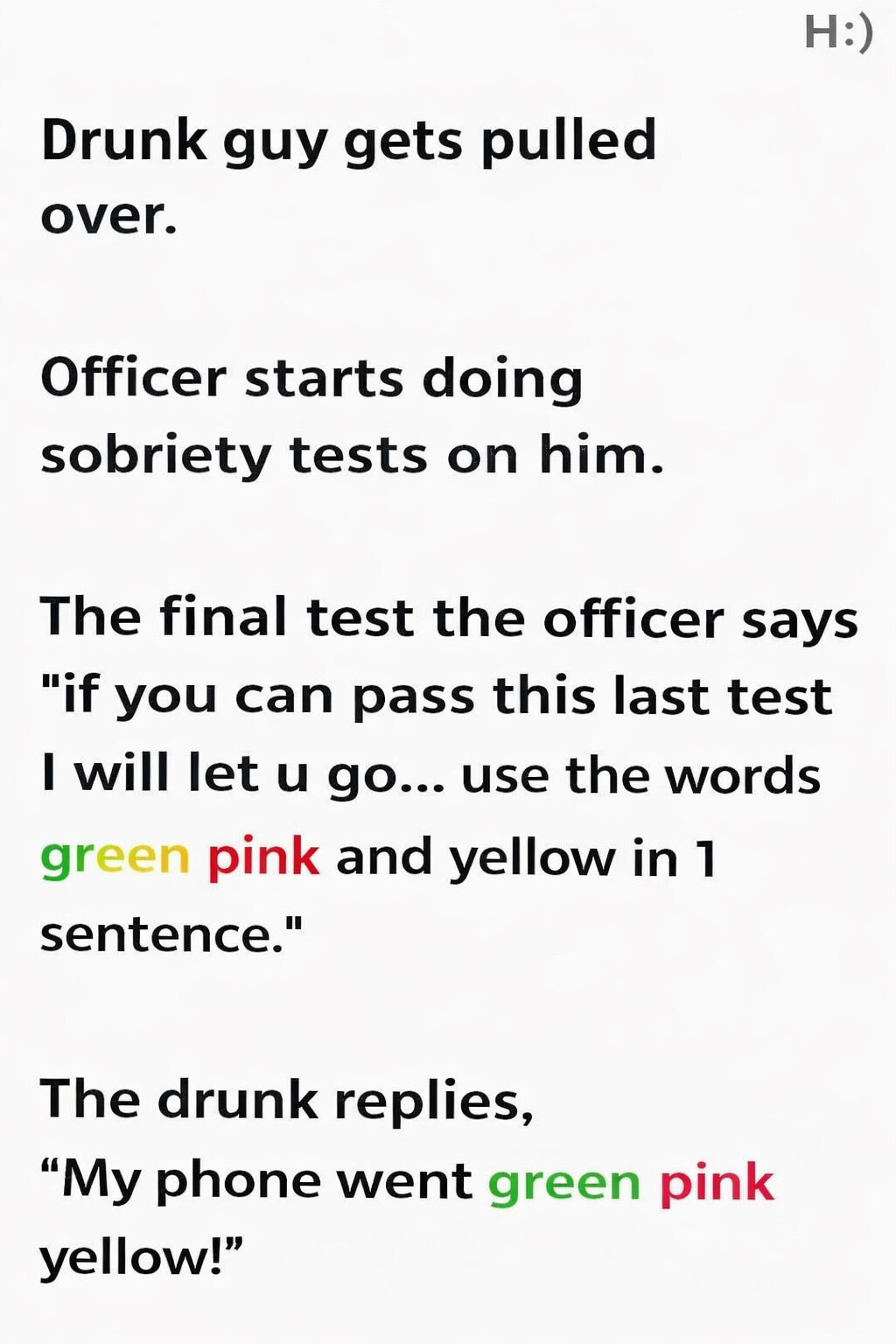
  • Drunk Guy Gets Pulled Over After Late-Night Joyride Turns Into a Bizarre Roadside Encounter, Leaving Police Stunned by His Slurred Excuses, Questionable Decisions, and the Unexpected Chain of Events That Followed Under Flashing Blue Lights on a Quiet City Street

    Drunk Guy Gets Pulled Over After Late-Night Joyride Turns Into a Bizarre Roadside Encounter, Leaving Police Stunned by His Slurred Excuses, Questionable Decisions, and the Unexpected Chain of Events That Followed Under Flashing Blue Lights on a Quiet City Street

    Late one quiet night, a drunk guy gets pulled over after swerving just enough to catch a patrol car’s attention on an otherwise empty road. The city feels paused, like it’s holding its breath, streetlights humming softly over asphalt that hasn’t seen much action in hours. The patrol car follows for a block longer than necessary, just to be sure, then the lights flick on, splashing red and blue across storefront windows and parked cars.

    The driver sighs as if mildly inconvenienced, easing his car to the side with exaggerated care, aligning it almost too perfectly with the curb. When the officer approaches the window, the unmistakable smell of alcohol spills out into the cool night air, thick enough to make the officer take a subtle step back. Asked how much he’s had to drink, the man smiles confidently, the kind of smile that suggests he believes charm is a universal currency, and says, “Just a couple,” drawing out the words as if they carry legal weight. He chuckles softly, nodding at his own answer, as though he’s just cracked a clever joke. The officer asks him to step out of the car, and the man does so with dramatic caution, one hand braced on the door, the other lifted for balance like a tightrope walker. He sways slightly but insists he’s perfectly steady, even offering commentary about how the ground feels “a little softer than usual.”

    He laughs again, brushing off the whole situation as a misunderstanding, explaining that he’s had a long day, that the road markings are confusing at night, that anyone could drift a little when they’re tired. He talks fast, words tumbling over each other, stories half-formed and abandoned mid-sentence. The officer listens without interrupting, calm and patient, letting the man talk himself in circles while taking in every detail: the glassy eyes, the delayed reactions, the faint stain on his shirt from an earlier spill. Somewhere nearby, a traffic light cycles pointlessly through its colors, illuminating the scene like a silent witness, while the night remains otherwise still, as if the entire city has decided to watch how this unfolds.

    The first sobriety test begins with a simple request: walk in a straight line. The man nods enthusiastically, confident in his ability, placing one foot in front of the other with ceremonial seriousness. He manages two steps before veering to the side, correcting too late, nearly toppling over, then stopping abruptly to point at the pavement. With absolute sincerity, he explains that the road must be crooked tonight, squinting down at the line as if expecting it to apologize. He gestures broadly, tracing an imaginary curve with his finger, delivering a mini lecture about how old roads shift over time, how asphalt expands and contracts, how it’s really no one’s fault.

    The officer raises an eyebrow but says nothing, calmly moving on to the next test. This time, the man is asked to stand on one foot. He lifts his foot, wobbles dramatically, windmills his arms in wide, panicked circles, and then drops it back down. Without missing a beat, he announces that he can’t do the test properly because he’s barefoot and his balance “depends on his shoes,” even though his shoes are very clearly still on his feet. He bends down to gesture at them, nearly losing his balance again in the process. He laughs at himself, a loud, unfiltered laugh that echoes down the empty street, then grows suddenly serious, insisting he could do it perfectly under different conditions.

    He asks if they can try again on a flatter section of road, or maybe on the sidewalk, or maybe after he stretches a little. The officer remains composed, explaining the instructions once more, voice steady and neutral. Around them, the quiet night feels increasingly awkward, like an audience trapped in an uncomfortable performance. A stray cat darts across the road and disappears between buildings, uninterested in the drama, while the man continues to negotiate with gravity, reality, and the rules, convinced that if he just explains himself well enough, everything will work out.

    As the tests continue, the man’s confidence begins to fray, replaced by bursts of exaggerated optimism followed by moments of genuine confusion. When asked to follow a pen with his eyes, he leans forward too far, nearly bumping into the officer, then pulls back and apologizes profusely, complimenting the officer’s patience and uniform in the same breath. He tries to crack jokes, each one landing softer than the last, his laughter trailing off when he realizes the officer isn’t laughing along. He starts telling a story about where he was earlier in the evening, a story that changes details each time he circles back to it, friends becoming coworkers, then cousins, then neighbors he barely knows.

    He insists he only stayed for a short while, that the drinks were weaker than usual, that time must have passed differently than he remembers. The officer asks clear, simple questions, writing notes under the steady glow of a flashlight, and the man watches the pen nervously, as if the words themselves might suddenly leap off the page and accuse him. At one point, he tries to demonstrate how well he can recite the alphabet, starting strong before skipping several letters and confidently declaring he’s finished early because “efficiency matters.” His mood shifts between cooperative and defensive, between apologetic and oddly proud. He keeps insisting that he’s a good driver, that nothing bad happened, that he’s never been in trouble before, that tonight is just unlucky. The night air feels colder now, or maybe that’s just the tension settling in. In the distance, a truck passes on a larger road, its sound fading quickly, reminding everyone how isolated this little scene is.

    The officer eventually tells the man to turn around and place his hands behind his back. The man freezes for a second, processing the words, then sighs deeply, shoulders slumping as reality finally begins to sink in. He mutters something about how this is going to be a hassle tomorrow, how paperwork is the real punishment, and for the first time, there’s no joke in his voice.

    The ride to the station is quiet, broken only by the soft crackle of the radio and the hum of tires on pavement. The man sits in the back seat, staring out the window at passing lights, his earlier bravado replaced by a subdued, introspective silence. He asks once if he can just get a warning, then quickly adds that he understands if that’s not possible, his voice trailing off as if he already knows the answer. At the station, the bright fluorescent lights feel harsh after the darkness of the street, illuminating every tired detail of his face. The process unfolds methodically: paperwork, questions, instructions repeated more than once. The man follows along as best he can, occasionally asking for clarification, occasionally apologizing again. He cracks one last joke about how he always said he should cut back, then winces when no one responds.

    Sitting on a bench, waiting, he watches other officers move about with practiced ease, realizing how routine this is for them, how unremarkable his situation really is. That realization seems to weigh on him more than the inconvenience itself. He rubs his face with his hands, exhales slowly, and stares at the floor, lost in thought. Time stretches in a way it never does when you’re busy or distracted, each minute feeling heavier than the last. Eventually, paperwork is completed, instructions are given, and he’s told what happens next, the consequences laid out clearly and without drama. He nods along, accepting it all with a tired kind of resignation, no longer trying to talk his way out of it. The station feels oddly calm, almost peaceful, as if designed to drain excess emotion from anyone who passes through.

    By the time he steps back outside, the sky has begun to lighten just slightly at the edges, hinting at morning. The street looks different now, less forgiving, more honest. He takes a deep breath of cool air, sharper and cleaner than before, and for a moment he just stands there, grounded by the reality of what’s happened. There’s no audience now, no one to impress or convince. He thinks about the drive he shouldn’t have taken, the decision that felt small at the time but grew larger with every mile. He imagines how easily the night could have ended differently, how a quiet road doesn’t mean a safe one. The humor he leaned on earlier feels distant, even embarrassing, stripped of its protective layer. Instead, there’s a quiet determination forming, a promise made silently to himself, though he doesn’t know yet if he’ll keep it. As the city begins to wake up around him, he blends back into it, just another person carrying a story that will probably be retold later, smoothed over with jokes and exaggeration. But for now, in this brief, honest moment, he feels the weight of consequence and the clarity that sometimes comes only after everything else has been taken away. The night’s lesson lingers with him as the sun rises, not loud or dramatic, just steady and unavoidable, like the light itself.

    In the days that follow, the memory of that quiet night keeps resurfacing at unexpected moments. It comes back when he hears sirens in the distance, when he passes the stretch of road where the lights first flashed behind him, when friends casually suggest grabbing a drink and driving home after. Each time, there’s a flicker of that same cold realization, a reminder of how thin the line can be between a story you laugh about and one you regret forever. He tells the tale eventually, polishing it just enough to make it entertaining, emphasizing the crooked road and the barefoot excuse, drawing laughs at the right moments. But beneath the humor, there’s a seriousness he can’t quite hide, a pause in his voice when he gets to the part where the officer asked him to step out of the car. The experience becomes a reference point, a before-and-after marker he didn’t know he needed. It doesn’t transform him overnight or turn him into a different person, but it plants a seed of awareness that grows quietly over time. The night itself fades into the past, but its impact lingers, shaping choices in subtle ways. And somewhere on a quiet street, under streetlights that continue to hum and flicker, another patrol car waits, ready to notice the smallest swerve, reminding anyone who passes that even the calmest nights can change direction in an instant.

  • The Reason You Should Always Place a Coin in Your Freezer

    The Reason You Should Always Place a Coin in Your Freezer

    Life is unpredictable, and household routines can be disrupted without warning. Power outages, natural disasters, severe weather, or even routine electrical maintenance that slips your mind can interrupt the freezing process in your home. When this happens, frozen food may partially or fully thaw before freezing again. This situation poses a serious health risk, particularly for meat, seafood, and dairy products, because bacteria can multiply rapidly once food enters unsafe temperatures. Unfortunately, after the power comes back on, it is often impossible to tell whether food has thawed and refrozen just by looking at it. This is where the coin in a cup method becomes surprisingly useful.

    Imagine you are heading out of town for a weekend or even a longer vacation. If everything runs smoothly and your freezer stays powered the entire time, your food should be safe when you return. The problem arises if there is a power outage or a freezer malfunction while you are gone. Your frozen food may thaw completely and then refreeze once electricity is restored. When you open the freezer, everything may look normal, but the damage has already been done. Refrozen food can hide dangerous bacterial growth, making it risky to consume even if it appears solid again.

    The coin in a cup method offers a simple way to know whether your freezer contents stayed frozen the entire time you were away. This clever trick has circulated online for years and was popularized by Sheila Pulanco Russell, who shared it on Facebook as a helpful tip for people who might need to evacuate their homes during storms or emergencies. The method requires only a cup, water, and a coin, yet it can provide valuable peace of mind.

    To use this method, fill a cup with water and place it in your freezer until the water is completely frozen solid. Once frozen, place a coin on top of the ice and return the cup to the freezer. Leave it there permanently. If your freezer loses power for a short time but does not fully thaw, the coin will remain on top of the ice. However, if the power goes out long enough for the ice to melt and then refreeze, the coin will sink into the water before freezing again.

    When you return home or open your freezer after an outage, the position of the coin tells the story. If the coin is still on top, your food likely stayed frozen and is generally safe to eat. If the coin is partway down or at the bottom of the cup, it means the ice melted significantly, indicating that your food likely thawed. In that case, perishable items may no longer be safe and should be discarded to avoid foodborne illness.

    This method is especially helpful because it removes guesswork. Instead of relying on smell, texture, or appearance, which can be misleading, you have a clear visual indicator of what happened while you were away. It is an easy precaution that takes only minutes to set up and can prevent serious health risks.

    While the coin in a cup method is not a substitute for food safety guidelines or temperature monitoring devices, it is a practical backup tool. It works best when paired with proper freezer maintenance and safe food handling practices. In uncertain situations, it is always better to err on the side of caution. With this simple trick in place, you can leave home knowing you will have a clearer answer waiting for you when you return.

  • Common Myths About the Safety of Kissing or Touching the Deceased

    Common Myths About the Safety of Kissing or Touching the Deceased

    When a loved one passes away, many people feel an instinctive urge to touch them, hold their hand, or offer a final kiss. These gestures are deeply human and rooted in love, grief, and the need for closure. However, there are many misunderstandings about what is medically safe after death. While professionals aim to balance compassion with health precautions, myths often persist—sometimes leading families to take unnecessary risks.

    Below are some of the most common myths about kissing or touching the deceased, and what science actually says.
    Myth 1: “There is no health risk once a person has d!ed”

    This is one of the most widespread misconceptions. While a deceased body is not “alive” in the way a sick person is, certain bacteria and viruses can still be present for a period of time after death. Depending on the cause of death, some pathogens may remain active on the skin or in bodily fluids.

    Medical professionals assess each situation individually. In many cases, brief, non-invasive contact may be considered low risk—but it is never automatically risk-free.

    Myth 2: “If the person didn’t d!e from an infection, touching them is completely safe”

    Even when death is not caused by an infectious disease, the body begins to change almost immediately. The immune system stops functioning, allowing naturally occurring bacteria to multiply more rapidly. Within hours, these changes can increase the risk of contamination, especially through the mouth, nose, eyes, or any open cuts on the living person.

    This is why healthcare workers and funeral staff follow strict hygiene protocols regardless of the cause of death.
    Myth 3: “A quick kiss on the forehead is harmless”

    A brief kiss may feel innocent, and in many cases it does not lead to illness but medically, it is not risk-free. The mouth is a direct entry point for bacteria. Even minimal contact can pose a small risk, particularly for children, elderly individuals, or those with weakened immune systems.

    Doctors do not say this to discourage grieving rituals, but to encourage safer alternatives when possible.
    Myth 4: “Funeral homes always make the body safe to touch”

    Funeral professionals take many steps to prepare the body respectfully, especially if embalming is involved. However, not all bodies are embalmed immediately, and some cultural or religious practices avoid embalming altogether.

    Preparation reduces risks, but it does not eliminate them completely. This is why staff may advise against close contact in certain situations.
    Myth 5: “Touching the deceased is necessary for emotional closure”

    Psychologists emphasize that closure does not come from a specific physical action. Many people find peace through words, prayers, presence, or symbolic gestures rather than physical contact. While touch can be meaningful for some, it is not the only—or the healthiest—way to say goodbye.

    Grief is personal, and no single ritual determines how well someone will heal.
    Myth 6: “Doctors and hospitals are too strict about these rules”

    Hospital policies may feel cold during moments of grief, but they are based on decades of medical evidence. These rules exist not to deny compassion, but to protect families from harm they may not see in the moment.

    In fact, many healthcare providers work closely with families to find safer ways to honor their loved ones.
    Safer Ways to Say Goodbye

    Medical professionals often suggest alternatives such as:

    Holding the person’s hand briefly if permitted
    Speaking to them or saying goodbye verbally
    Touching clothing or hair rather than the face
    Standing close without direct contact
    These gestures can still carry deep emotional meaning without added risk.

    Final Thoughts

    The desire to touch or kiss a loved one after death comes from love, not ignorance. Still, understanding the medical realities helps families make informed decisions during vulnerable moments. Respecting both emotion and safety allows grief to be honored without unintended consequences.

    Saying goodbye is never easy—but it doesn’t have to be dangerous to be meaningful.

  • Savannah Guthrie Opens Up About Difficult New Developments

    Savannah Guthrie Opens Up About Difficult New Developments

    Savannah Guthrie has shared an emotional update regarding her mother’s ongoing disappearance, offering a deeply personal glimpse into what her family has been enduring behind the scenes. While continuing her professional responsibilities, she has also been navigating the uncertainty, stress, and heartbreak that come with waiting for answers no family ever wants to face.

    In her remarks, Guthrie spoke honestly about the emotional toll of not knowing where a loved one is or whether they are safe. She acknowledged how difficult it has been to balance hope with reality, especially as days turn into weeks. Her words resonated with many viewers who have experienced similar situations, reminding them that these stories are not just headlines, but deeply human struggles.

    Rather than focusing on details of the investigation, Guthrie emphasized gratitude for the outpouring of support her family has received. Messages, prayers, and encouragement from the public, she said, have provided strength during moments when uncertainty feels overwhelming. She also thanked law enforcement and search teams for their continued efforts.

    As the case develops, Guthrie remains focused on honoring her mother through love, patience, and trust in the process. While the situation remains unresolved, she expressed appreciation for every gesture of kindness extended to her family and encouraged compassion for others facing similar challenges. Her message stands as a reminder that behind every missing-person case is a family holding onto hope, relying on community, and waiting for clarity in the midst of difficult circumstances.

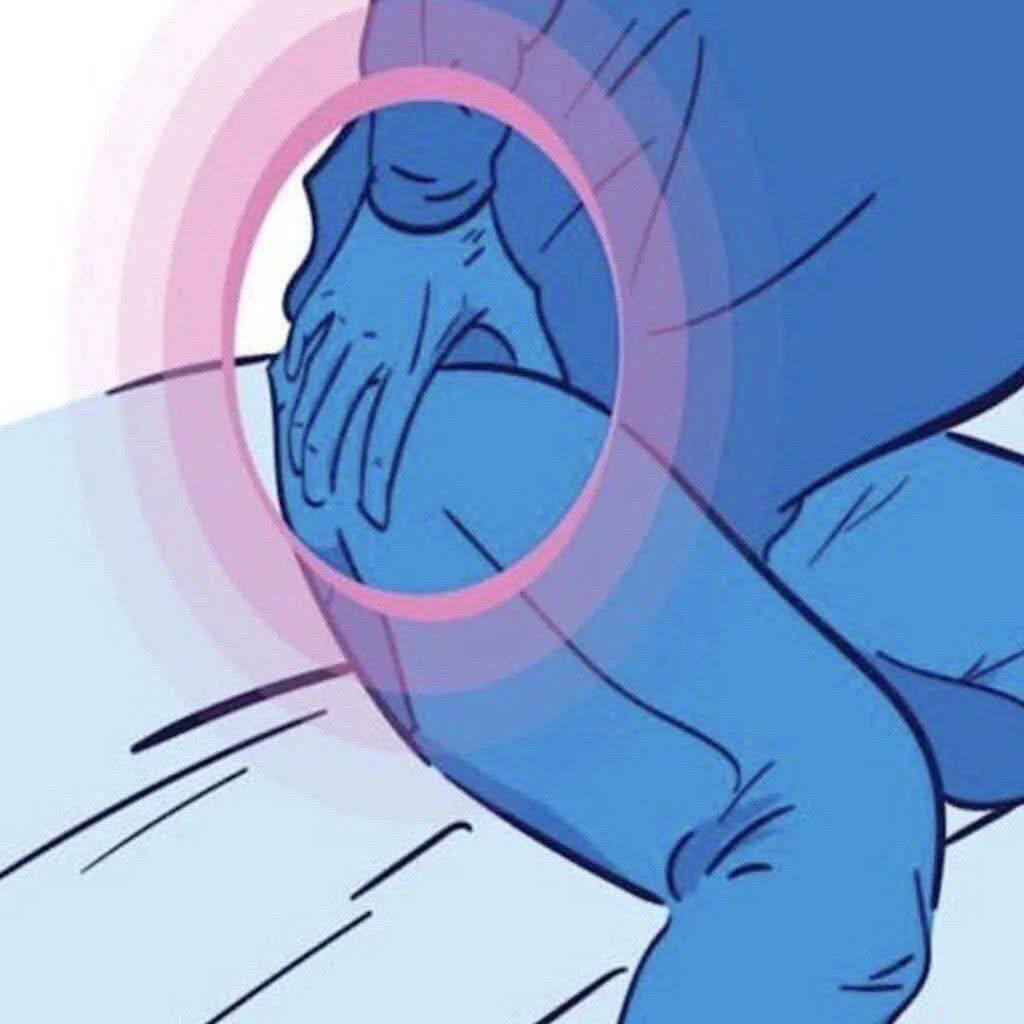
  • If your hip hurts, it’s a clear sign that your body may be warning you about posture problems, muscle imbalances, overuse, inflammation, joint stress, nerve irritation, or early mobility issues that should not be ignored, especially when pain interferes with walking, sleeping, exercise, daily comfort, balance, or movement health stability.

    If your hip hurts, it’s a clear sign that your body may be warning you about posture problems, muscle imbalances, overuse, inflammation, joint stress, nerve irritation, or early mobility issues that should not be ignored, especially when pain interferes with walking, sleeping, exercise, daily comfort, balance, or movement health stability.

    When a person begins to notice a squeaking, grinding, clicking, or popping sensation in the hip, it often feels strange, alarming, or easy to dismiss as “just a noise.” However, the hip is one of the body’s most important weight-bearing joints, and unusual sensations are rarely random. A squeaking hip can be a signal that the smooth cartilage lining the joint is no longer functioning as it should, allowing friction to develop between surfaces that are meant to glide effortlessly. Over time, this friction can irritate surrounding tissues, alter movement patterns, and contribute to pain or stiffness. While not every sound or sensation means something serious, recurring noises paired with discomfort, reduced mobility, or stiffness should be taken seriously. These early signs can appear long before severe pain sets in, making them valuable warning signals. Conditions such as early-stage hip osteoarthritis, labral tears, or inflammation within the joint can all create audible or felt sensations during movement. Recognizing these signals early allows people to take steps that may protect long-term joint health, preserve mobility, and reduce the risk of future limitations. Rather than ignoring the problem, understanding what the body may be communicating is the first step toward maintaining strength, comfort, and confidence in daily movement.

    Seeking medical evaluation sooner rather than later is one of the most important responses to a squeaking or painful hip. Many people delay seeing a healthcare professional because the discomfort comes and goes, or because they believe joint problems only happen later in life. In reality, joint issues can affect people at many ages, especially those who are physically active, have a history of injury, or spend long hours sitting or performing repetitive movements.

    A medical professional, such as an orthopedic doctor or sports medicine specialist, can assess hip function through a physical examination and, when appropriate, imaging tools like X-rays or MRI scans. These evaluations help identify whether cartilage thinning, joint inflammation, structural irregularities, or soft tissue injuries are contributing to the symptoms. Early identification matters because treatment options are often more effective when joint damage is minimal. Interventions such as guided physical therapy, activity modifications, or targeted exercises may help slow progression, reduce discomfort, and protect joint integrity. Waiting too long can allow minor issues to worsen, potentially leading to chronic pain or more invasive treatments later. Seeing a doctor is not a sign of weakness or overreaction; it is a proactive step toward understanding and caring for the body.

    Lifestyle choices play a significant role in how the hip joint ages and responds to stress. One of the most impactful factors is body weight, as the hip bears a large portion of the body’s load during standing, walking, and movement. Even small reductions in weight can noticeably decrease the mechanical stress placed on the joint. Research consistently shows that each unit of weight lost reduces joint pressure by several times that amount during everyday activities.

    This reduction can help ease discomfort and slow cartilage wear. Beyond weight, daily habits such as prolonged sitting, poor posture, or wearing unsupportive footwear can subtly alter how the hip functions. Making mindful adjustments, like standing up regularly, maintaining neutral posture, and choosing shoes that provide proper support, can help the joint move more naturally. Nutrition also matters, as a balanced diet supports overall tissue health, muscle strength, and inflammation control. While no single food can “fix” a joint problem, consistent healthy habits create an environment in which the body can better manage stress and repair itself. These choices may seem small, but over time they can make a meaningful difference in joint comfort and mobility.

    Movement itself is both a challenge and a solution when dealing with hip discomfort. High-impact activities that involve repetitive pounding, sudden direction changes, or deep joint compression can accelerate wear when the joint is already irritated. Activities such as running on hard surfaces, jumping exercises, or heavy squats may increase pain or worsen symptoms if performed without proper guidance. This does not mean movement should stop altogether.

    In fact, avoiding activity completely can weaken muscles and reduce joint lubrication, making symptoms worse. The key is choosing joint-friendly forms of exercise that promote mobility without excessive strain. Swimming and water-based exercises are especially beneficial because water supports body weight while allowing full-range movement. Cycling, whether stationary or outdoors, provides cardiovascular benefits while minimizing impact. Walking on flat, even surfaces at a comfortable pace can also help maintain function and circulation. These activities encourage healthy joint motion, improve endurance, and support mental well-being, all while reducing the risk of aggravating existing hip issues.

    Muscle strength and balance are critical to hip health, yet they are often overlooked until pain develops. The hip does not function in isolation; it relies on surrounding muscles, including the glutes, core, and thigh muscles, to stabilize and guide movement. When these muscles are weak or poorly coordinated, extra stress is placed directly on the joint structures. Over time, this imbalance can contribute to discomfort, reduced range of motion, and increased wear. Strengthening the muscles that support the hip helps distribute forces more evenly and improves alignment during daily activities. Exercises such as bridges, side leg raises, and controlled hip movements can activate key stabilizers when done correctly. A physical therapist can design an individualized program that addresses specific weaknesses, movement patterns, and flexibility needs. Proper guidance is important because incorrect technique can do more harm than good. Gradual, consistent strengthening not only reduces pain but also enhances confidence in movement, making it easier to stay active and engaged in daily life. Building strength is not about pushing through pain; it is about creating stability and resilience in a thoughtful, sustainable way.

    Long-term hip health is shaped by attention, patience, and informed decision-making. A squeaking or uncomfortable hip should not be ignored, but it also does not have to define a person’s future. Many people successfully manage early joint symptoms by combining medical guidance, lifestyle adjustments, appropriate exercise, and strength training. Listening to the body and responding early can preserve mobility and independence for years to come.

    It is important to remember that joint health is not solely about avoiding pain; it is about maintaining the ability to move freely, participate in activities you enjoy, and support overall well-being. Small, consistent efforts often matter more than dramatic changes. By taking symptoms seriously, seeking professional input, and making thoughtful choices, individuals can empower themselves to protect their hips and maintain an active, balanced life. The body has an incredible capacity to adapt when given th

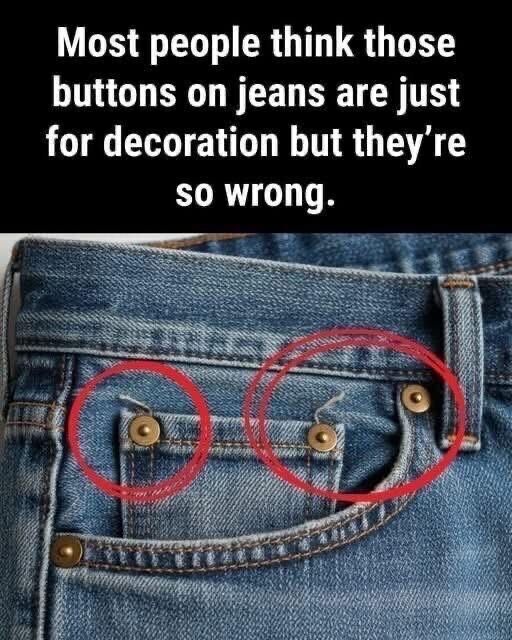
  • Most People Don’t Realize That the Small Metal Buttons on Their Jeans Serve a Practical Purpose Rooted in History, Durability, and Design, Originally Created to Reinforce Stress Points, Prevent Tearing, Extend the Life of Denim Workwear, and Quietly Shape One of the Most Iconic Fashion Items Worn Worldwide Today

    Most People Don’t Realize That the Small Metal Buttons on Their Jeans Serve a Practical Purpose Rooted in History, Durability, and Design, Originally Created to Reinforce Stress Points, Prevent Tearing, Extend the Life of Denim Workwear, and Quietly Shape One of the Most Iconic Fashion Items Worn Worldwide Today

    Most people glance at their jeans without giving much thought to the small metal buttons scattered across pockets, waistbands, and fly areas. These seemingly minor details, often overlooked, are actually known as rivets, and they serve a critical purpose in the design, functionality, and longevity of denim garments. Rivets, typically made of copper, brass, or other corrosion-resistant metals, are strategically placed at high-stress points of the jeans where fabric is most likely to tear or fray. Without these small reinforcements, the pockets, seams, and fly could quickly develop holes from repeated use or strain, rendering even the sturdiest pair of jeans far less durable. While many assume rivets are purely decorative, their original purpose was deeply practical: to strengthen jeans and make them robust enough for the demanding work environments of the late 19th century. This combination of function and subtle design has contributed to the enduring popularity of denim, allowing it to transition seamlessly from rugged workwear to a global fashion staple. Beyond their practical role, rivets have become a symbol of authenticity in denim, signaling a garment made with attention to detail, heritage, and resilience, aspects that continue to resonate with both designers and consumers alike.

    The history of rivets is inseparable from the broader history of denim and 19th-century workwear. During the 1870s, jeans were primarily worn by miners, railroad workers, farmers, and laborers who needed clothing capable of withstanding extreme physical demands. Jacob Davis, a tailor working in Reno, Nevada, frequently received complaints from customers whose trousers tore at seams or pockets within months of purchase. Traditional stitching alone was insufficient to withstand the rigors of manual labor. Davis realized that a small, reinforced point at high-stress areas could prevent fabric from ripping and dramatically extend the life of a garment. To achieve this, he began placing small metal rivets at pocket corners, the top of the fly, and other vulnerable points. This seemingly simple solution revolutionized the durability of jeans and quickly gained popularity among working-class Americans. Recognizing the potential for mass production, Davis partnered with Levi Strauss, a dry goods merchant supplying denim fabric, and together they patented the riveted jean in 1873. This patent did not merely represent a technical innovation; it marked a significant moment in industrial design and clothing history, establishing a precedent for garments that combine practical durability with innovative construction techniques. The rivet patent was foundational to the identity of denim as a workwear fabric and set the stage for what would become a century-spanning cultural phenomenon.

    The engineering behind rivets, while deceptively simple, is highly effective. Fabric under tension experiences stress concentration at certain points, such as the corners of pockets or where seams intersect. Without reinforcement, the repeated strain from everyday movements—sitting, bending, or carrying objects in pockets—can cause threads to break and fabric to tear. Rivets function by distributing these localized forces over a slightly wider area, relieving pressure on individual fibers. Metals like copper and brass are ideal for this purpose because they are not only strong enough to secure fabric but also resistant to corrosion, oxidation, and wear. The placement of rivets is equally important: those positioned at pocket corners, near the top of the fly, and along belt loops address the areas most prone to damage. Over decades, real-world testing and observation have confirmed that riveted jeans consistently outperform those without, demonstrating that these tiny metal reinforcements are far more than decorative elements. They are, in effect, miniature solutions to complex problems of material fatigue and stress distribution, embedded seamlessly within everyday garments. This functionality, combined with the subtle visual impact of the metal, reflects a thoughtful approach to design that merges engineering, practicality, and aesthetic sensibility.

    As denim evolved from a workwear necessity into a mainstream fashion item in the 20th century, rivets retained their functional importance but also acquired symbolic and aesthetic significance. Fashion brands began experimenting with rivets’ placement, size, finish, and decorative qualities, adding embossed logos, colored metals, or unique shapes to differentiate their products. In high-end and luxury denim, rivets are often highlighted as markers of authenticity, craftsmanship, and quality, signaling to consumers that a garment is thoughtfully constructed and built to last. Conversely, some budget or mass-market brands opted to substitute reinforced stitching for metal rivets, which can offer a comparable level of durability but lacks the historical and visual resonance that rivets convey. Rivets thus occupy a dual role: they provide essential reinforcement while simultaneously acting as a symbol of heritage and attention to detail. The aesthetic appeal of rivets is subtle yet influential; they communicate a narrative of hard work, durability, and meticulous construction that connects contemporary fashion to the labor-intensive origins of denim. Even as jeans became a global style statement, worn in offices, social settings, and on runways, rivets served as quiet reminders of the garment’s roots and its enduring association with ingenuity and practicality.

    Beyond function and aesthetics, rivets carry deep cultural significance. Each rivet serves as a tangible link to the generations of laborers, tailors, and craftsmen who shaped the early history of denim. They represent innovation born out of necessity, reflecting a time when clothing had to meet the rigorous demands of physically intense work while enduring years of repeated wear. Denim enthusiasts, collectors, and historians often prize original riveted designs or faithful reproductions for their authenticity, viewing rivets as more than mere metal fixtures but as storytelling elements embedded in fabric.

    Observing a rivet can deepen one’s appreciation for the garment, highlighting the craftsmanship and thought invested into even the smallest components. The glint of a copper rivet, its tactile solidity, and its subtle reinforcement are reminders of a philosophy in design that values longevity, utility, and attention to detail. Rivets serve as an educational tool as well, teaching modern consumers about the intersection of material science, practical problem-solving, and cultural heritage in apparel. They demonstrate that even the most unassuming details in clothing can hold historical, technical, and symbolic weight.

    Today, rivets remain a defining feature of jeans worldwide, bridging the gap between their rugged past and their present as fashion icons. Modern denim manufacturers balance tradition with innovation, combining rivets with advanced stitching techniques, ergonomic designs, and sustainable fabrics to produce jeans that are both stylish and long-lasting. While some contemporary jeans incorporate minimalist or decorative approaches to rivets, the principle of reinforcement persists, preserving the essence of Jacob Davis and Levi Strauss’ 19th-century invention.

    Riveted jeans are not only a practical choice; they are an acknowledgment of a long-standing design innovation that has endured for over 150 years. From miners and railroad workers to urban commuters, students, and fashion enthusiasts, rivets continue to perform their original role while symbolizing craftsmanship, resilience, and authenticity. Appreciating these tiny metal components allows one to see jeans not merely as clothing, but as artifacts of industrial ingenuity, cultural history, and thoughtful design, reminding us that even the smallest details can have an outsized impact on functionality, style, and heritage.

    Over more than a century, the rivet has transitioned from a utilitarian necessity to a multi-layered symbol of durability, fashion, and cultural identity. Its presence in denim represents the marriage of practical engineering with aesthetic consideration, reflecting how human ingenuity can transform a simple garment into an enduring cultural artifact. Rivets embody lessons in design thinking, material science, and storytelling, illustrating that even the smallest elements can carry historical significance, convey meaning, and enhance utility.

    By distributing tension, reinforcing vulnerable areas, and subtly signaling authenticity, rivets have contributed to the global appeal of denim while connecting wearers to a narrative that spans generations. Understanding the history, mechanics, and symbolism of rivets deepens appreciation not only for jeans themselves but for the thoughtful innovation embedded in everyday objects. In essence, these tiny metal reinforcements demonstrate how practical necessity can evolve into cultural iconography, cementing denim’s place in fashion, history, and design consciousness for centuries to come.

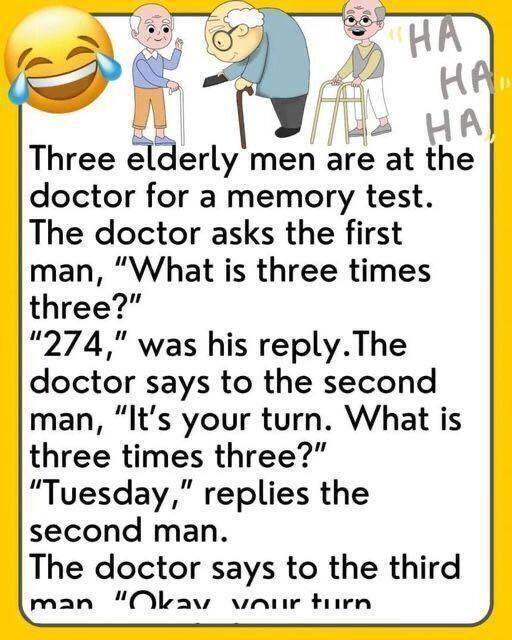
  • The Memory Test That Sparked Unexpected Laughter, Turning a Serious Moment Into Comedy, Surprising Everyone in the Room, Lightening the Mood Instantly, Creating Viral Reactions Online, and Proving That Even Formal Assessments Can Lead to Unplanned Humor and Shared Human Connection

    The Memory Test That Sparked Unexpected Laughter, Turning a Serious Moment Into Comedy, Surprising Everyone in the Room, Lightening the Mood Instantly, Creating Viral Reactions Online, and Proving That Even Formal Assessments Can Lead to Unplanned Humor and Shared Human Connection

    Three elderly men shuffled into the doctor’s office on a quiet Tuesday morning for what was supposed to be a simple memory test. Their movements were slow but steady, practiced by years of getting up, sitting down, and navigating the world at a gentler pace. Each carried the kind of cautious confidence that comes not from sharp recall, but from a lifetime of handling life’s surprises with humor. They exchanged knowing glances as they took their seats, as if silently agreeing that whatever happened next, they would face it together.

    The doctor entered with a clipboard tucked under his arm and a polite, professional smile on his face. He explained that the visit would begin with a few basic questions designed to assess memory and cognitive function. He emphasized the word “basic,” though the men immediately suspected that “basic” was a flexible term, especially when spoken by someone half their age.

    The nurse lingered nearby, pretending to organize files while clearly listening in. She had worked long enough to know that appointments like this often came with unexpected moments—sometimes tender, sometimes frustrating, and occasionally hilarious.

    The doctor turned to the first man, a thin fellow with thick glasses and a perpetually curious expression. “All right,” the doctor said gently. “Let’s start with something easy. What is three times three?”

    The man straightened in his chair, clearly eager to impress. He closed his eyes for a moment, lips moving as if consulting an invisible chalkboard. Then his face lit up with confidence. “Two hundred seventy-four,” he announced proudly, nodding as though he had just cracked a difficult code.

    The room fell quiet for a beat. The doctor blinked, raised one eyebrow, and calmly wrote something on his chart. He had learned long ago not to react too strongly to surprising answers. Inside, however, he found himself wondering how on earth the man’s mind had traveled from three times three to two hundred seventy-four.

    The nurse pressed her lips together, shoulders shaking slightly as she fought the urge to laugh.

    The doctor turned to the second man, who sat with his hands folded neatly in his lap. He had a warm smile and bright eyes that suggested mischief wasn’t far beneath the surface. “Same question,” the doctor said. “What is three times three?”

    Without hesitation, the second man replied, “Tuesday.”

    He said it with complete certainty, as if multiplication tables and days of the week were closely related subjects. The nurse let out a small snort before catching herself. The doctor paused, then nodded politely and made another note. If nothing else, the man’s confidence was admirable.

    Finally, the doctor faced the third man, who had been watching the exchange with clear amusement. He was slightly stockier than the others, with a twinkle in his eye and a grin that suggested he was enjoying this far more than he probably should have.

    “And what do you say?” the doctor asked. “What is three times three?”

    The man leaned back, stroked his chin, and took his time. The room waited. At last, he said calmly, “Nine.”

    The doctor felt a small wave of relief wash over him. Finally, a correct answer. He was just about to offer a word of encouragement when the man leaned forward conspiratorially and added, “Because I used your calculator when you weren’t looking.”

    For a split second, the room was silent. Then the nurse burst out laughing, unable to contain herself any longer. The first two men joined in, slapping their knees and chuckling like schoolboys. Even the doctor laughed, shaking his head as he realized that something far more important than test results was happening in front of him.

    In that moment, it became clear: these men weren’t failing. Their wit was sharp. Their personalities were vibrant. Their ability to turn potential embarrassment into shared humor was very much alive.

    The doctor set his clipboard aside and pulled up a chair. “You know,” he said, smiling, “let’s try something different. Tell me about your earlier years.”

    The mood in the room shifted instantly. The tension dissolved, replaced by warmth and curiosity.

    The first man began, his voice softening as memories surfaced. He talked about growing up fascinated by electronics, about building homemade radios from scraps he scavenged from junkyards. He described the thrill of turning a dial late at night and hearing distant voices crackle through the speakers, voices from places he’d never seen but dreamed of visiting.

    The second man followed, recalling summers spent hitchhiking through small towns with nothing but a backpack and a friendly smile. He spoke of strangers who became friends, of roadside diners and conversations that lasted only minutes but stayed with him for decades. Making people laugh, he said, had always been his way of finding his place in the world.

    The third man smiled as he shared stories from his years repairing clocks. He believed time itself had moods—some days it flowed smoothly, other days it resisted every attempt to fix it. He spoke with affection about old watches and grandfather clocks, convinced they carried the personalities of the people who owned them.

    As the doctor listened, he realized that no standardized test could measure the richness of what he was hearing. These men remembered what mattered: love and loss, triumphs and mistakes, joys and regrets. Their memories were not lists of facts, but tapestries of experience.

    Even the nurse drifted closer, drawn into the stories, forgetting entirely about her paperwork.

    By the end of the appointment, the doctor had no interest in scoring anything. What mattered was connection. Before they left, he scheduled another visit—not for another test, but for something new.

    A week later, he introduced a weekly gathering at the clinic called the Memory Circle. Seniors were invited not to be evaluated, but simply to talk, laugh, and share. At first, only a handful showed up. Then word spread. Soon, the room buzzed with conversation, jokes, and moments of quiet reflection.

    The three men returned every week. One entertained the group with radio mishaps, another became the unofficial storyteller, and the third brought along a pocket watch—his reminder that time keeps going, no matter what.

    Some days they forgot names. Some days they repeated the same stories. Nobody minded. The goal wasn’t perfection. It was presence.

    Over time, the doctor noticed something remarkable. The men laughed more. They seemed lighter, more engaged, more alive. He realized that memory didn’t live only in the mind—it lived in community, in shared moments, and in the simple feeling of being seen and valued.

    Months later, he often thought back to that first appointment—the wild math answers, the sneaky calculator confession, the laughter that broke the ice. What began as a routine test had transformed into something deeply meaningful.

    The men still attend the Memory Circle. Sometimes they deliver spectacularly wrong answers. Sometimes they get them right. But they always leave smiling.

    Their worth was never measured by test scores. It was measured by laughter echoing through the room, by stories passed among friends, and by the dignity of simply being known. Growing older, they discovered, wasn’t about clinging to the past—it was about embracing the present with warmth, humor, and companionship.

    And every so often, when the doctor passes them in the hallway, the third man taps the calculator in his pocket and offers a mischievous wink—just in case.

  • Former LA County Employee Arrested in Connection With Nancy Guthrie Investigation

    Former LA County Employee Arrested in Connection With Nancy Guthrie Investigation

    An arrest has been made in connection with the ongoing investigation into the disappearance of Nancy Guthrie, but officials stress that it does not mean her case has been solved. Federal authorities recently detained a Southern California man accused of sending deceptive messages to Guthrie’s family, falsely implying involvement in her disappearance. Investigators say the individual is not believed to have any connection to Nancy’s whereabouts. Instead, the arrest focuses on alleged attempts to exploit the family’s distress by sending messages referencing cryptocurrency payments, creating confusion during an already sensitive search effort.

    According to federal prosecutors, the suspect was taken into custody in Hawthorne, California, on February 5. Authorities allege he sent messages suggesting ransom payments were expected and later placed a phone call to a family member without identifying himself. Investigators claim these actions were intended to provoke fear or pressure the family while the search was ongoing. Officials also note that the messages reportedly arrived shortly after Nancy’s relatives publicly appealed for her safe return, a time when the family was especially vulnerable and seeking credible information.

    Law enforcement officials emphasized that these communications appear to be unrelated to earlier ransom notes sent to media outlets, which remain part of the broader investigation. While authorities have not confirmed whether those earlier messages are genuine, they say every lead is being carefully examined. Federal investigators continue to treat the situation with urgency, maintaining that no arrests have yet been made in connection with Nancy’s actual disappearance. Officials also confirmed that the investigation spans multiple states and agencies as they work to separate credible information from misleading tips and hoaxes.

    Meanwhile, Nancy Guthrie’s family continues to publicly ask for help and for direct communication from anyone with reliable information. In recent messages, family members expressed concern about misinformation and the growing risk of false claims spreading online. Federal authorities have issued a warning that anyone attempting to take advantage of the situation for personal gain could face serious consequences. The FBI has also announced a reward of up to $50,000 for information leading to Nancy’s safe recovery or the identification of anyone directly responsible for her disappearance. As the search continues, officials urge the public to share only verified information and allow investigators to focus on bringing clarity and resolution to the case.