Category: Uncategorized

  • What the Viral Shorts Trend on Social Media Is Truly Showing Us

    What the Viral Shorts Trend on Social Media Is Truly Showing Us

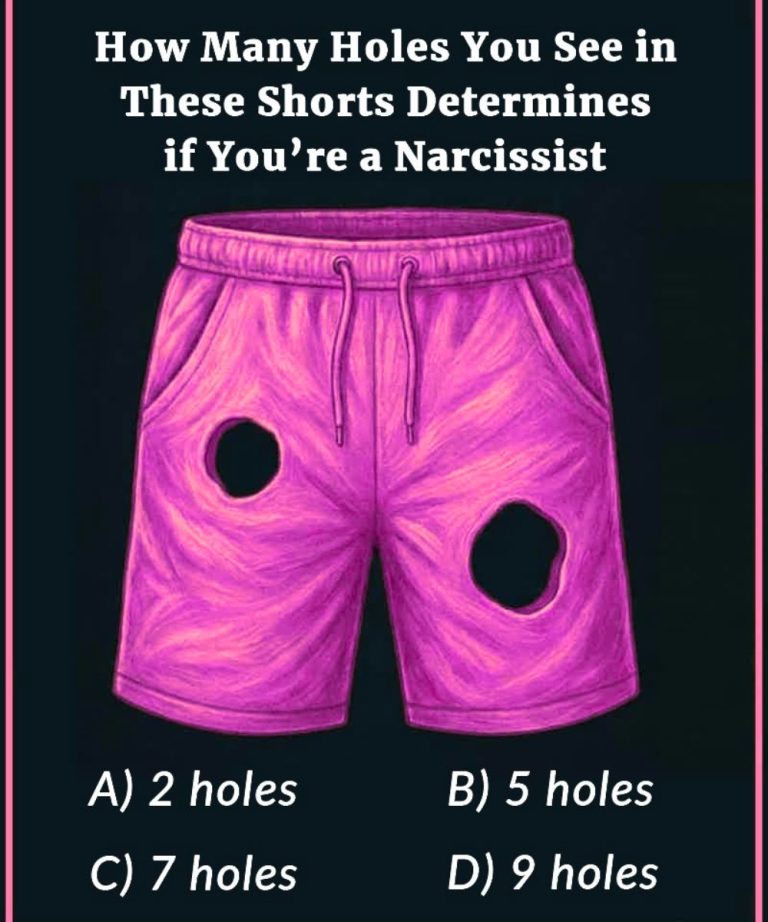
    At first glance, the viral image appears completely ordinary: a worn, slightly damaged pair of shorts laid out flat. The fabric looks aged, and there are visible tears near the legs.

    Nothing unusual enough to immediately raise suspicion. Yet once paired with the provocative caption, “How many holes you see determines if you’re a narcissist,” the image instantly transforms from a mundane photo into a psychological challenge that demands attention.

    This combination of visual simplicity and emotionally charged wording is precisely why the image spread so rapidly across social media platforms.

    It invites viewers to make a quick judgment, tests their confidence in what they see, and subtly pressures them to defend their answer. In a digital environment where people scroll quickly and react instinctively, this kind of puzzle is perfectly designed to stop thumbs mid-scroll and spark debate.

    Despite the dramatic framing, the image does not diagnose narcissism, nor does it reveal personality traits. Instead, its popularity highlights something far more universal:

    how differently people perceive the same visual information, how quickly the human brain reaches conclusions, and how strongly people defend their interpretations once they commit to an answer.
    Why the Image Feels Like a Psychological Test

    The caption plays a crucial role in shaping how people respond. By suggesting that the number of holes someone sees reflects narcissism—a term loaded with emotional and social weight—it introduces an element of judgment.

    Viewers are no longer simply counting holes; they are subconsciously assessing what their answer might say about them.

    Psychologically, this taps into several well-known cognitive tendencies:

    Ego involvement: People want to believe their answer reflects intelligence or insight.

    Social comparison: Viewers compare their response with others in the comments.

    Fear of misjudgment: No one wants to be labeled narcissistic or unaware.

    Confirmation bias: Once someone chooses an answer, they defend it vigorously.

    This framing turns a harmless visual puzzle into a miniature social experiment, even though it has no scientific diagnostic value.

    The Immediate Answer: Seeing Two Holes

    Most people respond almost instantly, answering “two.” They focus on the two visibly torn areas on the legs of the shorts. This reaction is not careless or wrong—it reflects how the human brain is designed to function.

    The brain prioritizes salient features: shapes or disruptions that stand out visually. The tears are irregular, jagged, and clearly damaged, making them the most noticeable elements in the image.

    From an evolutionary perspective, humans are wired to detect anomalies quickly, which helps explain why these holes dominate initial perception.

    This type of response is often described as intuitive or instinctive thinking. It is fast, efficient, and usually reliable in everyday situations. Seeing two holes does not indicate limited intelligence or shallow thinking—it simply reflects how perception works when information is processed rapidly.
    The Structural Interpretation: Counting Five Holes

    As discussion grows, others begin pointing out a key detail: the shorts were designed with holes from the beginning. Specifically:

    One hole for the waist

    Two holes for the legs

    Two additional holes caused by tearing

    This brings the total to five holes, which many consider the most complete and reasonable answer.

    This interpretation requires stepping back from instinctive perception and considering function and structure. It reflects a slightly more analytical mode of thinking, where the viewer redefines what qualifies as a “hole” rather than focusing only on visible damage.

    Importantly, this doesn’t make the answer more intelligent or superior—it simply reflects a different cognitive approach. Both interpretations are valid within their own logical frameworks.
    Going Deeper: Layered and Multi-Dimensional Counting

    Some viewers take the analysis further, arguing that holes should be counted based on fabric layers and depth. Since shorts consist of front and back panels, certain holes may pass through multiple layers of material.

    Depending on interpretation, this reasoning can produce answers such as seven, eight, or even nine holes. While these answers are less common, they demonstrate how flexible human reasoning can be when definitions are expanded.

    At this stage, the puzzle becomes less about the image itself and more about how people define terms, apply rules, and justify their logic. There is no universally correct answer because the puzzle lacks a clear definition of what constitutes a hole.
    Why the Narcissism Claim Is Misleading

    The idea that seeing a certain number of holes indicates narcissism is not supported by psychology or neuroscience. Narcissistic Personality Disorder is a complex mental health condition diagnosed through clinical evaluation, not visual puzzles or internet challenges.

    Labeling perception differences as narcissism is a rhetorical device—not a scientific claim. Its purpose is to provoke emotional engagement, spark controversy, and encourage sharing.

    In reality:

    Seeing two holes reflects instinctive visual processing.

    Seeing five holes reflects structural awareness.

    Seeing seven or more holes reflects layered or abstract reasoning.

    None of these responses reveal personality traits, intelligence levels, or emotional characteristics. They simply reflect different cognitive pathways activated by the same stimulus.
    Why People Argue So Passionately About It

    What truly fuels the viral spread is not the image—it’s the comment section. Once people commit to an answer, they feel compelled to defend it. This phenomenon is well documented in cognitive psychology and is known as commitment bias.

    Social media amplifies this effect by:

    Displaying public replies

    Encouraging likes and reactions

    Rewarding strong opinions with visibility

    Framing disagreement as personal challenge

    As a result, a simple visual puzzle evolves into a debate about intelligence, logic, and self-awareness—even though none of those traits are actually being measured.
    The Real Lesson Behind the Image

    The viral shorts image succeeds because it reveals something fundamental about human cognition: we don’t all see the same thing, even when looking at the same image.

    Perception is shaped by:

    Attention

    Context

    Prior experience

    Assumptions

    Definitions

    The puzzle works because it exposes these differences instantly and invites people to explore them—sometimes defensively, sometimes playfully.

    Rather than diagnosing personality traits, the image demonstrates how easily people:

    Jump to conclusions

    Trust first impressions

    Attach meaning to arbitrary labels

    Defend personal interpretations
    Why This Type of Content Thrives Online

    This puzzle belongs to a broader category of viral content designed to:

    Be instantly understandable

    Trigger emotional reaction

    Encourage debate

    Require no specialized knowledge

    Because it avoids political, medical, or explicit themes, it is also safe for advertising platforms, making it especially attractive for pages seeking wide distribution and monetization.

    Its simplicity is its strength. Anyone can participate, everyone can argue, and no definitive answer ends the discussion.
    Final Thoughts

    The viral “holes in the shorts” image is not a test of narcissism, intelligence, or awareness. It is a clever example of how perception, language, and social framing interact in the digital age.

    What makes it compelling is not the shorts themselves, but the way people respond to them—how quickly they decide, how strongly they defend their view, and how readily they assign meaning to a simple visual challenge.

    In the end, the image doesn’t reveal who people are. It reveals how they think, how they reason, and how discussion itself becomes the real source of engagement. And that—not the number of holes—is why it continues to circulate so widely across the internet.


  • The Oddest Closet Discovery — Uncovering the Classic “Rattlesnake” Envelope Prank

    The Oddest Closet Discovery — Uncovering the Classic “Rattlesnake” Envelope Prank

    Tucked away in the back of a drawer or buried under old scarves, you find it: a strange little contraption made of bent wire, a rubber band, and a metal washer. At first glance, it looks like junk—maybe a broken clip or a forgotten craft project.
    But then it clicks: It’s a rattlesnake envelope prank—a vintage gag that’s been startling unsuspecting mail recipients for over a century.
    🐍 What Is the Rattlesnake Envelope Prank?
    Despite the name, it has nothing to do with actual snakes. The “rattlesnake” is a simple spring-loaded device designed to mimic the sudden strike of a snake when an envelope is opened.
    How It Works:
    The gadget is folded flat and tucked inside a standard business-size envelope.
    The envelope is sealed normally—often with a note like “Open carefully!” or “Important document inside.”
    When the recipient lifts the flap, the tension releases—and the coiled wire springs out with a snap, startling them (and usually making them jump!).
    It’s all about timing, surprise, and harmless mischief—a classic practical joke from the pre-internet era.

    First patented in the early 1900s, the rattlesnake prank became wildly popular in the 1930s–1950s.

    Sold in joke shops, magic stores, and even by mail-order catalogs, it was the original “jump scare.”

    Often used by kids on siblings, coworkers on April Fools’ Day, or pranksters sending “mysterious” mail.

    Fun fact: Vintage versions were sometimes called “snake-in-the-box” or “envelope jacks.”

    ⚠️ Is It Safe?

    Yes—when used responsibly. The device is made of light-gauge wire and rubber, so it startles but doesn’t injure. However:

    Avoid using it on people with heart conditions, anxiety disorders, or young children—the shock can be more than just a laugh.

    Never use it in official-looking envelopes (e.g., mimicking bills or legal mail)—it could cause real distress.

    🧩 How to Make Your Own (Simple DIY)

    You only need three items:

    A metal coat hanger wire (cut and shaped into a coil)

    A rubber band (for tension)

    A small washer or bead (to add weight and “rattle”)

    Steps:

    Bend the wire into a tight spiral with a straight tail.

    Loop the rubber band around the coil and anchor it to the tail.

    Place the washer at the tip for extra momentum.

    Fold flat and insert into an envelope, securing the tail under the flap.

    📌 Pro tip: Test it on yourself first!

    💭 Why It Still Matters

    In a digital age of memes and TikTok pranks, the rattlesnake envelope feels almost charmingly analog—a reminder that surprise and laughter don’t require Wi-Fi.

    Finding one in your closet isn’t just nostalgia—it’s a tiny time capsule of playful human creativity.

    Final Thought

    So next time you’re cleaning out old drawers and spot that odd little coil, don’t toss it. Smile. Maybe even send it to a friend who could use a good (harmless) scare.

    After all, as long as there are envelopes… there will be rattlesnakes waiting inside.

    “The best pranks aren’t mean—they’re mischievous, momentary, and met with laughter.”

    Have you ever fallen for (or pulled off) this prank? Share your story below—we’re all about lighthearted fun! 🐍✉️✨

  • Breaking news confirms a tragic incident that has left many shocked and grieving, with details still emerging and communities reacting to an unexpected loss that serves as a sobering reminder of how quickly life can change without warning.

    Breaking news confirms a tragic incident that has left many shocked and grieving, with details still emerging and communities reacting to an unexpected loss that serves as a sobering reminder of how quickly life can change without warning.

    The silence following a natural disaster often lingers longer than the chaos itself. Near Lillooet, British Columbia, that silence has settled heavily after a deadly mudslide triggered by days of intense rainfall. What began with fragile hope has now turned to mourning, as authorities confirm multiple lives have been lost.

    The RCMP announced that the bodies of three men have been recovered from the debris, while a fourth man remains missing. The slide tore through steep, unstable terrain, leaving behind thick mud, loose rock, and a constantly shifting landscape that has complicated rescue efforts.

    Search crews first recovered one body on Wednesday, followed by two more on Thursday. B.C. Chief Coroner Lisa Lapointe acknowledged the findings in a statement, emphasizing the extreme danger faced by responders. Recovery teams were forced to work slowly and carefully, often without heavy equipment, due to the risk of further slope failures.

    Efforts to locate the fourth missing man were suspended Friday as conditions worsened. Officials cited rain-soaked soil, unstable hillsides, and the threat of additional slides as reasons for halting the search. Authorities will reassess the site when it becomes safe to do so.

    Earlier in the week, the body of a woman was recovered from the same area, marking the first confirmed fatality tied to the storm system. Her death underscored the deadly consequences of the severe weather that has battered southern British Columbia.

    As communities grieve, the disaster has reignited concerns about extreme weather and land instability. For residents near Lillooet, the losses are deeply personal, serving as a sobering reminder of nature’s power and the growing risks faced by vulnerable regions across the province.

  • 9 Scientific Reasons Why It’s Healthier To Sleep N3ked

    9 Scientific Reasons Why It’s Healthier To Sleep N3ked

    Many people feel awkward or hesitant about the idea of sleeping without clothes. It can seem unfamiliar, vulnerable, or simply outside what feels normal. Yet sleeping naked is far more than a novelty or comfort choice—it carries a wide range of physical and psychological benefits supported by scientific research. From improved sleep quality to better hormone regulation, the advantages reach well beyond personal preference and can have a meaningful impact on overall well-being.

    One of the most noticeable benefits is deeper, more restorative sleep. Without clothing interfering, the body can regulate its temperature more efficiently. A slightly cooler core temperature sends a powerful signal to the brain that it is time to rest, making it easier to fall asleep and stay asleep. This improved thermal regulation supports longer periods of deep sleep, which are essential for recovery and daily functioning.

    Sleeping naked can also support reproductive health, particularly for men. The body naturally needs cooler conditions to maintain optimal sperm production. Tight or insulating sleepwear can raise temperature in sensitive areas, potentially affecting fertility over time. Better airflow during sleep helps maintain the ideal environment for reproductive health without requiring any additional effort.

    Nighttime cooling may also subtly support metabolism. As the body works to maintain its internal temperature, it expends more energy, which can slightly increase calorie burning. While not a substitute for healthy habits, this process contributes to better energy balance and metabolic regulation. Cooler sleep conditions also encourage the release of growth hormones that aid cellular repair.

    Hormonal balance extends into emotional health as well. Sleeping naked has been linked to increased oxytocin levels, promoting relaxation, emotional comfort, and reduced anxiety. At the same time, lower nighttime temperatures help suppress cortisol, the stress hormone associated with weight gain and poor sleep. Together, these hormonal shifts promote calmness and emotional resilience.

    Clearer skin, improved circulation, and sharper mental function further reinforce the benefits. Reduced heat and moisture limit bacterial growth, supporting healthier skin, while unrestricted blood flow improves oxygen delivery throughout the body. Better sleep quality enhances memory, focus, and alertness, helping many people wake feeling refreshed and mentally clear.

  • In a significant breakthrough, Arizona law enforcement offic

    In a significant breakthrough, Arizona law enforcement offic

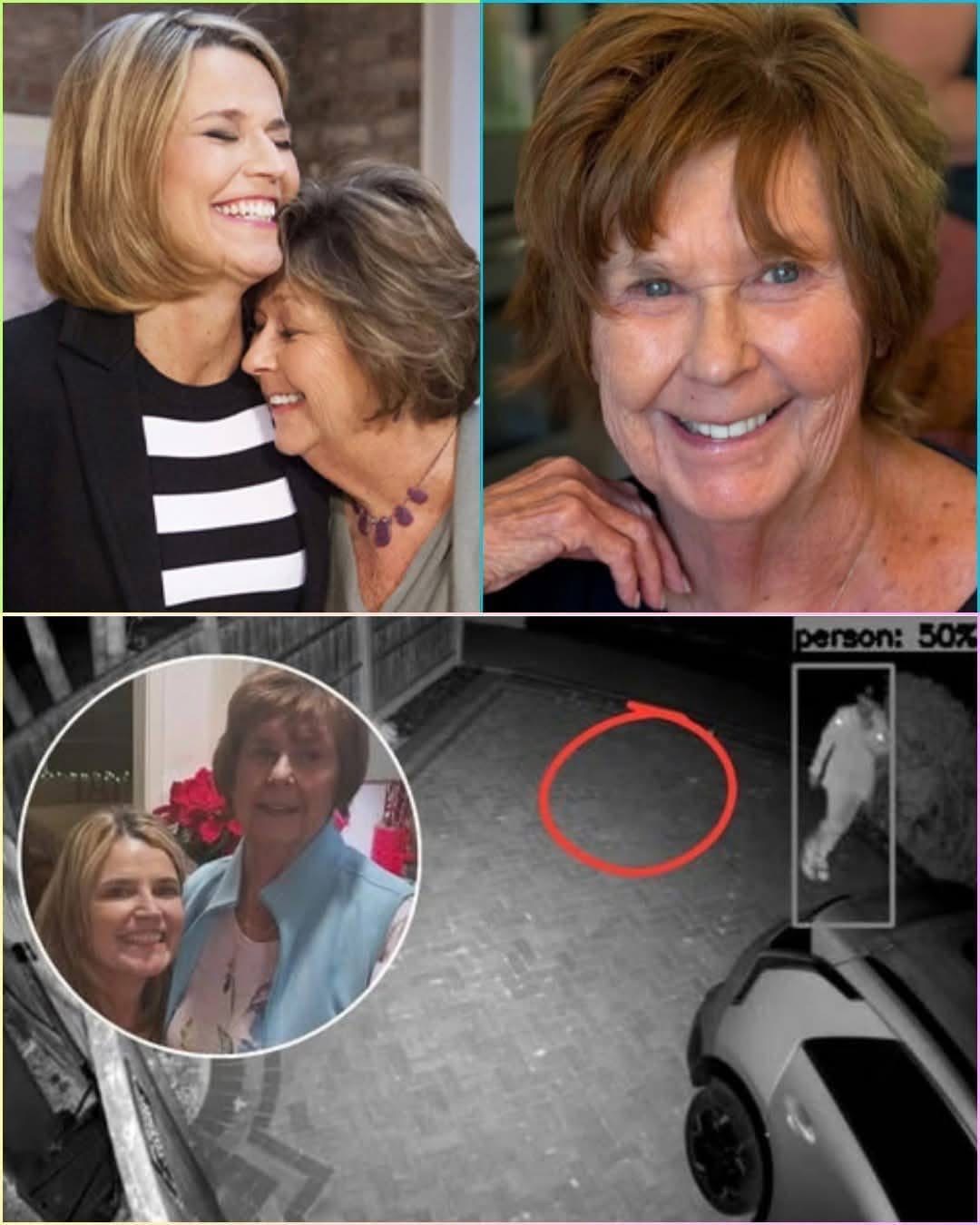
    The revelation stunned the nation. Arizona police have named the suspect accused of kidnapping TODAY host Savannah Guthrie’s mother, and the details are as chilling as they are heartbreaking. A quiet residential neighborhood became the scene of a sudden disappearance, turning an ordinary evening into a family nightmare.

    Investigators say the suspect is under intense scrutiny as authorities reconstruct the hours and days surrounding the abduction. Every detail, from digital traces to surveillance footage, is being carefully examined to understand exactly what happened.

    Savannah Guthrie’s mother, taken from the safety of her home, sparked a massive, multi-agency search. Local officers, federal partners, forensic teams, and tech specialists have all been involved, leaving no stone unturned.

    Each lead is treated as urgent. Every witness statement is considered potentially decisive. Law enforcement is focused on piecing together a timeline to locate Guthrie’s mother and hold the suspect accountable.

    Behind the headlines, the family waits anxiously. Guthrie, usually a calm voice reporting other people’s tragedies, now faces her own unimaginable ordeal under public scrutiny.

    Community members have rallied around the family, offering prayers, tips, and quiet acts of support. Their efforts are helping investigators track leads and maintain public awareness of the ongoing search.

    Police emphasize that vigilance and cooperation from the public may be critical to bringing Guthrie’s mother home safely. Anyone with information is urged to come forward to assist the investigation.

    As the case develops, the nation watches closely. The combination of careful investigative work and community involvement reflects the urgency and seriousness of the situation, while the family clings to hope that their loved one will soon be returned safely.

  • WOMAN WITH TWO STOMACHS? PEOPLE CAN’T AGREE ON WHAT THEY’RE SEEING

    WOMAN WITH TWO STOMACHS? PEOPLE CAN’T AGREE ON WHAT THEY’RE SEEING

    At first glance, it hits you instantly — two stomachs. That’s what most people say without hesitation. Your eyes catch the shape, the symmetry, the impossible anatomy, and your brain jumps to one shocking conclusion before you even have time to question it.

    But then the doubt creeps in. You look again. Something feels off. Is it really a woman with two stomachs, or is your mind playing one of its favorite tricks? The longer you stare, the harder it becomes to trust what you thought you saw first.

    This image spreads fast for a reason. It attacks the brain’s need for order. When shapes overlap in just the right way, the mind fills in gaps automatically, creating a body that doesn’t actually exist. You’re not seeing reality — you’re seeing a shortcut your brain takes to make sense of chaos.

    Some viewers swear they can clearly see two separate stomachs. Others argue it’s just an angle, a reflection, or a clever overlap of bodies. Both sides are convinced they’re right, and that’s what makes this illusion so powerful.

    What makes it worse is how natural everything looks. No obvious edits. No dramatic effects. Just a moment captured at exactly the wrong — or right — time. That realism locks your first impression in place.

    Psychologists say once the brain commits to an interpretation, it fights to protect it. Even when evidence appears, the original image lingers, stubborn and convincing.

    Scroll slowly. Tilt your head. Try to separate what you think you see from what’s actually there. Most people don’t notice the key detail until much later.

    And once you do, the image doesn’t disappear — it rearranges itself in your mind, forcing you to question how easily your brain decided something impossible was real, right up until the moment you start to realize that what looked like two stomachs might actually be…

  • Discover the power of this miracle fruit to lower blood sugar…

    Discover the power of this miracle fruit to lower blood sugar…

    Guava is a sweet tropical fruit that offers surprising benefits for people who want to support healthy blood sugar levels. While it’s delicious and refreshing, it also contains nutrients that may help with glucose control when eaten in moderation.

    One major advantage of guava is its low glycemic index. Foods with a low GI are digested more slowly, causing a gradual rise in blood sugar rather than a rapid spike. This makes guava a more stable fruit option for people watching their glucose levels.

    Guava is also rich in soluble fiber, which helps slow the absorption of sugar into the bloodstream. This can improve digestion and reduce post-meal blood sugar spikes. Fiber also helps you feel full longer, supporting healthy weight management — an important part of overall blood sugar control.

    In addition to fiber, guava provides antioxidants and vital nutrients. It contains vitamin C to support immunity, potassium for heart health, and flavonoids like quercetin, which may help the body use insulin more effectively while reducing inflammation.

    Guava leaves have been used in traditional herbal practices for many years. Some early research suggests that guava leaf tea may help lower post-meal blood glucose by influencing how the body breaks down carbohydrates. It may also support better insulin function.

    There are several simple ways to include guava in your routine. Eating the fresh fruit is the easiest option, and the skin can be eaten if it’s clean and pesticide-free. You can also brew tea using dried guava leaves by boiling them in water for several minutes. It’s best to avoid canned or sugary guava drinks, which often contain added sugars.

    Portion control still matters, since guava contains natural sugars. It should complement — not replace — medical treatment or advice from a healthcare professional.

    Overall, guava offers a flavorful and nutritious way to support healthy blood sugar levels. With mindful portions and a balanced diet, it can be a helpful addition to your daily routine.

  • Never Do This With a Photo of a Deceased Person

    Never Do This With a Photo of a Deceased Person

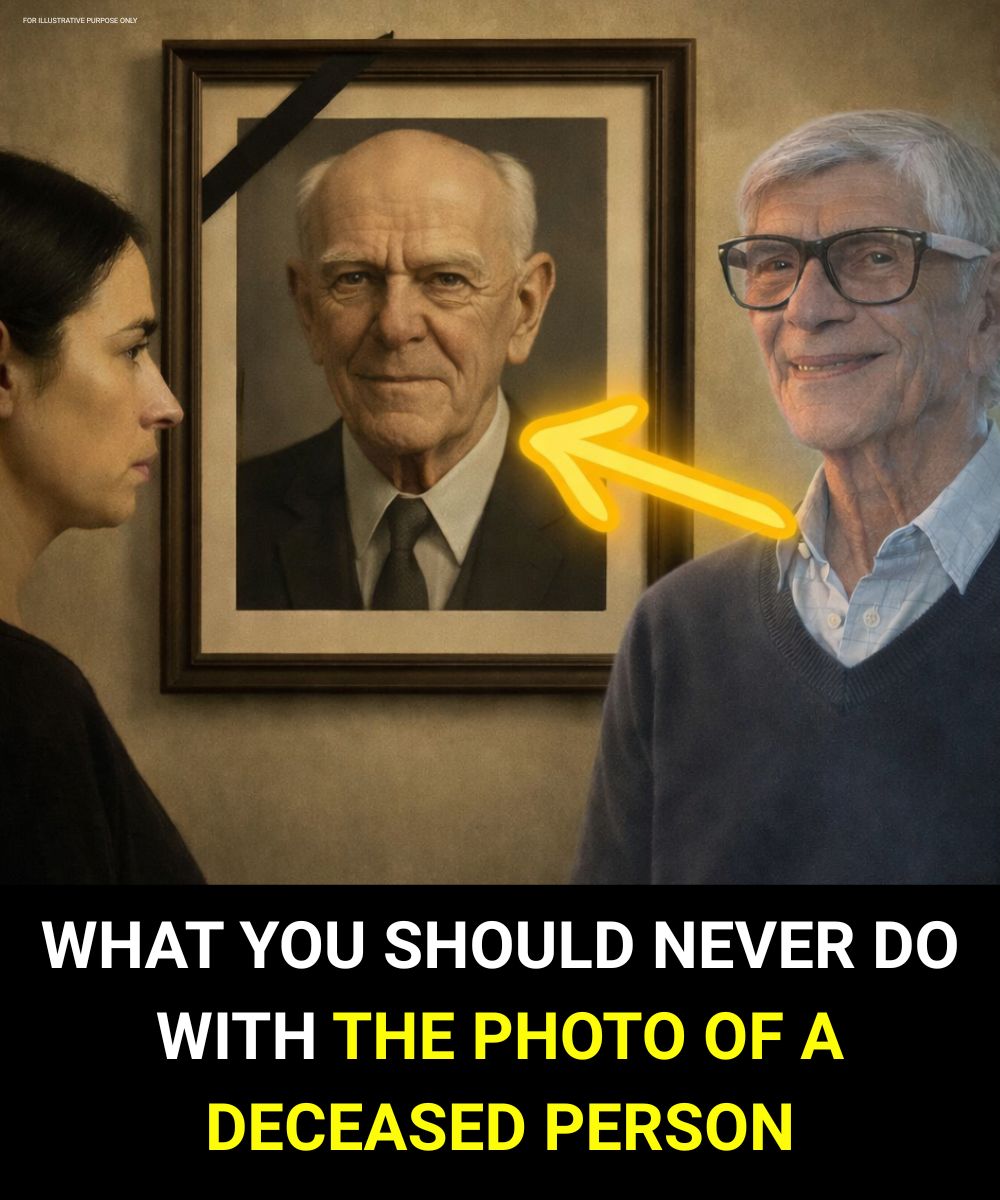
    There is something deeply enigmatic about a photograph. It is far more than ink on paper or a moment captured and frozen. When the image belongs to someone who has passed on, it becomes a bridge—an emotional link between this world and another.

    Many people believe that holding onto a photo is simply a way to remember. Yet from a spiritual viewpoint, a photograph carries much greater significance. It becomes a point where memories, emotions, thoughts, and invisible bonds continue to exist and interact long after physical life has ended.

    ecause of this, the way we relate to a photograph—the feelings we attach to it and the energy we project—can influence both our own healing and the spiritual journey of the one who has departed.
    The quiet mistake most people don’t notice

    When someone dies, their physical form is left behind, but their essence—their consciousness—does not disappear. It continues on another plane, adjusting to a new state of being. During this transition, they are especially attuned to the emotional states of those they love.

    The issue arises when a photograph becomes an outlet for unresolved pain.

    Many sit before an image and cry deeply, speaking words filled with loneliness, grief, and despair. Though this feels like love, it releases intense emotional suffering into the bond that still exists.

    That energy does not vanish. Through emotional connection, it reaches the spirit of the loved one, who senses it as a call. Out of love, they may attempt to draw near, comfort, or remain present—when instead, they need space to continue their own spiritual progression.

    Without realizing it, the living may unintentionally prevent the departed from moving forward.
    When love turns into attachment

    Real love does not wound—but attachment can.

    Loving means wishing peace, freedom, and growth for the other soul.
    Clinging means refusing to release, demanding presence, and resisting reality.

    When a photograph becomes a symbol of constant sorrow, love quietly transforms into an unseen chain—binding both the living and the departed.

    And that is never what our loved ones desire for us.

    There is no need to hide or destroy photographs. Images themselves carry no harm. What matters is the emotional energy you connect to them.
    Using photographs in a healthy, spiritual way

    1. Shift your inner narrative

    Instead of thinking, “I lost them,” remind yourself, “They continue to exist in another realm.”
    This is not permanent absence—it is a pause in physical closeness.
    2. Pray with gratitude, not pain

    When you look at the photo, offer thoughts like:
    “Thank you for what we shared.
    May you be at peace.
    May your path be filled with light.
    I will honor you by growing and living well.”

    Gratitude uplifts rather than holds back.
    3. Speak from progress, not sorrow

    If you speak to the photo, share how you’re healing, learning, and moving forward.
    This creates a vibration of peace and quiet pride.
    4. Place the photo where life exists

    Avoid surrounding it with symbols of grief.
    Choose a bright space filled with light, plants, or warmth.
    Your environment shapes emotional energy.
    5. Transform longing into kindness

    When sadness arises, convert it into action—help someone, listen, give, or support another.
    Do it in their name.
    This is one of the most powerful ways to honor a life.
    Gentle reminders

    Don’t turn photographs into daily refuges for pain.
    Allow grief, but don’t live inside it.
    Balance remembrance with personal growth.
    Honor the past while choosing to live fully in the present.
    The deepest expression of love is learning to live well.

    If the pain feels overwhelming

    If looking at the photo brings constant distress, step back from it temporarily and focus on healing first.

    Practice calm breathing or prayer before returning to it.
    Avoid creating permanent spaces of mourning in your home.
    Seek support if grief prevents you from moving forward.
    Photographs are not meant to bind souls.
    They exist to remind us of love.

    When viewed with gratitude instead of sorrow, they become peaceful bridges between worlds. Honoring those who have passed is not about endless grief. It is about living better because of what they gave us.

  • More Than Preference: How Colors Reflect Your Mood and Mind

    More Than Preference: How Colors Reflect Your Mood and Mind

    The Hidden Language of Colors
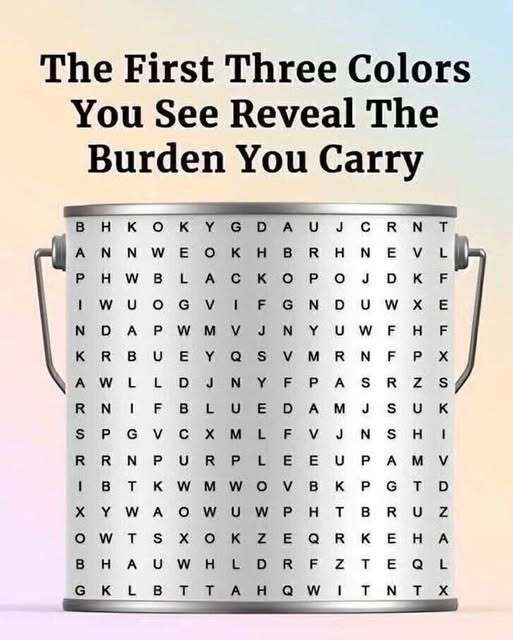
    Colors speak before we do. Without a single word, they stir emotions, memories, and moods. They act as a subtle language that communicates straight to the heart. While many of us treat color as a simple preference—“I like blue” or “I avoid yellow”—our choices often mirror our inner world.

    Red is bold and passionate, radiating energy and desire. It empowers but may also reveal restlessness or unspoken frustration. People often reach for red when they feel drained, craving intensity and stimulation.

    Blue, on the other hand, calms and soothes. It invites peace, clarity, and trust. Yet, an attraction to blue can also reflect distance, loneliness, or a quiet longing for serenity.

    Purple carries mystery and transformation. It often surfaces during life shifts, symbolizing introspection, renewal, and spiritual change. For many, purple feels like a bridge between endings and new beginnings.

    Our brains respond instantly to color. Light and shade can alter moods, while the hues we wear can make us feel powerful, secure, or invisible. Cultural meanings deepen this impact: white may represent purity in one society but mourning in another, while red can symbolize love, danger, or celebration depending on context.

    The colors we surround ourselves with—sage green walls, a black hoodie, or a burnt-orange sweater—often express subconscious needs. These choices reflect comfort, healing, or protection, and they shift with life’s transitions such as breakups, moves, or new chapters.

    Even the colors we resist carry meaning. Avoiding red might signal discomfort with intensity, while rejecting white could reflect grief or vulnerability. Our refusals say as much as our preferences.

    Color speaks when words fail. Next time you’re drawn to a shade, pause and listen. It may reveal truths about your emotions long before you consciously recognize them.

  • A Look Inside Ellen DeGeneres’ Expansive Home in the English Countryside – Photo

    A Look Inside Ellen DeGeneres’ Expansive Home in the English Countryside – Photo

    Now living full-time in England’s idyllic Cotswolds region, Ellen DeGeneres and her wife, Portia de Rossi, have embraced a life far removed from Hollywood’s red carpets and the relentless glare of studio lights. After stepping away from American television, the couple decided to make a dramatic shift in lifestyle. Following the cancellation of DeGeneres’ long-running talk show in 2024, they left the United States entirely, seeking a quieter, more grounded existence in the scenic English countryside. Before settling permanently in the Cotswolds, the couple concluded a final nationwide stand-up tour, marking the end of one chapter of their professional lives.

    The Cotswolds, celebrated for its rolling hills, honey-colored stone villages, and timeless charm, provided the perfect setting for the couple’s next phase. DeGeneres and de Rossi, who have previously been involved in multimillion-dollar home-flipping ventures in California, quickly applied that same passion and expertise to their new life abroad. Within months of their relocation, they purchased two rural estates. The first, Kitesbridge Farm, spans 43 acres and was acquired in the spring of 2024 for approximately $20 million. They undertook an extensive renovation of the property before placing it back on the market.

    By 2025, Kitesbridge was listed for £22.5 million, roughly $30 million, through U.K. Sotheby’s International Realty. Although the home had been transformed under their careful direction, the couple realized they needed more space to accommodate their lifestyle, particularly for de Rossi’s horses. “When we decided to live here full-time, we knew that Portia couldn’t live without her horses,” DeGeneres explained in a statement shared via Sotheby’s. “We needed a home that had a horse facility and pastures for them.”

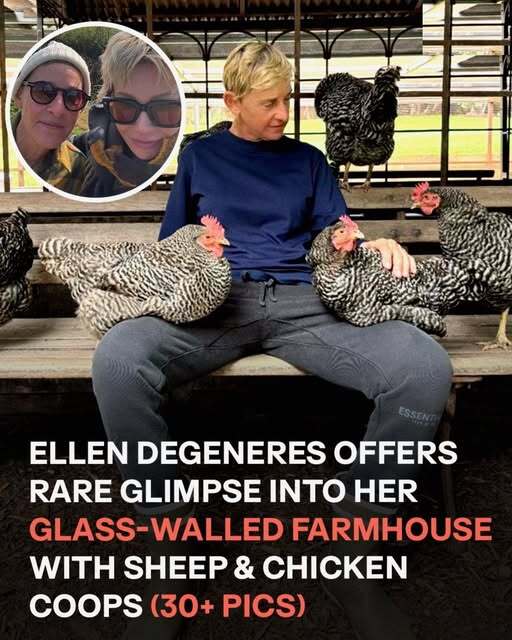
    This necessity led them to their second and permanent residence, a sleek, glass-walled contemporary farmhouse located nearby. The property provides ample room for de Rossi’s horses, who were transported from the United States to live on the sprawling estate. “It’s absolutely beautiful,” DeGeneres shared about their surroundings. “We’re just not used to seeing this kind of beauty. The villages and the towns and the architecture—everything you see is charming, and it’s just a simpler way of life.” Through photos and videos shared on social media, DeGeneres has offered glimpses into this quieter chapter of their lives.

    The posts often feature farm animals and snapshots of the couple’s rural routine, reflecting a slower, more grounded way of living. Their Cotswolds estate provides more than just a residence; it embodies a lifestyle rooted in nature, rhythm, and simplicity. The property itself is vast and characterized by wide-open pastures, rows of meticulously maintained trees, and expansive views of the surrounding countryside. Meadows blend seamlessly with quiet woodlands, while winding dirt paths connect the working areas of the farm to more serene corners of the land. The couple’s daily life revolves around the natural rhythms of the property—mowing grass, tending to animals, and taking long walks across the estate accompanied by their dogs.

    DeGeneres and de Rossi have welcomed a variety of animals into their daily routines. Chickens roam freely in a custom-built coop and are known to hop onto DeGeneres’ lap during her morning rounds, while sheep graze calmly across the pastures. Each animal seems to have found its place on the property, mirroring the couple’s own sense of belonging. These quiet, unscripted moments reflect the contentment they have found in this new life. One side of the estate features a barn designed to combine rustic charm with modern functionality. The structure houses the couple’s horses in spacious, well-ventilated stalls and also includes a warm, lived-in seating area. Leather armchairs, vintage trunks, and wool blankets create a cozy, lounge-like atmosphere that is both practical and inviting.

    Inside the farmhouse, the aesthetic shifts from pastoral to contemporary, yet remains grounded in comfort. The main living area features floor-to-ceiling glass walls that flood the space with natural light while offering panoramic views of the surrounding countryside. One side of the room overlooks a meticulously maintained backyard, while the other frames a smaller internal courtyard designed in a minimalist Japanese style.

    The home’s open-plan layout is expansive but carefully curated. At the center, a large glass table is adorned with neatly stacked books, sculptural objects, and clusters of candles, each piece thoughtfully placed. Nearby, a dining table seats up to eight guests and balances utility with elegant design, its neutral-toned chairs complementing the earthy palette of the home. In the lounge, a large beige couch anchors one of several seating areas, accompanied by plush armchairs and low-profile tables. Soft, patterned rugs stretch across polished concrete floors, adding warmth and defining separate spaces within the open interior.

    Despite its refined design, the home retains a sense of liveliness. Dog toys and cozy pet beds are scattered across the floors, and the couple’s dogs roam freely, moving between lounging spots and the floor-to-ceiling windows. Exposed wooden beams cross the ceiling, providing subtle architectural texture that harmonizes with the clean lines of the furniture. The result is a space that feels both elegant and alive, reflecting the couple’s instinct to blend style with practicality, and form with soul.

    Ellen DeGeneres and Portia de Rossi’s Cotswolds retreat represents more than just a beautiful property—it is a portrait of a new chapter in their lives. What began as a transatlantic move has evolved into a slower, more grounded lifestyle, centered on animals, open land, and the kind of quiet peace that cannot be found in Hollywood. Their home, their routines, and their surroundings embody a lifestyle defined by simplicity, connection to nature, and a deep appreciation for life beyond the spotlight.