Category: Uncategorized

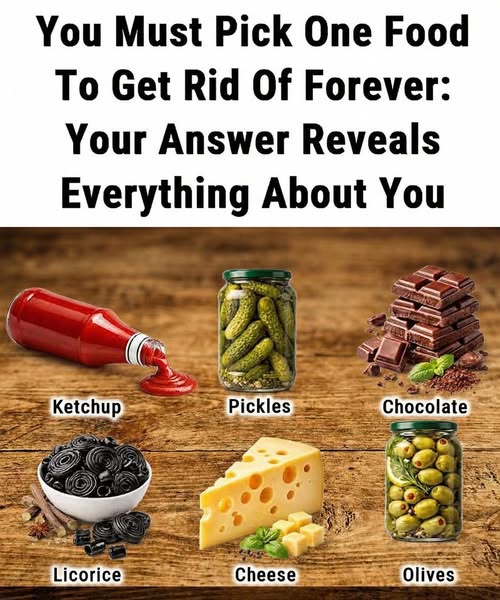
  • If you had to stop eating one food for the rest of your life, which one would you choose?

    If you had to stop eating one food for the rest of your life, which one would you choose?

    Imagine being asked a question that sounds almost playful at first: If you had to give up one food forever, which would it be? There are no exceptions, no special occasions, no “just this once.”

    Whatever you choose disappears from your life entirely. At first glance, this feels like a question of taste. People often answer quickly, naming a food they dislike or rarely eat.

    But when the question is taken seriously, many hesitate. They pause, rethink, and sometimes change their answer. That moment of hesitation is where the question becomes interesting.

    Food is never just food. It is tied to memory, habit, identity, culture, and comfort. What we choose to give up — and what we refuse to let go — can quietly reflect how we relate to change, pleasure, routine, and emotional security.

    This is not about diagnosing personality types or drawing rigid conclusions. Rather, it is about noticing patterns and understanding how everyday choices are shaped by deeper influences.

    This thought experiment offers a gentle window into how people navigate attachment and adaptability in daily life.
    Why Food Choices Carry Emotional Weight

    From early childhood, food becomes part of our emotional landscape. Certain tastes remind us of home, family gatherings, celebrations, or periods of safety and stability.

    Others may be linked to discomfort, obligation, or unfamiliarity. Over time, these associations solidify into habits. Unlike abstract preferences, food choices are repeated daily.

    They become rituals. Morning coffee, a familiar sauce, a favorite snack — these small constants often provide structure and reassurance, especially during times of stress or uncertainty.

    When someone is asked to permanently remove a food from their life, the reaction is rarely logical alone. It often carries emotional resistance or surprising ease.

    That response can hint at how strongly someone values familiarity, how open they are to disruption, or how much importance they place on small comforts.

    Again, these are observations, not judgments. No choice is better or worse. Each simply reflects a different way of engaging with everyday life.

    Ketchup: Comfort, Simplicity, and Familiarity

    Ketchup is one of the most common condiments in many cultures, especially in Western households. It is familiar, predictable, and widely accepted. Because of this, reactions to the idea of giving it up tend to fall into two distinct camps.

    Some people could let go of ketchup without much thought. For them, it may be an accessory rather than a necessity.

    These individuals often enjoy simple flavors or are comfortable adjusting meals based on what is available. Letting go of ketchup does not feel like a loss because it does not play a central role in their routines.

    Others, however, view ketchup as essential. It enhances meals, brings consistency to food, and offers a familiar taste regardless of what is being eaten.

    For these individuals, ketchup represents reliability. It is something they can count on to make food enjoyable, even when the meal itself is ordinary.

    Neither reaction is right or wrong. One reflects adaptability and comfort with change; the other reflects a preference for stability and familiarity. Both approaches are common and deeply human.

    Pickles: Balance Versus Boldness

    Pickles tend to create strong opinions. Their sharp, acidic flavor is either loved or avoided, with little middle ground. This makes them particularly interesting in this thought experiment.

    People who would give up pickles easily often prefer balance and subtlety in their meals. They may enjoy foods that complement rather than dominate a dish. For them, removing pickles does not disrupt the overall experience of eating.

    Those who insist on keeping pickles often appreciate contrast and intensity. The bold flavor adds excitement and character to meals. It may also signal a comfort with strong sensations and expressive tastes.

    In a broader sense, this difference can reflect how people approach stimulation in everyday life. Some prefer moderation and harmony, while others enjoy contrast and bold experiences. Both preferences are natural and widely shared.
    Chocolate: Emotional Comfort and Self-Regulation

    Chocolate tends to evoke stronger emotional reactions than many other foods. Across cultures, it is associated with pleasure, reward, celebration, and comfort. Because of this, the idea of giving it up forever often feels more personal.

    Those who believe they could let go of chocolate may value self-regulation and emotional distance from indulgence.

    This does not mean they lack enjoyment, but rather that they do not rely heavily on food for emotional comfort. They may seek pleasure in other areas, such as experiences, relationships, or personal achievements.

    On the other hand, people who strongly resist giving up chocolate often recognize its role as a small but meaningful comfort.

    Chocolate can symbolize moments of rest, self-care, or emotional grounding. Holding onto it does not indicate weakness; it reflects an awareness of how small indulgences can support emotional well-being.

    Importantly, neither perspective suggests emotional strength or weakness. They simply reflect different ways of managing comfort and reward in daily life.
    Licorice: Fitting In or Standing Apart

    Licorice is one of the most divisive foods. Its flavor is distinctive, and cultural exposure plays a significant role in whether it is enjoyed or avoided.

    People who would easily give up licorice often prioritize social harmony or flexibility. Since licorice is not universally liked, letting it go rarely affects shared meals or social experiences.

    Those who enjoy licorice, however, often do so despite knowing that many others do not. Keeping licorice can reflect comfort with personal preferences that stand apart from the majority. It may suggest confidence in one’s tastes and a willingness to embrace individuality.

    This does not imply social isolation or conformity. Rather, it highlights how people balance personal identity with shared norms.

    Cheese: Tradition, Connection, and Discipline

    Cheese holds a special place in many cuisines and traditions. It is often associated with family meals, cultural identity, and shared experiences. As a result, reactions to giving it up are often emotional.

    People who choose to give up cheese may value discipline, health goals, or long-term planning over immediate pleasure. This choice can reflect a mindset focused on structure and intentional restraint.

    Those who refuse to give up cheese often associate it with warmth, togetherness, and tradition. Cheese frequently appears in shared meals, celebrations, and comfort foods. Holding onto it can symbolize appreciation for continuity and social connection.

    Again, this distinction does not reflect superiority or deficiency. It simply shows how people prioritize different aspects of daily life.
    Culture, Memory, and Habit

    It is important to recognize that food preferences are shaped by more than individual personality. Culture, upbringing, availability, and memory all play powerful roles.

    A food that feels essential in one culture may be irrelevant in another. What someone associates with comfort may depend on childhood experiences, family traditions, or even economic circumstances.

    Habits also reinforce attachment. The more often a food appears in daily routines, the more difficult it becomes to imagine life without it. Over time, repetition turns preference into expectation.

    Because of this, the question of giving up a food forever is less about the food itself and more about what it represents.
    Not Labels, but Reflections

    It is crucial to emphasize that these observations are not scientific classifications or psychological diagnoses. They are reflections — gentle patterns that help us think about how everyday decisions mirror deeper values.

    Human behavior is complex. A person may be adaptable in one area of life and deeply attached in another. Someone disciplined with food may seek comfort elsewhere. No single choice defines a person.

    What this exercise offers is awareness. It invites curiosity about why certain things matter to us and how small habits shape our sense of stability and pleasure.
    A Small Question with Lasting Insight

    In the end, asking someone which food they would give up forever is not about food at all. It is about noticing attachment, flexibility, comfort, and memory in action.

    These choices remind us that daily habits carry meaning, even when we do not consciously assign it. Food becomes a mirror — not a judgment — reflecting how we navigate routine and change in everyday life.

    By paying attention to these small preferences, we gain a deeper understanding of ourselves and others, not through labels, but through empathy and observation.

    And sometimes, the simplest questions tell us the most.

  • What Changes in Your Tongue May Say About Your Overall Well-Being

    What Changes in Your Tongue May Say About Your Overall Well-Being

    For many older adults, the morning begins with familiar rituals. You wake up, wash your face, perhaps take a few moments to stretch, and then glance in the mirror.

    Most days, nothing seems out of the ordinary. But sometimes, something small catches your attention. The tongue looks different. Instead of its usual pink tone, it appears coated in white.

    At first, this change often feels unimportant. Many people assume it is caused by dry indoor air, sleeping with the mouth open, or something they ate the night before.

    Others believe it will disappear on its own and give it little thought. In many cases, these assumptions are understandable. A white tongue is often harmless and temporary.

    However, for adults over the age of 60, physical changes deserve a bit more attention. As the body ages, it becomes more sensitive to small imbalances, and subtle signs can carry useful information.

    The tongue, in particular, is one of the body’s most responsive indicators of internal health. Changes in its color, texture, or coating can reflect hydration levels, oral hygiene, immune balance, medication effects, and daily habits.

    A white tongue is rarely dangerous by itself. Still, it is often the body’s quiet way of signaling that something needs adjustment. Understanding what this change may mean allows older adults to respond early, protect comfort, and support overall well-being.
    What a Healthy Tongue Normally Looks Like

    A healthy tongue is usually pink, slightly moist, and evenly textured. It may have a thin, transparent coating, which is normal and helps protect the surface. It should not appear thickly coated, painful, or patchy.

    When the tongue becomes white, pale, or heavily coated, it suggests that something has shifted. In many situations, the cause is simple and reversible. In other cases, it may point to an underlying issue that deserves attention. Learning how to recognize these differences empowers seniors to care for their health with confidence rather than concern.
    Why Tongue Changes Matter More With Age

    As people grow older, natural changes occur throughout the body. Saliva production often decreases, which affects the mouth’s ability to clean itself.

    The immune system may respond more slowly to imbalances, and the number of daily medications often increases. Each of these factors can influence oral health.

    Because of these age-related changes, the tongue may show signs of stress earlier than other parts of the body.

    A white coating can be an early indicator of dehydration, dry mouth, reduced oral care, nutritional imbalance, or infection. Addressing these issues early often prevents discomfort and reduces the risk of complications later.

    It is important to remember that not every white tongue signals illness. Many causes are mild and temporary. The key is observing whether the change persists, worsens, or appears alongside other symptoms such as soreness, dryness, or difficulty swallowing.
    Poor Oral Hygiene: A Common and Often Overlooked Cause

    One of the most frequent reasons for a white tongue is something many people do not think about regularly: tongue cleaning.

    Most people are diligent about brushing their teeth, but the tongue is often forgotten. This matters because the surface of the tongue is not smooth. It contains thousands of tiny structures called papillae.

    These create small grooves and spaces where food particles, bacteria, and dead cells can easily collect.

    Over time, this buildup forms a visible white or off-white coating, especially toward the back of the tongue. When saliva production is reduced, the accumulation becomes even more noticeable.

    For older adults, maintaining oral hygiene can be more challenging than it once was. Dentures, sensitive gums, reduced hand strength, arthritis, or limited mobility can make brushing and flossing more difficult.

    Some people also avoid cleaning the tongue because of a sensitive gag reflex.

    Saliva normally plays an essential role in oral health. It washes away debris, neutralizes acids, and helps control bacterial growth. When saliva decreases due to age or medications, the mouth loses this natural defense. As a result, residue builds up more quickly, and the tongue may appear white.

    Improving daily oral care often brings quick results. Gently brushing the tongue with a soft toothbrush or using a tongue scraper can remove buildup without irritation.

    Rinsing the mouth with water after meals and before bed also helps. Regular dental checkups remain important at every age, including for those who wear dentures.

    For seniors, oral hygiene is not only about appearance. A healthy mouth supports digestion, nutrition, and comfort. It can improve taste, appetite, and confidence in social situations.
    Dehydration: A Silent but Powerful Contributor

    Dehydration is another major cause of a white tongue and is far more common in older adults than many realize. As people age, the body’s thirst mechanism becomes less reliable. Many seniors do not feel thirsty even when their bodies need fluids.

    Certain medications, such as those used for blood pressure, heart conditions, or bladder control, can increase fluid loss or reduce saliva production. When the body does not receive enough fluids, the mouth becomes dry and less able to clean itself naturally.

    A dry mouth often leads to a pale or white tongue. It may also cause bad breath, difficulty swallowing, or a sticky sensation in the mouth. In the morning, the tongue may appear especially coated because saliva production naturally slows during sleep.

    Drinking enough water throughout the day is one of the simplest and most effective ways to support oral health. Sipping water regularly, even when not thirsty, helps maintain saliva flow and keeps the tongue cleaner.

    Proper hydration also supports digestion, joint health, circulation, and mental clarity.

    A white tongue can be one of the earliest signs that the body needs more fluids. Responding to this signal early can prevent further discomfort.

    Dry Mouth and the Effects of Medications

    Dry mouth, also known as reduced saliva flow, is very common among seniors and is a leading contributor to tongue discoloration. Many widely prescribed medications list dry mouth as a side effect.

    Medications for high blood pressure, allergies, depression, anxiety, sleep disorders, and pain can all reduce saliva production. When the mouth stays dry for long periods, bacteria multiply more easily, creating a white coating on the tongue and an unpleasant taste.

    Dry mouth affects more than appearance. It can make chewing and swallowing difficult, increase the risk of cavities, and interfere with speech. Over time, it may also increase the likelihood of oral infections.

    Managing dry mouth often involves a combination of steps. Reviewing medications with a healthcare provider may reveal alternatives or adjustments.

    Drinking water frequently, using sugar-free lozenges or gum to stimulate saliva, and avoiding alcohol-based mouthwashes can help. Breathing through the nose instead of the mouth during sleep may also reduce dryness.

    Recognizing a white tongue as an early sign of dry mouth allows seniors to take action before the problem worsens.
    Oral Thrush and Immune Balance

    In some cases, a white tongue may be caused by oral thrush, a yeast overgrowth in the mouth. This condition typically appears as thick, creamy white patches on the tongue or inner cheeks and may cause soreness or a burning sensation.

    Oral thrush is more common in older adults, particularly those with weakened immune systems, diabetes, or those using antibiotics, inhaled medications, or steroid treatments. Denture wearers may also be at higher risk if dentures are not cleaned thoroughly.

    Unlike simple buildup, thrush patches may bleed slightly when scraped and can leave the tongue feeling tender or raw. This condition should not be ignored, as it often requires treatment to restore balance in the mouth.

    Good oral hygiene, proper denture care, and managing underlying health conditions can reduce the risk of oral thrush and help maintain a healthier tongue.

    While oral hygiene, hydration, medication effects, and immune balance explain many cases of a white tongue, daily habits and lifestyle choices also play a significant role.

    As the body ages, it becomes more sensitive to routines that once seemed unimportant. Small, repeated choices can strongly influence the health of the mouth and the appearance of the tongue.
    Diet and Its Powerful Influence on Tongue Health

    What you eat affects far more than digestion. Diet has a direct and ongoing impact on oral health, including the condition of the tongue.

    Foods high in sugar and refined carbohydrates encourage the growth of bacteria and yeast in the mouth. These microorganisms feed on sugars and can quickly multiply, contributing to the buildup that creates a white coating.

    Older adults may rely more on soft or processed foods due to dental problems, dentures, or difficulty chewing. While these foods can be convenient, they tend to stick to the tongue and teeth more easily than fresh, whole foods. Over time, this residue creates an environment where bacteria thrive.

    A balanced diet supports a cleaner, healthier mouth. Fresh fruits and vegetables stimulate saliva production, which helps wash away debris naturally.

    Crunchy produce also provides gentle mechanical cleaning during chewing. Fiber-rich foods support digestion, which can influence oral balance indirectly. Adequate intake of vitamins and minerals, especially B vitamins, iron, and zinc, supports healthy oral tissues and normal tongue color.

    Reducing sugary snacks, sweetened drinks, and excessive processed foods can significantly lower the risk of a white tongue. These changes do not need to be drastic. Even modest improvements often lead to noticeable results within days or weeks.
    Smoking, Alcohol, and Their Effects on Oral Moisture

    Smoking and alcohol use are both known to dry out the mouth and irritate oral tissues. Tobacco smoke alters the natural balance of bacteria in the mouth, reduces saliva flow, and increases irritation.

    Alcohol has a dehydrating effect and can worsen dry mouth, especially when consumed regularly.

    For older adults, these habits may intensify dryness already caused by age or medications. The result is often a persistent white coating on the tongue, along with bad breath, irritation, or altered taste.

    Reducing or quitting smoking and limiting alcohol intake can improve oral moisture and overall health. Even gradual reduction may allow the tongue to regain a healthier appearance and reduce discomfort.
    Sleep Habits and Morning Tongue Coating

    Many people notice that their tongue appears whiter in the morning. This is often due to sleeping with the mouth open, which allows moisture to evaporate overnight. Nasal congestion, allergies, sleep apnea, or certain sleeping positions can contribute to mouth breathing.

    When the mouth dries out during sleep, bacteria and debris accumulate more easily on the tongue. Using a humidifier in dry environments, improving nasal breathing, and drinking water before bed may help reduce morning tongue coating.

    If mouth breathing occurs regularly or is accompanied by snoring or daytime fatigue, discussing it with a healthcare provider is advisable. Improving sleep quality often improves oral health as well.
    Dentures and Their Impact on Tongue Health

    For seniors who wear dentures, proper care is especially important. Dentures can trap bacteria and yeast, which may transfer to the tongue and surrounding tissues. Wearing dentures overnight without cleaning increases the risk of oral thrush and persistent tongue discoloration.

    Dentures should be removed daily and cleaned thoroughly according to dental instructions. The gums, tongue, and roof of the mouth should also be gently cleaned, even when natural teeth are no longer present. Regular dental visits remain important for checking oral tissues and ensuring dentures fit correctly.

    A well-fitted, clean denture reduces irritation, improves comfort, and lowers the risk of infection.
    When a White Tongue Deserves Closer Attention

    In many cases, a white tongue improves with better hygiene, hydration, and lifestyle changes. However, there are situations when professional evaluation is important.

    A healthcare provider or dentist should be consulted if:

    The white coating lasts longer than two to three weeks

    The tongue becomes painful, sore, swollen, or cracked

    White patches bleed when scraped

    There is difficulty swallowing, chewing, or speaking

    The coating spreads to the cheeks, gums, or throat

    There is unexplained weight loss, fatigue, or persistent discomfort

    These signs may point to oral thrush, nutritional deficiencies, chronic dry mouth, or other conditions that benefit from treatment. Early evaluation usually leads to faster relief and prevents complications.
    Prevention Through Daily Awareness

    One of the most valuable tools for maintaining health after 60 is awareness. The body often communicates quietly before serious problems develop. The tongue is one of the most visible and honest indicators of internal balance.

    Taking a brief moment each day to observe changes in the mouth encourages proactive care rather than delayed treatment. This habit helps older adults stay connected to their health and respond early when something feels off.

    Daily practices that support a healthy tongue include:

    Brushing teeth and tongue gently twice a day

    Drinking water consistently throughout the day

    Cleaning dentures properly and removing them at night

    Choosing balanced meals rich in fresh foods

    Limiting sugar, alcohol, and tobacco use

    Attending regular dental and medical checkups

    Individually, these steps may seem small. Together, they support comfort, confidence, and long-term well-being.
    Listening to Your Body With Patience and Compassion

    Aging brings wisdom, experience, and resilience. It also requires a more attentive and compassionate approach to self-care. A white tongue is not a reason for fear, but it is a reason to pause and reflect.

    It may be reminding you to drink more water, improve oral care habits, review medications, adjust diet, or seek professional advice. Responding thoughtfully to these signals supports not only oral health, but overall quality of life.

    Maintaining a healthy mouth helps preserve appetite, clear speech, and social confidence. It reduces discomfort and supports better nutrition and digestion. These benefits matter at every stage of life, but they become especially meaningful with age.

    Sometimes, the smallest signs carry the most important messages. By paying attention to your tongue and responding with care, you honor your body’s quiet wisdom and invest in continued comfort, dignity, and well-being.

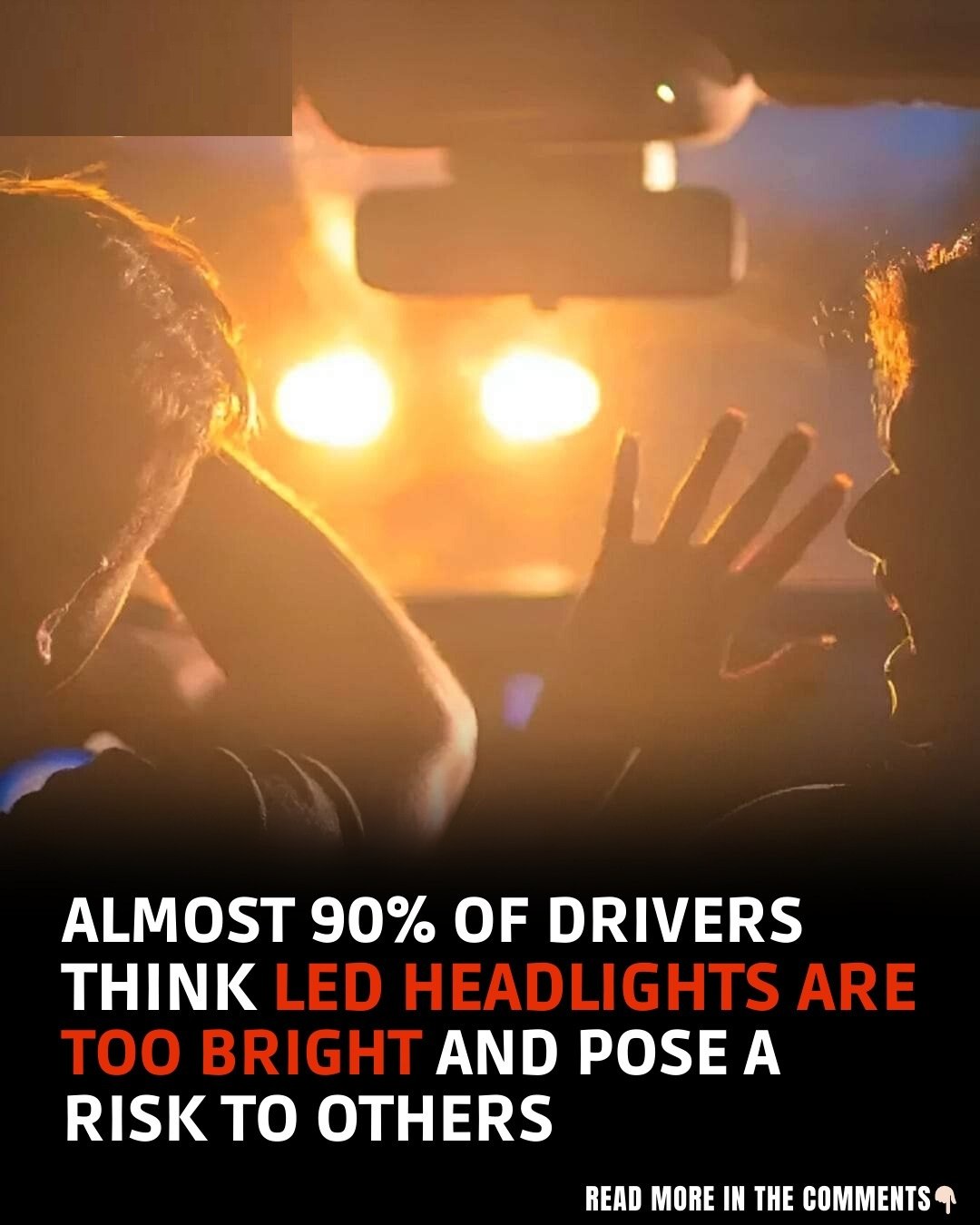
  • LED Headlights: Bright Enough to Be a Problem?

    LED Headlights: Bright Enough to Be a Problem?

    The glare hits before you even see the car. For a split second, your vision is obliterated, your heart races, and you are driving at highway speeds almost blind.

    This sudden, disorienting burst of light is not a rare phenomenon; it has become a near-universal complaint among drivers worldwide.

    Modern headlights, especially those using LED and high-intensity discharge (HID) technology, are no longer just bright—they can be dangerously blinding under certain conditions. Reports from across the globe reveal a pattern: drivers describe the momentary blindness as startling, sometimes leaving them swerving slightly, braking abruptly, or looking away from the road entirely.

    LED headlights were introduced as part of a wave of automotive innovation, offering whiter light closer to natural daylight, improved energy efficiency, and a longer lifespan than traditional halogen bulbs.

    Initially celebrated for enhancing visibility and reducing maintenance costs, these lights have now sparked concerns about road safety. Unlike halogen headlights, which emit a warmer, more diffuse light, LEDs produce a concentrated, intense beam.

    While this improves forward visibility for the driver of the vehicle equipped with them, it can produce severe glare for oncoming traffic, particularly when the headlights are mounted higher—as they often are on SUVs, trucks, and crossover vehicles—or when alignment is even slightly off.

    A misalignment of just a few degrees can dramatically increase glare, temporarily blinding drivers for several crucial seconds.

    The problem is compounded by the growing size and height of vehicles on modern roads. Taller vehicles mean their headlights sit above the natural line of sight for many drivers, directing light straight into the eyes of smaller cars.

    This effect is magnified on winding or uneven roads, where slight vertical changes in the terrain can redirect the beam unpredictably. Even when drivers momentarily adjust their eyes or glance down, the lingering glare can impair depth perception and make it difficult to judge speed or distance, increasing the risk of accidents.

    Data from traffic safety organizations indicates that glare-related incidents contribute to a measurable portion of nighttime collisions, though exact statistics are difficult to determine because the cause—temporary blindness—is often not recorded in official reports.

    Current headlight regulations, many of which were established decades ago, were designed primarily for halogen lighting. These standards set limits on beam intensity and height but often fail to account for the modern mix of vehicle sizes, headlight types, and road conditions.

    Safety advocates argue that these regulations are outdated and inadequate, leaving drivers to cope with glare largely on their own.

    While some newer vehicles incorporate adaptive lighting systems capable of automatically adjusting beam intensity and angle based on oncoming traffic and road curves, these technologies are not yet widespread. As a result, millions of drivers remain exposed to intense glare from improperly aligned or overly bright headlights.

    The effects of glare go beyond mere discomfort. Even a second or two of impaired vision can be catastrophic at highway speeds. A vehicle traveling at 65 miles per hour covers nearly 95 feet per second.

    A momentary blindness lasting three to five seconds can mean the car has traveled between 285 and 475 feet—well over the length of a football field—without the driver being able to accurately perceive obstacles, curves, or traffic.

    Studies in human visual perception confirm that intense light exposure temporarily reduces the eye’s ability to detect contrasts and colors, prolonging recovery time and making sudden hazards harder to react to. For elderly drivers or those with preexisting vision conditions such as cataracts, the impairment can be even more severe, further increasing the risk of collisions.

    Experts point out that the issue is not about over-sensitive drivers but rather how the technology is implemented. LEDs themselves are not inherently unsafe; the dangers arise from the combination of high-intensity beams, vehicle design, and regulatory gaps.

    Safety solutions exist, but enforcement is inconsistent. Recommendations include stricter limits on maximum glare, mandatory headlight alignment inspections during vehicle maintenance or annual safety checks, and wider adoption of adaptive lighting systems capable of dynamically adjusting to traffic and road conditions.

    These measures could significantly reduce glare-related risks, but they require coordination between manufacturers, regulatory bodies, and drivers themselves.

    Beyond the technical aspects, glare contributes to psychological and behavioral effects on the road. Drivers experiencing momentary blindness may instinctively look away from the light source, swerve slightly, or brake abruptly.

    Even when accidents do not occur, these reactions can disrupt traffic flow and increase stress levels for all drivers. Over time, repeated exposure to intense headlights can lead to anxiety and cautious driving behaviors at night, potentially discouraging travel after dark or increasing congestion in safer daylight hours.

    In urban areas, the problem can be magnified by dense traffic, reflective surfaces, and roadside lighting. LED lights can reflect off wet pavement, signs, or windows, creating secondary glare that further impairs vision.

    In rural areas, glare can be even more dangerous due to higher vehicle speeds and less ambient lighting. Emergency response teams have noted that glare-related disorientation contributes to near-misses, delayed reaction times, and difficulty navigating at high speeds, underscoring the broad safety implications of the phenomenon.

    While glare from modern headlights may appear to be a purely technical issue, it has significant legal and regulatory implications. Vehicle safety standards in most countries were originally developed around halogen bulbs, which emit a warmer and more diffuse light.

    These older regulations define maximum beam intensity, alignment angles, and permissible glare limits. However, the advent of high-intensity LEDs and HIDs has outpaced the regulatory frameworks, creating gaps in enforcement and safety oversight.

    Agencies such as the U.S. National Highway Traffic Safety Administration (NHTSA) and the European Union’s Economic Commission for Europe (ECE) are in the process of updating standards, but the pace of regulatory adaptation often lags behind technological adoption, leaving millions of drivers exposed to inconsistent levels of glare.

  • You Could Have a Penny Worth a Fortune—Here’s How to Identify It

    You Could Have a Penny Worth a Fortune—Here’s How to Identify It

    Most people rarely pay much attention to the spare change that jangles in their pockets or slips from their wallets.

    Coins like pennies often go unnoticed, deemed too small and insignificant to merit a second glance. They are so common, so low in monetary value.

    That it’s easy to assume there’s nothing special about them. Yet, for coin collectors and numismatists, even the most ordinary-looking penny can sometimes hold extraordinary value—enough to transform a single coin into a treasure worth tens of thousands of dollars.

    One of the most famous and historically significant examples of this phenomenon is the 1943 copper penny, a coin that continues to surprise collectors decades after it was accidentally released into circulation.
    The Context of the 1943 Penny: A Nation at War

    To understand the rarity and value of this coin, it’s essential to consider the historical circumstances surrounding its creation.

    In 1943, the United States was fully engaged in World War II, and virtually every resource was being redirected to support the war effort.

    Copper, a metal essential for producing ammunition, electrical wiring, and various military equipment, was in critically short supply.

    The U.S. government faced a pressing need to conserve copper, which had previously been used extensively for coinage, particularly in the production of pennies.

    As a solution, the U.S. Mint made a dramatic and unprecedented change to the penny’s composition in 1943.

    Instead of the traditional 95% copper and 5% zinc blend, pennies were struck using zinc-coated steel. The result was a coin with a distinctly silvery-gray appearance, markedly different from the warm reddish-brown of traditional copper pennies.

    These steel pennies, often referred to by collectors as “steelies,” were the standard issue for that year and were intended to be a temporary measure until copper supplies returned to normal.

    Steel pennies are easy to identify at a glance: their color, texture, and weight are noticeably different from copper coins.

    One of the most reliable tests for distinguishing steel pennies from copper is the use of a magnet. Because steel is magnetic, a genuine 1943 steel penny will stick to a magnet, while a copper penny will not.

    This simple test is still recommended for collectors today when examining coins from that era.
    The Accidental Copper Pennies

    While steel pennies were the rule in 1943, a remarkable anomaly occurred.

    A small number of pennies were inadvertently struck on leftover copper planchets—the blank discs of metal used to produce coins.

    These accidental copper pennies were never intended to exist. They slipped through the Mint’s quality control processes and entered general circulation, mingling with ordinary steel pennies without drawing attention at the time.

    The exact number of these copper errors is not definitively known, but numismatic experts estimate that fewer than two dozen authentic 1943 copper pennies exist today.

    Their extreme rarity has made them one of the most sought-after coins in American numismatics.

    Over the years, a few of these coins have surfaced at auctions, often commanding jaw-dropping prices that reflect both their scarcity and historical significance.
    Value in the Market

    The value of a 1943 copper penny is astonishing. Even in worn condition, these coins can sell for tens of thousands of dollars, with well-preserved examples sometimes fetching upwards of $80,000 or more.

    To put this into perspective, a coin that originally cost one cent to purchase could now rival the price of a used car or a significant down payment on a home.

    This dramatic increase in value is entirely due to its rarity, historical context, and the story behind its accidental creation.

    Collectors’ willingness to pay such high sums is not just about the coin’s metal content or face value—it’s about owning a piece of history.

    Each 1943 copper penny is a tangible reminder of a time when the nation was at war, resources were scarce, and an error in production inadvertently created a unique and highly coveted artifact.
    Identifying a Genuine 1943 Copper Penny

    If you suspect that you might have a 1943 copper penny among your spare change or in an old collection, there are several critical steps you can take to verify its authenticity.

    Date Verification: The coin must be clearly dated 1943. Any penny with a different year, even one close to 1943, is not part of this rare category.

    Color and Appearance: Unlike the silvery-gray steel pennies, a true 1943 copper penny will have the warm reddish-brown hue characteristic of traditional copper coins. Be cautious, however: some steel pennies have been coated with copper to fool buyers.

    Magnet Test: One of the simplest and most effective tests is using a magnet. Genuine copper is non-magnetic, so if the coin sticks to a magnet, it is a steel penny or a plated imitation.

    Design Features: A true 1943 penny will feature the classic wheat-ear design on the reverse side, which was standard for pennies from 1909 to 1958.

    Even if a coin passes these initial checks, expert authentication is essential before attempting to sell or insure it.

    Professional numismatists use advanced tools, including microscopic analysis and x-ray fluorescence, to confirm the coin’s composition and detect any plating or alterations.

    Authentication not only establishes legitimacy but also significantly affects market value.
    Famous Discoveries

    Throughout the years, several 1943 copper pennies have made headlines for their astonishing sales at auctions.

    In 2010, for example, a 1943 copper penny in exceptional condition sold for $1.7 million in a private transaction—an eye-opening demonstration of how rare and valuable these coins can be.

    Another well-known coin surfaced at a coin show in the late 1990s and sold for over $100,000, even though it had visible wear.

    These stories highlight that even coins that look ordinary to the untrained eye can hold immense historical and monetary value.

    The excitement around 1943 copper pennies continues to capture the imagination of collectors, historians, and casual enthusiasts alike.
    Why Such Coins Are So Valuable

    Several factors contribute to the incredible value of 1943 copper pennies:

    Rarity: Fewer than 24 known coins exist, making them one of the rarest coins in American history. Scarcity alone drives up demand.

    Historical Significance: These pennies are directly tied to a pivotal moment in U.S. history—the global conflict of World War II and the nation’s wartime economy.

    Error Status: Coin collectors highly prize mint errors, especially those involving major metal changes. The accidental copper penny is considered a “major error” due to its deviation from the official plan.

    Condition: Coins that retain sharp detail, minimal wear, and original luster are especially valuable. Even circulated coins can fetch significant sums, but pristine examples command premium prices.

    Provenance: Coins with documented history, including previous owners and sales, are more trustworthy and often more valuable.
    Tips for Collectors

    If you’re interested in coin collecting or think you might own a valuable penny, there are several practical tips to keep in mind:

    Handle Coins Carefully: Avoid cleaning coins with chemicals or abrasive materials, as this can drastically reduce their value. Use cotton gloves if possible and handle by the edges.

    Store Properly: Keep coins in acid-free holders, capsules, or albums to prevent corrosion and damage. Avoid storing them in damp environments.

    Research and Verify: Learn about coin types, mint marks, and variations. Reference guides from professional numismatic organizations can help identify rare coins accurately.

    Seek Expert Advice: If you think you have a 1943 copper penny, consult a professional numismatist or reputable coin dealer. Authentication is critical for establishing legitimacy and ensuring you receive fair market value.
    Hidden Treasures in Everyday Life

    The story of the 1943 copper penny is a powerful reminder that hidden treasures can be closer than we think.

    Old jars of spare change, inherited collections, forgotten drawers, or even coins left behind at store counters can conceal remarkable finds.

    The lesson is simple but profound: curiosity and attention to detail can reveal extraordinary value in what might otherwise seem mundane.

    Numismatics—the study and collection of coins—is not just about financial gain; it’s also about preserving history, appreciating craftsmanship, and connecting with the past.

    Each coin tells a story, whether it’s a copper penny from a turbulent year or a rare commemorative issue marking an important event.

    For enthusiasts, even the smallest coin can open a window into the broader historical narrative of the nation and the world.
    Conclusion

    While most pennies pass unnoticed in daily life, the rare 1943 copper penny proves that even the most unassuming coin can carry immense historical and financial significance.

    Born from a chaotic period in American history and preserved as an accidental error, these coins are now among the most prized and valuable pieces of U.S. currency.

    Their rarity, historical context, and collectible status have turned a one-cent coin into a priceless artifact, sometimes worth as much as a small car or a substantial down payment on a home.

    If you happen to encounter an old penny that seems out of the ordinary, it’s worth taking a closer look.

    A simple check of its date, color, design, and magnetic response could reveal a piece of history and possibly even a life-changing treasure.

    The 1943 copper penny stands as a timeless symbol of curiosity rewarded, reminding us that sometimes the most remarkable discoveries are hidden in plain sight, waiting for someone willing to notice the extraordinary in the ordinary.

  • “2025’s top 15 sizzling A-list actresses Hollywood can’t get enough of.”

    “2025’s top 15 sizzling A-list actresses Hollywood can’t get enough of.”

    As 2025 continues to unfold, Hollywood remains an ever-bright spotlight on talent, beauty, and charisma—and fans around the world…

    Are more engaged than ever in weighing in on who truly shines the brightest.

    On platforms like Ranker and social media, thousands of pop culture enthusiasts have voted to create a definitive snapshot of the most alluring and influential A-list actresses of the year.

    This ranking goes beyond simple physical appeal; it reflects a combination of star power, acting range, cultural relevance, and sheer magnetism.

    From seasoned industry veterans to fast-rising Gen Z sensations, the following list celebrates the women who are capturing the hearts, screens, and imaginations of audiences worldwide in 2025.

    Here’s an in-depth look at the top 15 hottest actresses of the year, according to thousands of fans as of April 2025.
    15. Sydney Sweeney

    Rising to fame with her breakout role as Cassie Howard in HBO’s Euphoria, Sydney Sweeney has become one of the most talked-about young actresses in Hollywood.

    Born in Spokane, Washington, Sweeney began acting as a child, with early appearances in shows like Heroes, 90210, and The Handmaid’s Tale.

    Her ability to navigate complex characters—from vulnerable young women to edgy, bold personas—has made her performances captivating and relatable.

    In 2025, Sweeney continues to expand her range with critically acclaimed roles in both indie films and high-profile streaming projects. Fans are drawn not only to her on-screen talent but also to her candid personality on social media, where she shares insights into her life, fashion, and craft.
    14. Jennifer Lawrence

    Jennifer Lawrence, often dubbed “America’s sweetheart,” has maintained her place among Hollywood’s elite for over a decade.

    Her breakthrough came as Katniss Everdeen in The Hunger Games, a role that cemented her status as a global superstar. Beyond blockbuster action, Lawrence has showcased her nuanced acting in films like Silver Linings Playbook, which won her an Academy Award, and Mother!, which displayed her fearless approach to challenging material.

    Known for her witty personality and down-to-earth public persona, Lawrence remains a fan favorite. Even in 2025, after taking selective breaks from acting, she continues to command attention with her upcoming projects and appearances at major film festivals and events.
    13. Kate Beckinsale

    Kate Beckinsale may have slowed her pace in Hollywood blockbusters, but her timeless beauty and cinematic presence remain undeniable.

    Best known for her role as Selene in the Underworld series, Beckinsale became an action icon while also demonstrating range in romantic comedies like Click and dramatic features such as Snow Angels.

    Her elegance, poise, and enduring charm have earned her a multi-generational fanbase. In 2025, while her film appearances are more selective, Beckinsale’s influence endures, from red carpet fashion statements to her continued engagement in philanthropy and acting mentorship.
    12. Gal Gadot

    Gal Gadot, globally recognized as Wonder Woman, blends strength, elegance, and star power in a way few actresses can. Her performance in the DC Extended Universe introduced her as a formidable action star with widespread appeal.

    Beyond the superhero genre, Gadot’s versatility is evident in projects like Disney’s live-action Snow White, where she portrayed the Evil Queen, as well as various international film collaborations.

    In addition to acting, Gadot is known for her commitment to fitness, fashion, and philanthropy, further enhancing her appeal. Even with mixed critical responses to some recent work, her fan loyalty remains strong, solidifying her place at #12 on this year’s list.
    11. Jenna Ortega

    Jenna Ortega has rapidly transitioned from a Disney Channel favorite to a bona fide Hollywood sensation.

    Best known for her roles in Stuck in the Middle and the breakout Netflix series Wednesday, Ortega has proven her ability to tackle diverse genres, including horror franchises such as Scream VI and X. Her performances combine intensity, humor, and relatability, appealing to both younger and older audiences.

    Ortega’s strong presence on social media platforms like Instagram and TikTok also allows her to connect with fans personally, creating a devoted and engaged following. At just 22, she exemplifies the new generation of versatile, culturally relevant Hollywood stars.
    10. Alexandra Daddario

    Alexandra Daddario’s striking blue eyes and captivating screen presence have made her one of Hollywood’s most memorable actresses. She first gained attention as Annabeth Chase in the Percy Jackson films, but it is her more mature work in True Detective and The White Lotus that has truly solidified her status.

    Daddario’s performances often combine intensity with charm, effortlessly drawing audiences into her characters’ emotional journeys. Beyond acting, she is admired for her advocacy in mental health awareness and her approachable public image, making her a favorite in both pop culture and critical circles.
    9. Elizabeth Olsen

    Elizabeth Olsen has become synonymous with Wanda Maximoff, the Scarlet Witch, in the Marvel Cinematic Universe. Her performance in WandaVision proved her ability to carry a series, earning critical praise for her depth and range.

    Outside the superhero realm, Olsen has consistently chosen challenging projects, such as Wind River and Martha Marcy May Marlene, showcasing her versatility and commitment to craft. Olsen’s combination of beauty, intelligence, and relatable charm has endeared her to fans worldwide, solidifying her spot as one of the hottest actresses in Hollywood today.
    8. Emma Watson

    Emma Watson, forever remembered as Hermione Granger in the Harry Potter saga, continues to balance beauty, intelligence, and activism. Beyond her acting career—highlighted by roles in Beauty and the Beast and other acclaimed films—Watson is a vocal advocate for gender equality and sustainable fashion.

    Her poise, eloquence, and dedication to social causes have turned her into more than a screen icon; she is a role model. In 2025, Watson’s continued relevance is reflected in her selective film choices and public appearances, earning her a well-deserved spot in the top ten.
    7. Salma Hayek

    Salma Hayek has long been celebrated for her beauty, talent, and trailblazing career. Her Oscar-nominated portrayal of Frida Kahlo remains iconic, and she continues to shine in high-profile projects such as Eternals and House of Gucci.

    Hayek is equally powerful behind the camera as a producer, championing stories that elevate women and minority voices in Hollywood. At 57, she defies ageist stereotypes, combining elegance, charisma, and sheer skill in a way few actresses can match, making her one of the most enduring and respected figures in the industry.
    6. Lily Collins

    Lily Collins has emerged as one of the most stylish and versatile stars in contemporary Hollywood. Known for Netflix’s Emily in Paris, Collins has built a career that spans drama, romance, and thriller genres, with roles in To the Bone, The Blind Side, and MaXXXine.

    Her unique charm, expressive performances, and keen fashion sense have helped her step out of the shadow of her famous father, Phil Collins. In 2025, she continues to dominate red carpets and streaming platforms alike, earning admiration for both her talent and her relatable personality.
    5. Victoria Justice

    Victoria Justice first captured audiences’ hearts with Zoey 101 and Victorious, but she has steadily built a career that extends beyond her early Nickelodeon fame.

    With ventures into music and film, Justice showcases creativity, individuality, and versatility. Her fans remain fiercely loyal, appreciating her authentic presence both on and off-screen. Justice has successfully navigated the transition from teen star to multifaceted performer, embodying the qualities of persistence, talent, and charisma.
    4. Jessica Alba

    Jessica Alba’s Hollywood journey has been marked by both critical acclaim and mainstream success. First gaining recognition in Dark Angel, she solidified her A-list status with roles like Sue Storm in Fantastic Four.

    Beyond acting, Alba has become a successful entrepreneur with The Honest Company, combining her public image with business acumen. In 2025, she returns to the screen with Netflix’s Trigger Warning, reminding audiences of her enduring appeal, sharp talent, and screen magnetism.
    3. Scarlett Johansson

    Scarlett Johansson is a Hollywood legend whose career spans action, drama, and romance. Best known for her role as Black Widow in the Marvel Cinematic Universe, Johansson has also captivated audiences with critically acclaimed performances in Marriage Story, Her, and Lucy.

    Known for her versatility, dedication, and compelling screen presence, Johansson continues to be one of the most sought-after talents in the industry. Fans eagerly anticipate her upcoming role in Jurassic World Rebirth, cementing her place as a top-tier star in 2025.
    2. Margot Robbie

    Margot Robbie’s career trajectory is a masterclass in versatility and consistent excellence. From The Wolf of Wall Street to her iconic portrayal of Harley Quinn in Suicide Squad, Robbie has displayed a range that few can match.

    Her performance in Barbie reaffirmed her global appeal, combining humor, charm, and depth. In 2025, Robbie is reportedly venturing into the world of video game adaptations with a Monopoly movie, showcasing her continued ambition and relevance. With endless momentum and undeniable talent, she claims the #2 spot.
    1. Ana de Armas

    Topping the list for 2025 is Ana de Armas, the Cuban-Spanish actress who has become one of Hollywood’s most talked-about stars. With standout performances in Knives Out, Blade Runner 2049, and No Time to Die, de Armas combines grace, versatility, and a magnetic screen presence that captivates audiences worldwide.

    Her role as an assassin in the John Wick spinoff Ballerina has only heightened her reputation, demonstrating her ability to carry major action films while maintaining nuance and depth.

    In addition to her on-screen talent, de Armas is celebrated for her approachable personality and style, making her the undeniable hottest actress of 2025.

    Conclusion

    From rising stars to enduring veterans, the top 15 hottest actresses of 2025 reflect a dynamic blend of talent, charisma, and influence. They are not only icons of beauty but also trailblazers, role models, and cultural touchstones.

    Fans continue to engage with their work and lives through social media, streaming platforms, and blockbuster releases, proving that Hollywood’s allure is stronger than ever.

    These rankings celebrate women who are shaping the industry, breaking barriers, and captivating audiences across generations.

    Whether delivering a critically acclaimed performance, leading a global franchise, or influencing cultural conversations, these actresses define what it means to be truly hot in 2025—both on-screen and off.

  • Why Many Men Prefer Short Women: Understanding the Complex Mix of Psychological, Biological, Evolutionary, and Cultural Factors That Influence Male Attraction, Examining How Height Plays a Role in Relationship Dynamics, Physical Preferences, Social Perceptions, and Personal Compatibility, and What This Reveals About Human Behavior and Modern Dating Trends

    Why Many Men Prefer Short Women: Understanding the Complex Mix of Psychological, Biological, Evolutionary, and Cultural Factors That Influence Male Attraction, Examining How Height Plays a Role in Relationship Dynamics, Physical Preferences, Social Perceptions, and Personal Compatibility, and What This Reveals About Human Behavior and Modern Dating Trends

    A new study published in Frontiers in Psychology explores how height influences romantic preferences across cultures. Surveying participants from various countries, the researchers found that height is not just a superficial preference—it significantly affects how individuals select and evaluate partners in both short- and long-term relationships.

    The study reveals a consistent pattern: men tend to prefer shorter women. This trend appears across diverse cultural backgrounds, suggesting it may stem from social or evolutionary influences rather than personal taste alone. Traits often associated with shorter women—such as youthfulness and approachability—may subconsciously shape male preferences.

    On the other hand, women frequently favor taller men. This preference is linked to longstanding associations of height in men with strength, protection, and social dominance. These characteristics often become more important when women are considering long-term or serious relationships, though they still play a role in casual dating.

    Importantly, the study emphasizes that height preferences are context-dependent. For example, a man’s criteria for a short-term partner may differ from those for a committed one. Similarly, women may find taller men more appealing in scenarios that highlight stability and emotional security, not just physical attraction.

    Despite these general trends, the researchers stress that individual variation is significant. Cultural background, personality, and life experiences all influence how someone views height in a partner. Not everyone conforms to these typical patterns, and there is a wide spectrum of what individuals find attractive.

    In conclusion, height plays a multifaceted role in attraction, shaped by a mix of psychological, cultural, and evolutionary factors. This study encourages people to look beyond stereotypes, recognizing the complex dynamics that influence romantic preferences and how they differ across individuals and relationship types.

  • Discover How Scammers Can Steal Your Voice and Exploit You: Learn the Three Critical Words You Should Never Say on the Phone, the Hidden Tricks Criminals Use to Gain Control, and Simple Steps You Can Take to Protect Yourself from Identity Theft and Phone-Based Fraud Before It’s Too Late.

    Discover How Scammers Can Steal Your Voice and Exploit You: Learn the Three Critical Words You Should Never Say on the Phone, the Hidden Tricks Criminals Use to Gain Control, and Simple Steps You Can Take to Protect Yourself from Identity Theft and Phone-Based Fraud Before It’s Too Late.

    Artificial intelligence has advanced far beyond its original purpose of generating text or creating images; it now has the alarming capability to replicate human voices with startling accuracy. While this technology offers legitimate benefits in entertainment, accessibility, and communication, it also poses serious risks for scams and identity theft. Unlike traditional voice fraud, which required extensive recordings or prolonged interaction, modern AI voice cloning can recreate a near-perfect copy of someone’s voice from just a few seconds of audio. These brief clips are often captured casually during phone conversations, customer service calls, or voicemail greetings. This means that a simple utterance—“yes,” “hello,” or “uh-huh”—can be weaponized by malicious actors to impersonate individuals, authorize unauthorized transactions, or manipulate family and colleagues. The voice, once a deeply personal identifier carrying emotion and individuality, is now vulnerable to theft and exploitation.

    Your voice is effectively a biometric marker, as unique and valuable as a fingerprint or iris scan. Advanced AI systems analyze subtle speech patterns—rhythm, intonation, pitch, inflection, and micro-pauses—to generate a digital model capable of mimicking you convincingly. With such a model, scammers can impersonate you to family, financial institutions, or automated systems that rely on voice recognition. They can call loved ones claiming distress, authorize payments through voice authentication, or create recordings that appear to provide consent for contracts or subscriptions. Even a single “yes” can be captured and used as fraudulent proof, a tactic known as the “yes trap.” These AI-generated voices are so convincing that victims often fail to detect the deception, and geographical distance is irrelevant, as digital replication can be transmitted globally.

    Even casual words like “hello” or “uh-huh” can be exploited. Robocalls, often ignored as nuisances, may serve to capture brief audio samples, which are sufficient for cloning algorithms to build a voice model. AI can reproduce emotional nuance, pacing, and inflection, making impersonation difficult to detect. Simple precautions—avoiding automatic affirmations, confirming a caller’s identity, and refraining from unsolicited surveys—can protect both personal information and digital identity.

    Modern AI makes these scams frighteningly credible. Algorithms can simulate urgency, calmness, or distress, compelling victims to act without suspicion. Scammers can now access sophisticated voice-cloning tools without technical expertise. Awareness is the first defense: understanding that your voice is a digital key encourages cautious phone habits and highlights the risks of casual utterances.

    Protecting your voice requires vigilance. Never answer affirmatively to unknown callers, always verify identities, avoid unsolicited calls, and monitor accounts that use voice recognition. Reporting suspicious numbers and educating family members adds further protection. Treat your voice like a password or biometric identifier: essential to security and privacy. While AI will continue to improve, human vigilance remains a critical line of defense. With consistent precautions, your voice—once an intimate personal marker—can remain secure against unseen threats, safeguarding both your identity and your assets.

  • Why do women cross their legs when sitting? Psychological perspectives

    Why do women cross their legs when sitting? Psychological perspectives

    Crossing one’s legs while sitting is more than a personal habit—it’s shaped by cultural and social expectations. Historically, female posture has been regulated to reflect modesty and femininity. In 18th-century Europe, leg-crossing was seen as elegant; in some Eastern cultures, it may be viewed as disrespectful. These differences highlight how behavior is interpreted through cultural lenses. Today, while ideals of femininity have evolved, crossing one’s legs remains influenced by fashion, media, and social norms, often reflecting a desire for composure and grace.

    Psychologically, leg-crossing can signal confidence or vulnerability. It often creates a symbolic barrier, offering comfort or protection. From a psychoanalytic view, a closed posture may suggest anxiety, while an open one may indicate self-assurance. Cultural context continues to shape how these gestures are viewed—whether delicate or defensive. Ultimately, it’s a subtle form of communication revealing emotional states and internal comfort.

    Impact on Nonverbal Communication

    In social or professional settings, leg posture affects perception. Crossed legs might imply distance, while uncrossed legs suggest openness. Crossing toward someone can show interest; away may signal disinterest. Cultural norms influence these interpretations, especially for women, whose body language is often scrutinized more closely. This shows how posture affects confidence and authority.

    Consequences for Social Perception

    Leg-crossing can reinforce stereotypes—seen as feminine or refined, yet possibly vulnerable. In workplaces, posture may impact perceived competence. Open postures are often associated with assertiveness. As gender norms shift, challenging these expectations is vital. Breaking from outdated body language ideals helps support gender equity and authentic self-expression.

  • Don’t Toss Those Eggshells: 17 Ways to Reuse Them

    Don’t Toss Those Eggshells: 17 Ways to Reuse Them

    Eggshells are often thrown away without a second thought, but these everyday kitchen scraps are surprisingly useful. Instead of letting them clog sinks or create odor in the trash, consider repurposing them in creative, eco-friendly ways.

    In the garden, crushed eggshells act as a natural fertilizer, adding calcium and other minerals to the soil. This helps strengthen plant cell walls, promoting healthy growth and vibrant blooms.

    They’re also an effective pest deterrent. When sprinkled around plants, the sharp edges keep slugs and snails at bay—an organic alternative to chemical repellents that’s safe for pets and wildlife.

    Adding eggshells to compost boosts its nutrient content. The shells decompose slowly, releasing minerals over time and enriching the final compost mix that nourishes future plants.

    In the kitchen, eggshells have plenty of unexpected uses. Add a few crushed pieces to coffee grounds before brewing to reduce bitterness, or use them as a gentle abrasive for scrubbing pans and removing stains from mugs.

    For DIY projects, eggshells can be transformed into seed starters or mini planters. Once the seedlings sprout, plant the entire shell directly into the soil—the shell will naturally decompose, feeding the young plant.

    Eggshells also serve practical household purposes. Ground shells help sharpen blender blades, and when finely powdered, they can be mixed into homemade toothpaste for a natural calcium boost. Some even use them in skincare routines or as part of fun science experiments for kids.

    From the garden to the kitchen and beyond, eggshells prove that even the simplest waste can have real value. With a bit of creativity, these tiny calcium-packed shells can reduce waste, support sustainability, and remind us that small changes can make a big environmental impact.

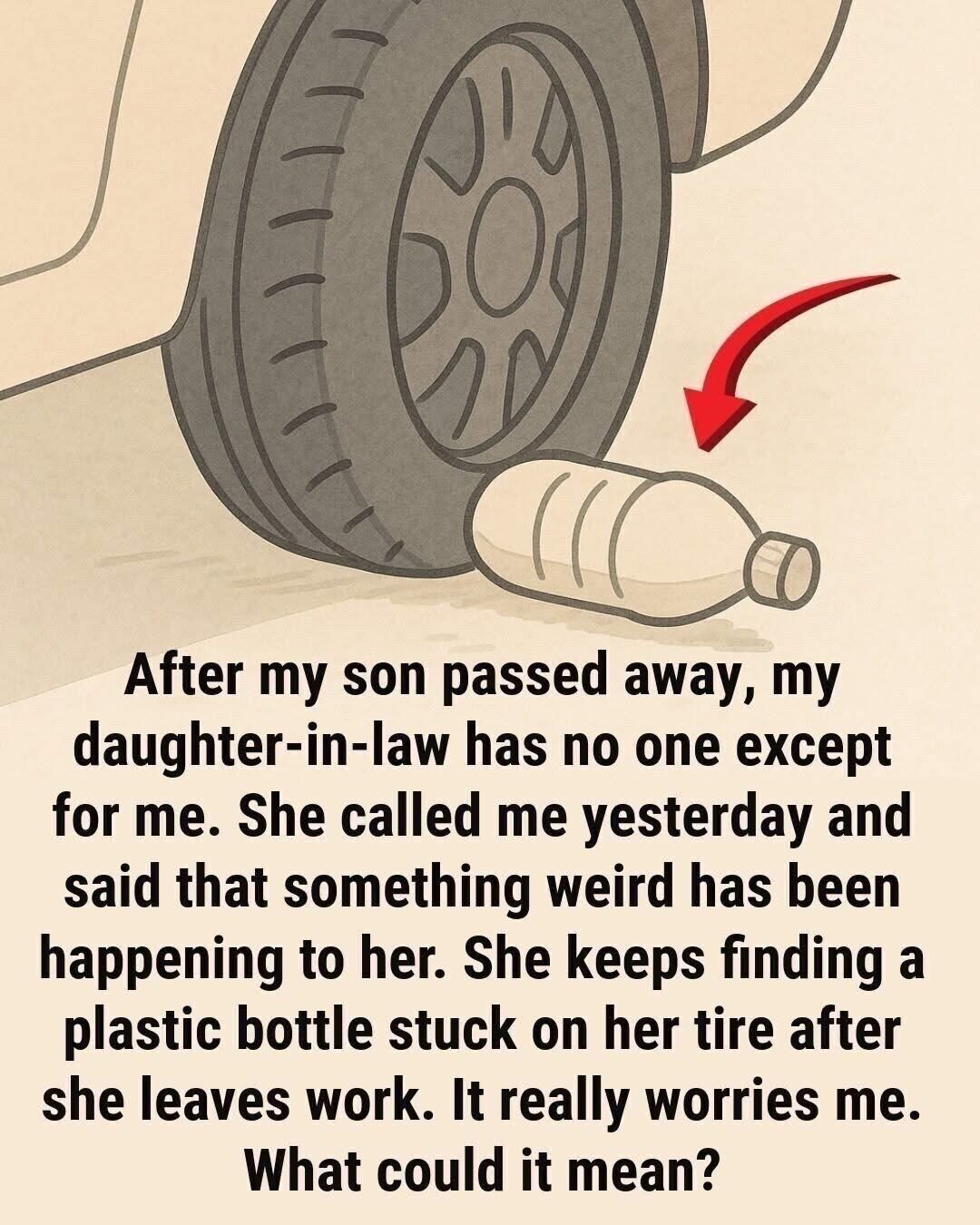
  • If you see a plastic bottle wedged on your tire, it could be a warning sign of a growing theft tactic that distracts drivers long enough for criminals to strike, making awareness and quick thinking essential to keeping yourself and your vehicle safe.

    If you see a plastic bottle wedged on your tire, it could be a warning sign of a growing theft tactic that distracts drivers long enough for criminals to strike, making awareness and quick thinking essential to keeping yourself and your vehicle safe.

    Most people grow up believing danger arrives with flashing lights, broken windows, or the unmistakable certainty of something being wrong. We imagine chaos and noise, dramatic scenes like the ones shown in movies—alarms blaring, locks hacked apart, or strangers lurking in the shadows. But the truth about real-world risks is far quieter. They often slip into our lives through inconveniences so ordinary we barely think twice about them. And in the case of some drivers, that danger has come disguised as nothing more noticeable than a simple plastic bottle wedged between a tire and the wheel well. To most people, it looks like litter—an accident, a random piece of trash pushed by the wind. But for others, it has become an unsettling sign that someone might attempt to distract them long enough to steal their vehicle or belongings. It isn’t a widespread epidemic, nor something that should spark widespread fear, but it is one of those small, unusual warnings worth knowing. Awareness—not panic—is always the strongest form of personal protection.

    The reason this tactic can work is deceptively simple: it hijacks instinct. Imagine pulling out of a supermarket parking lot or leaving work after a long shift. The day has drained you, your mind is already drifting toward the next task, and driving is so automatic that small details often blur together. Suddenly, a sharp crackling echoes from the wheel, a sound that instantly snaps you back into the moment. It doesn’t sound normal. It doesn’t feel like something you can shrug off. The crunching repeats with every rotation of the tire, carrying enough tension to make any driver worry they’ve hit something important or damaged a critical part of the vehicle. Human nature responds the same almost every time: stop the car, get out quickly, and see what’s wrong. That instinct is powerful. It rises before logic. And criminals who use distractions as a tactic rely on that automatic response. They don’t need force. They don’t need confrontation. They just need you to react without thinking long enough to forget one of the simplest rules of personal safety—lock the doors, turn off the engine, and keep your attention on your surroundings.

    What happens in those few seconds depends heavily on who placed the bottle there, if anyone placed it intentionally at all. Most of the time, litter is just litter. Plastic rolls across parking lots, gets caught under tires, or bounces from passing vehicles. But in documented cases where the tactic has been used, thieves were hiding close by, waiting for the perfect moment. As soon as the bottle makes noise and the driver steps out—often leaving the door wide open and the engine still running—the thief moves. Sometimes they slide effortlessly into the driver’s seat and speed off with the entire car before the stunned owner even has time to react. Other times, they go for quick grabs, snatching handbags, backpacks, or electronics left visible inside. The method requires no confrontation, no violence, just timing and opportunity. And the unsettling part rests in how vulnerable a person becomes during that moment of confusion, with their back turned, attention narrowed to the tire, and thoughts still tangled in the unexpected noise. But it’s important to remember: the danger lies not in the bottle itself, but in how easily a person’s awareness can be interrupted.

    Understanding this tactic doesn’t mean assuming the worst every time you hear a strange noise. Life is full of harmless surprises, and tires roll over countless objects without any malicious intent behind them. The purpose of knowing about unusual tricks like this isn’t to create fear—it’s to create mindfulness. When drivers recognize how quickly attention can be pulled away, they become less vulnerable to manipulation. Criminals who rely on distraction need their target to respond immediately and thoughtlessly. They need that split second where instinct outruns logic. But when someone is prepared, takes a breath, looks around, and follows basic safety habits, the entire tactic collapses. Reaction slows. Awareness sharpens. And that simple shift in behavior is often enough to prevent the situation from escalating into anything more.

    The protective habits themselves aren’t complicated. They’re the same ones most people follow naturally during calm moments but forget the instant something unexpected happens. If you ever hear a strange sound near your tire, resist the urge to jump out the moment anxiety hits. Take a second to breathe and assess your surroundings. Keep the doors locked until you feel secure. If the area is empty, dimly lit, or isolated, drive a short distance toward a busier location or closer to a building entrance before stepping out. Always turn off the engine before exiting, and never leave valuables in plain sight whether or not you think you’re stepping away for just a moment. These habits sound simple, almost too simple, but safety is often a chain built from small decisions. Each step strengthens the next. Criminal tactics—no matter how rare—depend on instinct overriding caution. Awareness interrupts that chain.

    What makes knowledge like this especially valuable is how it spreads. One person learns something, passes it to a friend, tells a coworker, mentions it at dinner, or shares it with a family member learning to drive. These conversations don’t spark paranoia—they spark preparedness. Most people assume danger comes wrapped in obvious warnings, but in reality, many modern crimes rely on misdirection, silence, or exploiting the brief moments when a person is overwhelmed by confusion. When information spreads, those moments become less effective. A person who expects the unexpected responds with clarity instead of fear. They prepare instead of panic. The world doesn’t get any more dangerous because we learn how danger works. Instead, we become stronger participants in our own safety.

    In the end, the bottle trick—rare though it may be—is not really about bottles or cars at all. It is a reminder of how easily attention can be pulled, how quickly instinct can override judgment, and how simple awareness becomes a shield in everyday life. Whether you ever experience something like this or whether you go your entire life without encountering it, the deeper lesson remains the same: small moments matter. Safety doesn’t require fear. It requires presence. The goal isn’t to live tensely, constantly scanning for threats. The goal is to move through the world with a calm, grounded awareness that makes you harder to surprise. When you understand how distraction works, you learn how to resist it. And that understanding is what keeps ordinary moments—parking lots, commutes, errands, late-night drives—peaceful and predictable. You don’t need to assume danger to be prepared for it. You simply need to stay aware, stay thoughtful, and trust that knowledge will always be your most reliable form of protection.