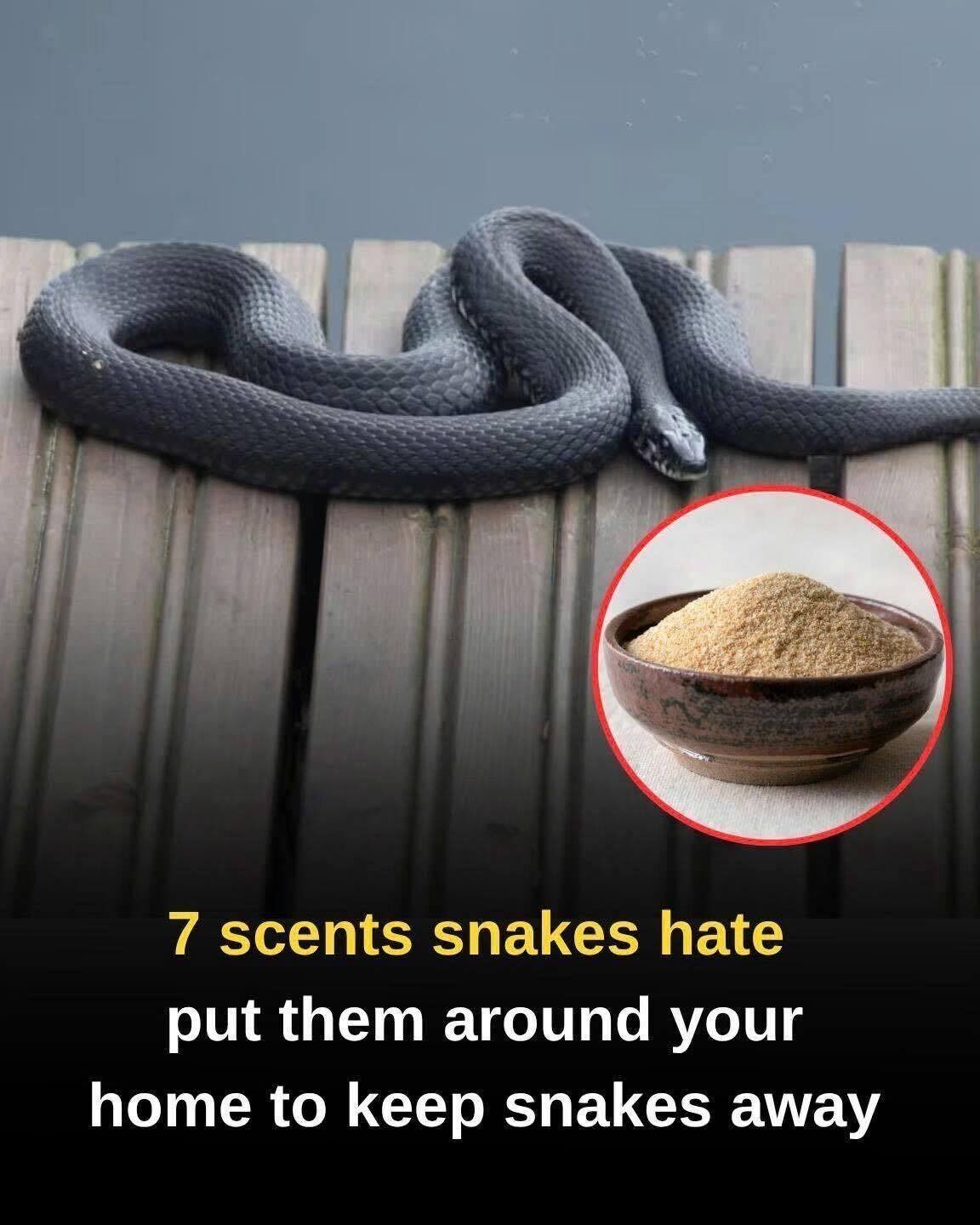
Snakes have long inspired a mixture of fascination and fear in human beings. While they play a valuable role in natural ecosystems by controlling rodent populations and keeping insect numbers in check, most homeowners would strongly prefer that these quiet, slithering visitors remain far away from porches, gardens, garages, and living spaces. The sight of a snake near your home can instantly trigger anxiety, even if the species is harmless. As a result, many people begin searching for natural, non-lethal ways to discourage snakes from settling nearby. One of the most popular approaches involves using strong scents. Although snakes do not “hate” smells in the same way humans do, they rely heavily on chemical sensing through a specialized structure called the Jacobson’s organ, located in the roof of their mouths. This organ allows them to detect subtle chemical traces in the environment. Strong or irritating odors can overwhelm this system, making certain areas uncomfortable for them to explore. While no scent provides a guaranteed or permanent solution, understanding how smell-based deterrents work can help homeowners build a layered, effective strategy for keeping snakes away.
The first scent commonly used as a deterrent is ammonia, which is known for its sharp, penetrating odor. Ammonia fumes can be extremely irritating to many animals, including snakes, because they resemble the scent of predator urine and disrupt chemical sensing. When snakes encounter ammonia, they often retreat from the area due to discomfort. Homeowners typically use ammonia by soaking rags in undiluted liquid and placing them in open containers near entry points such as crawl spaces, porch corners, sheds, and basement vents. These containers should remain uncovered so the fumes can spread. However, ammonia evaporates quickly, meaning it must be reapplied every few days to remain effective. Safety is critical when using this method. Ammonia is toxic if inhaled in high concentrations and can be dangerous for children and pets. It should only be used outdoors, never inside enclosed living spaces, and never mixed with bleach, which creates deadly gas. Because of these risks, ammonia is best used sparingly and as part of a broader prevention plan rather than as a primary solution.
Another group of scents that has shown promising results includes essential oils, particularly cinnamon oil and clove oil. These oils contain compounds such as eugenol, which can overstimulate snakes’ sensory systems and create an unpleasant environment. Research and field observations suggest that concentrated essential oils can temporarily repel reptiles and insects alike. To create a usable spray, homeowners often mix ten to fifteen drops of cinnamon or clove oil with one cup of water and a teaspoon of dish soap, which helps the mixture adhere to surfaces. This solution can be sprayed along foundations, window frames, door thresholds, garden borders, and areas where snakes are likely to travel. After rainfall, watering, or heavy humidity, the spray must be reapplied because moisture quickly dilutes the scent. Essential oils are generally safer than ammonia, but they still require caution, especially around pets, as some animals may be sensitive to strong plant extracts. When used correctly, these oils can serve as an effective short-term barrier that makes snakes think twice before approaching your home.
Garlic and onions are another traditional option often recommended in natural pest-control circles. Both contain sulfur-based compounds that release strong odors when crushed or cut. These compounds can confuse or irritate snakes’ chemical receptors, making treated areas less appealing. Some homeowners blend garlic cloves or onions with water, strain the mixture, and spray it along fence lines, patios, and foundations. Others scatter peeled garlic cloves near suspected burrows, crawl spaces, or garden edges. In some cases, garlic is combined with rock salt to increase irritation, though this should be done carefully to avoid harming soil and plants. In addition to using garlic and onions directly, many people choose to plant marigolds around their homes. Marigolds release pungent compounds from their roots and leaves that deter many insects and small animals. By reducing insect populations, marigolds also decrease the food sources that attract rodents, which in turn attract snakes. In this way, garlic, onions, and marigolds work not only as scent deterrents but also as part of a larger ecological approach to pest management.
Vinegar, lemongrass, and citronella form another category of scent-based repellents. Vinegar contains acetic acid, which produces a sharp smell that may irritate snakes, especially in damp environments. It is most effective when poured around ponds, pools, decks, and patios where moisture helps carry the scent. On dry soil, vinegar’s effectiveness is limited because it evaporates quickly. Lemongrass and citronella, on the other hand, contain citrus-based oils that mask rodent scents and disrupt snakes’ ability to track prey. Lemongrass can be planted in pots near doorways, fences, and patios, providing both decorative value and mild pest control. Citronella oil can be used in sprays similar to cinnamon oil mixtures and applied to exterior surfaces. These plant-based methods are appealing because they are relatively safe, environmentally friendly, and aesthetically pleasing. However, like most scent deterrents, they require frequent maintenance and work best when combined with good landscaping practices.
Sulfur is often mentioned in discussions about snake repellents, but its reputation is largely based on myth rather than scientific evidence. Many websites claim that sprinkling powdered sulfur around property lines will repel snakes. In reality, studies and field observations show that snakes can and often do crawl directly over sulfur without hesitation. While sulfur has a strong odor to humans, it does not reliably interfere with snakes’ sensory systems. Relying on sulfur alone often leads to disappointment and a false sense of security. Instead of focusing on ineffective substances, experts recommend removing the conditions that attract snakes in the first place. This includes eliminating clutter, woodpiles, tall grass, and dense vegetation where snakes can hide. Sealing cracks in foundations, repairing screens, and closing gaps under doors also prevents snakes from entering buildings. Reducing rodent populations through proper waste management and secure food storage is equally important, as fewer rodents mean fewer snakes. In many cases, environmental management is far more powerful than any scent-based repellent.
Ultimately, understanding snake behavior is the key to long-term prevention. Snakes are motivated primarily by three things: shelter, food, and suitable temperature. If your property offers these in abundance, no scent will permanently drive them away. Scent deterrents should be viewed as temporary tools that support a broader strategy. A well-maintained yard, trimmed vegetation, sealed entry points, proper drainage, and controlled pest populations form the foundation of effective snake prevention. When combined with carefully applied natural scents such as ammonia, essential oils, garlic, vinegar, and plant-based repellents, these measures can significantly reduce the likelihood of unwanted encounters. It is also important to remember that snakes are protected in many regions and should not be harmed unnecessarily. If you encounter a dangerous or persistent snake problem, contacting wildlife professionals is the safest and most responsible option. By balancing respect for nature with practical home protection, homeowners can create environments that are both safe and ecologically responsible—allowing snakes to fulfill their role in the wild while keeping living spaces peaceful and secure.