Category: Uncategorized

  • If You Ever Notice Someone Wearing These Shoes, Here’s What It Actually Means

    If You Ever Notice Someone Wearing These Shoes, Here’s What It Actually Means

    At first glance, they look like ordinary sneakers—modern, clean, nothing unusual. But these shoes carry a powerful purpose that most people don’t recognize right away.

    They are InnoMake smart shoes, designed to help people who are visually impaired move through the world more safely and independently.
    Hidden inside the toe of the shoe is a small ultrasonic sensor. As the wearer walks, the sensor scans the space ahead—detecting obstacles such as walls, steps, curbs, poles, or even moving vehicles from several meters away. When something is detected, the shoes alert the wearer through gentle vibrations or sound signals, allowing them to react in real time.

    Many describe the system as a “parking sensor for humans.” It doesn’t replace a white cane or guide dog, but it adds an extra layer of awareness—especially for obstacles at chest or head height that traditional aids may miss.The idea was developed in Austria by Tec-Innovation in collaboration with Graz University of Technology, and it was co-created by Markus Raffer, who is visually impaired himself. His lived experience shaped the design, ensuring the technology is practical, discreet, and respectful.

    The sensor can be built directly into the shoe or attached to existing footwear. It’s waterproof, lightweight, and designed for everyday use. Newer versions are exploring AI and camera-based mapping to provide even more detailed environmental awareness.

    So if you ever notice someone wearing these shoes, it doesn’t mean danger is nearby—it means someone is using smart technology to navigate the world with confidence.

    They’re more than shoes.
    They’re a quiet symbol of independence, inclusion, and how thoughtful innovation can change lives—one step at a time.

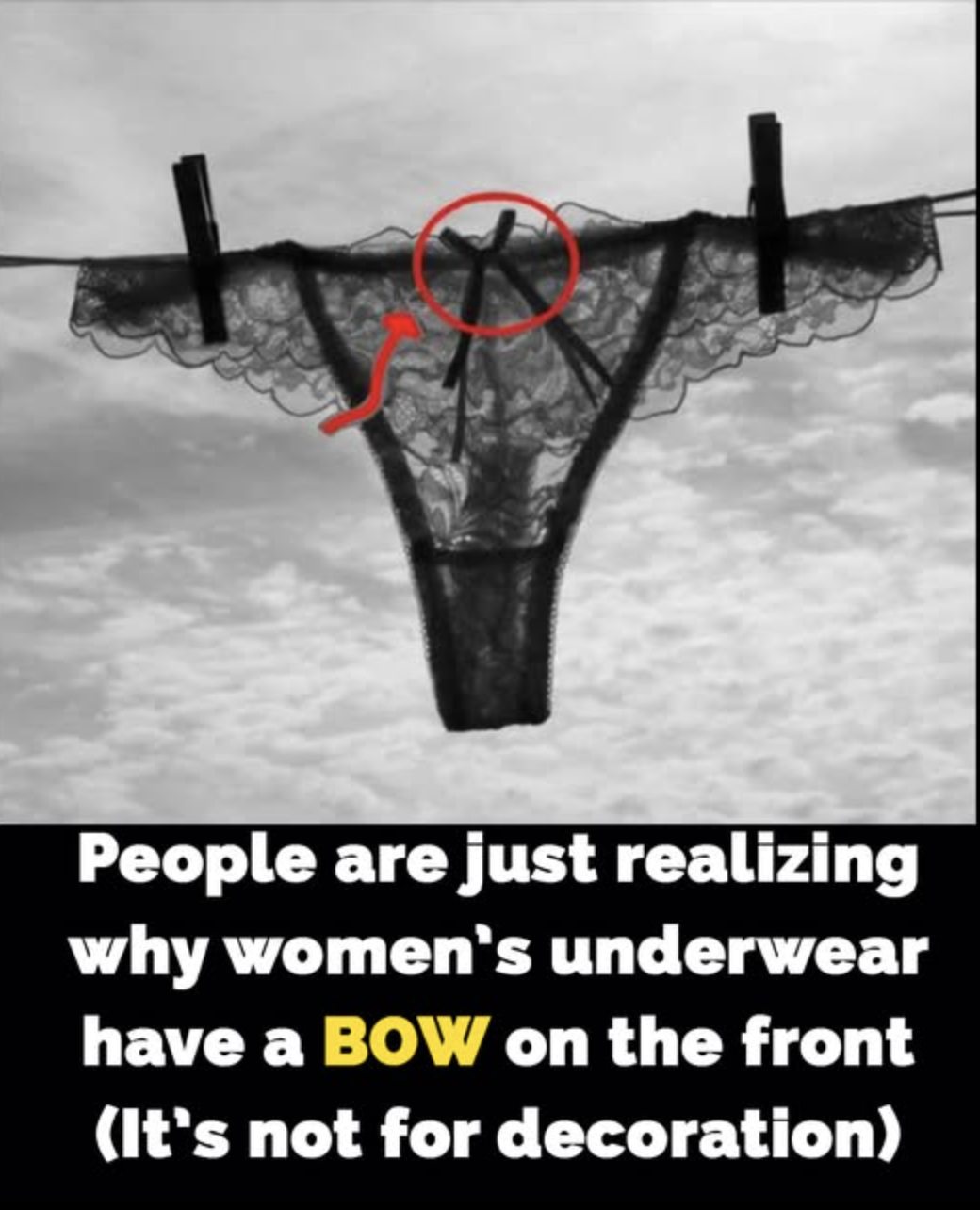
  • The Surprising Purpose of the Little Bow on Women’s Undergarments

    The Surprising Purpose of the Little Bow on Women’s Undergarments

    Have you ever spotted the tiny bow stitched onto the front of women’s underwear and wondered why it’s there? At first glance, it appears to be nothing more than a sweet decorative touch. Many assume it was added simply to make lingerie look softer or more feminine. Yet that small ribbon detail actually traces back to a time when clothing functioned very differently from what we know today.

    Centuries ago, before elastic waistbands were invented, undergarments had to be secured with ribbons or drawstrings. Early versions of women’s “drawers” were often made in two separate pieces and fastened together at the waist. The fastening typically sat at the front, where it could be easily tied and adjusted. The loose ends were then formed into a bow to keep the knot tidy and prevent it from unraveling.

    The bow was not merely ornamental — it served a practical purpose. By covering the knot, it reduced bulk beneath outer clothing and gave the garment a neater appearance. In an era when craftsmanship and presentation mattered, even hidden layers were expected to look refined. What seems decorative now was once an essential finishing touch.

    Lighting conditions also played a surprising role in the bow’s usefulness. Before electricity became common in homes, people often dressed by candlelight, oil lamps, or faint early-morning light. In dim settings, it could be difficult to quickly tell the front of a garment from the back. The small bow provided a simple tactile clue, allowing wearers to identify the correct side without relying on sight.

    As textile technology advanced in the late 19th and early 20th centuries, elastic gradually replaced drawstrings. Waistbands became stretchable, and undergarments no longer required front ties. Despite this shift, the bow did not disappear. Instead, it remained as a subtle nod to the garment’s earlier construction.

    Over time, the function of the bow faded while its symbolism grew. Designers embraced it as a marker of delicacy and tradition. The detail began to represent classic lingerie styling — something soft, graceful, and timeless. What once secured fabric in place evolved into a visual signature associated with femininity and charm.

    Today, opinions about the tiny bow vary. Some people appreciate it as a nostalgic detail that connects modern fashion to its historical roots. Others see it as unnecessary and remove it for a sleeker look. Still, many are surprised to learn that such a small accent carries a practical origin story rather than being purely decorative.

    Ultimately, the bow on women’s underwear is a reminder that fashion often preserves fragments of the past. Garments change as technology and lifestyles evolve, but certain details linger long after their original purpose fades. That modest ribbon is more than a cute embellishment — it is a quiet piece of clothing history, stitched into everyday life.

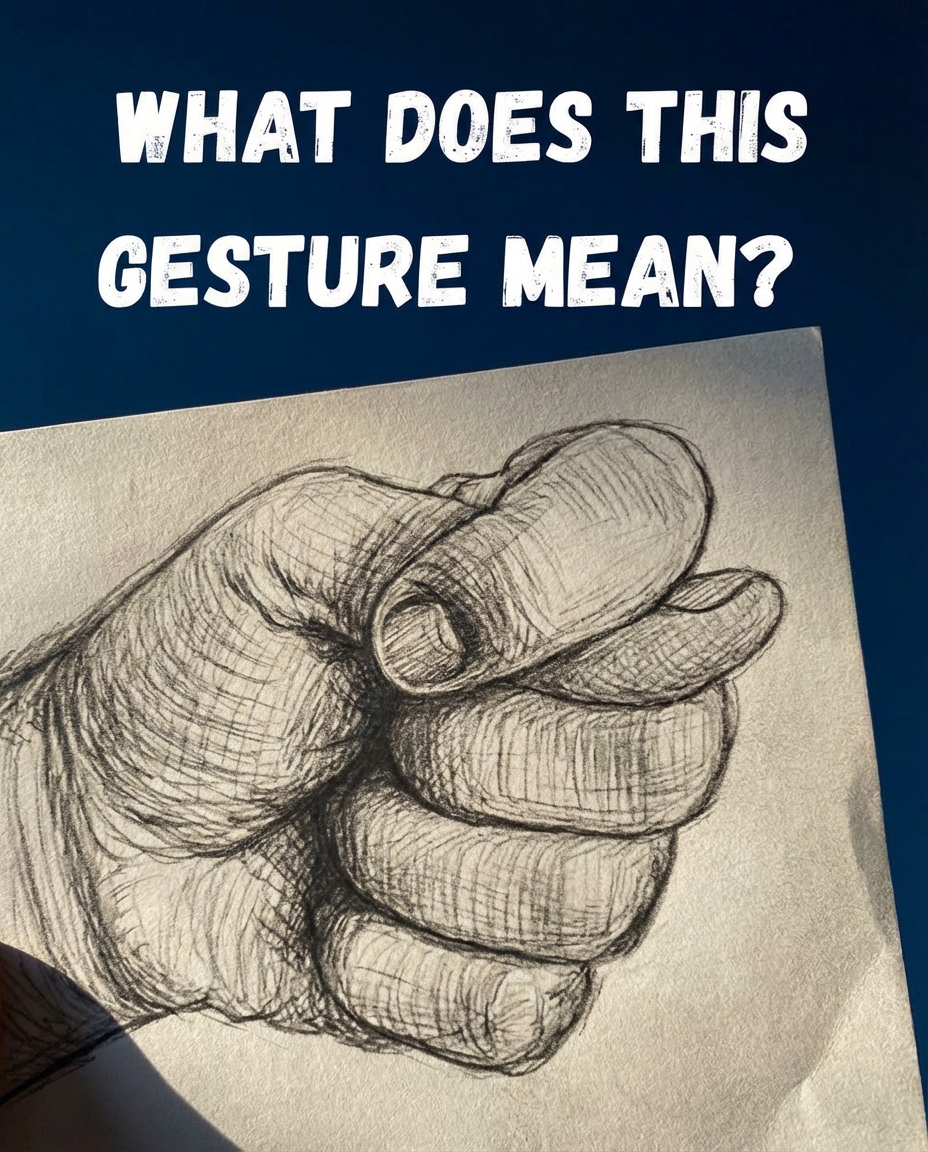
  • What This Everyday Hand Gesture Really Meant in the Past

    What This Everyday Hand Gesture Really Meant in the Past

    What appears at first to be a simple clenched fist reveals something far more expressive when examined closely. With the thumb tucked firmly between the index and middle fingers, the hand forms a gesture known as the fig. This small adjustment transforms an ordinary pose into a symbol layered with meaning. Long before digital communication shaped daily interaction, such gestures carried messages that required no spoken explanation.

    The fig gesture, sometimes called the “fig sign,” has deep roots in European history. In many communities, it functioned as a discreet way to refuse a request or push back against authority. Instead of open disagreement, a person could use this subtle motion to communicate defiance without escalating conflict. The hand remained closed, but the hidden thumb quietly declared independence.

    During the nineteenth century, especially in rural European villages, the gesture gained social nuance. Life in small communities often required diplomacy, and overt confrontation could strain relationships. The fig allowed individuals to maintain politeness on the surface while privately asserting boundaries. It balanced humor with resistance, offering a socially acceptable outlet for frustration.

    Symbolically, the gesture carried protective associations. Folklore in various regions linked it to warding off bad luck or shielding against harmful intentions. The closed fist represented strength, while the thumb enclosed within suggested guarded protection. In this way, the sign blended everyday communication with hints of superstition and cultural belief.

    Over time, the fig gesture moved beyond public resistance and into domestic life. Families adopted it as a playful signal between relatives, especially among children and grandparents. It became a lighthearted way to say “no,” to tease gently, or to encourage resilience in moments of uncertainty. Within homes, its meaning softened into affection and humor.

    Children, in particular, embraced the gesture as part of games and secret exchanges. It served as a code understood within a small circle, reinforcing bonds and shared understanding. Because it required no words, it could be used across distances or in situations where silence was necessary. This adaptability made it both practical and intimate.

    As communication technologies evolved, physical gestures like the fig gradually faded from common use. Text messages, reaction icons, and social media comments replaced many forms of face-to-face symbolism. The efficiency of digital tools left less room for subtle, embodied expressions that once conveyed layered emotions.

    Even so, the fig gesture remains a testament to human creativity in nonverbal communication. It reminds us that strength, humor, and refusal can be expressed quietly yet effectively. Though small and easily overlooked, such gestures reflect a time when meaning was carried not only in words, but also in the silent language of the hands.

  • Celeste Barber and Husband Api Robin Announce Amicable Separation After 20 Years Together

    Celeste Barber and Husband Api Robin Announce Amicable Separation After 20 Years Together

    Australian comedian Celeste Barber and her longtime partner Api Robin have ended their marriage after almost twenty years together. The separation became public when Robin posted a sincere message online, revealing that the previous months had been emotionally difficult for them both. He shared that, after thoughtful discussions, they mutually decided to go their separate ways.

    In his statement, Robin expressed gratitude for the years they shared and emphasized that the decision was not made lightly. He acknowledged the emotional weight of the transition while highlighting the continued care and respect they hold for one another. His message reflected a tone of maturity and understanding during what he described as a challenging chapter.

    The couple are parents to two sons, Lou and Buddy, and Robin is also father to two daughters from an earlier relationship. According to Robin, the wellbeing of their children remains their central priority. Both parents are committed to providing stability, reassurance, and support as their family adjusts to the new circumstances.

    Support quickly poured in from friends, fans, and colleagues following the announcement. Many offered kind words and encouragement, while also honoring the family’s request for privacy. Admirers of Barber, known for her candid humor and relatable personality, expressed sympathy and respect for the way the situation has been handled publicly.

    Barber and Robin first crossed paths in Sydney when she was in her early twenties. Their relationship developed over several years before they eventually married in Bali, celebrating their commitment in an intimate ceremony. Throughout her career, Barber often shared affectionate and humorous references to Robin, playfully calling him her “hot husband” in interviews and social media posts.

    As Barber’s career expanded internationally, Robin largely remained out of the spotlight, focusing on his arborist business. Despite their different professional paths, Barber frequently credited him with being a steady source of encouragement behind the scenes. She has spoken in the past about appreciating his patience and grounded nature amid her rising fame.

    While Barber has not publicly addressed the separation herself, past interviews show the pair once spoke warmly about their life together. Their shared history spans personal growth, parenthood, and significant professional milestones, making the decision to part ways a meaningful transition for both.

    For now, Barber continues touring with her comedy shows around the world, while Robin maintains his business and focuses on family life. Both appear dedicated to moving forward respectfully, prioritizing their children and preserving the positive foundation they built over nearly two decades together.

  • If You See a Painted Purple Fence, This Is What It Means

    If You See a Painted Purple Fence, This Is What It Means

    While hiking or driving through rural areas, you might notice something unusual: fence posts or tree trunks marked with bright purple paint. At first glance, it may look decorative—or random. But in many parts of the United States, that purple marking carries a clear legal meaning.

    It signals private property.
    In several states, purple paint serves as an official substitute for “No Trespassing” signs. This system, commonly known as a “purple paint law,” allows landowners to mark property boundaries without relying on physical signs that can fade, fall, or be removed.

    The color purple wasn’t chosen by accident. It’s highly visible in natural settings, stands out against trees and fencing, and remains recognizable even for many individuals with color vision deficiencies. It’s also durable, making it practical in areas exposed to harsh weather.

    This practice first began in Arkansas and has since expanded to numerous other states. While the general meaning is similar—do not enter without permission—the exact rules vary depending on local law. In some states, purple paint means no entry at all. In others, it specifically restricts activities like hunting, fishing, or trapping unless the landowner grants permission.

    You’ll most often see these markings:
    For property owners, purple paint offers a cost-effective and long-lasting way to mark boundaries. For outdoor enthusiasts, understanding the meaning helps prevent accidental trespassing and supports respectful land use.

    Ignoring these markings can lead to fines or legal consequences, depending on state regulations. Landowners who use purple paint must follow specific placement guidelines, including height, spacing, and visibility requirements.

    So if you spot a purple stripe on a fence or tree, it’s not artwork—it’s a boundary.
    Recognizing this simple color code helps ensure outdoor adventures stay safe, lawful, and considerate of private property.

  • Tributes Pour In After the Passing of a Beloved Public Figure

    Tributes Pour In After the Passing of a Beloved Public Figure

    She became a television favorite with a role that felt larger than life. With “sharp timing, bold energy, and a memorable Southern flair,” she created a character audiences instantly recognized. That performance didn’t just gain attention — “it helped shape the tone of a beloved sitcom” and made her one of the standout personalities of her era.

    Before fame, she built her career on the stage. She trained seriously in theater and appeared in numerous productions where “discipline and versatility mattered most.” Live performance strengthened her voice, sharpened her presence, and gave her the confidence to command any room — skills that later translated seamlessly to television and film.

    When screen opportunities arrived, the shift felt natural. She showed she could handle comedy effortlessly while also bringing emotional depth to serious scenes. Her range allowed her to explore different characters, earning respect from audiences and professionals who admired her consistent dedication and work ethic.

    Off screen, she was described as generous, grounded, and hardworking. Fans remained loyal because she offered something rare — “humor with authenticity.” Even after stepping away from the spotlight, her influence endured, inspiring performers who value fearless storytelling and strong character work.

    The actress behind this lasting legacy was Polly Holliday, remembered as a symbol of charm, talent, and timeless television magic.

  • Be Careful! This Is What Can Happen to Your Teeth When You Eat Certain Everyday Foods and Drinks

    Be Careful! This Is What Can Happen to Your Teeth When You Eat Certain Everyday Foods and Drinks

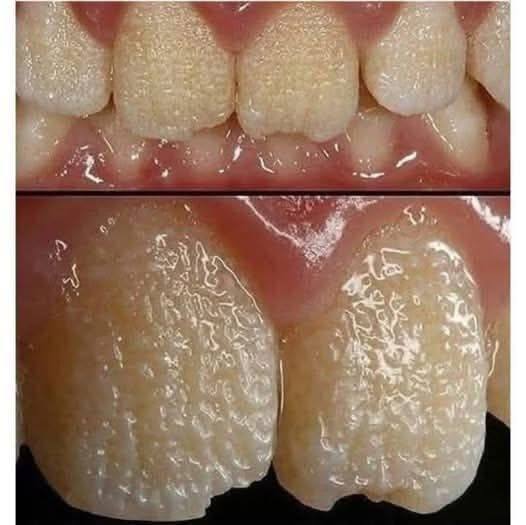
    Amelogenesis Imperfecta (AI) is a rare genetic condition that affects tooth enamel, the hard outer layer that protects teeth. It can cause discoloration, sensitivity, and fragility, making teeth appear yellow, brown, gray, thin, or chipped. As the article explains, it’s not about “what you ate yesterday,” but how teeth were formed from the start. For many, enamel differences affect comfort, confidence, and daily life, not just appearance.

    AI begins during early tooth development when specialized cells fail to form enamel properly. Normally, enamel becomes the hardest substance in the body, but in people with AI, this process is disrupted. As a result, enamel may be thin, soft, or poorly mineralized, exposing the sensitive dentin underneath. This leads to pain when eating hot, cold, or sweet foods and increases the risk of rapid wear and cavities. Unlike stains or decay, AI “cannot be brushed away or reversed with whitening treatments.”

    The emotional impact can be just as challenging. Because teeth play a key role in smiling and speaking, visible differences can cause embarrassment and social anxiety. Children may avoid smiling, teenagers may withdraw, and adults may feel self-conscious at work. Frequent dental treatments can also be stressful and expensive. Over time, sensitivity may affect eating habits and overall nutrition, adding to daily challenges.

    There are several forms of AI, including hypoplastic, hypomaturation, and hypocalcified types, each affecting enamel differently. The condition can be inherited in multiple ways and often appears in childhood. Diagnosis relies on dental exams, X-rays, and sometimes genetic testing. Early detection allows dentists to protect teeth and prevent complications before damage becomes severe.

    Treatment focuses on strengthening, protecting, and improving appearance. Options include bonding, crowns, veneers, fluoride treatments, and protective coatings. In severe cases, full-mouth rehabilitation may be needed. Although AI may give teeth a “custom look,” it is not just cosmetic—it requires ongoing care. With proper treatment, awareness, and emotional support, individuals with AI can maintain comfort, confidence, and healthy smiles without letting their condition define them.

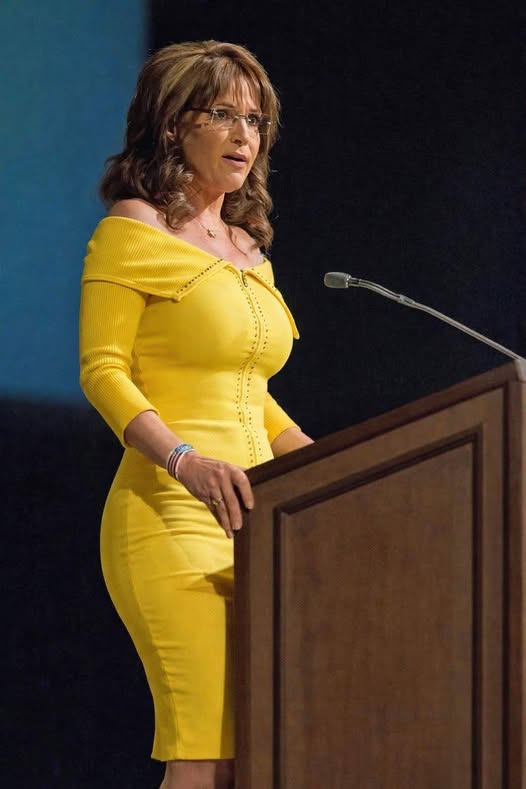
  • Sarah Palin Finds New Chapter After 27-Year Marriage Ended Unexpectedly

    Sarah Palin Finds New Chapter After 27-Year Marriage Ended Unexpectedly

    Sarah Palin’s life has often been viewed through politics, but behind the headlines was “a long, deeply personal marriage shaped by everyday routines and shared dreams.” She and Todd Palin built a life in Alaska, raising five children, working hard, and enjoying “a close-knit family world far from national attention.” As her public profile grew, they faced increasing pressure but tried to protect their home life and maintain normalcy.

    After more than 30 years together, the marriage ended quietly when Palin received “an unexpected email from Todd’s attorney saying he wanted a divorce.” The message marked the end of a relationship that began with a youthful elopement and decades of shared experiences. The separation brought emotional challenges during a period of public attention and personal uncertainty.

    Following the divorce, Palin focused on rebuilding her life and finding stability. “Friends and family offered steady support as she worked through the changes and adjusted to life outside marriage.” Over time, she returned to familiar routines, rediscovered personal interests, and found strength in maintaining close ties with her children and community.

    Palin has said she has found happiness again, focusing on living “with balance, gratitude, and renewed purpose.” Her journey highlights resilience and personal growth, showing the ability to move forward after unexpected life changes.

    Her story reflects how private challenges can exist alongside public life. Despite the scrutiny and upheaval, she prioritized family and self-care, demonstrating that personal wellbeing can persist even amid difficult transitions.

    Ultimately, Palin’s experience serves as a reminder that new beginnings can follow even the most difficult endings, offering hope that life after loss can be fulfilling, stable, and joyful.
    Suggested News

  • Why do men prefer women who are shorter than them?

    Why do men prefer women who are shorter than them?

    We’ve all heard the phrase, “Men like short women.” It’s often repeated as if it were fact. But is attraction really that simple? A recent study suggests the answer is more nuanced than the cliché implies.

    A study published in Frontiers in Psychology explored whether height influences romantic preference. Researchers surveyed more than 500 participants from multiple countries. Volunteers were shown silhouettes of varying heights and asked to choose their ideal partner size based on the type of relationship they had in mind. There were “No faces. No fashion cues. No personality traits. Just height.” The minimalist design aimed to isolate one factor: physical stature.

    On average, men preferred women slightly shorter than the typical female height in their country. Women, meanwhile, leaned toward men slightly taller than the national male average. But the more revealing detail appeared when relationship context was considered. Men showed a stronger preference for shorter partners in short-term relationships. That difference became less noticeable when imagining long-term, committed partnerships. Height influenced attraction, but context clearly mattered.

    Another pattern emerged among taller participants. Those above average height often preferred similarly tall partners. This reflects “homogamy,” the tendency to choose partners who resemble us in certain traits. Rather than proving a universal rule, it suggests preferences are often shaped by self-perception.

    Researchers also emphasized limits to their findings. Selecting silhouettes in a controlled study differs greatly from real-life connection. In everyday relationships, qualities like confidence, humor, warmth, and shared values tend to outweigh a single physical trait.

    Yes, height can influence first impressions. But attraction and lasting compatibility are far more complex. Love, after all, is not measured in centimeters—it grows through trust, interaction, and emotional connection.
    Suggested News

  • 7 habits of people who look much younger than their age, even at 70

    7 habits of people who look much younger than their age, even at 70

    Have you ever met someone in their 60s or 70s who looks 15 years younger?
    We often wonder, “How is that possible? What’s their secret?” While genetics plays a small role, it’s primarily daily habits that make the difference. People who age well tend to consistently adopt a few simple yet powerful practices. They don’t rely on expensive skincare or miracle diets. Instead, they follow accessible routines that nourish both their body and mind.

    Let’s discover together the 7 habits of people who look much younger than their age.

    1. They move their bodies every day

    Aging gracefully doesn’t mean spending hours at the gym. These people stay active every day.

    This can take the form of a brisk walk in the morning, a few dance steps in the living room, gardening, or even outdoor yoga. The important thing is to never remain completely inactive.

    Exercise stimulates blood circulation, helps preserve muscle mass, and strengthens joints. It’s also beneficial for the skin: a McMaster University study revealed that people over 40 who exercised regularly had skin similar to that of people in their twenties, at a cellular level.
    And let’s not forget the other benefits: improved mood, better sleep, and increased energy. All these factors influence how we look and feel as we age.

    2. They eat real, colorful food.
    Those who seem to defy time don’t follow fad diets. They simply choose to nourish their bodies well.

    This means a diet rich in colorful fruits and vegetables, whole grains, healthy fats (like olive oil or avocado), nuts, legumes, and quality protein such as fish or tofu. Furthermore, a recent study has shown that flavonoids, found in these foods, help reduce the risk of chronic diseases and improve mental health.

    They are not trying to deprive themselves, but to eat a balanced diet.

    Colorful fruits and vegetables, such as berries, spinach, sweet potatoes, or tomatoes, are rich in antioxidants. These nutrients help neutralize free radicals responsible for premature aging.

    One last piece of advice? They drink plenty of water. Good hydration contributes to supple, radiant, and healthy skin.

    Most read articles on Healthy and Natural:

    Those who never answer calls from unknown numbers often exhibit these 7 behaviors, according to psychology.
    If someone brings up these topics in conversation, they likely possess a high level of intelligence.
    7 common habits of people who grew up without close friends, according to psychology.
    The most painful relationship of your life will likely be with someone who possesses these traits, according to psychology.
    People who always bring something when invited to someone’s home often have these 7 personality traits, according to psychology.
    3. They avoid chronic stress (or know how to manage it well).
    Prolonged stress doesn’t just disturb the mind; it also accelerates the body’s aging process.
    Chronic stress leads to excessive production of cortisol, a hormone that breaks down collagen, essential for maintaining skin firmness and elasticity. It also acts at the cellular level, shortening telomeres, the protective caps of DNA that shield our cells. The shorter they are, the faster the aging process.

    People who age slowly have often integrated stress management strategies into their daily lives: meditation, journaling, walks in nature, deep conversations with a loved one, or simply drinking a cup of tea and savoring it in silence.

    They protect their inner peace. And, in doing so, they also protect their youth. Research has shown that chronic stress is associated with a shortening of telomeres, the protective ends of DNA, which accelerates cellular aging.

    4. They sleep as if it were sacred

    You never meet someone who looks younger than their age and boasts about only sleeping four hours a night.

    The idea of ​​”sleeping when we are dead”? It quickly leaves visible traces: dark circles, dull complexion, persistent fatigue.

    Deep sleep is a time of regeneration. It is during this phase that the body produces collagen, eliminates toxins accumulated in the brain, and regulates mood. Without good sleep, the signs of aging appear earlier.

    People who age well take their sleep seriously. They create calming moments, limit screen time in the evening, and transform their bedroom into a true haven of peace.

    5. They spend time with younger people (and laugh often).
    This is an often overlooked habit.

    Many people who maintain a youthful appearance at 70 have an almost contagious energy. Often, this vitality comes from their social life.

    They don’t isolate themselves or limit their interactions to people of their own generation. They play with their grandchildren, chat with younger friends, or participate in intergenerational activities.
    And above all, they laugh. A lot.

    Laughter relaxes the body, reduces stress, boosts immunity… and brightens the face. It gives radiance, warmth, and an instantly younger appearance.

    6. They remain curious and continue to learn

    There is something profoundly alive about people who keep their minds awake.

    Whether it’s learning a new language, reading regularly, discovering a new hobby, or exploring unfamiliar places, constant learning nourishes vitality.

    Why does it work so well?

    Because curiosity keeps the brain young. It encourages mental flexibility, stimulates the imagination, and fosters open-mindedness.

    People who remain emotionally open are less likely to dwell on the past or develop bitterness — two attitudes that cause premature aging.

    A Harvard study has shown that individuals who remain mentally active and socially engaged at an advanced age retain their autonomy and general well-being for longer.

    7. They are not obsessed with looking young.
    Ironically, those who look younger are not the ones desperately seeking to do so.

    They don’t chase after every new cosmetic treatment, and they don’t live in fear of aging. They accept age as a natural part of life, while choosing to experience it with lightness and intention.

    They take care of themselves, of course, but without becoming obsessive. This inner serenity greatly contributes to their youthful appearance.

    Anxiety related to self-image can accelerate aging. Conversely, self-acceptance, genuine joy, and confidence radiate from within—and it shows. In fact, a study by Becca Levy revealed that older adults with a positive view of aging lived on average 7.5 years longer than those with a negative view.

    This research highlights the significant impact of mental attitudes on physical health and longevity.

    Final thoughts

    You don’t need luxurious treatments, exceptional genetics, or strict discipline to look younger.

    What makes all the difference are the small, consistent daily habits. Regular exercise. Eating well. Deep sleep. Laughing often. Staying curious. Protecting yourself from stress. And above all, living life to the fullest.

    Growing old does not mean declining. It can also mean flourishing.

    People who age well don’t try to stay stuck in their 30s. They live each stage of their lives intensely.

    And that is probably the real secret.