Category: Uncategorized

  • A Hospice Nurse Shares the One Reflection She Hears Again and Again at Life’s Final Chapter

    A Hospice Nurse Shares the One Reflection She Hears Again and Again at Life’s Final Chapter

    After years of working closely with people in their final stages of life, one hospice nurse has noticed a powerful pattern.

    It is not about money. It is not about possessions. And it is not something people usually think about when they are healthy and busy with daily responsibilities.

    Julie McFadden has spent her career caring for individuals during the most vulnerable period of their lives. Through these deeply human moments, she has gained insights that many people never encounter until much later, if at all.

    Her work has reached far beyond hospital rooms. Through social media, speaking engagements, and writing, she has helped millions better understand what truly matters when life slows down and priorities become clear.

    What she shares is not meant to frighten. It is meant to gently remind.

    What People Reflect On Near the End of Life
    When people reach the final chapter of their lives, conversations often change.

    Daily concerns fade into the background. Schedules, deadlines, and long-term plans lose their urgency. Instead, people begin to look backward, reflecting on how they lived and what they valued most.

    According to Julie, many individuals become remarkably honest during this time. They speak openly, not to complain, but to make sense of their experiences.

    One regret comes up often: spending too much time working.

    Julie acknowledges that this is a complicated reality. Most people work because they must. Responsibilities, family needs, and financial pressures leave little room for alternatives. Even so, she says many wish they had found more balance, more moments of presence, and more time for relationships that mattered deeply to them.

    But there is another reflection she hears even more frequently.

    And it often surprises people.

    The Reflection People Don’t Expect
    Julie explains that the most common sentiment she hears is not about careers or missed opportunities.

    It is much simpler.

    Many people say they wish they had appreciated their health while they still had it.

    When health feels stable, it is easy to overlook. Being able to breathe easily, walk without effort, sleep comfortably, or enjoy a meal without discomfort can feel ordinary. These abilities fade into the background of daily life.

    It is only when health changes that its true value becomes clear.

    Julie has seen this realization unfold countless times. People express a longing for the days when their bodies felt strong and reliable. They speak of moments they once rushed through, now understood as gifts.

    Lessons Julie Has Applied to Her Own Life
    Witnessing these reflections has changed how Julie lives her own life.

    She has shared that she is more intentional about recognizing what she might otherwise take for granted. Small moments carry more meaning now.

    At the end of each day, she keeps a simple gratitude practice. It is not elaborate or time-consuming. She writes down ordinary things she is thankful for.

    Being able to walk freely.
    Breathing without effort.
    Feeling sunlight on her skin.

    These are not dramatic milestones, but they are foundational to daily comfort and independence.

    By noticing these moments regularly, Julie says she stays grounded in the present instead of assuming that tomorrow will always feel the same as today.

    Habits She Personally Avoids
    Through her years of experience, Julie has also become more cautious about certain everyday habits.

    She has spoken openly about choices she avoids because she has seen how they can affect long-term well-being.

    Among them are daily alcohol use, smoking or vaping, and high-risk recreational activities. Her perspective comes not from judgment, but from observation.

    She has cared for many people whose health challenges could have been reduced or delayed with different habits earlier in life. These experiences have shaped how she approaches her own health with greater care and awareness.

    Her message is not about perfection. It is about prevention where possible and mindfulness where change is within reach.

    Why These Reflections Matter at Any Age
    While Julie’s work focuses on people near the end of life, the lessons she shares are meant for everyone.

    You do not need to be facing serious illness to pause and reflect. In fact, the earlier these insights are considered, the more meaningful they can be.

    Appreciating health does not require dramatic lifestyle changes. It begins with awareness.

    Taking a moment to notice how your body feels today.
    Resting when needed.
    Making choices that support long-term comfort and independence.

    These small actions, repeated over time, shape quality of life more than most people realize.

    A Gentle Reminder, Not a Warning
    Julie does not share these stories to create fear.

    Her goal is the opposite. She hopes people will live more fully by recognizing what already works well in their lives.

    Health, when present, is quiet. It does not demand attention. But it supports everything else we value.

    By learning from those who have reflected deeply on their lives, Julie believes we can make choices rooted in gratitude rather than regret.

    Sometimes, the most meaningful lessons come not from what people wish they had done differently, but from what they wish they had noticed sooner.

  • THE DAY I INHERITED MY GRANDFATHER’S HOUSE—AND MY FAMILY TURNED ON ME

    THE DAY I INHERITED MY GRANDFATHER’S HOUSE—AND MY FAMILY TURNED ON ME

    As soon as my grandfather’s funeral was over, my mother pulled me aside from the guests and said, “Son, you did such a good job taking care of Grandpa.”

    “I heard he left you his house. WELL, YOU NEED TO SIGN IT OVER TO YOUR SISTER. She has little kids, and you’re a young bachelor—you’ll buy yourself a new one someday.”

    My jaw dropped at her words. But instead I said, “Mom.”

    I don’t even know why I said just “Mom.” I guess I was in shock. Grandpa’s house meant more to me than just walls and a roof. I spent every summer there since I was a kid. He taught me how to fix things, how to cook his favorite stew, and how to sit on the porch in silence, appreciating the world.

    I tried to gather my thoughts. “Mom, Grandpa left it to me because he wanted me to have it. He told me this was his wish.”

    She looked over my shoulder at the people milling around the buffet table. She whispered sharply, “Do you know how much your sister is struggling? She and her husband are drowning in debt. They need a place. You can’t be selfish.”

    I swallowed hard. I didn’t want to sound selfish, but it felt like everyone was ignoring what Grandpa actually wanted.

    My sister, Catriona, came over just then, wiping her eyes. She threw her arms around me dramatically. “You know you’re my favorite brother,” she sniffed, even though I was her only brother. “Please, Royston, think of my boys. They need a yard to play in.”

    I wanted to yell. But I couldn’t. Everyone was watching us—old family friends, cousins I barely knew, Grandpa’s church buddies. So I just nodded and stepped away, muttering something about needing air.

    Out on the porch, the summer heat hit me like a wave. The wind rattled the old screen door Grandpa had fixed countless times. I could almost see him sitting there, in his favorite chair, telling me stories about how he and Grandma built this place from nothing.

    My phone buzzed in my pocket. It was a message from Grandpa’s lawyer, Silas Norridge. “Royston, please call me when you can. I need to go over some details of the will with you.”

    I dialed him immediately. Silas answered in his slow, deliberate voice. “Royston, first, I’m so sorry for your loss. Your grandfather was one of a kind.”

    “Thank you,” I said, choking up. “He was.”

    “I’ll need you to come into the office this week, but there’s something you should know right now. The house wasn’t the only thing he left you.”

    I froze. “What do you mean?”

    “There’s a bank account with a sizable sum. It’s yours. He specified it’s for maintaining the house or starting your own family someday.”

    I almost laughed out of disbelief. I never knew Grandpa had money saved up. He lived so modestly.

    Silas continued, “Also, he wrote a letter. He wanted you to read it alone.”

    I told him I’d be there first thing Monday. When I hung up, I saw my mom watching me through the window. Her eyes narrowed suspiciously.

    That night, I lay in my childhood bed, staring at the ceiling. Mom’s house felt so small and unfamiliar, even though I grew up there. I heard her talking in the kitchen with my sister, their voices hushed but intense.

    “He doesn’t need that house,” Mom said. “He can get a condo.”

    “He’s being selfish,” Catriona agreed. “What’s he going to do in a big old house by himself?”

    My chest felt tight. I wondered if I was being selfish. But then I remembered Grandpa’s raspy voice when he told me a month before he passed, “Royston, this house is yours. Promise me you’ll take care of it. It’s been the heart of this family.”

    The next morning, I left early for Silas’s office. The law firm smelled of old books and lemon polish. Silas handed me a thick envelope with my name on it, written in Grandpa’s wobbly handwriting.

    I opened it carefully. The letter inside was short but powerful: “My boy, this house saw all the good and bad of our family. I want you to have it so you always remember where you came from. If they try to make you give it up, know that I chose you for a reason.”

    Tears blurred my vision. I didn’t want this burden, but I knew I had to honor his wish.

    Over the next week, the tension with my family got worse. Mom stopped making me breakfast. My sister stopped replying to my texts. Her husband, Greer, who never liked me much, sent me a blunt message: “Man up. Give your sister the house.”

    The day Silas filed the will in probate court, Mom called a family meeting. She sat at the head of the dining table like a queen. “Royston, last chance. Sign it over today, and we’ll forget all this unpleasantness.”

    I stood up, my legs shaking. “No. Grandpa wanted me to have the house.”

    Mom’s face twisted. “I can’t believe you’re turning your back on your family.”

    Catriona started sobbing. Greer slammed his fist on the table. The kids, not understanding, just watched with wide eyes.

    I walked out, the finality of it hitting me in the chest. I drove to Grandpa’s house and sat on the porch. I felt alone, but also strangely strong.

    That night, I decided to move in. I packed my clothes and a few boxes of memories. The first evening there, I cooked Grandpa’s favorite stew. I ate it by myself at the old kitchen table, tears dripping into my bowl.

    The next morning, there was a knock on the door. I opened it to find Greer on the steps, looking angrier than I’d ever seen him.

    “I’m warning you,” he said, stepping closer. “If you don’t give us this house, you’ll regret it.”

    I took a deep breath. “Leave now. Or I’ll call the police.”

    He scoffed, but backed down. He must’ve known I meant it.

    Days turned into weeks. My mom called occasionally, each conversation stilted and cold. She always ended with, “You’re making a huge mistake.” Catriona didn’t call at all.

    But something unexpected happened. One afternoon, a neighbor I’d only seen in passing came by. Her name was Maribel, a kind woman in her fifties. She brought a pie and said she missed Grandpa’s stories. We sat on the porch, sharing memories. She told me how Grandpa always fixed her fence without asking for anything.

    Word spread that I was living there. Soon, neighbors I’d never really known offered help. One brought fresh vegetables from his garden. Another helped me repair a leaking pipe. It felt like the neighborhood itself was welcoming me.

    One evening, as I sat watching the sun set, Maribel joined me again. She told me, “Your grandfather would be proud. He was always worried about this house staying in the family.”

    I smiled for the first time in weeks. “Thank you. That means a lot.”

    Then one morning, I found an envelope tucked into my mailbox. It was from my mom. Inside was a letter: “Royston, I don’t understand your decision. But maybe I don’t need to. I just hope you’ll forgive me someday.”

    My heart softened. I called her right then. She picked up, her voice shaky. “I’m sorry, Mom,” I whispered. “I never wanted to fight. I just wanted to honor Grandpa.”

    She was quiet for a long time, then sighed. “I know. I just wanted everyone to be okay.”

    From that day, our relationship started to heal. It wasn’t perfect. She still didn’t agree with my choice, but we began talking again.

    Then came the twist I never saw coming. About three months later, Greer lost his job. Catriona and the kids had to move into a cramped apartment. I heard through the grapevine they were struggling.

    I felt torn. Part of me was still hurt by their demands. But another part remembered how Grandpa always helped family, even when they didn’t deserve it.

    One evening, I called Catriona. She picked up on the second ring. “Royston?”

    “I heard you’re having a hard time,” I said. “I want to help.”

    She started crying immediately. “I’m so sorry for everything we said. We were desperate.”

    I swallowed my pride. “How about I help you with rent for a few months? I can’t give up the house, but I can make sure the kids have what they need.”

    Her gratitude poured out like a flood. That night, I felt lighter than I had in ages. I realized holding a grudge was heavier than helping.

    The house became my sanctuary. Every day I made small repairs Grandpa never got around to. I planted new flowers in the front yard and repainted the porch swing. Neighbors kept dropping by, and soon I felt like I truly belonged.

    I also decided to open Grandpa’s old workshop to the community. I started a free weekend class teaching kids basic carpentry. Seeing them laugh and learn in the same space Grandpa taught me made everything worth it.

    A year passed since Grandpa’s funeral. My relationship with Mom stabilized. Catriona and I began rebuilding our bond. She and the kids came over sometimes, and the yard rang with their laughter.

    I stood on the porch one evening, watching the fireflies, and thought about how everything could have gone differently if I’d given in. Grandpa’s words came back: “Know that I chose you for a reason.”

    I finally understood. He knew I wouldn’t just keep the house; I’d keep the spirit of family alive, even when it was hard.

    The day I inherited my grandfather’s house turned out to be the day I inherited his heart, too. Because keeping the house wasn’t just about owning property—it was about protecting the love, history, and memories built inside it.

    Sometimes standing your ground doesn’t divide a family—it shows them what truly matters. And sometimes helping those who hurt you is how you heal yourself.

    So if you ever find yourself in a situation where it feels like the world is pushing you to do what’s easy instead of what’s right—take a breath, remember who you are, and trust your heart.

    Because the most precious things we inherit aren’t houses or money, but the courage to do what we believe is right.

  • John Travolta continues to captivate audiences decades later, effortlessly showcasing the iconic dance moves from *Grease*, blending charisma, precision, and energy, proving that his legendary performance as Danny Zuko remains timeless, inspiring fans across generations worldwide.

    John Travolta continues to captivate audiences decades later, effortlessly showcasing the iconic dance moves from *Grease*, blending charisma, precision, and energy, proving that his legendary performance as Danny Zuko remains timeless, inspiring fans across generations worldwide.

    Few films in cinematic history have captured the spirit of teenage romance, high school drama, and unforgettable music quite like Grease. Released in the summer of 1978, the film quickly became a cultural phenomenon and remains one of the most beloved musicals of all time. Even for those who haven’t watched it in full, the songs, dance moves, and characters have left an indelible mark on popular culture. Tracks like “You’re the One That I Want,” “Summer Nights,” and “Greased Lightnin’” are instantly recognizable, played at parties, talent shows, and karaoke nights across the world. At the heart of this story is the magnetic pairing of Danny Zuko, played by a young John Travolta, and Sandy Olsson, portrayed by Olivia Newton-John. Their summer romance, filled with innocence, excitement, and youthful longing, captures the essence of first love, and Danny’s leather jacket, slicked-back hair, and effortless charm made hearts skip a beat worldwide. He embodies the archetype of the “bad boy with a heart,” a character who is simultaneously roguish and romantic, making him an unforgettable figure in cinematic history.

    The plot of Grease is deceptively simple yet endlessly captivating, opening with the iconic summer fling between Danny and Sandy against the sun-soaked backdrop of a California beach. The pair share moments of laughter, flirtation, and tender connection, instantly creating a love story audiences root for. However, the idyllic summer ends, and reality intervenes—Sandy returns to Australia, leaving Danny to assume their romance has concluded. The story gains momentum when Sandy unexpectedly reappears at Rydell High, where Danny attends school. Here, the carefree days of summer clash with the social hierarchies, peer pressures, and cliques of teenage life. Determined to maintain his “cool guy” image with his friends and the T-Birds, Danny pretends their romance never happened, but his feelings for Sandy are undeniable. Beyond a simple teenage love story, this dynamic reflects deeper themes of identity, social conformity, and personal growth. Danny’s struggle to reconcile his public persona with private emotions resonates with viewers across generations, while Sandy’s journey—navigating social norms without compromising her integrity—offers a nuanced portrayal of femininity, self-expression, and personal strength.

    Music is the lifeblood of Grease, elevating the story into a timeless classic. Composed by Jim Jacobs and Warren Casey, the songs combine rock ‘n’ roll energy with theatrical flair, ensuring they remain a staple of popular culture. “Summer Nights” captures the playful tension between male and female perspectives on a fleeting summer romance, while “Greased Lightnin’” reflects Danny’s desire to project confidence and coolness. Perhaps the most iconic number is the finale, “You’re the One That I Want,” whose infectious rhythm and electrifying choreography encapsulate the story’s joy, tension, and romance. This song has transcended generations, appearing in commercials, talent shows, and dance competitions worldwide. The enduring popularity of the music reflects not only its infectious energy but also the brilliance of the performances, proving that Grease is as much a celebration of sound and movement as it is of storytelling.

    John Travolta’s portrayal of Danny Zuko is central to the film’s enduring appeal. Already gaining attention from the television series Welcome Back, Kotter, Travolta was propelled to international stardom by Grease. His combination of charm, physicality, and comedic timing made Danny Zuko unforgettable. Travolta’s dance moves, confident swagger, and charismatic vocals brought vitality to every scene, and he meticulously prepared for each musical number. During a 40th-anniversary appearance on The Tonight Show with Jimmy Fallon, Travolta revealed how he contributed to the choreography of “You’re the One That I Want” by suggesting the now-famous “four corners” step, inspired by novelty dances from his youth. Demonstrating the move decades later, Travolta reminded audiences of the skill, creativity, and charisma that defined his performance, proving that some stars truly never lose their shine.

    The choreography of Grease was groundbreaking, blending meticulously planned routines with a sense of spontaneity and fun. Travolta’s dance background, combined with the cast’s energy, brought each scene to life. From the gym sequences to the climactic finale, every number was designed to captivate audiences visually and emotionally. The “hand jive” sequence became a global sensation, inspiring countless recreations at parties, weddings, and theatrical performances. Beyond pure entertainment, the dance sequences influenced a generation of performers, blending 1950s rock ‘n’ roll styles with contemporary flair. Watching Travolta move on screen remains a masterclass in timing, rhythm, and expression, demonstrating the lasting impact of Grease on both popular and performance culture. Behind the scenes, the cast endured grueling rehearsals and physically demanding shoots, often performing multiple takes under the Californian sun. Despite these challenges, the camaraderie and shared enthusiasm among the actors contributed to the film’s infectious energy and enduring charm.

    Fashion and style are equally central to the cultural legacy of Grease. Danny Zuko’s leather jacket, slicked-back hair, and casual jeans became emblems of 1950s cool, while the T-Birds’ coordinated jackets signaled camaraderie and rebellion. The Pink Ladies’ pastel jackets and matching outfits highlighted playful femininity and added visual flair. These costume choices reinforced character identities and connected audiences to the story on both visual and emotional levels. Beyond the screen, Grease influenced modern fashion trends, inspiring the continued popularity of leather jackets, high-waisted skirts, and classic sneakers. Costume designers combined period accuracy with cinematic style, creating ensembles that remain iconic decades later. The film’s fashion and style choices continue to resonate, reinforcing its broader influence on pop culture and design aesthetics.

  • A Big Hurricane Is Approaching: Urgent Warnings, Potential Landfall Paths, Rising Winds, Flood Risks, Evacuation Readiness, Emergency Supplies, Power Outage Preparation, Coastal Impact Concerns, Inland Rainfall Threats, Travel Disruptions, Safety Guidance, Official Updates, Community Alerts, and What Residents Must Know Now Before Conditions Rapidly Deteriorate Across Affected Regions Tonight Immediately

    A Big Hurricane Is Approaching: Urgent Warnings, Potential Landfall Paths, Rising Winds, Flood Risks, Evacuation Readiness, Emergency Supplies, Power Outage Preparation, Coastal Impact Concerns, Inland Rainfall Threats, Travel Disruptions, Safety Guidance, Official Updates, Community Alerts, and What Residents Must Know Now Before Conditions Rapidly Deteriorate Across Affected Regions Tonight Immediately

    Hurricane Melissa remains an extremely dangerous Category 3 storm, moving north toward eastern Cuba after delivering catastrophic damage to Jamaica. With powerful winds, heavy rain, and wide reach, it ranks among the strongest hurricanes recorded in the region in recent years.

    Jamaica suffered the storm’s most devastating impact so far. Violent winds ripped roofs from homes, uprooted trees, and destroyed fragile buildings, while torrential rain flooded roads and neighborhoods. Emergency responders struggled to reach isolated communities as conditions worsened.

    At least seven deaths have been linked to the storm across the Caribbean—three in Jamaica, three in Haiti, and one in the Dominican Republic—though officials warn the toll may rise as assessments continue. Authorities stress this was a life-threatening event, not a routine storm.

    Jamaica has declared a national disaster. More than 500,000 residents are without electricity, leaving hospitals and water systems reliant on generators. Flooded neighborhoods, damaged schools, and washed-out roads have complicated relief efforts, prompting the United States to pledge emergency assistance.

    Cuba is now bracing for impact, evacuating more than 735,000 people from coastal and flood-prone areas. Officials warn of winds up to 120 mph, rainfall reaching 25 inches, and storm surges of up to 12 feet, threatening homes, agriculture, and infrastructure.

    Haiti and the Dominican Republic have already experienced severe flooding and landslides from Melissa’s outer bands. In Haiti, fragile infrastructure worsened the damage, while urban flooding and outages affected parts of the Dominican Republic.

    Meteorologists warn that prolonged rainfall poses ongoing dangers even after the storm weakens. Flooding, landslides, contaminated water, and downed power lines may threaten lives for days.

    Officials urge residents to follow evacuation orders, rely on verified information, and avoid returning too soon. Recovery is expected to take months and will require regional cooperation and international support.

  • New Polling Data Reveals Public Opinion on Trump Administration at Five-Month Mark

    New Polling Data Reveals Public Opinion on Trump Administration at Five-Month Mark

    Donald Trump’s political standing is sliding faster than many expected. Five months into his second term, approval ratings are falling sharply, even on issues that once defined his strength. Immigration and the economy, long central to his appeal, are now sources of growing voter dissatisfaction.

    Advisers and allies appear unsettled by the speed of the decline. What initially looked like routine turbulence has evolved into something more serious, driven by protests, unrest, and a sense of national fatigue with constant confrontation.

    Polling suggests the erosion goes beyond individual policies. Falling below the 40-percent approval threshold has historically weakened presidents, emboldening opponents and making allies more cautious. Every controversy now carries greater political risk.

    The latest Quinnipiac numbers point to widespread exhaustion. Many voters appear less angry than worn down, frustrated by what they see as unending crisis rather than the promised stability and order.

    Immigration enforcement, once energizing for Trump’s base, now unfolds alongside images of troops on U.S. streets and escalating demonstrations. These visuals have shifted public perception, even among some supporters.

    Economic anxiety is compounding the problem. Rising costs and uncertainty have chipped away at Trump’s reputation for competence, weakening one of his last remaining advantages with swing voters.

    In this environment, each new dispute lands harder. The public appears primed to doubt explanations and dismiss reassurances, accelerating the loss of trust.

    Whether Trump can reverse the trend remains unclear. What is already evident is the damage done: a presidency increasingly defined by erosion rather than dominance, and a country showing signs of quietly turning away.

  • Woman arrested after alleged plan to assassinate Trump – shocking plan revealed

    Woman arrested after alleged plan to assassinate Trump – shocking plan revealed

    A small-town librarian in Ripley, West Virginia, is sitting in jail after a single online post ignited a national controversy. One sentence shared on social media transformed a quiet community into the center of an intense legal and political storm.

    Authorities say the issue was not political opinion but a threat of violence. Investigators allege the post crossed the line from expression into a call to kill, prompting swift action by law enforcement.

    Morgan L. Morrow, once known locally for shelving books and helping patrons, now faces charges tied to what officials describe as a “terroristic threat.” Her arrest stunned residents who never imagined such allegations emerging from their town.

    According to investigators, the Instagram caption was interpreted as encouraging a sniper-style attack aimed at Donald Trump. Officials argue the language was dangerous enough to demand immediate intervention.

    Concerns deepened as authorities reviewed the comment section, where others allegedly echoed violent fantasies against public figures. Prosecutors say the broader online response heightened the perceived risk.

    Law enforcement maintains that intent or a concrete plan was not required. They argue that words alone can inspire real-world violence, especially in an already volatile national climate.

    As the case moves forward, the local library has distanced itself from Morrow, while residents grapple with the sudden notoriety and moral complexity of the situation.

    Ripley is now left with a difficult question: when speech spreads instantly and widely, how late is too late before it becomes something far more dangerous?

  • When The Sky Chose War!

    When The Sky Chose War!

    The first sign wasn’t the lightning. It was the silence that followed. Streets seemed to freeze, clocks felt paused, and the air itself held its breath. When the sirens finally wailed, they sounded too late, too human to stop what had already begun.

    Then came the fog. It rolled in without warning, swallowing roads, buildings, and entire neighborhoods. Some people called it judgment. Others said it was a failure of systems long ignored. No one truly knew, and that uncertainty became its own kind of language.

    Experts clung to data, charts, and projections, trying to explain what couldn’t yet be measured. But for everyone else, survival became instinctual. People learned to read the air, to sense when another outage or collapse was coming, to trust intuition more than forecasts.

    Old arguments about politics or blame faded quickly. They felt small compared to the daily goal of getting through the night with the lights still on. Survival narrowed priorities in a way nothing else could.

    And in that stripped-down world, something unexpected emerged. Neighbors who had never spoken before shared extension cords and batteries. Strangers traded food, water, and quiet reassurance in darkened stairwells.

    Without answers, people leaned on each other. Meals were cooked on camping stoves. Stories were shared like currency, offering comfort when certainty was gone.

    The fog didn’t just take visibility—it removed illusions. What remained was a raw understanding of dependence, of how fragile systems are and how strong people can be when forced together.

    Whatever the fog truly was, it left behind a simple truth: when everything else failed, human connection endured.

  • Amazon announces plans to cut 16,000 jobs worldwide

    Amazon announces plans to cut 16,000 jobs worldwide

    A reader had planned their first real vacation in years. Everything was approved and booked when HR called them in just two days before departure and announced their role was being eliminated.

    The meeting felt cold and scripted. When the reader asked about the already approved vacation, HR dismissed the question with, “It’ll be handled later,” offering no details or reassurance.

    “Later” arrived as a final paycheck with no vacation pay included. An email from HR followed, stating that once terminated, approved leave no longer applied.

    Frustrated by the dismissive tone, the reader reviewed the company handbook. There, they found a clear policy stating that approved vacation must either be honored or paid out.

    They replied to HR with a screenshot of the policy and one simple question: “Can you explain this?” No accusations, just the rule in writing.

    The silence that followed lasted until the next morning. Then HR called back with a sudden “adjustment.” The termination date was changed so the reader was technically still employed and officially on vacation.

    They were told not to work, not to log in, and to take the trip as planned. When a manager texted mid-vacation with a “quick question,” the reader chose not to respond.

    After returning, HR offered to reinstate the role temporarily, but the reader declined. They took the vacation, received the pay they were owed, and left on their own terms—with dignity.

  • Thrift Store Surprise: The Diamond Ring I Found in a Washing Machine

    Thrift Store Surprise: The Diamond Ring I Found in a Washing Machine

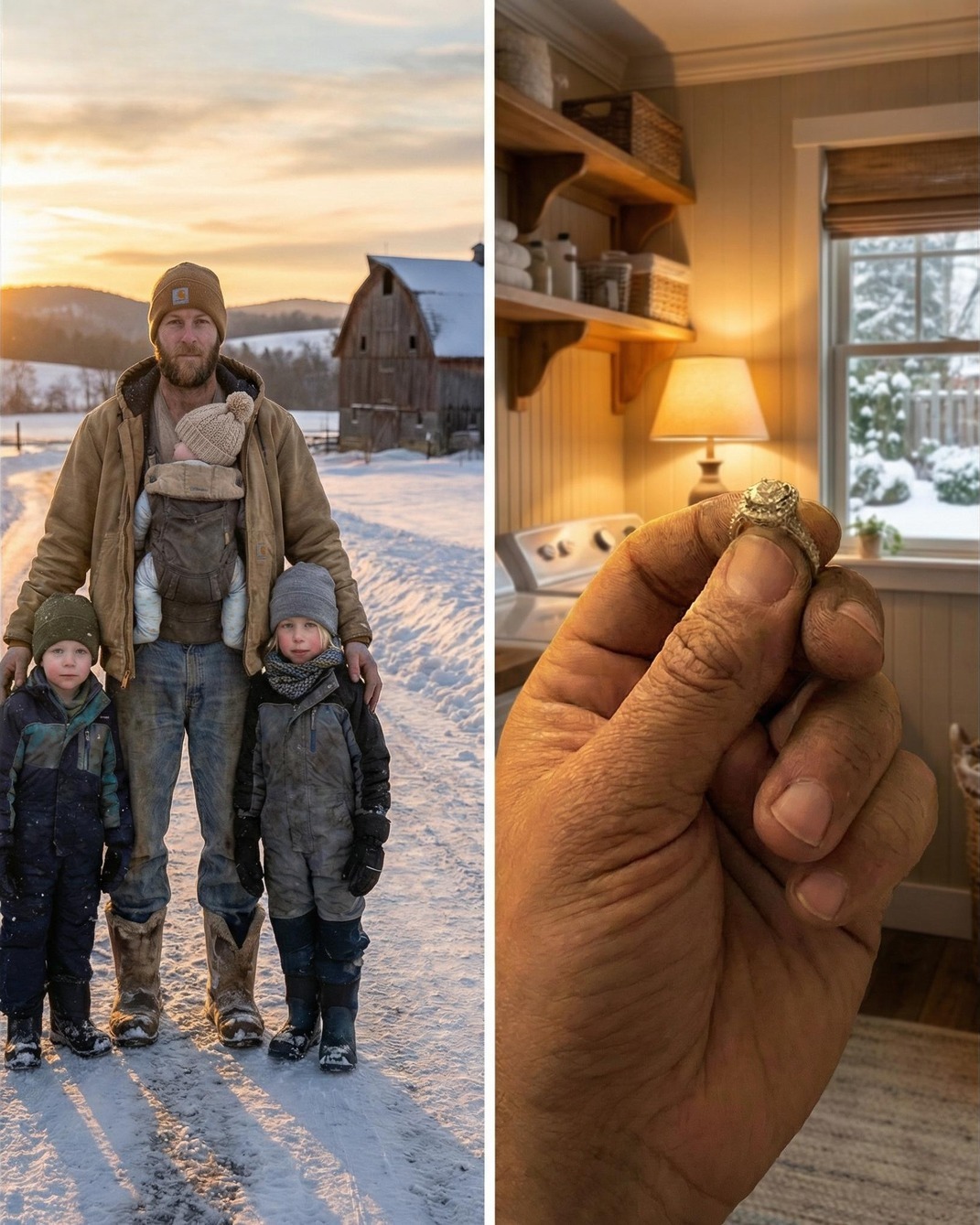
    I was thirty, a single father of three, exhausted in a way sleep couldn’t fix. When our washing machine broke mid-cycle, I didn’t just feel inconvenience—I felt like I was letting my kids down. With no money for a new one, I bought a used washer from a thrift store for sixty dollars, hoping it would last the month. Survival for us wasn’t dramatic—it was practical: clean clothes, food, and the quiet hope my children would keep believing in me.

    As I tested the washer, a strange metallic sound caught my attention. I stopped the cycle and reached inside the drum. My fingers brushed something small and smooth: a gold ring with a single diamond. Faint letters were engraved inside—“To Claire, with love. Always.” For a moment, I thought of what it could pay for: groceries, bills, shoes. But when my daughter whispered it was a “forever ring,” I realized it was more than jewelry.

    It was someone’s memories, promises, and life. That night, after the kids slept, I called the thrift store to ask if there was a way to return it. The next day, I drove across town and knocked on the door of a small brick house. An older woman, Claire, answered.

    Her eyes widened when she saw the ring, filling with tears as she explained it had been lost years ago, a gift from her husband. She held it close, smiled with relief and joy, and thanked me repeatedly, even sending me home with cookies.

    Driving back, I felt lighter, knowing I had done something small yet profoundly meaningful. Life quickly returned to chaos—pancakes, laundry, laughter—but I taped Claire’s handwritten note to the fridge, right where the ring had rested.

    Every time I see it, I’m reminded that “always” isn’t accidental. Sometimes it’s a choice, made quietly, even when life is hard.

    My children saw that day that doing the right thing matters, that honesty and care leave lasting impressions.

    Even in exhaustion, small acts can have big meaning, and the values we model linger far longer than the struggles themselves.

    Sometimes, life’s quiet moments carry the loudest lessons.

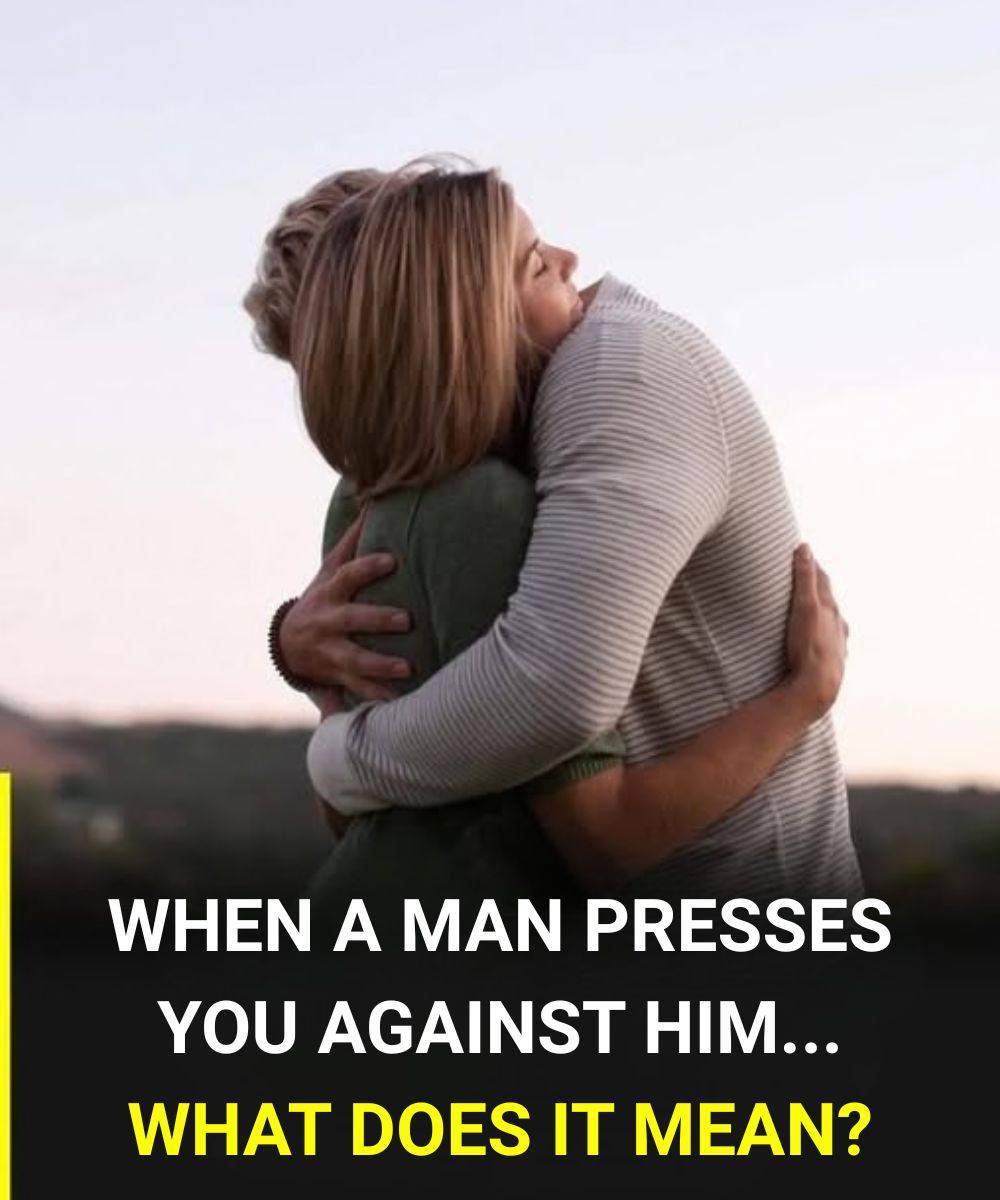
  • New Why does a man hold you tightly against him?

    New Why does a man hold you tightly against him?

    A sincere, close embrace is one of the most powerful ways humans express care, reassurance, and emotional closeness. When it comes from a man, a hug can carry meanings that go far beyond words, speaking directly to trust, affection, and support.

    A Sense of Safety and Protection
    A firm hug can create an immediate feeling of safety, as if the person being held is momentarily shielded from the world. The strength of the embrace acts as a quiet promise: in that moment, they are not alone. Many describe it as stepping into a space of calm and security.

    A Physical Expression of Love
    Hugs serve as wordless confessions of care and attachment. For men who find verbalizing emotions difficult, physical gestures often become the most honest way to communicate. A strong embrace can quietly say, “You matter to me,” without a single word.

    Offering Comfort and Emotional Support
    During times of grief, stress, or emotional pain, a warm hug provides immense comfort. It reassures the person being held that they are understood and supported. The closeness can ease tension and offer grounding when words fall short.

    Strengthening Bonds and Reconnection
    In romantic, familial, or platonic relationships, a heartfelt hug can restore closeness and reaffirm emotional ties. Especially after distance or misunderstandings, it silently communicates presence, loyalty, and connection.

    Trust and Emotional Openness
    Giving or accepting a tight hug requires trust. For a man, initiating or holding a strong embrace signals comfort with vulnerability. Shared vulnerability through a hug strengthens relationships and fosters mutual understanding.

    A Powerful Silent Language
    Hugs communicate emotions that words often cannot—reassurance, affection, solidarity, or compassion. The length, intensity, and timing of an embrace can convey complex feelings with remarkable clarity.

    In Summary
    A strong embrace from a man symbolizes protection, love, emotional support, reconnection, trust, and unspoken understanding. Simple in action, it is deeply powerful, comforting, and capable of strengthening human relationships in ways few other gestures can.