Category: Uncategorized

  • BREAKING: Feds Begin Criminal Investigation of Gavin Newsom

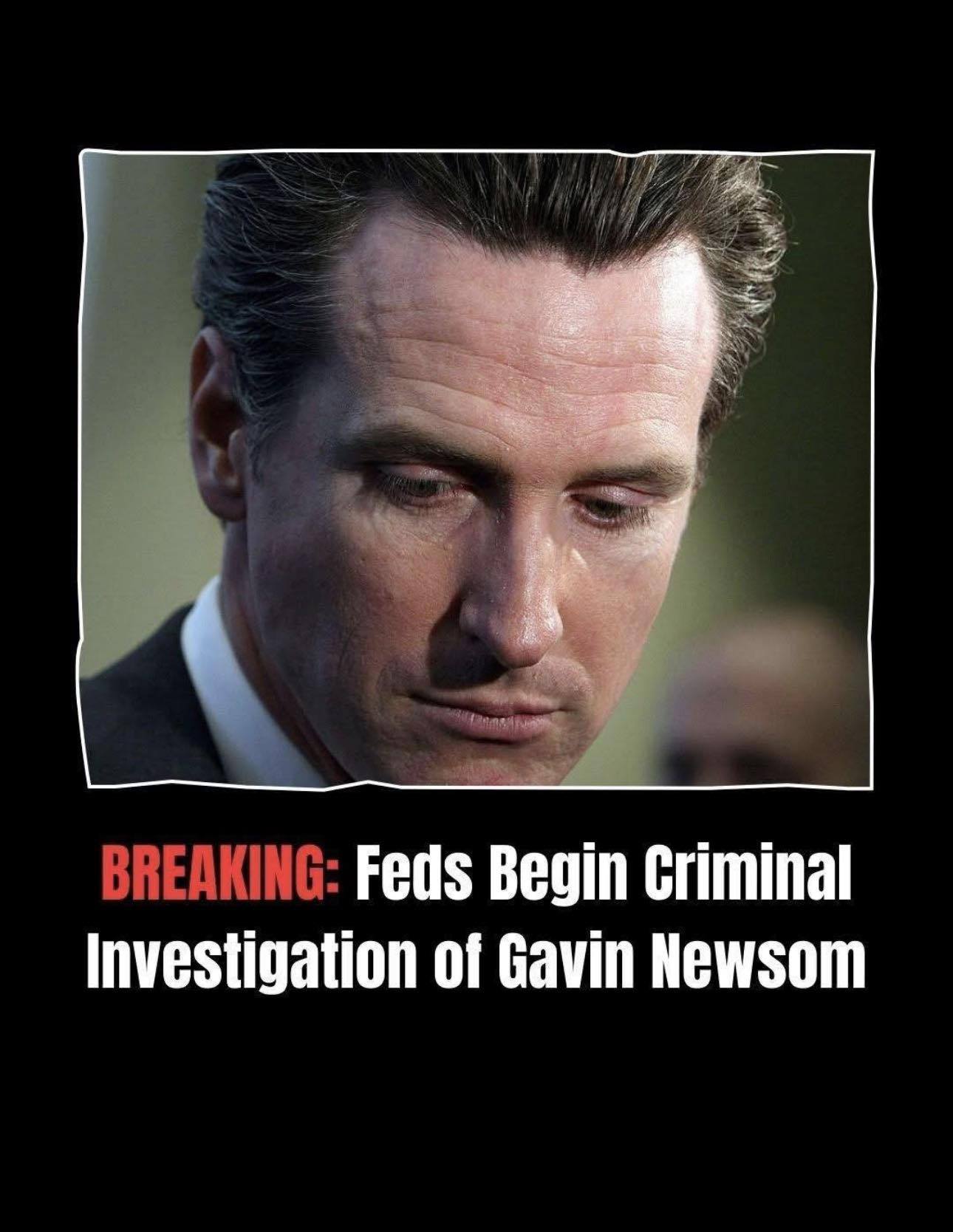
    BREAKING: Feds Begin Criminal Investigation of Gavin Newsom

    The political shock landed fast. Within a day, Minnesota’s welfare system was frozen, federal agents launched raids, and California became the target of a new federal fraud investigation. The moves signal a sharp escalation in Washington’s fight with blue-state governments.

    President Trump is openly accusing Democratic governors of running corrupt welfare systems funded by taxpayer money. He claims billions may be missing, with funds allegedly flowing to empty daycare centers or worse.

    The California investigation follows directly after Minnesota’s childcare scandal, tying the two states together in a broader narrative of systemic abuse. Trump framed the probe not as a routine audit, but as a moral reckoning.

    By singling out Governor Gavin Newsom, Trump has turned the issue into a political confrontation. He described California’s system as even “more corrupt than Minnesota,” escalating tensions between federal and state leadership.

    Behind the rhetoric, the policy impact is immediate. Federal childcare payments to Minnesota have been cut off, disrupting services and leaving families and providers scrambling.

    New nationwide rules now require receipts, documentation, or photo proof for welfare payments. Federal officials are also actively recruiting whistleblowers to report suspected fraud.

    Viral videos showing nearly empty daycare centers receiving millions have fueled public outrage and intensified scrutiny. These images have become central to the political messaging.

    Whether California uncovers fraud on the same scale remains unknown. But the damage is already unfolding, reshaping national debates over welfare, immigration, and trust in state governments.

  • Trump’s America: Crime Is Collapsing — And the Numbers Are Brutal

    Trump’s America: Crime Is Collapsing — And the Numbers Are Brutal

    For years, many Americans were told their fears about crime were exaggerated or politically motivated. Rising violence was dismissed, and public concern was often met with lectures rather than solutions.

    That narrative shifted in 2025. Crime did not merely decline—it dropped sharply. Homicides, car thefts, and violent assaults fell across multiple regions at the same time.

    The reversal did not come from new slogans or academic theories about “root causes.” It followed a clear return to strict law enforcement and visible consequences.

    With Donald Trump back in office, federal and local systems were pushed toward a law-and-order approach. The focus moved from understanding offenders to protecting victims.

    Police departments were publicly supported instead of criticized. Officers were encouraged to act, rather than hesitate under fear of backlash or prosecution.

    Prosecutors were expected to bring charges, not divert cases endlessly. Judges were urged to impose sentences instead of explaining criminal behavior away.

    As enforcement increased, the data followed. Cities that once embraced de-policing and decarceration saw some of the steepest crime drops.

    The lesson many now draw is simple: safety and accountability are not opposites. When consequences return, communities stabilize—and fear recedes.

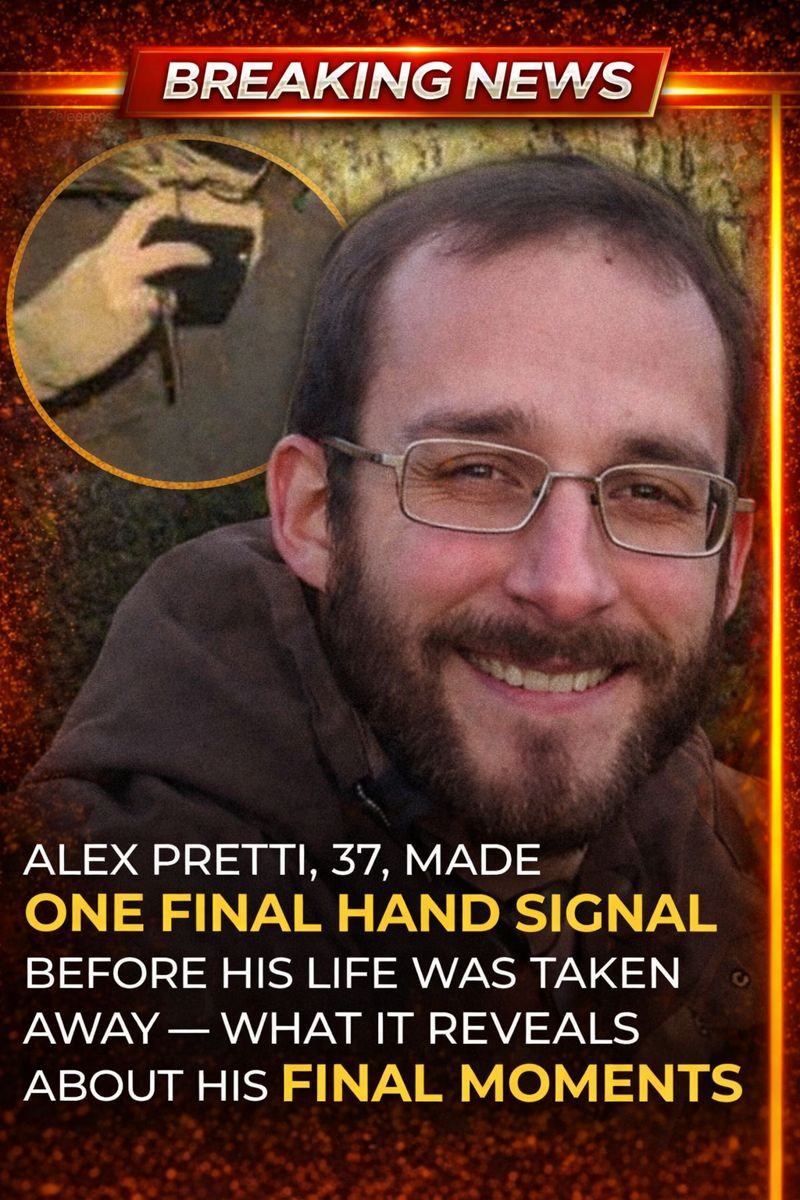
  • Exact Timeline of Alex Pretti’s Tragic Incident Revealed in Detail

    Exact Timeline of Alex Pretti’s Tragic Incident Revealed in Detail

    A new minute-by-minute reconstruction based on verified videos presents a sharply different account of the fatal shooting of Alex Jeffrey Pretti, a 37-year-old ICU nurse killed during a federal immigration operation in Minneapolis.

    The timeline, reported by ABC News and corroborated by multiple camera angles, raises doubts about early federal claims that Pretti approached agents armed and intending harm.

    Initial statements from the Department of Homeland Security described Pretti as a dangerous threat and said agents fired in self-defense after he resisted disarmament.

    However, former DHS undersecretary John Cohen said the videos do not support claims that Pretti acted in a threatening manner or showed intent to use lethal force.

    Footage shows Pretti standing on Nicollet Avenue minutes before the shooting, holding what appears to be a phone and recording enforcement activity as officers interact with civilians.

    As tensions rise, officers are seen pushing a civilian near traffic. Pretti appears to intervene while still holding his phone, after which he is pepper-sprayed and forced to the ground by multiple agents.

    Video later shows an officer removing a handgun from Pretti’s waistband during the struggle, followed by multiple shots fired in quick succession. No footage shows Pretti pointing or firing a weapon.

    The killing has sparked protests, vigils, and calls for transparency. Pretti’s family disputes official claims, urging that conclusions follow evidence as investigations into the use of force continue.

  • 7 signs your soul may be entering a quiet inner transition, revealing emotional release, deeper calm, meaningful dreams, reduced attachment, and a growing sense of spiritual readiness—how subtle changes in awareness, perception, and priorities can signal a gentle shift toward peace, reflection, and acceptance, and how loved ones can offer support during this deeply personal stage of life

    7 signs your soul may be entering a quiet inner transition, revealing emotional release, deeper calm, meaningful dreams, reduced attachment, and a growing sense of spiritual readiness—how subtle changes in awareness, perception, and priorities can signal a gentle shift toward peace, reflection, and acceptance, and how loved ones can offer support during this deeply personal stage of life

    Across history, many cultures have believed that life is more than a biological timeline, viewing consciousness as something that continues beyond the body. From this perspective, death is not an ending but a transition, and the soul often begins preparing quietly before physical life ends.

    This inner transition is subtle rather than dramatic. It unfolds through changes in awareness, priorities, and emotional focus. People may not consciously recognize it, yet their behavior and sensitivities gradually shift toward reflection and simplicity.

    One early sign is a loosening of attachment to material things and social status. Possessions, achievements, and competition lose importance. People may simplify their lives or give things away, guided by an inner sense that these no longer matter.

    Along with this comes a growing need for quiet. Noise, crowds, and constant stimulation can feel overwhelming, while silence, nature, and gentle routines become deeply comforting. This is not withdrawal, but a turning inward toward clarity and presence.

    Emotionally, this stage often brings reflection and completion. Memories resurface, and there is a desire to resolve unfinished relationships through forgiveness, honesty, and expressions of love. Peace becomes more important than being right.

    Many also experience a subtle longing for “home,” expressed as a desire for rest or peace rather than a physical place. While the body may feel more fragile, the inner self often feels lighter and less fearful.

    Dreams and sleep can become vivid and meaningful, sometimes involving loved ones or symbolic journeys. Fear of death often softens into calm acceptance, and practical matters are handled with clarity instead of anxiety.

    As awareness expands, empathy deepens and small details feel more vivid. Supporting this stage means offering patience, presence, and quiet companionship. These signs reflect completion with grace, inviting reverence rather than fear.

  • 12 nasty things you do in old age that everyone notices, but no one dares to tell you

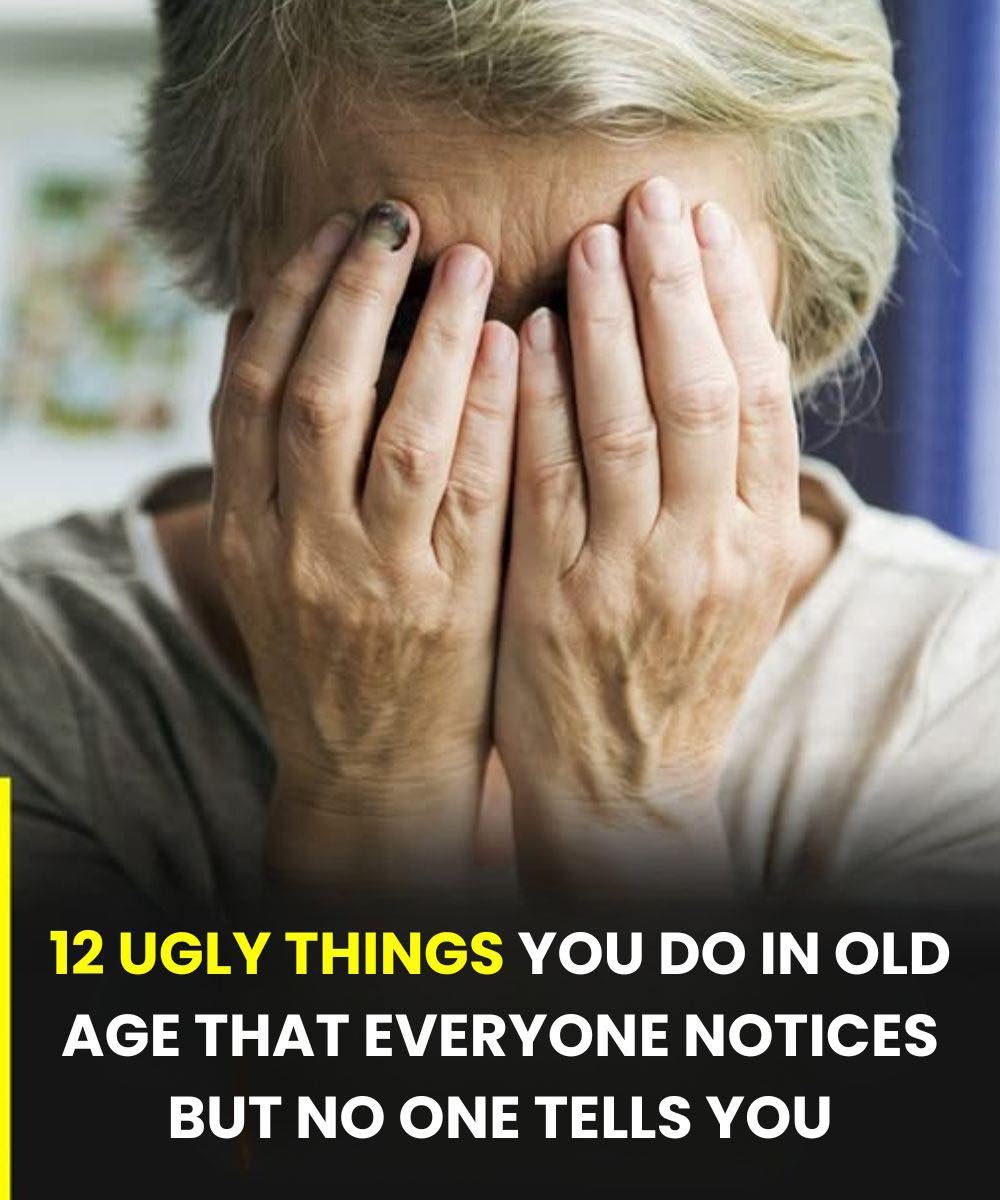
    12 nasty things you do in old age that everyone notices, but no one dares to tell you

    Aging is a natural part of life that brings experience, perspective, and wisdom. Yet some habits that develop over time can quietly make interactions harder for others. These behaviors are often left unspoken out of respect or affection, not because they go unnoticed. Recognizing them is about strengthening connection, not criticizing age.

    One common issue is constant complaining. Repeated focus on health, finances, the weather, or how things “used to be” can exhaust listeners. While frustration is human, frequent negativity can unintentionally push people away.

    Rejecting anything new is another pattern. Dismissing technology, social change, or fresh ideas as inferior can come across as rigid. Statements that idealize the past often shut down curiosity and meaningful conversation.

    Interrupting others and giving unsolicited advice can also strain relationships. Cutting people off or offering guidance without being asked may feel helpful, but often leaves others feeling unheard or controlled.

    Living too much in the past has a similar effect. Sharing memories can be enriching, but constant comparisons to “the old days” can make present moments feel less valuable or invisible.

    Persistent negativity and poor listening further weaken bonds. Always expecting the worst or appearing distracted during conversations creates emotional distance and discourages openness.

    Criticizing younger generations and neglecting self-care can widen gaps as well. Broad judgments create division, while ignoring personal well-being affects self-respect and how others engage.

    Using age to excuse rudeness, repeating the same stories, or refusing to learn anything new can quietly erode connection. Awareness—not blame—is the goal. With small shifts toward openness, empathy, and curiosity, aging can be a stage defined by dignity, adaptability, and meaningful presence for everyone involved.

  • Melania Trump Issues Rare Public Statement After Recent Shooting Incident

    Melania Trump Issues Rare Public Statement After Recent Shooting Incident

    Melania Trump made a rare public political statement on January 27, calling for unity and peaceful expression amid unrest in Minnesota. Speaking on Fox & Friends while promoting a film project, she paused to address recent violence, emphasizing that she opposes violence in all forms.

    Her remarks were notable because Melania Trump has traditionally avoided public political commentary. The brief statement stood out during an emotionally charged moment, drawing attention precisely because of her typically reserved role in political debates.

    The unrest followed two recent shootings involving federal immigration agents in Minnesota. One incident resulted in the death of Alex Pretti, which authorities initially described as an act of self-defense, sparking protests and widespread public concern.

    As demonstrations spread across the state, Melania urged Americans to express their views peacefully. She stressed that while disagreement and protest are valid, violence only deepens divisions and prolongs suffering.

    She also referenced coordination between federal, state, and local leaders. According to Melania, President Trump spoke with Minnesota’s governor and the mayor of Minneapolis to help reduce tensions and restore calm.

    Around the same time, the president indicated that some federal immigration personnel might be withdrawn from the area, suggesting a potential shift in response as officials reassess the situation. Investigations into the shootings remain ongoing.

    Pretti’s family has disputed the official account, describing him as compassionate and motivated by concern over immigration policies. His sister said he wanted to help others through peaceful action, adding emotional weight to the case.

    As Minnesota continues to grapple with grief, protest, and unanswered questions, Melania Trump’s appeal reflects a broader call for empathy, accountability, and calm dialogue during a moment of national strain.

  • Hidden Truth Behind His Smile

    Hidden Truth Behind His Smile

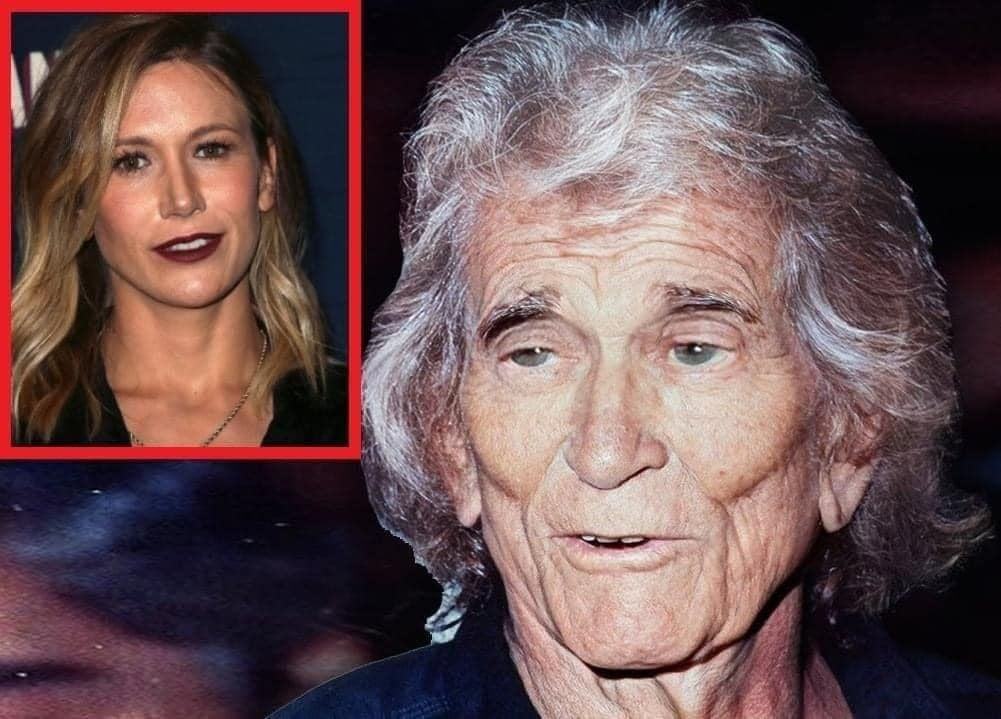
    Michael Landon was never quite the man the public believed. Behind his twinkling eyes and gentle voice lay a childhood marked by fear—a boy navigating a home that often felt like a war zone, bracing for his mother’s unpredictable outbursts. The image of the kind, easygoing star now collides with a past his daughter has revealed, exposing struggles that shaped him in ways fans never saw.

    She portrays a man who learned early that love could be dangerous and safety had to be performed rather than felt. That boy grew into an adult determined not to pass trauma forward. Instead, he transformed his pain into creativity, weaving themes of mercy, redemption, and second chances into the shows he wrote and starred in.

    His intensity, perfectionism, and long hours on set were more than ambition; they were efforts to outrun the chaos of his upbringing. Every project became a quiet act of resilience, a way to process private wounds through public stories of hope that millions would embrace.

    The daughter’s account does not aim to tarnish her father’s legacy but to humanize him. She emphasizes that the comfort and inspiration Landon offered to audiences came at a personal cost he rarely acknowledged. His public kindness was a conscious choice, a deliberate counter to the fear he experienced as a child.

    In revealing the truth, she reframes his life: Landon was not an untouchable figure of perfection, but a survivor. His achievements, charm, and generosity were grounded in a lifelong effort to manage the shadows of his past.

    Fans now see the duality of his existence—a man capable of deep warmth and compassion, yet shaped by early suffering. This perspective enriches his legacy, showing the courage it took to remain gentle despite personal hardship.

    Ultimately, her testimony gives him something he lacked in life: recognition for the complexity of his humanity. It is a reminder that the most inspiring figures often carry unseen burdens.

    Through her words, Michael Landon emerges not just as a television icon, but as a survivor who chose to create hope in a world that once offered him little.

  • Funny story! Old man gets revenge on three ruthless bikers

    Funny story! Old man gets revenge on three ruthless bikers

    The truck stop sat just off the highway, glowing against the night like a familiar promise. Engines hummed outside, neon lights buzzed overhead, and the air carried the permanent blend of coffee, grease, and sugar. It was a resting place for people in motion, a pause between long stretches of road.

    In the corner booth sat an elderly truck driver, silver hair tucked beneath a worn cap, boots scuffed from decades of travel. He ate a slice of warm pie slowly, savoring the quiet. This stop wasn’t special—it was predictable, steady, and safe, just like the routes he’d driven for years.

    The door suddenly slammed open, shattering the calm. Three bikers strode in loudly, leather jackets creaking, boots striking the floor with intention. Their laughter carried across the diner, drawing attention and unease. When they spotted the old man alone, something shifted. He became entertainment.

    One biker pressed a lit cigarette into the center of the pie. Another spat into the glass of milk. The third flipped the plate to the floor, laughing as it shattered. The room fell silent, every eye on the old man. He didn’t react. He didn’t speak.

    Instead, he placed a few bills on the table, stood, adjusted his jacket, and walked out without looking back. The bikers laughed harder, mocking his silence. When they asked the waitress if he was “much of a man,” she smiled and said, “Not much of a truck driver either.”

    Moments later, a deep engine roar shook the diner. Outside, the old man’s semi rolled backward—straight over the bikers’ motorcycles. Metal crumpled, pride collapsed, and the truck drove off calmly. The lesson was clear: quiet doesn’t mean weak. Sometimes, it just means patient.

  • From Goonies Glory to Courtroom Power: Jeff Cohen’s Unlikely Reinvention

    From Goonies Glory to Courtroom Power: Jeff Cohen’s Unlikely Reinvention

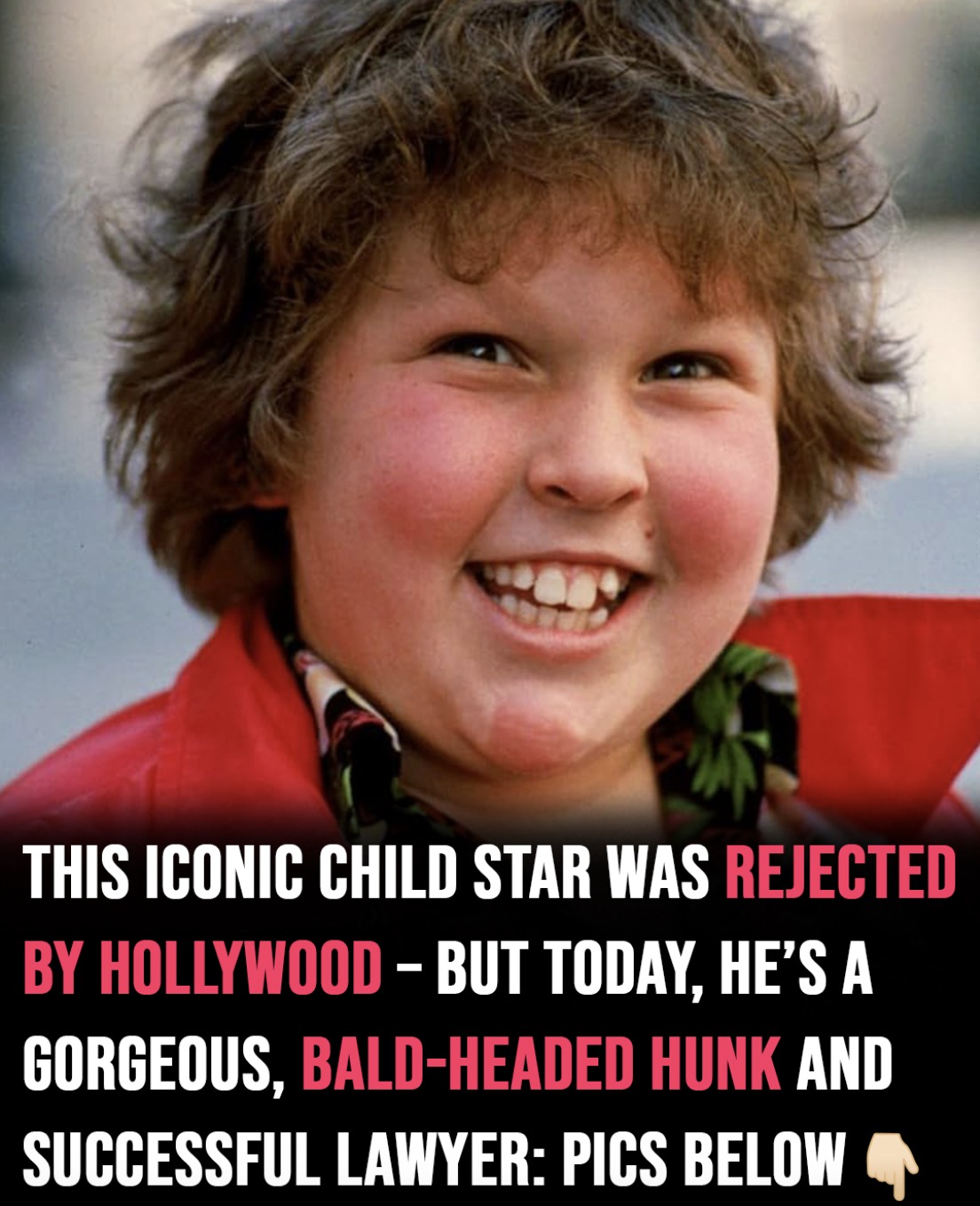
    If you were a kid in the 1980s, Chunk wasn’t just a character — he was a cultural moment. The loud Hawaiian shirt, the unforgettable Truffle Shuffle, and the pure, chaotic heart made him impossible to ignore. Jeff Cohen didn’t just play Chunk in The Goonies — he was Chunk, and the role cemented him into pop-culture history almost instantly.

    Behind the scenes, Cohen’s path into fame was anything but smooth. Born Jeffrey Bertan McMahon on June 25, 1974, in Los Angeles, his childhood was marked by change early on. When his parents separated while he was still young, it left a lasting impact that shaped both his personal life and his drive to succeed.

    As his acting career began to take shape, he made a deliberate choice to reinvent himself professionally. He adopted the surname “Cohen” for the screen, honoring his mother Elaine’s maiden name. It was an early sign of the self-awareness that would later define his post-Hollywood career.

    Before The Goonies ever entered production, Cohen was already a familiar face on television. In the early 1980s, he appeared on CBS’s Child’s Play, helping contestants solve clues. A few years later, he showed up again as a young celebrity guest on the game show Body Language, slowly building momentum in the industry.

    Everything changed in 1985. With Richard Donner directing and Steven Spielberg producing, The Goonies became an instant classic. Cohen’s performance as Chunk — awkward, emotional, and endlessly funny — stood out even among a talented ensemble cast, making him one of the most memorable characters in the film.

    What most fans didn’t realize was how close he came to losing that role. During filming, Cohen was battling chickenpox but kept it hidden, afraid he’d be replaced if the studio found out. The gamble paid off — and eagle-eyed fans can still spot the marks during the famous Truffle Shuffle scene.

    Despite the film’s success, Cohen’s acting career stalled just as quickly as it took off. Puberty changed his appearance, and with it, Hollywood’s interest. Roles dried up, not because of a lack of talent, but because he no longer fit the narrow boxes the industry demanded.

    Looking back, Cohen summed it up with brutal honesty. Acting wasn’t something he walked away from by choice. As he put it, his first love didn’t leave — it moved on without him. That forced ending, however, would ultimately push him toward a second act even more surprising than the first.

  • Letting your gray hair go natural often reflects a deep psychological shift toward self-acceptance, authenticity, and emotional maturity. It can symbolize freedom from social pressure, confidence in one’s identity, and a desire to age honestly without hiding changes. Many people view this choice as an empowering statement of self-worth, inner peace, and a healthier relationship with time and personal growth.

    Letting your gray hair go natural often reflects a deep psychological shift toward self-acceptance, authenticity, and emotional maturity. It can symbolize freedom from social pressure, confidence in one’s identity, and a desire to age honestly without hiding changes. Many people view this choice as an empowering statement of self-worth, inner peace, and a healthier relationship with time and personal growth.

    Leaving gray hair untouched rather than concealing it with dye has become increasingly common, and psychologists view this shift as deeply connected to changes in personal identity and emotional growth. For much of modern history, gray hair symbolized aging, decline, and fading relevance, shaping social expectations that equated youth with value. These beliefs encouraged people to hide signs of aging to maintain acceptance and desirability. Today, that narrative is changing. Gray hair is now often seen as a sign of authenticity, confidence, and self-assurance rather than loss. This evolving perception reflects broader cultural and psychological changes in how people understand beauty, worth, and time. What was once stigmatized is now, for many, an intentional expression of self-acceptance.

    From a psychological standpoint, choosing to stop dyeing hair often marks a significant shift in self-perception. Hair is closely tied to identity and social presentation, making gray hair a visible challenge to internalized beliefs about aging. Many discover their discomfort is rooted not in appearance but in fear of judgment or invisibility. Letting gray hair show can therefore represent a redefinition of self-worth, moving away from youth-based validation toward inner alignment. Aging becomes a natural process rather than a threat.

    Psychologists often frame this choice as self-affirmation. By rejecting dye, individuals communicate acceptance of their true selves, challenging cultural narratives that tie worth to youthfulness. This decision reflects autonomy and emotional maturity, replacing obligation with authenticity. It becomes an act of reclaiming control over one’s image.

    Women have historically faced stronger pressure to hide aging, making this choice particularly significant. Allowing gray hair can feel like a quiet rebellion against unrealistic beauty standards that link female value to youth. Many women describe feeling relieved and liberated after letting go of dye and constant maintenance.

    Men, though traditionally permitted to age more visibly, also face growing pressure to appear youthful and competitive. Choosing gray hair can represent confidence and a refusal to equate value with constant productivity. For both genders, the shift centers on self-acceptance rather than appearance-based validation.

    Ultimately, embracing gray hair is about emotional freedom. It reflects a healthier relationship with aging and a rejection of shame. For many, this acceptance extends beyond appearance, fostering confidence, resilience, and a deeper sense of authenticity.