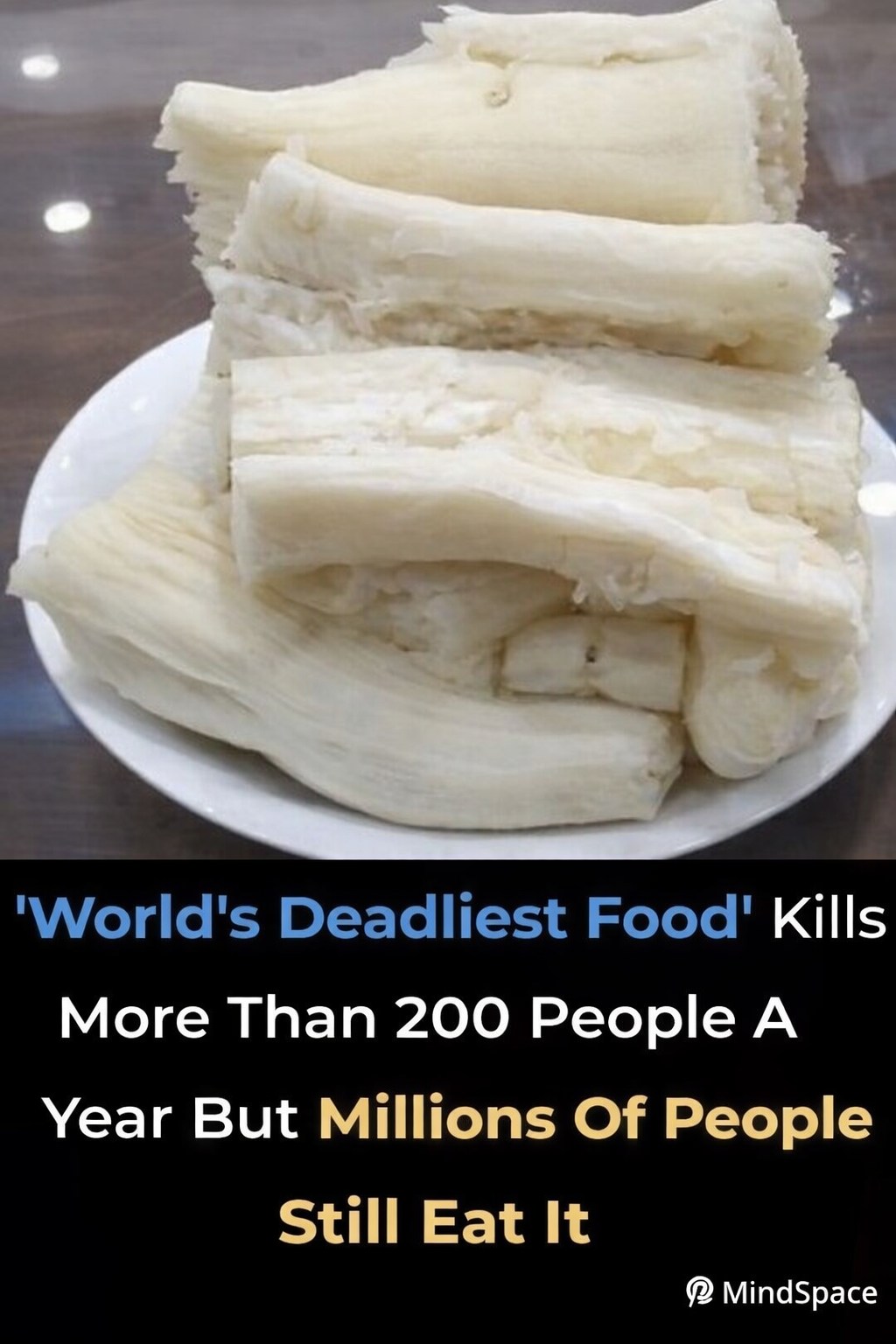
Cassava is a daily staple for millions of people around the world, particularly in parts of South America, Africa, and Asia. From flour and flatbreads to chips and porridge, it plays a central role in many traditional diets. Yet few people realize that this common root vegetable can pose serious health risks if it is not prepared properly.
The plant naturally contains compounds known as cyanogenic glycosides. When cassava is raw or improperly processed, these compounds can break down and release cyanide, a toxic substance that can be harmful or even fatal in large amounts. The danger is not in the crop itself, but in how it is handled before consumption.
Health experts warn that consuming untreated cassava may lead to symptoms such as dizziness, nausea, stomach pain, and in severe cases, poisoning. Long-term exposure to small amounts of cyanide from poorly prepared cassava has also been linked to certain neurological disorders in vulnerable communities.
Despite these risks, cassava remains one of the most widely consumed root crops in the world. Its popularity stems from its resilience. The plant grows well in poor soil and harsh climates, making it a reliable food source in regions prone to drought and food insecurity.
Proper preparation significantly reduces the danger. Traditional methods such as peeling, soaking, fermenting, drying, and thoroughly cooking the root help remove or neutralize the toxic compounds. In many communities, these techniques have been passed down through generations to ensure the food is safe to eat.
There are also two main varieties of cassava: sweet and bitter. Sweet cassava contains lower levels of cyanogenic compounds and requires less processing, while bitter cassava must undergo more extensive treatment before it can be safely consumed. Understanding the difference is essential for preventing accidental poisoning.
Public health organizations continue to educate communities about safe preparation practices, particularly in rural areas where cassava is a dietary cornerstone. Improved awareness and access to proper processing methods have helped reduce health incidents over time.
While headlines may label cassava as one of the world’s most dangerous foods, experts emphasize that it is safe when handled correctly. Like many natural foods, the key lies in proper preparation. For millions of families, cassava remains not a threat, but a vital and dependable source of nutrition.
Leave a Reply