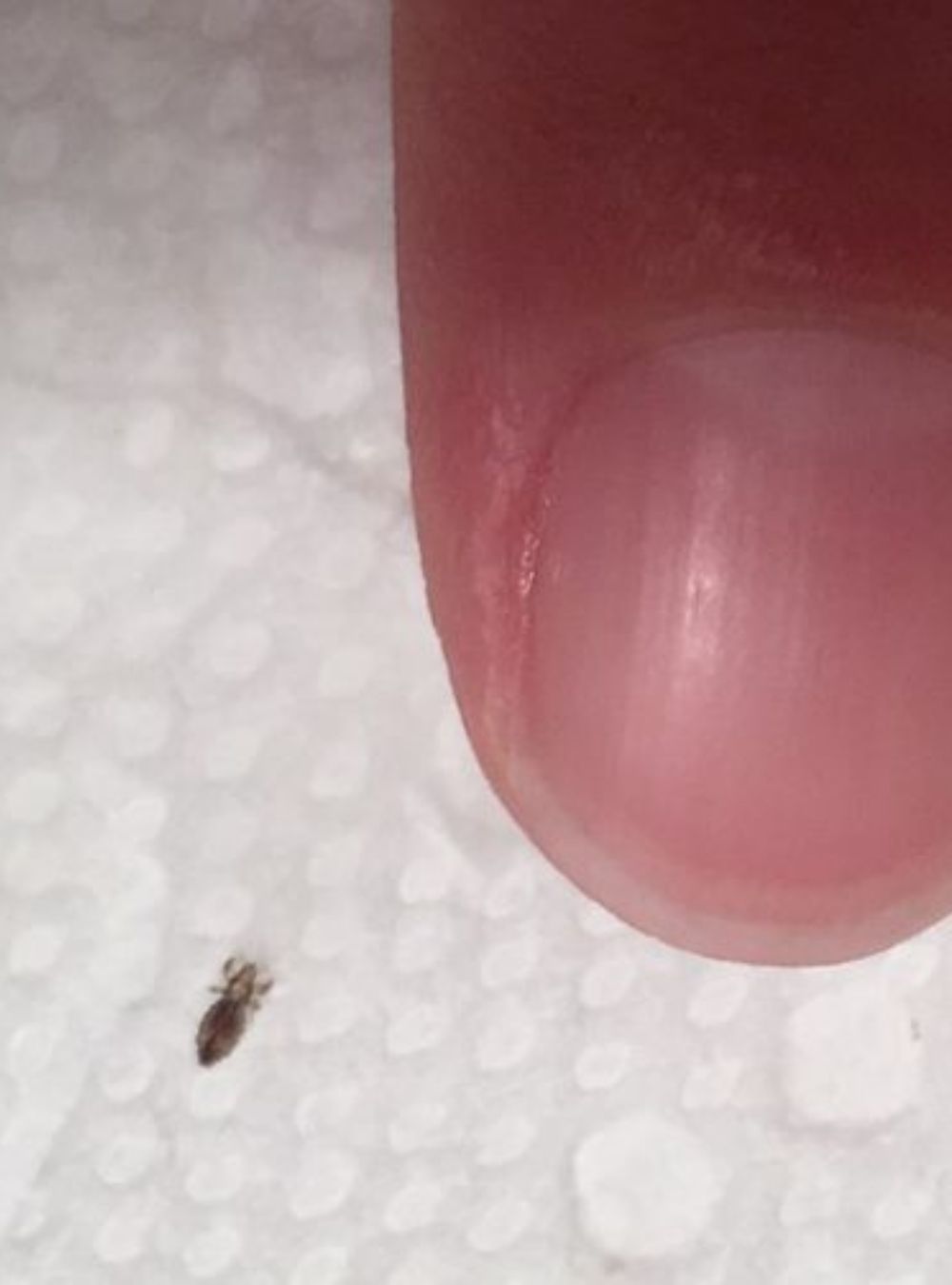
Discovering an insect in your hair can be unsettling, especially when it involves head lice—a common concern for many households. These small parasites often spread easily in group environments such as schools, camps, or shared living spaces through close contact or the exchange of personal items. While the situation can feel stressful, understanding how lice behave and how to remove them safely can make the process far more manageable.
Head lice are tiny, wingless insects that live close to the scalp, where they feed on small amounts of blood. They lay eggs, known as nits, which attach firmly to the hair near the roots. These eggs can be difficult to remove and are often mistaken for dandruff. Although lice do not spread disease, they can cause persistent itching, irritation, and discomfort if not treated properly. They can also survive briefly away from the scalp, making careful cleaning important.
Treatment typically begins with a medicated shampoo or lotion specifically formulated to eliminate lice. Following the instructions exactly is essential, as timing and application method directly affect effectiveness. These treatments are designed to kill active lice but may not fully remove nits, which require additional attention.
After treatment, a fine-toothed lice comb should be used on damp hair to carefully remove remaining lice and eggs. Working in small sections helps ensure thoroughness, and the comb should be cleaned after each pass. Because some eggs may hatch later, a follow-up treatment is usually recommended within 7 to 10 days.
Household care plays an important role as well. Clothing, bedding, towels, and hair accessories should be washed in hot water and dried on high heat. Items that cannot be washed can be sealed in plastic bags for two weeks to ensure any remaining lice do not survive. Regular scalp checks and avoiding the sharing of personal items can help prevent reinfestation.
With patience, consistency, and proper care, head lice can be managed effectively. While the experience may be uncomfortable, it is a common issue—and one that can be resolved safely with the right approach.
Leave a Reply