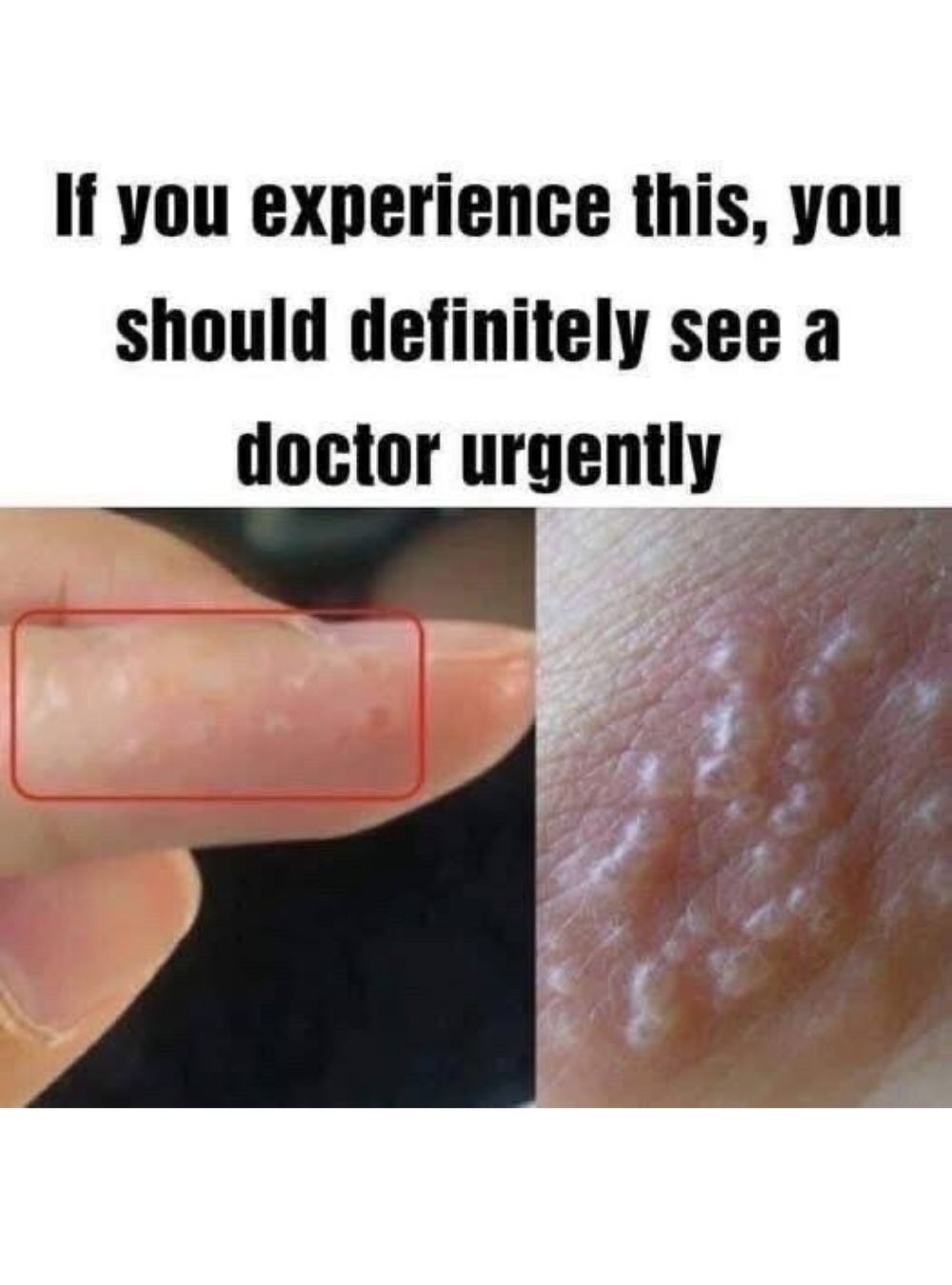
Those tiny, intensely itchy blisters that seem to appear out of nowhere—especially when the seasons change—leave many people confused. They’re small, often clustered, and can feel like they’re buried deep beneath the skin. If that sounds familiar, you might be dealing with a specific form of eczema that tends to show up on the hands and feet.
Dyshidrotic eczema, also known as pompholyx, is a recurring skin condition characterized by small, fluid-filled blisters. These typically form along the sides of the fingers, on the palms, or on the soles of the feet. While manageable, the condition can be uncomfortable and disruptive—particularly when flare-ups make simple daily tasks painful.
Eczema itself is a broad term covering several inflammatory skin conditions. Common symptoms across types include redness, dryness, irritation, and small bumps that may itch or burn. It is not contagious, but it can be influenced by a mix of genetic factors, environmental exposure, allergies, and emotional stress.
What makes dyshidrotic eczema distinct is the nature of its blisters. They often feel deep-seated and may cause intense itching or a burning sensation. As they heal, the skin may peel, crack, or become temporarily sensitive. For some individuals, flare-ups occur seasonally—especially in spring or during periods of high humidity.
Although the exact cause isn’t fully understood, several common triggers have been identified. These may include:
• Seasonal allergens
• Excess moisture or sweating
• Contact with irritants such as detergents or metals
• Emotional stress
• Underlying skin sensitivities
Because triggers vary from person to person, many individuals benefit from tracking patterns in their routines and environments to better understand what worsens their symptoms.
Treatment typically focuses on relieving discomfort and protecting the skin barrier. Moisturizers designed for sensitive skin, cool compresses, and guidance from a healthcare professional can help reduce irritation during flare-ups. In some cases, prescription treatments may be recommended to manage inflammation.
For those experiencing this condition, consistency is key. Maintaining a gentle skincare routine and minimizing exposure to known triggers can help reduce recurrence and improve overall comfort.
If you’ve ever noticed those stubborn little blisters and wondered what they were, this explanation may finally connect the dots.
Leave a Reply