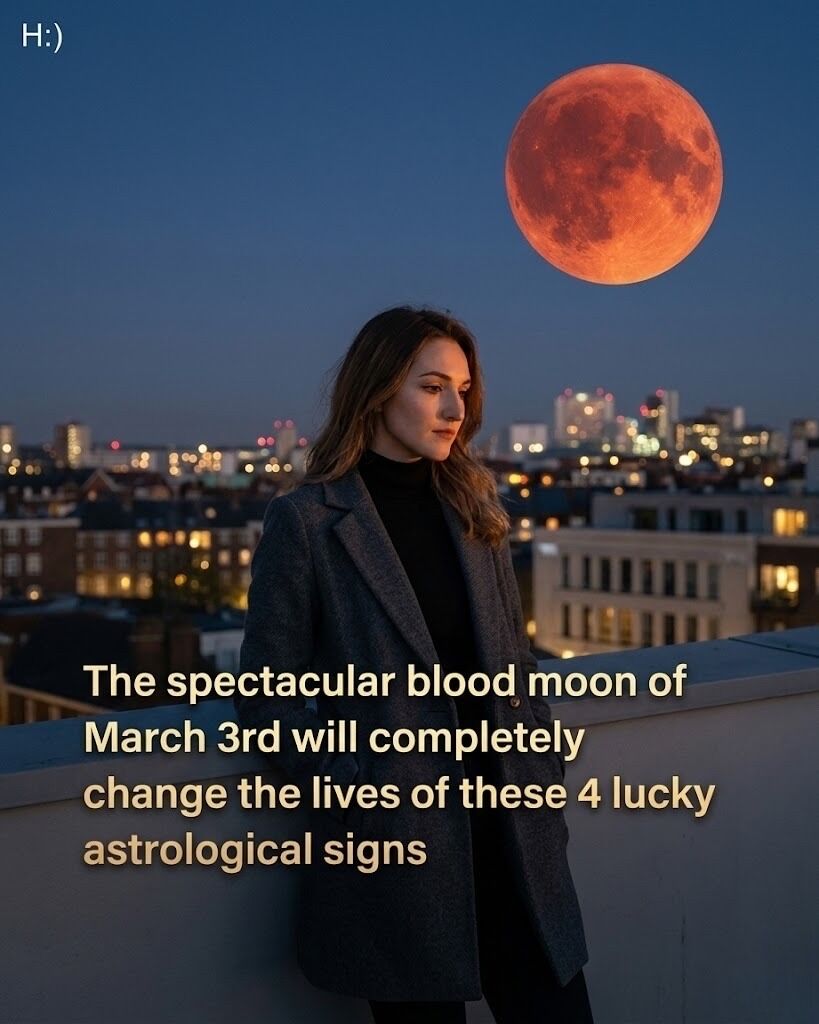
In early March 2026, skywatchers and astrology enthusiasts around the world focused on a notable celestial event. On March 3, a lunar eclipse in Virgo illuminated the night sky, attracting attention not only from astronomers but also from people who believe planetary movements can symbolically reflect shifts in human life. For centuries, eclipses have captured the imagination of cultures across the globe, often representing moments of change, revelation, and renewal.
In astrological traditions, a lunar eclipse is frequently linked to endings that create space for new beginnings. It is often described as a time when hidden truths surface or when people feel encouraged to address aspects of life that require adjustment. Because this eclipse took place in Virgo, a sign associated with organization, health, service, and careful analysis, many astrologers interpreted it as a period that might inspire individuals to rethink daily habits, responsibilities, and personal priorities.
Rather than causing immediate transformation, eclipses are often viewed as the beginning of a gradual process. Astrologers suggest their influence can unfold over several weeks or even months, prompting subtle changes in perspective or circumstances. For some people, this may involve recognizing patterns that no longer serve them, while others may feel motivated to pursue goals with clearer intentions. Whether astrology is seen as spiritual guidance, symbolic storytelling, or simply a cultural tradition, events like lunar eclipses often invite reflection about the direction life is taking.
During this eclipse period, several other planetary positions were also discussed by astrologers as contributing to the reflective atmosphere. One of the most talked-about influences was Mercury in retrograde, a phase when the planet appears to move backward from Earth’s perspective. In astrology, Mercury retrograde is commonly linked to reviewing plans, revisiting past ideas, and paying closer attention to communication. Many astrologers suggest that during this time it may be wiser to slow down, double-check details, and revisit unfinished projects rather than rushing into major decisions.
Another influence came from Mars moving through Pisces. Mars traditionally represents action, drive, and determination, but in the imaginative and sensitive sign of Pisces, its energy is often described as more intuitive and compassionate. Instead of pushing forward aggressively, this placement may encourage thoughtful action, creativity, and emotional awareness.
Meanwhile, Saturn’s position in Aries was interpreted as adding a sense of responsibility and discipline. Saturn is often associated with structure, patience, and long-term effort, while Aries symbolizes initiative and courage. Together, these energies were thought to encourage individuals to pursue their ambitions with determination while recognizing the dedication required to achieve lasting success.
At the same time, Venus preparing to enter Aries was expected to influence relationships and personal values. Venus is traditionally linked to love, harmony, and enjoyment, and its movement into Aries was believed to bring a more confident and direct approach to personal desires and emotional connections. Altogether, these planetary alignments created what astrologers described as a period encouraging self-reflection and gradual personal development.
Within this broader context, many horoscope interpretations suggested that certain zodiac signs might feel the eclipse’s influence more strongly. Virgo, Sagittarius, Gemini, and Pisces were frequently mentioned as signs that could experience noticeable shifts or opportunities for growth.
Because the eclipse occurred in Virgo, individuals born under this sign were thought to be especially connected to its themes of clarity and self-evaluation. Virgo is often linked to attention to detail, practical thinking, and a desire to improve both personal habits and the surrounding environment. For many Virgos, the eclipse was interpreted as a chance to gain new insight into their goals and responsibilities. This period might encourage them to release outdated expectations and move toward a more authentic path, whether in career decisions, lifestyle changes, or personal development.
Sagittarius was another sign highlighted by astrologers during the eclipse period. Known for curiosity, exploration, and a desire for growth, Sagittarians were thought to experience shifts related to long-term ambitions and career goals. The eclipse might bring moments of clarity about professional directions or inspire them to pursue opportunities that better align with their passions. New ideas, mentorship, or unexpected conversations could help open doors to possibilities that continue developing over time.
For Gemini, a sign associated with communication and adaptability, the eclipse was believed to encourage reflection on existing plans and commitments. With Mercury—the ruling planet of Gemini—in retrograde, this period might prompt Geminis to review past decisions, refine strategies, or revisit conversations that require clarification. While reassessment can sometimes feel frustrating, it may also lead to improved outcomes by allowing time to reconsider priorities and make thoughtful adjustments.
Finally, Pisces was thought to experience heightened focus on relationships and collaboration. Because the Virgo eclipse occurred opposite Pisces on the zodiac wheel, astrologers believed it could highlight themes of partnership, communication, and balance. For many Pisceans, this period might encourage honest conversations about expectations and boundaries. By approaching discussions with empathy and patience, relationships could grow stronger through increased understanding and mutual support.
Ultimately, celestial events like a lunar eclipse can carry different meanings depending on personal perspective. For those who follow astrology closely, planetary alignments offer symbolic insights and opportunities for reflection. Others may simply appreciate the beauty of the night sky and the sense of wonder it inspires.
The March 3, 2026 lunar eclipse served as a reminder that moments of pause can help people evaluate where they stand in their journeys. Astrologers often emphasize that planetary movements do not control human destiny; rather, they symbolically reflect cycles of change and possibility. The choices people make remain the most important factor in shaping the future.
By approaching this period with patience and awareness, individuals could use the reflective energy of the eclipse to reassess goals, appreciate past progress, and consider new directions. Meaningful change rarely happens overnight, but thoughtful steps taken over time can lead to lasting transformation. In that sense, the Virgo lunar eclipse was less a dramatic turning point and more a quiet invitation to reflect, adjust, and move forward with renewed clarity.
Leave a Reply