Breaking News

  • The Surprising Appliance Draining More Energy Than You Realize

    The Surprising Appliance Draining More Energy Than You Realize

    Modern homes are filled with appliances that make daily life easier, but many continue using electricity even when they appear to be off. As more devices fill our homes, small habits can quietly increase power consumption. Over time, these repeated behaviors lead to higher energy bills. Being more mindful of how appliances are used and maintained can reduce waste without affecting comfort.

    One hidden source of energy loss is devices left plugged in. Many electronics draw electricity in standby mode, often called “phantom power.” Phone chargers, laptop adapters, televisions, and kitchen appliances may seem inactive, but they still consume small amounts of energy. Individually, the impact is minor — together, it adds up. Unplugging unused devices or using a power strip with an on-off switch can significantly reduce this drain.

    Larger appliances also play a major role in household energy use. Heating and cooling systems, refrigerators, water heaters, and washing machines require substantial power. Inefficient temperature settings, poor maintenance, or frequent small loads increase consumption. Leaving refrigerator doors open, running half-full washers, or using high heat unnecessarily can all drive up costs. Simple maintenance, such as cleaning filters and ensuring proper ventilation, helps appliances run more efficiently and last longer.

    Reducing electricity use does not require drastic lifestyle changes. Turning off lights when not needed, adjusting appliance settings, and choosing energy-efficient models can make a noticeable difference. Monitoring monthly electricity usage helps identify patterns and areas for improvement.

    Small, consistent adjustments can lower energy bills, reduce overall consumption, and support long-term sustainability — all while maintaining a comfortable home.

  • Morning Water: Why It Boosts Your Health

    Water makes up about 60% of the human body and plays a vital role in carrying nutrients, regulating temperature, and supporting joint function. Because of this, many people believe drinking water first thing in the morning can boost health, detox the body, or speed up metabolism. But the evidence tells a more balanced story.

    Starting the day with water does help rehydrate the body after sleep. However, research shows there is no unique health advantage linked specifically to morning timing. The body already removes toxins naturally through the kidneys and liver, so water does not “flush” them out more effectively at a certain hour.

    Some research suggests that drinking water before meals may support weight management by increasing feelings of fullness. Still, timing is not critical. For some individuals, drinking too much water right before eating may even cause mild digestive discomfort.

    Popular trends like “Japanese Water Therapy” recommend consuming several glasses of room-temperature water immediately after waking. While this habit may encourage better hydration, most of its stronger health claims remain unproven. Extremely rigid routines can also carry risks, including water overload or unnecessary hunger caused by strict rules.

    Ultimately, what matters most is consistent hydration throughout the day. Fluid needs vary depending on age, activity level, and climate. The well-known “8×8” rule — eight 8-ounce glasses daily — is only a general guideline, not a universal standard. Drinking water in the morning is perfectly fine, but steady hydration over time is what truly supports energy, focus, and overall health.

  • Big Moments on Wheel of Fortune Lead to a Memorable Finale

    Adam Wredberg’s appearance on Wheel of Fortune sparked lively debate after a dramatic Bonus Round finish. Viewers were divided over the final puzzle—some called it especially difficult, while others felt the letters made the answer reachable. The moment highlighted why the show remains popular: it blends strategy, speed, and composure under pressure.

    Wredberg began with strong momentum, quickly solving the opening puzzle and building an early lead. During the Mystery Round, he won $13,100 in cash and a Tahitian cruise. He stayed steady through the main rounds, ending with nearly $30,000 and two travel prizes before advancing to the final challenge.

    In the Bonus Round, he stood beside host Ryan Seacrest, supported by family in the audience. He selected the category “What Are You Wearing?” and faced the puzzle: “M _ F _ N _ _ _ L O T _ E S.” After the standard letters R, S, T, L, N, and E appeared, he added M, F, G, and O. With only ten seconds to respond, he offered several guesses but couldn’t land on the correct phrase.

    The answer, “My Fancy Clothes,” was close to his attempts, which made the outcome even more tense. Missing out on the $40,000 prize prompted strong reactions online. Some viewers sympathized, noting how tight the puzzle was, while others believed the clues were sufficient.

    Despite the disappointment, the episode delivered the suspense that keeps audiences tuning in—proving once again that even near-misses can become some of the show’s most talked-about moments.

  • Beloved TV star dies of cancer aged just 61

    Beloved TV star dies of cancer aged just 61

    For more than three decades, Dana Thomson was “the steady presence Canadians turned to when the world felt uncertain.” From her early mornings on Canada AM to her work on CTV News Channel, she brought insight, warmth, and a calm authority that made audiences feel informed and understood.

    Her interviews were known for their depth and honesty. She had a rare ability to make “both prime ministers and pop stars let their guard down,” whether speaking with Celine Dion, Shania Twain, Donald Trump, or astronaut Chris Hadfield. These moments revealed not just her journalistic skill, but her character — “curious, fearless, deeply human.”

    In October, she received the RTDNA Canada lifetime achievement award, a recognition that felt “less like a capstone than a promise of more to come.” Sadly, cancer cut that promise short. On Sunday morning, surrounded by family, she passed away, leaving a deep sense of loss across the country.

    In newsrooms nationwide, the announcement felt intensely personal. Colleagues said they hadn’t just lost a coworker, but “the heartbeat of their craft.” Her influence shaped generations of journalists and set a standard for thoughtful, compassionate reporting.

    Dana Thomson’s legacy lives on in the stories she told, the trust she built, and the countless Canadians she guided through moments of uncertainty. Her voice, though now silent, remains an enduring part of Canada’s media history.

  • Here’s what the letter ‘M’ and the crescent moon on the palm of your hand truly signify

    Here’s what the letter ‘M’ and the crescent moon on the palm of your hand truly signify

    Palmistry is the practice of interpreting the lines and shapes of a person’s hands to gain insight into personality traits, life direction, and potential future paths. It has existed for centuries and continues to spark curiosity across cultures.

    This tradition appears in Chinese, Indian, and Western societies, where it has been viewed both as spiritual guidance and lighthearted entertainment. While many treat palm reading as fun, others believe strongly in its symbolic meanings.

    According to palmistry, four major lines dominate the palm: the life line, heart line, head line, and fate line. Each is believed to reflect different aspects of a person’s emotional life, intellect, experiences, and ambitions.

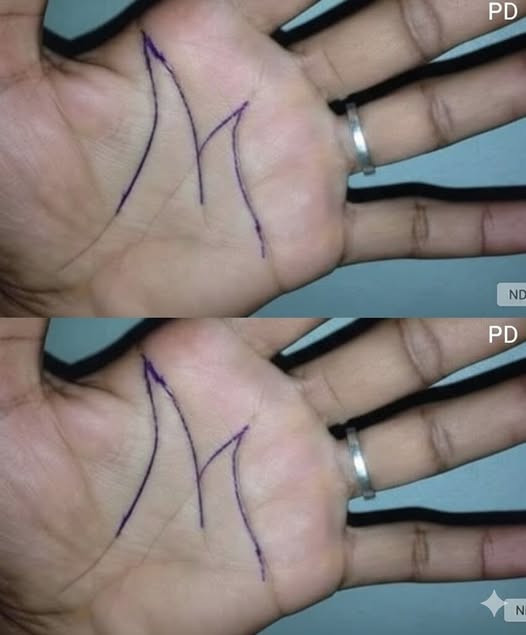
    In some people, these lines intersect to form the shape of the letter “M.” Palmistry associates this marking with ambition, resilience, leadership, financial skill, and a strong drive toward success in chosen pursuits.

    The letter “M” is also linked to intuition and spirituality. Those said to carry it are believed to rely heavily on inner guidance, show emotional awareness, and feel drawn toward personal growth and deeper understanding.

    Palm readers note that symbols should never be interpreted alone. The full hand shape, other markings, and personal background are all considered important when drawing conclusions from a palm.

    Other favorable symbols in palmistry include the fish, triangle, square, and star, each traditionally associated with protection, luck, or prosperity. It is believed that only a small percentage of people display the “M” marking.

    Some palms also show a crescent moon symbol, associated with renewal and transformation. When paired with the letter “M,” it is thought to reflect a period of inner change, awareness, and personal evolution rather than a fixed prediction.

  • Why an Upside-Down Sticker Has Become Popular Among Some Drivers

    Why an Upside-Down Sticker Has Become Popular Among Some Drivers

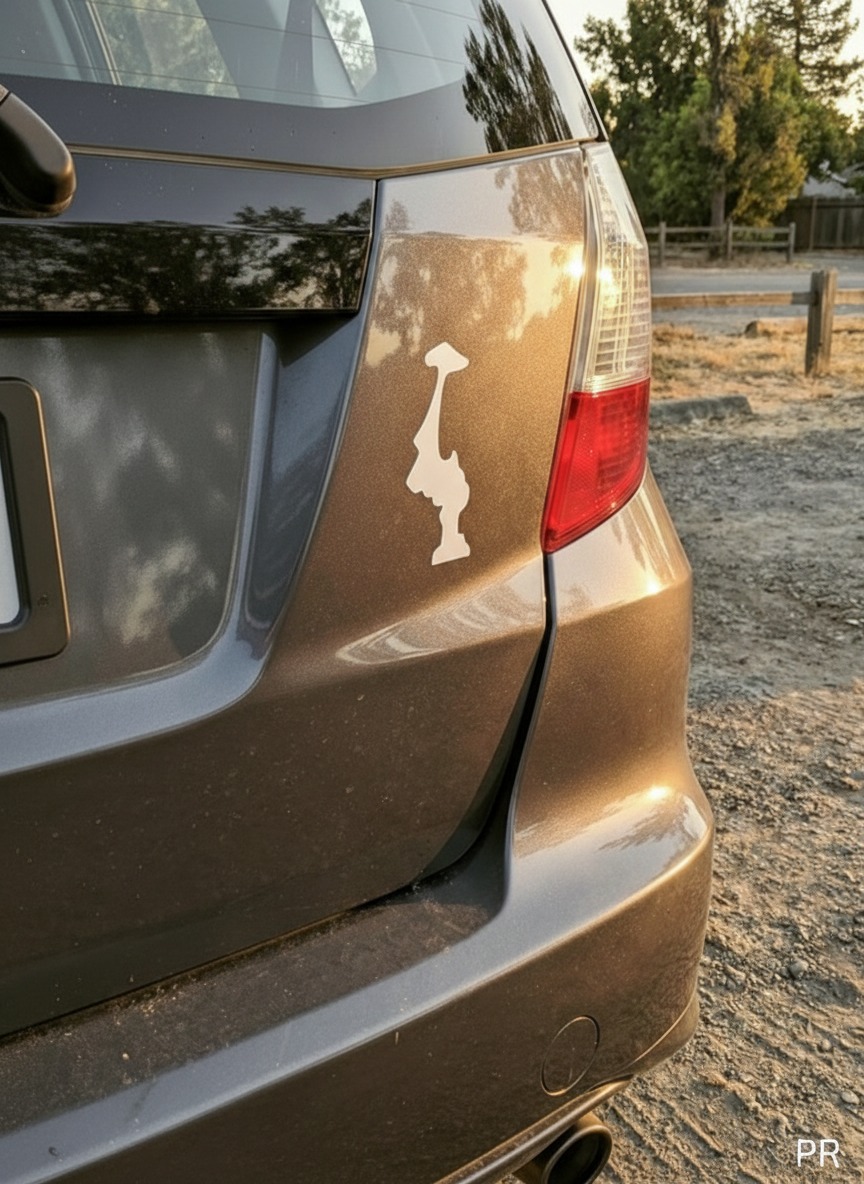
    While driving through the Pacific Northwest, many people notice a curious image appearing on cars, water bottles, and laptops: the outline of Washington displayed upside down. At first glance, it can seem like a simple printing error. Yet repeated sightings make it clear the design is deliberate. Over time, this inverted silhouette has become a playful emblem of regional pride, shared humor, and a quiet sense of belonging among residents.

    The trend began gaining traction in the early 2010s, when minimalist state-outline decals surged in popularity nationwide. Washington’s distinct rectangular shape made it especially recognizable, and flipping it upside down introduced a subtle but clever twist. What started as a lighthearted design choice soon developed into a small cultural signature. Rather than flashy slogans or bright tourist graphics, the inverted outline offered something understated and personal.

    Outdoor enthusiasts were among the first to adopt the look. Hikers, cyclists, students, and longtime locals embraced it as a badge of connection to the region’s natural beauty. The decal became common on gear and vehicles belonging to people who spend weekends exploring forests, coastlines, and mountain trails. Its simplicity mirrored the Pacific Northwest’s aesthetic—minimal, thoughtful, and quietly expressive.

    Several explanations circulate about why the state is flipped. One humorous theory points to Washington’s famously rainy weather, joking that the state must have turned over from all the rainfall. Others appreciate its subtlety, seeing it as a modest way to signal pride without being loud. Some even note that the inverted shape resembles a mountain peak, a nod to landmarks like Mount Rainier and the surrounding ranges.

    Whatever the reason, the upside-down design sparks conversation while remaining understated. It invites curiosity without demanding attention.

    Today, the flipped Washington outline represents more than decoration. For many, especially those who move away, it serves as a small reminder of evergreen forests, ferry crossings on Puget Sound, and misty coastal mornings—a quiet declaration of home.

  • The secret hospitals keep secret: Drink water this way, and your body will thank you.

    The secret hospitals keep secret: Drink water this way, and your body will thank you.

    In a time marked by chronic stress, poor nutrition, and weakened immunity, many people search for simple, natural ways to restore balance. A Russian therapist with over two decades of experience suggests that one of the most effective solutions is also one of the simplest: proper hydration. According to him, a small morning ritual can reduce fatigue, frequent colds, and even headaches within a week.

    The method centers on drinking a glass of warm, structured water immediately after waking. The water should be about 40°C—comfortably hot but not boiling. It is enhanced with a pinch of sea salt and a few drops of fresh lemon juice to increase its potential benefits.

    This combination is believed to gently “activate” the body. Warm water may stimulate digestion, while salt and lemon provide minerals and antioxidants. Together, they help rehydrate cells after sleep and prepare the digestive system for the day ahead.

    Supporters claim this habit can boost metabolism, assist detoxification, and strengthen immunity. Lemon contains vitamin C, which supports immune defenses, while proper hydration aids lymphatic circulation. Salt may help balance electrolytes, and lemon can stimulate bile production, potentially supporting liver function.

    To follow the ritual, drink one glass of warm water with a pinch of sea salt and five drops of lemon juice immediately upon waking. Wait 15 to 20 minutes before eating breakfast, preferably something light. Repeat daily for seven days.

    Avoid adding sugar or honey, and use sea or Himalayan salt instead of table salt. If citrus is unsuitable, apple cider vinegar may substitute lemon. This information is educational only; consult a healthcare professional before making changes.

  • One Car Per House? Neighbor’s Plan Backfires Big Time

    One Car Per House? Neighbor’s Plan Backfires Big Time

    When we moved into our new home, it quickly became clear that our neighbor had an issue with parking. Although no rules limited the number of cars per household, she insisted there should only be one. Her disapproval became official when we found a handwritten note on our windshield demanding we move our “extra” car—or else.

    We initially dismissed the threat as harmless, since both our vehicles were legally parked in front of our house. But three days later, we were jolted awake by the sound of engines and metal clanking. Rushing outside, we saw both of our cars being hooked up by tow trucks—and our neighbor standing nearby with a self-satisfied grin.

    She folded her arms smugly and said, “Maybe now you’ll listen when someone tells you the rules.” I couldn’t help but laugh, which caught her off guard. “What’s so funny?” she asked. I pointed out that she’d made a huge mistake—one that would cost her dearly.

    Both of our cars had special permit tags indicating they were part of a government program for classic and specialty vehicles. Illegally towing them carries heavy penalties—up to $25,000. And since she had reported the cars, she was now liable. The towing company realized their error quickly and unhooked the vehicles on the spot.

    The color drained from her face as she realized what she’d done. Her confident demeanor vanished, replaced by shock and embarrassment. “I didn’t know…” she muttered. I smiled and said, “Maybe next time you’ll think twice before trying to make up your own rules.”

    Since that day, she hasn’t said a word about parking—or much of anything else. She avoids us completely now. Sometimes, the best revenge doesn’t come from retaliation, but from letting people trap themselves with their own arrogance.

  • What Your Shower Habits Say About You

    What Your Shower Habits Say About You

    any people, unfortunately, believe “showering is the highlight of the day.” It’s not all about personal hygiene, as some of us enjoy practicing hobbies, taking time to think, studying and more while showering.

    There are all types of people in this world — and you might understand them a little better if you know how they shower.

    The Singer
    We all know someone who performs full-length concerts while in the spotlight — I mean, shower.

    If a person belts out while shampooing, it probably means he or she is a typically loud, confident person. This person doesn’t care who is listening and most definitely will not accept an “it’s a no” from Simon Cowell.

    The typical shower singer might also be one for excuses, arguing “the acoustics are better in the bathroom,” or “I didn’t realize how much time had passed.”

    Now, that’s a bunch of bull because four songs and three failed attempts at a high note later, this person is still humming along when he or she knows you’re waiting to use the bathroom.

    The Quickie
    Those who shower faster than the amount of time it takes to wait on a Starbucks line are the real champions. They have lather, rinse, repeat down to a science and aren’t looking for anything special out of the wash.

    These people usually possess a fast-paced, on the move, always-one-foot-out-the-door kind of personality. Also, they are low-maintenance and the favorite roommate in the house to shower after because the wait will never be long.

    We all know a Quickie and are still unclear why on earth this person would rush the serenity a shower can bring.

    The Multitasker
    Chances are if a person can brush his or her teeth, wash his or her body, condition his or her hair and double the shower as a toilet, you’ve got quite the multitasker on your hands.

    This person not only has an ample supply of energy, but is equally competitive and an overachiever. Whether it is taping notecards against the glass door to study or practicing for a Spanish oral exam, multitaskers know what to accomplish and exactly how to execute the goal.

    This person also has a high chance of being a conservator, whether intentional or not, making sure not to waste time, water or money.

    There are only benefits that derive from a multitasker, unless he or she forgets to clean the shower… then that’s just gross.

    The Thinker
    Stressful day or not, there is always a thoughtful person who seeks time in the shower to ponder life decisions. With the powerful water streaming down, the mood is very serious and the person feels isolated from the rest of the world.

    This showerer works best when left alone. He or she may also uphold the reputation as the dramatic friend of the group. His or her refuge revolves around the rinse, and you can bet this person loathes thought processes or any interruptions.

    The Prepper
    Knock, knock. Everyone waits on this person, who spends more time out of the shower than in. For the Prepper, preparation is key in order to complete every task for an enjoyable shower.

    He or she prefers taking care of grooming and who knows what else before hopping in.

    For these people, spontaneity is not an option, thanks to their religious routines. You can always rely on these people to have themselves together and admire the patience they put into their appearances.

    The Procrastinator
    Face it: Sometimes, things are more easily said than done. Showering may not be a dream to everyone, and for the Procrastinator, it’s just another chore on a long list of to dos.

    People who put off showering usually have high hopes for themselves, like holding off bath time in exchange for a run they might feel like taking later.

    Roommates love procrastinators because they can hog the bathroom for as long as they want, and procrastinators will just deal with it. After all, the shower will always be there and they will use it… eventually.

    It’s true that you don’t get to know a person until you’ve lived with him or her. However, you can observe shower habits for a sneak preview!
  • Why do men prefer women who are shorter than them?

    Why do men prefer women who are shorter than them?

    We’ve all heard the phrase, “Men like short women.” It’s often repeated as if it were fact. But is attraction really that simple? A recent study suggests the answer is more nuanced than the cliché implies.

    A study published in Frontiers in Psychology explored whether height influences romantic preference. Researchers surveyed more than 500 participants from multiple countries. Volunteers were shown silhouettes of varying heights and asked to choose their ideal partner size based on the type of relationship they had in mind. There were “No faces. No fashion cues. No personality traits. Just height.” The minimalist design aimed to isolate one factor: physical stature.

    On average, men preferred women slightly shorter than the typical female height in their country. Women, meanwhile, leaned toward men slightly taller than the national male average. But the more revealing detail appeared when relationship context was considered. Men showed a stronger preference for shorter partners in short-term relationships. That difference became less noticeable when imagining long-term, committed partnerships. Height influenced attraction, but context clearly mattered.

    Another pattern emerged among taller participants. Those above average height often preferred similarly tall partners. This reflects “homogamy,” the tendency to choose partners who resemble us in certain traits. Rather than proving a universal rule, it suggests preferences are often shaped by self-perception.

    Researchers also emphasized limits to their findings. Selecting silhouettes in a controlled study differs greatly from real-life connection. In everyday relationships, qualities like confidence, humor, warmth, and shared values tend to outweigh a single physical trait.

    Yes, height can influence first impressions. But attraction and lasting compatibility are far more complex. Love, after all, is not measured in centimeters—it grows through trust, interaction, and emotional connection.