Breaking News

  • What Your Sleeping Position as a Couple Might Reveal

    What Your Sleeping Position as a Couple Might Reveal

    Sleep takes up nearly a third of our lives, and when we share a bed with someone, those quiet hours can reveal more than we realize. Once we fall asleep, the social masks drop away. There is no effort to impress or explain — only instinct. Because of this, the way couples position themselves during sleep can quietly reflect trust, intimacy, independence, and emotional needs. Our bodies often communicate feelings more honestly than words spoken during the day.

    When one partner rests their head on the other’s chest, it usually signals comfort and protection. The partner lying on their back often represents stability, while the one leaning in may be seeking reassurance and closeness. This position is common in new relationships, after resolving conflict, or during moments of renewed connection. It silently expresses safety and emotional grounding.

    Sleeping face-to-face suggests a strong desire for emotional closeness. It reflects openness and active connection, almost like maintaining eye contact through the night. Small details — such as foreheads touching or noses brushing — can deepen that sense of intimacy. If a partner shifts into this position unexpectedly, it may signal a subconscious need for reassurance or bonding.

    Spooning, one of the most popular sleep positions, represents warmth and unity. The outer partner often takes a protective role, while the inner partner receives comfort. This arrangement suggests trust and affection, whether in early romance or long-term commitment. More tightly entangled positions may reflect passion or a need to reconnect, especially after tension.

    Sleeping back-to-back can actually signal healthy independence, particularly if there is light physical contact. It shows both partners feel secure enough to enjoy space while staying connected. In the silent language of sleep, even the smallest touch can speak volumes about love and trust.

  • The Impact of Sleeping with a Fan on Your Nightly Rest

    The Impact of Sleeping with a Fan on Your Nightly Rest

    A restful night’s sleep is one of the most effective ways to support your overall well-being. While many people focus on getting enough hours, the quality of sleep is just as important. One often overlooked factor is bedroom temperature, which greatly influences how easily your body relaxes and how deeply you sleep.

    Most sleep specialists recommend keeping your room between 60 and 67°F (15 to 19°C). This cooler range helps your body naturally lower its temperature as you fall asleep, allowing you to drift off faster and stay in the deeper, more restorative stages of sleep. When your space is too warm, your body works harder to cool down, increasing the chances of waking up throughout the night.

    If your room is too cold, the opposite problem occurs. Your body must use extra energy to warm itself, which can also cause restless sleep. The ideal sleep temperature is all about balance — cool enough to encourage relaxation but not so cold that you shiver awake.

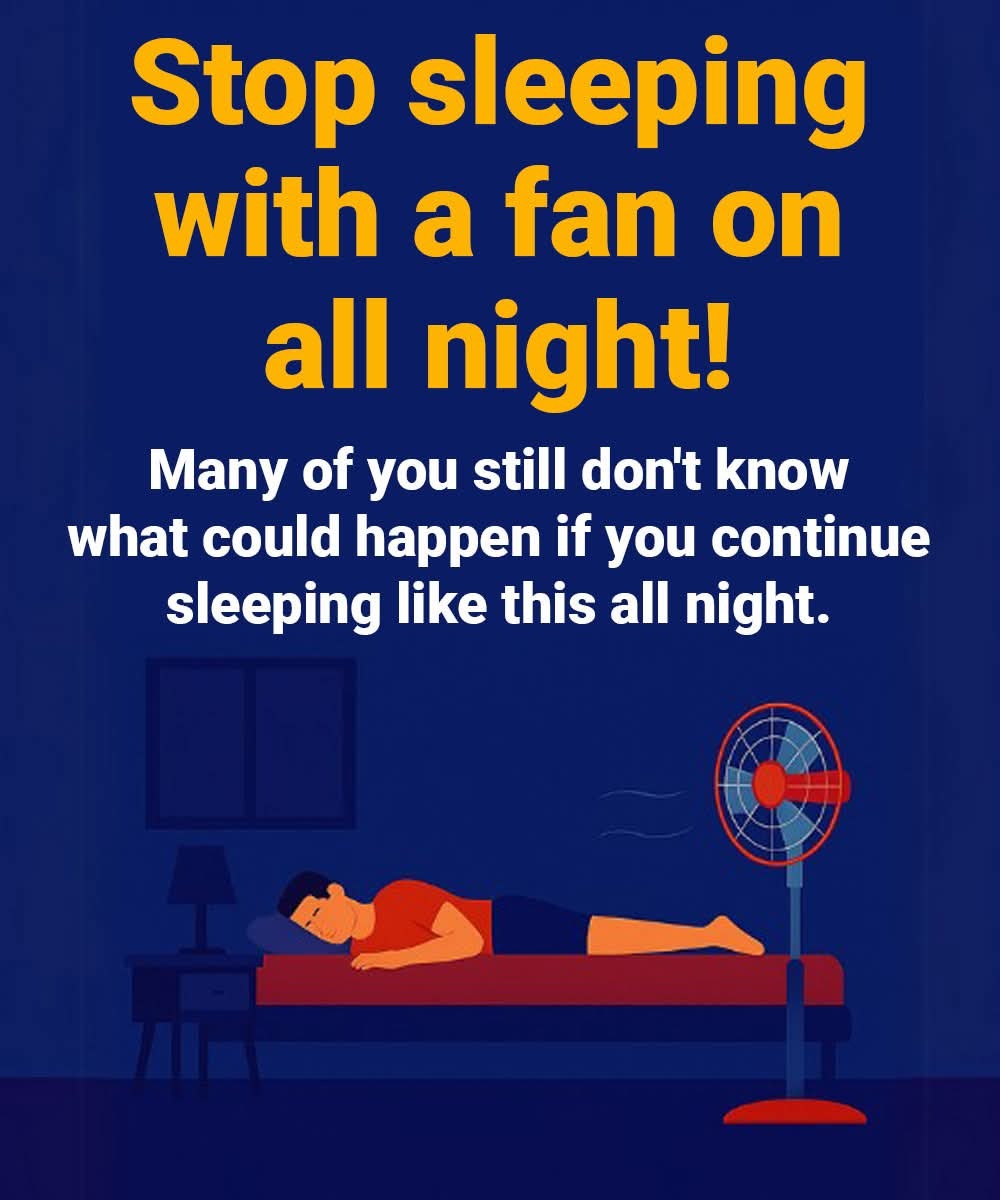
    Fans are a common choice for nighttime comfort, but they primarily circulate air rather than significantly change the room’s temperature. On warmer nights, this may not be enough to keep you cool. On cooler nights, a fan might make the room too chilly, disrupting your sleep cycle.

    These temperature fluctuations can interfere with the most restorative phases of sleep, leaving you feeling groggy or less refreshed in the morning. Consistency is one of the keys to maintaining high-quality rest.

    To create an ideal sleep environment, choose breathable bedding such as cotton or linen. These materials help regulate heat and wick away moisture, making it easier for your body to stay comfortable.

    A cooling mattress topper can also improve temperature control throughout the night. If you enjoy the sound of a fan but want more stable temperature conditions, consider switching to a white noise machine instead.

    With a cool, quiet, and comfortable atmosphere, you can fall asleep more easily, stay asleep longer, and wake up feeling energized and ready for the day.

  • Did You Know That If a Hummingbird Comes to Your Home, It Means Something Special?

    Did You Know That If a Hummingbird Comes to Your Home, It Means Something Special?

    The moment a hummingbird appears, time seems to pause. A flash of color, a suspended heartbeat, and an ordinary day suddenly feels transformed. Many people insist these encounters are never random.

    When a hummingbird arrives at your home, it cuts through routine and demands attention. Its tiny body, moving with impossible speed, feels like a reminder that life still holds mystery.

    For some, the visit symbolizes renewal. After long stretches of stress, grief, or emotional heaviness, the bird’s presence can feel like a sign that brighter days are beginning to return.

    Others experience something more personal. Those who are mourning often describe hummingbirds as messengers, gentle reminders of love that hasn’t disappeared, only changed form.

    Across cultures and beliefs, hummingbirds are linked to resilience, joy, and persistence. Despite their size, they travel vast distances, embodying strength hidden within fragility.

    Yet the meaning doesn’t have to be spiritual to be powerful. The hummingbird’s true impact may lie in how it pulls you fully into the present moment.

    Watching it hover, you feel awe instead of distraction, tenderness instead of numbness. For a few seconds, worries loosen their grip, replaced by quiet wonder.

    In the end, the visit offers no clear answers, only an invitation: to notice beauty again, to stay open, and to believe—gently—that life can still surprise you with grace.

  • There can be complex reasons why a married woman might seek a lover, though every situation is deeply personal. Factors may include emotional neglect, lack of intimacy, unresolved conflict, desire for validation, personal dissatisfaction, or unmet psychological needs. While understanding motivations can offer insight, honest communication and counseling are healthier paths for addressing relationship challenges constructively.

    There can be complex reasons why a married woman might seek a lover, though every situation is deeply personal. Factors may include emotional neglect, lack of intimacy, unresolved conflict, desire for validation, personal dissatisfaction, or unmet psychological needs. While understanding motivations can offer insight, honest communication and counseling are healthier paths for addressing relationship challenges constructively.

    Although people rarely talk about it openly, attraction within a marriage can become complicated over time. A woman may begin to feel drawn to someone else long before she fully understands what is happening inside her. Often, the shift starts quietly, sparked not by a desire to replace her partner but by a subtle sense that something at home feels distant. The spark can represent many things: a longing for attention, a need for validation, simple curiosity, or a sign that part of the relationship needs care. In most cases, it is less about wanting a new person and more about wanting to feel connected again — to herself, to her partner, or to the version of her life that once felt lighter and more alive.

    One common reason is the feeling of becoming invisible in her own home. As years pass, routines take over and responsibilities multiply. She may slowly move from feeling like a partner to feeling more like a caretaker. The small details that once brought her joy go unnoticed, and the appreciation she once felt begins to fade. Then someone else offers genuine interest — a thoughtful question, steady eye contact, or a sincere compliment. That simple recognition can awaken something powerful. Even if the marriage appears steady from the outside, inside she may have been longing to feel seen.

    Emotional disconnection is another powerful factor. A marriage can look stable and even successful while still lacking deep intimacy. Conversations become logistical, focused on schedules and obligations rather than feelings. She may not be seeking dramatic romance or reckless change; she may simply want to feel understood. When someone outside the marriage listens with real curiosity, the impact can feel surprisingly strong. Attention that might seem small under normal circumstances can feel profound when emotional closeness at home has weakened.

    Many women also grow tired of always being the strong one. They spend years supporting everyone else, carrying invisible burdens, and keeping life running smoothly. Strength becomes their identity, but even the strongest person eventually longs to feel cared for. When someone shows her gentleness or concern without expecting anything in return, it can stir a deeply buried need. The desire to be nurtured is not a flaw; it is a natural human need that may have gone unmet for a long time.

  • Transforming a Simple Pool Noodle into a Glowing Backyard Feature That Reimagines Outdoor Living Through Light, Color, Creativity, and Budget-Friendly DIY Design, Turning Ordinary Nights into Magical, Family-Friendly Experiences Filled with Warmth, Connection, Imagination, and Eye-Catching Outdoor Ambiance Everyone Can Enjoy Together

    Transforming a Simple Pool Noodle into a Glowing Backyard Feature That Reimagines Outdoor Living Through Light, Color, Creativity, and Budget-Friendly DIY Design, Turning Ordinary Nights into Magical, Family-Friendly Experiences Filled with Warmth, Connection, Imagination, and Eye-Catching Outdoor Ambiance Everyone Can Enjoy Together

    There’s something satisfying about taking an ordinary object and transforming it into something beautiful and purposeful. A pool noodle, often seen only at the pool or lake, is light, inexpensive, and brightly colored—perfect for creative reinvention. With a little imagination and modern LED lighting, it can become a glowing element that reshapes how a backyard feels at night.

    Outdoor lighting shapes mood, guides movement, and defines spaces. Harsh light can feel clinical, while soft, diffused lighting encourages conversation, relaxation, and connection. Pool noodles naturally diffuse LEDs, creating a gentle, even glow that mimics expensive lighting without the cost or complexity.

    The accessibility of pool noodle lighting is a major advantage. Noodles and battery-powered or solar LEDs are inexpensive, widely available, and easy to work with. Beginners, renters, and families on a budget can experiment safely, rearranging or adjusting pieces without permanent commitment or fear of mistakes.

    This DIY approach shifts the focus from technical precision to emotional intention. Color and placement define atmosphere—bright hues energize, muted tones soothe, thick noodles create broad washes of light, and thin noodles act as subtle accents. Pathways, plants, and seating areas are transformed, revealing new nighttime perspectives.

    Pool noodle lighting also encourages collaboration. Children enjoy the colors, adults appreciate practicality, and trial-and-error becomes playful. Shared decisions about placement and patterns turn the project into a bonding experience, making the backyard a space for connection as well as design.

    Adaptability is another strength. Unlike permanent fixtures, these lights can change with seasons, celebrations, or moods. Materials are reusable and modular, allowing constant reinvention without waste, creating a dynamic, evolving outdoor space.

    Ultimately, the transformation is about more than DIY ingenuity. Soft, thoughtful light slows time, deepens connection, and elevates ordinary evenings. The humble pool noodle becomes a symbol of creativity, accessibility, and intentionality.

    With imagination, minimal cost, and simple tools, an ordinary backyard can become a glowing retreat—warm, welcoming, and alive with shared moments and gentle light.

  • Why Flight Attendants Sit on Their Hands During Takeoff and Landing

    Why Flight Attendants Sit on Their Hands During Takeoff and Landing

    If you’ve ever watched a flight attendant during takeoff or landing and noticed them sitting upright with their hands tucked beneath their thighs, you may have wondered why. It might look unusual, but this posture is not a habit or a comfort choice. It is a carefully trained safety position designed to reduce injury and save lives.

    Takeoff and landing are considered the most critical phases of any flight. Because the risk of sudden turbulence or an unexpected emergency is highest during these moments, cabin crew members are required to adopt a specific brace position. This includes sitting fully upright, keeping the spine aligned, placing both feet flat on the floor, and positioning the hands palms-up under the thighs.

    According to flight attendants who have explained the practice publicly, this position helps lock the body into a stable, controlled posture. By restricting arm movement, it reduces the chance of limbs being thrown forward or struck during impact. The goal is to minimize injury so crew members remain capable of assisting passengers immediately if something goes wrong. In addition to physical stability, the position helps flight attendants stay mentally focused and alert.

    During these moments, they are trained to scan the cabin, listen for unusual sounds, and be ready to react within seconds. Passengers are taught a different brace technique, usually leaning forward with hands protecting the head. The crew’s posture is unique because they must remain ready to move and help others. So the next time you notice that seated stance, remember: it’s not routine. It’s a vital safety measure grounded in aviation training and preparedness.

  • Mystery Object in the Yard: A Fuzzy Cone with Bright Red Berries

    Mystery Object in the Yard: A Fuzzy Cone with Bright Red Berries

    Finding unusual objects in your garden can spark curiosity, especially when you discover a fuzzy, cone-shaped pod with bright red seeds inside. At first glance, it may look strange or even artificial, but this object is completely natural. It is the seed pod of a magnolia tree, a common sight in many parts of the southeastern United States.

    Magnolia seed pods form after the tree’s large, fragrant flowers finish blooming. The pod begins as a small green structure that slowly matures through the summer months. By early fall, it turns brown and woody, eventually splitting open to reveal vivid red seeds. These seeds are surrounded by a fleshy covering that attracts birds and other wildlife. When animals eat the seeds, they help spread them to new locations, supporting the tree’s natural growth cycle.

    Magnolia trees are known for their glossy green leaves and impressive blossoms. Different varieties produce these pods, including evergreen types and those that lose their leaves seasonally. The pods themselves are typically soft and slightly fuzzy before they mature, making them easy to identify under the tree’s canopy.

    While magnolia seeds are not highly toxic, they are not meant for human consumption and can cause stomach discomfort if eaten. However, they play an important role in the ecosystem by providing food for birds and small animals. If you find these pods in your yard, you can leave them to decompose naturally or use them for seasonal decorations. They are simply a fascinating part of a tree’s life cycle.

  • The Rising Discussion About Fear of Poverty and Emotional Well-Being

    The Rising Discussion About Fear of Poverty and Emotional Well-Being

    In today’s world, success is often defined by visible achievements: career milestones, financial stability, and curated highlights shared online. For many in Generation Z, constant exposure to these standards, combined with real economic challenges, has heightened anxiety about money.

    The term “peniaphobia” has emerged in online discussions to describe a deep fear of financial hardship. Although not a formal medical diagnosis, it reflects the emotional strain that financial uncertainty places on young adults, with concerns about housing, student loans, and stable employment feeling both overwhelming and deeply personal.

    Economic factors have heavily shaped this mindset. Many Gen Z individuals entered the workforce during or after the pandemic, a time marked by job instability and rising living costs. Housing prices and rent have surged in many areas, while wages have failed to keep pace. The burden of student loan debt adds another layer of pressure, particularly for recent graduates just starting their careers. Surveys consistently show that many young adults are concerned about meeting basic expenses like groceries and emergency costs, making long-term goals like homeownership or saving for retirement feel distant and uncertain.

    Social media can exacerbate these financial anxieties. Platforms filled with images of luxury travel, new homes, and entrepreneurial success create unrealistic comparisons. Even when users understand that online content often highlights only the best moments, repeated exposure can foster feelings of inadequacy. Some young adults report feeling pressure to meet financial milestones by a certain age or to project a polished image online. This can lead to spending based on comparison rather than practicality, fueling impulse purchases and lifestyle choices that don’t align with their true financial situation. Over time, this cycle contributes to stress and diminishes overall well-being.

    The good news is that financial anxiety can be managed with the right tools and support. Mental health professionals often recommend practical methods such as Cognitive Behavioral Therapy (CBT), which helps individuals identify and challenge unproductive thought patterns related to money. Simple strategies, like scheduling “worry time,” creating realistic budgets, and gradually addressing avoided financial tasks, can reduce stress and boost confidence. Additionally, improving financial literacy through education, workplace wellness programs, and accessible digital tools can empower young adults to make more informed decisions.

    With the right blend of emotional support and practical skills, financial concerns become more manageable. Building a healthy relationship with money involves balancing financial goals with overall well-being, a reminder that true security includes not only financial health but also mental health, meaningful relationships, and sustainable growth. For young adults, the ultimate goal is a sense of stability that goes beyond the numbers in a bank account.

    Ultimately, as the pressures of modern life mount, it’s essential to remember that financial security is about more than just money. It’s about learning to navigate the complexities of today’s economic landscape while preserving personal well-being. With support and education, young adults can find ways to manage both the emotional and practical sides of financial anxiety, paving the way for healthier, more sustainable financial futures.

  • Iran Launches Widespread Attacks Across Middle East After US and Israel Strike Leadership Sites

    Iran Launches Widespread Attacks Across Middle East After US and Israel Strike Leadership Sites

    In a sharp escalation of regional tensions, Iran has launched missile and drone attacks across parts of the Middle East following coordinated strikes by the United States and Israel on targets inside Iranian territory. The exchange marks one of the most serious confrontations in years among the three powers.

    Strikes Inside Iran
    In the early hours of February 28, 2026, U.S. and Israeli forces reportedly carried out a joint operation targeting locations described as strategic military and leadership-linked sites across several Iranian cities, including Tehran, Isfahan, Tabriz, and Qom. Explosions were reported in multiple areas, and satellite imagery circulating through international media appears to show structural damage in parts of central Tehran.

    Iranian authorities have stated that civilian casualties occurred in some locations, including a strike in Minab that reportedly hit a girls’ school. Independent verification of casualty figures remains ongoing. Emergency services were seen responding across affected areas as smoke rose over sections of the capital.

    Regional Retaliation
    Within hours, Iran’s Islamic Revolutionary Guard Corps announced retaliatory action. Missiles and drones were launched toward U.S. military bases, Israeli positions, and installations in several Gulf states. Regional governments confirmed attempts to intercept incoming projectiles, with air defense systems activated in multiple countries.

    While many missiles were reportedly intercepted, at least one fatality has been linked to falling debris in the United Arab Emirates. Authorities in Qatar, Bahrain, Kuwait, and other host nations acknowledged that their territories were targeted or affected, highlighting how quickly the confrontation expanded beyond its initial focal points.

    International Reaction
    Global responses have been immediate. Russia condemned the joint strikes as unlawful and called for urgent United Nations Security Council consultations. European governments urged restraint and emphasized the protection of civilians under international humanitarian law. Emergency diplomatic discussions are underway in several capitals.

    Markets and transportation networks have also felt the impact. Airspace closures in parts of Iran, Iraq, and the Gulf region disrupted commercial flights. Security alerts have been heightened globally amid concern that escalation could trigger further instability.

    Tehran’s Position
    Iranian officials characterized the U.S.-Israeli operation as a violation of international law and warned of continued response if attacks persist. Government statements framed the retaliation as defensive, while also signaling readiness for further measures. State media repeated warnings that regional American and Israeli assets could face additional targeting.

    Reports from Tehran suggest some residents have sought temporary relocation amid fears of additional strikes. Fuel queues and precautionary measures reflect public anxiety in uncertain conditions.

    A Fragile Moment
    Analysts describe the current cycle of strike and counterstrike as a significant escalation in a long-standing confrontation shaped by disputes over nuclear policy, regional alliances, and proxy conflicts. While previous flare-ups have been contained, the geographic breadth of the latest exchange raises concern about miscalculation and unintended consequences.

    In moments like this, the human cost risks being overshadowed by strategy and rhetoric. Civilians across several countries now find themselves living under air-raid sirens and uncertainty. Military objectives may be calculated; the disruption to ordinary life rarely is.

    Officials across the region and beyond are urging de-escalation. Whether the coming days bring restraint or further retaliation will depend on decisions made under intense pressure. History shows that once cycles of response harden, stepping back becomes harder — but not impossible.

    For now, the situation remains fluid. Clarity will come in stages. What remains constant is the need for measured leadership, protection of civilian life, and diplomatic channels strong enough to prevent broader conflict.

  • Physically Healthy 28-Year-Old Explains..

    Physically Healthy 28-Year-Old Explains..

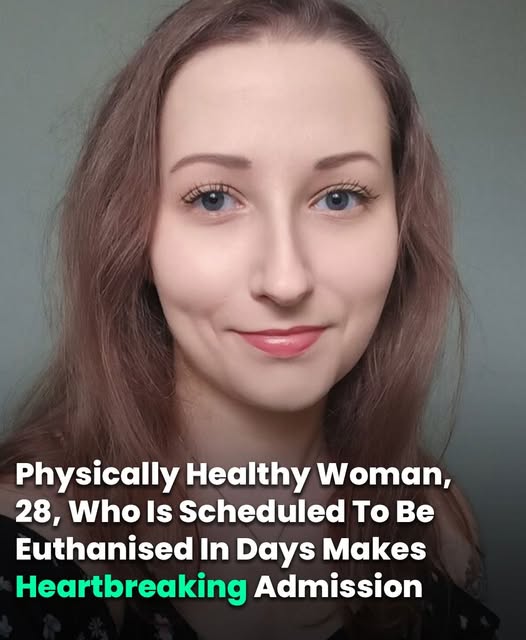
    Zoraya ter Beek, a 28-year-old woman from the Netherlands, has announced that she plans to undergo euthanasia next month despite being physically healthy. Her decision has drawn global attention because her eligibility is based on psychiatric suffering rather than terminal physical illness, reigniting debates over ethics, autonomy, and the limits of medical responsibility.

    Under Dutch law, euthanasia is permitted when a patient experiences unbearable suffering with no prospect of improvement, provided strict criteria are met. Ter Beek qualifies due to severe, treatment-resistant depression, autism, and borderline personality disorder. She has described years of therapy, medication, and psychiatric care that failed to ease her condition. According to her, the repeated cycle of hope followed by disappointment became part of the suffering itself, leaving her exhausted and without realistic expectations of relief.

    Supporters of euthanasia rights argue that mental suffering can be just as debilitating as physical pain and that denying psychiatric patients the right to choose is a form of discrimination. They emphasize that cases like ter Beek’s undergo extensive evaluation and are approved only after multiple medical professionals agree that all legal safeguards have been met. From this perspective, her decision represents personal autonomy and dignity.

    Critics strongly disagree. Many mental health experts warn that hopelessness is a symptom of depression and question whether a desire for death can ever be fully autonomous in such cases. Others fear a slippery slope, arguing that allowing euthanasia for psychiatric conditions risks normalizing death as a response to psychological distress rather than investing in better mental health care.

    Ter Beek has framed her choice as liberation rather than despair. She plans to spend her final moments at home and has chosen cremation to reduce the burden on her partner. While she admits to fear, she says euthanasia brings her peace after years of suffering.

    Her case has not settled the debate, but it has forced a global audience to confront difficult questions about suffering, choice, and where society should draw its most fragile moral lines.