Breaking News

  • Why do men prefer women who are shorter than them?

    Why do men prefer women who are shorter than them?

    We’ve all heard the phrase, “Men like short women.” It’s often repeated as if it were fact. But is attraction really that simple? A recent study suggests the answer is more nuanced than the cliché implies.

    A study published in Frontiers in Psychology explored whether height influences romantic preference. Researchers surveyed more than 500 participants from multiple countries. Volunteers were shown silhouettes of varying heights and asked to choose their ideal partner size based on the type of relationship they had in mind. There were “No faces. No fashion cues. No personality traits. Just height.” The minimalist design aimed to isolate one factor: physical stature.

    On average, men preferred women slightly shorter than the typical female height in their country. Women, meanwhile, leaned toward men slightly taller than the national male average. But the more revealing detail appeared when relationship context was considered. Men showed a stronger preference for shorter partners in short-term relationships. That difference became less noticeable when imagining long-term, committed partnerships. Height influenced attraction, but context clearly mattered.

    Another pattern emerged among taller participants. Those above average height often preferred similarly tall partners. This reflects “homogamy,” the tendency to choose partners who resemble us in certain traits. Rather than proving a universal rule, it suggests preferences are often shaped by self-perception.

    Researchers also emphasized limits to their findings. Selecting silhouettes in a controlled study differs greatly from real-life connection. In everyday relationships, qualities like confidence, humor, warmth, and shared values tend to outweigh a single physical trait.

    Yes, height can influence first impressions. But attraction and lasting compatibility are far more complex. Love, after all, is not measured in centimeters—it grows through trust, interaction, and emotional connection.

  • Men Born in These Months Make the Best Husbands — Is Your Man on the List?e

    Men Born in These Months Make the Best Husbands — Is Your Man on the List?e

    When choosing a life partner, people usually focus on values, character, and emotional maturity. Still, there is curiosity about how birth month might influence personality. While **“love isn’t written in the stars — it’s built through effort and commitment,”** certain months are often linked to traits associated with dependable, loving husbands.

    Men born in January are often disciplined and responsible. They value commitment, long-term planning, and stability. Their love shows through action rather than words, offering steady support and protection. Many see them as quiet providers who take responsibility seriously.

    April-born men are known for passion and energy. They love intensely, defend their family fiercely, and enjoy leadership. Life with them can feel exciting and bold, and their loyalty runs deep once they commit.

    June men are natural communicators. They value emotional connection, empathy, and patience. Often sensitive and attentive, they listen carefully and support their partners through understanding rather than pressure, becoming trusted emotional companions.

    September husbands are linked with reliability and attention to detail. They value order, routine, and steady growth. Thoughtful and observant, they remember small details and create trust through consistency and dedication.
    November-born men are known for emotional depth and fierce loyalty. Though sometimes reserved, once committed, their devotion is strong. They believe in working through challenges and see commitment as something to protect.

    In the end, birth month may hint at personality traits, but real love depends on daily effort, communication, and growth. As the article notes, **“a strong marriage ultimately depends on character, communication, and daily effort — not astrology alone.”** While it’s fun to notice patterns, the most important factor is choosing each other every day.

  • My Date Paid for Dinner — But What Happened Next Left Me Shocked!

    When my best friend Mia suggested setting me up on a blind date, I hesitated. But she promised Eric was “polite, thoughtful, and dependable.” Our messages felt easy and genuine, and after a week, we planned dinner at a downtown Italian restaurant.

    The evening started perfectly. Eric arrived early with roses, dressed neatly, and even gave me a small keychain with my initial. Conversation flowed, and when the bill came, he smiled and said, “A man pays on the first date.” It felt old-fashioned but kind. He walked me to my car, and the night seemed straight out of a romantic movie.

    The next morning, everything changed. Instead of a sweet message, I received an email titled “Invoice for Last Night.” It listed charges for dinner, flowers, the gift, and even “emotional labor,” with a warning: “Failure to comply may result in Chris hearing about it.” Shocked, I called Mia. She replied, “Oh my god. He’s insane. Don’t respond.”

    Mia and her boyfriend Chris sent Eric a mock invoice of their own, listing playful penalties for entitlement and making someone uncomfortable. Eric’s messages quickly turned defensive, then angry, and finally self-pitying. I stopped replying, and both Mia and Chris cut him off completely.

    What started as a charming date became a lesson in boundaries and self-respect. The gestures that first seemed thoughtful revealed entitlement and control. Kindness, I realized, should never come with strings attached.

    The night began like a fairy tale but ended as a reminder to trust instincts. Generosity is not a transaction, and respect cannot be invoiced. I didn’t repay him the way he expected, but I gained clarity — and that mattered far more than any dinner bill.

  • Why Drooling During Sleep Can Happen More Often Than You Think

    Occasional drooling during sleep is very common and usually harmless. It often happens during deep sleep, when facial muscles relax, or when someone sleeps on their side. In these cases, it is simply part of normal sleep behavior.

    Concern may arise when drooling is new, excessive, persistent, or clearly one-sided. These changes can sometimes point to underlying health or lifestyle factors worth noticing.

    One frequent cause is nasal congestion. Allergies, colds, sinus infections, or a deviated septum can block nasal airflow, leading to mouth breathing at night. When the mouth stays open, saliva is more likely to escape.

    This type of drooling is often accompanied by snoring, dry mouth in the morning, or restless sleep. Treating nasal irritation usually reduces the problem.

    Digestive issues can also contribute. Acid reflux at night may increase saliva production as the body attempts to protect the throat. Symptoms may include heartburn, coughing, or a sour taste when lying down.

    Oral health plays a role as well. Gum inflammation, dental issues, or throat infections can temporarily stimulate excess saliva. Once the irritation resolves, drooling often improves on its own.

    In many situations, drooling is not a cause for concern—especially if it has always occurred occasionally, appears during illness, or changes with sleep position.

    However, sudden onset, ongoing one-sided drooling, or difficulty swallowing should be discussed with a healthcare professional. Paying attention to patterns helps ensure both reassurance and overall well-being.

  • Ladies, when a man scratches the palm of your hand, here’s what you can do

    Ladies, when a man scratches the palm of your hand, here’s what you can do

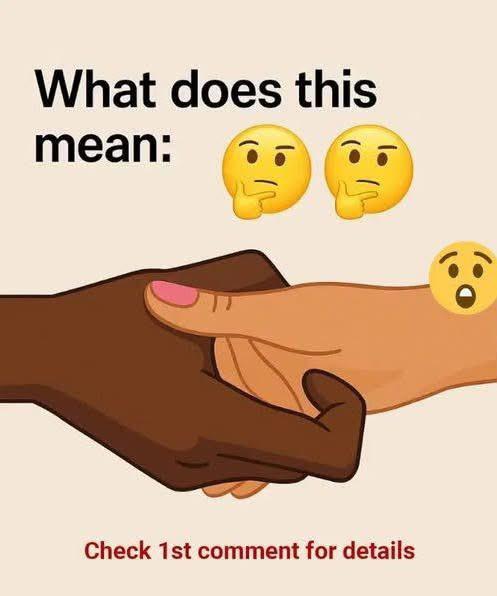
    When a man scratches the palm of a woman’s hand, the gesture can carry different meanings depending on the situation and the individuals involved.

    In many cultures, especially in the realm of subtle body language and flirting, this specific motion is often interpreted as a sign of romantic or sexual interest. It’s typically not a casual or accidental gesture—it suggests intention, signaling a deeper level of attraction or desire.

    The meaning can also depend on how it’s done. A light, lingering scratch during a handshake or touch can come across as flirtatious or suggestive. In contrast, a quick or absent-minded gesture may not carry the same weight.

    Body language experts suggest that certain gestures bypass words and speak directly to subconscious feelings. Touching someone’s palm—one of the most sensitive areas of the body—can create an intimate moment, often reserved for people seeking closeness.

    However, interpretation also depends heavily on context. If this gesture happens between people who already share a romantic or emotionally charged relationship, it may simply be an extension of their existing bond. Between acquaintances or strangers, though, it can feel invasive or uncomfortable.

    What matters most is the woman’s personal response. Her comfort, intuition, and boundaries should always guide how she reacts to any physical gesture—regardless of its intended meaning.

    If the gesture feels unwelcome, it’s perfectly okay to step back, speak up, or establish clear limits. Communication and consent remain central in any human interaction, no matter how subtle the signals may be.

    Ultimately, while a palm scratch may be a coded gesture in some flirting traditions, it’s not universal—and how it’s received matters more than how it was meant.

  • Here’s every female celebrity named in the Epstein files

    Here’s every female celebrity named in the Epstein files

    The release of the so-called Epstein files has reignited global debate. After the Department of Justice disclosed millions of documents tied to Jeffrey Epstein, attention has shifted beyond powerful men like Andrew Mountbatten-Windsor, Donald Trump, and Peter Mandelson to the many women named in the 3.5-million-page archive. Officials stress that being mentioned “does not imply wrongdoing,” yet the scale of names across politics, royalty, entertainment, and philanthropy has intensified scrutiny and public discussion.

    Among the most discussed is Sarah Ferguson, former wife of Andrew Mountbatten-Windsor. Her name appears in connection with social gatherings and travel linked to Epstein’s circle. Emails reportedly show her describing Epstein as a “pillar,” and records suggest continued contact during periods when he faced legal trouble. According to CNN, six companies linked to her are set to close. Her daughters, Princess Beatrice and Princess Eugenie, are also mentioned. Again, authorities emphasize that mention alone does not equal misconduct. Reports say Ferguson has kept a low profile, spending time at the Paracelsus Recovery Clinic in Switzerland, known for privacy and high-profile clients.

    The files also reference major public figures. Melinda Gates appears in business and charitable correspondence, with no allegations indicated. Political leaders including Hillary Clinton, Michelle Obama, Kamala Harris, Nancy Pelosi, Nikki Haley, Alexandria Ocasio-Cortez, and Ashley Biden are cited in various contexts. Officials repeat that inclusion “does not imply criminal behavior.”

    Hollywood figures such as Naomi Campbell, Alyssa Milano, Whoopi Goldberg, Amy Schumer, Monica Lewinsky, and Meghan Markle are mentioned mainly in connection with events or introductions. Cultural icons like Marilyn Monroe and Diana Ross are referenced more broadly.

    For many observers, the key takeaway is the network’s reach. Authorities continue to stress that appearance in the files is not proof of wrongdoing, yet the disclosures renew calls for transparency and accountability.

  • Did you know that if a dog smells your parts it’s po…

    Did you know that if a dog smells your parts it’s po…

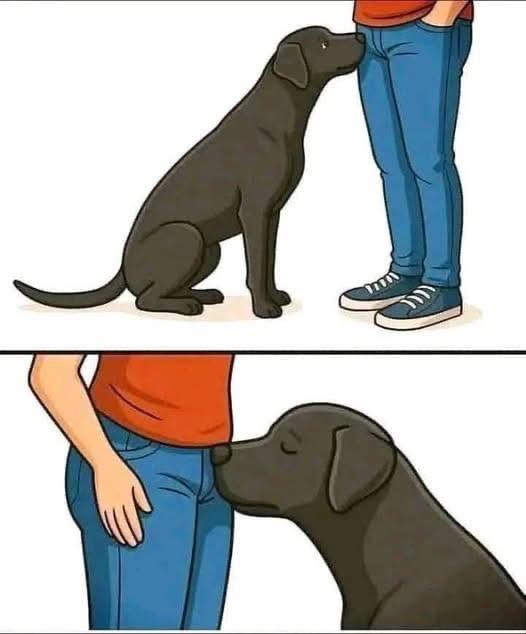
    Dogs experience life mainly through scent, not sight or words. As the article explains, **“Dogs move through the world by scent in the same way that we move through sight and words.”** Their noses collect information long before we are even aware of it, turning smells into detailed stories about the people and environments around them.

    When a dog sniffs your crotch, it is not acting inappropriately. Instead, it is reading chemical signals released by the body that reveal age, sex, stress, emotions, and health. For dogs, this is simply a normal greeting — **“a first impression and an introduction.”** It is how they gather essential information in a natural, instinctive way.

    Feeling uncomfortable is understandable, and gently redirecting your dog is perfectly fine. Calm guidance, such as asking them to sit or stay, helps shape polite behavior. What matters is remembering that **“the intention behind the behavior is never about disrespect.”** It is about curiosity, connection, and trust.

    The same nose that causes awkward moments also shows deep care. It searches for you when you are sad, nudges your hand when you are tired, and stays close when you are sick or overwhelmed. Dogs notice changes in breathing, heartbeat, and emotional state, often sensing distress before we say a word.

    Though the behavior may feel embarrassing, it comes from the same instinct that builds loyalty and affection. Scent helps dogs understand the world and the people they love. When a dog leans in close, it is offering reassurance and devotion, quietly saying, **“I know you,”** and promising to stay beside you.

  • HEAD ACNE

    HEAD ACNE

    Pimple treatments depend on how serious the acne is. Mild breakouts can usually be managed with over-the-counter products like creams, gels, and cleansers containing benzoyl peroxide or salicylic acid. These ingredients help reduce inflammation and unclog pores, making them effective for everyday acne control.

    When acne becomes more persistent, severe, or starts leaving scars, professional care is important. As the article states, “For persistent, severe, or scarring acne, it’s crucial to consult a dermatologist.” A specialist can examine your skin and create a treatment plan designed specifically for your needs.

    Prescription treatments may include topical retinoids, antibiotics, or hormonal therapies. These options work in different ways — reducing bacteria, controlling excess oil, and increasing skin cell turnover. A dermatologist determines which combination is both safe and effective for your skin type and acne severity.

    For stubborn or cystic acne, in-office procedures might be recommended. Chemical peels, laser therapy, or cyst drainage can help improve skin texture and reduce the risk of long-term scarring. These treatments are typically used when standard medications are not enough.

    No matter the severity, consistency is key. A steady skincare routine and regular follow-ups help maintain results and prevent new breakouts. Treatment should always be “tailored to your specific type of acne and skin condition,” emphasizing that personalized care leads to better, long-lasting outcomes.

  • Understanding a Common Body Response and Its Role in Urinary Health

    Understanding a Common Body Response and Its Role in Urinary Health

    Many daily actions happen automatically, from blinking to stretching, and these responses often serve to protect our health. While they may seem trivial, ignoring them can lead to discomfort or complications over time. One such natural response is the urge to urinate after physical closeness, particularly common in women. This instinct is a protective mechanism that supports urinary health.

    The human body constantly responds to internal and external changes without conscious effort. During physical activity or intimacy, blood flow increases in the pelvic area, muscles relax, and hormones shift. These changes help tissues recover, maintain circulation, and protect sensitive areas. The urge to urinate signals the body to cleanse the urinary tract and restore balance.

    Physical movement in the pelvic region can put gentle pressure on the bladder, activating nerve pathways that prompt urination. Kidney activity may increase slightly, producing more urine, while hormones associated with relaxation and bonding influence fluid regulation. These normal responses ensure the body maintains equilibrium after intimacy.

    Urinating promptly helps reduce the risk of urinary tract infections by flushing bacteria away from the urethra before they reach the bladder. Women are more susceptible due to a shorter urethra and proximity to bacterial sources, making preventive habits particularly important.

    Beyond infection prevention, urination supports overall cleanliness of the urethra and surrounding areas. Increased blood flow during activity makes tissues more resilient, and urination helps restore baseline conditions while reducing irritation or inflammation.

    Urine may appear lighter or have a milder odor after activity, reflecting hydration and temporary hormonal changes. These variations are normal and not cause for concern. The key is responding to the body’s signals rather than delaying urination.Ignoring this natural urge allows bacteria more time to multiply, increasing infection risk. Individuals with conditions like diabetes may be more vulnerable, highlighting the importance of prompt attention to bodily signals.

    Incorporating urination into daily routines, alongside hydration, hygiene, and regular checkups, strengthens the body’s natural defenses. Recognizing and respecting these automatic responses is a simple, effective way to maintain long-term urinary health.

  • The Real Reason Your $20 Bill Has a Bow-and-Arrow Symbol, How Mysterious Marks on U.S. Currency Reveal Global Trade Routes, Underground Verification Networks, and Centuries-Old Money-Handling Traditions That Continue Today Without Most Americans Realizing It

    The Real Reason Your $20 Bill Has a Bow-and-Arrow Symbol, How Mysterious Marks on U.S. Currency Reveal Global Trade Routes, Underground Verification Networks, and Centuries-Old Money-Handling Traditions That Continue Today Without Most Americans Realizing It

    Most people handle cash without giving it much thought, glancing at the amount before folding it away. Occasionally, though, a bill stands out because of an unfamiliar symbol or tiny stamped mark near the portrait or margin. One common example is a small bow-and-arrow–like emblem that looks mysterious at first, raising suspicions of graffiti, codes, or counterfeiting.

    In reality, these markings are part of a practice known as chop marking, a tradition far older than modern paper currency. Chop marks act as informal verification stamps, telling a quiet story about where a bill has traveled and how it was trusted far from its country of origin. Rather than damage, they signal inspection and acceptance.

    The origins of chop marking trace back centuries to ancient China, where merchants verified silver coins by testing their weight and purity, then stamping them with a personal mark. Each stamp served as a signature of trust. Over time, coins with multiple chops became more credible, having been verified again and again.

    As money evolved from metal to paper, the practice adapted. Ink stamps replaced punches, especially in regions where formal banking systems were limited. Because the U.S. dollar became the world’s most widely accepted currency, it naturally became the most common target for these marks.

    Today, chop marks appear frequently on U.S. bills circulating in parts of Asia, Africa, and Latin America. Money changers, vendors, and traders use them as quick visual confirmation that a bill has already been checked. The symbols vary widely and carry no secret meaning beyond trust.

    Back in the United States, these marked bills are generally accepted by banks and retain full value. For collectors and the curious, however, they offer something more: evidence that an ordinary bill once moved through distant markets, carrying with it a quiet record of global exchange.