Breaking News

  • Over Half a Million Bottles of Blood Pressure Medicine Recalled for Safety

    Over Half a Million Bottles of Blood Pressure Medicine Recalled for Safety

    About 600,000 bottles of Ramipril, a commonly prescribed blood pressure medication, are being recalled in the U.S. due to possible contamination tied to an unregulated supplier in India, according to the FDA. The recall includes 2.5 mg, 5 mg, and 10 mg doses distributed nationwide. The agency classified this as a Class 2 recall, meaning “the product may cause temporary or medically reversible health issues, though the risk of serious adverse consequences is remote.”

    So far, no health problems have been reported, but patients are urged to check their prescriptions and consult healthcare providers if they believe their medication could be affected. The FDA stressed that people should not stop taking Ramipril without medical advice, noting that “patients are urged to review their prescriptions and consult with their healthcare providers if they suspect their medication is part of the affected batch.”

    Ramipril is widely used to treat high blood pressure and reduce the risk of heart attacks, strokes, and kidney disease. Because so many patients depend on it daily, the recall has raised concern among doctors and consumers, especially those who rely on the medication to manage chronic conditions.

    The incident has also drawn attention to the safety of global drug supply chains. Officials said the contaminated ingredient came from a supplier that did not follow standard U.S. regulatory practices, highlighting the need for stronger oversight and stricter quality controls. This has prompted renewed calls for better monitoring of overseas manufacturers to ensure patient safety.

    Although the recall is precautionary, it serves as an important reminder of how vital quality control is in the pharmaceutical industry. Patients should contact their pharmacy or healthcare provider to confirm whether their medication is affected and discuss alternatives if needed. For the latest updates and specific batch numbers, consumers can check the FDA’s recall database or speak directly with their pharmacist.

  • Legendary Voice That Once Ruled the Charts Is Gone

    Legendary Voice That Once Ruled the Charts Is Gone

    News of Lou Christie’s passing arrived quietly, spreading first among devoted fans before being confirmed publicly. His wife, Francesca, told The Hollywood Reporter that he died at his home in Pittsburgh after a brief illness. He was remembered by family as a beloved husband, brother, and friend.

    Christie’s voice—instantly recognizable for its soaring falsetto—defined an era of pop music. At a time filled with distinctive performers, he stood apart through vocal range and emotional intensity.

    Best known for hits like Lightnin’ Strikes and Two Faces Have I, Christie blended vulnerability with dramatic flair. His recordings captured both youthful energy and heartfelt longing, making them enduring radio favorites.

    Listeners often needed only a single note to identify him. His ability to balance power and delicacy became the hallmark of his career and helped secure his place in 1960s pop history.

    Even after his chart-topping years, Christie remained closely connected to his audience. He continued performing live, valuing the opportunity to engage directly with fans who had supported him for decades.

    Those who worked with him described him as humble and dedicated to his craft. Despite fame, he focused more on music than celebrity, expressing gratitude for the loyalty that sustained his long career.

    Following news of his death, tributes poured in from fellow musicians and admirers. Many shared memories of hearing his songs during meaningful moments in their lives, praising both his technical skill and emotional honesty.

    Though Christie has taken his final bow, his recordings endure. His falsetto and sincerit

  • Charlie Kirk’s Wife Erika Shares Emotional Baby Update

    Charlie Kirk’s Wife Erika Shares Emotional Baby Update

    Erika Kirk, the wife of conservative commentator and Turning Point USA founder Charlie Kirk, has drawn attention after sharing a deeply personal update related to her journey into motherhood.While details have been discussed widely across social media, her message struck a chord with many followers who said they related to the emotional weight that often comes with pregnancy, postpartum life, or fertility challenges.

    A Personal Topic That Resonates With Many Families
    Parenthood journeys can come with highs and lows—excitement, fear, hope, and heartbreak—sometimes all at once. Erika’s update sparked a wave of comments from people who said they’ve experienced similar emotions, whether through infertility struggles, miscarriage, complicated pregnancies, or the pressure of trying to build a family in the public eye.

    Supporters responded with messages of encouragement, prayers, and solidarity, noting that conversations about reproductive and maternal health often remain private, even though they affect millions.

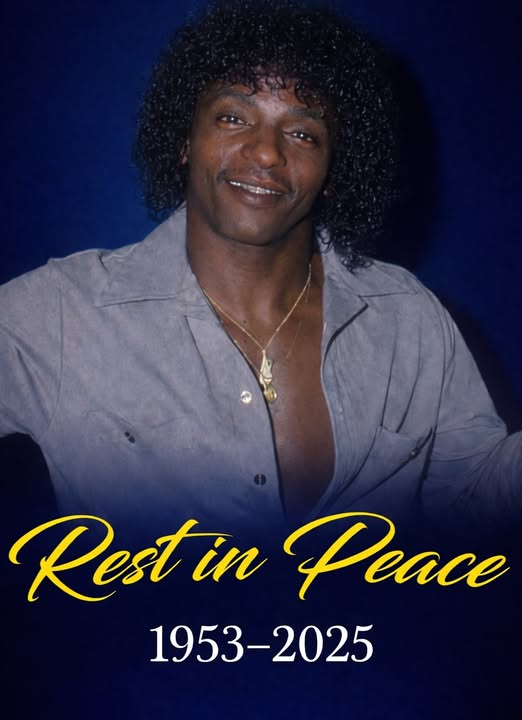
  • Carl Carlton, Voice Behind “Everlasting Love” and “She’s a Bad Mama Jama,” Passes Away

    Carl Carlton, Voice Behind “Everlasting Love” and “She’s a Bad Mama Jama,” Passes Away

    The music world has lost one of its most joyful voices. Carl Carlton, the American singer known for soulful sounds and disco-era hits, has passed away at 72. “His songs did more than entertain. They lifted spirits, crossed generations, and reminded listeners of the simple beauty of melody and feeling.”

    Born Carlton Hudgens in Detroit, he grew up surrounded by rhythm and creativity. As a preteen performing as Little Carl Carlton, he showed early promise. His singles gained modest success in the U.S. and became favorites in the U.K.’s Northern Soul scene. Despite early industry challenges, he stayed committed to his craft, eventually signing with 20th Century Fox Records in the late 1970s, a turning point in his career.

    Carlton first captured wide attention in 1974 with his cover of Everlasting Love, which climbed to No. 6 on the Billboard Hot 100. “Listeners were drawn not only to the melody, but to the warmth in his voice.” His vocals, often compared to Stevie Wonder, became a hallmark of R&B. In 1981, he released She’s a Bad Mama Jama (She’s Built, She’s Stacked), reaching No. 2 on the soul chart and solidifying his place in music history. He also showed versatility with a reggae-inspired version of Baby I Need Your Loving, blending tradition with creativity.

    Even as studio work slowed, Carlton loved live performance, connecting with audiences through sincerity rather than spectacle. He collaborated with legends like Smokey Robinson, Rick James, Teena Marie, and Chaka Khan. He was known for valuing teamwork, gratitude, and authenticity, earning respect both for talent and character.

    After a stroke in 2019, his health declined, but his music continued to reach new listeners through digital platforms. He passed away on December 14, 2025, as confirmed by his son. “Though his voice is now silent, his songs continue to speak.” They remain part of celebrations, family gatherings, and quiet reflection.

    Carl Carlton’s life reflected patience, faithfulness to craft, humility in fame, gratitude toward audiences, and joy in performance. “He never relied on controversy or excess. His strength was in consistency, sincerity, and love for music itself.” From Detroit’s soul roots to global disco floors, his songs carry joy and connection that outlive time. “Rest in peace, Carl Carlton. Your voice continues to sing.”

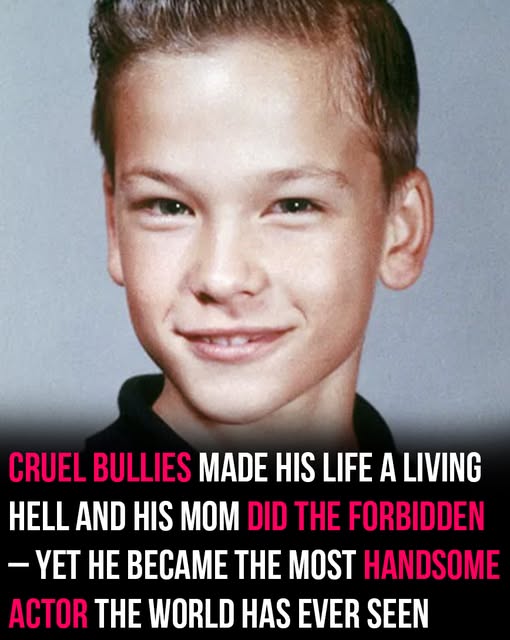
  • From beaten and bruised to one of the brightest stars in the world

    From beaten and bruised to one of the brightest stars in the world

    He used to sit quietly in the corner of the studio while his mother worked.

    There were no babysitters in his childhood. If Patsy was choreographing, he was there — watching, listening, absorbing every movement. While other boys spent afternoons trading baseball cards, he was memorizing counts, stretching his legs, and studying the rhythm of music echoing through a dance hall in Houston.

    He was born on August 18, 1952. From the beginning, there was something restless and electric about him. His father, Jesse, worked as a draftsman at a chemical plant. His mother founded the Houston Jazz Ballet Company. Between engineering precision and artistic discipline, he grew up in a house where structure and creativity coexisted.

    And he wanted all of it.

    “He wanted to do everything,” his mother once said. “He was a skater, a swimmer, involved in all the Little League sports, baseball, football, studied dancing every day, he played the violin, sang in the school choir, did the leads in the school plays from junior high up. I guess you could call him hyper, but he just has to be busy all the time.”

    Busy wasn’t the problem.

    Different was.

    In Texas during the 1960s, a boy carrying ballet shoes and a violin didn’t blend in. He stood out — and not always in a good way.

    His brother later recalled one painful moment to Biography: “He had his dance shoes in one hand and a violin in the other and these three boys were waiting for him. They said something to the effect of ‘Hey, twinkle your toes for us, pretty boy.’”

    The teasing didn’t stop at words. There were bruises. There were fights. There were days he came home battered but silent.

    His father had his own rule: “If I ever see you start a fight, I’ll kick your [expletive]. And if I ever see you not finish a fight, I’ll kick your [expletive].”

    It was harsh, but it was meant to teach him resilience. His mother had her own brand of fierce loyalty. She once told him to take his ballet shoes and “beat the snuff” out of anyone who mocked him. And according to family stories, he did confront his tormentors one by one in a gym with boxing gloves — and the bullying slowed.

    Strength, in his house, meant more than muscles. It meant not apologizing for who you were.

  • Fix Scratched Glasses Home

    Fix Scratched Glasses Home

    Scratched glasses are frustrating, but it’s important to know the truth: most scratches cannot truly be removed—only minimized. Many DIY methods work by lightly polishing or filling the scratch, which can reduce its appearance but may also damage lens coatings.

    One common method is a baking soda paste. Mix 1–2 teaspoons of baking soda with a few drops of distilled water to form a thin (not gritty) paste. After cleaning and drying your lenses, gently rub the paste over the scratch in small circular motions for about 10–15 seconds. Rinse thoroughly and dry with a microfiber cloth. This may help with hairline scratches on uncoated plastic or glass lenses. Avoid this method if your lenses have anti-glare, blue-light, or scratch-resistant coatings, as it can remove them.

    Plain, non-gel, non-whitening toothpaste is another popular suggestion. Apply a pea-sized amount to a damp microfiber cloth and gently rub the scratch for no more than 10 seconds. Rinse and dry. However, most modern toothpastes contain abrasive ingredients that can worsen damage, so this should only be tried on old or backup glasses.

    Car wax or lens scratch fillers can temporarily reduce visibility by filling fine scratches. These products don’t remove scratches but may reduce glare. They’re not ideal for everyday prescription lenses.

    Avoid harsh products like metal polish—they can permanently cloud your lenses.

    If scratches are in your direct line of sight, causing glare, headaches, or peeling coatings, it’s best to see an optician. Often, replacement lenses are the safest solution.

    Prevention matters most: use microfiber cloths, store glasses in a hard case, and never clean lenses with paper towels or clothing. Clear vision is worth protecting.

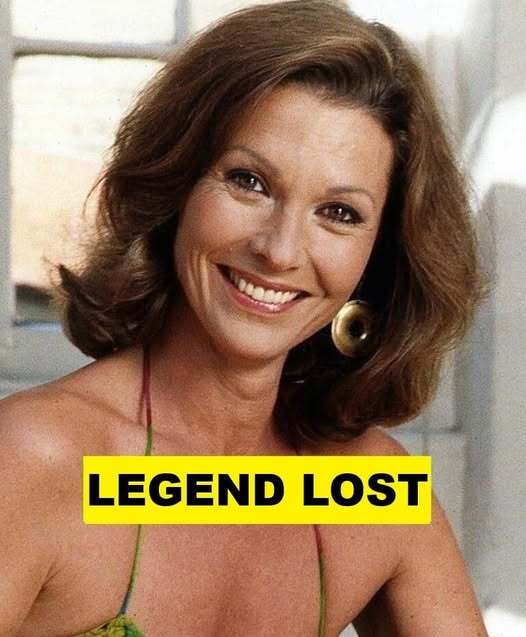
  • STAR GONE. With heavy hearts, we announce the passing

    STAR GONE. With heavy hearts, we announce the passing

    Pamela Salem, who played Samantha on Eastenders, has died at the age of 80.

    People have said wonderful things about the actress, who was also known for Doctor Who, since the news of her death spread.

    What did Pamela Salem do?
    Pamela Salem was an actress who was born in India in 1944 and went to school at the University of Heidelberg in Germany.

    She learned how to be an actress at the Central School of Drama. After that, she did repertory theater in Chesterfield and York.

    The actress worked for a long time on stage, TV, and movies. She was best known for her roles in plays by Shakespeare, Chekhov, and Pinter.

    A big part she played, though, was Miss Moneypenny in the James Bond movie Never Say Never Again (1983), which starred Sean Connery.

    It was well known that she did voice work for the company Big Finish, which made audio dramas.

    When did Pamela Salem pass away?
    Pamela died in her Florida home in Surfside in the morning.David Richardson, her Big Finish producer, told everyone the news of her death: “Pamela Salem was lovely, and we all loved her.”

    “Whenever she had a recording with Big Finish, she’d fly in from Miami by herself, with no fuss or drama.”

    “She would show up at the studio with the biggest hugs, the nicest smiles, and often gifts.”

    “She was a very kind person who was always interested in everyone, from her co-stars to the production team to visitors and guest actors.”

    “She talked with joy about her home on Miami Beach, waking up to warmth and waves.”

    What role did Pamela Salem play on EastEnders?
    Between 1988 and 1989, Pamela played Joanne Francis in 37 episodes of EastEnders.

    People first saw her in Albert Square in June 1988 as a member of the gangster group called “The Firm.”

    Joanne’s boss, Mr. Vinnicombe, sent her to Walford to run Strokes Winebar, which was really a front for an illegal gambling den.
    Auto DraftThe manager, Dirty Den Watts (Leslie Grantham), doesn’t like it when she shows up.

    Even though they were hostile at first, Joanne and Den worked well together and became good friends.

  • Spacious 3-Bedroom Home on 110 Acres in Big Rock, Virginia

    Spacious 3-Bedroom Home on 110 Acres in Big Rock, Virginia

    Nestled in the tranquil mountains of Big Rock, this expansive acreage offers a rare blend of natural beauty, privacy, and practical infrastructure—making it an exceptional opportunity for those seeking a retreat, an investment property, or a long-term homestead. While the estate requires substantial renovation, its combination of existing structures, scenic surroundings, and versatile land creates a strong foundation for a transformative project.

    One of the property’s most appealing features is the presence of two separate dwellings, each with its own unique potential. The primary residence, though in need of significant repairs, provides a spacious layout ideal for a family home or future rental. But the real versatility comes from the second building—a 640-square-foot apartment situated above a detached garage. Like the main house, this building requires foundation work and other updates, yet its potential is undeniable. Once restored, it could function as guest quarters, an income-generating rental unit, or comfortable living space for extended family members. For investors or homeowners wanting added financial flexibility, the second unit alone adds tremendous value to the property.

    Despite its quiet and secluded setting, the estate enjoys a strategic location near everyday conveniences. Within just a few minutes, residents can access essential amenities, including the Breaks Interstate Park, known for its stunning canyons and outdoor recreation. The nearby Appalachian School of Law, local shops, restaurants, schools, and a regional hospital further enhance the practicality of the location. This balance between privacy and accessible services makes the property especially attractive to those who want a peaceful escape without sacrificing convenience.

    In addition to its structures, the property is equipped with important infrastructure—an advantage that many rural acreages lack. It already features county water, electricity, and a septic system, significantly reducing the cost and complexity of future development. The long paved driveway, combined with generous road frontage, ensures easy access for vehicles, construction crews, or recreational equipment. Furthermore, a gas-company-maintained road leads directly to the ridge, providing reliable passage even during challenging seasons. These existing utilities and access points create a strong foundation for renovations or expansion, helping future owners bring their vision to life with fewer logistical challenges.

    Beyond its practicality, the property’s natural landscape is one of its most compelling attributes. The land features mature hardwood timber, a diverse ecosystem, and rolling terrain that showcases the beauty of the region. A wet-weather stream runs through the acreage, adding charm and seasonal interest. Wildlife thrives here—visitors frequently spot deer, turkey, small game, and even the occasional black bear wandering through the forested areas. For outdoor enthusiasts, this makes the property a dream setting for hunting, hiking, camping, photography, or simply appreciating the changing seasons from the comfort of home.

    The acreage offers plenty of flat and elevated areas, allowing for imaginative use of the land. Future owners could carve out walking trails, create garden spaces, develop recreational zones, or even establish multiple build sites. With the natural ridges and open clearings, the landscape provides diverse opportunities for both leisure and expansion.

    From an investment perspective, the property presents a unique combination of fixer-upper potential, rental opportunities, and long-term value growth. The dual-dwelling setup alone opens doors for short-term rentals, Airbnb income, or long-term tenants—particularly appealing due to the location’s proximity to the park, law school, and regional employers. Meanwhile, the acreage offers room for timber harvesting, recreational usage, or future development depending on the buyer’s goals.

    For those dreaming of a private mountain retreat, the property easily supports that vision as well. The seclusion, natural features, and scenic surroundings create a peaceful atmosphere ideal for anyone wanting to disconnect from busy urban life. With restoration and personal touches, the estate could evolve into a cozy homestead filled with rustic charm, modern comfort, and breathtaking views.

    Ultimately, this Big Rock property stands as a versatile, multifaceted opportunity for a wide range of buyers. Whether envisioned as a weekend getaway, a full-time residence, a profitable rental investment, or a project to develop over time, the acreage combines natural beauty with practical advantages that are increasingly rare to find in one package. With the right vision and restoration work, this hidden gem has the potential to become a remarkable mountain estate—one that blends solitude, convenience, and the timeless appeal of the Appalachian landscape.


  • Fake people often display four noticeable characteristics that reveal inconsistency between their words and actions

    Fake people often display four noticeable characteristics that reveal inconsistency between their words and actions

    On the surface, some people seem charming and adaptable, yet beneath that image lies what many describe as a carefully maintained façade. They shift their moods, values, and interests to fit their surroundings, earning the label “fake.” While adaptability can be healthy, chronic inauthenticity often becomes emotionally exhausting for others and for the individual themselves.

    Psychologists link persistent inauthentic behavior to traits in the so-called “Dark Triad”: narcissism, Machiavellianism, and psychopathy. These traits involve a need for admiration, manipulation, and emotional detachment. Not everyone displays all of them, but elements may overlap. Often, insecurity drives the behavior, fueled by a deep fear of rejection and a craving for approval.

    Childhood experiences frequently shape this pattern. Experts note that those who lacked emotional security early in life may grow up believing they are not worthy of love. To cope, they develop a polished persona. As psychoanalyst Otto Kernberg observed, what begins as protection can become “a prison,” blocking genuine intimacy. When someone is always performing, vulnerability feels dangerous, and real connection becomes difficult.

    A key sign is inconsistent behavior. A person may seem warm in one setting and distant in another, altering opinions or interests to impress. Over time, this creates confusion. Friends and partners begin to wonder which version is real, as shifting words and actions gradually erode trust.

    Another trait is a constant need for validation. Compliments and attention become emotional fuel, making conversations revolve around their image. When approval matters more than honesty, relationships start to feel shallow and transactional, especially in close partnerships where authenticity is essential.

    Subtle manipulation and weak boundaries often follow. This may include strategic flattery, selective truth-telling, or oversharing to gain closeness quickly. While not always malicious, these patterns undermine emotional safety. Recognizing these behaviors is not about harsh judgment but self-protection. Choosing distance from chronic inauthenticity is not cruelty; it is self-respect. Genuine relationships grow from honesty, consistency, and the freedom to be imperfect.

  • Three Little Pigs went out to dinner one night!

    Three Little Pigs went out to dinner one night!

    Folklore often uses pigs to reflect human habits, blending humor and insight into simple stories. In these modern retellings, familiar pig-centered jokes use satire and wordplay to highlight everyday contradictions and social frustrations.

    In the first tale, the Three Little Pigs are reimagined as diners enjoying a night out. Each orders differently: one chooses soda, another cola, and the third insists on endless water. Their contrasting preferences highlight indulgence and odd behavior, setting up a playful twist on a classic nursery rhyme.

    When the waiter finally asks why the third pig keeps demanding water, the punchline cleverly turns the familiar phrase “wee-wee-wee all the way home” into a literal explanation. The humor comes from transforming a childhood rhyme into an unexpected physical necessity, using simple logic for comic effect.

    The second story shifts to satire, following a farmer whose pigs attract constant criticism from authorities. First, he is fined for feeding them scraps. When he upgrades their meals, he is punished again, this time for excess. Each official enforces a different standard, leaving the farmer trapped between conflicting expectations.

    Frustrated, the farmer finally gives the pigs money so they can choose their own food. This absurd solution highlights how rigid systems often demand obedience without offering clear guidance, reflecting the confusion many people feel when navigating bureaucracy.

    Together, these stories show how humor can both entertain and critique. By laughing at pigs in restaurants and farmers overwhelmed by rules, readers recognize familiar struggles in exaggerated form. The jokes remind us that beneath simple punchlines lie sharp observations about human behavior, contradiction, and the everyday challenges of trying to do the “right” thing in an often inconsistent world.