Breaking News

  • 🔥 STOP Throwing Away Your Veggie Scraps — You’re Wasting Liquid Gold!

    🔥 STOP Throwing Away Your Veggie Scraps — You’re Wasting Liquid Gold!

    So many people toss their vegetable scraps without realizing they’re throwing away something incredibly valuable. Those onion ends, carrot peels, and cabbage cores can turn into a rich, flavorful homemade vegetable broth that’s healthier and completely free.

    Instead of tossing scraps in the trash, start saving them. Keep a quart-size freezer bag ready and add leftover vegetable pieces as you cook throughout the week. Store the bag in the freezer and keep filling it little by little.

    Once your freezer bag is packed full, it’s time to transform those scraps into broth. Pour everything into a large pot and add just enough water so the vegetables begin to float. You don’t need to drown them — just cover them properly.

    Add a small pinch of salt to enhance the natural flavors. Cover the pot with a lid and bring it to a boil over medium heat. As soon as it reaches a boil, turn off the heat completely.

    Now comes the easy part. Let the mixture sit covered for at least 30 minutes. This allows the vegetables to release their nutrients and flavor into the water without overcooking.

    After resting, strain the liquid into a clean container. What you’re left with is a beautiful homemade vegetable broth that can be used for soups, rice, stews, or even sipping warm on its own.

    There’s no strict recipe to follow here. This method works with whatever vegetable scraps you have on hand. It’s flexible, simple, and perfect for reducing food waste.

    Some of the best additions for a rich broth include mushrooms, cabbage, and onions. Once your broth is ready, you can season it however you like — herbs, garlic, pepper, or spices — depending on how you plan to use it.

    🌱 Simple. Healthy. Zero waste.

  • Viral claim about secret video of Micheal Jackson !

    Viral claim about secret video of Micheal Jackson !

    A disturbing claim exploded across social media this week, alleging the existence of a secret video involving Michael Jackson on Epstein Island. Within hours, the shocking rumor spread like wildfire, racking up millions of views and sparking heated debates online. Fans were left stunned, confused, and desperate for answers as the sensational headline dominated feeds worldwide.

    The post, which offered no credible sources or verified evidence, quickly gained traction through reposts, reaction videos, and emotional commentary. As often happens in the digital age, the sheer speed of sharing outpaced any effort to confirm the claim’s authenticity. Screenshots and vague references were circulated as “proof,” despite the absence of any substantiated documentation.

    Many users immediately questioned the legitimacy of the allegation. Critics pointed out that no official reports, court documents, or reputable news outlets had confirmed the existence of such a video. Digital media experts warned that viral claims built on shock value frequently rely on outrage to fuel engagement rather than facts.

    Supporters of the late singer urged people to pause before jumping to conclusions. They emphasized how easily manipulated narratives can resurface online, especially when they involve high-profile figures. Several fan communities released statements encouraging followers not to amplify unverified content designed to provoke anger and controversy.

    The rumor also reignited broader discussions about how misinformation spreads. Social media algorithms tend to prioritize content that generates strong emotional reactions — and few things spark more engagement than scandalous allegations involving famous names. In many cases, the lack of evidence becomes secondary to the emotional response the story triggers.

    Media analysts noted that once a claim reaches a certain level of virality, even debunking efforts struggle to match its reach. Corrections rarely travel as far or as fast as sensational posts. This imbalance can leave lasting damage, even when allegations are ultimately proven false or entirely fabricated.

    The situation serves as a stark reminder of the importance of media literacy. Experts recommend verifying claims through reliable sources, checking for official statements, and being cautious of anonymous accounts presenting explosive “inside information.” A dramatic headline does not automatically equal truth.

    As the dust settles, the viral rumor underscores a powerful lesson for the digital era: reputations can be shaken in a matter of hours, even without evidence. In a world where anyone can publish anything, the responsibility to pause, verify, and think critically has never been more important.

  • Think Twice Before Throwing Away Old Toothbrushes

    Think Twice Before Throwing Away Old Toothbrushes

    Old toothbrushes are usually the first things we toss without a second thought. Once their job is done, they’re seen as useless clutter destined for the trash. But that assumption couldn’t be more wrong. With just a little creativity, these everyday items can be repurposed into surprisingly effective tools for your home.

    Thanks to their compact size and firm yet flexible bristles, toothbrushes are ideal for tasks that larger cleaning tools struggle with. They reach into tight corners, narrow grooves, and awkward spaces where cloths and sponges simply can’t perform. Even slightly worn bristles still have plenty of strength left for detailed work.

    Instead of buying specialty brushes or gadgets, an old toothbrush can step in as a precise, cost-free solution. It’s perfect for tackling stubborn dirt, dust buildup, or residue in places that are often overlooked during routine cleaning. With a few simple adjustments, it can even be transformed to suit very specific needs around the house.

    A single toothbrush is excellent for cleaning small or delicate items—think keyboards, hair combs, appliance seams, jewelry boxes, or window tracks. Its size gives you full control, while the bristles dislodge grime without damaging surfaces. With gentle pressure, it can reach details no other tool can handle as effectively.

    If you warm the handle slightly and bend it into an L-shape, the toothbrush becomes even more versatile. This shape allows you to clean the bottoms of narrow glasses, inside bottles, tight toilet corners, or deep crevices that are usually skipped because they’re so hard to reach. What was once disposable suddenly becomes highly functional.

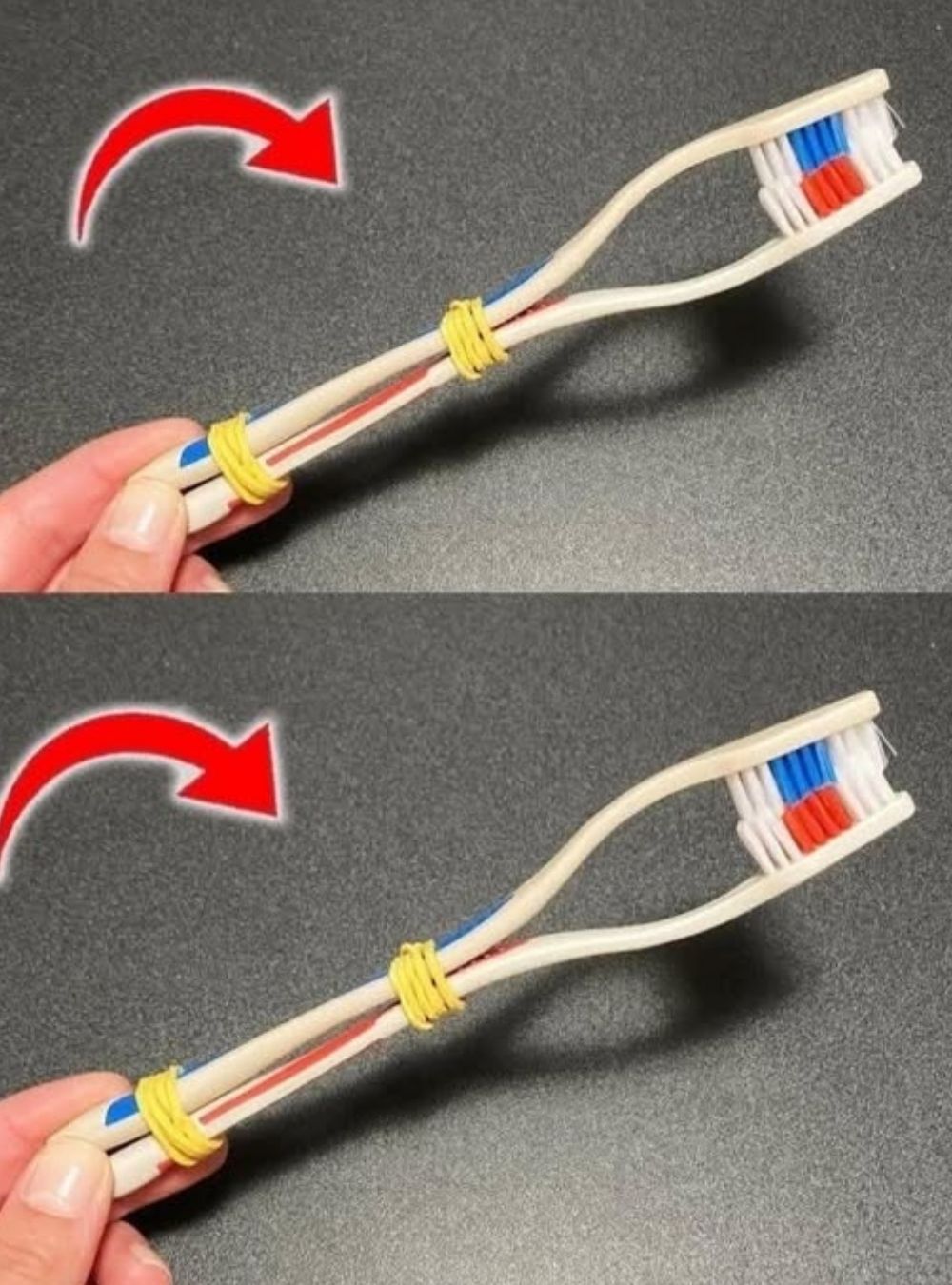
    Now for the clever trick most people never consider: tying two old toothbrushes together. Secured with a rubber band or tape, they form a simple clamp with bristles facing inward. This setup allows you to scrub both sides of narrow spaces at the same time—such as faucet edges, shower rails, sliding door tracks, or even bicycle chains. The opposing bristles work together to remove grime quickly and efficiently, saving both time and effort.Shortened or trimmed bristles can also serve unexpected purposes. They can help grip and crack hard-shelled nuts more safely, keeping your hands clear and reducing strain. It’s another example of how a small modification can unlock an entirely new use.

    Beyond convenience, reusing toothbrushes is an environmentally responsible choice. Instead of adding more plastic to landfills, you extend the life of an item you already own. It’s a simple habit that supports waste reduction without requiring any sacrifice or extra expense.These hacks cost virtually nothing and rely only on basic household items like rubber bands, tape, or heat from hot water. For anyone looking to save money, reduce waste, and work smarter at home, old toothbrushes turn out to be an overlooked asset.

    In the end, what seems like trash is often a hidden resource. With a bit of imagination, old toothbrushes can scrub, grip, and reach where other tools fail—proving that sometimes the smallest, simplest items deliver the biggest benefits.

  • What Happens When Your Body Does Not Get Enough Hydration

    What Happens When Your Body Does Not Get Enough Hydration

    Most people understand that drinking water is important, yet hydration is often overlooked amid busy routines. Long work hours, frequent caffeine intake, and reliance on sweetened or flavored drinks can quietly reduce daily water consumption. Because water supports nearly every system in the body, even mild dehydration can affect how we feel and function. When fluid intake drops too low, the body often sends subtle signals that are easy to miss or dismiss.

    Water is essential for digestion, circulation, temperature regulation, and the removal of waste. It also supports joint movement, nutrient delivery, and cellular health. Many people wait until they feel thirsty before drinking, but thirst usually appears after the body has already begun to experience fluid imbalance. Maintaining steady hydration throughout the day helps the body function efficiently and reduces unnecessary strain.

    One of the clearest indicators of hydration is urine color. Pale or light yellow urine typically suggests adequate hydration, while darker shades may signal the need for more fluids. Other early signs can include fatigue, reduced concentration, and fewer bathroom visits. In some cases, dehydration may feel similar to hunger, leading people to eat when the body is actually asking for water. Pausing to drink a glass of water before reaching for food can help clarify the body’s needs.

    Low hydration levels can also influence physical comfort and appearance. Dry skin, dull complexion, and recurring headaches are common signs that fluid intake may be insufficient. The brain is particularly sensitive to hydration, and even minor shortages can affect focus, mood, and mental clarity. Developing a consistent habit of drinking water throughout the day can support stable energy, clearer thinking, and overall balance.

    Staying hydrated does not require drastic changes—just regular attention. Simple practices, such as keeping water nearby and sipping consistently, can make a meaningful difference in daily comfort and long-term well-being.

  • I Found This While Clearing Out My Grandma’s House… Any Idea What It Is?

    I Found This While Clearing Out My Grandma’s House… Any Idea What It Is?

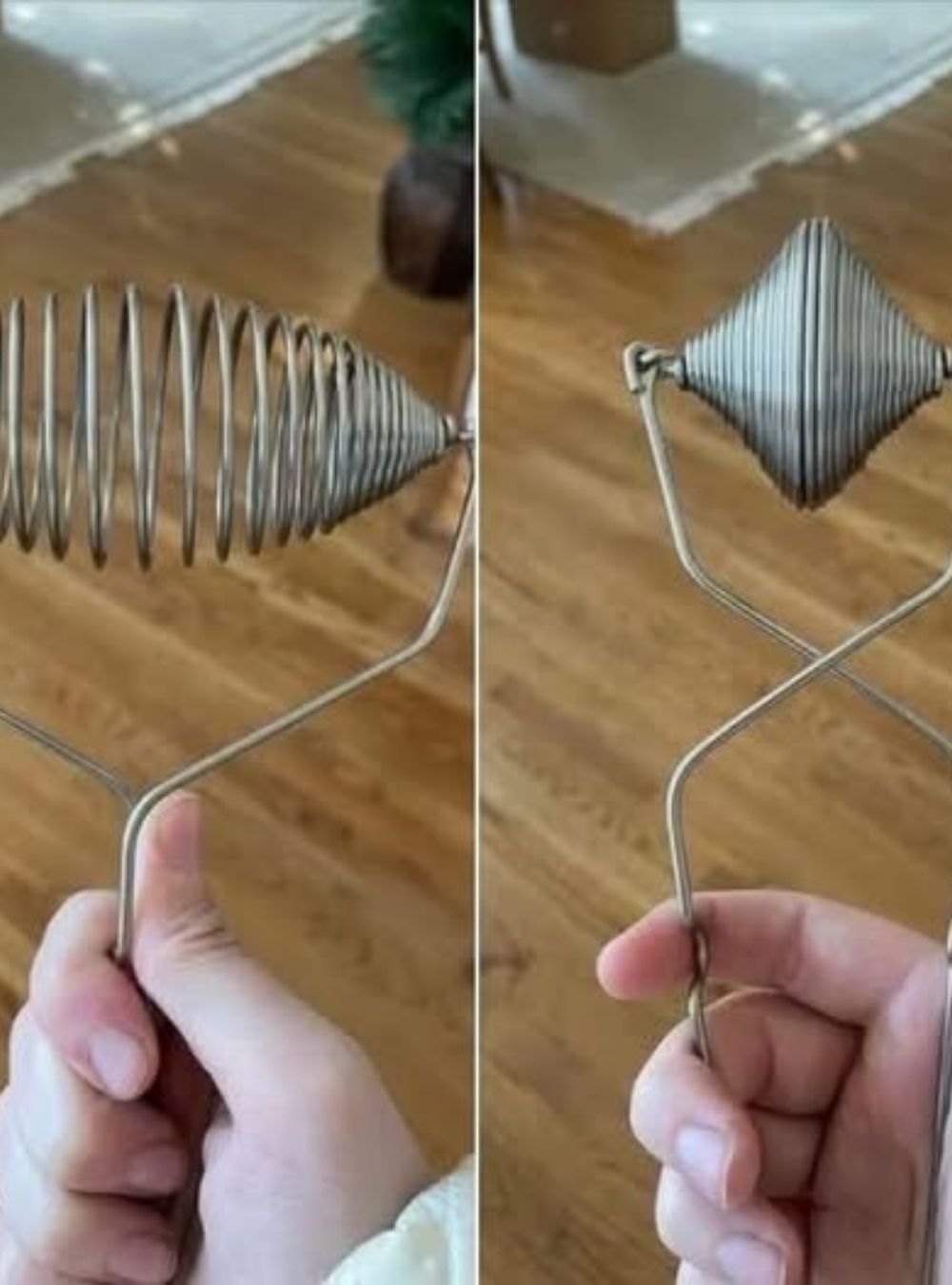
    Sorting through my grandmother’s kitchen was like stepping into a different era. Drawer after drawer held familiar things—worn wooden spoons, chipped measuring cups, baking tools smoothed by decades of use. Then there was this odd-looking object. Simple. Lightweight. Made of metal wire, with a springy coil at the end.

    At first glance, it didn’t make much sense.

    It wasn’t decorative. It wasn’t sharp. And it definitely wasn’t something you’d find in a modern kitchen drawer today. Yet it clearly belonged there, tucked among tools that had once been used almost daily. Whatever it was, it had been important enough to keep.

    Before electric mixers, food processors, and silicone utensils took over, kitchens relied on tools that were practical, durable, and precise. Cooking and baking were slower, more deliberate processes—done by feel, repetition, and experience rather than speed or automation. Every item had a clear purpose, even if it wasn’t immediately obvious to modern eyes.

    This particular tool was designed to be gentle but effective. Its flexible coil allowed ingredients to be worked together without force, preserving textures that could easily be ruined by aggressive mixing. It helped create consistency without overworking doughs or batters—something older recipes depended on.

    Today, most of us reach for stand mixers, balloon whisks, or electric beaters. In comparison, this small wire tool looks almost obsolete. But that simplicity was exactly its strength. It did one job well—and did it the same way every time.If you ever come across one while clearing out an older home, don’t be too quick to toss it aside. It’s not a random piece of metal.

    Used for sifting flour, breaking up clumps, and gently folding dry and wet ingredients together, the flour wand was a staple in home kitchens for generations. It allowed bakers to make bread, pies, cakes, and cookies entirely by hand, while protecting delicate textures that modern tools often overpower.

    Even today, it can still be useful—especially for pastries and batters that benefit from a light touch. And even if it never sees flour again, it deserves a place of honor. Because this unassuming little tool carries more than function.

    It carries history. Patience. And the quiet artistry of baking the old-fashioned way.

  • I Found a Camera in Our Airbnb — Then the Host’s Reply Chilled Me

    I Found a Camera in Our Airbnb — Then the Host’s Reply Chilled Me

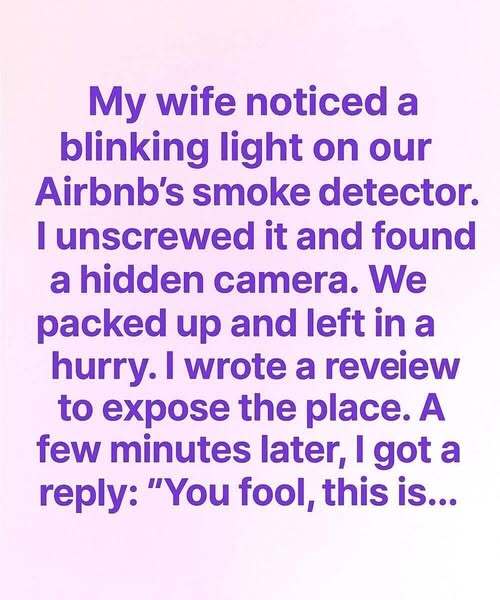
    A quiet Airbnb stay turned terrifying when a small blinking light on the smoke detector caught the narrator’s wife’s attention. What seemed harmless quickly raised suspicion. Curious and uneasy, he climbed up to check it — and inside, he saw what appeared to be a hidden camera lens. Fear took over instantly.

    Without hesitation, they grabbed their belongings and left. They didn’t stop driving until they were two towns away, shaken and trying to process what had happened. From a 24-hour diner parking lot, the narrator posted an urgent review to warn others.

    The host’s response made things worse. Instead of offering an explanation, they accused him of damaging a “transmitter” tied to a private security system. Then came the disturbing message: “They’ll come looking for it.” The vague warning felt more like a threat than clarification.

    Later, while reviewing photos taken inside the rental, the narrator noticed something even more alarming — a faint red laser dot glowing from behind a curtain. It wasn’t random. It looked like a tracker. The realization deepened their fear: this may not have been an accident.

    They drove three more hours to a hotel in another city and destroyed the burner phone used for booking. The next morning, he filed a police report, though it offered little comfort after such a disturbing experience.

    That night, one thought lingered: safety can feel real, but it isn’t guaranteed. Online reviews and cozy photos may create trust, yet danger can hide behind ordinary walls. Sometimes, the blinking light isn’t there to protect you — it’s there to watch.

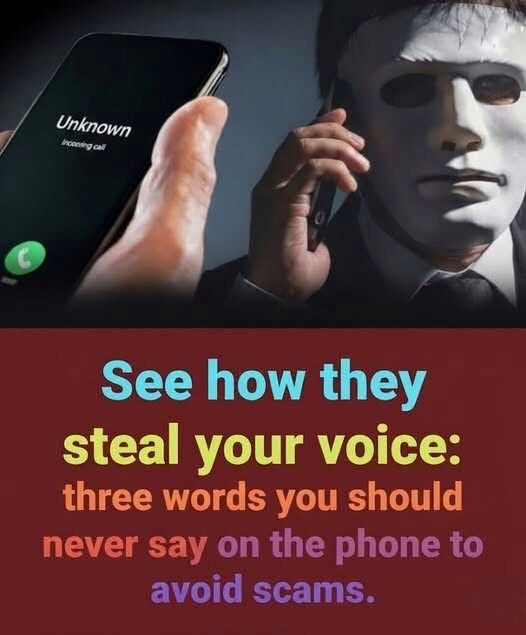
  • Discover How Scammers Can Steal Your Voice and Exploit You: Learn the Three Critical Words You Should Never Say on the Phone, the Hidden Tricks Criminals Use to Gain Control, and Simple Steps You Can Take to Protect Yourself from Identity Theft and Phone-Based Fraud Before It’s Too Late.

    Discover How Scammers Can Steal Your Voice and Exploit You: Learn the Three Critical Words You Should Never Say on the Phone, the Hidden Tricks Criminals Use to Gain Control, and Simple Steps You Can Take to Protect Yourself from Identity Theft and Phone-Based Fraud Before It’s Too Late.

    Artificial intelligence has evolved far beyond generating text and images; it can now replicate human voices with striking realism. While this innovation supports entertainment, accessibility, and communication, it also opens the door to sophisticated scams and identity theft. Unlike older voice fraud schemes that required long recordings, modern AI can clone a voice from just a few seconds of audio. Casual snippets captured during phone calls, voicemails, or customer service interactions may be enough. A simple “yes” or “hello” can be manipulated to impersonate someone, approve transactions, or deceive family members, turning a deeply personal trait into a digital vulnerability.

    Your voice functions much like a biometric identifier, as distinctive as a fingerprint. Advanced systems analyze rhythm, pitch, tone, and subtle speech patterns to build a digital replica capable of sounding convincingly human. With this model, scammers can contact relatives in fake emergencies, bypass voice authentication systems, or fabricate recordings that appear to grant consent. Even the so-called “yes trap,” where a single affirmative response is reused as proof of authorization, remains a concern. Because these replicas can sound emotionally authentic, many victims struggle to recognize the deception.

    Even ordinary words such as “uh-huh” can be harvested. Robocalls and brief survey calls may serve a hidden purpose: collecting short voice samples for cloning software. Today’s algorithms can reproduce pacing and emotional nuance, making fraudulent calls feel disturbingly real. What once seemed like harmless small talk can now provide the raw material for digital impersonation.

    The credibility of these scams lies in AI’s ability to simulate emotion—urgency, fear, calmness, or authority. Criminals no longer need advanced technical skills to access voice-cloning tools, which have become increasingly available online. Distance is irrelevant; a cloned voice can be deployed anywhere in the world within seconds. As a result, awareness becomes the first and most important line of defense.

    Protecting yourself begins with simple habits. Avoid giving clear affirmations to unknown callers, verify identities before sharing information, and ignore unsolicited requests. If a caller claims to be a distressed family member, pause and confirm through another trusted contact method. Monitoring financial accounts that rely on voice recognition adds another layer of safety.

    Ultimately, your voice should be treated like a password—valuable and worth protecting. Report suspicious calls, educate family members about emerging scams, and remain cautious with unexpected requests. While AI technology will continue to advance, informed and mindful behavior remains a powerful safeguard, helping preserve both your identity and your peace of mind.

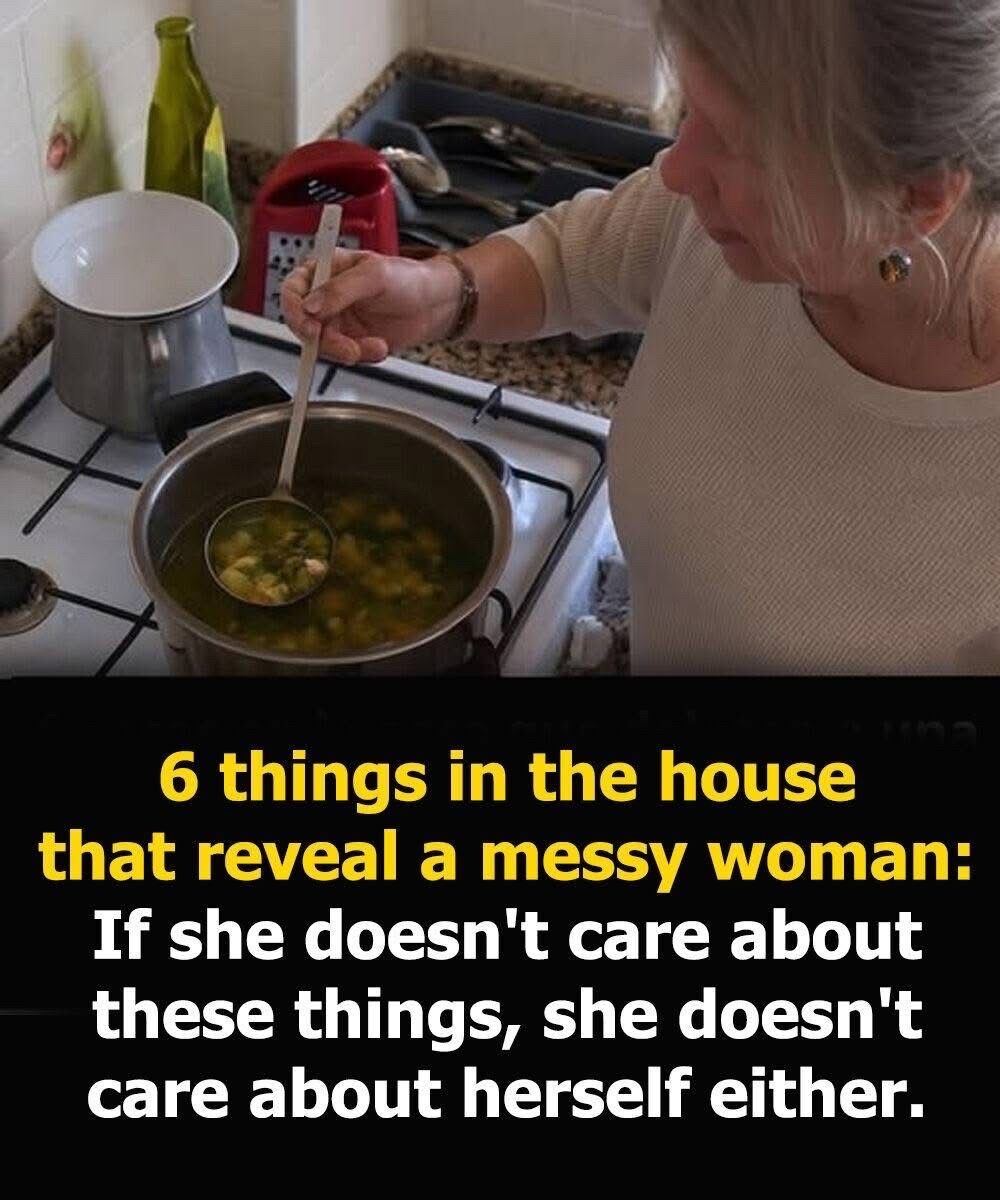
  • 6 Signs of a Messy Home: What It Reveals About Her

    6 Signs of a Messy Home: What It Reveals About Her

    A woman’s home can quietly mirror her inner emotional world. Clutter or neglect isn’t always about laziness; it often points to exhaustion, low self-worth, or sadness. When parts of a home are left unattended, they can signal a deeper need for care, rest, and emotional healing.

    Psychologists often note patterns that hint at emotional neglect: a bathroom without basic cleanliness, an unmade bed, laundry piling up, a greasy or chaotic kitchen, broken items left unrepaired, and living spaces that feel cold or bare. These aren’t just household issues—they’re everyday signs of emotional strain.

    A neglected bathroom and an unmade bed can reflect how hard it feels to maintain routines when energy is low. These small lapses often mirror mental fatigue, overwhelm, or a sense of being disconnected from one’s own needs.

    Piles of unwashed laundry and a cluttered kitchen can point to feeling burdened, stuck, or burned out. When nurturing routines like cooking or tidying slip away, it’s often because joy and motivation have thinned under stress.

    Broken objects left unfixed and undecorated rooms can symbolize helplessness or emotional distance from one’s surroundings. When the environment feels lifeless, it can echo a sense of detachment or not feeling “at home” within oneself.

    Noticing these patterns is a gentle first step toward renewal. Small, manageable actions—making the bed, washing a few dishes, fixing one broken thing—can restore a sense of control and calm. Caring for your space becomes caring for yourself, slowly rebuilding balance, comfort, and confidence.

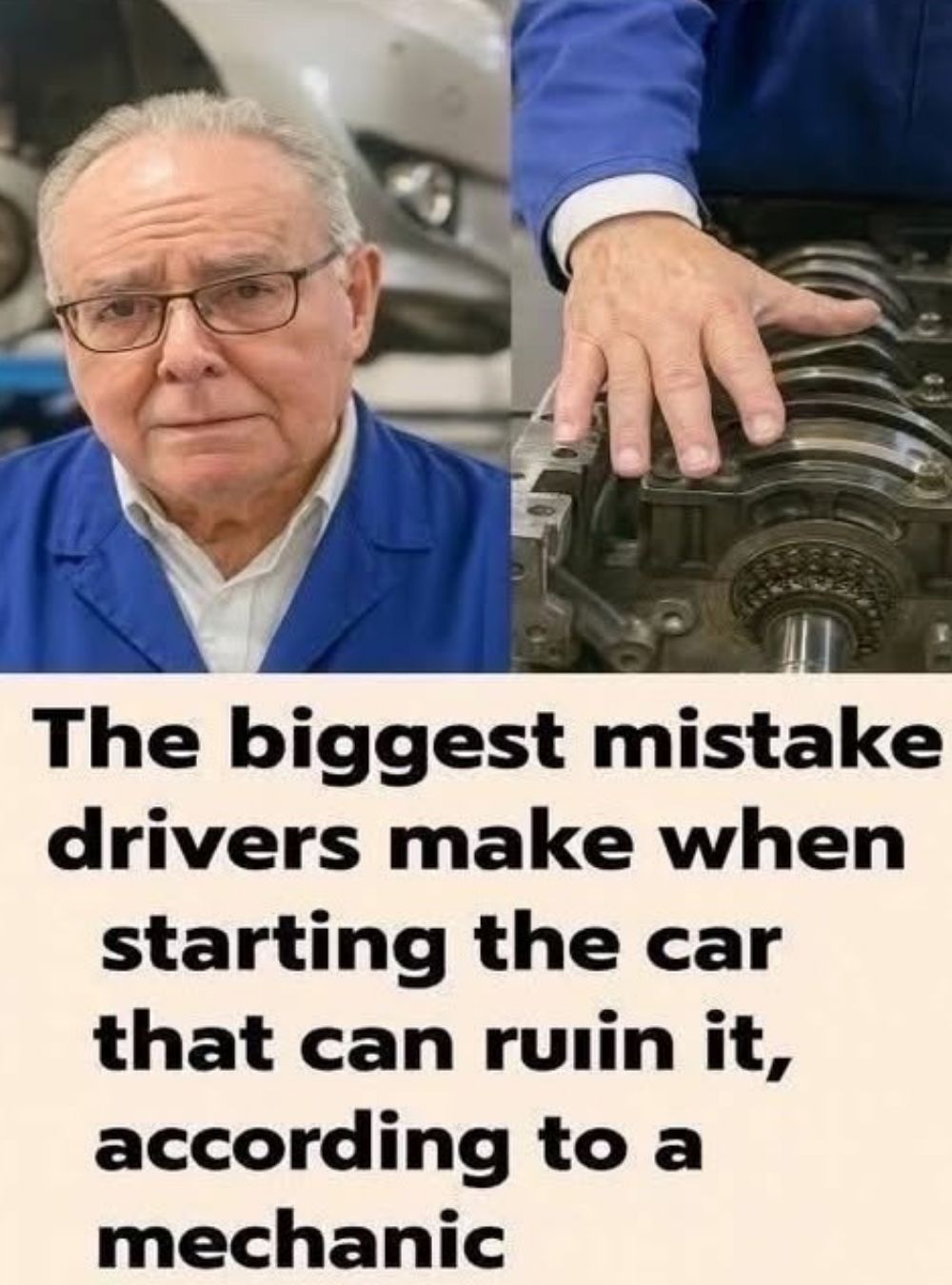
  • The Common Startup Habit That Can Shorten Your Engine’s Life, According to Mechanics

    The Common Startup Habit That Can Shorten Your Engine’s Life, According to Mechanics

    Every day, drivers start their cars and pull away within seconds. It feels efficient — especially during busy mornings — but automotive professionals say this routine can contribute to long-term engine wear if done consistently.

    When a vehicle sits for hours, especially overnight, engine oil settles into the oil pan. As soon as you start the engine, the oil pump begins circulating lubricant throughout the system. While modern engines are designed to move oil quickly, it still takes a short moment for full lubrication to reach all internal components.

    Immediately accelerating — particularly hard acceleration — before oil has fully circulated can increase friction between metal parts. Over time, repeated cold starts combined with aggressive driving may contribute to additional wear on bearings, pistons, and other moving components.

    That said, modern engines are far more efficient than older models. Most manufacturers do not recommend long idling periods. In fact, excessive idling can waste fuel and increase emissions. The smarter approach is balance.

    Here’s what mechanics typically suggest:

    • Start the engine and allow it to stabilize for about 20–30 seconds.
    • Avoid high RPMs or rapid acceleration for the first few minutes.
    • Drive gently until the engine reaches normal operating temperature.
    • In very cold weather, allow slightly more time before driving off.

    The key mistake isn’t simply driving right away — it’s driving aggressively before the engine has warmed up and oil has properly circulated.

    A few calm moments at startup and gentle driving during the first mile can help reduce unnecessary strain and support long-term engine health without wasting time or fuel.

    Do you let your car warm up — or drive off right away?

  • Tongue piercings have carried meaning for far longer than most people realize.

    Tongue piercings have carried meaning for far longer than most people realize.

    Tongue piercings have carried meaning for far longer than most people realize. While many see them today as bold fashion statements, their roots reach back to ancient civilizations where piercings symbolized strength, courage, and spiritual connection. Cultures such as the Maya and Aztecs used tongue piercings during sacred rituals, viewing the act as a powerful demonstration of devotion, endurance, and personal resilience.

    In those societies, a tongue piercing was never about decoration alone. It represented identity, belief, and a deep connection between the physical body and the spiritual world. The pain and commitment involved were seen as meaningful sacrifices rather than aesthetic choices.

    s centuries passed and cultures evolved, the symbolism of piercings shifted. By the late 20th century, tongue piercings reappeared in modern society through alternative communities that emphasized individuality, rebellion against norms, and self-expression. What once carried ritual meaning transformed into a personal statement—one shaped by confidence, independence, and the desire to stand apart.

    Today, people choose tongue piercings for many reasons. Some are drawn to the aesthetic, others to the sense of empowerment that comes with making a bold, personal choice. For many wearers, the piercing holds a private meaning, appreciated quietly without the need for explanation or validation.

    Despite lingering myths and stereotypes, a tongue piercing rarely says what outsiders assume. Instead, it often reflects autonomy, self-trust, and authenticity. It is a reminder that identity is self-defined, not assigned.

    Blending ancient history with modern expression, the tongue piercing continues to evolve with each generation. Whether chosen for symbolism, style, or personal significance, it remains a powerful reflection of individuality and the freedom to choose one’s own path.