Breaking News

  • When Romance Turned Into Obsession

    When Romance Turned Into Obsession

    In a quiet suburban community, what began as an ordinary first date quickly spiraled into one of the most unusual stalking cases of the smartphone era. The incident has since prompted broader conversations about digital boundaries, emotional attachment, and how technology can amplify rejection.

    The woman at the center of the case, later identified as Jacqueline Ades, appeared calm in her booking photo, dressed in an orange jail uniform with a neutral expression. According to investigators, however, the alleged behavior behind that image was anything but ordinary.

    Authorities say the pair met for a single date after connecting online. Friends described the evening as uneventful — dinner, light conversation, and a brief walk. There were no immediate signs that the encounter would lead to anything alarming.

    But after they parted ways, the communication reportedly intensified. Court records indicate that Ades allegedly sent the man more than 159,000 text messages over a period of months. What began as friendly follow-ups soon escalated into emotional declarations, repeated demands for attention, and messages sent in rapid succession.

    The recipient reportedly blocked her number multiple times, yet new messages continued to appear from different accounts and platforms. Investigators allege that the contact persisted despite clear attempts to cut off communication, raising concerns about harassment and personal safety.

    Police eventually intervened, and Ades was arrested without incident. Prosecutors later outlined the volume and tone of the messages as part of the case, describing them as increasingly erratic and obsessive. The story quickly drew national attention due to the sheer scale of digital outreach involved.

    The case has since become a cautionary example of how modern communication tools can intensify emotional fixation. Mental health professionals note that constant connectivity — through texting, social media, and messaging apps — can blur boundaries and make it harder for individuals to accept rejection.

    Advocates for victims of harassment emphasize that persistent, unwanted digital contact can constitute stalking, regardless of whether physical harm occurs. As dating continues to move into online spaces, experts say the need for clear boundaries, digital awareness, and early intervention has never been more important.

  • The Hidden Reasons You Keep Getting Pimples on Your Chin

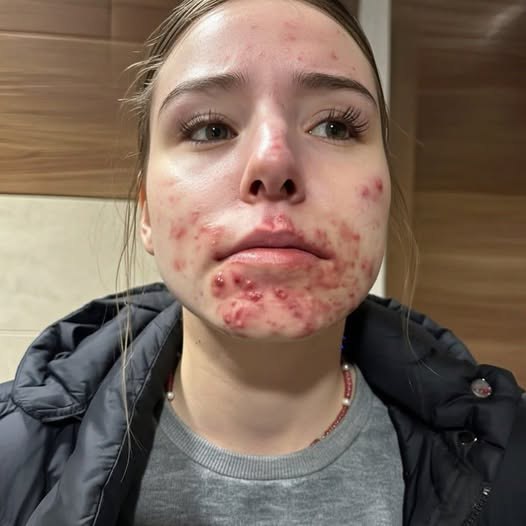
    The Hidden Reasons You Keep Getting Pimples on Your Chin

    For many people, acne seems like a problem best left in the teenage years. Yet for countless adults—especially those over the age of 40 or even well into their retirement years—breakouts around the chin and jawline remain an unwelcome reality.

    If you’ve noticed persistent pimples on your chin, you’re not alone. Dermatologists have seen a sharp rise in cases of adult chin acne, and the culprits are often more complicated than simple teenage hormones. In fact, the causes of chin breakouts can range from stress and diet to deeper hormonal shifts that happen naturally with age.

    The good news? With the right knowledge and a few lifestyle changes, chin pimples can be managed—and in many cases, prevented altogether.

    Let’s walk through the most common causes of chin pimples, why they often appear later in life, and what steps you can take to finally reclaim clear, healthy skin.

    Hormonal Shifts: The #1 Cause of Chin Acne
    One of the biggest reasons adults develop chin pimples is hormonal imbalance. Unlike acne that shows up across the forehead or cheeks, breakouts around the chin and jawline are strongly tied to hormones—particularly fluctuations in androgens, which increase oil production in the skin.

    For women, this can mean breakouts tied to:

    Menopause or perimenopause
    Hormone replacement therapy (HRT)
    Stopping or starting birth control
    Irregular cycles or health conditions such as polycystic ovary syndrome (PCOS)
    Even for men, a natural shift in hormones as they age can trigger changes in oil production, making the chin area especially vulnerable to clogged pores and inflammation.

    If you’ve noticed a predictable pattern—such as pimples that appear at the same time each month or flare-ups during times of hormonal change—there’s a good chance your skin is reacting to internal shifts, not external habits.

    Stress and the Cortisol Connection
    Life may look calmer in retirement, but stress doesn’t simply vanish with age. Caring for loved ones, financial concerns, health challenges, or even the simple ups and downs of daily living can place strain on the body.

    When stress levels rise, the body produces cortisol—the so-called “stress hormone.” Cortisol can trigger oil glands to go into overdrive, leading to clogged pores and breakouts, particularly around the chin and lower face.

    For older adults, this can feel especially frustrating. After decades of managing responsibilities, the last thing anyone wants is for stress to show up as acne. But learning ways to reduce stress—such as through gentle exercise, meditation, prayer, or time outdoors—can make a real difference not just for your skin, but for your overall well-being.

    The Role of Diet in Chin Breakouts
    What you eat truly does impact your skin. Dermatology research increasingly shows that certain foods can spark acne flare-ups, and the chin area is one of the first places it shows.

    Some of the biggest dietary triggers include:

    Dairy products such as milk, cheese, or ice cream
    Refined sugars like pastries, candy, and soda
    Processed carbs including white bread and pasta
    High glycemic foods that spike blood sugar levels
    For seniors, diet plays a double role. Not only can these foods contribute to breakouts, but they also increase the risk of diabetes, heart disease, and weight gain. Replacing processed snacks with whole foods—like fresh fruits, vegetables, lean proteins, and whole grains—can support both clearer skin and stronger overall health.

    Skincare Habits That Make Things Worse
    While hormones and diet play large roles, your skincare routine can also determine whether your chin clears up or keeps breaking out.

    Common mistakes include:

    Using products that are too harsh or drying
    Over-cleansing, which strips natural oils and triggers even more oil production
    Forgetting to wash off makeup thoroughly
    Constantly touching or picking at the skin
    For mature skin, gentleness is key. A mild cleanser, followed by non-comedogenic moisturizer and targeted treatment (such as salicylic acid or benzoyl peroxide), can help without irritating aging skin.

    Hair Products and Facial Hair Residue
    Believe it or not, your shampoo, conditioner, or styling products could be contributing to chin acne. Many hair products contain oils, silicones, or waxes that can transfer onto the skin during the day or while you sleep.

    For men, buildup in beards or facial hair can also trap bacteria and oil, clogging pores beneath the hairline.

    A simple fix is to wash facial hair daily with a gentle cleanser and check hair product labels for “non-comedogenic” or “oil-free” ingredients.

    The Surfaces You Touch Every Day
    Think about how often your chin touches different surfaces. Pillowcases, phone screens, your own hands—all of these carry oils and bacteria that can easily transfer onto your skin.

    For older adults who may rest their face in their hands while reading, or spend hours talking with grandchildren on the phone, this habit is more common than you’d think.

    Changing pillowcases twice a week, cleaning your phone screen daily, and being mindful of face-touching can go a surprisingly long way toward preventing breakouts.

    When Pimples Point to Something More
    Occasional chin pimples are normal, but persistent or severe acne may point to an underlying condition. For women especially, PCOS (polycystic ovary syndrome) can cause stubborn chin acne due to excess androgen levels.

    Other health conditions affecting the endocrine system may also contribute to hormonal acne. If you’ve tried every skincare product and lifestyle adjustment with little success, it may be time to speak with a doctor about possible internal causes.

    How to Treat Chin Acne Effectively
    Managing chin acne takes patience, but many people find relief with a combination of lifestyle changes and consistent skincare. Here are some dermatologist-recommended steps:

    Gentle Cleansing – Use a mild, fragrance-free cleanser morning and night.
    Targeted Treatments – Look for products with salicylic acid, benzoyl peroxide, or adapalene. These help unclog pores and reduce inflammation.
    Moisturize Wisely – Even oily or acne-prone skin needs hydration. Choose non-comedogenic creams or lotions.
    Hands Off – Avoid touching or picking at pimples, which can worsen inflammation and lead to scarring.
    Check Your Routine – Review makeup, sunscreen, and hair products to ensure they don’t contain pore-clogging ingredients.
    Lifestyle Support – Eat a balanced diet, manage stress, and get enough sleep.
    If over-the-counter solutions aren’t working, a dermatologist can prescribe stronger topical treatments, oral medications, or even light-based therapies that target stubborn hormonal acne.

    Living Confidently with Clearer Skin
    Chin pimples may feel discouraging—especially if you thought breakouts were left behind decades ago. But you are not powerless. With the right mix of gentle skincare, mindful habits, and professional support when needed, clearer skin is within reach.

    Remember: acne is not just a teenage issue. It’s a skin condition that can affect anyone, at any age. Addressing it with compassion, patience, and consistency can restore

  • New Covid Variants Nimbus and Stratus Surge Across Populations, Bringing Unusual Symptoms and Raising Concerns Among Health Experts, While Scientists Monitor Transmission, Vaccine Efficacy, and Public Safety Measures Closely, Urging Communities to Stay Vigilant, Report Emerging Patterns, and Adapt to the Rapidly Evolving Pandemic Landscape for Better Protection and Awareness.

    New Covid Variants Nimbus and Stratus Surge Across Populations, Bringing Unusual Symptoms and Raising Concerns Among Health Experts, While Scientists Monitor Transmission, Vaccine Efficacy, and Public Safety Measures Closely, Urging Communities to Stay Vigilant, Report Emerging Patterns, and Adapt to the Rapidly Evolving Pandemic Landscape for Better Protection and Awareness.

    Across the UK and United States, health officials are tracking a new rise in Covid-19 cases linked to two emerging variants: XFB, known as Stratus, and NB.1.8.1, known as Nimbus. These strains are spreading quickly and drawing attention due to unusual symptom patterns and increasing transmission as colder months begin.

    Data show rising infection rates in both countries. In the UK, test positivity has climbed above 8%, while U.S. wastewater monitoring indicates high viral levels in several states. These signals suggest wider community spread, including among people who may not be testing or showing obvious symptoms.

    What makes this wave stand out is symptom presentation. Many patients report extremely sore throats, sometimes described as feeling like “razor blades,” along with hoarseness, fatigue, headaches, congestion, and coughs. While these overlap with previous Covid waves, their intensity appears more pronounced for some individuals.

    Health experts emphasize that these variants are not necessarily more severe, but they are more transmissible. This means more people may become infected at once, increasing pressure on healthcare systems even if most cases remain mild or moderate.

    Genetic analysis shows both Nimbus and Stratus carry mutations that improve their ability to spread. However, current data suggest vaccines remain effective at preventing severe illness, especially among those who are up to date with boosters.

    Authorities continue to stress practical precautions: staying home when sick, wearing masks in crowded indoor spaces, practicing good hand hygiene, and testing when symptoms appear. Vaccination, including updated boosters, remains a key defense.

    Public health leaders urge calm vigilance rather than alarm. Compared to early pandemic waves, immunity levels are higher and treatments more effective, helping reduce severe outcomes.

    As these variants circulate, awareness and responsible behavior are essential. Recognizing symptoms early and taking preventive steps can help limit spread and protect vulnerable populations during the ongoing respiratory season.

  • What’s the Purpose of That Tiny Hole in a Safety Pin? (It’s Not Just for Looks!)

    What’s the Purpose of That Tiny Hole in a Safety Pin? (It’s Not Just for Looks!)

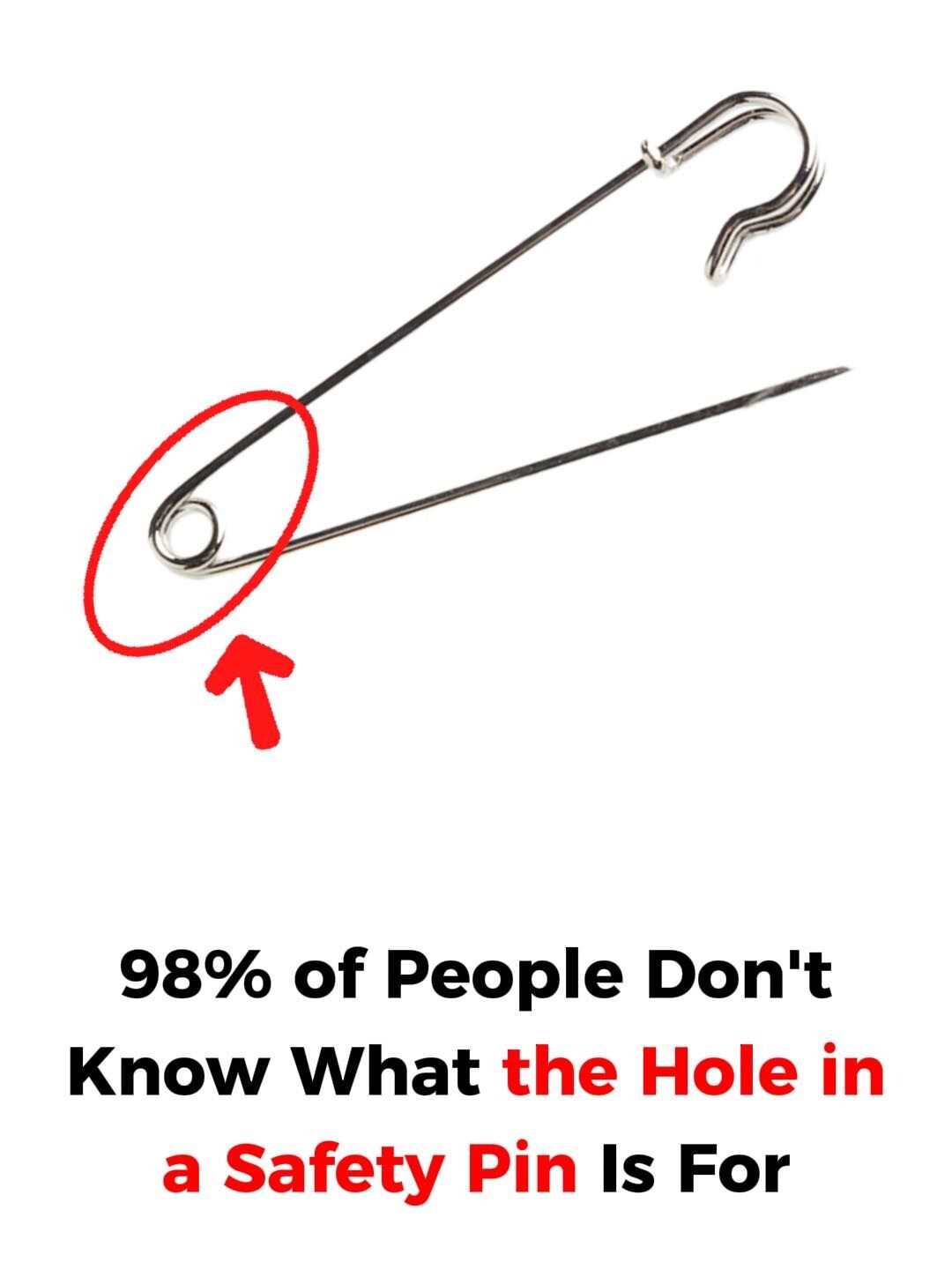
    You’ve probably reached for a safety pin countless times — to fix a fallen hem, secure a garment in a hurry, or handle a quick clothing emergency. But if you look closely at one, you’ll notice a tiny hole near the rounded head of the pin. Most people assume it’s just part of the design. It’s not.

    That small opening actually serves a practical purpose. It acts as a threading guide, allowing you to attach ribbon, string, elastic, or narrow tape directly to the pin. While the safety pin fastens fabric layers together, the added thread can stay positioned exactly where you need it.

    Here’s how it works: thread a piece of ribbon, twine, or elastic through the small hole near the pin’s head. Close the safety pin as you normally would, securing your fabric. When you later remove the pin, the threaded material remains in place, marking the exact path for sewing, gathering, or adjusting.

    Sewing enthusiasts often use this trick when inserting elastic into waistbands or drawstrings into hoodies. Instead of tying the elastic around the curved end — where it can slip off — the tiny hole keeps it firmly anchored as you guide it through a fabric channel.

    The design dates back to the original safety pin patent filed by Walter Hunt in 1849. While the coiled spring mechanism is what made the invention revolutionary, the small structural details, including the hole, were carefully considered for strength and versatility.

    Beyond sewing, the hole can also help attach tags, secure decorative elements, or fasten temporary labels without bulky knots. It adds flexibility to an already simple tool, expanding its usefulness in subtle ways.

    It’s a reminder that everyday objects often carry thoughtful engineering hidden in plain sight. A safety pin may look basic, but its design reflects efficiency and problem-solving refined over generations.

    So the next time you grab one from a drawer, take a second look. That tiny hole isn’t decorative at all — it’s a smart little feature that turns a basic fastener into a multitasking tool.

  • DIY Jewelry Cleaner Guide

    DIY Jewelry Cleaner Guide

    Keeping your jewelry bright and polished doesn’t have to involve expensive cleaners or frequent trips to a professional jeweler. Over time, metals such as silver, gold-filled pieces, brass, and German silver naturally lose their shine. Exposure to air, humidity, skin oils, perfumes, and hair products gradually causes tarnish and dullness, leaving once-radiant pieces looking older than they are.

    This fading effect is largely due to oxidation — a natural chemical reaction that occurs when metal interacts with elements in its environment. While many people assume tarnish is permanent, it is usually only a surface reaction. That means the original shine can often be restored quickly and safely with simple at-home techniques.

    One of the most effective household methods requires just a few common ingredients: salt, baking soda, dish soap, aluminum foil, and hot water. Together, these create a gentle yet powerful cleaning solution that removes tarnish without harsh chemicals or abrasive scrubbing that could scratch delicate surfaces.

    The science behind this method is surprisingly straightforward. When salt and baking soda dissolve in hot water, they form a mild electrolytic solution. When aluminum foil is added, a chemical reaction occurs that transfers oxidation from the jewelry onto the foil. Instead of scrubbing away tarnish, the process reverses the reaction that caused it. A small amount of dish soap helps dissolve oils and residue, ensuring the jewelry comes out both shiny and clean.

    To begin, choose a bowl and line it completely with aluminum foil, placing the shiny side facing upward. Heat enough water to fully submerge your jewelry and carefully pour it into the bowl. Add one tablespoon of baking soda and one tablespoon of salt, stirring until dissolved, then mix in a few drops of dish soap.

    Next, gently place your jewelry into the solution, making sure each piece touches the foil directly. Contact with the foil is essential for the chemical reaction to work properly. Within seconds, you may see small bubbles forming — a sign that tarnish is lifting away from the metal’s surface.

    Lightly tarnished items may need only a few minutes in the solution, while heavily affected pieces can soak for up to ten minutes. Afterward, remove the jewelry carefully, rinse thoroughly with clean water, and dry with a soft cloth to restore its brilliance.

    However, not all jewelry should be treated this way. Pieces containing delicate gemstones, glued settings, or porous materials such as pearls require extra care and may be better cleaned with specialized methods. When used appropriately, though, this simple household solution can safely revive your favorite accessories and extend their life without added expense.

  • Apple issues warning to all 1.8bn iPhone users over ‘extremely sophisticated’ spyware attack

    Apple issues warning to all 1.8bn iPhone users over ‘extremely sophisticated’ spyware attack

    Apple Inc. has released an urgent iOS security update and is urging iPhone users worldwide to install it immediately. The update fixes 39 security vulnerabilities that could expose private data or allow attackers to interfere with devices.

    According to the company, some flaws could let hackers crash apps, access sensitive information, or execute malicious code through harmful files, websites, or even physical access to a device. One vulnerability is considered especially serious.

    The most concerning issue affects the system that controls how apps operate on the iPhone. Security experts describe it as a gatekeeper that keeps apps separated from critical system data.

    If exploited, this flaw could allow attackers to bypass protections and run harmful code before safeguards respond. Apple confirmed the vulnerability may already have been used in highly targeted attacks, increasing the urgency of the update.

    The patch also strengthens protections across Apple’s broader ecosystem, including iPads, Macs, Apple Watches, and the Safari browser. These improvements are designed to block spyware and prevent unauthorized access.

    Experts warn that modern cyberattacks can remain hidden for long periods. While high-profile individuals are often targeted, everyday users are also at risk, making routine updates essential for everyone.

    Users can install the update through the Settings app under Software Update. Enabling automatic updates ensures future security patches are applied promptly without manual action.

    Warning signs of compromise may include unusual battery drain, overheating, or unfamiliar apps. For users who believe they may face elevated risk, Apple’s Lockdown Mode offers additional protection, though it limits certain device features.

  • Golden Globe Winner

    Golden Globe Winner

    Sally Kirkland, the acclaimed Golden Globe-winning actress whose career spanned more than six decades across film, television, and theater, has passed away at the age of 84.

    The news was first reported by TMZ, which confirmed that she had died just days after entering hospice care in Palm Springs, California.

    Kirkland’s death marks the end of a remarkable life and career defined by creativity, resilience, and a steadfast commitment to the performing arts, leaving…

    The news was first reported by TMZ, which confirmed that she had died just days after entering hospice care in Palm Springs, California.

    Kirkland’s death marks the end of a remarkable life and career defined by creativity, resilience, and a steadfast commitment to the performing arts, leaving behind a legacy celebrated by colleagues, fans, and the entertainment industry worldwide.

    In recent reports, it was revealed that Kirkland had been diagnosed with dementia last year, a condition that played a significant role in her move to hospice care.

    Her final months were reportedly difficult, compounded by serious health challenges.

    According to a GoFundMe page established by her friends, Kirkland had been battling “life-threatening infections” and suffered a fall in her shower, resulting in multiple injuries, including broken ribs, a foot injury, and numerous cuts and bruises.

    The page, created to raise funds for her urgent medical care, highlighted the fragility of her health and the immediate need for support from those who cared deeply about her.

    Friends, family, and admirers rallied around Kirkland during this time, demonstrating the love and respect she had cultivated throughout her life and career.

    Sally Kirkland’s journey in the performing arts began after she pursued formal training at two of America’s most prestigious acting institutions: the Actors Studio and the American Academy of Dramatic Arts.

    These foundational years provided her with rigorous classical training and immersed her in the craft of method acting, shaping her bold and versatile approach to performance.

    In the 1960s, Kirkland became an integral part of New York’s Off-Broadway and avant-garde theater scene, participating in experimental productions that pushed boundaries and explored unconventional narratives.

    During this period, she also spent time with Andy Warhol’s famous Factory, an association that connected her with some of the era’s most influential artists, filmmakers, and creatives.

    These formative experiences in avant-garde theater and experimental art left a lasting mark on her style and informed the daring, fearless performances that would define her career.

    Kirkland’s breakthrough in cinema came with her role in the 1987 film Anna, a performance that earned her an Academy Award nomination for Best Actress and a Golden Globe Award for Best Actress in a Drama.

    In Anna, Kirkland portrayed a complex, emotionally charged character with nuance, intensity, and vulnerability, earning critical acclaim and establishing her as one of Hollywood’s most respected performers.

    Her dedication to her craft and willingness to inhabit challenging roles allowed her to stand out in an industry often dominated by typecasting.

    Throughout her career, Sally Kirkland appeared in over 200 films and television projects, displaying remarkable versatility and range.

    Among her most notable film appearances were JFK, Oliver Stone’s political thriller, in which she contributed to a nuanced ensemble performance, and Bruce Almighty, where she showcased her comedic timing alongside Jim Carrey.

    On television, Kirkland appeared in numerous series, including Roseanne, where her performances added both humor and emotional depth to the ensemble.

    She also had memorable guest roles on shows such as ER, Law & Order, and NYPD Blue, demonstrating her adaptability across genres and mediums.

    In addition to her screen work, Kirkland maintained a lifelong commitment to theater, returning repeatedly to the stage throughout her career.

    Her performances in Off-Broadway and experimental productions exemplified her willingness to take creative risks, and she remained an influential figure in the theater community.

    Many aspiring actors have cited her as a mentor and inspiration, noting her unwavering dedication to the craft and her fearless approach to complex and unconventional roles.

    Kirkland’s ability to balance mainstream film work with avant-garde theater made her a unique presence in the arts, admired for both her talent and her artistic integrity.

    Beyond her professional achievements, Kirkland was recognized for her perseverance and resilience in the face of personal challenges.

    Her later years were marked by significant health struggles, including dementia and injuries sustained from a fall, yet she continued to inspire those around her with her courage and determination.

    Friends, colleagues, and fans provided support during these difficult times, reflecting the deep bonds she had formed throughout her decades in the entertainment industry.

    Sally Kirkland’s contributions to the arts were widely acknowledged by her peers. She was celebrated not only for her technical skill and emotional depth but also for her fearlessness in tackling challenging and often unconventional roles.

    Her influence extended beyond the screen and stage, inspiring generations of performers to approach their craft with commitment, courage, and authenticity.

    Tributes poured in from across the entertainment world following news of her passing, with actors, directors, and fans remembering her transformative performances, her generosity as a mentor, and her unwavering dedication to her art.

    In reflecting on her legacy, it is clear that Kirkland’s impact on film, television, and theater will endure.

    She was an actress who embraced complexity, depth, and emotional honesty in every role, leaving behind a body of work that continues to captivate and inspire.

    Her performances in iconic films, beloved television series, and groundbreaking theater productions have ensured that her influence will be felt for generations to come.

    Sally Kirkland’s life serves as a testament to the power of artistry, the importance of perseverance, and the enduring impact of a passionate, fearless performer.

    Rest in peace, Sally Kirkland. From the experimental stages of New York to the bright lights of Hollywood, your remarkable career, your dedication to your craft, and the unforgettable characters you brought to life will continue to shine in the hearts of audiences and artists alike.

    Your legacy reminds us of the beauty of artistic courage, the importance of creative exploration, and the profound influence one person can have through a life devoted to art.

  • The Hidden Symbol in the Lay’s Logo You’ve Probably Never Noticed

    The Hidden Symbol in the Lay’s Logo You’ve Probably Never Noticed

    The next time you grab a bag of Lay’s, pause for a moment and look closely at that bold yellow logo. At first glance, it appears simple, bright, and cheerful — perfectly in line with the brand’s playful personality. But hidden within that familiar design is a subtle detail that connects the chips in your hand to a much larger corporate story.


    Most shoppers never think twice about the logo. The curved red banner stretched across a glowing yellow circle feels energetic and inviting. Yet that yellow “sun” shape isn’t just decorative — it quietly reflects the visual identity of Lay’s parent company, Frito-Lay, tying the brand to its deeper roots.

    Lay’s is part of a snack empire that has shaped grocery shelves for decades. The company traces its origins back to 1932, when Herman Lay began selling potato chips in the southern United States. What started as a small-scale operation would eventually grow into one of the most recognizable snack businesses in the world.

    As the company expanded, branding became essential. When Lay’s merged with The Frito Company to form Frito-Lay in 1961, the visual identity of both brands began to align. The circular yellow background in the Lay’s logo subtly mirrors the warm, sun-like element seen in Frito-Lay’s own design — a visual thread linking the two names.

    Over the years, the Lay’s logo has undergone refinements to appear more modern and streamlined. Fonts have been softened, shadows adjusted, and colors brightened. Yet the core structure — the red ribbon over a radiant yellow circle — has remained consistent, preserving that symbolic connection to its corporate heritage.

    Branding experts note that such design continuity helps maintain consumer trust. By keeping recognizable elements intact, companies reinforce familiarity while still evolving with the times. In Lay’s case, the logo manages to feel fresh without abandoning its historical foundation.

    Today, Lay’s stands as one of the world’s best-selling potato chip brands, available in dozens of countries and flavors tailored to local tastes. Behind its upbeat packaging lies a legacy that spans nearly a century — one rooted in entrepreneurship, mergers, and global expansion.

    So the next time you see that bright yellow circle peeking out from a snack aisle shelf, remember: it’s more than just eye-catching design. It’s a quiet tribute to the brand’s origins and the enduring partnership that helped transform a small chip business into a worldwide phenomenon.

  • Baba Vanga prophesied it! These signs will receive $1 million in 2026 — 3 signs that have already come true. 😱🤯… See more

    Baba Vanga prophesied it! These signs will receive $1 million in 2026 — 3 signs that have already come true. 😱🤯… See more

    Some messages do not arrive randomly. They surface when the mind is ready and when something inside us quietly senses that change is approaching. According to interpretations linked to Baba Vanga, the year 2026 is not just another point on the calendar. It is described as the moment when a long energetic cy

    Baba Vanga believed prosperity was never accidental. In her view, abundance emerges only when three elements align. The right cosmic timing. The inner readiness of the individual. And the awareness to recognize signs before the window closes. What makes her message unsettling is the idea that those signs are no longer distant. They are already unfolding around us.
    The signs that are already unfolding

    Although many assume everything begins in 2026, Baba Vanga reportedly warned that major transformations always announce themselves quietly first. She described several indicators that signal the process has already started.

    One of them is the closing of a thirty six year cycle. According to her interpretations, global prosperity moves in long rhythmic waves. The cycle that began toward the end of the 1980s is now reaching its final stage. This is visible in everyday life. Economic systems that once felt unshakeable are losing stability. People are leaving careers that once promised lifelong security. Structures that offered certainty are weakening. This is not collapse for its own sake. It is the clearing of space before redistribution and renewal.

    Another sign is the sudden rise of wealth through ideas that were once dismissed. Today, income streams are being created through digital platforms, unconventional technologies, and creative ventures that would have been laughed at not long ago. What looks like coincidence is described as early activation of expansion energy. Abundance is beginning to surface in unexpected forms.

    The third sign is internal rather than external. Many people feel an increasing sense of discomfort with their current financial path. There is restlessness, an urge to change direction, and a strong intuition pushing for different decisions. Baba Vanga suggested that this calling is felt emotionally long before it can be explained logically. If someone feels unsettled yet drawn toward change, that signal is already alive.
    Why 2026 matters

    Astrologically, 2026 is marked by rare alignments involving planetary cycles, eclipses, and long term transitions that have not converged in generations. Within Baba Vanga’s framework, this period symbolized the opening of a narrow window of opportunity. Not everyone will notice it. Not everyone will step through it. Prosperity during this time is not described as luck, but as readiness combined with action.

    She spoke of abundance moving through three distinct groups, each experiencing it differently.

    One group receives immediate material expansion. Taurus is associated with unexpected financial openings, rising investments, and increasing asset value. Scorpio is linked to inheritances, delayed payments, and opportunities that surface from hidden places. Aquarius is said to transform unconventional ideas into tangible success.

    Another group experiences steady growth rather than sudden gain. Cancer, Virgo, Sagittarius, and Pisces are described as building momentum over time. Income increases gradually, projects stabilize, and financial pressure slowly eases throughout the year.

    The final group does not receive instant rewards but is given opportunity. Aries, Gemini, Leo, Libra, and Capricorn are offered tools, connections, and chances that require conscious effort. Prosperity here depends on choice and follow through rather than passive reception.

  • The History of “WC”: How It Became a Global Term for Restrooms

    The History of “WC”: How It Became a Global Term for Restrooms

    Have you ever noticed the letters “WC” on a public door and paused for a moment of confusion? While many people are more accustomed to seeing signs labeled “bathroom” or “restroom,” the abbreviation “WC” continues to appear in airports, hotels, and restaurants around the world. For travelers especially, it can spark curiosity about its meaning and origin.

    The term “WC” stands for “water closet,” a phrase that dates back to 19th-century Europe. During that time, indoor plumbing was still a groundbreaking development. In countries such as England, the water closet referred to a small, enclosed room containing a flushing toilet — a significant improvement over outdoor privies and chamber pots that were previously common.

    The invention of the flushing toilet marked a turning point in sanitation and urban living. Having a private indoor space with running water improved hygiene standards and reduced the spread of disease. As homes and public buildings modernized, the “water closet” became a symbol of technological progress and social advancement.

    Language evolved alongside these architectural changes. In the United States, the word “bathroom” became widely used, even in spaces that did not contain a bathtub. “Restroom” also gained popularity, offering a more polite and indirect way to refer to toilet facilities in public settings. Meanwhile, “WC” remained a standard abbreviation across the United Kingdom and much of continental Europe.

    Over time, the letters “WC” transformed into a universal symbol. Even in places where English is not the primary language, the abbreviation appears on signage to guide visitors. Its simplicity makes it easy to recognize in multilingual environments, particularly in transportation hubs and tourist destinations.

    The continued use of “WC” also reflects cultural attitudes toward discretion. Rather than explicitly naming the function of the room, the abbreviation provides a neutral, almost coded reference. This subtlety has helped it endure across generations and borders.

    Today, whether displayed in a historic European café or a modern international airport, “WC” serves as a quiet reminder of how far sanitation has progressed. What once represented cutting-edge plumbing is now an everyday convenience taken for granted.

    So the next time you see those two letters on a door, you’ll know they carry more than a simple direction. They reflect centuries of innovation, changing social norms, and the fascinating way language adapts to new technologies and shared human needs.