Breaking News

  • How to Treat Acne in 5 Min, Overnight, or Holistically for Life!

    How to Treat Acne in 5 Min, Overnight, or Holistically for Life!

    When an unexpected breakout appears, it can feel like the worst possible timing. A blemish has a way of showing up before an event, a meeting, or a photo — and even if you’ve dealt with acne for years, it never seems less annoying. The first step, experts say, is simple: stay calm.

    Acne remains one of the most common skin conditions in the United States, affecting people of all ages. In other words, you’re far from alone. A single pimple does not define your appearance, and it certainly does not define your personality. While it’s normal to want it gone quickly, there are safer ways to manage a breakout than aggressively squeezing it.

    If you need an immediate fix, cosmetic camouflage can help. A small amount of green-tinted concealer can neutralize redness, while peach or orange tones can balance darker discoloration. Using good lighting, a fine brush, and gentle blending can make a blemish far less noticeable in under a minute.

    For painful or swollen spots under the skin, ice can reduce inflammation. After cleansing your face, wrap an ice cube in a clean cloth and apply it to the area for about a minute at a time. Allow short breaks between applications. Cooling the skin can temporarily decrease redness and make the blemish easier to conceal.

    Another popular option is the use of hydrocolloid acne patches. These small adhesive stickers are placed directly over a pimple and work by absorbing excess fluid and protecting the area from bacteria and picking. Some patches show visible improvement within hours, while others are designed to work overnight.

    Dermatologists caution against forcefully popping pimples at home, especially large or cystic ones. Attempting to lance a blemish without sterile tools can introduce bacteria and increase the risk of scarring. If a spot is particularly painful or persistent, medical professionals may recommend in-office treatments rather than at-home extraction.

    For those who prefer skincare treatments, targeted masks and spot treatments can help. Ingredients such as sulfur, salicylic acid, benzoyl peroxide, tea tree oil, and aloe vera are commonly used to dry out blemishes and reduce inflammation. These products work best when applied directly to individual pimples rather than the entire face.

    In more severe cases, a dermatologist can administer a cortisone injection directly into a cystic pimple to reduce swelling and speed healing, often within a day. However you choose to address a breakout, the key is patience and gentle care. Quick fixes can help in the short term, but long-term skin health depends on consistent routines and avoiding harsh, damaging habits.


  • Orange Stains on Towels? Here’s What Causes Them and What Works

    Orange Stains on Towels? Here’s What Causes Them and What Works

    Strange orange or pale patches appearing on bath towels are more common than many people realize. While they may look like stubborn stains, the cause is often chemical rather than cosmetic. In most households, the culprit turns out to be a popular acne-treatment ingredient found in everyday skincare routines.

    The substance responsible in many cases is benzoyl peroxide, a powerful acne-fighting compound widely used in over-the-counter and prescription products. Brands such as PanOxyl, Clearasil, and Neutrogena frequently include it in cleansers and creams. Dermatologists value benzoyl peroxide for its bacteria-fighting abilities, but its chemical properties can create unintended consequences for fabrics.

    Benzoyl peroxide is a strong oxidizing agent, meaning it reacts with other substances by breaking down their chemical structure. When it comes into contact with dyed textiles, it behaves much like household bleach. Instead of leaving a traditional stain, it removes color from the fabric entirely.

    On dark-colored towels — especially black, navy, or charcoal — the damage often appears orange, yellow, or even pink. This color shift occurs because darker dye pigments are stripped away first, exposing lighter underlying tones. What looks like discoloration is actually the absence of the original dye.

    A simple test can help determine the cause. If the affected area is lighter than the surrounding fabric, bleaching is likely to blame. If the mark appears darker than the towel, it is probably a conventional stain that may respond to cleaning treatments.

    Unfortunately, once fabric dye has been chemically removed, it cannot be restored through washing. No detergent, stain remover, or scrubbing method can replace pigment that has been oxidized away. In some cases, laundering affected towels with other clothing may even transfer residual product and lead to additional discoloration.

    Although benzoyl peroxide accounts for most of these incidents, it is not the only possible explanation. Rust from aging plumbing can leave reddish-brown streaks, while a common bathroom bacterium known as Serratia marcescens may create a pinkish film along damp surfaces. Unlike bleaching, however, bacterial buildup can typically be wiped or washed away with proper cleaning.

    To prevent further damage, experts recommend using white towels for skincare routines involving acne treatments, rinsing the face thoroughly before drying, or considering alternative ingredients such as salicylic acid. Towels that have already been discolored do not need to be discarded — they can be repurposed as cleaning cloths, pet towels, or gym gear, giving them a second life despite the cosmetic damage.

  • The Meaning Behind Ankle Bracelets: History, Style, and Symbolism

    The Meaning Behind Ankle Bracelets: History, Style, and Symbolism

    Lightweight and refined, the ankle bracelet continues to captivate fashion lovers with its quiet sophistication. Resting delicately against the skin, it highlights one of the most graceful parts of the body while adding a subtle shimmer to any outfit. Though often seen today as a simple seasonal accessory, the anklet carries a story that stretches far beyond modern trends.

    Across centuries and continents, this small ornament has held powerful cultural meaning. Civilizations of the ancient world embraced ankle jewelry not only for beauty but also for symbolism. The enduring appeal of the anklet lies in its unique ability to combine elegance with heritage.

    In ancient Egypt, ankle bracelets were more than decorative adornments. Historical accounts suggest they were believed to offer protection and attract good fortune. Some laborers wore anklets fitted with tiny charms that produced a soft sound while walking, a feature thought to ward off insects and provide spiritual reassurance.

    In South Asia, particularly in India, the anklet — known as payal — remains deeply rooted in tradition. Commonly crafted from silver, these ornaments are often associated with marriage and femininity. Their gentle chime has long symbolized grace, commitment, and cultural continuity, especially during wedding ceremonies and festive occasions.

    Other societies also attached social meaning to ankle jewelry. In parts of the Middle East and even in ancient Rome, anklets were linked to status and prosperity. The material and craftsmanship often reflected the wearer’s wealth or position within the community.

    Over time, the anklet transitioned from a marker of identity and ritual to a global fashion staple. Designers reimagined the accessory to suit changing tastes, introducing minimalist chains alongside more elaborate styles. Despite evolving aesthetics, the anklet’s essential charm has remained intact.

    Today’s versions range from delicate gold strands to beaded, shell, and pearl designs. Colorful threads and adjustable cords appeal to younger wearers, while classic metallic finishes maintain timeless appeal. The accessory pairs effortlessly with sandals, summer dresses, and beachwear, offering an understated yet eye-catching detail.

    While myths occasionally surround which ankle one should choose, there is no universal rule. Modern wearers select a side based purely on comfort and personal style. Ultimately, the ankle bracelet stands as a testament to how a small piece of jewelry can carry centuries of meaning while continuing to inspire contemporary fashion.

  • Older Generations Know the Real Purpose of This Everyday Item

    Older Generations Know the Real Purpose of This Everyday Item

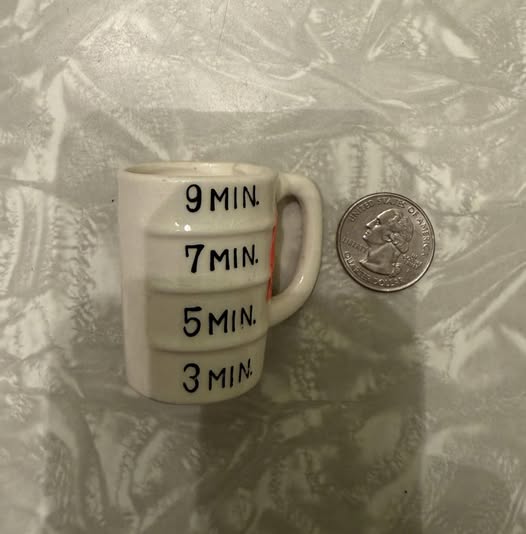
    Vintage kitchen gadgets always attract attention, but some are so unusual they leave people guessing. One perfect example is the Howard Electric Egg Boiler and its tiny ceramic measuring cup. At first glance, the cup looks like a miniature coffee mug with strange numbers printed around it. Many shoppers spot it at estate sales or thrift stores and assume it’s a toy, a novelty cup, or even a shot glass.

    In reality, that ceramic cup had a very specific purpose. The markings—3, 5, 7, and 9—weren’t minutes on a timer. They were water levels. Each level matched how you wanted your egg cooked, from soft to firm. You would pour water into the cup to the desired line, then pour that water into the base of the egg boiler. The appliance heated the water and steamed the egg gently.

    Here’s the clever part: once all the water evaporated, the unit shut off automatically. That meant the egg was finished without constant watching, stovetop timing, or guessing. It was a simple system that made breakfast easier, especially for small kitchens, dorms, or busy mornings. Cleanup was quick too—just wipe the base and rinse the cup.

    Today, collectors love the Howard Egg Boiler because it’s both practical and charming. Many still work, and the ceramic cup looks great displayed beside a vintage toaster or percolator. More than a novelty, it’s a reminder of mid-century ingenuity—when even cooking one egg inspired a smart, foolproof design.

  • Mystery Surrounds Disappearance of 84-Year-Old Nancy Guthrie in Tucson

    Mystery Surrounds Disappearance of 84-Year-Old Nancy Guthrie in Tucson

    The latest update on the disappearance of Savannah Guthrie’s 84-year-old mother, Nancy Guthrie, confirms that the investigation is still ongoing. Nancy went missing from her Tucson, Arizona, home on January 31, and authorities have treated the case as a potential kidnapping. Law enforcement has officially cleared Savannah Guthrie, her siblings, and their spouses as suspects, emphasizing that the family is cooperating fully with investigators.

    Investigators have recovered key evidence, including a glove found near the home and a distinctive backpack seen in nearby surveillance footage. DNA from the glove is being analyzed with FBI assistance, while authorities are working to trace the backpack to help identify potential suspects. Despite these leads, no arrests have been made, and no suspect has been publicly named. Officials have ruled out a burglary gone wrong, indicating the investigation is focused on other possibilities.

    Law enforcement continues to appeal for tips from the public, reviewing doorbell and neighborhood camera footage from the time surrounding Nancy’s disappearance. The FBI remains involved to ensure that no lead is overlooked. Investigators have not confirmed Nancy’s current location or condition, and they urge anyone with information to come forward.

    Savannah Guthrie has made emotional public statements, appealing for her mother’s safe return. She has described the situation as deeply personal and distressing, highlighting the uncertainty and fear her family is experiencing. Authorities remain cautiously hopeful while continuing their search, and the case is being closely monitored as more evidence is processed. The community remains on alert, awaiting further developments.

  • This Ordinary Penny Could Be Worth Up to $85,000 — and How to Tell If You Have One

    This Ordinary Penny Could Be Worth Up to $85,000 — and How to Tell If You Have One

    Most people treat pennies as pocket change, dropping them into jars, drawers, or between couch cushions without a second thought. Because they are so common, it’s easy to assume they hold little value. Yet history has shown that certain everyday coins can become highly sought after, not because they were meant to be special, but because something unexpected happened during their creation.

    Coin collecting often revolves around small details—materials, timing, and rare production errors. In some cases, changes made during significant historical moments resulted in coins that stand apart from the rest. These unusual pieces were not intentionally created for collectors, but their rarity and story have made them valuable decades later.

    During times of national urgency, such as wartime periods, material shortages led to adjustments in how coins were produced. These changes were practical at the time, but they also created conditions where rare exceptions could occur. A handful of coins were struck differently than intended, and those few examples quietly entered circulation, largely unnoticed for years.

    Because of their potential value, imitation and altered coins are not uncommon. Some have modified dates, while others are coated to resemble more valuable versions. One simple preliminary test collectors often mention involves magnetism, since certain metals react differently.

    While this alone does not confirm authenticity, it can help determine whether a coin deserves closer attention.

    Professional evaluation is essential for any coin believed to be unusual. Certified grading services analyze composition, weight, and design details to verify legitimacy. Only authenticated examples carry significant market value.

    One of the most famous cases involves a penny dated 1943 that was accidentally struck in copper instead of the standard steel used that year. Because only a small number are known to exist, verified examples have sold for as much as $85,000, depending on condition.

    These rare coins are a reminder that even the smallest objects can carry remarkable stories—and that sometimes, extraordinary value hides in the most ordinary places.

  • I Was Heavily Pregnant and Struggling With Groceries When Everything Seemed to Be Falling Apart—Until the Next Morning’s Knock.

    I Was Heavily Pregnant and Struggling With Groceries When Everything Seemed to Be Falling Apart—Until the Next Morning’s Knock.

    Eight months pregnant, exhausted and aching, I asked my husband for a simple favor—help carrying groceries upstairs. It wasn’t an argument, just a quiet request between breaths as our baby pressed heavily against my spine. The bags were ordinary: rice, milk, spinach, yogurt, prenatal vitamins. The small, necessary things that keep a household running.

    He hesitated at the door, keys in hand, staring at the stairs as if I’d asked for something unreasonable. Before he could answer, my mother-in-law’s sharp voice cut through the room. “Being pregnant doesn’t make you helpless. Women have done this forever. Stop acting like the world revolves around you.”

    The words settled heavier than the bags. I waited for my husband to defend me. He didn’t. He nodded faintly, as if reminded of something obvious. So I bent, lifted the groceries, and climbed. The plastic handles cut into my fingers. My breath shortened. The baby shifted uneasily. But the heaviest weight was the realization that I was alone.

    The next morning, urgent knocking shook the door. My father-in-law stood outside with his two other sons—men who rarely visited. Without ceremony, he stepped inside, moved past my husband, and faced me.

    “I owe you an apology,” he said. “For raising a man who forgot what responsibility looks like.”

    He had heard about the groceries. About the silence. He spoke of strength—not pride or authority, but showing up and carrying weight when someone else cannot. Then he revealed he was revising his will. His estate would go to those who demonstrated responsibility: his two sons—and me.

    “This isn’t revenge,” he said calmly. “It’s alignment.”

    For the first time in months, I felt seen. That recognition—not the inheritance—lightened the heaviest burden of all.

  • Why You Should Think Twice Before Throwing Away Used Tea Bags

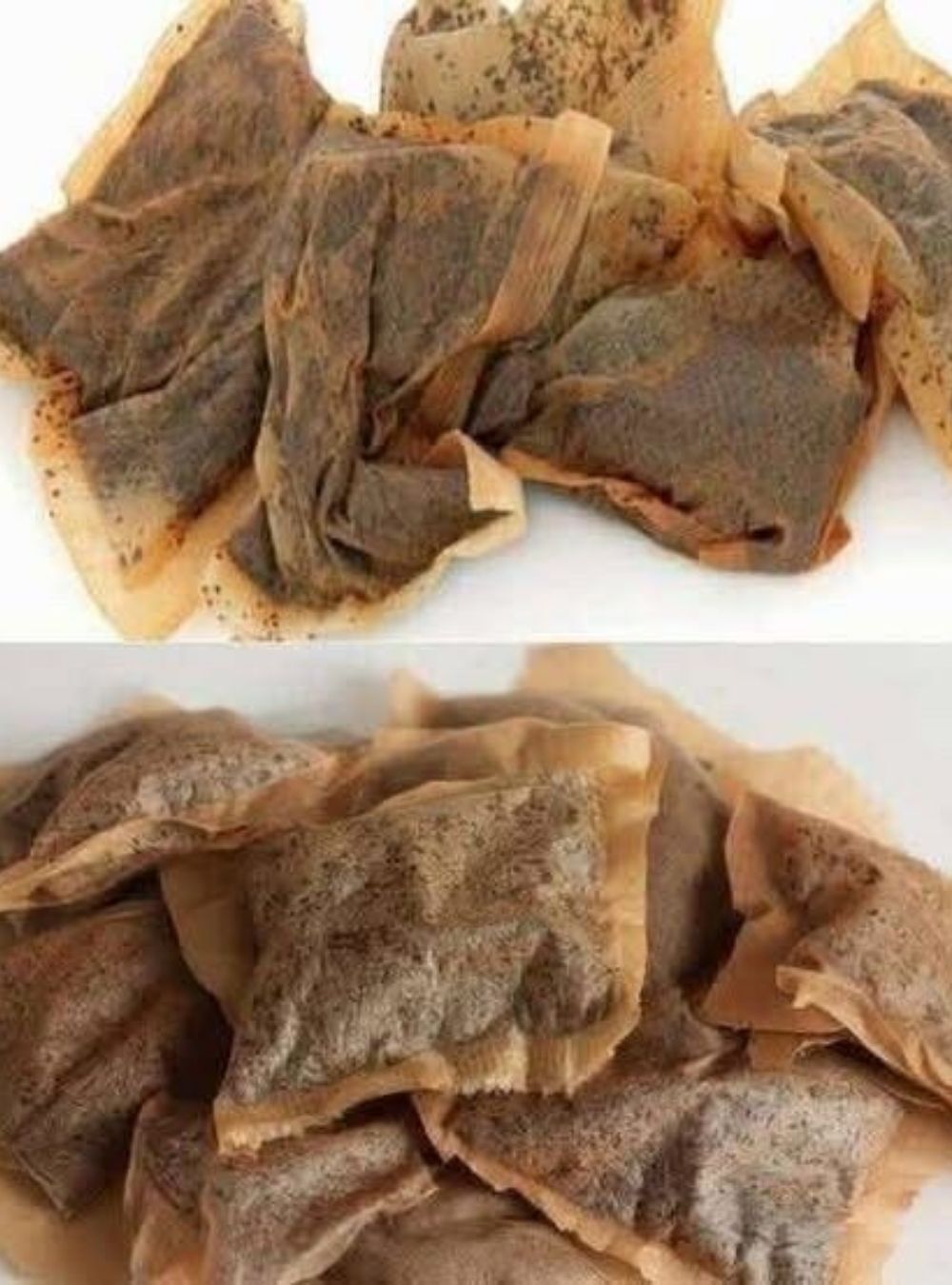
    Why You Should Think Twice Before Throwing Away Used Tea Bags

    Mornings usually belong to coffee, but evenings are a different story. There’s something deeply comforting about boiling the kettle, choosing a favorite tea, and letting the steam slowly rise. That quiet ritual has always felt like a small reset at the end of the day.

    For years, though, the routine ended the same way: drink the tea, toss the bag, move on.

    That changed when my grandmother casually stopped me one evening and said, “You’re throwing away something useful.” What sounded odd at first turned out to be one of those simple pieces of wisdom you can’t believe you didn’t know sooner.

    Used tea bags, it turns out, still have plenty of life left in them.

    Even after brewing, tea leaves retain natural compounds that can soothe skin, clean surfaces, and even help plants thrive. Instead of trash, they quietly become one of those rare household items that cost nothing and solve multiple everyday problems.

    Once I started reusing them, it felt wasteful not to.

    Here are the surprisingly effective ways used tea bags can earn a second life:

    Soothe sunburned skin
    Cooled black tea bags can be gently applied to sunburned areas. The tannic acid helps calm the skin, reduce discomfort, and support healing.

    Ease minor burns
    For small kitchen burns, a cold, used black tea bag can provide quick relief. The natural tannins help soothe pain and reduce inflammation.Help reduce warts
    Green tea is rich in antioxidants. Applying a cooled, used green tea bag to a wart for about 15 minutes, twice a day, may help it shrink over time.

    Reduce puffy, tired eyes
    Chilled tea bags placed over closed eyes for a few minutes can reduce puffiness and refresh tired skin—especially after a long day or short night.

    Cut grease on dirty dishes
    Adding a few used tea bags to a sink of greasy dishes helps loosen stubborn residue, making washing up easier with less scrubbing.

    Create a natural weed solution
    Steeped tea combined with vinegar and citrus peels can be used as a gentle, natural spray to help control unwanted weeds in the garden.Feed your plants naturally
    Used tea bags or loose leaves can be composted or buried near plant roots. Roses, ferns, and many houseplants benefit from the nutrients left behind.

    Once you realize how many uses a single tea bag still has, throwing it away feels like wasting something valuable. Sometimes the most useful household tricks are the ones passed down quietly—waiting for us to finally pay attention.

  • Old-Fashioned Orange Candy: A Timeless, Simple Treat

    Old-Fashioned Orange Candy: A Timeless, Simple Treat

    Family recipes often carry a sense of warmth and nostalgia, especially the ones built from simple pantry ingredients. Old-fashioned orange candy is one such classic — a chewy, citrus-forward treat that frequently appears on holiday platters or inside festive gift tins. Its bright flavor paired with a nutty touch proves that uncomplicated sweets can still leave a lasting impression.

    To prepare this retro favorite, start by gently warming orange slice candies in the microwave for a few seconds. The goal is to soften them slightly without letting them melt. Once pliable, place the candies between sheets of parchment or wax paper and use a rolling pin to flatten them into smooth, even rounds. Move efficiently, since the candy begins to firm up again as it cools.

    After flattening, lightly coat each piece with powdered sugar. This prevents sticking while adding a subtle extra layer of sweetness. Next, sprinkle finely chopped or crushed pecans over the surface and press them in gently so they adhere to the candy.

    Let the pieces sit at room temperature until fully set. As they rest, they develop a tender yet structured texture that feels both comforting and timeless. The contrast between the chewy citrus base and the crunchy nuts creates a balanced bite.

    Once prepared, store the candies in an airtight container to maintain freshness. They’re best enjoyed within several days, making them ideal for small gatherings or seasonal celebrations.

    For a creative twist, consider experimenting with other fruit slice flavors to create a colorful assortment. Mixing varieties can make an eye-catching addition to dessert boards or candy trays.

    These treats also make thoughtful homemade gifts. Arrange them in decorative jars or wrap them in parchment and ribbon for a personal touch that feels heartfelt.

    With minimal ingredients and a straightforward process, this vintage orange candy recipe offers a sweet reminder that tradition and simplicity often go hand in hand.

  • Kohl’s Announces 27 Store Closures Amid Company Restructuring

    Kohl’s Announces 27 Store Closures Amid Company Restructuring

    Kohl’s has announced plans to close 27 stores across more than a dozen states as part of an effort to improve its overall financial health. The shutdowns, scheduled to be finalized by April, account for a small fraction of the retailer’s approximately 1,150 locations nationwide. Company officials noted that most stores in the chain continue to perform well and remain profitable.

    According to leadership, the locations selected for closure were identified as underperforming. The move is designed to redirect investment and operational focus toward stronger markets with higher growth potential. Executives described the decision as strategic, intended to reinforce long-term stability rather than signal a broad retreat.

    Outgoing Chief Executive Officer Tom Kingsbury called the action a difficult but necessary step in strengthening the business. Leadership of the company will soon pass to Ashley Buchanan, who is set to assume the CEO role. Kingsbury is expected to remain involved temporarily in an advisory capacity to help support the transition.

    The announcement comes as traditional department stores continue to navigate a rapidly changing retail environment. Consumers have increasingly shifted toward online shopping, reducing foot traffic in some brick-and-mortar locations. At the same time, cautious consumer spending has added pressure to overall sales performance.

    The company recently projected softer-than-expected holiday results, contributing to investor concerns and fluctuations in its stock price. Industry analysts note that other major retailers have made similar adjustments in response to evolving buying habits and broader economic uncertainty.

    Despite the closures, Kohl’s maintains that its national footprint remains strong. Leaders say the company will continue investing in store updates, digital integration, and improved customer experiences in profitable regions.

    Modernization efforts are expected to focus on enhancing convenience, refining merchandise selection, and strengthening loyalty initiatives. By concentrating resources where performance is strongest, the retailer hopes to drive efficiency and restore momentum.

    Company officials emphasized that the restructuring is part of a broader plan to remain competitive in a shifting marketplace. Through targeted closures and renewed focus on high-performing stores, Kohl’s aims to position itself for sustainable growth in the years ahead.