Breaking News

  • The Real Purpose Behind the Circular Dent on Milk Jugs

    The Real Purpose Behind the Circular Dent on Milk Jugs

    Shoppers often spot the small circular indentation on the side of a plastic milk jug but rarely think twice about it. While it may appear to be a minor design feature, the dent is carefully engineered. Manufacturers include it to improve safety, durability, and performance during daily handling.

    One of its primary functions is managing internal pressure. Milk travels through varying temperatures — from processing facilities to refrigerated trucks, grocery coolers, and home fridges. As temperatures shift, the liquid inside naturally expands and contracts. The circular panel provides a flexible zone that can move slightly to absorb those changes.

    Without that flexibility, pressure buildup could strain the container walls. The indentation acts almost like a built-in buffer, helping prevent splits or leaks. This is especially important during transportation, when products are stacked, shifted, and exposed to fluctuating conditions.

    The rounded shape also strengthens the jug’s structure. Circular forms distribute force more evenly than flat surfaces, allowing the container to resist impact without requiring thicker plastic. That means manufacturers can keep the jug lightweight while still maintaining durability.

    This design efficiency helps reduce material use and production costs. By reinforcing the container through shape rather than added plastic, companies can produce sturdy packaging while minimizing waste. It’s a subtle example of cost-effective engineering at work.

    Consumers sometimes notice the dent pushing outward or inward. In most cases, that movement simply reflects normal pressure adjustments or handling. The feature is designed to flex slightly, so small changes in shape are typically harmless.

    The indentation works alongside other structural elements, such as the molded handle and reinforced base ridges. Together, these features ensure the jug can withstand stacking, gripping, and accidental bumps in kitchens and grocery carts.

    What seems like a simple circle in the plastic is actually a thoughtful piece of functional design. The next time you pour a glass of milk, that small dent is quietly doing its job — keeping the container stable, secure, and reliable from store shelf to breakfast table.

  • Why Some Drivers Put an Upside-Down Sticker on Their Cars

    Why Some Drivers Put an Upside-Down Sticker on Their Cars

    A drive anywhere through the Pacific Northwest reveals a small but curious detail: the outline of Washington state displayed on cars, tumblers, and laptops — except it’s completely upside down. At first, it can look like someone applied the sticker incorrectly. Look a little closer, though, and it becomes clear that the reversal is deliberate. For many residents, the flipped silhouette has evolved into a quiet badge of belonging and regional pride.

    The design gained traction in the early 2010s, when minimalist state-outline decals became popular accessories for vehicles and outdoor gear. Washington’s rectangular profile is instantly recognizable, making it an easy candidate for playful reinterpretation. Turning it upside down transformed a simple shape into an insider’s wink — subtle enough that only fellow Washingtonians would immediately understand.

    What began as a lighthearted visual joke steadily turned into a small cultural phenomenon. The upside-down decal started appearing on hiking equipment, reusable coffee cups, and commuter cars parked at trailheads and ferry terminals. It resonated especially with longtime locals who wanted a symbol of home that felt authentic rather than tourist-oriented.

    One widely shared explanation for the flip references the region’s famously wet climate. In a place known for gray skies and steady drizzle, some joke that the state has simply been “rained over” or tipped upside down. The humor fits the Northwest temperament — dry, understated, and delivered with a straight face.

    Others interpret the inverted shape as a low-key statement of affection. Instead of bold slogans or flashy graphics, the backward outline communicates pride in a more restrained way. It reflects a culture that values subtlety over spectacle and inside jokes over overt declarations.

    There is also a scenic interpretation. Some residents say the upside-down border resembles a rugged mountain peak, a nod to the towering presence of Mount Rainier and the state’s dramatic landscapes. Whether intentional or not, the comparison reinforces Washington’s deep ties to the outdoors.

    Over time, the sticker has come to represent more than a playful twist on geography. It embodies the character of the Pacific Northwest — creative, nature-oriented, and slightly unconventional. The simple act of flipping a familiar shape has created a shared visual language among people who call the region home.

    Even those who relocate often keep the decal long after leaving. For them, it serves as a portable reminder of evergreen forests, ferry rides across Puget Sound, and mist drifting over quiet shorelines. In the end, the upside-down Washington outline carries a message that doesn’t need explanation: if you recognize it, you’re already part of the story.

  • We Ordered a Salad — Then Noticed Tiny Black Specks and Rushed to the Hospital

    We Ordered a Salad — Then Noticed Tiny Black Specks and Rushed to the Hospital

    What started as a calm dinner between friends quickly turned into a moment of shock and anxiety. The restaurant had the kind of atmosphere you expect from a trendy downtown spot — soft lighting, stylish plating, and an inviting menu. Everything felt perfectly normal when the salad arrived at the table.

    It was beautifully arranged: leafy greens, slices of avocado, quinoa sprinkled lightly across the top. At first glance, nothing seemed unusual. But as my friend lifted her fork, she paused. She leaned closer, squinting at the plate.

    “There are tiny black specks on this,” she said.

    We assumed it was seasoning — maybe chia seeds or crushed pepper. But then she whispered something that immediately made my stomach drop:

    “They’re moving.”

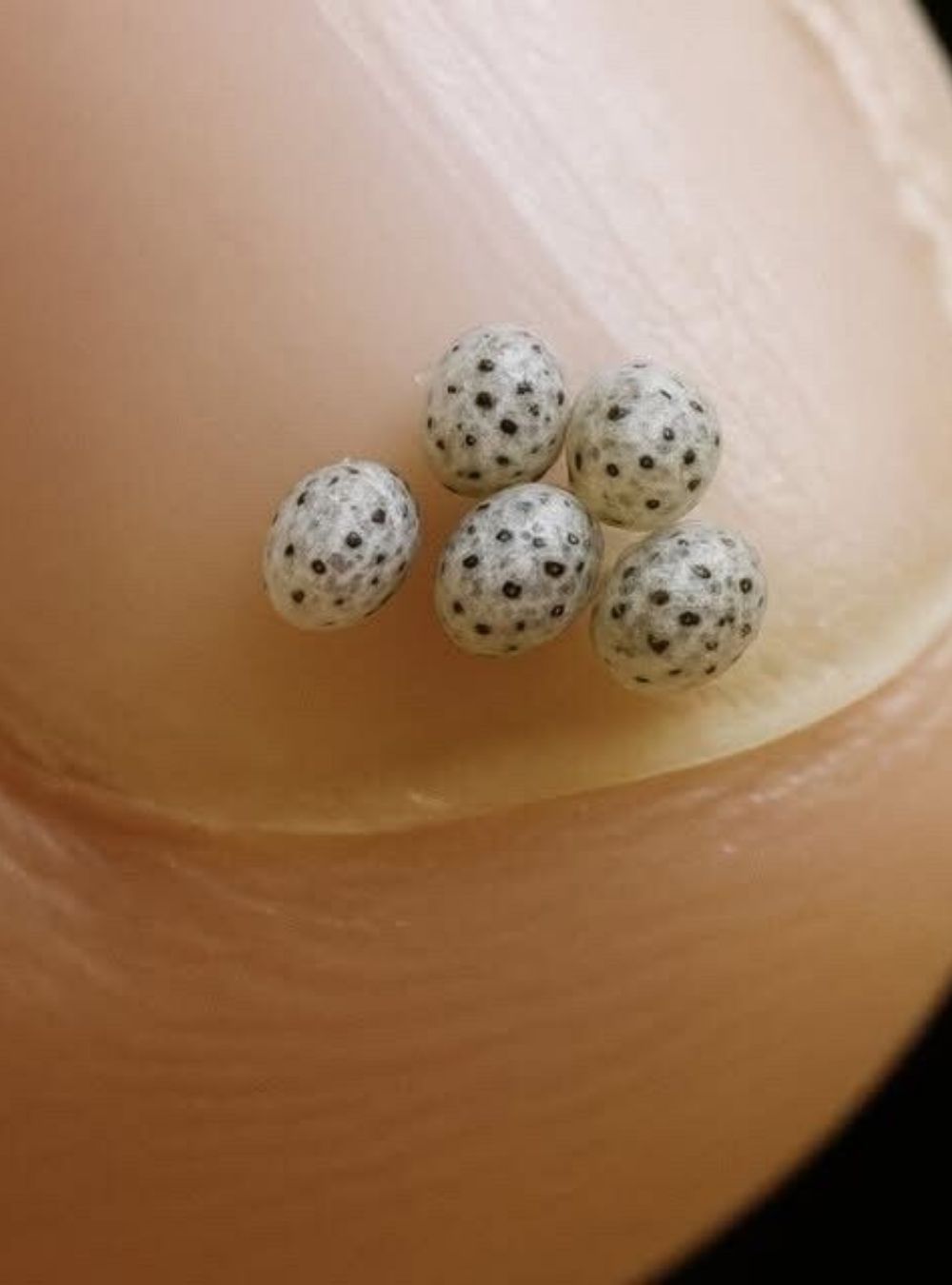
    We both leaned in closer. What we had mistaken for harmless garnish appeared to be clusters of tiny, dark particles shifting slightly against the greens. The possibility that they could be insect eggs instantly changed the mood at the table. My friend pushed the plate away, visibly shaken, and neither of us felt comfortable staying calm.

    We called the waiter immediately and asked for the manager. The staff responded quickly and apologized, removing the dish and offering a replacement. They suggested it could have been a supplier issue. But by that point, the damage was done — we had completely lost our appetite.

    Even though neither of us had knowingly eaten the salad, the uncertainty lingered. Were we exposed to something unsafe? Was there a health risk? Anxiety can amplify small doubts into overwhelming fears, and that’s exactly what happened.

    We decided not to take any chances and went straight to the hospital.

    At the emergency department, medical staff examined the situation calmly. They reassured us that accidental contact with insect eggs — if that’s what they were — is rarely dangerous. In most cases, even accidental ingestion does not lead to serious health problems. They advised us on what symptoms to monitor, such as nausea, allergic reactions, or gastrointestinal discomfort, and told us to return if anything unusual occurred.

    Emotionally, however, the experience lingered much longer.

    The restaurant later followed up and stated they were reviewing supplier handling procedures and reinforcing inspection protocols. Situations like this, while uncommon, can occur when produce is not washed or stored properly. Leafy greens and organic produce can occasionally harbor insect remnants if quality control fails at any stage of the supply chain.

    The incident became a reminder of how vulnerable trust can feel when it comes to food safety. Dining out requires confidence — in preparation standards, hygiene practices, and supplier oversight. When something unexpected appears on a plate, that trust can be shaken quickly.

    Even now, when I see tiny dark specks on a salad — even if they’re clearly seeds or seasoning — I pause for a second longer than I used to.

    The experience didn’t result in illness. But it changed how we look at our meals, and how quickly a peaceful evening can shift into something unsettling.

  • What That Strange Foam-Like Clump Really Means for Your Backyard

    What That Strange Foam-Like Clump Really Means for Your Backyard

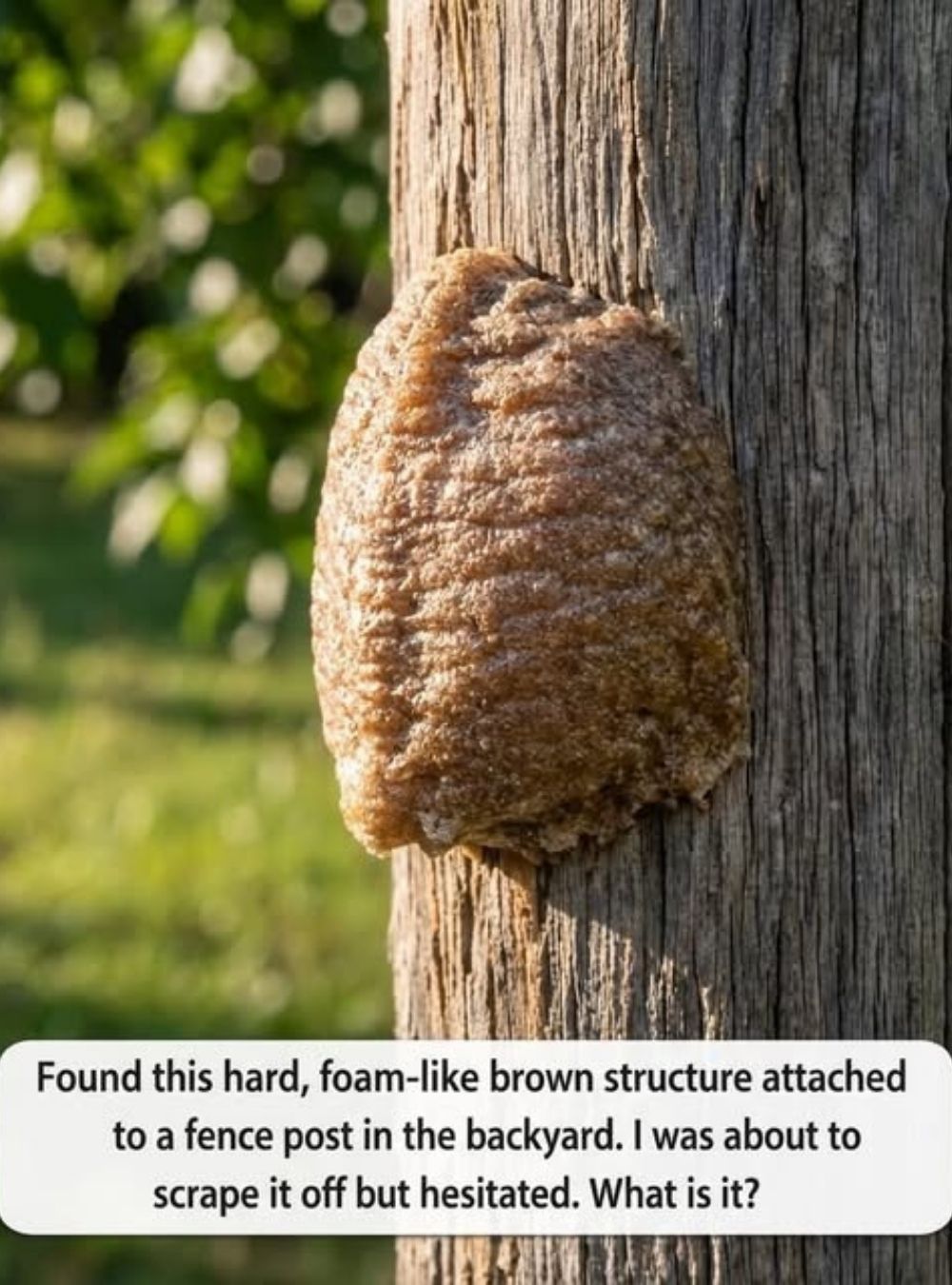
    At first glance, it looks completely out of place — a hard, brown, foam-like mass attached to a fence post, tree branch, or garden structure. It doesn’t resemble a bird’s nest, it’s not quite fungus, and it certainly wasn’t something you remember putting there. The instinct for many people is to scrape it off immediately. But before you do, it’s worth pausing. That unusual clump may actually be a sign that your backyard ecosystem is thriving.

    In most cases, that mysterious structure is a praying mantis egg case, known as an ootheca.

    What Is an Ootheca?

    Female praying mantises create these protective egg cases in late summer or early fall after mating. They release a frothy, foam-like substance that quickly hardens when exposed to air. The result is a sturdy, insulated casing designed to protect dozens — sometimes even hundreds — of eggs throughout the winter months.

    The ootheca is usually tan or light brown and measures about one to two inches long. Its ridged, slightly spongy texture helps shield the developing mantises from cold temperatures, moisture, and predators. Because its color and shape blend naturally with branches, posts, and shrubs, it often goes unnoticed until someone looks closely.

    What Happens Inside

    While the outside may look dry and lifeless, the inside tells a very different story. When temperatures warm in spring, tiny mantises emerge fully formed and ready to hunt. From the moment they hatch, they are skilled predators.

    Young mantises feed on common garden pests such as aphids, flies, moth larvae, and caterpillars. Their presence can help reduce the need for chemical pesticides and supports a balanced, healthy outdoor environment.Is It Dangerous?

    No. Praying mantis egg cases are harmless to people and pets. They do not sting, spread disease, or damage property. In fact, they are often considered beneficial for gardens and natural landscapes.Should You Remove It?

    If possible, it’s best to leave the ootheca undisturbed. It plays an important role in the natural life cycle of a helpful insect. Removing it unnecessarily can interrupt that cycle.
    If you truly need to relocate it — for example, if it’s on a door frame or high-traffic area — you can carefully trim the small branch it’s attached to and move it to a sheltered outdoor spot, such as a shrub or fence line.

    A Small Sign of a Healthy Ecosystem
    What initially appears to be an odd or unattractive clump is actually a fascinating example of nature at work. It signals biodiversity, natural pest control, and ecological balance right in your backyard.

    Sometimes the things that seem strange at first glance are simply quiet reminders that the natural world is functioning exactly as it should.

  • The Rise of Aegos*xuality and What It Means for s*xual Identity

    The Rise of Aegos*xuality and What It Means for s*xual Identity

    When Desire and Distance Don’t Match: A Thoughtful Reflection

    In today’s culture, new terms continue to emerge to describe complex inner experiences. One such term is Aegosexuality, often used for individuals who may experience interest or stimulation in romantic or intimate ideas, yet feel little or no desire to personally engage in them.

    For people guided by faith and moral reflection, this raises important questions. How should such experiences be understood? What do they reveal about emotional well-being? And how can compassion exist alongside moral clarity?

    Desire itself is not wrong. Across spiritual traditions, it is viewed as powerful and meaningful—but in need of guidance. When ignored completely, desire can become suppressed and harmful. When indulged without limits, it can become disordered. When directed by wisdom and values, it contributes to stability and peace.

    Many who identify with this term describe a sense of emotional distance: imagination feels safe, while real intimacy feels overwhelming or unnecessary. Sometimes this distance may reflect fear of vulnerability, past wounds, anxiety, or a desire for control. Rather than rushing to define identity, it can be wise to ask: What is the heart protecting itself from?

    Modern labels can offer language and comfort, but they do not replace growth. True healing comes through self-reflection, emotional honesty, spiritual grounding, and meaningful relationships. A person is always more than a category.

    Compassion means treating every individual with dignity. It also means encouraging wholeness, maturity, and responsible choices. Human flourishing involves alignment between mind, heart, and action.

    Desire is part of being human. But dignity comes from guiding it with purpose. Peace is found not in labeling every feeling, but in living with clarity, faith, and self-respect.

  • Tiny house, timeless presence: an iconic seventies actress sparks strong reactions after a simple walk with her dogs, exposing society’s uneasy relationship with aging, fame, memory, and the enduring visibility of women in public life.

    Tiny house, timeless presence: an iconic seventies actress sparks strong reactions after a simple walk with her dogs, exposing society’s uneasy relationship with aging, fame, memory, and the enduring visibility of women in public life.

    Dyan Cannon represents nearly a century of Hollywood transformation, embodying a time when movie stars symbolized glamour and cultural change. Rising to fame in the late 1960s and 1970s, she projected intelligence, warmth, and independence at a moment when female roles were often limited. Her charisma and emotional depth made her relatable yet luminous, but fame demanded resilience.

    Behind the polished image, she constantly balanced private identity with public expectation, learning early that survival in Hollywood required strength as much as talent. Even decades later, her continued visibility highlights society’s discomfort with aging women who refuse to disappear.

    Her career reflects persistence and artistic range in an industry known for sidelining women over time. In films such as Bob & Carol & Ted & Alice, Heaven Can Wait, The Last of Sheila, and Deathtrap, Cannon moved fluidly between comedy, drama, and suspense, earning three Academy Award nominations and multiple Golden Globe honors. Her 1983 star on the Hollywood Walk of Fame marked not just popularity but professional respect. She later expanded into writing and directing, redefining longevity on her own terms rather than chasing youth or trends.

    Her marriage to Cary Grant became one of Hollywood’s most scrutinized romances. Publicly framed as a fairytale, the relationship privately revealed complexities of power and identity. Cannon later spoke with nuance about feeling diminished while also acknowledging love and growth. Their divorce, though heavily publicized, became a turning point that deepened her self-understanding. Rather than embracing bitterness, she chose reflection, offering rare honesty about the emotional costs of life under constant observation.

    Motherhood brought grounding and stability through her daughter, Jennifer Grant. Cannon prioritized parenting amid fame, valuing daily presence over spectacle. As the years passed, she pursued writing, spirituality, and creative exploration, allowing herself to evolve rather than cling to past acclaim. Her resilience came from integrating hardship into wisdom, showing that true longevity depends on adapting to change instead of resisting it.

    In recent years, casual photographs of Cannon walking her dogs sparked viral debate, revealing society’s fixation on aging—particularly for women once celebrated for beauty. What should have been ordinary became symbolic, exposing cultural discomfort with visible age. While older men are often praised as distinguished, older women face scrutiny or erasure. Cannon’s quiet presence challenged that bias, proving that fame does not shield women from ageism and may even intensify it.

    Now in her late eighties, Cannon speaks with calm gratitude, describing herself playfully as “a happy puppy.” Her serenity reflects liberation from external validation after decades of acclaim and criticism alike. More than a relic of classic cinema, she stands as a testament to endurance and self-definition. Her life reframes aging not as decline but as accumulation—of insight, perspective, and hard-won peace.

  • Barack and Michelle Obama Respond to Racist Video Controversy, Divorce Rumors

    Barack and Michelle Obama Respond to Racist Video Controversy, Divorce Rumors

    A political storm erupted after a racist video was shared from Donald Trump’s Truth Social account, depicting Barack and Michelle Obama as apes while music played. The clip, widely condemned, sparked outrage as critics said it revived a painful history of racist imagery. Supporters dismissed the backlash as **“fake outrage,”** while the White House later said the post was shared by mistake and removed. Trump claimed he had only seen the beginning of the video and denied wrongdoing.

    Obama responded during a podcast appearance, choosing not to directly attack Trump. Instead, he spoke about declining public standards, noting that many Americans find such behavior **“deeply troubling.”** He described today’s political environment as a **“clown show”** that rewards provocation over responsibility, warning that the normalization of inflammatory content harms democratic culture.

    The incident reignited broader discussions about racial politics and the digital spread of offensive material. Critics argued that limited moderation on platforms like Truth Social allows harmful content to spread quickly, raising concerns about accountability. Trump’s claim that he did not see the offensive imagery before sharing it sparked debate over the responsibility public figures hold for their online posts.

    At the same time, renewed attention focused on the Obamas’ personal lives, especially rumors about their marriage. Michelle Obama addressed the speculation directly, stating there was never a time she considered leaving, even during **“hard times.”** Barack Obama acknowledged the pressures of the presidency had strained their relationship, saying he had been in a **“deep deficit”** and worked to rebuild balance.

    Michelle also clarified her decision not to attend Trump’s inauguration, saying it reflected her desire to set boundaries and prioritize personal well-being. She emphasized that people often assume dramatic reasons when personal choice and self-care are the real motives.

    Together, these controversies highlight how political figures’ public and private lives remain deeply scrutinized. The episode raises ongoing questions about race, accountability, and respect, while reinforcing Obama’s message that many Americans still expect decency and responsibility from leaders, even in an era dominated by viral outrage and online spectacle.

  • If You Wake at 1AM or 3AM, Don’t Panic—Pray.

    If You Wake at 1AM or 3AM, Don’t Panic—Pray.

    Many believers feel that midnight and three in the morning hold special spiritual meaning. While the Bible does not command prayer at exact hours, generations have found purpose in seeking God during the quietest moments. As the text notes, **“For many believers, certain hours of the night—especially midnight and three in the morning—carry a special spiritual weight.”** These peaceful hours often help deepen focus, reflection, and devotion.

    One powerful biblical example is the story of Paul and Silas. After being beaten and imprisoned, they chose prayer and praise instead of despair. Around midnight, they prayed and sang hymns, showing faith and spiritual discipline even in suffering. Their story highlights how prayer can strengthen trust in God during hardship and inspire perseverance.

    Scripture encourages believers to pray faithfully at all times. While some feel certain hours are especially meaningful, the Bible reminds us that **“Every hour belongs to God.”** Whether at dawn, midday, or late at night, prayer reflects dependence, love, and devotion. Many Christians believe that praying during the stillness of night allows for deeper intimacy, clarity, and peace.

    Late-night prayer is often seen as a way to remain spiritually alert. In the silence, believers may reflect, confess, and seek renewal without distraction. This calm environment supports humility and emotional healing, helping individuals feel spiritually strengthened and refreshed.

    Those who practice midnight or early-morning prayer often report peace, clearer thinking, and a stronger sense of God’s presence. Rising to pray can bring gratitude, courage, and renewed purpose for the day ahead. In the end, **“prayer is not defined by the clock but by devotion,”** yet for many, those quiet nighttime hours remain sacred moments when faith feels especially close and meaningful.

  • An online user recently shared a startling discovery after noticing a mysterious object hanging from their ceiling, sparking curiosity and concern. The unsettling find quickly went viral as viewers speculated about what it could be, ranging from unusual pests to forgotten fixtures, creating a wave of fascination and mild unease.

    An online user recently shared a startling discovery after noticing a mysterious object hanging from their ceiling, sparking curiosity and concern. The unsettling find quickly went viral as viewers speculated about what it could be, ranging from unusual pests to forgotten fixtures, creating a wave of fascination and mild unease.

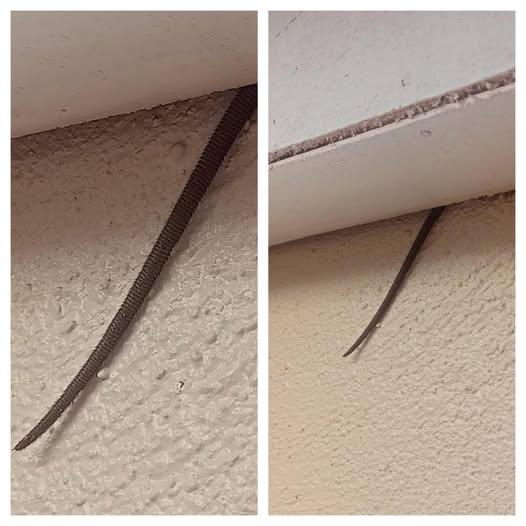
    A seemingly ordinary Reddit post quickly transformed into a viral sensation when a user uploaded a photo of an unidentified object protruding from their ceiling. The image itself was unsettling—an odd, fleshy shape pushing through drywall—inviting both curiosity and comedic responses from the Reddit community. As is typical for the platform’s humor-driven culture, users immediately flooded the comment section with exaggerated jokes and playful advice. Suggestions ranged from licking it to determine its nature to burning the entire house down as a precautionary measure. These over-the-top reactions set the tone for the thread, turning what could have been an alarming discovery into a collective moment of internet absurdity. But beneath the humor, there was an unmistakable undertone of suspense. Users couldn’t help but wonder what the mysterious object really was, and many speculated that it belonged to some kind of creature hiding inside the ceiling.

    The tension increased significantly when the original poster returned with an update that shifted the thread from comedic to deeply unsettling. They reported that the protruding object had begun to wiggle and then suddenly disappeared back into the ceiling. This one sentence—short, vague, and unnerving—sent a wave of panic through the comment section. Redditors who had initially joked about it now began offering serious warnings. Many insisted that animals living in ceilings or attic spaces rarely come as isolated individuals; in most cases, one sighting suggests the possibility of an entire nest or colony. Users with pest-control experience chimed in, cautioning that movement within ceiling spaces often indicates a larger infestation developing out of sight. The emotional tone of the thread shifted dramatically. What began with humor now carried a palpable tension as commenters imagined worst-case scenarios involving multiple animals hiding overhead.

    Fortunately for everyone following the story, the mystery was resolved the next day. The original poster confirmed what many had begun to suspect: the object sticking out of the ceiling had been a rat’s tail. This revelation mixed relief with dread. On one hand, it dispelled fears of something more bizarre or dangerous. On the other hand, the confirmation of a rat’s presence—especially one bold enough to poke through drywall—introduced a new layer of concern. The poster announced plans to call an exterminator immediately and admitted to feeling anxious after reading a comment warning, “Where there is one, there are a hundred.” Whether or not the warning was exaggerated, it captured a very real fear shared by many homeowners. The depth of the thread’s engagement showed how quickly the internet can transform a small household problem into a shared global story.

    Beneath the entertainment value, the situation highlighted a legitimate issue: rodent infestations are far more common than many people realize, and the signs can be subtle until the problem is significant. Rodents often inhabit attics, crawlspaces, and wall voids, preferring dark, undisturbed areas that provide warmth and access to food sources. Their presence may reveal itself through droppings, chewed electrical wiring, shredded insulation, or unpleasant odors. In some cases, homeowners might hear scratching, skittering, or gnawing sounds at night. A rat’s tail visible through the ceiling—while dramatic—is not the most typical sign, but it unmistakably indicates that rodents have gained access to interior structural spaces. Pest-control professionals warn that ignoring small signs can allow rodents to multiply quickly, creating health hazards and costly structural damage.

    As experts explained in discussions related to the thread, a single rat in a ceiling is rarely the full story. Rats are social animals that breed rapidly, capable of producing multiple litters per year with several offspring in each. A seemingly isolated incident may indicate a larger hidden population. Professionals emphasize the importance of swift action in cases like this—inspections, sealing potential entry points, and implementing traps or other extermination measures. Beyond physical damage, rodents can carry diseases, contaminate food storage areas, and chew electrical wires, posing fire risks. Thus, even a humorous online moment underscores why pests should never be dismissed lightly. The Reddit thread inadvertently became a lesson in understanding the seriousness of unexpected household intrusions.

    Despite the unsettling nature of the discovery, the story resonated with the internet because it balanced genuine concern with humor. Commenters bonded over their shared fear and fascination, turning the incident into a communal experience. The jokes, the dramatic reactions, the speculation, and the ultimate reveal all contributed to a narrative arc that felt almost cinematic. In the end, what started as a mysterious object became a reminder of the internet’s unique ability to transform everyday problems into collective storytelling. The incident also emphasized how unpredictable household surprises can be and that sometimes, when you look up and see something you don’t expect, it’s best not to rely solely on humor or guesswork—but to call in a professional before the situation escalates.

  • If you are over 50, eating a banana a day could be beneficial to your health.

    If you are over 50, eating a banana a day could be beneficial to your health.

    As the decades move forward, the body rarely protests with sudden alarms. Instead, it adjusts quietly. The stamina that once carried you through a full day may taper off earlier. Digestion can become less predictable. Muscles may take a little longer to recover after a routine walk or weekend project. These changes are gradual, subtle — and entirely human.

    For many adults over 50, these shifts prompt questions about how to maintain steady energy and comfort. Metabolism naturally slows with age, muscle mass can decline, and nutrient absorption may not be as efficient as it once was. The result can include occasional fatigue, mild digestive irregularity, or stiffness that lingers longer than expected.

    In response, it’s common to see people explore elaborate diet plans or costly supplements. Yet health experts often emphasize that sustainable wellness tends to grow from simple, repeatable habits rather than sweeping overhauls. Small adjustments practiced consistently can have a meaningful impact over time.

    One surprisingly practical addition to a balanced diet is a familiar fruit: the banana. Often associated with athletes or quick breakfasts, bananas offer a combination of nutrients that can support everyday well-being. They contain potassium, vitamin B6, fiber, and natural carbohydrates — elements that play roles in muscle function, energy metabolism, and digestive health.

    Digestive comfort, in particular, becomes more important as people age. Bananas provide both soluble and insoluble fiber, a pairing that can help support regular bowel movements when combined with adequate hydration. While no single food resolves every digestive concern, including fiber-rich options regularly may contribute to a steadier rhythm.

    Energy management is another common focus after midlife. Instead of relying solely on caffeine or highly processed snacks, choosing foods with naturally occurring carbohydrates can offer a more gradual release of fuel. A banana paired with protein — such as yogurt, nuts, or a spoonful of nut butter — can help create a balanced snack that avoids sharp spikes and crashes.

    Potassium, one of the standout nutrients in bananas, plays a role in muscle contraction and nerve signaling. While it is not a cure for aches or tightness, maintaining appropriate potassium intake supports overall muscle function. Combined with hydration, gentle physical activity, and balanced meals, this nutrient contributes to a broader foundation of wellness.

    Ultimately, healthy aging does not always require dramatic measures. A medium banana contains natural sugars, but for most individuals, enjoying one as part of a varied diet fits comfortably within recommended guidelines. Sometimes well-being begins not with complexity, but with consistency — and with small, thoughtful choices made each day at the kitchen table.