Breaking News

  • Fans do a double take after side-by-side photo of Barron and young Donald goes viral

    Fans do a double take after side-by-side photo of Barron and young Donald goes viral

    It’s not just his height or reserved presence drawing attention this time — it’s the striking resemblance that has people doing double takes.

    Recently, Barron Trump went viral after a side-by-side image comparing him to a young Donald Trump began circulating online. The similarities were hard to ignore, and social media users quickly took notice.

    A Resemblance That Sparked a Storm

    In December 2024, a fan-run account on X shared a comparison photo of 18-year-old Barron alongside a younger version of his father, former President Donald Trump. From the jawline and facial structure to the familiar expression and hairstyle, many viewers described the likeness as uncanny.

    Some users jokingly suggested the image looked like “proof that cloning works,” while others simply pointed to what they called strong family genetics. Comments ranged from admiration to playful exaggeration, with many agreeing that the resemblance was undeniable.

    Barron, the youngest son of Donald Trump and former First Lady Melania Trump, has largely remained out of the public spotlight compared to his siblings. However, in recent months, he has appeared more frequently at public events.

    Public Appearances and Growing Curiosity

    On Election Day, Barron was filmed shaking hands with Dana White, president of the Ultimate Fighting Championship. Observers also took note of his deep voice during a rare public moment, which quickly circulated online. Some commented that his tone sounded far older and more commanding than they expected from a teenager.

    At a rally, Donald Trump even joked about his son’s potential athletic future while addressing Dana White, drawing enthusiastic reactions from supporters chanting Barron’s name.

    During events in Washington, D.C., including a speech at Capital One Arena, Donald Trump praised Barron for his behind-the-scenes involvement during the campaign. According to interviews with the Daily Mail, Barron reportedly offered insights into reaching younger voters, particularly through digital platforms and online personalities unfamiliar to older generations.

    Trump mentioned names like Adin Ross, explaining that Barron was more attuned to Gen Z media habits — audiences who consume content primarily online rather than through traditional television.

  • Easing the Weight: Things to Free Yourself From After Loss

    Easing the Weight: Things to Free Yourself From After Loss

    When Absence Quietly Changes Everything

    It rarely arrives with noise or warning. Instead, it slips in quietly, leaving behind small signs that something in life has shifted. You begin to notice subtle changes around the house—a door left slightly open, a familiar scent that lingers longer than expected, objects resting in places you don’t quite remember putting them. In those moments, you may wonder whether your memory is failing, or whether absence itself has begun to reshape your world.

    When someone dear is gone, their departure reaches far beyond emotion. It settles into physical space, into rooms, corners, and routines that once felt effortless. A familiar home can suddenly feel different, heavier with silence and memory. Ordinary objects start to stand out in unexpected ways: a coat still hanging by the door, a favorite mug untouched in the cupboard, a drawer you hesitate to open. Each small detail carries the echo of shared moments, reminding you of what once filled your days.

    Over time, these quiet reminders become part of grief’s unspoken language. They speak of love that existed, habits that mattered, and a presence that shaped your life in ways you may only fully recognize after it is gone. Sitting with these moments—rather than rushing past them—can feel painful, yet it can also be grounding. In stillness, the heart slowly learns how to hold memory without being overwhelmed by it.

    There is wisdom in allowing yourself to notice, to feel, and to reflect. Healing does not come from erasing what was, but from learning how to carry it with gentleness. Letting go of certain objects, habits, or expectations does not weaken love. It honors it. It acknowledges that what was meaningful continues to live quietly within you, even as life moves forward.

    In time, the sharpness of absence softens. What once felt unbearable begins to feel tender. The empty spaces are not fully filled, but they are no longer only places of pain. They become reminders of gratitude, resilience, and the strength of the human heart to adapt without forgetting.

    Recognizing these subtle imprints allows grief to unfold at its own pace. It teaches patience with yourself and trust in the slow process of healing. Though life may continue in a changed form, it remains meaningful, guided by memory, softened by mercy, and sustained by hope.

  • Your Next Country Getaway: Explore 680 Centerline Road, Strykersville

    Your Next Country Getaway: Explore 680 Centerline Road, Strykersville

    Set on 109 expansive acres in Western New York, 680 Centerline Road presents a rare opportunity to own a property that combines scenic charm with real-world versatility. Tucked away from the noise of city life, this estate offers space, privacy, and endless potential for a variety of lifestyles.

    The landscape is a defining feature of the property. Rolling fields blend seamlessly with mature woodlands, creating a picturesque setting that changes beautifully with the seasons. From vibrant autumn foliage to lush summer greenery, the natural surroundings provide a peaceful and ever-changing backdrop.

    A network of established trails winds through the acreage, making it easy to explore the grounds on foot, horseback, or recreational vehicles. Outdoor enthusiasts will appreciate the freedom to hike, hunt, or simply enjoy long walks immersed in nature without ever leaving their own property.

    Adding to the appeal is a gently flowing creek that runs through the land, contributing both scenic beauty and practical value. The sound of moving water enhances the tranquil atmosphere, while also supporting local wildlife and enriching the ecosystem.

    A serene pond further elevates the property’s charm. Whether used for fishing, wildlife observation, or quiet reflection, the pond creates a natural gathering point and enhances the estate’s sense of retreat and relaxation.

    Beyond its beauty, the land offers significant functional potential. With ample open space and fertile ground, the property could support agricultural ventures, livestock operations, or hobby farming. For buyers seeking a working farm, the acreage provides flexibility and room to grow.

    Those interested in sustainable living will also find opportunity here. The size and layout of the estate make it well-suited for self-sufficient pursuits, from gardening and food production to renewable energy projects, all within a private and secure setting.

    Ultimately, 680 Centerline Road represents more than just a parcel of land. It is a versatile estate that balances natural splendor with practical possibilities, offering a unique chance to create a personalized country lifestyle in the heart of Western New York.

  • THE SIN OF CREMATION according to the Bible says

    THE SIN OF CREMATION according to the Bible says

    Cremation has become increasingly common in recent decades, particularly in the Western world. Rising costs, limited burial space, and environmental concerns have led many families to view it as a practical and respectful alternative to traditional burial. Yet, for many Christians, the topic continues to stir questions of faith and tradition.

    Many believers still wonder: Is cremation a sin according to the Bible? This question often sparks debate, as scripture, symbolism, and centuries of tradition shape how Christians view the body after death.

    The Bible, however, does not explicitly forbid cremation. There is no commandment instructing believers to avoid it. Instead, the preference for burial comes largely from biblical custom and cultural context rather than direct teaching.

    In scripture, burial was the most common practice. Figures like Abraham, Moses, and Jesus were buried, not burned. For this reason, burial became a sacred tradition, symbolizing peace, respect, and the hope of resurrection through Christ.

    Throughout history, theologians have debated whether cremation dishonors the body, which scripture calls the “temple of the Holy Spirit.” Others argue that the soul, not the physical remains, is what matters most to God.

    Culturally, burial has long symbolized reverence and continuity, while cremation was once associated with pagan rituals. Although modern cremation is motivated by practicality, this historic connection has made some Christians uneasy.

    Today, many pastors and scholars agree that cremation does not affect one’s salvation or resurrection. God’s power to renew life is not limited by the form in which the body returns to the earth.

    Ultimately, the decision between burial and cremation is deeply personal. For Christians, the focus lies not on the body’s resting place but on the eternal promise of life beyond death — a hope that transcends both ashes and dust.

  • NEVER Keep These Items on TOP of Your Fridge. If You’re Doing This, Stop ASAP!

    NEVER Keep These Items on TOP of Your Fridge. If You’re Doing This, Stop ASAP!

    Your refrigerator is one of the hardest-working appliances in your home, running 24/7 to keep food fresh, drinks cold, and leftovers safe. But there’s one habit that could be quietly damaging it: stacking things on top. That flat space might seem perfect for extra storage, but experts warn that putting the wrong items up there can cause safety hazards, waste energy, and even shorten your fridge’s lifespan. Here’s why it’s time to clear it off — and what to do instead.

    1. Small Kitchen Appliances ( Microwave, Air Fryer, Toaster)
    Many people stash small appliances on top of the fridge to save space, but this setup is both unsafe and inefficient. The fridge releases heat through its top and back. Blocking those vents makes it work harder, wasting energy and risking overheating. Plus, when both appliances generate heat, it increases the risk of electrical failure or fire. Better option: keep these appliances on a sturdy countertop with plenty of ventilation space around them.
    Groceries
    2. Dry Foods (Cereal, Bread, Snacks)
    Warm air rises, and the top of your refrigerator is surprisingly hot. Bread molds faster, cereal loses its crunch, and snacks go stale. Dust, grease, and humidity also settle on food packages, making them unhygienic. Better option: store dry goods in a cool, dark cabinet inside airtight containers.

    3. Bottles of Oil, Wine, or Liquor
    They may look stylish up there, but it’s one of the worst places for bottles. The fridge vibrates constantly, causing bottles to shift and possibly fall. The heat also ruins flavor—olive oil can go rancid, and wine can lose quality. Better option: keep bottles in a cool pantry or a dedicated wine rack away from any heat sources.

    4. Cookbooks or Paper Items
    Many people stack cookbooks, napkins, or paper towels on top of the fridge, which creates a big fire risk. Paper is flammable, and since fridges generate heat and use electrical wiring, placing combustible materials nearby increases danger. Better option: store books and paper goods on a shelf or inside a drawer to reduce clutter and risk.

    5. Heavy Pots and Pans
    Big cookware might fit perfectly up there, but it’s unsafe. Every time you open or close the fridge door, vibrations can shift heavy items, leading to dangerous falls and injuries. Better option: keep heavy cookware in lower cabinets where it’s stable and easy to reach.

    6. Medicines or Supplements
    Some people store vitamins or medications out of reach on top of the fridge, but that’s not a safe spot. The constant heat can weaken or spoil active ingredients, making them less effective or unsafe. Better option: store all medicines in a cool, dry cabinet away from sunlight and heat

    7. Plants
    A leafy plant might look great up there, but it’s not ideal for either the plant or your fridge. Water can drip into the fridge’s electrical components, causing damage or mold. The warmth can also stress the plant and make it wilt faster. Better option: place plants on a bright windowsill or open shelf where watering is safe.

    Why a Clear Top Matters
    The space above your refrigerator isn’t “extra storage”—it’s a crucial ventilation zone. Blocking it forces the appliance to work harder, which increases electricity bills, shortens its life, and raises fire risks. If you truly need storage space, have a fitted cabinet or shelf installed above the fridge. That way, you gain extra room safely without trapping heat or risking damage.

    💡 Final Tip: Take five minutes today to clear off your fridge top—your food, your wallet, and your home will thank you.

  • 15 Reasons Why Men Love To Cuddle

    15 Reasons Why Men Love To Cuddle

    It’s the 21st century: it’s high time we normalize normal things for both genders including cuddling for men. Writing ˜for men’ after cuddling made me cringe since an act of embracing shouldn’t be attributed to just half the species while the other half is as human as the first half. Men like cuddling, although they might not do it too often so as not to give you any false hopes but when they are actually in it, they love to cuddle and guess what? We can tell you 15 reasons why!

    1. They Instinctively Like To Protect:

    Cuddling, besides all the other feelings, gives men the feeling of being the protector.
    When they wrap their arms around you they feel like they have somewhat contributed to their instinctive responsibility of protecting you and you have got to admit that you do feel a sense of safety.

    2. It Makes You Happy:

    Guys very well know the fact that we love cuddling and sometimes, just sometimes, they do us to make us happy. Even if they fear that you won’t let him change sides if you fall asleep while cuddling, they do it for the sake of that contentment on your face.

    3. They Are Close To You:

    Cuddling is the best possible form of making love without doing much. One of the reasons why guys love it, although not more than sex, most probably, is that it keeps you two close. They get to keep you close to their hearts and just relax. How calming is that feeling?

    4. He Feels Manly:

    Sometimes, when our self-esteem drops down and our ego is hurt, we look for refuge in someone and seek some way to get them back up. If your guy wishes to cuddle, one day, it might be because of the lemons life has been giving him lately.

    5. They Can Be Themselves:

    Guys are always expected to be the strong ones but there are days when things don’t go the way they would like them to, so they would come to you where they can embrace you and feel relaxed. Your arms might be the place where they can finally be themselves after a long day of faking smiles.

    6. It is Comfortable:

    This reason is why both the genders, and even animals, love cuddling. It is comfortable; you have to be an alien without a soul to deny this fact. There is nothing better than snuggling up with your favorite person on a chilly night.

    7. Deep Slumber:

    Just like it makes women sleep soundly, it makes men do the same. It is, in fact, scientifically proven that cuddling helps the two people sleep well and better than usual routine sleep. He might ask you to cuddle when he has had a rough day and just wants a deep sleep.

  • Despite Being the ‘World’s Deadliest Food,’ 500 Million Still Consume It, and It Claims Over 200 Lives Annually

    Despite Being the ‘World’s Deadliest Food,’ 500 Million Still Consume It, and It Claims Over 200 Lives Annually

    Cassava is a daily staple for millions of people around the world, particularly in parts of South America, Africa, and Asia. From flour and flatbreads to chips and porridge, it plays a central role in many traditional diets. Yet few people realize that this common root vegetable can pose serious health risks if it is not prepared properly.

    The plant naturally contains compounds known as cyanogenic glycosides. When cassava is raw or improperly processed, these compounds can break down and release cyanide, a toxic substance that can be harmful or even fatal in large amounts. The danger is not in the crop itself, but in how it is handled before consumption.

    Health experts warn that consuming untreated cassava may lead to symptoms such as dizziness, nausea, stomach pain, and in severe cases, poisoning. Long-term exposure to small amounts of cyanide from poorly prepared cassava has also been linked to certain neurological disorders in vulnerable communities.

    Despite these risks, cassava remains one of the most widely consumed root crops in the world. Its popularity stems from its resilience. The plant grows well in poor soil and harsh climates, making it a reliable food source in regions prone to drought and food insecurity.

    Proper preparation significantly reduces the danger. Traditional methods such as peeling, soaking, fermenting, drying, and thoroughly cooking the root help remove or neutralize the toxic compounds. In many communities, these techniques have been passed down through generations to ensure the food is safe to eat.

    There are also two main varieties of cassava: sweet and bitter. Sweet cassava contains lower levels of cyanogenic compounds and requires less processing, while bitter cassava must undergo more extensive treatment before it can be safely consumed. Understanding the difference is essential for preventing accidental poisoning.

    Public health organizations continue to educate communities about safe preparation practices, particularly in rural areas where cassava is a dietary cornerstone. Improved awareness and access to proper processing methods have helped reduce health incidents over time.

    While headlines may label cassava as one of the world’s most dangerous foods, experts emphasize that it is safe when handled correctly. Like many natural foods, the key lies in proper preparation. For millions of families, cassava remains not a threat, but a vital and dependable source of nutrition.

  • Some Say They’ll Never Eat McDonald’s Again After Watching This Video

    Some Say They’ll Never Eat McDonald’s Again After Watching This Video

    Note: we are republishing this story which originally made the news in May 2024.

    McDonald’s finds itself embroiled in a troubling controversy that has left patrons both appalled and indignant.

    In a viral video circulating across social media platforms, a McDonald’s employee at a branch in Brisbane, Australia, was caught in the act of drying a sopping wet mop beneath a heat lamp typically reserved for keeping French fries warm. What’s more startling is the alleged involvement of the restaurant’s manager, purportedly the individual responsible for this egregious breach of hygiene protocols, perilously placing the mop in close proximity to food destined for customers’ consumption.

    The shocking scene unfolded before the eyes of diners, captured in a video sent to TMZ. Despite receiving a caution from a fellow worker regarding the potential safety hazard, the employee proceeded with the unsanitary act, raising serious concerns about the management’s oversight of staff conduct and adherence to health and safety regulations.

    A spokesperson representing McDonald’s Australia has acknowledged the gravity of the situation, assuring the public that corrective measures have been promptly instituted. However, the repercussions of this alarming incident have been swift and severe, with the video garnering widespread attention and drawing thousands of views on social media platforms.

    Outraged users on TikTok have mobilized, calling for the immediate closure of the implicated McDonald’s location and expressing grave reservations about the adequacy of food hygiene standards. One commentator astutely raised the disquieting question of what other unhygienic practices might be transpiring behind closed doors if such blatant breaches were occurring in plain view.

    The incident has cast a shadow over McDonald’s reputation as a global fast-food giant committed to upholding stringent standards of cleanliness and safety. In the wake of this debacle, the company faces an uphill battle to rebuild trust and reassure patrons of its unwavering dedication to maintaining the highest levels of hygiene and quality control.

    This alarming episode serves as a stark reminder of the critical importance of rigorous oversight and accountability in the food service industry. Lapses in hygiene can have far-reaching implications for public health and safety, underscoring the imperative for unwavering vigilance and adherence to established protocols.As the fallout from this incident continues to unfold, McDonald’s must demonstrate a firm commitment to transparency and accountability, ensuring that such lapses are swiftly addressed and remedied. The well-being of customers and the integrity of the brand depend on it, and only through decisive action can McDonald’s begin to restore confidence and credibility in its operations.

  • Did you know that if a dog smells your parts it’s po…

    Did you know that if a dog smells your parts it’s po…

    Dogs move through the world by scent in the same way that we move through sight and words, and this difference in perception shapes every moment they share with us. Their noses gather meaning long before our minds begin to form questions. A single inhale can tell them stories we will never fully understand. When a dog presses its nose toward your crotch, it is not attempting anything inappropriate. Instead it is reading the pheromones released by the apocrine glands found in the groin and in the armpits. These chemical cues carry information about age, sex, stress level, emotional state, and even small hints about overall health. To a dog, this moment is as ordinary as a friendly greeting. It is a first impression and an introduction, almost like asking a gentle question about who you are at that exact moment. It is a conversation spoken in a language older and deeper than anything humans have created.

    If the behavior makes you uncomfortable, that feeling is valid, and it does not make you unkind for guiding your dog toward a different form of greeting. Dogs understand boundaries when they are given clear and calm direction. A simple request such as sit or stay paired with a soft voice and a small reward can help redirect their natural curiosity toward a more comfortable interaction. What matters most is the understanding that the intention behind the behavior is never about disrespect. It is about connection, recognition, and the desire to know you more fully.

    The same nose that surprises you during an awkward moment is also the nose that searches for you when you cry. It is the nose that nudges your hand when you cannot find the strength to lift your head. It is the nose that settles beside you when you are sick, as if checking your temperature with each quiet breath. During long silent evenings when you feel lost or overwhelmed, that same nose keeps track of you constantly. Dogs read the world by scent, but through that same sense they also read the shifting signals of your body. They notice when your heartbeat changes in rhythm. They notice when your breathing becomes shallow or tight. They sense fatigue before you speak it aloud. They sense sorrow even when you try to hide it behind a steady voice.

    So while the behavior may feel embarrassing at times, it grows from the same instinct that keeps your dog close during your hardest days. It comes from the same instinct that builds trust, affection, and a profound kind of loyalty. In their world, scent carries the weight of truth. It carries memories that linger long after a moment has passed. It carries emotion and familiarity. Scent is the map that guides them through their environment and back to the people they love every single time.

    When a dog leans in close, even in a way that feels awkward to us, it is offering something like a promise. I know you, it says with every small inhale. I am paying attention. I will remain beside you, even when you cannot find words for what you feel. Through scent, your dog gathers the details of your life. Through love, it chooses to stay.

  • Millions of People Around the World Don’t Know the Secret of This Tool…

    Millions of People Around the World Don’t Know the Secret of This Tool…

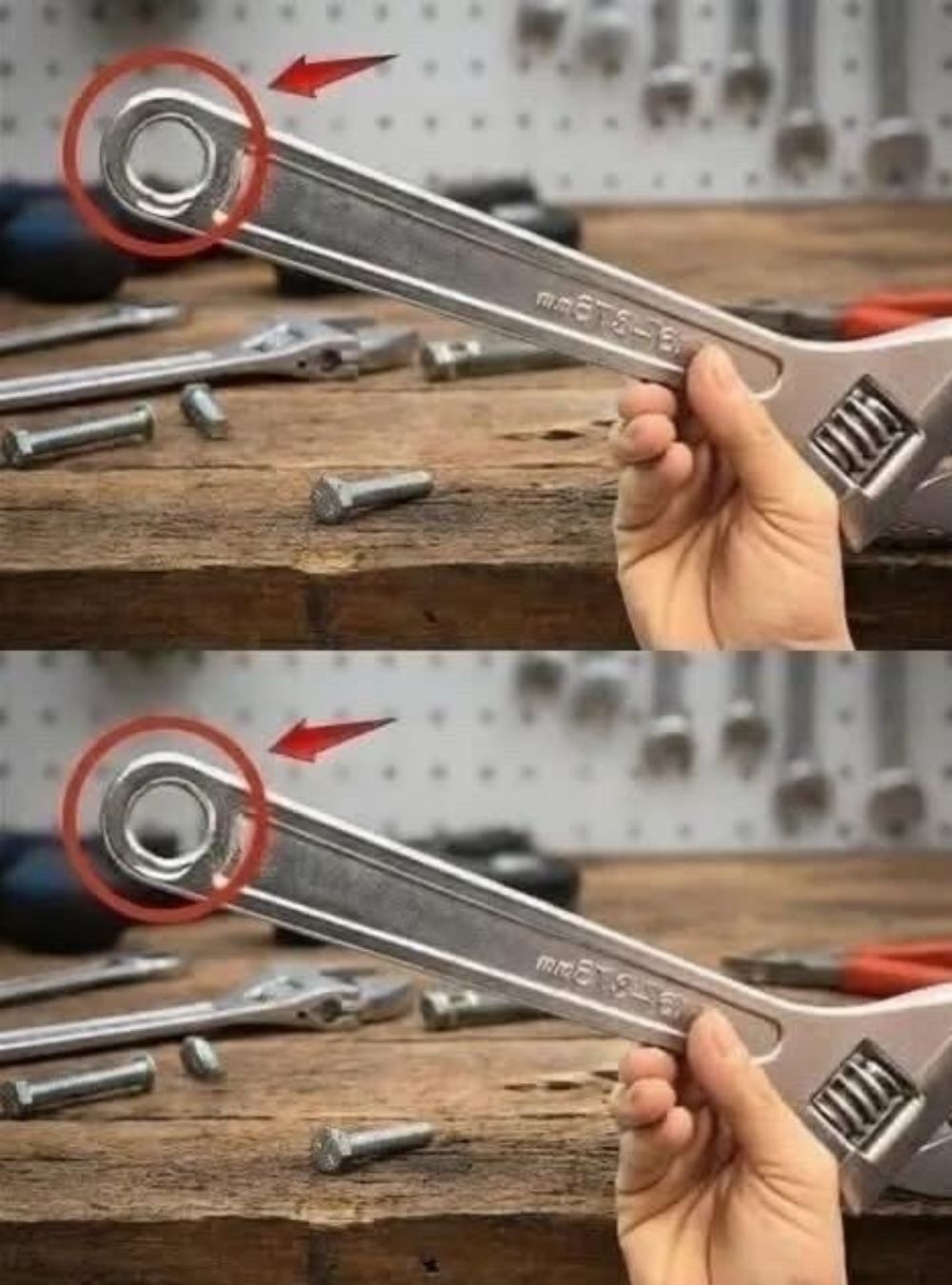
    Some of the most powerful improvements in everyday life don’t come from expensive gadgets or complicated systems. They come from things so simple that we overlook them entirely. When you see headlines hinting at a “hidden tool,” it’s rarely something exotic. More often, it’s a small, practical idea that quietly changes how smoothly life runs—once you actually notice it.

    We’re conditioned to believe progress has to be dramatic. New devices. New apps. Big transformations. But in reality, meaningful change often starts with something far more modest: a habit, a skill, or a simple object already within reach. Used consistently, these understated tools can improve focus, relationships, productivity, and even emotional well-being—without adding stress or cost.

    In many cases, this so-called “tool” isn’t something you buy. It’s something you practice.

    Small daily habits—like setting tiny, achievable goals or taking a few intentional breaths during a busy day—can create lasting momentum without burnout. Even brief moments of awareness can reduce stress and restore clarity. These approaches work precisely because they don’t demand perfection or overhaul your routine.

    Sometimes, the secret hides in plain sight among everyday objects. Kitchens and homes are full of tools designed for one purpose but capable of much more when used creatively. Simple items can save time, reduce effort, and make tasks feel lighter once you understand how to use them efficiently. Often, the difference isn’t the object itself—it’s knowing what it can really do.

    In other cases, the “tool” isn’t physical at all. It’s a skill so basic that people assume they already have it—yet few truly use it well. It doesn’t require training, money, or technology. It works everywhere: at home, at work, in friendships, and even with strangers. When practiced consistently, it improves trust, reduces conflict, and deepens connection almost instantly.

    And here’s the secret most people miss:

    The tool is active listening.