Breaking News

  • Most People Don’t Realize That the Small Metal Buttons on Their Jeans Serve a Practical Purpose Rooted in History, Durability, and Design, Originally Created to Reinforce Stress Points, Prevent Tearing, Extend the Life of Denim Workwear, and Quietly Shape One of the Most Iconic Fashion Items Worn Worldwide Today

    Most People Don’t Realize That the Small Metal Buttons on Their Jeans Serve a Practical Purpose Rooted in History, Durability, and Design, Originally Created to Reinforce Stress Points, Prevent Tearing, Extend the Life of Denim Workwear, and Quietly Shape One of the Most Iconic Fashion Items Worn Worldwide Today

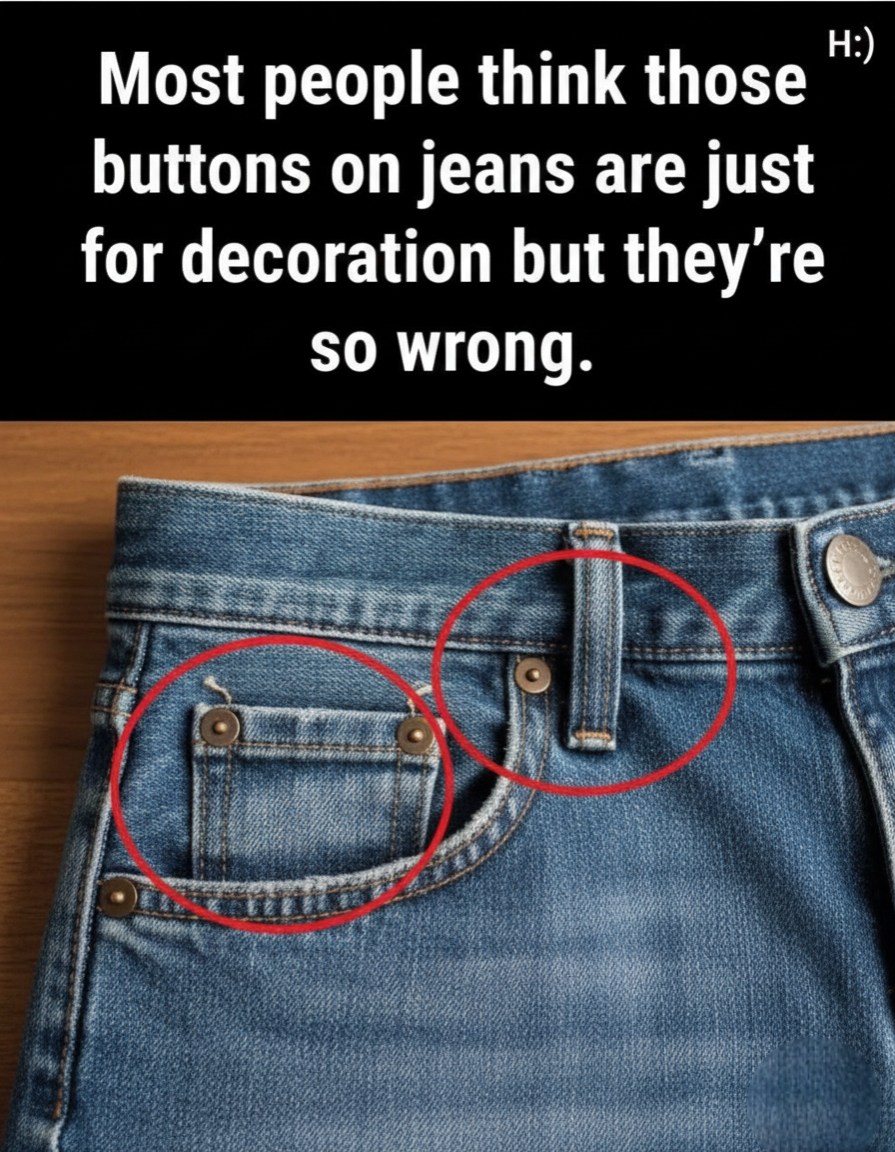
    Most people glance at their jeans without giving much thought to the small metal buttons scattered across pockets, waistbands, and fly areas. These seemingly minor details, often overlooked, are actually known as rivets, and they serve a critical purpose in the design, functionality, and longevity of denim garments. Rivets, typically made of copper, brass, or other corrosion-resistant metals, are strategically placed at high-stress points of the jeans where fabric is most likely to tear or fray. Without these small reinforcements, the pockets, seams, and fly could quickly develop holes from repeated use or strain, rendering even the sturdiest pair of jeans far less durable. While many assume rivets are purely decorative, their original purpose was deeply practical: to strengthen jeans and make them robust enough for the demanding work environments of the late 19th century. This combination of function and subtle design has contributed to the enduring popularity of denim, allowing it to transition seamlessly from rugged workwear to a global fashion staple. Beyond their practical role, rivets have become a symbol of authenticity in denim, signaling a garment made with attention to detail, heritage, and resilience, aspects that continue to resonate with both designers and consumers alike.

    The history of rivets is inseparable from the broader history of denim and 19th-century workwear. During the 1870s, jeans were primarily worn by miners, railroad workers, farmers, and laborers who needed clothing capable of withstanding extreme physical demands. Jacob Davis, a tailor working in Reno, Nevada, frequently received complaints from customers whose trousers tore at seams or pockets within months of purchase. Traditional stitching alone was insufficient to withstand the rigors of manual labor. Davis realized that a small, reinforced point at high-stress areas could prevent fabric from ripping and dramatically extend the life of a garment. To achieve this, he began placing small metal rivets at pocket corners, the top of the fly, and other vulnerable points. This seemingly simple solution revolutionized the durability of jeans and quickly gained popularity among working-class Americans. Recognizing the potential for mass production, Davis partnered with Levi Strauss, a dry goods merchant supplying denim fabric, and together they patented the riveted jean in 1873. This patent did not merely represent a technical innovation; it marked a significant moment in industrial design and clothing history, establishing a precedent for garments that combine practical durability with innovative construction techniques. The rivet patent was foundational to the identity of denim as a workwear fabric and set the stage for what would become a century-spanning cultural phenomenon.

    The engineering behind rivets, while deceptively simple, is highly effective. Fabric under tension experiences stress concentration at certain points, such as the corners of pockets or where seams intersect. Without reinforcement, the repeated strain from everyday movements—sitting, bending, or carrying objects in pockets—can cause threads to break and fabric to tear. Rivets function by distributing these localized forces over a slightly wider area, relieving pressure on individual fibers. Metals like copper and brass are ideal for this purpose because they are not only strong enough to secure fabric but also resistant to corrosion, oxidation, and wear. The placement of rivets is equally important: those positioned at pocket corners, near the top of the fly, and along belt loops address the areas most prone to damage. Over decades, real-world testing and observation have confirmed that riveted jeans consistently outperform those without, demonstrating that these tiny metal reinforcements are far more than decorative elements. They are, in effect, miniature solutions to complex problems of material fatigue and stress distribution, embedded seamlessly within everyday garments. This functionality, combined with the subtle visual impact of the metal, reflects a thoughtful approach to design that merges engineering, practicality, and aesthetic sensibility.

    As denim evolved from a workwear necessity into a mainstream fashion item in the 20th century, rivets retained their functional importance but also acquired symbolic and aesthetic significance. Fashion brands began experimenting with rivets’ placement, size, finish, and decorative qualities, adding embossed logos, colored metals, or unique shapes to differentiate their products. In high-end and luxury denim, rivets are often highlighted as markers of authenticity, craftsmanship, and quality, signaling to consumers that a garment is thoughtfully constructed and built to last. Conversely, some budget or mass-market brands opted to substitute reinforced stitching for metal rivets, which can offer a comparable level of durability but lacks the historical and visual resonance that rivets convey. Rivets thus occupy a dual role: they provide essential reinforcement while simultaneously acting as a symbol of heritage and attention to detail. The aesthetic appeal of rivets is subtle yet influential; they communicate a narrative of hard work, durability, and meticulous construction that connects contemporary fashion to the labor-intensive origins of denim. Even as jeans became a global style statement, worn in offices, social settings, and on runways, rivets served as quiet reminders of the garment’s roots and its enduring association with ingenuity and practicality.

    Beyond function and aesthetics, rivets carry deep cultural significance. Each rivet serves as a tangible link to the generations of laborers, tailors, and craftsmen who shaped the early history of denim. They represent innovation born out of necessity, reflecting a time when clothing had to meet the rigorous demands of physically intense work while enduring years of repeated wear. Denim enthusiasts, collectors, and historians often prize original riveted designs or faithful reproductions for their authenticity, viewing rivets as more than mere metal fixtures but as storytelling elements embedded in fabric. Observing a rivet can deepen one’s appreciation for the garment, highlighting the craftsmanship and thought invested into even the smallest components. The glint of a copper rivet, its tactile solidity, and its subtle reinforcement are reminders of a philosophy in design that values longevity, utility, and attention to detail. Rivets serve as an educational tool as well, teaching modern consumers about the intersection of material science, practical problem-solving, and cultural heritage in apparel. They demonstrate that even the most unassuming details in clothing can hold historical, technical, and symbolic weight.

    Today, rivets remain a defining feature of jeans worldwide, bridging the gap between their rugged past and their present as fashion icons. Modern denim manufacturers balance tradition with innovation, combining rivets with advanced stitching techniques, ergonomic designs, and sustainable fabrics to produce jeans that are both stylish and long-lasting. While some contemporary jeans incorporate minimalist or decorative approaches to rivets, the principle of reinforcement persists, preserving the essence of Jacob Davis and Levi Strauss’ 19th-century invention. Riveted jeans are not only a practical choice; they are an acknowledgment of a long-standing design innovation that has endured for over 150 years. From miners and railroad workers to urban commuters, students, and fashion enthusiasts, rivets continue to perform their original role while symbolizing craftsmanship, resilience, and authenticity. Appreciating these tiny metal components allows one to see jeans not merely as clothing, but as artifacts of industrial ingenuity, cultural history, and thoughtful design, reminding us that even the smallest details can have an outsized impact on functionality, style, and heritage.

    Over more than a century, the rivet has transitioned from a utilitarian necessity to a multi-layered symbol of durability, fashion, and cultural identity. Its presence in denim represents the marriage of practical engineering with aesthetic consideration, reflecting how human ingenuity can transform a simple garment into an enduring cultural artifact. Rivets embody lessons in design thinking, material science, and storytelling, illustrating that even the smallest elements can carry historical significance, convey meaning, and enhance utility. By distributing tension, reinforcing vulnerable areas, and subtly signaling authenticity, rivets have contributed to the global appeal of denim while connecting wearers to a narrative that spans generations. Understanding the history, mechanics, and symbolism of rivets deepens appreciation not only for jeans themselves but for the thoughtful innovation embedded in everyday objects. In essence, these tiny metal reinforcements demonstrate how practical necessity can evolve into cultural iconography, cementing denim’s place in fashion, history, and design consciousness for centuries to come.
  • Breast cancer: 4 early signs every woman should know.

    Breast cancer: 4 early signs every woman should know.

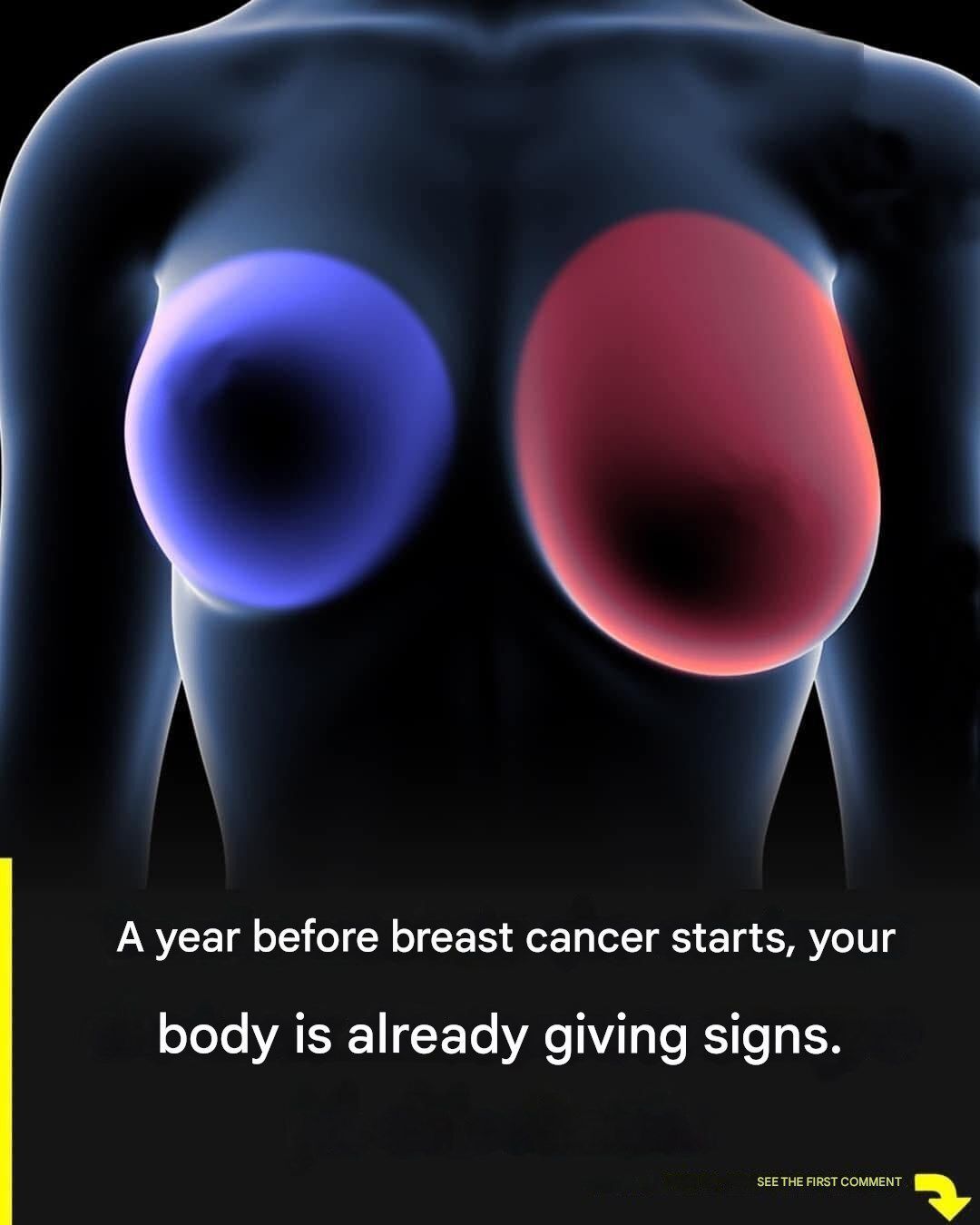
    These changes, although not always related to cancer, can indicate alterations in the mammary glands that deserve careful attention and proper medical evaluation. The body often sends subtle signals long before a serious condition develops, and learning to recognize these signals can make a meaningful difference in long term health outcomes.

    One important sign that should never be ignored is the presence of a lump or swelling in the armpit. The armpit contains lymph nodes that are part of the immune system. When the body fights an infection, these nodes may temporarily swell and then return to normal. However, a lump that remains for several weeks, continues to grow, or feels hard or fixed in place requires professional assessment. In some cases, abnormal cells from the breast can travel to nearby lymph nodes, making the armpit an early location where warning signs appear. Because this area is not always examined during routine self care, such changes can go unnoticed unless one is attentive.

    In addition to armpit changes, the breasts themselves may display several warning signs. These can include persistent pain in one area of the breast, noticeable thickening of the skin, changes in size or shape, nipple discharge that is not associated with breastfeeding, or the appearance of redness, dimpling, or skin texture resembling an orange peel. While many of these symptoms can be linked to benign conditions such as cysts or hormonal fluctuations, they should never be dismissed without evaluation.

    Only clinical and imaging tests can determine the true cause of these changes. Physical examinations, ultrasounds, mammograms, and when necessary, biopsies, allow doctors to identify whether a change is harmless or requires treatment. Early evaluation prevents unnecessary anxiety and ensures that any serious condition is addressed at the most manageable stage.

    Doctors strongly encourage monthly breast self exams as a powerful first line of detection. These exams help individuals become familiar with their own anatomy so that even minor changes are quickly recognized. The ideal time to perform a self exam is a few days after menstruation ends, when the breasts are least tender and swollen. For those who do not menstruate, choosing the same day each month helps establish consistency.

    Beginning at age forty, regular mammograms become an essential component of preventive care. Depending on individual risk factors such as family history, genetic predisposition, or previous breast conditions, physicians may recommend screening every one or two years. Mammograms can detect abnormalities long before they can be felt, making them one of the most effective tools for early diagnosis.

    The value of early detection cannot be overstated. When breast cancer is identified at an early stage, treatment options are broader, recovery rates are significantly higher, and the physical and emotional impact of treatment is often reduced. Many women who receive early diagnosis are able to return to full and healthy lives with minimal long term effects.

    Beyond medical screening, lifestyle choices also play a role in breast health. Maintaining a balanced diet, engaging in regular physical activity, limiting alcohol consumption, and managing stress all contribute to stronger immune function and hormonal balance. These factors support overall health and may reduce the risk of many chronic diseases.

    If you notice anything unusual, consult your doctor as soon as possible. No symptom is too small to mention when it comes to your health. Paying attention to your body, staying informed, and seeking timely medical care form the foundation of prevention and protection. Taking care of yourself today is one of the most important steps you can take toward a healthier, safer, and more confident future.

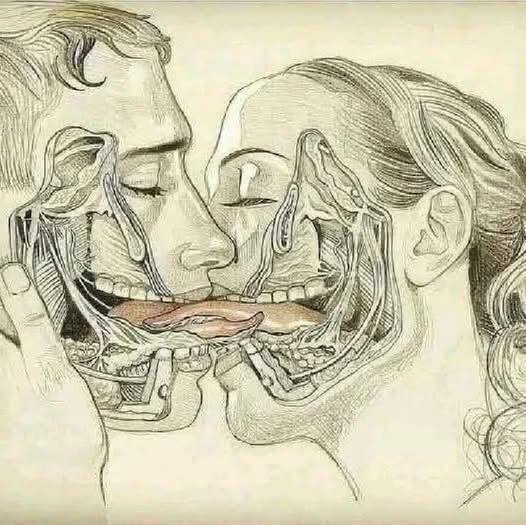
  • What It Means If Your Partner Kisses You More Often With Their Tongue

    What It Means If Your Partner Kisses You More Often With Their Tongue

    The Meaning Behind French Kissing

    Kissing isn’t just about lips meeting—it’s a language of its own. A quick peck can say, I care, but when tongue is involved, intimacy deepens. If your partner has started French kissing more often, it could reveal more than you think.

    1. Growing Closeness
    Tongue-kissing requires vulnerability. It’s messy and real, and when your partner initiates it, they may be saying: I trust you, I want us closer than ever.

    2. Rising Passion
    French kissing often signals heightened desire. It’s not just affection—it’s craving. These spontaneous kisses show attraction at its peak.

    3. Personality in Action
    The way they kiss reveals love style. Confident and assertive? They like to lead. Playful and teasing? They love fun. Slow and tender? They’re a romantic savoring the moment.

    4. Comfort and Security
    Sometimes it’s not just passion but comfort. Tongue can mean your partner feels safe enough to let go of inhibitions and be fully themselves.

    5. Emotional Awareness
    Do they mirror your rhythm and match your pace? That’s empathy in action. A kiss that feels like a duet signals deep emotional intelligence.

    6. Exploration and Curiosity
    French kissing can also mean they want to spice things up. It’s their way of keeping the relationship fresh, showing curiosity and a desire to keep discovering you.

    7. Confidence and Presence
    Bold tongue kisses often reflect assertiveness in life. Whether fiery or slow and mindful, these moments say: I’m here with you, fully present.

    Final Thought
    French kissing isn’t “just kissing.” It mirrors passion, comfort, and vulnerability. Each kiss is a reflection of your partner’s feelings—sometimes fiery, sometimes tender, but always meaningful.

  • The Biggest Difference Between First, Second, and Third Marriages

    The Biggest Difference Between First, Second, and Third Marriages

    Marriage, often described as one of life’s greatest adventures, tends to evolve with experience. The journey from a first to a second—or even a third—marriage reflects personal growth, changing priorities, and lessons learned along the way.

    First marriages are often filled with idealism and high expectations. Many couples enter them with dreams of a perfect life together, sometimes without fully understanding the realities of long-term commitment. When challenges arise, they can be difficult to navigate without the emotional tools that come from life experience.

    Second marriages usually come with more self-awareness. Individuals may approach these unions more cautiously but also more realistically. They often have a better understanding of what they need in a partner, what they can offer, and how to communicate effectively. Blended families, financial planning, and emotional baggage can present new complexities, but the maturity gained from previous relationships often helps.

    Third marriages are typically shaped by deep introspection. Those who remarry a third time may be more focused on companionship, emotional connection, and mutual support. Priorities shift even more, often toward peace, understanding, and shared values rather than traditional roles or expectations.

    Each marriage is unique and shaped by personal experiences. Whether it’s a first or third union, the key to success lies in communication, emotional growth, and the willingness to evolve together.

  • THE MOST POTENT HERB THAT DESTROYS PARASITES, URINARY TRACT

    THE MOST POTENT HERB THAT DESTROYS PARASITES, URINARY TRACT

    Oregano oil, derived from the fragrant leaves of the Origanum vulgare plant, has been used in natural medicine for hundreds of years. Ancient Greek and Roman physicians valued it for its cleansing and healing qualities, and over time, it became a trusted household remedy across many cultures. Modern research has confirmed much of what traditional healers observed long ago. This potent essential oil contains two primary compounds, carvacrol and thymol, which are largely responsible for its strong antimicrobial effects. Together, these substances give oregano oil its ability to fight bacteria, viruses, and fungi, making it a valuable tool for maintaining overall wellness.

    Antimicrobial and Antiparasitic Properties
    One of the most remarkable aspects of oregano oil is its broad antimicrobial power. Laboratory studies have shown that carvacrol and thymol can damage the outer membranes of harmful microorganisms, preventing them from multiplying or surviving. This action explains why oregano oil is often used as a natural remedy for infections of various kinds. Its potential goes beyond bacteria and viruses, extending into the realm of parasites. Research has revealed that oregano oil may help combat intestinal parasites such as giardia, pinworms, and certain types of roundworms. These organisms can interfere with digestion, cause fatigue, and block nutrient absorption. By helping cleanse the digestive tract, oregano oil can promote better nutrient uptake, reduce discomfort, and restore a sense of balance to the gut environment.

    Support for Digestive Health
    A healthy digestive system is crucial for maintaining energy and overall vitality. Oregano oil supports this by targeting harmful microbes that disrupt the natural bacterial balance of the intestines. When used properly, it can help reduce bloating, gas, and irregular bowel movements caused by bacterial overgrowth or mild infections. Some herbal practitioners also recommend it as part of a broader program to maintain gut health after travel, antibiotic use, or exposure to contaminated food or water. However, because the oil is very concentrated, it should never be taken directly without dilution. Even a few drops can have powerful effects, so guidance from a qualified professional is essential.

    Benefits for the Urinary Tract
    Beyond its benefits for digestion, oregano oil may also promote urinary tract health. The same antimicrobial compounds that make it effective against intestinal pathogens can help discourage the growth of bacteria that cause urinary tract infections. For people who experience recurrent infections, small amounts of properly diluted oregano oil may serve as a preventive measure under professional supervision. By reducing bacterial presence, it may lessen irritation and discomfort in the urinary system, offering a gentle but effective natural approach to support urinary wellness.

    Precautions and Safe Use
    Despite its many benefits, oregano oil must be used responsibly. Because it is extremely concentrated, it can cause skin irritation, stomach upset, or burning sensations if applied or consumed incorrectly. It should always be diluted in a carrier oil, such as olive or coconut oil, before being used on the skin. When taken internally, it should be mixed with water, honey, or another suitable carrier in very small amounts. Individuals with allergies to plants in the mint family should exercise extra caution. Pregnant or breastfeeding women, as well as people taking medications for chronic conditions, should not use oregano oil without medical advice. Overuse can disrupt the natural balance of beneficial bacteria in the gut and may irritate mucous membranes.

    Consulting a Professional
    Because each person’s body responds differently to essential oils, consulting a healthcare provider before beginning any new supplement routine is crucial. A professional can suggest safe dosage levels, evaluate possible interactions with medications, and determine whether oregano oil is suitable for your specific health needs.

    Conclusion
    Oregano oil is one of nature’s most potent antimicrobial agents, and its traditional uses are now supported by growing scientific evidence. When used correctly and in moderation, it can enhance digestive function, support urinary health, and strengthen the body’s natural defenses against harmful microorganisms. As with any strong natural remedy, respect for its potency and careful guidance from a qualified practitioner will ensure that its benefits are enjoyed safely. Through mindful and informed use, oregano oil can serve as a valuable ally in maintaining long-term health and balance.

  • Many women recognize the importanc !

    Many women recognize the importanc !

    Many women understand how important regular gynecological checkups are, yet many still delay them for a long time. The reason is often discomfort, embarrassment, or simply not knowing what to expect. Even when women know these appointments protect their long term health, the idea of undressing in a clinical room can feel awkward. This reaction is very common. It does not mean someone is weak or overly sensitive. It simply shows that the experience feels personal.

    Feeling nervous before an exam is completely normal. A gynecological visit requires a level of physical closeness that most people do not experience in everyday life. Because of this, it is natural for emotions to rise before or during the appointment. However, these visits play a very important role in protecting health. Gynecological exams help identify infections, hormonal issues, and early signs of conditions like cervical cancer or ovarian cancer. When these problems are caught early, treatment is easier and far more effective. Keeping this in mind can help shift the focus from discomfort to long term well being.

    It also helps to remember that gynecologists are highly trained medical professionals. They perform these exams every day, and they approach each patient with clinical focus and respect. Their job is to care for your health. They are not looking at your physical appearance, your body shape, or your grooming habits. Concerns about body image, shaving, or personal presentation matter much less than most people fear. In a medical environment, the priority is always health, not appearance.

    Maintaining a balanced perspective can ease a lot of anxiety. When you remind yourself that your doctor’s only goal is your well being, embarrassment often becomes easier to manage. Speaking openly with your doctor helps too. If something causes discomfort, you are always allowed to say so. Asking questions, expressing concerns, and communicating clearly can transform the entire experience into something calmer and more reassuring. Deep breathing and grounding techniques can also reduce nervousness.

    Some women feel more confident when they arrive at the appointment feeling clean. Taking a shower before the visit may offer a sense of freshness and control. This is for your own comfort rather than for the doctor. Medical professionals do not expect perfection. They understand that bodies look and function in many different ways. What matters most is your health, not meeting an imagined standard.

    Gynecological visits are an essential form of preventive care. Regular appointments allow women to monitor their reproductive health, understand their bodies better, and seek help before any issue becomes serious. These visits support long term wellness by offering guidance on contraception, fertility, menstrual health, and many other topics. They also offer a safe space to discuss symptoms that may feel too personal to share with others.

    Building trust with a healthcare provider makes a big difference. When you see the same doctor regularly, the environment becomes familiar, and each visit feels less intimidating. Over time, many women find that these appointments become another normal part of caring for themselves, similar to dental checkups or annual physical exams. Through consistency, communication, and self compassion, the experience becomes easier.

    Regular gynecological care is a powerful act of self respect. By prioritizing these visits, women take charge of their health and protect their bodies for the future.

  • Marry the girl who doesnt know what this is!

    Marry the girl who doesnt know what this is!

    I bought the bag because it reminded me of my mother. The leather was classic, soft yet structured, the kind she used to carry to church on Sundays. It had that faint lilac scent she favored, a mix of perfume and time. The stitching was fine, the clasp still strong, and the shape elegant in a way that belonged to another decade. I told myself it was a lucky find, something that carried quiet history.

    Later that evening, when I reached into the side pocket, my fingers brushed against something cool and smooth. It felt out of place, neither coin nor key. Under the kitchen light, I pulled it out and turned it in my palm. It was a small crescent, pale and soft, with an unused adhesive strip along one side. No brand name. No label. Nothing to explain its purpose. It looked harmless at first glance, yet something about it made me uneasy. It was too clean, too deliberate, as if meant to touch the body.

    The next day, I brought it to work and showed it to my coworkers. Guesses flew around the break room. One thought it might be a wrist rest for a computer mouse. Another said it looked like a bra insert. Someone else guessed an orthopedic pad. None of the ideas felt right. The object was too refined, almost clinical, as if designed for a single, exact purpose that no one could quite name.

    That evening I examined it again. Under a magnifying light, I saw faint pressure marks along the edges, like traces of something once pressed against it many times. I searched online, scrolling through endless product photos. After half an hour, I found something close: comfort inserts for luxury heels. The shape matched, but the texture seemed off. The one in my hand felt too precise, too perfectly molded, almost custom-made.

    My curiosity grew. I took it to a small boutique downtown, a place that specialized in repairing designer shoes. The owner was an older woman with sharp eyes. When she saw the insert, her expression changed. She did not touch it right away. Instead, she asked quietly where I had found it. When I told her it came from a thrift-store bag, she went still. After a long pause, she said, “These are not sold in stores. They are custom-fitted to designer heels, usually for models or presenters. They always come in pairs.”

    That night, I emptied the bag completely for the first time. Hidden inside a tiny zippered pocket was a folded note. The paper was creased, the ink slightly smudged, but the words were clear. “Meet me where we last stood. Bring the other one.” My stomach turned cold as I read it again.

    A few days later, while walking to the grocery store, I passed a telephone pole covered in flyers. One of them stopped me. It showed a young woman with sharp features and dark hair. The name below read Veronica Hale. Missing for two weeks. The notice said she had last been seen leaving a fashion event wearing designer heels. According to the small print, her handbag had been mistakenly donated after she disappeared.

    Back home, I looked again at the insert. Along the edge, almost invisible, were tiny engraved letters: V.H. 02. I placed it gently back in the bag. That night, I returned the bag to the thrift store and left it on the counter without a word.

    When I came back the next morning, the bag was gone.

    Some things are found only once, and some stories are better left unfinished.
    Interesting For You

  • Does your shoulder ache for no clear reason? The answer might go deeper than muscles and joints.

    Does your shoulder ache for no clear reason? The answer might go deeper than muscles and joints.

    The body is far more than a mechanical structure. It quietly records emotions, stress, and unspoken thoughts. When feelings are pushed aside or ignored for too long, the body often finds another way to speak. Pain becomes a message—one that asks for attention when words are no longer enough.

    Shoulder pain is especially common, and emotionally loaded. On a symbolic level, the shoulders represent responsibility, pressure, and the weight of expectations. This is where invisible burdens tend to settle, particularly for people who feel they must always be strong, dependable, or in control—at work, at home, or in relationships.

    Physically, the shoulders help us reach, act, defend, and carry. Emotionally, they reflect how much we believe we have to handle on our own. When responsibilities accumulate and support feels distant or unavailable, tension builds. Holding everything together, struggling to ask for help, or feeling unable to let go often shows up as stiffness, soreness, or chronic discomfort in this area.

    Posture tells its own story. Constantly raised shoulders can signal anxiety or pressure. Rounded shoulders may reflect sadness, emotional fatigue, or a sense of defeat. Over time, these unconscious positions lock emotional stress into the body, creating a cycle where mental strain feeds physical pain—and physical pain reinforces emotional exhaustion.

    Certain emotional patterns are frequently linked to shoulder pain: taking on too much responsibility, persistent guilt, fear of disappointing others, perfectionism, or the belief that rest must be earned. The body doesn’t forget these patterns. It stores them.

    There’s also an emotional distinction between sides. Discomfort in the right shoulder is often associated with action, performance, work, and obligations toward the outside world. Pain in the left shoulder tends to connect more with emotions, family matters, old wounds, and unresolved experiences from the past.

    True relief often begins with awareness. Slowing down, acknowledging emotions, setting boundaries, and allowing yourself to receive support can soften the physical tension. Gentle movement, breathing, stretching, and moments of emotional honesty all help release what the shoulders have been carrying in silence.

    Medical evaluation is always important for ongoing pain—but healing becomes deeper and more lasting when physical care is paired with emotional understanding. Sometimes, your shoulders aren’t just tired.

  • If You Ever Notice Someone Wearing These Shoes, Here’s What It Actually Means

    If You Ever Notice Someone Wearing These Shoes, Here’s What It Actually Means

    At first glance, they look like ordinary sneakers—modern, clean, nothing unusual. But these shoes carry a powerful purpose that most people don’t recognize right away.

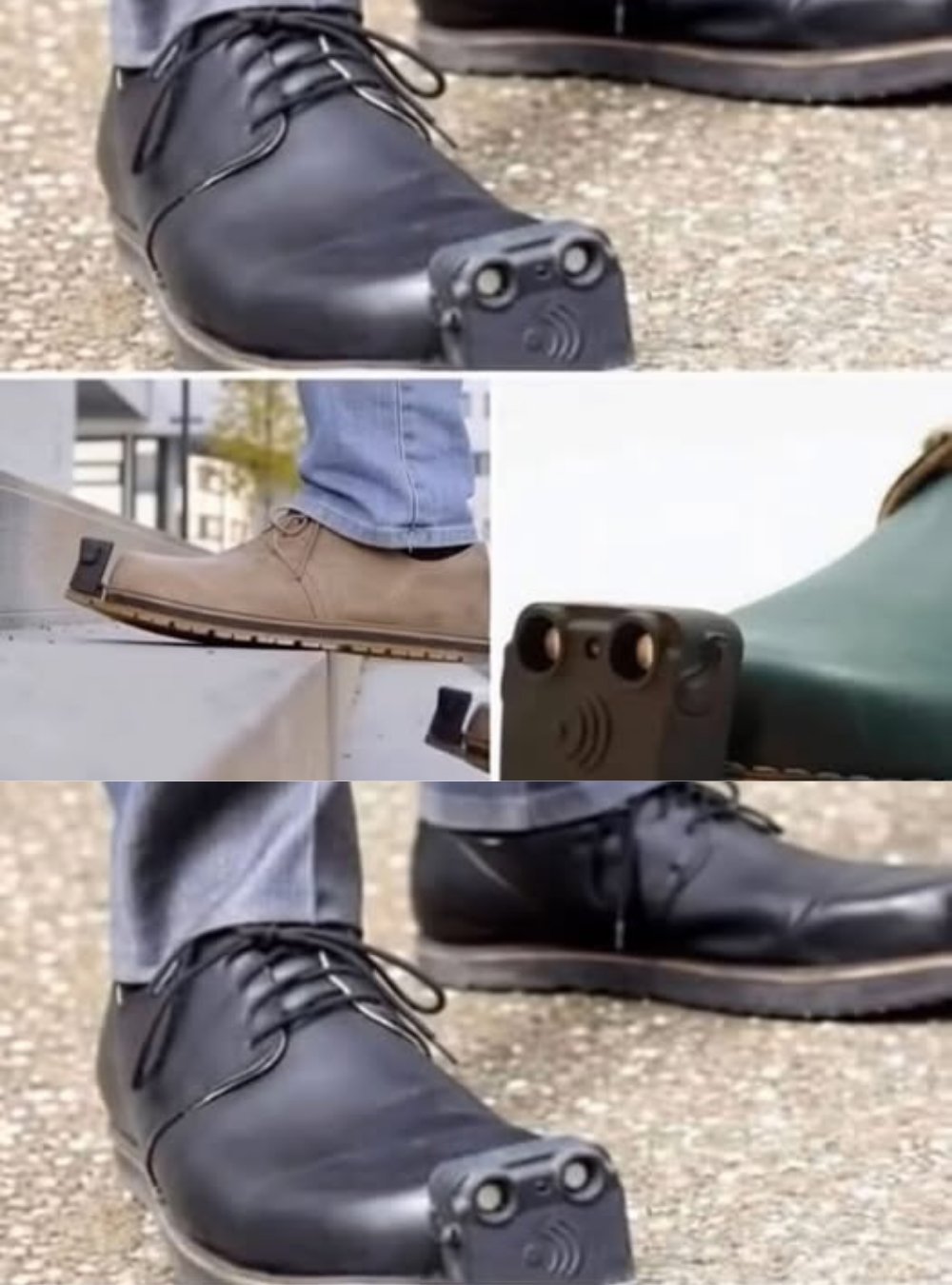
    They are InnoMake smart shoes, designed to help people who are visually impaired move through the world more safely and independently.
    Hidden inside the toe of the shoe is a small ultrasonic sensor. As the wearer walks, the sensor scans the space ahead—detecting obstacles such as walls, steps, curbs, poles, or even moving vehicles from several meters away. When something is detected, the shoes alert the wearer through gentle vibrations or sound signals, allowing them to react in real time.

    Many describe the system as a “parking sensor for humans.” It doesn’t replace a white cane or guide dog, but it adds an extra layer of awareness—especially for obstacles at chest or head height that traditional aids may miss.The idea was developed in Austria by Tec-Innovation in collaboration with Graz University of Technology, and it was co-created by Markus Raffer, who is visually impaired himself. His lived experience shaped the design, ensuring the technology is practical, discreet, and respectful.

    The sensor can be built directly into the shoe or attached to existing footwear. It’s waterproof, lightweight, and designed for everyday use. Newer versions are exploring AI and camera-based mapping to provide even more detailed environmental awareness.

    So if you ever notice someone wearing these shoes, it doesn’t mean danger is nearby—it means someone is using smart technology to navigate the world with confidence.

    They’re more than shoes.
    They’re a quiet symbol of independence, inclusion, and how thoughtful innovation can change lives—one step at a time.

  • The Surprising Purpose of the Little Bow on Women’s Undergarments

    The Surprising Purpose of the Little Bow on Women’s Undergarments

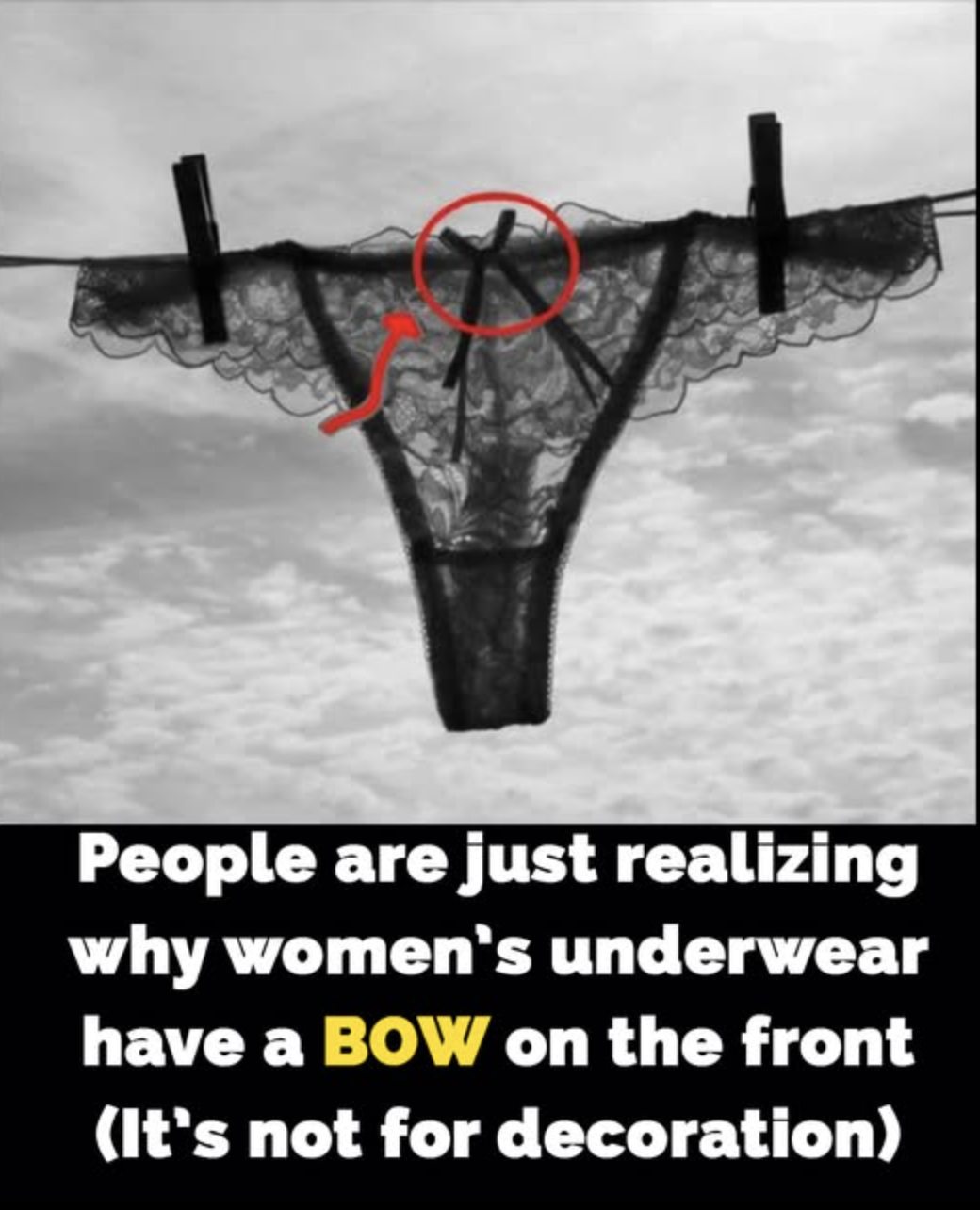
    Have you ever spotted the tiny bow stitched onto the front of women’s underwear and wondered why it’s there? At first glance, it appears to be nothing more than a sweet decorative touch. Many assume it was added simply to make lingerie look softer or more feminine. Yet that small ribbon detail actually traces back to a time when clothing functioned very differently from what we know today.

    Centuries ago, before elastic waistbands were invented, undergarments had to be secured with ribbons or drawstrings. Early versions of women’s “drawers” were often made in two separate pieces and fastened together at the waist. The fastening typically sat at the front, where it could be easily tied and adjusted. The loose ends were then formed into a bow to keep the knot tidy and prevent it from unraveling.

    The bow was not merely ornamental — it served a practical purpose. By covering the knot, it reduced bulk beneath outer clothing and gave the garment a neater appearance. In an era when craftsmanship and presentation mattered, even hidden layers were expected to look refined. What seems decorative now was once an essential finishing touch.

    Lighting conditions also played a surprising role in the bow’s usefulness. Before electricity became common in homes, people often dressed by candlelight, oil lamps, or faint early-morning light. In dim settings, it could be difficult to quickly tell the front of a garment from the back. The small bow provided a simple tactile clue, allowing wearers to identify the correct side without relying on sight.

    As textile technology advanced in the late 19th and early 20th centuries, elastic gradually replaced drawstrings. Waistbands became stretchable, and undergarments no longer required front ties. Despite this shift, the bow did not disappear. Instead, it remained as a subtle nod to the garment’s earlier construction.

    Over time, the function of the bow faded while its symbolism grew. Designers embraced it as a marker of delicacy and tradition. The detail began to represent classic lingerie styling — something soft, graceful, and timeless. What once secured fabric in place evolved into a visual signature associated with femininity and charm.

    Today, opinions about the tiny bow vary. Some people appreciate it as a nostalgic detail that connects modern fashion to its historical roots. Others see it as unnecessary and remove it for a sleeker look. Still, many are surprised to learn that such a small accent carries a practical origin story rather than being purely decorative.

    Ultimately, the bow on women’s underwear is a reminder that fashion often preserves fragments of the past. Garments change as technology and lifestyles evolve, but certain details linger long after their original purpose fades. That modest ribbon is more than a cute embellishment — it is a quiet piece of clothing history, stitched into everyday life.