Breaking News

  • An Unexpected Way to Improve Your Home Internet Performance

    An Unexpected Way to Improve Your Home Internet Performance

    Improving your Wi-Fi signal does not always require expensive upgrades or technical expertise. Surprisingly, one of the simplest ways to enhance your internet performance may already be sitting in your kitchen drawer: aluminum foil. Although it might sound unconventional, this technique is grounded in the science of how wireless signals travel and interact with surfaces inside your home.

    Wi-Fi routers broadcast signals in every direction, sending waves through walls, ceilings, and even outside your house. While this wide coverage can be useful, it often means that signal strength is wasted in areas where you do not need connectivity. As a result, rooms where strong internet access is essential—such as a home office or living room—may receive weaker performance.

    Aluminum foil can act as a reflective surface for wireless signals. When positioned correctly, it helps redirect radio waves toward specific areas rather than allowing them to disperse randomly. By guiding the signal in a preferred direction, you can improve coverage where it matters most.

    This concept works because Wi-Fi signals are a type of electromagnetic wave. Like light, these waves can bounce off certain materials, including metal surfaces. Aluminum, being highly conductive, reflects the signal instead of absorbing it, helping concentrate the broadcast path.

    Research supports this approach. Engineers at Dartmouth College experimented with shaping Wi-Fi coverage using reflective surfaces backed with aluminum. Their findings showed that signal strength could increase significantly in targeted spaces while reducing unnecessary spread in other directions.

    In some cases, researchers observed improvements of up to 50 percent in selected areas. At the same time, signal leakage into unwanted spaces dropped considerably. Beyond improving performance, this focused distribution may also slightly reduce the chances of your network signal extending far outside your home.

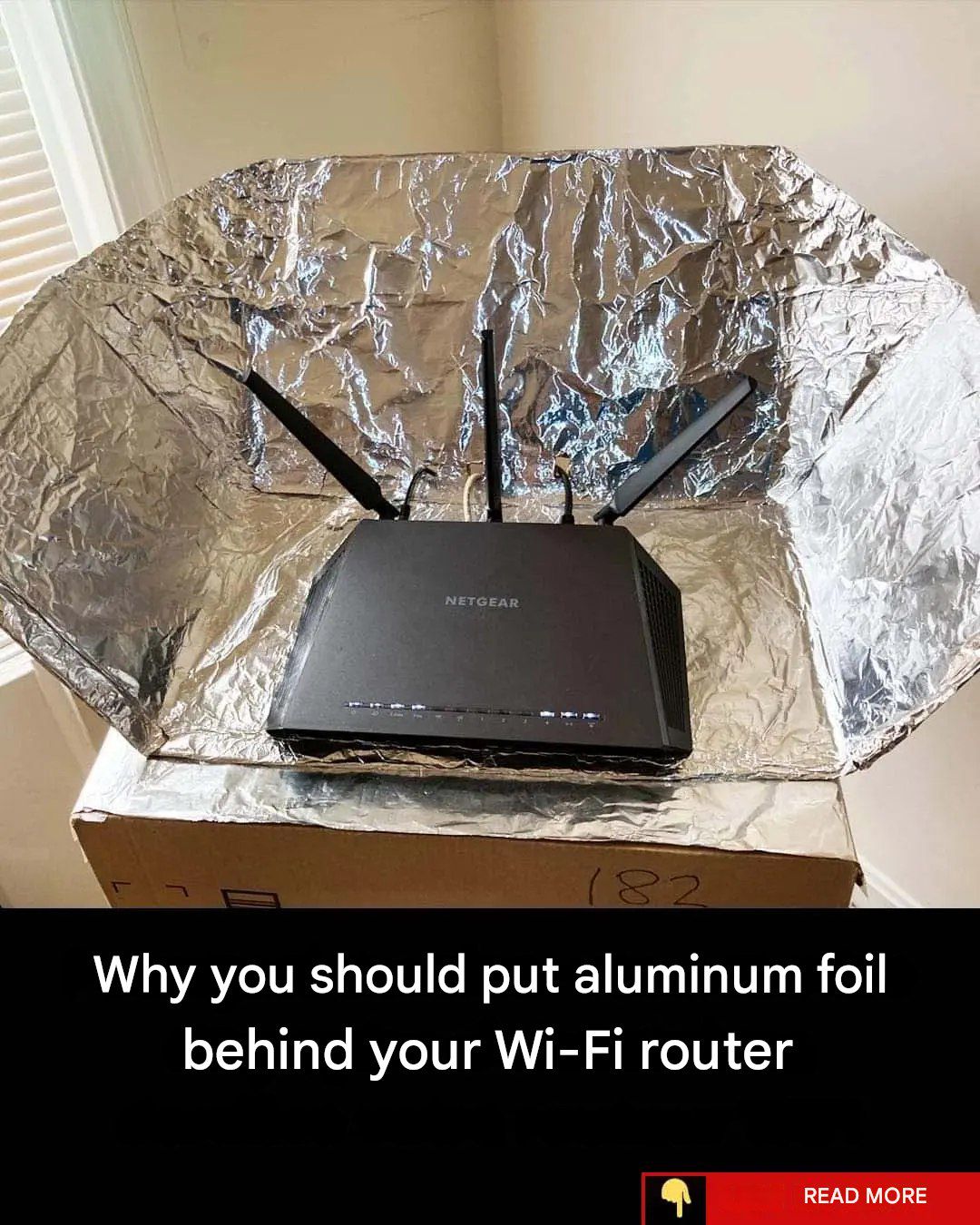
    Trying this method is straightforward. Place a sheet of aluminum foil behind your router, curving it slightly to direct the signal toward the room where stronger coverage is needed. Be careful not to block ventilation openings or interfere with external antennas, as proper airflow and positioning remain important.

    While this simple trick will not replace advanced mesh systems or high-powered routers, it can provide a noticeable boost at virtually no cost. With thoughtful placement and a small adjustment, aluminum foil can serve as a practical and budget-friendly way to make your existing Wi-Fi setup more efficient.

  • Making Weight Loss Permanent with a WFPB Diet

    Making Weight Loss Permanent with a WFPB Diet

    After years of being obese and yo-yo dieting, Sam Tyler was finally able to regain his health and lose 95 lbs and keep it off with a whole-food, plant-based (WFPB) diet.

    In November 2017, I made a firm decision to reclaim my health for good. That morning marked a turning point in my life, as I committed to transforming my habits and embracing a new way of living. I knew lasting change would require dedication, but I was ready to take full responsibility for my well-being.

    I immediately adopted a fully plant-based diet, choosing to fuel my body with whole, minimally processed foods. This shift was not a temporary experiment but a deliberate, long-term lifestyle change. I focused on nourishing meals built around vegetables, fruits, legumes, whole grains, and other plant foods.

    Around the same time, from late 2017 through the spring of 2018, I had the opportunity to participate in a clinical study centered on plant-based nutrition. The program was sponsored by Physicians Committee for Responsible Medicine and led by Dr. Neal Barnard in Washington, D.C. Being part of a structured research study gave me both accountability and education.

    The study examined how a low-fat vegan diet could influence weight loss, metabolic health, and gut function. Throughout the 16-week program, I learned practical strategies for planning balanced meals and maintaining consistency. The guidance I received helped me understand how to follow a plant-based diet in a healthy and sustainable way.

    By the end of the study, I had lost 34 pounds. That initial success motivated me to continue pushing forward. The physical changes were encouraging, but the improvements in my energy and confidence were just as meaningful.

    Two years later, I remained fully committed to this plant-based lifestyle. What began as a health experiment had become a permanent way of living. Over time, my total weight loss reached 95 pounds, a milestone I once thought was impossible.

    The health benefits extended far beyond the number on the scale. My blood pressure returned to a normal range, and my prediabetes was completely reversed. I regained stamina, strength, and the ability to enjoy physical activity again without limitations.

    Today, I continue building on this foundation of wellness. I have completed multiple marathons, including my second race in November 2019, and I feel stronger than ever. This transformation is not the end of my journey—it is the beginning of a lifelong commitment to health and vitality.

  • “The 10 Things You Should Never Store on Your Kitchen Countertops — And Why So Many People Still Make These Common Mistakes That Invite Germs, Clutter, and Hidden Safety Hazards Into Their Homes Without Realizing It, According to Cleaning Experts and Professional Organizers Who Swear by These Simple Space-Saving Fixes.”

    “The 10 Things You Should Never Store on Your Kitchen Countertops — And Why So Many People Still Make These Common Mistakes That Invite Germs, Clutter, and Hidden Safety Hazards Into Their Homes Without Realizing It, According to Cleaning Experts and Professional Organizers Who Swear by These Simple Space-Saving Fixes.”

    A clean, organized kitchen isn’t just about appearances. It’s about functionality, hygiene, and peace of mind. The kitchen is where you nourish yourself and your family — but it’s also one of the easiest places in the house to let chaos creep in.

    Counters, in particular, are magnets for clutter. We stack mail, leave out gadgets, line up jars and bottles, and before long, the space where meals should come together becomes a storage zone instead of a workspace. The result? Slower cooking, more cleaning, and higher stress every time you walk in.

    Experts agree that the key to a kitchen that feels calm and efficient isn’t just design — it’s habit. And one of the most transformative habits you can develop is clearing your counters of the items that don’t belong there.

    Here are ten things you should never store on your kitchen countertops — and what to do instead.
    1. Bread and Baked Goods

    It might seem harmless — that bag of bagels or loaf of bread tucked into a corner, waiting for the next breakfast. But bread is one of the fastest foods to attract mold and pests when left out. Warm kitchens and ambient humidity create ideal breeding conditions for bacteria.

    Leaving pastries or baked goods exposed also invites ants, fruit flies, and even mice in older homes. Within a few days, that croissant you were saving for tomorrow can become a science experiment.

    What to do instead:
    Store bread and baked items in airtight containers, or better yet, freeze them. Slice bread before freezing so you can grab a piece or two at a time. It keeps flavor intact and prevents waste. A breadbox can work too — but only if it’s in a cool, dry spot.

    2. Cooking Oils

    Olive oil bottles by the stove might look Pinterest-perfect, but that convenience comes at a cost. Exposure to heat and light causes oils to oxidize, turning them rancid faster. You might not notice immediately, but that bitter aftertaste or dull aroma creeping into your cooking is a sure sign of spoilage.

    Oxidized oil not only tastes bad — it can lose its health benefits and even produce compounds linked to inflammation.

    What to do instead:
    Keep oils in dark, glass containers in a cool cabinet away from the stove. If you use oil frequently, pour small amounts into a smaller, opaque dispenser for daily cooking and store the rest properly sealed.

    3. Spices and Seasonings

    Colorful spice racks add charm to a kitchen — until you realize heat and sunlight destroy flavor compounds. Ground spices, in particular, degrade within months when exposed to open air. That means your curry powder, chili flakes, and cinnamon might look fine but taste like nothing.

    The temperature fluctuations near the stove or oven also encourage clumping and moisture absorption.

    What to do instead:
    Store spices in a drawer or pantry away from heat. Use small glass jars with tight lids and label them clearly. Bonus: by keeping them organized and out of sight, you’ll free up precious counter space while keeping flavors fresher longer.

    4. Knives Without Proper Storage

    Many households leave knives scattered across countertops or resting near the sink after washing. Aside from the obvious safety hazard, this also dulls blades and invites bacteria to grow in microscopic nicks along the metal.

    A dull or dirty knife isn’t just annoying — it’s dangerous. Studies show that dull blades cause more kitchen injuries than sharp ones because they require more force to cut.

    What to do instead:
    Use a magnetic wall strip to hang knives safely, or invest in a wooden knife block that protects the edges. Make sure blades are completely dry before storing. It keeps them sharper, cleaner, and ready for use.

    5. Small Appliances You Rarely Use

    Toasters, blenders, and air fryers are modern marvels — but do they really need to live on your countertop year-round? Each item you leave out eats valuable space, collects grease and dust, and visually clutters your kitchen.

    “People confuse access with convenience,” explains home organizer Lisa Tran. “If you only use something once a week, that doesn’t make it essential. It’s just visual noise.”

    What to do instead:
    Keep only your true daily essentials — like a coffee maker or kettle — in sight. Store the rest on lower shelves, inside cabinets, or on pull-out carts you can roll out when needed. Not only will cleanup be easier, but your kitchen will instantly feel calmer.

    6. Mail, Keys, and Random Junk

    The kitchen often becomes a drop zone for life’s daily debris. Bills, spare change, sunglasses, and grocery lists seem to pile up on every available surface. Before long, you’re cooking dinner next to yesterday’s receipts.

    Cluttered counters subconsciously increase stress levels and make cleaning far harder.

    What to do instead:
    Create a designated catch-all space near the entrance — a small tray, a wall-mounted organizer, or a decorative basket. Make it a rule: nothing non-kitchen stays on the counters. You’ll be amazed at how much lighter your kitchen feels when it’s free of unrelated clutter.

    7. Cleaning Supplies

    Many people keep sponges, sprays, and dish soap on the counter for easy access. The problem is, those same items are breeding grounds for bacteria. Sponges, in particular, can harbor E. coli and Salmonella if they stay damp — spreading germs every time you wipe.

    “People don’t realize that a sponge can have more bacteria than a toilet seat,” says microbiologist Dr. Hannah Ellis. “Moisture plus food residue equals a perfect petri dish.”

    What to do instead:
    Keep cleaning supplies under the sink or in a pull-out drawer. Use a sponge holder that drains completely, or switch to quick-drying scrub brushes. Replace sponges weekly and disinfect them daily with boiling water or vinegar.

    8. Fresh Produce

    A bowl of fruit might look picturesque, but not every fruit belongs there. Bananas, tomatoes, and onions do fine at room temperature — but most others, including apples, oranges, and berries, last significantly longer when refrigerated.

    When left on the counter, many fruits release ethylene gas, which speeds up ripening (and rotting) in everything nearby. This can lead to fruit flies, gnats, and a subtle sour smell that never quite leaves.

    What to do instead:
    Designate one counter fruit bowl for items that prefer room temperature — like bananas or avocados — and refrigerate the rest. Store berries in breathable containers lined with paper towels to absorb excess moisture.

    9. Plastic Containers and Dish Racks

    After washing dishes, many people leave the drying rack or a stack of plastic containers sitting out “just in case.” But open containers and racks quickly collect airborne grease, dust, and crumbs.

    Beyond hygiene, this habit makes your kitchen look perpetually unfinished — like the chores never end.

    What to do instead:
    Once dishes are dry, store them immediately. Collapse foldable racks and tuck them under the sink or in a cabinet. If you hand-wash regularly, use a microfiber drying mat that can be rolled up and put away. Your counters will look instantly bigger and cleaner.

    10. Electronics and Chargers

    Phones, tablets, and laptops seem harmless on the counter — until you splash water or food on them. Grease, steam, and crumbs can easily infiltrate charging ports and speakers. Plus, electronics near outlets and stovetops increase the risk of short-circuits or fire.

    It’s not just about risk; it’s about distraction. The kitchen should be a space to connect with food, family, or quiet — not notifications.

    What to do instead:
    Set up a designated charging station in another room. If you need a recipe, print it or use a waterproof stand for your tablet. Keep your kitchen for cooking, not scrolling.

    Why We Keep Doing It

    If we know clutter is bad, why do we keep crowding our counters?

    The short answer: convenience. It feels easier to leave things out than to put them away — especially after a long day. There’s also a psychological factor: we mistake visible items for accessibility. “If I can see it, I’ll remember to use it,” we think.

    But psychologists studying home organization say the opposite is true. Visible clutter increases cognitive load — your brain has to process every item in view, even subconsciously. That means more fatigue, less focus, and lower motivation to clean.

    “When your counters are clear, your mind feels clear,” says home environment researcher Dr. Emily Vazquez. “It signals calm and control, two emotions that directly lower stress hormones.”

    The Hidden Hygiene Factor

    There’s another reason to simplify your surfaces: cleanliness. Kitchen countertops are among the most contaminated areas in the average household, often harboring more bacteria than bathroom sinks. Every time you prepare food, wash dishes, or open groceries, invisible particles spread across the surface.

    When the counter is cluttered, cleaning becomes half-effective — crumbs and spills hide beneath appliances and papers. Over time, that unseen grime turns into odors and microbial growth.

    A study by NSF International found that 32% of kitchen counters tested positive for coliform bacteria. The cleanest counters belonged to households that stored minimal items on them and sanitized daily.

    The Ripple Effect of a Clear Counter

    Something almost magical happens when you clear your counters. Cooking feels easier. Cleaning takes less time. Guests walk in and comment on how “peaceful” your kitchen looks.

    Decluttering even changes behavior. People who tidy their kitchen counters tend to:

    Cook at home more often (because the space feels inviting)

    Waste less food (because they can see what they have)

    Clean more consistently (because it’s faster and simpler)

    It’s not about perfection — it’s about permission. A clean surface gives you permission to breathe, to focus, and to enjoy the simple act of preparing a meal.

    How to Start — One Step at a Time

    Clear everything. Take every item off your counters, even the “essentials.”

    Wipe down completely. Sanitizing a truly empty surface resets your sense of space.

    Add back only what you use daily. Coffee maker? Fine. Air fryer used twice a week? Store it.

    Create zones. A prep zone, a cooking zone, a cleanup zone — nothing else.

    Revisit weekly. Clutter creeps back quietly. A 5-minute reset keeps it away.

    The Bottom Line

    A tidy kitchen isn’t about minimalism for its own sake. It’s about harmony. The more open your counters, the more room you have — not just to cook, but to breathe.

    Every time you walk into your kitchen, ask yourself: Do I really need this here?

    Each unnecessary item you remove gives back a little space, a little clarity, and a little calm. In a world where every moment feels crowded — digital, mental, physical — a clear countertop might just be the simplest luxury you can give yourself.

    Because a clutter-free kitchen isn’t only beautiful. It’s the heart of a healthier, happier home.

  • Before You Donate Old Nightgowns, Try This Simple Drawer Trick That Turns Them Into Beautiful Storage Pouches Every Woman Over 60 Will Wish She Knew Years Ago—A Cozy, Practical Idea That Brings Back Memories and Makes Any Bedroom Feel Organized Again

    Before You Donate Old Nightgowns, Try This Simple Drawer Trick That Turns Them Into Beautiful Storage Pouches Every Woman Over 60 Will Wish She Knew Years Ago—A Cozy, Practical Idea That Brings Back Memories and Makes Any Bedroom Feel Organized Again

    There is something about opening a drawer and seeing it perfectly organized that brings a quiet kind of peace. It is not loud or dramatic. It does not announce itself with fireworks. It simply settles over you like a warm blanket and whispers, “Everything is in its place.” For many women over 60, especially those who grew up in households where nothing was wasted and everything had a purpose, that feeling is deeply satisfying.

    And sometimes, the most meaningful organizing solutions are not bought at a store. They are rediscovered from the back of a closet.
    Old nightgowns are one of those items that often sit folded away for years. Some are soft from decades of washing. Some carry floral patterns that feel like they belong in another era. Some were worn during seasons of life that feel far away now — raising children, caring for family, quiet evenings with a book, or long summer mornings with coffee by the window.

    Eventually, many women consider donating them. They no longer fit quite the same. The fabric has grown thin. Styles have changed. Closet space feels tighter than it used to.
    But before placing those nightgowns in a donation bag, there is a simple idea that can transform them into something practical, beautiful, and deeply personal: soft fabric drawer pouches.

    This one small change turns an unused garment into custom storage that feels warm and nostalgic instead of cold and plastic. And once you try it, you may never look at store-bought drawer organizers the same way again.

    Why This Idea Resonates So Strongly

    Women who grew up in the 1950s, 60s, and 70s often learned early the value of making do. Fabric scraps became quilts. Buttons were saved in tins. Glass jars were washed and reused. Waste was not only discouraged — it was nearly unthinkable.

    Repurposing old nightgowns into drawer organizers taps into that deeply rooted instinct. It feels responsible. It feels creative. It feels like honoring the past instead of discarding it.

    There is also something deeply comforting about fabric in a drawer. Plastic bins are efficient, but they feel impersonal. Soft cotton pouches lined up neatly create a sense of warmth. They remind you that a home is not just a place to store things — it is a place to live gently.

    What You Can Make From One Nightgown

    A single full-length nightgown can easily create several medium-sized fabric pouches. Depending on the thickness and quality of the material, you can make:

    Drawer organizers for undergarments

    Soft storage for scarves

    Pouches for sewing supplies

    Holders for personal care items

    Small bins for socks

    Keepsake storage for letters or photos

    If the fabric features delicate lace or embroidery, those details can become beautiful accents on the finished pouches.

    Instead of something hidden in the back of a closet, your nightgown becomes a visible, useful part of your daily life again.

    How To Turn a Nightgown Into Drawer Pouches

    You do not need advanced sewing skills. If you can sew a straight line — even by hand — you can do this.

    Step 1: Choose the Right Nightgown
    Look for soft cotton or cotton-blend fabric. Avoid overly stretchy materials if you want the pouches to stand upright more firmly.

    Step 2: Cut the Fabric
    Lay the nightgown flat and cut rectangular sections. A good starter size is approximately 10 inches by 14 inches, but you can adjust based on your drawer size.

    Step 3: Fold and Sew the Sides
    Fold the rectangle in half, right sides facing inward. Sew along both open sides, leaving the top open.

    Step 4: Create a Flat Bottom
    To give the pouch structure, pinch the bottom corners so the side seam lines up with the bottom seam, creating a triangle. Sew across the triangle about 1–2 inches from the tip. Trim excess fabric.

    Step 5: Turn Right Side Out
    Flip the pouch inside out. You now have a soft fabric bin.

    If you want extra stability, you can add lightweight interfacing between layers or create a double-layer pouch by sewing two pieces together.

    That is it. No complicated patterns. No special tools. Just fabric, thread, and a little time.

    The Emotional Impact of Repurposing

    There is something surprisingly emotional about seeing a beloved piece of clothing transformed instead of discarded.

    Perhaps the nightgown was worn during a time when life felt simpler. Perhaps it reminds you of your mother or grandmother. Perhaps it carries memories of quiet evenings when the house was finally still.

    When you repurpose it into something useful, those memories do not vanish. They shift into a new form.

    Now, every time you open the drawer, you see soft floral fabric lining up neatly, holding your essentials. It feels like continuity instead of loss.

    And that feeling matters more than we sometimes realize.

    Why Women Over 60 Love This Idea

    There are practical reasons, of course:

    It saves money

    It reduces waste

    It organizes clutter

    It uses materials already at home

    But the deeper reason is identity.

    For many women in this generation, homemaking was not just a task. It was an expression of care. A tidy drawer was not about perfection — it was about creating calm in a busy world.

    Repurposing nightgowns into storage honors that identity. It says, “I still know how to make something beautiful with my hands.”

    That quiet pride is powerful.

    Making It Even More Special

    You can personalize these pouches in small, meaningful ways:

    Add lace trim from the hem to the top edge

    Use decorative stitching if you enjoy embroidery

    Sew on a small label with the year the nightgown was purchased

    Combine fabrics from two different gowns for a patchwork look

    If you have grandchildren, this can also become a shared activity. Teaching a young person how to sew a simple pouch from old fabric is not just crafting — it is passing down a mindset.

    It is saying, “We do not throw away what still has life in it.”

    The Calm of an Organized Drawer

    There is something deeply satisfying about opening a drawer and seeing everything neatly contained in soft floral pouches instead of scattered loosely.

    Undergarments folded gently into one pouch. Socks rolled neatly into another. Personal care items lined up without clutter.

    The drawer feels intentional.

    And when one drawer feels calmer, the entire room feels calmer. That is how small changes ripple outward.

    Many women are surprised by how much lighter they feel after reorganizing just one space. It is not about aesthetics alone. It is about reducing small daily frustrations.

    No more rummaging. No more digging through piles. Just simple, visible order.

    A Gentle Reminder of Resourcefulness

    This small project carries a subtle but important reminder: you are still capable of creating.

    It does not matter if you are 65, 75, or 85. There is joy in making something with your hands. There is comfort in improving your home in small, thoughtful ways.

    You do not need a full renovation. You do not need expensive storage systems.

    Sometimes all you need is an old nightgown and a willingness to look at it differently.

    Sustainability Without Saying the Word

    You may not think of yourself as someone following modern sustainability trends. But repurposing clothing into storage is exactly that.

    It reduces textile waste. It minimizes unnecessary purchases. It gives fabric a second life.

    But unlike trendy minimalism, this approach feels warm and familiar. It aligns with values many women already lived by long before sustainability became a popular term.

    It is not about trends. It is about common sense and care.

    What If You Do Not Sew?

    If sewing is not comfortable for you, there are still options.

    You can:

    Use fabric glue for simple folded organizers

    Tie ribbon around folded sections to create dividers

    Repurpose the sleeves into small rolled storage tubes

    Ask a friend or family member to help sew a few pieces

    Even without stitching, simply folding thicker nightgown fabric into structured layers can create drawer sections.

    The point is not perfection. The point is reuse.

    Turning Sentiment Into Function

    Clothing carries memory. When we discard it, sometimes we feel a small, unspoken sadness.

    Transforming it into something useful bridges that emotional gap.

    You are not holding onto clutter. You are transforming it into purpose.

    Instead of taking up space in a closet, the fabric now actively serves you every day.

    That shift changes how you feel about letting go.

    A Project That Costs Almost Nothing

    In a time when storage solutions can cost more than expected, this project stands out for its simplicity.

    You already own the material. Thread costs very little. The time investment is small.

    And the result is uniquely yours.

    No one else will have identical drawer organizers. No store can sell the same pattern, the same softness, the same story.

    That kind of uniqueness cannot be purchased.

    The Subtle Beauty of Soft Storage

    Plastic bins are useful. But fabric pouches have a softness that feels different.

    They do not scrape against drawers. They do not make noise. They do not look industrial.

    Instead, they create a sense of quiet order.

    The floral patterns, lace edges, or pastel colors bring gentle charm to a space that is usually hidden.

    And sometimes, hidden beauty is the most meaningful.

    A Small Project With Big Satisfaction

    There is something deeply rewarding about finishing a simple project and stepping back to admire it.

    You started with something destined for donation. You ended with organized drawers and renewed appreciation for your own resourcefulness.

    That feeling lingers.

    It reminds you that creativity does not disappear with age. It deepens.

    Why This Idea Spreads So Easily

    When women see a drawer lined with soft, handmade pouches created from old nightgowns, the reaction is often the same:

    “I can’t believe I never thought of that.”

    It sparks memory. It sparks curiosity. It sparks conversation.

    Friends begin talking about the nightgowns they still have tucked away. They begin imagining which drawer could use a little softness.

    And that is how a simple idea travels.

    Not because it is flashy.

    But because it feels familiar and wise.

    A Final Thought Before You Donate

    The next time you hold an old nightgown in your hands and consider placing it in a donation pile, pause for a moment.

    Feel the fabric.

    Remember when you wore it.

    Imagine it folded neatly into a drawer, holding your essentials gently.

    Sometimes the best organizing solutions are not found in stores or online catalogs. They are found in closets, waiting for a second chance.

    And sometimes, the simplest trick becomes the one you wish you had known years ago.
  • The riddle of the 6 eggs that confuses 99% of people! The article is in the first comment.

    The riddle of the 6 eggs that confuses 99% of people! The article is in the first comment.

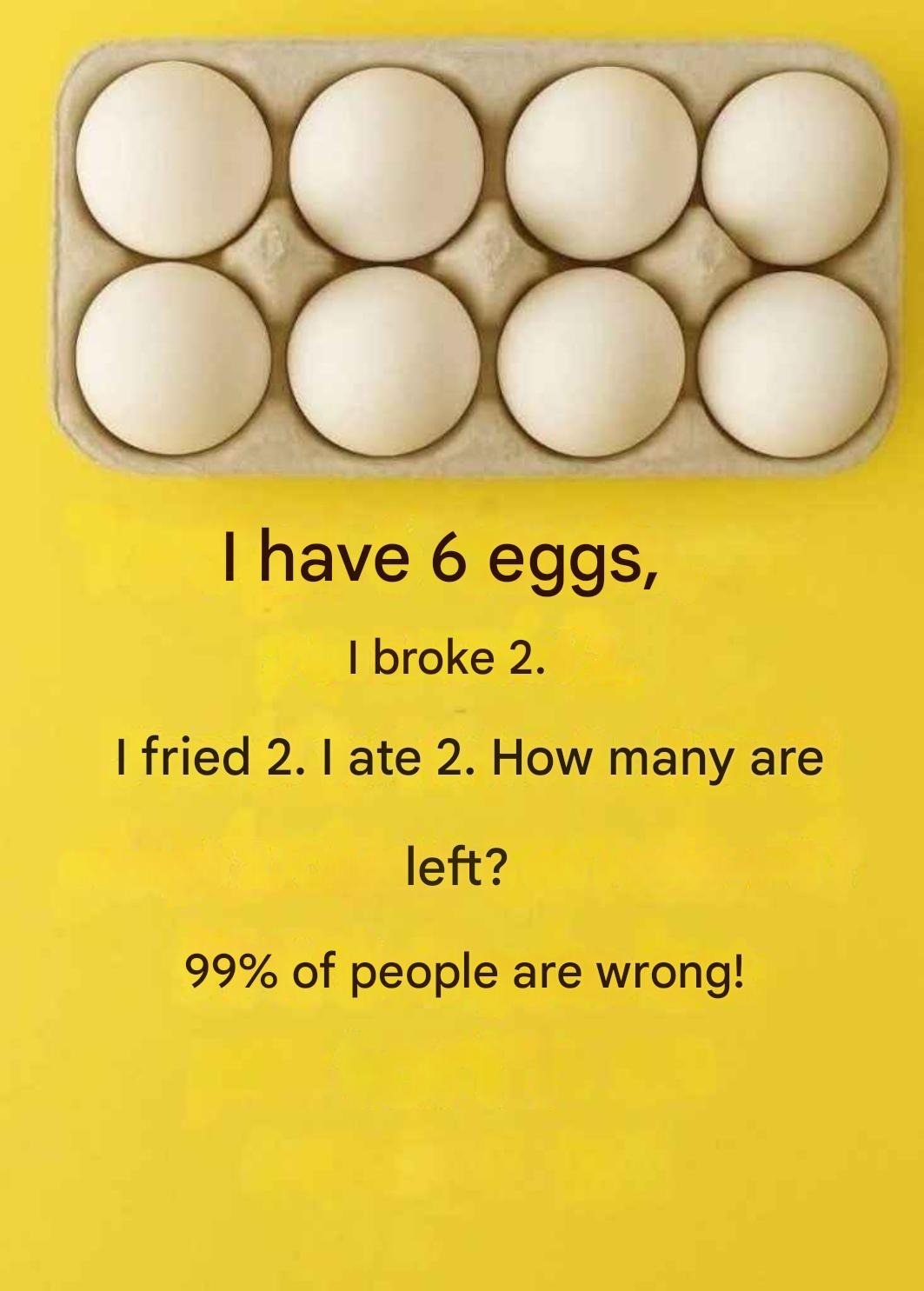
    Have you ever seen such a simple image that made your head spin? Here’s one! A seemingly innocent and simple image is circulating on social media: it shows a box of six eggs and a text that reads:

    🤯 And indeed! Most users answer incorrectly without thinking. Some say there are 0 eggs left, others 4, others 2… but what is the correct answer?

    🧩 Let’s break down the puzzle step by step:
    we start with 6 eggs.
    Let’s see what happens at each step:

    1️⃣ “I broke 2”

    👉 This doesn’t mean they’ve disappeared or ceased to exist. They’ve simply been cracked, which is necessary for cooking.
    📝 We still have six eggs left, but two are already cracked.

    2️⃣ I fried two
    3️⃣ “I ate 2 of them”
    👉 Again, we can assume that these are the same 2 that were broken and fried.

    So if only 2 eggs were used for the 3 actions (cracking, frying, eating), you have:

    ➡️ 4 whole eggs, unused, unbroken, unfried, uneaten.

    🎯 So… what is the correct answer?

    And if you answered something else… don’t worry! You are one of those famous “99%” who fell into the logical trap of the text.

    💡 Why do these kinds of puzzles go viral?
    They play on our automatic reasoning. We tend to assume that each action (cracking, frying, eating) involves different eggs, but this is never explicitly stated. The language tricks us, and that’s precisely what makes it so interesting.
    Best video game consoles
    supermarkets

    Moreover, we live in an age where quick attention dominates: if something seems simple, we solve it instantly… and that’s where we go wrong!

    🤹‍♀️ Beyond the game: what this puzzle teaches us.
    This type of game gives us the opportunity to practice something that is rarely taught formally at school:

    🔎 Critical thinking
    📌 In-depth reading comprehension
    🧠 Logical analysis before answering
    Many students, professionals and even teachers make mistakes with these challenges because they are designed to trap the brain, which reacts quickly, without stopping to think.

    3️⃣ “I ate 2 of them”
    👉 Once again, we can assume that these are the same 2 that were broken and fried.

    So if only 2 eggs were used for the 3 actions (cracking, frying, eating), you have:

    Have you ever seen such a simple image that made your head spin? Here’s one! A seemingly innocent and simple image is circulating on social media: it shows a box of six eggs and text that reads:

    🤯 And indeed! Most users answer incorrectly without thinking. Some say there are 0 eggs left, others 4, others 2… but what is the correct answer?

    🧩 Let’s break down the puzzle step by step:
    we start with 6 eggs.
    Let’s see what happens at each step:

    1️⃣ “I broke 2”

    👉 This doesn’t mean they’ve disappeared or ceased to exist. They’ve simply been cracked, which is necessary for cooking.
    📝 We still have six eggs left, but two are already cracked.

    2️⃣ I fried two
    of the ones you cracked, and you probably fried the same two. It doesn’t specify that they are different eggs.
    📌 Here’s the trick: cracking, frying, and eating can all refer to the same two eggs.

    Have you ever seen such a simple image that made your head spin? Here’s one! A seemingly innocent and simple image is circulating on social media: it shows a box of six eggs and a text that reads:

    🤯 And indeed! Most users answer incorrectly without thinking. Some say there are 0 eggs left, others 4, others 2… but what is the correct answer?

    🧩 Let’s break down the puzzle step by step:
    we start with 6 eggs.
    Let’s see what happens at each step:

    1️⃣ “I broke 2”

    👉 This doesn’t mean they’ve disappeared or ceased to exist. They’ve simply been cracked, which is necessary for cooking.
    📝 We still have six eggs left, but two are already cracked.

    2️⃣ I fried two
    of the ones you cracked, and you probably fried the same two. It doesn’t specify that they are different eggs.
    📌 Here’s the trick: cracking, frying, and eating can all refer to the same two eggs.

    3️⃣ “I ate 2 of them”
    👉 Once again, we can assume that these are the same 2 that were broken and fried.

    So if only 2 eggs were used for the 3 actions (cracking, frying, eating), you have:

    ➡️ 4 whole eggs, unused, unbroken, unfried, uneaten.

    🎯 So… what is the correct answer?

    And if you answered something else… don’t worry! You are one of those famous “99%” who fell into the logical trap of the text.

    💡 Why do these kinds of puzzles go viral?
    They play on our automatic reasoning. We tend to assume that each action (cracking, frying, eating) involves different eggs, but this is never explicitly stated. The language tricks us, and that’s precisely what makes it so interesting.
    Best video game consoles
    supermarkets

    Moreover, we live in an age where quick attention dominates: if something seems simple, we solve it instantly… and that’s where we go wrong!

    🤹‍♀️ Beyond the game: what this puzzle teaches us.
    This type of game gives us the opportunity to practice something that is rarely taught formally at school:

    🔎 Critical thinking
    📌 In-depth reading comprehension
    🧠 Logical analysis before answering
    Many students, professionals and even teachers make mistakes with these challenges because they are designed to trap the brain, which reacts quickly, without stopping to think.

    Best video game consoles
    😂 Reactions to the reds
    The reds are quick to respond to questions, theories, and everything else… In-depth discussions between those who defend their answer with their wives and their teeth!
    Vs.

    📘 Conclusion: It’s no wonder that
    this game with animals is an excellent example of something seemingly simple that can teach us so much. In a world filled with information, notifications, and quick decisions, having the ability to read carefully and think critically about what isn’t happening can make all the difference in every aspect of life.

    So, the next time someone asks you if you have good days ahead… 🥚

    ✅ Final summary:

    There were 6 eggs

    You broke 2 → they still exist.
    You fried 2 → surely the same ones.
    You ate 2 → the ones already fried.

    🔢 Result: 4 whole eggs remain untouched.

  • Signs You’re a Confident Woman Living with Purpose

    Signs You’re a Confident Woman Living with Purpose

    10 Signs You’re a Confident Woman Living with Purpose I consider myself a strong, self-assured woman—what many people casually label an “alpha female.” The term often carries unnecessary weight, as if confidence must come with arrogance or control. But true alpha energy has nothing to do with overpowering others. It’s about self-mastery. It’s about standing firmly in who you are—without apology, without aggression, and without the need to dominate any space to feel seen. An alpha female doesn’t compete for attention. She doesn’t shrink herself to make others comfortable, nor does she inflate her ego to prove her worth. Her confidence is quiet but unshakable, rooted in self-respect, lived experience, and inner clarity. She knows her strengths, acknowledges her flaws, and accepts both without shame.

    This kind of presence is often misunderstood, especially in a world that confuses assertiveness with hostility. Yet when confidence is paired with empathy and self-awareness, it becomes a force for balance rather than conflict.
    Independence Without Isolation

    Independence sits at the core of the alpha female identity. She is comfortable standing alone—not because she rejects connection, but because she does not fear solitude. She can build her own life, make her own decisions, and pursue her ambitions without waiting for permission or validation.

    Companionship is a choice, not a requirement. She welcomes partnership, but she never loses herself within it. Her sense of wholeness comes from within—not from who walks beside her.
    Confidence That’s Earned, Not Loud

    Her confidence isn’t performative—it’s earned. In a culture driven by comparison and constant judgment, she refuses to measure her worth against someone else’s achievements. She understands that self-belief is not arrogance; it’s trust in her own judgment.

    She listens, learns, and reflects, but she does not allow external voices to drown out her inner compass. Because of this, she can celebrate other people’s success without feeling threatened. She knows that someone else’s rise does not diminish her own.
    Living With Purpose and Intention

    Purpose gives direction to her strength. An alpha female doesn’t drift through life reacting to circumstances—she moves with intention. She sets goals aligned with her values and commits to them with discipline and focus.

    Whether her path involves career growth, personal healing, creative expression, or physical strength, she shows up for herself consistently. She speaks her truth clearly and respectfully, even when it’s inconvenient or unpopular. Her honesty isn’t designed to provoke—it’s grounded in authenticity. She would rather be real than universally liked.
    Growth Is Non-Negotiable

    What truly defines her is her ability to evolve. An alpha female knows when to release what no longer serves her—old patterns, limiting beliefs, and relationships built on imbalance. She understands that growth often requires discomfort, and she chooses progress over familiarity.

    Change doesn’t intimidate her; stagnation does. When life challenges her, she doesn’t collapse under pressure—she adapts. Setbacks become lessons. Failures become feedback. Every experience sharpens her awareness and resilience.
    The Power of Mindset

    At her core is a disciplined, resilient mindset. Talent may open doors, and opportunity may create moments—but mindset determines longevity. She cultivates mental strength, emotional intelligence, and self-control.

    Even when the path ahead is unclear, she keeps moving forward, trusting herself to navigate whatever comes next.

    An alpha female is not defined by dominance, noise, or ego.
    She is defined by clarity, courage, and inner stability.

    She knows who she is, honors who she is becoming, and refuses to dim her light to fit expectations that were never meant for her in the first place.

  • Why Public Bathroom Doors Don’t Reach the Floor: The Surprising Truth

    Why Public Bathroom Doors Don’t Reach the Floor: The Surprising Truth

    If you have ever used a public restroom, you have probably noticed the noticeable gap between the bottom of the stall door and the floor. At first glance, it can feel awkward or even uncomfortable, especially when privacy is expected. However, this design choice is far from accidental. It exists to balance privacy with safety, hygiene, and practical maintenance needs, all of which are essential in high traffic public spaces.

    One of the most important reasons for the gap is safety. Public restrooms are shared environments, and emergencies can happen unexpectedly. Someone inside a stall may feel faint, become ill, or need immediate assistance. The open space beneath the door allows staff, security, or emergency responders to quickly check whether a stall is occupied and whether someone inside might need help. This visual access can save critical time without forcing responders to open the door right away.

    In addition to visibility, the gap makes communication easier in urgent situations. If assistance is needed, items such as paper towels, water, or medical supplies can be passed through quickly. This small opening can significantly reduce response time and help resolve situations more efficiently and discreetly.

    Ventilation is another major factor. Public restrooms experience constant use, which leads to moisture, heat, and odors building up quickly. The gap under the door allows air to circulate more freely throughout the space. Better airflow helps reduce lingering smells and limits excess humidity, which can otherwise contribute to discomfort and poor hygiene conditions.

    Good ventilation also supports overall cleanliness. When moisture is reduced, surfaces dry faster, lowering the chance for bacteria and mold to develop. This creates a healthier environment for users and makes restrooms more pleasant to use throughout the day.

    Maintenance and cleaning are also key reasons behind this design. Cleaning staff can mop and sanitize floors efficiently without opening every stall door. This saves time and reduces physical strain while ensuring the entire restroom floor is properly cleaned. Fewer door openings also mean less wear and tear on hinges, locks, and handles, helping facilities stay functional longer and reducing repair costs.

    Beyond functionality, the gap reflects thoughtful planning in public space design. While full privacy may seem ideal, designers must consider the realities of shared environments. The goal is not to make users uncomfortable, but to create a space that works safely and efficiently for everyone, including visitors, staff, and maintenance crews.

    Ultimately, the gap beneath restroom stall doors is much more than a strange design quirk. It is a practical solution that supports safety, hygiene, ventilation, and maintenance. This small detail shows how subtle design choices can have a meaningful impact on how public spaces function and how comfortable and secure people feel using them.

  • But what is the purpose of this object?

    But what is the purpose of this object?

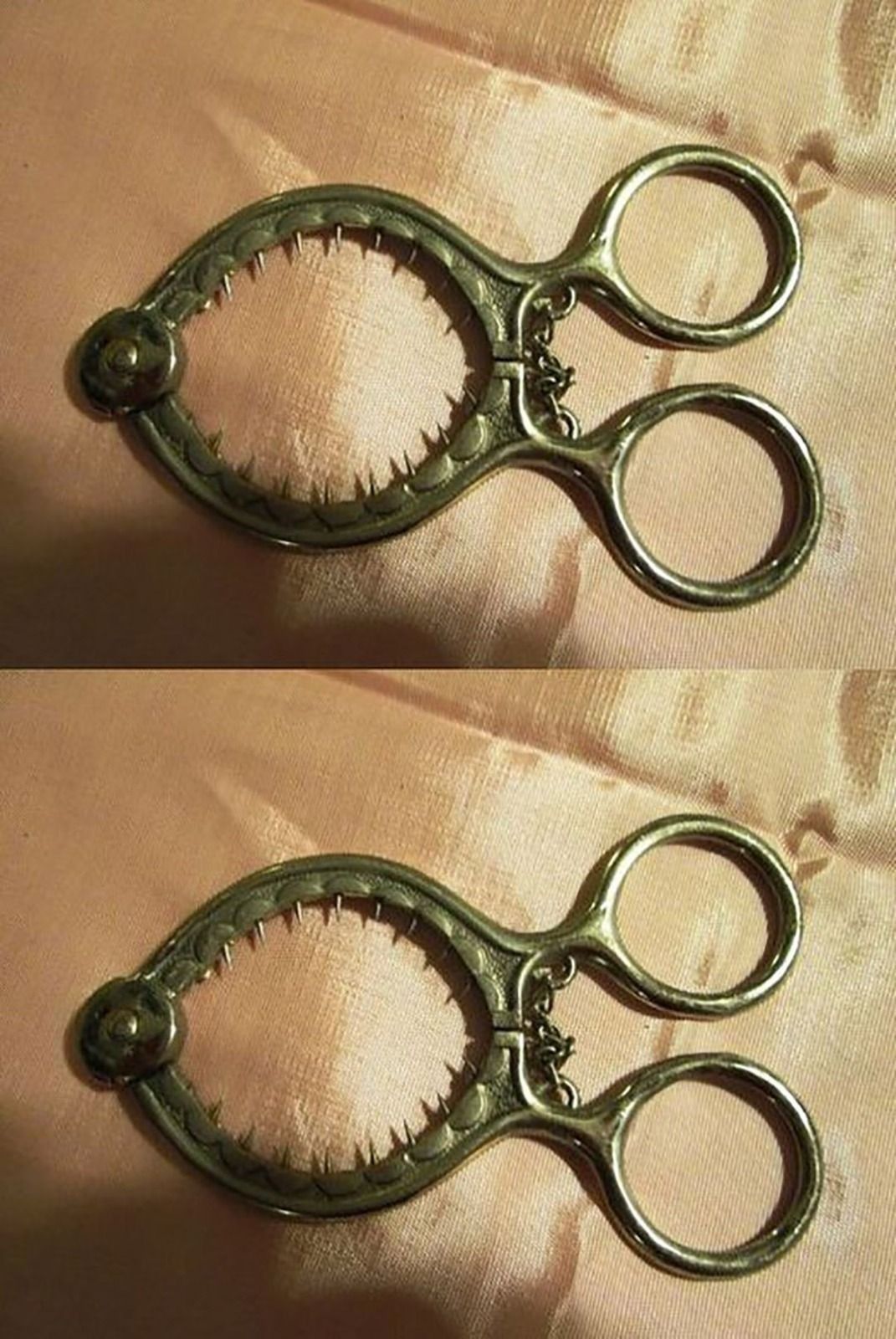
    A pearly white, a runny yolk, toast ready for dipping… A soft-boiled egg is the simple pleasure of the morning. Except when the difficult moment of cracking the shell arrives. Spoon? Knife? One wrong move, and chaos ensues: scattered shells, a burst yolk, a ruined mood. But there’s a little-known utensil to avoid this morning chaos… and it looks suspiciously like a cigar cutter!
    The Egg Slicer: Small Tool, Big Ingenuity

    At first glance, this little tool is surprising . Compact, often metal, with a slightly retro look, it’s sometimes mistaken for a smoking accessory or a DIY tool. Yet, its function is quite elegant : to cleanly remove the top of a soft-boiled egg without damaging the rest of the shell.

    Simply place the egg in an egg cup, place the utensil on top, press lightly… and click , the lid comes off cleanly and effortlessly . No more little pieces of shell on your plate!

    see next page

    How exactly does it work?

    This little marvel of precision uses a simple yet ingenious technique. The egg slicer rests on a bell-shaped part that sits over the egg. By gently pulling the handle and then releasing it, an internal mechanism generates a controlled shock wave that cracks the shell in a clean, circular pattern. All that’s left to do is lift the perfectly sliced ​​”lid” and enjoy.

    The result: a carefully cracked egg, a yolk ready to receive your toast, and a flawless table.
    A professional touch, even at home

    This little gadget has everything you need to win over lovers of elegant brunches and carefully laid tables. Besides being practical, it adds a touch of sophistication to your mornings. It can also surprise your guests during a Sunday breakfast or brunch with friends.

    And you don’t need to be a cooking expert: it’s intuitive, quick, and doesn’t require any special effort.
    The accessory that changes everything (without taking up space)

    In a drawer, it’s discreet. On the table, it catches the eye. And every day, it adds that extra touch that turns a habit into a pleasure. Whether you’re a die-hard fan of soft-boiled eggs or simply love entertaining guests in style, this egg slicer is the unexpected ally that can make all the difference

    Simple, precise and elegant , this discreet tool restores all the prestige to the hard-boiled egg… and adds a touch of savoir-vivre to your mornings.

  • In the morning i stepped onto my balcony and noticed something moving inside the wall, sending waves of fear through my body—what i first thought was something dangerous turned into a shocking discovery that changed my emotions from horror to compassion and reminded me how quickly fear can transform into understanding and empathy

    In the morning i stepped onto my balcony and noticed something moving inside the wall, sending waves of fear through my body—what i first thought was something dangerous turned into a shocking discovery that changed my emotions from horror to compassion and reminded me how quickly fear can transform into understanding and empathy

    That morning unfolded like countless others, quiet and unremarkable, with no hint that it would linger in my mind long after the day had ended. I stepped onto the balcony still heavy with sleep, wrapped in habit and routine, and opened the window to let in the cool air. It carried the familiar scent of damp concrete mixed with distant traffic, a smell that usually blended into the background of my thoughts. My mind was already drifting toward the responsibilities waiting for me when a flicker of movement near the wall pulled me back into the present.

    At first, it felt easy to dismiss. It could have been a trick of light, a passing shadow, or even my tired eyes adjusting. I turned away for a moment, then glanced back, and that was when it moved again. The motion was slow and uneven, almost hesitant, yet unmistakably deliberate. A chill crept up my spine as I realized the movement was not behind the wall or across its surface. It was coming from inside it. I leaned closer, my breath shallow, struck by the unsettling awareness that something alive was hidden within the structure of my home.

    I stood frozen, watching as the irregular motion traced a narrow crack in the plaster. My imagination quickly outran logic, filling the silence with frightening possibilities. Walls are meant to be solid and protective, silent witnesses to daily life. Seeing one breached in this way stirred a deep, instinctive fear that I did not expect. The movement did not seem aggressive, though. It felt frantic, almost panicked, and that contradiction made the situation even more disturbing. Fear mixed with a strange sense of intrusion and vulnerability.

    As seconds stretched on, panic sharpened. A small tail like shape appeared briefly, twitching weakly before disappearing again into the darkness of the crack. My mind leapt to the worst outcome. I imagined the creature dying inside the wall, unseen and unreachable, leaving behind decay and an unpleasant reminder that would linger long after. The thought made my stomach tighten, yet I could not force myself to look away. Whatever was trapped there was not attacking or threatening. It was struggling. That quiet helplessness began to shift something inside me.

    I edged closer, every step careful, as if a sudden movement might make the situation worse. When I finally saw it clearly, the fear loosened its grip. It was a small lizard, its smooth body wedged tightly in the narrow opening, unable to free itself. Its tail trembled with exhaustion, and its tiny movements had lost their urgency. In that moment, terror gave way to pity. This was no invader or danger, only a frightened animal that had chosen the wrong hiding place.

    After a brief inner debate, I stepped back inside and returned with gloves. My hands shook as I worked, slowly easing the plaster enough to free it without causing harm. Inch by inch, the lizard slid loose. The instant it felt free, it darted away across the balcony and vanished from sight. Relief flooded me so suddenly that my knees nearly weakened. The space returned to silence, as though nothing unusual had ever occurred.

    Later, when the adrenaline faded, a calm understanding settled in its place. Fear had shaped my first reaction, turning the unknown into something threatening. What remained afterward was a quiet lesson in empathy. A moment of courage had transformed fear into compassion, and a brief encounter with a small, struggling life had left a mark far deeper than I would have imagined.

  • The ultimate guide to cloves: Benefits, uses, and common mistakes

    The ultimate guide to cloves: Benefits, uses, and common mistakes

    Cloves are a versatile spice with a powerful aroma and a bold, warming flavor that has earned them a lasting place in both global cuisine and traditional medicine. Derived from the dried flower buds of the evergreen Syzygium aromaticum tree, cloves have been valued for centuries not only for their taste but also for their impressive range of health supporting properties. When consumed in moderation, they offer a rich supply of antioxidants along with important vitamins and minerals that contribute to overall wellness.

    Primarily grown in regions such as India and Madagascar, cloves play an essential role in many culinary traditions. They enhance the depth of flavor in both savory and sweet dishes, from fragrant curries and rice preparations to baked goods and desserts. Their strong profile allows them to elevate simple recipes while blending harmoniously with other spices such as cinnamon, cardamom, and nutmeg. Beyond the kitchen, cloves are also prized for the essential oil they produce. This oil contains high levels of eugenol, a natural compound widely studied for its antibacterial, antifungal, anti inflammatory, and pain relieving effects.

    Among the many health benefits associated with cloves, oral care stands out as one of the most well known. Eugenol helps fight the bacteria responsible for plaque formation and gum disease, making clove oil a traditional remedy for temporary relief from toothaches and sore gums. Cloves may also support blood sugar balance by improving insulin function and reducing sugar spikes, which can be helpful for people working to maintain stable energy levels. In addition, their ability to relax blood vessels may assist with circulation and contribute to heart health by supporting healthy blood pressure levels.

    Clove oil is also commonly used for skin care purposes. When properly diluted with a carrier oil such as coconut or olive oil, it can soothe itchy skin, minor irritations, and insect bites. Its antimicrobial nature helps protect the skin while promoting faster healing. Inhaling steam infused with cloves is another traditional method used to ease congestion, open airways, and provide comfort during colds or seasonal respiratory discomfort.

    For individuals seeking to support metabolism and weight management, cloves may offer gentle assistance when paired with a balanced diet and consistent physical activity. Their warming effect may promote digestion and reduce bloating, which can contribute to a feeling of lightness and improved digestive comfort. However, moderation remains essential. Consuming more than one or two whole cloves per day over extended periods can irritate the stomach lining or place stress on the liver due to their potent natural compounds.

    Proper storage plays an important role in preserving the effectiveness of cloves. They should be kept in airtight containers, away from light and moisture, to maintain their aroma, flavor, and medicinal value. It is also important to exercise caution when combining cloves with certain medications, especially those used for blood sugar control, as the combined effect may lower blood sugar too much.

    Clove essential oil should always be diluted before topical or oral use, since its concentrated form can burn the skin or irritate the gums if applied directly. Used thoughtfully and responsibly, cloves remain a small spice with remarkably broad health potential, offering both culinary pleasure and natural wellness support in everyday life.