Breaking News

  • Most Men Don’t See This Until It’s Too Late

    Most Men Don’t See This Until It’s Too Late

    We need to talk about men’s unmet needs — and I’m not saying this as someone who has it all figured out. I’m saying it as someone in the middle of it. When I speak about things like addiction or past mistakes, I can look back with clarity. This isn’t that. This is current. This is something I’m still wrestling with in real time.

    Part of why this conversation is hard is cultural. If you talk about the work men need to do, people assume you’re attacking men. If you talk about men’s needs, people assume you’re dismissing women’s pain. Neither is true. I care deeply about masculinity. I believe the world needs grounded, emotionally healthy men. And caring about something means being willing to look at what’s hurting it.

    Many men move through life with a quiet belief that their needs are secondary at best — or irrelevant at worst. Not because anyone sat them down and said that directly, but because that’s what we absorbed. From a young age, boys are taught endurance over expression. Toughness over tenderness. You can see it happen in adolescence: emotions get mocked, vulnerability gets punished, and slowly the language of need disappears.

    Over time, that conditioning turns into something deeper. A worldview. A sense that the world is harsh and that the best you can do is survive it. So when someone asks a man, “What do you need?” it doesn’t always feel inviting. It can feel threatening. Because if you’ve built your identity around enduring without needing, that question forces you to look at something you’ve spent years ignoring.

    And when your partner brings up her needs, it can land in a strange way. If you secretly believe needs are luxuries no one really gets met, then hearing someone confidently express theirs can feel like a challenge to reality itself. Instead of hearing, “Can you help me with this?” you hear, “You’re failing.” Or worse, “The world is supposed to be better than it is.”

    I saw this in something small recently. A friend asked for a ride that would’ve added extra driving time for the group. My first instinct was to shut it down — to frame it as inefficient. But when I actually checked in, I realized I didn’t mind. In fact, it would probably make the night better. The resistance wasn’t about time. It was about an old script running in my head: don’t ask for more than necessary. Don’t inconvenience people. Needs are burdens.

    That script doesn’t just affect how we respond to others. It shapes how we show up in relationships. I’ve noticed I tend to store my unmet needs and bring them up in big, heavy conversations once or twice a year. Meanwhile, my partner shares small things regularly. She gives me opportunities daily to meet her needs in manageable ways. I don’t do the same. Then I wonder why mine feel untouched.

    There’s a subtle victim narrative available to men here: “I give and give, and no one gives back.” But sometimes what’s actually happening is that we’re not making it possible for others to support us. We tolerate. We endure. We distract. And we get very good at it. But we don’t practice naming small, actionable needs in real time.

    The belief that our needs won’t be met becomes self-fulfilling. If you never risk articulating them, you never experience them being honored. And every time you stay silent, the old story gets reinforced.

    Healing doesn’t mean abandoning strength. It means expanding it. It means believing that you can be resilient and still worthy of care. It means understanding that being needed by your family doesn’t cancel out your own humanity.

    For me, this work is messy. I default to distraction. I hesitate to speak up about small things. I still feel uncomfortable saying something as simple as, “I deserve to have my needs met.” But I’m starting to see how necessary that shift is — not just for me, but for the people I love.

    We get good at whatever we practice. If we practice endurance without expression, we’ll master it. If we practice communication and vulnerability, we’ll slowly build those muscles too. It won’t feel natural at first. It may even feel embarrassing. But it’s a different kind of strength.

    And maybe that’s the real shift: moving from surviving life to participating in it. Not as a martyr. Not as a silent provider. But as a whole person — with needs, limits, and a right to fulfillment.
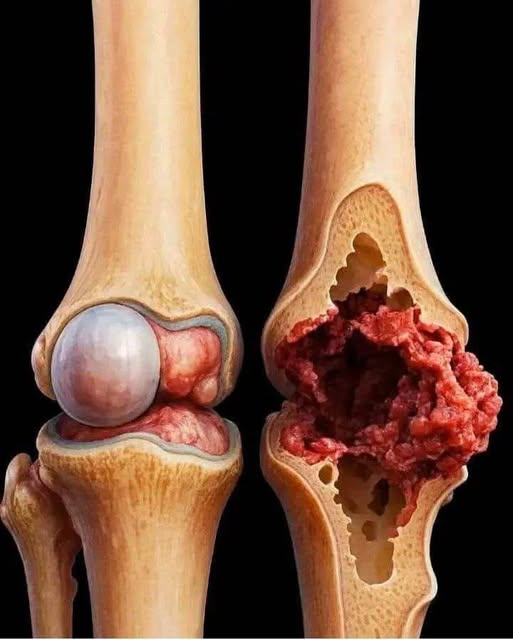

  • ATTENTION: These are the consequences of sleeping with someone without considering the emotional, physical, and psychological impact it may carry. Beyond temporary pleasure, intimacy can create deep attachments, misunderstandings, or unexpected complications. Without trust, communication, and protection, individuals may face heartbreak, damaged relationships, or health risks that affect their overall well-being and future decisions.

    ATTENTION: These are the consequences of sleeping with someone without considering the emotional, physical, and psychological impact it may carry. Beyond temporary pleasure, intimacy can create deep attachments, misunderstandings, or unexpected complications. Without trust, communication, and protection, individuals may face heartbreak, damaged relationships, or health risks that affect their overall well-being and future decisions.

    Wearing socks to bed is a habit many people adopt without much thought, especially during colder months when the air turns crisp and nighttime temperatures dip. What feels like a simple comfort choice is, in reality, closely connected to the body’s natural sleep mechanisms. Sleep is not just a mental state but a carefully orchestrated physiological process guided by hormonal signals, temperature shifts, and changes in circulation. As the body transitions from wakefulness to rest, it must lower its core temperature slightly to trigger the release of melatonin, the hormone responsible for regulating the sleep–wake cycle. This cooling process is essential for falling asleep efficiently and staying asleep throughout the night. Interestingly, warming the feet can accelerate this natural temperature shift. Although it may seem counterintuitive that adding warmth to the body could help it cool down internally, the mechanism lies in circulation. When the feet are warm, blood vessels near the skin expand, allowing heat to dissipate from the core more effectively. This signals to the brain that bedtime has arrived, helping individuals fall asleep faster. Understanding this physiological link transforms what appears to be a cozy habit into a scientifically grounded strategy for better rest.

    Research has increasingly highlighted the relationship between peripheral warmth and sleep quality. Studies supported by the American Heart Association have examined how vasodilation — the widening of blood vessels — plays a central role in nighttime temperature regulation. When feet are warmed, either through socks or a heated blanket, blood flow to the extremities increases. This increased circulation facilitates the transfer of heat away from the body’s center, allowing the internal temperature to drop to the level required for sleep onset. Without this shift, individuals may experience restlessness or prolonged periods of wakefulness. For people who struggle with insomnia or delayed sleep onset, improving circulation to the hands and feet can be a subtle but effective intervention. The body’s thermoregulation system is delicate, and even minor environmental adjustments can influence how smoothly it transitions into rest. In this context, socks function as more than a comfort accessory; they become a tool that supports the body’s natural cooling rhythm and promotes a smoother descent into sleep.

    Further scientific evidence underscores these benefits. A 2023 study published in Sleep Medicine found that participants who wore socks at bedtime entered deep sleep up to 20 percent faster than those who did not. Deep sleep, or slow-wave sleep, is the phase most responsible for physical restoration, tissue repair, and immune system strengthening. Entering this stage more quickly extends the time spent in restorative cycles, which may enhance overall sleep efficiency. Individuals who consistently reach deep sleep sooner often report waking up feeling more refreshed and mentally alert. Improved deep sleep also supports cognitive performance, mood stability, and metabolic balance. These findings illustrate how a seemingly minor behavioral adjustment can meaningfully influence complex biological processes. In modern life, where sleep disruptions are increasingly common due to stress, screen exposure, and irregular schedules, small interventions that support natural rhythms can have cumulative benefits. Wearing socks is not a cure-all for sleep disorders, but it represents an accessible strategy that aligns with the body’s innate regulatory systems.

    In addition to supporting faster sleep onset, warm feet can contribute to improved circulation throughout the night. When blood vessels dilate, blood flows more freely to the lower extremities, reducing the likelihood of cramps and muscle tightness. Many people experience nighttime leg cramps or restless sensations that interrupt sleep cycles. By maintaining warmth in the feet, circulation remains steady, helping muscles relax and reducing discomfort. Enhanced blood flow also improves oxygen delivery to tissues, which supports recovery and prevents the sudden contractions that can jolt a person awake. Individuals who are prone to mild circulatory issues may notice a reduction in nighttime awakenings simply by keeping their feet insulated. While severe circulatory disorders require medical management, minor discomfort linked to temperature sensitivity can often be eased with simple thermal support. This benefit is particularly relevant for older adults, whose circulation may naturally decline with age, making them more susceptible to cold extremities and fragmented sleep.

    Psychological comfort plays a powerful and often underestimated role in sleep quality as well. The nervous system responds strongly to sensory cues. When the body feels physically secure and warm, it shifts more readily into a parasympathetic state — the “rest and digest” mode associated with relaxation. Cold feet can trigger subtle stress responses, keeping the body in a mild state of alertness even when fatigue is present. Soft, breathable socks can create a sense of warmth and containment that encourages mental calmness. In colder climates, this added comfort may prevent micro-awakenings caused by temperature drops during the night. However, balance is important. Overheating can have the opposite effect, leading to sweating or restlessness. Choosing lightweight, natural-fiber socks that allow airflow can prevent excessive warmth while still promoting vasodilation. Hygiene also matters; clean socks reduce the risk of skin irritation or fungal growth. Individuals with sensitive skin should opt for moisture-wicking materials to maintain dryness. When practiced thoughtfully, the habit of wearing socks to bed supports both physical and psychological aspects of sleep readiness.

    For people living with Raynaud’s syndrome, a condition that restricts blood flow to the fingers and toes, wearing socks at night can provide meaningful relief. Raynaud’s episodes are often triggered by cold exposure, leading to numbness, tingling, or pain in the extremities. Maintaining warmth during sleep can reduce the frequency of vasospasms and minimize discomfort. In these cases, socks are more than a comfort preference; they serve as a practical, non-pharmacological strategy for managing symptoms. Even for individuals without medical conditions, those who experience chronically cold feet may find noticeable improvements in relaxation and sleep continuity when warmth is maintained. Ultimately, wearing socks to bed is neither universally necessary nor inherently harmful. Its effectiveness depends on individual temperature sensitivity, circulation patterns, and comfort preferences. Science suggests that for many people, this simple practice supports the body’s natural cooling process, enhances circulation, and encourages deeper rest. As with most health habits, listening to the body’s signals and maintaining balance ensures that a small nightly routine can deliver genuine benefits without unintended downsides.

  • A Fun Friday Night Turns Unexpectedly Chaotic in This Hilarious Elevator Encounter, Where Awkward Moments, Misunderstandings, and Comedic Timing Collide, Transforming a Routine End-of-Week Celebration into a Memorable, Laugh-Out-Loud Experience That Highlights Human Quirks, Social Faux Pas, and the Unpredictable Humor of Everyday Life in Confined Spaces

    A Fun Friday Night Turns Unexpectedly Chaotic in This Hilarious Elevator Encounter, Where Awkward Moments, Misunderstandings, and Comedic Timing Collide, Transforming a Routine End-of-Week Celebration into a Memorable, Laugh-Out-Loud Experience That Highlights Human Quirks, Social Faux Pas, and the Unpredictable Humor of Everyday Life in Confined Spaces

    In the bustling heart of the city, where skyscrapers scraped the clouds and glass towers reflected the hurried rhythm of urban life, elevators became more than mere machines; they were microcosms of human interaction. Among these vertical capsules of public space, one could witness the most unexpected, awkward, and occasionally hilarious exchanges between strangers, coworkers, and passersby. On one particularly bright Friday afternoon, a businessman named Richard stepped into the elevator of a towering office building. He was impeccably dressed, the epitome of corporate polish, with a tailored navy suit, crisp white shirt, and silk tie knotted perfectly. His shoes clicked with precision against the marble floor, a rhythmic accompaniment to the bustling atmosphere around him. Richard was preoccupied with thoughts of the workweek’s end, deadlines met and missed, and the promise of an evening finally free from emails, conference calls, and the relentless pace of professional obligations. As he pressed the button for his floor, a cheerful voice broke through his internal monologue, offering a simple, enthusiastic greeting: “T-G-I-F.”

    The greeting came from a young blonde woman named Emily, who worked on another floor of the building and often rode the elevator during peak hours. Emily was naturally cheerful, someone who believed in small gestures of positivity to brighten the otherwise mundane routines of office life. Her blonde hair caught the overhead fluorescent light, bouncing it with an almost comic brightness, and her wide smile suggested a desire to connect, even briefly, with the strangers she encountered each day. “T-G-I-F,” she said again, as though the first attempt required confirmation, a way to transmit her end-of-week cheer to anyone willing to receive it. Richard, distracted by the weight of his responsibilities and perhaps the constant cognitive load of thinking in business acronyms and spreadsheets, responded reflexively, “S-H-I-T.” The word slipped out without thought, a verbal tic perhaps triggered by exhaustion or sheer absentmindedness. Emily, taken aback but maintaining her composure, repeated the greeting, emphasizing each letter slowly: “T… G… I… F?” The elevator’s metallic walls reflected her confusion, and the slight pause in the machinery’s hum seemed to stretch the moment in comic tension.

    Richard, oblivious to the misunderstanding, repeated his reply with unwavering certainty: “S-H-I-T.” The word reverberated slightly in the small space, drawing the attention of other passengers, if there were any, and creating a rhythm of interaction that was both absurd and strangely disciplined. Emily’s expression shifted between confusion, polite amusement, and the early signs of frustration that accompany repeated miscommunication. In her mind, she ran through every possible explanation: Had he misheard her? Was he mocking her? Or, perhaps, he simply had a bizarre sense of humor. Trying to maintain friendliness and diffuse any tension, Emily smiled wider, attempting to recalibrate the interaction with positive reinforcement: “T-G-I-F!” she exclaimed again, emphasizing cheerfulness as if projecting her optimism could overcome the linguistic barrier that had emerged. Richard, in turn, responded with the same rigidity: “S-H-I-T.” The elevator continued its ascent, the floors clicking past with mechanical precision, each ding marking another layer of absurdity added to the interaction. The repetition began to feel almost ritualistic, a comedic dance of misinterpretation between two well-intentioned but completely misaligned communicators.

    After several rounds of this unintentionally hilarious exchange, Emily finally realized that her new acquaintance might be operating with a different set of assumptions—or perhaps a completely alternative understanding of abbreviations and acronyms. Leaning slightly forward, and with a mixture of patience and exasperation, she explained clearly, “‘T-G-I-F’ means ‘Thank God, It’s Friday!’ Get it?” The words hung in the air, a beacon of clarity attempting to pierce through the fog of repeated miscommunication. Richard, who had been momentarily frozen in the pattern of his own humor, blinked and then replied with the same deadpan conviction: “S-H-I-T means ‘Sorry, Honey, It’s Thursday’—duuhhh.” The elevator, now a stage for this comedic revelation, seemed to pause in acknowledgment of the cleverness and absurdity of his retort. Emily, initially stunned, could not suppress her laughter. Richard, maintaining his stoic demeanor, watched with satisfaction as the tension dissolved, leaving only shared amusement in its wake. The humor derived not only from the unexpected twist but from the human tendency to assume others share the same cultural context, only to be reminded that miscommunication is both inevitable and delightful.

    Beyond the immediate laughter and comic relief, this brief encounter in a cramped elevator highlights several truths about human interaction in public spaces. Elevators, by design, place strangers in close proximity, creating a pressure cooker for social norms, expectations, and spontaneous connections. The small, shared space magnifies gestures, words, and expressions, transforming even simple greetings into significant social experiments. The interplay between Emily and Richard demonstrates how assumptions about language, shared knowledge, and context can lead to confusion, and, when resolved, produce joy. Furthermore, it underscores the importance of timing, tone, and delivery in everyday communication. Richard’s initial response, while seemingly inappropriate, followed an internal logic that relied on his perception of the situation and his desire to inject humor. Emily’s persistence in clarifying her intent reflects patience, adaptability, and the social skill of managing ambiguity without resorting to confrontation. Together, these dynamics reveal the rich comedic potential inherent in ordinary encounters and remind us that humor often emerges from the intersection of misunderstanding and human creativity.

    The elevator ride, though only a matter of moments, becomes a metaphor for broader human experiences. In life, we often navigate situations where assumptions, expectations, and incomplete information collide, creating tension or confusion. Like Emily and Richard, we may misinterpret intentions, miscommunicate, or misread social cues, leading to awkward or uncomfortable interactions. Yet, when approached with patience, curiosity, and a willingness to see humor in the unexpected, these moments can transform into opportunities for connection, laughter, and insight. The interplay of “T-G-I-F” and “S-H-I-T” illustrates how language is fluid, context-dependent, and often subject to reinterpretation. Richard’s clever twist—turning a casual Friday greeting into a Thursday-based punchline—demonstrates how reframing and creativity can transform a potentially frustrating encounter into a memorable experience. The elevator, confined yet socially rich, serves as a reminder that even ordinary spaces can host extraordinary moments when human interaction takes center stage.

    Finally, this incident exemplifies the power of humor in navigating social and professional environments. In workplaces, high-pressure settings, or crowded public spaces, shared laughter can alleviate stress, foster camaraderie, and build relational bridges between strangers. The simple exchange between a businessman and a cheerful elevator passenger underscores how levity, timing, and a touch of wit can convert misunderstanding into mutual amusement. Furthermore, it encourages mindfulness in communication, reminding individuals that small gestures—like greetings, smiles, or playful engagement—carry significant emotional weight. Even in brief encounters lasting less than a minute, the potential for connection, learning, and joy is immense. Emily and Richard parted ways as the elevator doors opened, returning to their respective routines, yet the interaction lingered in memory as a microcosm of human connection, miscommunication, and the unexpected delight that arises when differences in perspective are met with humor, creativity, and openness. In the end, the story is more than a funny elevator anecdote; it is a celebration of the unpredictable, delightful complexity of everyday life, demonstrating that even a brief encounter can leave a lasting impression and remind us that sometimes, laughter is the best way to navigate the small absurdities of human interaction.

  • A Small Act of Kindness on an August Night Led to an Unexpected Reward

    A Small Act of Kindness on an August Night Led to an Unexpected Reward

    Late August has a way of making even the calmest neighborhoods feel heavy. The air that evening was thick and unmoving, the kind that clings to your skin and makes every sound feel louder. Cicadas buzzed relentlessly, filling the silence between houses with their constant hum, as if the night itself couldn’t rest.

    I was finishing up in the kitchen, wiping down the counters after dinner, when something cut through the noise.

    Crying.

    Not the soft kind you hear through walls or the occasional sniffle people try to hide. This was raw. Broken. The kind of sobbing that comes from deep inside someone, when holding it together is no longer an option.

    At first, I thought it might be coming from a television or someone talking loudly on the phone. But then I realized it was coming from outside—right near our front door.

    I set the cloth down and walked to the window.

    Standing on her porch was Sarah, our neighbor from next door. She was heavily pregnant, nearly full term, her belly round and prominent beneath a loose summer dress. One hand was pressed beneath it, the other gripping the railing as if she needed something solid to keep herself upright. Tears streamed freely down her face, her shoulders shaking as she cried openly into the night.

    She looked like someone who had reached the very end of her strength.

    Just two days earlier, her fiancé, Mark, had disappeared from her life. There hadn’t been shouting or a dramatic argument that anyone could hear. No explanation shared with the neighbors. Just a quiet exit.

    He left a short note behind. Took his clothes. Cleared out his side of the bathroom. Emptied their shared account. By the time Sarah realized what had happened, half of her world had vanished.

    Behind me, at the dining table, my husband Tom sat scrolling through his phone. He barely noticed what I was looking at until I let out a small gasp.

    He glanced toward the window, took in the scene for half a second, then scoffed.

    “Oh, come on,” he muttered. “Some people just thrive on drama. She needs to get herself together.”

    The words hit me harder than I expected.

    Tom had always described himself as realistic, practical, unemotional. He believed feelings were something you managed quietly, not something you let spill into the world. For years, I’d accepted that as part of who he was. But in that moment, standing there watching a pregnant woman crumble under the weight of abandonment, his attitude felt less like practicality and more like a complete lack of compassion.

    “That’s enough,” I said quietly, grabbing my purse from the counter.

    He didn’t argue. He didn’t need to. He just looked back down at his phone, already disengaged.

    I didn’t wait for approval.

    I opened the front door and stepped outside.

    Sarah looked up when she heard it open. Her eyes were red and swollen, her face flushed with embarrassment as much as grief. She looked like she wanted to apologize for being seen at all.

    Before she could say anything, I crossed the porch and wrapped my arms around her.

    She hesitated for a second—then collapsed into me.

    Her sobs came in heavy waves, shaking both of us. I didn’t rush her. I didn’t ask questions. I didn’t offer solutions. I just stood there and held her while she cried, letting her release what she clearly hadn’t been able to hold in any longer.

    Eventually, her breathing slowed. She pulled back slightly, wiping her face with her sleeve.

    “I don’t know what I’m supposed to do,” she whispered. “He took everything. There’s barely anything left. I have bills, doctor appointments, and the baby isn’t even here yet.”

    Fear lingered beneath every word.

    She wasn’t just sad—she was terrified.

    I didn’t think. I didn’t calculate. I simply opened my purse and pulled out the emergency cash I kept tucked away for situations I hoped would never come.

    I counted out nine hundred dollars and placed it in her hand, gently folding her fingers around it before she could object.

    “Take this,” I said firmly but kindly. “It’s not a loan. You don’t owe me anything. Just use it to get through the next few weeks.”

    Her eyes widened.

    “I can’t,” she said. “That’s too much. I wouldn’t even know how to pay you back.”

    “You don’t need to,” I replied. “Just focus on yourself and your baby. That’s what matters.”

    She stared at the money for a moment, then pulled it close to her chest, tears spilling again—this time quieter, softer.

    “Thank you,” she whispered.

    I watched her walk slowly back to her house, shoulders slumped with exhaustion.

    When I went back inside, Tom was waiting.

    “You shouldn’t have done that,” he said. “People have to learn to handle their own problems.”

    I didn’t argue. I’d learned that kindness and logic didn’t speak the same language to him.

    In the weeks that followed, Sarah kept to herself. I saw her parents visit occasionally. Sometimes her lights were on late at night. Other days, her house stayed dark and quiet.

    I checked in once by text, offering food. She thanked me and said she was managing.

    Life went on.

    Until one cool evening in October, when everything changed.

    Tom came rushing through the door, pale and breathless.

    “You need to come look at this,” he said urgently.

    Outside, a large moving truck was parked in front of Sarah’s house. Alongside it sat a sleek black SUV that looked wildly out of place on our modest street.

    Movers carefully carried in high-end furniture, large crates, and beautifully packed boxes. A pristine white crib gleamed under the porch light.

    Then Sarah stepped outside.

    She looked completely different.

    Calm. Confident. Glowing.

    A woman in a tailored business suit directed the movers with quiet authority before walking toward our house. Moments later, the doorbell rang.

    “My name is Eleanor,” she said politely. “I’m Sarah’s estate manager.”

    Tom froze.

    She handed me a thick envelope with my name written on it.

    Sarah, she explained, had inherited a substantial fortune years earlier—but with conditions. She couldn’t access it until after her first child was born and she reached a certain age. She had been required to live modestly and anonymously.

    Mark never knew.

    One final condition rewarded genuine kindness from someone who expected nothing in return.

    That person was me.

    Inside the envelope was a check for $25,000 and a handwritten note thanking me—not for the money, but for the compassion.

    A week later, Sarah moved into a new home and began a fresh chapter.

    And I finally opened the bakery I’d always dreamed about.

    Every time the bell rings and the smell of cinnamon fills the air, I remember that night in August—and how kindness, given freely, has a way of coming back when you least expect it.

  • How to recognize the key warning signs of common scams, protect your personal and financial information, strengthen your awareness of fraud tactics, and take proactive steps to avoid being targeted or deceived by increasingly sophisticated scammers in the future across online, phone, and in-person interactions.

    How to recognize the key warning signs of common scams, protect your personal and financial information, strengthen your awareness of fraud tactics, and take proactive steps to avoid being targeted or deceived by increasingly sophisticated scammers in the future across online, phone, and in-person interactions.

    hoping for formulas that promise rapid transformation. Modern culture reinforces this desire, offering quick fixes and simplified answers that appear efficient but rarely provide lasting depth. Genuine wisdom, however, tends to emerge quietly through lived experience, reflection, and the courage to question assumptions. The principles often associated with Albert Einstein endure not because they are complex, but because they champion independent thought. In a world saturated with persuasive voices and constant information, the capacity to think clearly becomes both intellectual strength and personal protection. Reflection, humility, and self-awareness form an inner compass that helps individuals navigate complexity without losing balance or integrity.

    Progress, much like riding a bicycle, depends on forward motion. Stagnation often disguises itself as comfort, yet avoiding change frequently deepens dissatisfaction. Growth requires steady learning, adaptation, and openness to revising beliefs when new evidence appears. Flexibility guards against rigid thinking, which leaves people vulnerable to manipulation. Those unwilling to update their views become predictable; those who evaluate ideas thoughtfully remain difficult to influence. Small, consistent improvements accumulate over time, redirecting long-term outcomes. Movement need not be frantic; it must simply be intentional. Deliberate advancement, guided by reflection rather than impulse, sustains equilibrium.

    Imagination expands possibilities beyond raw data. While facts provide structure, creative thinking connects ideas and generates alternatives. Intelligence lies not merely in storing information but in applying it inventively. Imagination reframes obstacles as challenges and mistakes as feedback. Failure, examined honestly, becomes instruction. Experience is often the result of errors analyzed and refined. With discipline, imagination fuels resilience and innovation rather than drifting into fantasy. Experimentation, evaluation, and adjustment distinguish growth from stagnation.

    An open mind further protects against deception and prejudice. Quick judgments may feel efficient but often overlook context. Intellectual humility—the recognition that knowledge is incomplete—invites deeper understanding. Manipulation frequently exploits emotional urgency; pausing to question motives and verify consistency disrupts its power. Clear thinking balances skepticism with fairness, guarding against misinformation without hardening into cynicism.

    Contribution ultimately outweighs status. Titles and trends fade, but meaningful impact endures. Asking whether actions add value rather than enhance appearance fosters integrity. Simplicity clarifies priorities, and curiosity sustains lifelong learning. Exposure to diverse perspectives strengthens discernment and reduces susceptibility to narrow narratives.

    Applying these ideas requires small, consistent habits: asking questions, embracing mistakes, seeking context, and aligning actions with values. Independent thinking, daily reflection, and purposeful contribution cultivate clarity. With clarity comes resilience, wiser judgment, and a steadier, more meaningful life.

  • 7 psychological reasons why some children emotionally distance themselves from their mother.

    7 psychological reasons why some children emotionally distance themselves from their mother.

    7 psychological reasons why some children emotionally distance themselves from their mother.
    There is a quiet suffering many mothers carry for years. It leaves no visible scars and draws little attention, yet it is deeply heavy. It is the pain of realizing that everything they have given—time, strength, sacrifice, and unconditional love—seems unseen by the person for whom it mattered most: their child.
    This emotional distance is rarely rooted in cruelty or deliberate ingratitude. More often, it develops from complex and largely unconscious psychological dynamics that shape how a child interprets, values, and relates to their mother. Gaining insight into these processes does not erase the hurt, but it can ease self-blame and open space for healing.

    1. When constancy fades into the background
    The human mind is wired to notice change, not permanence. What is always present, reliable, and unchanging often disappears from conscious awareness. Just as we forget about air until we struggle to breathe, a mother’s steady love can go unnoticed precisely because it never fails.In this way, a mother becomes part of the background—indispensable, yet unseen. Not because she lacks importance, but because her presence feels guaranteed. This unconscious neurological pattern can leave the one who gives endlessly feeling deeply undervalued.

    2. The distance required to become oneself
    Psychological growth requires separation. For a child to develop their own identity, they must question, disagree, and create emotional distance from their parents—a process known as individuation.

    What feels like self-discovery to a child often feels like rejection to a mother. Yet in many cases, love has not diminished; the child is simply trying to define who they are. When this separation is met with guilt or resistance, the distance often grows even wider.

    3. Pain released where safety is guaranteed

    Children frequently unload their frustration, anger, or inner chaos onto the person they trust will never leave. Because a mother represents unconditional acceptance, she becomes the safest place to release emotions they cannot manage elsewhere.

    This is why a child may show kindness to the outside world but harshness at home. It is not fair, nor is it healthy—but understanding that this behavior reflects the child’s internal struggle rather than the mother’s worth can prevent that pain from turning inward.

    4. When a mother disappears behind her role
    Some mothers, driven by love, slowly erase themselves. They exist only as caregivers, problem-solvers, and providers—never resting, never needing, never asking. Their pain stays hidden; their desires are postponed; boundaries are rarely set.

    The unspoken message children receive is that their mother has no needs of her own. And when a mother does not model self-respect, children struggle to learn it. This is not about assigning blame, but about recognizing that showing oneself as a whole person is also a powerful lesson.

    5. The burden of an unpayable emotional debt
    When love is perceived as overwhelming or rooted in sacrifice, some children experience a sense of debt they feel incapable of repaying. To escape the weight of that guilt, they downplay what they received: “It wasn’t that much,” or “It was just their responsibility.”

    In doing so, love shifts from a freely given bond to an obligation. And when love feels compulsory, rejection can arise—not from a lack of affection, but from the pressure of feeling indebted.

    6. A culture centered on the self
    Modern society places strong emphasis on immediacy, personal fulfillment, and individual comfort. In such a context, relationships that require patience, endurance, and long-term commitment often lose priority.

    Maternal love—steady, predictable, and quiet—struggles to compete in a world that rewards novelty and constant stimulation. This does not mean it lacks value, only that it is frequently pushed aside.

    7. The unspoken wounds passed forward

    Senior Woman Being Hugged By Adult Son In Garden
    Many mothers were once daughters who felt unseen, unappreciated, or emotionally neglected. When they become mothers, they may unconsciously try to heal those old wounds by giving more than is healthy, hoping to receive from their children what they never had.

    When a woman’s identity becomes entirely tied to motherhood, her children sense the emotional dependence. Even if they cannot articulate it, they feel responsible for her happiness. Distance then becomes an unconscious way of saying, “I can’t carry this weight.”

    Begin honoring your own worth without waiting for validation—even from your children.

    Allow yourself to set limits and express exhaustion or personal needs.
    Separate your child’s behavior from your value as a mother.
    Reflect on whether your emotional well-being depends solely on your children.
    Cultivate interests, relationships, and goals that exist beyond motherhood.
    If the pain feels overwhelming or unrelenting, seeking therapy is an act of courage and self-respect.
    A child’s inability to value their mother as she hopes does not diminish the love she gave or her inherent worth. Often, it reflects inner struggles, unresolved wounds, and broader cultural forces beyond her control. Understanding this does not make the pain vanish—but it can release misplaced guilt and make room for something vital: learning to offer yourself the same compassion, respect, and tenderness you so freely gave to others.

  • At over 70 years old, if you continue to do these 8 things, you will age better than most could hope.

    At over 70 years old, if you continue to do these 8 things, you will age better than most could hope.

    Age is just a number – and sometimes so much more.
    I’ve always thought that age was just a number. It might be a cliché, but it resonates with me every time I walk in the park with my grandchildren and my dog, Ottelo. I pass people of all ages walking, laughing, and living life to the fullest. But sometimes I notice someone – in their seventies, even eighties – whose eyes shine with an undeniable sparkle. It’s these people who make me think, “This is the kind of aging I hope to achieve.”

    Over the years, I have identified several common traits among these dynamic seniors – eight, to be precise – that distinguish them.

    If you are over 70 and still practice these eight habits, you are aging better than most people ever will.

    1. Stay physically active
    Images from freepik.
    It may seem obvious, but physical activity is often neglected with age. Of course, we all slow down at some point, but continuing to move – even just a brisk walk or a few laps in the pool – makes all the difference.

    Personally, I regularly walk with Otello my Cocker (he’s the one who insists, to be honest), and these walks allow me to maintain a certain flexibility.

    A study has shown that regular exercise, even in the form of a daily walk around the block, helps maintain cardiovascular health, flexibility, and good energy levels in older adults.

    Light exercise also has a beneficial effect on mood. After a long walk, I consistently feel more alert and optimistic. And according to another study, regular physical activity in older adults is associated with reduced cardiovascular mortality, improved heart function, and lower blood pressure.

    If you continue to put on your sneakers almost every morning, congratulate yourself. You’re not just staying in shape: you’re investing in a more fulfilling and independent life.

    2. Continue to nurture your friendshipsOne of the greatest riches in my life is the friendships I have forged over the years. Some have lasted for decades, others are more recent.

    But with age, it becomes easy to let these connections fade. Routines take over, and reaching out can end up feeling like a chore.

    Maintaining social relationships is essential for aging well. Winston Churchill said:

    “We earn our living by what we receive, but we build our lives by what we give.”

    Giving your time and attention to your friends is one of the best ways to nurture your sense of purpose and belonging.

    I have observed that older people who continue to participate in gatherings – cafes, meals, cultural outings, association meetings – are often happier and less stressed.

    If you continue to maintain your relationships, spend time with loved ones, or even just call a friend to check in on them, you already have a valuable advantage.

    Most read articles on Healthy and Natural:

    Those who still print their boarding passes or train tickets often share 7 characteristics.
    Those who do the dishes immediately after eating often share 7 personality traits.
    7 regrets that 60-year-olds wish they hadn’t had in their 30s.
    Preferring texting to calling can reveal some subtle personality traits, according to psychology.
    8 things well-mannered people never do when they first enter someone else’s home.

    3. Opt for lifelong learning.

    I’ve already mentioned this in a previous article, but I remain convinced of the power of lifelong learning. It’s never too late to take up a new hobby or delve deeper into a subject that has always interested you.

    One of my neighbors, aged 70, decided to learn English during lockdown. Today, he regularly chats online with native speakers, and you should see the sparkle in his eyes when he talks about his progress.

    Embarking on a new field – whether it be painting, a musical instrument, a foreign language, or simply using a mobile application – stimulates the mind while rekindling enthusiasm and curiosity.

    Albert Einstein said: “Intellectual growth should begin at birth and only stop at death.”

    If you continue to read, take courses or explore topics via Dailymotion or elsewhere, then you have a young, alert, and fully alive mind – far beyond the numbers of your age.

    And according to this research, participating in educational activities in adulthood is associated with better cognitive health and a reduced risk of dementia.
    4. Keep your sense of humor.
    Humor is one of those discreet treasures that can lighten even the most difficult moments.

    I remember my grandfather joking about his “rusty joints” every time he tried to get up from his armchair. It didn’t make his arthritis go away, of course, but it made it more bearable, and above all, it made everyone laugh.

    A good laugh can reduce stress hormones, improve mood, and even boost the immune system. If you’re over 70 and still find reasons to laugh—whether it’s at your grandchildren’s puns, your dog’s antics, or your own blunders—you’re cultivating a precious form of well-being

    Moreover, according to this study, laughter has positive effects on mental health, helping to reduce anxiety, depression and stress.

    Humor also creates connections. A shared anecdote or a lighthearted joke can bring generations closer and make interactions more human and warmer. Those who still know how to laugh remain approachable, open, and curious about the world around them.

    5. Take on new challenges

    Let’s be honest: as we get older, it becomes more tempting to stay seated on the sofa. Habits become entrenched, and novelty can sometimes seem unnecessary, or even intimidating.

    But if you continue to take on new challenges – whether it’s volunteering in an unfamiliar field, organizing a local event, or embarking on a home renovation project – you’re cultivating a mindset that fosters youthfulness of heart.

    Winston Churchill wrote: “Continuous effort, not strength or intelligence, is the key to unlocking our potential.” And I can only agree.

    Even small challenges – redesigning the garden, learning to use a video conferencing app to talk to your grandchildren, or trying out a new recipe – keep the brain active and the mood upbeat.

    Yes, new challenges sometimes come with their share of frustrations. You might fail, or you might stumble. But if you keep trying, learning, and adapting, you’ll send a clear message to the world: you can be over 70 and still be evolving.

    6. Have a positive mindset

    Being positive doesn’t mean turning a blind eye to the pain, loss, or uncertainty that often accompanies aging. It means choosing to focus on what’s going well, on what’s still possible.

    A principle inspired by the Stoics invites us to accept what we cannot control, while focusing our energy on what we can influence. Over time, I’ve seen how this approach can transform the way we experience the passing years.

    The most resilient older people I’ve met are those who wake up asking themselves, “What am I going to do today?” rather than, “What do I still have to do?”

    If you are over 70 and still choose to see the bright side of things, you are practicing a subtle art: preserving your inner peace. It’s a powerful mental exercise that reduces stress and improves vitality.

    And this positivity is contagious. It spreads to your loved ones, your neighbors, your children, to everyone you meet every day. It makes your relationships richer, more genuine. A positive mindset may not prolong life—but it undeniably improves its quality.

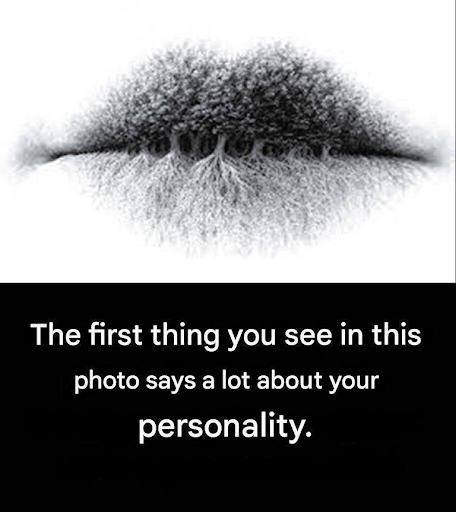
  • What do you see in the image? The answer reveals your psychological nature.

    What do you see in the image? The answer reveals your psychological nature.

    At first glance, this image seems ordinary. Yet it hides a little secret… Because depending on what you notice first—full lips, slender shafts, or deep roots—your perception could betray a little-known aspect of your personality. Curious? Wait until you see what your brain instinctively chooses…

    Why Our Brains Appreciate Optical Illusions
    Remember the famous blue (or gold!) dress that went viral on the internet? This type of phenomenon is based on an optical illusion: an ambiguous image that our brain interprets differently depending on our experience, mood, or personality. Surprising, right? Because beyond being a simple visual trick, these images play with our unique way of perceiving the world… and ourselves!

    What do you see first? Take the test by looking at the image.

    Look carefully. Very carefully. Don’t think too much: let your gaze rest naturally on the image. Now ask yourself: what struck you first?

    Have you seen the lips? Softness and adaptability are the order of the day.

    If it was your well-defined lips that caught your eye, you’re probably a peaceful person. Your calm demeanor is appreciated, and people appreciate your ability to remain calm even when everything around you becomes chaotic. Welcome, you know how to adapt to any situation, like a true everyday chameleon. Be careful, however, not to forget yourself too much: your natural kindness could lead you to put the needs of others before your own. But it’s also what drives your loved ones to turn to you when they need comfort or sincere advice. In a word: you’re the friend we wish we had by our side.
    Were the trees what hit you? You look truly radiant.
    Do you have an eye for tall trees that stand proud? This suggests an open, lively, and outward-looking personality. You’re the type of person who radiates presence. Extroverted yet composed, you’re sociable without ever trying to please at all costs. You’re admired for your ability to stay true to yourself, even when it goes against the grain. Your only small challenge? Showing yourself a little more vulnerable: behind your radiant smile, sometimes lies a modesty that hinders trust. But once tamed, you’re a precious friend, loyal, and full of energy.
    Are these the roots you’ve seen? Depth and wisdom are your allies.

    If your eyes first caught sight of your roots, you’re probably a very calm person, searching for meaning. Introverted? Yes, but above all introspective. You need moments of solitude to recharge your batteries, and your worldview is often characterized by precision and maturity. You never speak for the sake of it, and your words are always measured. Demanding of yourself, you sometimes find it difficult to let go or be kind to yourself. Yet, your rigor inspires respect: you’re a true point of reference, someone you can count on, even in silence.

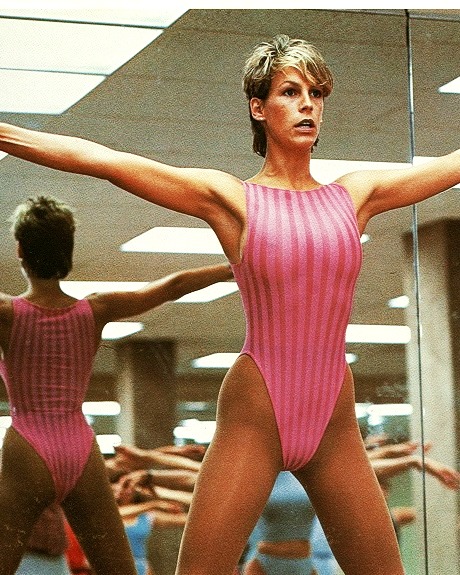
  • This photo has never been edited – take a closer look and try not to gasp when you learn the surprising detail

    This photo has never been edited – take a closer look and try not to gasp when you learn the surprising detail

    The film Perfect had all the ingredients for success—a star-studded cast, a respected director, a hefty budget, and a subject that tapped into the fitness craze of the 1980s. Yet, despite all these elements, it became one of Hollywood’s biggest flops, leaving audiences and critics alike baffled.

    John Travolta and Jamie Lee Curtis were at the height of their careers when they were cast in Perfect in 1985. Travolta had already solidified his status as a cultural icon with hits like Saturday Night Fever and Grease, while Curtis had carved a niche for herself as both a horror queen and a rising A-list actress. Columbia Pictures poured a whopping $20 million into the production, an enormous sum for the time. With James Bridges directing—best known for The China Syndrome—expectations were high. Yet, upon its release, the film struggled at the box office, earning only $12.9 million worldwide.

    Adding insult to injury, Perfect was nominated for three Golden Raspberry Awards, including Worst Actor (Travolta), Worst Supporting Actress (Marilu Henner), and Worst Screenplay. It even received a nod for Worst Picture at the infamous Stinkers Bad Movie Awards. The film, which followed journalist Adam Lawrence (Travolta) as he investigated fitness clubs and fell for aerobics instructor Jessie Wilson (Curtis), was intended to capture the pulse of a fitness-obsessed generation. Instead, it became a textbook case of how a film can go terribly wrong.

    Many critics were baffled by the execution. The film was filled with awkward creative choices, from overly stylized workout sequences to questionable dialogue. Travolta’s revealing gym shorts became an unintentional talking point, and the aerobic class sequences—which involved an excessive number of pelvic thrusts—bordered on comical. For some, it was impossible to take the film seriously. The New York Times summed it up by saying that Perfect was “one of the most unintentionally campy films of the decade.”

    The film’s soundtrack also contributed to its peculiar energy. Featuring songs from Whitney Houston, Jermaine Jackson, Berlin, and Wham!, it amplified the neon-lit, overly sexualized aesthetic of the film, making it feel more like a long, sweaty music video than a compelling drama. Critics noted the film’s “weird gay vibe” due to the lingering close-ups of chiseled, glistening bodies in skin-tight leotards. Variety delivered one of the harshest verdicts, stating: “On any level, Perfect is an embarrassment and unlikely to satisfy any audience.”

    One of the film’s more surprising details was Jamie Lee Curtis’s physical transformation for the role. As a committed actress, she trained extensively to embody Jessie Wilson, the ultimate aerobics instructor. Prior to filming, she dedicated herself to months of rigorous training, reducing her diet to just one meal a day. By the time she filmed the final aerobics scene for the credits, she had lost 10 pounds of muscle. Curtis even participated in a music video with Jermaine Jackson to help promote the film. Despite her dedication, Perfect failed to deliver the career boost she had anticipated.

    One of the more fascinating aspects of Perfect was the inclusion of Jann Wenner, the real-life co-founder and editor of Rolling Stone magazine. Playing Travolta’s editor, Wenner went through a full screen test before landing the role. He insisted that the film was “dead-on accurate” in its portrayal of Rolling Stone’s journalistic process. However, Perfect didn’t do much to enhance the magazine’s reputation, as the film’s over-the-top fitness scenes overshadowed its journalistic themes.

    For Curtis, Perfect had a deeper meaning. She viewed the film’s title not as a reference to physical fitness but as a symbol of personal freedom. “There is no such thing as being perfect,” she explained in an interview. “Perfection is the right that people have to be whatever they want to be.” While the film’s message may have resonated with Curtis, it was ultimately overshadowed by its most infamous aspect—the aerobics sequences.

    The workout scenes in Perfect became notorious for their suggestive choreography. Curtis’s leotard-clad, hip-thrusting routines were seen as overly provocative, bordering on erotic. In retrospect, Curtis admitted she was deeply uncomfortable with how these scenes were handled. “They’re supposed to be substitute love scenes,” she explained in a 1984 interview. “But in a way, the scenes are almost more pornographic than if I were naked.”When she asked for the sequences to be toned down, she was told they already had been. Her disappointment reflected a larger issue in Hollywood, where female performances were often sexualized beyond the actor’s control. Curtis would later negotiate for more say in her roles, ultimately moving away from projects that required nudity or exploitative scenes.

    John Travolta, on the other hand, remained surprisingly unbothered by the film’s failure. While Perfect was a box office disaster that temporarily derailed his career, he never expressed regret about taking on the role. For him, the opportunity to work with James Bridges again and the friendships formed on set made the experience worthwhile. However, critics weren’t as forgiving. Many remarked that the film felt like nothing more than “a bunch of scenes of Jamie Lee Curtis and John Travolta working out.”

    Following the failure of Perfect, Travolta took an extended break from Hollywood, not returning to the big screen until 1989 with The Experts and Look Who’s Talking. This marked one of the longest gaps in his career, showing just how much of an impact Perfect had on his trajectory.

    The production of Perfect was also plagued with delays. Initially planned as an 81-day shoot, it ended up taking a staggering 140 days to complete. Jamie Lee Curtis, accustomed to fast-paced low-budget productions, was vocal about her frustration with the extended timeline. In a 1984 interview with The Boston Globe, she quipped: “This hasn’t been the fastest production I’ve ever worked on. We could probably have shot every movie I’ve ever made in the time it’s taken to do this one.”

    Despite Perfect’s disastrous reception, it has since gained cult status. John Wilson’s The Official Razzie Movie Guide listed it as one of “The 100 Most Enjoyably Bad Movies Ever Made.” Even acclaimed director Quentin Tarantino had a soft spot for the film, calling it “greatly under-appreciated” and praising Curtis’s performance.Curtis herself has since embraced the film’s infamous legacy. In a hilarious moment on The Tonight Show, she teamed up with Jimmy Fallon to recreate the iconic aerobics scene. Dressed in her signature leotard, Curtis led Fallon through an exaggerated, thrust-heavy workout routine. The segment featured absurd antics, from Fallon releasing a dove from his shorts to Curtis dramatically sipping champagne mid-routine. It was a perfect (no pun intended) reminder that even the most critically panned films can have a lasting impact.Looking back, Perfect may not be a cinematic masterpiece, but it’s far more interesting than its reputation suggests. Travolta and Curtis brought undeniable charisma to their roles, and the film captured a very specific moment in 1980s pop culture. While Curtis’s aerobics scenes may have been a source of regret, they remain unforgettable—cementing Perfect as an enduring piece of Hollywood history.What do you think? Should Perfect be re-evaluated as a cult classic, or does it deserve its reputation as one of the biggest misfires in Hollywood?

  • Lip reader reveals four-word remark Barron made to Ivanka during Donald Trump’s State of the Union speech

    Lip reader reveals four-word remark Barron made to Ivanka during Donald Trump’s State of the Union speech

    A brief on-camera exchange between Barron Trump and Ivanka Trump during State of the Union has sparked widespread online speculation after a professional lip reader claimed to interpret the moment.

    The Moment That Went Viral
    As cameras panned across the audience during a key segment of President Donald Trump’s address, Barron appeared to lean slightly toward Ivanka and say something quietly. The exchange lasted only seconds — no microphone captured audio — but clips quickly circulated across social media.

    A lip reader later claimed Barron said four words: “This is so crazy.”
    However, that interpretation cannot be independently verified.

    The Limits of Lip Reading
    Experts consistently caution that lip reading from broadcast footage is inherently uncertain because:

    Camera angles are partial and often obstructed

    Lighting can distort facial movement

    Head positioning and posture affect visibility

    Context influences interpretation

    Even trained professionals acknowledge that televised lip reading should be treated as an estimate, not confirmation.

    Without direct audio or acknowledgment from those involved, the alleged remark remains speculative.

    Why It Gained So Much Attention
    State of the Union addresses are highly choreographed events filled with applause cycles, partisan reactions, and intense media scrutiny. In that setting, even a brief unscripted moment can take on amplified significance.

    Barron’s presence tends to draw attention precisely because he maintains a low public profile. Unlike Ivanka — who held an official advisory role during her father’s presidency — Barron has largely stayed outside formal political roles and interviews.

    That contrast makes his rare public appearances more closely observed.

    Body language analysts noted that the interaction appeared relaxed and informal — more sibling banter than political commentary. Ivanka’s brief smile before refocusing on the speech reinforced that interpretation for many viewers.

    The Social Media Effect
    In today’s digital environment:

    Short clips circulate rapidly

    Interpretations multiply quickly

    Ambiguity often fuels engagement

    A four-word phrase — verified or not — can dominate online discussion within hours.

    This episode reflects a broader trend in modern political coverage: the blending of formal governance with viral micro-moments. Social platforms thrive on dissecting subtle gestures, facial expressions, and whispered exchanges.

    What We Actually Know
    No audio of the exchange exists.

    The lip reader’s interpretation is unconfirmed.

    Neither Barron nor Ivanka has publicly addressed the claim.

    Absent direct confirmation, the remark remains speculative.

    Discover more
    sport
    TV
    What the moment ultimately shows is less about the content of four words and more about how closely public figures are observed in high-profile settings — and how quickly small, human interactions can overshadow policy discussions.

    Behind the spectacle of national politics, there are still family dynamics unfolding quietly in real time.