Breaking News

  • Wife and lover: a deep look at love, habit and human desire

    Wife and lover: a deep look at love, habit and human desire

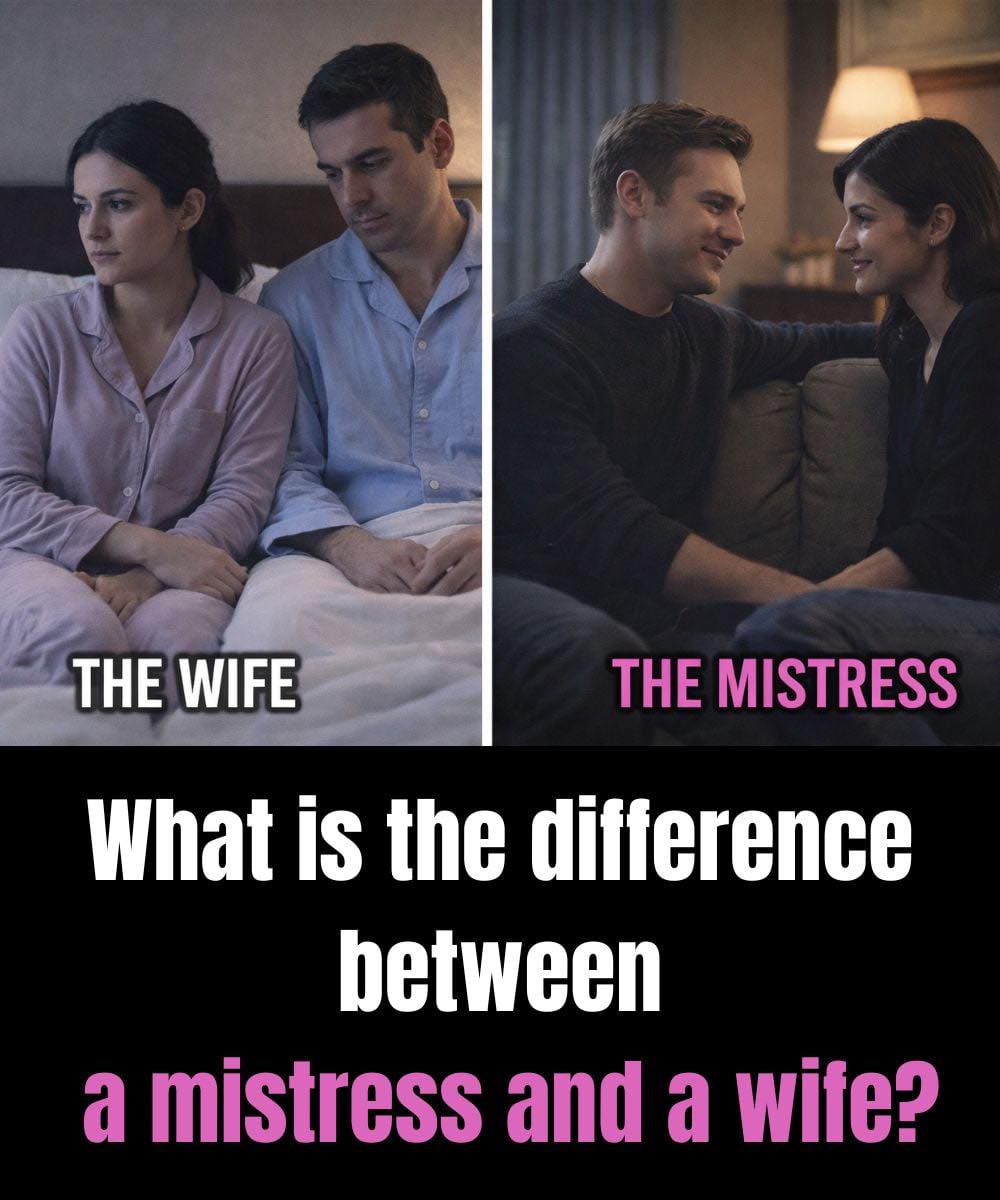
    To talk about love is to step into one of the most complicated spaces of human experience. What often begins as passion, connection, and shared dreams can slowly evolve into routine, emotional fatigue, and silence. In this space, a figure frequently appears—one that sparks pain, judgment, and debate: the mistress. But reducing the issue to a simple comparison between wife and mistress misses the deeper truth. Both reflect unmet emotional needs that were never fully addressed.

    How Emotional Distance Begins

    No one enters marriage expecting to feel invisible in their own home. And no one grows up planning to become the “other person” in someone else’s relationship. Yet daily pressures—work, finances, responsibilities, and poor communication—can quietly weaken even strong bonds. Behind most affairs are unresolved emotions, unmet needs, and desires left unspoken.
    The Wife: Stability and Shared Reality

    The wife is often associated with consistency, commitment, and endurance. She knows her partner’s strengths and flaws. She stood by him during difficult seasons, when love stopped being exciting and became a daily choice. She represents shared history—routine, responsibility, and sacrifice.

    But over time, she is often reduced to a functional role. In the rhythm of everyday life, she may no longer be seen as a woman of desire, but as part of the structure that keeps everything running.
    The Mistress: Novelty and Escape

    The mistress, by contrast, represents excitement, mystery, and disruption of routine. She exists outside daily responsibilities—no bills, no arguments, no shared stress. Her presence is limited to intense, selective moments that feel light and effortless.

    Yet this lightness is not depth. The relationship is fragmented, detached from reality, and rarely built for the future. It offers emotion without responsibility, passion without permanence.
    Why Comparison Misses the Point

    The mistake is believing one is better than the other. They do not exist on the same level. The wife lives in the ordinary; the mistress exists in the extraordinary. Both symbolize universal human needs: to feel valued, heard, and desired.

    When these needs go unmet within a relationship, emotional emptiness creates space for outside connections—not because they are stronger, but because they arrive during vulnerability.
    Neglect, Not the Absence of Love

    Many relationships don’t end because love disappears—but because it is neglected. Affection requires attention, honest communication, and emotional presence. When these fade, even a small gesture from someone else can feel powerful.

    Not because it is deeper—but because it fills a silence.
    Two Roles That Cannot Replace Each Other

    It is also an illusion to believe a mistress can replace a wife, or that a wife must become a mistress to keep her partner. These roles operate on different timelines, expectations, and realities. Neither can fully substitute the other.

    Ironically, both often end up hurt:

    The wife feels replaced and unchosen.
    The mistress realizes she may never be fully chosen at all.
    Both carry the same quiet pain: feeling insufficient.

    The Emotional Cost on Both Sides

    The wife suffers from no longer being a priority.
    The mistress lives with uncertainty and invisibility.
    And at the center is often someone unable—or unwilling—to face their own emotional emptiness.

    Beyond judgment, it’s important to recognize that affairs don’t always stem from cruelty. Many arise when two emotionally lonely people connect in moments of vulnerability. What begins as relief can quickly turn into deeper conflict.
    The Real Question to Ask

    The real issue isn’t assigning blame—it’s examining how relationships are built and maintained. The wife represents security. The mistress represents desire. The challenge is learning how to keep both within the same relationship, without involving a third person.

    When couples balance safety with passion, routine with intimacy, and communication with emotional presence, love doesn’t disappear—it matures.

  • Only a Few People Notice Every Face Hidden in This Tree – Can You?

    Only a Few People Notice Every Face Hidden in This Tree – Can You?

    For centuries, humans have been fascinated by visual puzzles and optical illusions, images that challenge perception and force the brain to work in unexpected ways.

    From ancient carvings to modern interactive online games, these illusions have long served as both entertainment and subtle mental exercise.

    If you’re someone who delights in teasing your brain, testing your observational skills, and seeing the world from multiple perspectives, optical illusions provide an endlessly satisfying playground.

    I, however, have a confession: I am hopeless at them. As a child, I remember receiving a “train your brain” book from my grandmother when I was six years old.

    It promised hours of amusement and mental stimulation, full of puzzles, mazes, hidden objects, and riddles designed to strengthen cognitive skills. I barely managed to glance at it before it sat, mostly untouched, on my bookshelf for a decade.

    When I finally opened it at the age of sixteen, the intricate visual puzzles still baffled me. Somehow, the images seemed to dance in ways my brain couldn’t quite follow, and I rarely managed to spot the solutions without frustration.

    Despite my personal struggles, I can see why brain teasers and visual illusions are so popular worldwide. The rise of the internet has created a digital space where people constantly challenge themselves—and each other—through puzzles that test perception, memory, and pattern recognition.

    Images designed to hide multiple objects or faces in plain sight have gone viral countless times, often sparking debates over how many elements can actually be found.

    These challenges are more than a novelty—they engage the brain’s visual cortex, memory networks, and problem-solving skills all at once.

    Recently, I stumbled across an online optical illusion that has captured the attention of thousands: the “National Leaders Tree.”

    The image is deceptively simple at first glance: a large tree, intricately drawn, with branches, leaves, and shadows creating a dense, textured pattern.

    But as you focus, you notice hints of something unusual: faces embedded within the tree itself, some obvious, some cleverly camouflaged.

    This is a classic example of a type of illusion known as a hidden object or hidden figure puzzle, where the mind must detect patterns that are partially obscured or blended into the surrounding visual information.

    The challenge of the “National Leaders Tree” lies in both observation and cognitive interpretation. The human brain is wired to recognize faces almost instinctively—a phenomenon known as pareidolia. Pareidolia is the tendency to perceive familiar shapes, particularly faces, in random or ambiguous visual patterns.

    It is the same reason people claim to see faces in clouds, in the moon’s craters, or in the bark of trees. Optical illusions like this one exploit that natural ability, prompting viewers to search for hidden patterns while simultaneously testing patience, attention to detail, and memory recall.
    How the “National Leaders Tree” Works

    At first glance, everyone can spot the two most obvious faces at the base of the tree. These are designed to anchor the viewer, providing a starting point and demonstrating that there is indeed more to discover.

    But the true challenge is to locate the additional faces, which are often integrated into branches, foliage, or the texture of the trunk.

    Some may be partial, showing only eyes or a mouth, while others may be rotated or stylized in such a way that they merge almost seamlessly with the surrounding bark and leaves.

    Interestingly, online communities have attempted to assign meaning to the number of faces a person can find. While this is largely playful and should not replace professional assessments, it is based on observations related to attention, memory, and facial recognition ability. The categories are generally framed as follows:

    2 to 4 faces: Spotting only the most obvious faces may indicate difficulty in visual pattern recognition or minor lapses in short-term memory. Some sources suggest it could hint at reduced attentional focus, though this should not be overinterpreted without proper cognitive testing.

    5 to 6 faces: Finding slightly more than the baseline but missing the majority could suggest that while your memory and perception are functional, there may be room for improvement in concentration and attention to detail. It is also noted,

    in lighthearted contexts, as a potential indicator of vulnerability to memory-related conditions like early-stage dementia, though this is meant as a fun observation rather than a clinical diagnosis.7 to 8 faces: Successfully identifying most of the hidden faces demonstrates above-average visual acuity and memory retention. It suggests an ability to notice subtle patterns and maintain mental focus over time.

    More than 9 faces: Locating nine or more faces indicates excellent visual perception, pattern recognition, and memory skills. Individuals in this category are often praised for their observational precision and attention to detail.
    The Psychology Behind Hidden Figures

    The cognitive mechanisms at play in puzzles like the “National Leaders Tree” are rooted in visual processing, memory, and pattern recognition. When viewers scan the image, the brain must filter out irrelevant information while simultaneously seeking structured patterns.

    This involves the prefrontal cortex, responsible for problem-solving and decision-making, as well as the occipital lobe, which processes visual stimuli. People who are naturally attentive or who frequently practice cognitive challenges may find it easier to detect subtle cues within the artwork.

    Additionally, the act of searching for faces taps into working memory, the brain’s system for temporarily holding and manipulating information. Each time you identify a face, you must remember its location to avoid repetition and to mentally map the remaining portions of the image. This type of mental exercise has been shown to enhance neural plasticity, reinforcing the brain’s ability to learn and adapt over time.

    From a social perspective, sharing such puzzles online creates a sense of community and competition. Users often post screenshots with annotations highlighting the faces they’ve found, compare totals, and challenge others to beat their score. This adds a layer of engagement, blending cognitive exercise with social interaction—an especially powerful combination for mental stimulation.
    Tips for Successfully Spotting Hidden Faces

    While some people seem naturally adept at visual puzzles, anyone can improve their performance by following a few strategies:

    Start with the obvious: Begin by locating the faces that are easy to see. This establishes a reference point and helps your brain attune to the stylistic cues the artist uses.

    Scan systematically: Move your eyes slowly across the image in a grid-like pattern. Divide the picture mentally into quadrants to ensure no area is overlooked.

    Look for subtle cues: Focus on recurring shapes, shadows, and contrasts. Eyes and mouths are often the first parts of a hidden face to appear.

    Step back: Sometimes, viewing the image from a slightly greater distance allows the brain to detect patterns that are missed at close range.

    Take breaks: Visual fatigue can reduce your ability to spot hidden objects. Briefly closing your eyes or shifting focus can refresh your perspective.

    Practice regularly: Like any skill, your ability to spot hidden faces improves with consistent practice. Engaging with multiple types of optical illusions strengthens both memory and visual processing.
    Why People Love These Puzzles

    Optical illusions are more than entertainment—they tap into a deep human fascination with perception, surprise, and problem-solving.

    They allow viewers to experience the thrill of discovery and challenge the brain to interpret ambiguous stimuli. When successfully completed, these puzzles provide a sense of accomplishment and a small dopamine boost, rewarding the brain for recognizing patterns and solving problems.

    The “National Leaders Tree” is particularly appealing because it combines artistry with cognitive challenge. Unlike simple puzzles, it demands patience, attention, and a willingness to consider multiple possibilities simultaneously.

    This mirrors real-life situations where the brain must analyze complex information, spot anomalies, and make decisions based on incomplete data.

    Historical Context: The Evolution of Visual Brain Teasers

    The concept of hidden objects in art dates back centuries. Renaissance artists, for example, occasionally embedded subtle symbols or hidden figures within their paintings, challenging viewers to look closer and rewarding careful observation.

    In Eastern traditions, intricate designs in mandalas and temple carvings sometimes incorporated hidden motifs with spiritual significance, emphasizing mindfulness and focus.

    In the 20th century, psychologists and educators began formalizing these puzzles as tools for cognitive development. Books like the one I received from my grandmother often contained hidden picture exercises, mazes, and pattern-recognition puzzles, designed to enhance attention, memory, and problem-solving abilities in children and adults alike.

    The digital age has since transformed these exercises into interactive online challenges, making them accessible to a global audience and adding social and competitive elements.
    The Broader Connection to Memory and Cognitive Health

    While playful interpretations of hidden-face puzzles exist, they also underscore the connection between visual processing and memory. Research has shown that activities requiring attention to detail, pattern recognition, and working memory can help maintain cognitive function and delay age-related decline.

    Regular engagement with such puzzles stimulates neural pathways, improves concentration, and strengthens the brain’s ability to manage multiple pieces of information simultaneously.

    In this sense, completing the “National Leaders Tree” challenge is more than a test of perception—it’s a small exercise in mental fitness, reinforcing the very cognitive abilities that help with day-to-day tasks and learning.
    Sharing, Social Interaction, and Online Trends

    The online popularity of the “National Leaders Tree” illustrates another key aspect of optical illusions: they foster connection.

    People compare results, debate interpretations, and celebrate successes or laugh over missed faces. Social media amplifies the effect, creating viral discussions, memes, and tutorials that guide viewers in spotting the hidden elements.

    Some users even categorize themselves based on how many faces they find, jokingly creating “tiers” of perceptual skill—from novice observers to elite pattern recognizers. This sense of playful identity mirrors the social and psychological appeal that has kept brain teasers popular for generations.
    Concluding Thoughts: More Than Just a Game

    The “National Leaders Tree” is emblematic of why optical illusions endure as a source of fascination. It combines artistry, observation, memory, and social engagement in a single challenge. While some may find it maddening, others experience joy and satisfaction in discovery.

    Even if, like me, you struggle to find all the faces, there is value in the process of searching, thinking, and observing. It reminds us that perception is subjective, that our brains interpret patterns differently, and that intelligence and memory are multifaceted skills—not simply the ability to score perfectly on a puzzle.

    So, whether you spot two faces or more than nine, the exercise engages your brain, challenges your attention, and connects you to a centuries-old tradition of visual problem-solving.

    Next time you encounter the “National Leaders Tree” or a similar hidden-object puzzle, remember: the fun is in the journey of discovery, the satisfaction of noticing what others may miss, and the joy of teasing your brain in ways that are both playful and cognitively enriching.

  • 5 Ways to Repair Scratched Glasses — At-Home Fixes That Might Help (With Realistic Expectations!) 👓✨

    5 Ways to Repair Scratched Glasses — At-Home Fixes That Might Help (With Realistic Expectations!) 👓✨

    Minor scratches on eyeglass lenses sometimes look worse than they are, and a few gentle home methods may reduce their appearance—especially on older, uncoated lenses. These tricks won’t truly “fix” scratches, but they can soften very fine marks under the right conditions.

    One common approach uses baking soda mixed with a few drops of distilled water to create a smooth, thin paste. After thoroughly cleaning and drying your lenses, lightly rub the paste over the scratch using a fingertip or soft cotton in small circles for about 10–15 seconds. Rinse with lukewarm water and dry using a microfiber cloth. This method is only suitable for hairline scratches on lenses without protective coatings.

    Toothpaste is another widely shared remedy, but it comes with risks. Only plain, non-gel, non-whitening toothpaste should ever be considered. Apply a very small amount to a damp microfiber cloth and gently polish the scratch for no more than 10 seconds before rinsing and drying. Because many modern toothpastes contain abrasive particles, this should be a last resort and tested on the lens edge first.

    Some people turn to car wax or specialty lens scratch removers to make scratches less noticeable. These products don’t remove damage; instead, they temporarily fill in fine lines, reducing how light scatters across the lens. Apply sparingly with a microfiber cloth, buff gently, and wipe away all residue. This is better suited for sunglasses or backup glasses than everyday prescription lenses.

    Harsh products like metal polish or Brasso should never be used on eyeglasses. These substances are extremely abrasive and can permanently cloud lenses or strip away coatings, leaving them worse than before. Online “hacks” suggesting these products often ignore the long-term damage they cause.

    Because true scratch repair is limited, prevention is your best defense. Always store glasses in a hard case, clean them only with proper lens cleaner and microfiber cloths, and avoid wiping them with clothing or paper towels. Setting glasses down lens-up and having a spare pair for rough use also helps extend lens life.

    If scratches sit directly in your line of sight, cause glare or headaches, or appear alongside peeling coatings or cracks, it’s time to see an optician. Many vision plans allow regular lens replacement, and worn lenses can strain your eyes more than you realize.

    Ultimately, your glasses are essential tools, not just accessories. While a mild DIY method might help an old or spare pair, experimenting on your main prescription lenses can cost more in the long run. Sometimes the best solution is accepting the scratch and choosing clearer, safer vision instead.

  • The first septuplets to survive infancy mark their 26th birthday.

    The first septuplets to survive infancy mark their 26th birthday.

    In 1997, Kenny and Bobbi McCaughey of Carlisle, Iowa, made history when they welcomed the world’s first surviving set of septuplets into their family.

    The seven babies—Kenny Jr., Alexis, Natalie, Kelsey, Nathan, Brandon, and Joel—arrived nine weeks prematurely, a medical feat that astonished doctors and captured the attention of people around the globe.

    The McCaugheys, who already had an older daughter named Mikayla, suddenly faced a life that was both extraordinary and intensely demanding.

    Their story quickly became a media sensation, as news outlets, television programs, and magazines chronicled the family’s life with the septuplets.

    What initially began as a private family milestone became a worldwide phenomenon, inspiring awe, admiration, and curiosity about the family’s daily challenges and triumphs.

    The first year of the septuplets’ lives required extraordinary care, patience, and coordination. Each day involved carefully scheduled feedings, diaper changes, and attention to each child’s health and comfort.

    Reports noted that the septuplets required an average of 52 nappies and 42 bottles of milk daily, underscoring the sheer scale of care needed.

    Despite the challenges, Kenny and Bobbi embraced their role with tireless dedication, juggling responsibilities and navigating sleepless nights while ensuring each child received the love and attention they needed.

    They became experts in multitasking, organization, and emotional support, turning their home into a space of nurturing and care.

    The McCaugheys’ remarkable story captured the hearts of the public, who responded with overwhelming generosity.

    Donations poured in to support the family, including a 5,500-square-foot home to accommodate their growing household, a van to transport the family efficiently, and essential supplies such as diapers for the first two years and a year’s supply of Kraft macaroni and cheese.

    Additionally, the state of Iowa offered full college scholarships to any public university in the state for each of the septuplets.

    Despite this incredible outpouring of support, Kenny and Bobbi remained hands-on parents, emphasizing self-sufficiency by growing vegetables in their backyard and finding practical ways to manage costs while providing for their large family.

    Two of the septuplets, Alexis and Nathan, faced additional challenges as they were diagnosed with cerebral palsy, a condition affecting movement and coordination.

    From an early age, they required walkers and physical therapy to develop mobility skills.

    Nathan underwent back surgery in 2005 to improve his ability to walk independently and, over time, learned to navigate without assistance, showing remarkable determination and resilience.

    The siblings’ experiences with cerebral palsy created moments of difficulty but also strengthened the family’s bonds, teaching empathy, patience, and perseverance to each member.

    The septuplets’ early life was marked by public appearances that highlighted both the uniqueness of their birth and their individuality.

    The McCaugheys shared their story on the Oprah Winfrey Show during the septuplets’ first birthday, where each child received their own birthday cake, and the family celebrated their milestone with the world.

    They also had the opportunity to meet former President Bill Clinton, an event that further highlighted the historical and cultural significance of their birth.

    These experiences, while extraordinary, were balanced with the family’s focus on maintaining a sense of normalcy at home.

    As the children grew older, their education became a priority. The septuplets attended local schools in Iowa, excelling academically while developing social skills and nurturing their individual talents.

    As they reached college age, they began pursuing paths that reflected their personal interests and ambitions.

    Natalie, Kelsey, Nathan, and Joel accepted scholarships to Hannibal-LaGrange University in Hannibal, Missouri, while Kenny Jr. and Alexis stayed closer to home, attending Des Moines Area Community College.

    Brandon pursued a career in the United States Army, demonstrating a commitment to service and discipline.

    College provided the septuplets with their first true sense of independence, allowing them to establish identities beyond being part of a historically significant sibling group.

    Growing into adulthood brought new milestones and responsibilities for the septuplets. Older sister Mikayla married in 2015, and the septuplets became aunts and uncles with the birth of her son.

    Natalie was the first of the septuplets to marry, tying the knot in May 2019, followed by Brandon four months later.

    These life events marked a transition from childhood fame to adult achievements, as the siblings began to build their own families, careers, and personal identities while maintaining close ties with one another.

    Each septuplet pursued unique educational and career paths. Natalie aspired to become a graduate-level athletic trainer, reflecting her passion for sports and physical wellness.

    Alexis, who studied early childhood education, dreamed of teaching elementary school students and became involved in beauty pageants for children with special needs, winning the Teen Miss Dreams Made True pageant in 2013.

    Nathan focused on computer information systems, enjoying the technical challenge of building computers, while Joel pursued a career in cybersecurity with aspirations of working for Google.

    Kelsey studied public relations and pursued a media career, while Kenny Jr. focused on continuing personal and professional growth locally. Each sibling embraced their individual journey while still honoring the unique shared experience that defined their childhood.

    The septuplets emphasize that despite their differences, the bond they share is unbreakable. “Having six siblings, we’re not only the same age, but we’re all best friends,” Natalie shared during an interview with the Today show.

    Growing up, they were inseparable, often sharing experiences, supporting one another, and creating a close-knit family network that extended beyond the typical sibling relationship.

    Kelsey reflected that attending college helped them explore their independence while maintaining the strong familial support that had always defined their lives.

    Each sibling acknowledged that while they were extraordinary for being septuplets, they were also individuals with dreams, aspirations, and identities separate from the label that had followed them since birth.

    The McCaughey septuplets’ story is one of resilience, courage, and family unity.

    From their miraculous survival as premature infants to their accomplishments in education, career, and personal life, the septuplets have consistently demonstrated perseverance, adaptability, and determination.

    Their journey has inspired countless people worldwide, showing that extraordinary circumstances can be met with love, dedication, and commitment to growth.

    Despite the pressures of public attention, the septuplets have successfully built lives filled with achievement, independence, and meaningful connections.

    Today, Kenny Jr., Alexis, Natalie, Kelsey, Nathan, Brandon, and Joel stand as living testaments to the power of family, resilience, and determination.

    Their story continues to inspire people around the world, reminding us that even the most improbable beginnings can lead to lives filled with purpose, joy, and success.

    They have transformed their once historic and extraordinary childhood into adulthood marked by achievement, independence, and the ongoing pursuit of personal goals, all while maintaining the deep love and connection that has defined their family from the very beginning.

    The McCaughey septuplets are not only survivors of a medical miracle—they are thriving, accomplished individuals whose journey demonstrates that extraordinary beginnings can lead to extraordinary lives.

  • Foamy urine can be harmless, but persistent foam may signal excess protein, dehydration, or kidney problems.

    Foamy urine can be harmless, but persistent foam may signal excess protein, dehydration, or kidney problems.

    Foam in urine is common and often harmless, especially after dehydration or forceful urination. In many cases, it disappears quickly. However, when it becomes frequent and persistent, it may be a sign worth noticing.

    As the article explains, “Persistent foam in urine is one of those quiet signs.” It can appear long before pain or other symptoms, making it an early visual clue of kidney stress.

    Kidneys filter blood using tiny structures called glomeruli, which normally keep proteins in the bloodstream. When these filters are damaged, protein can leak into urine.

    Proteins create foam when mixed with liquid and force. When protein-rich urine hits the toilet bowl, it can form thick foam that lingers. This condition is called proteinuria, which “is not a disease itself but a sign that something is interfering with the kidneys’ ability to filter properly.”

    Proteinuria often develops without symptoms. Conditions like high blood pressure, diabetes, obesity, autoimmune disease, aging, and long-term use of NSAIDs increase risk. As noted, “The danger lies in the fact that early kidney damage rarely causes pain or noticeable symptoms.”

    Foamy urine may be the only visible warning. Tests like urinalysis and the albumin-to-creatinine ratio can detect early protein loss. “Microalbuminuria is often described as smoke before a fire.”

    Early action can slow or stop kidney damage. Treatment may include better blood pressure or blood sugar control, medication adjustments, and lifestyle changes.

    Seek medical advice if foamy urine is persistent or accompanied by swelling, fatigue, or changes in urination. “Paying attention to it is not an overreaction; it is an act of prevention.”

  • Charlie Kirks wife reveals a personal secret she had been keeping from her husband for years

    Charlie Kirks wife reveals a personal secret she had been keeping from her husband for years

    A Nation in Mourning

    In a moment that resonated across the country, Erika Kirk stood before thousands at State Farm Stadium in Glendale, Arizona, and shared a deeply personal truth. What she delivered was not political rhetoric, but “an act of grace — one born of faith, loss, and unshakable love.”

    A Sudden and Shattering Loss

    Just two weeks earlier, her husband, conservative activist Charlie Kirk, had been killed during a university event in Utah. “The news of his death on September 10 stunned the nation.” For Erika, the loss was intimate and overwhelming, reshaping her life in an instant.

    Beyond the Public Figure

    Charlie Kirk was widely known as the founder of Turning Point USA and a prominent conservative voice. But Erika spoke not of his public role. Instead, she focused on the man she loved, describing grief that was “personal, immeasurable, and yet somehow transformative.”

    A Memorial of Historic Scale

    The memorial service drew more than 100,000 mourners. Public figures, including former President Donald Trump, Elon Musk, and Senator JD Vance, were in attendance. Yet the attention quickly shifted from the crowd to one voice at the podium.

    A Eulogy That Stilled the Stadium

    It was Erika’s “30-minute eulogy — raw, unfiltered, and profoundly human — that captured every heart in the arena.” The scale of the event faded as she spoke with honesty and restraint.

    A Widow, Not a Symbol

    Dressed simply in black, Erika thanked the nation for its prayers. She spoke “not as the widow of a public figure, but as a woman whose partner had been taken too soon.” Her words reflected grief without anger and sorrow without spectacle.

    Faith, Love, and Resolve

    What remained after the speeches and tributes was her message of quiet strength. In her vulnerability, Erika Kirk offered a moment of unity, reminding listeners that even in public tragedy, loss is deeply human—and love endures.

  • What Exactly Is the White Part of an Egg, Why It Looks Strange, What It Does for Freshness, Safety, Nutrition, and How This Tiny Detail Reveals the Hidden Science of Eggs

    What Exactly Is the White Part of an Egg, Why It Looks Strange, What It Does for Freshness, Safety, Nutrition, and How This Tiny Detail Reveals the Hidden Science of Eggs

    A Surprising Sight in the Kitchen

    Almost everyone has had a moment of pause after cracking an egg. Instead of just yolk and clear white, there’s sometimes a pale, rope-like strand attached to the yolk. It can look strange enough to make people uneasy or even throw the egg away.

    What That Strand Really Is

    That reaction comes from confusion. “The white strand is called the chalaza, and it is a natural part of every egg.” It isn’t a flaw, contamination, or something added during processing. It forms naturally while the egg develops inside the hen.

    Its Real Purpose

    Inside the shell, the yolk needs protection. “The chalaza consists of twisted cords of thickened egg white that act like elastic anchors, holding the yolk in place.” These cords help keep the yolk centered and prevent damage when the egg moves.

    Clearing Up a Common Myth

    One of the biggest misconceptions is that the chalaza signals fertilization. “Despite common myths, the chalaza has nothing to do with fertilization or embryo development.” It appears in both fertilized and unfertilized eggs and is purely structural.

    A Sign of Freshness

    The chalaza often stands out more in fresh eggs. “The chalaza is often more visible in fresher eggs because the egg white is thicker and more cohesive.” As eggs age, the white thins, making the strand harder to see. The eggs that raise questions are often the freshest.

    Safe, Normal, and Edible

    There’s no reason to remove or fear it. “The chalaza is completely safe to eat and disappears when cooked.” What may seem odd at first glance is simply protein doing its job—and a quiet sign that the egg is fresh, normal, and well designed.

  • Riverfront Log Cabin Living on 3.75 Acres in New Richmond: A Rare Three-Level Retreat Offering Privacy, Scenic Ohio River Views, Year-Round Comfort, Lifestyle Freedom, and Long-Term Investment Potential at an Exceptionally Accessible Price

    Riverfront Log Cabin Living on 3.75 Acres in New Richmond: A Rare Three-Level Retreat Offering Privacy, Scenic Ohio River Views, Year-Round Comfort, Lifestyle Freedom, and Long-Term Investment Potential at an Exceptionally Accessible Price

    Riverfront properties have always carried a certain kind of quiet prestige. They are not loud statements or flashy symbols of excess, but rather deeply personal places where time seems to slow down and daily life reconnects with the natural world. This log cabin along US Route 52 in New Richmond is one of those rare finds that blends landscape, livability, and value in a way that feels increasingly uncommon in today’s real estate market. Set on 3.75 acres overlooking the Ohio River, this three-bedroom, two-bath cabin offers nearly 1,948 square feet of living space across three thoughtfully designed levels, delivering both seclusion and convenience without forcing compromise.

    From the outset, the land itself defines the experience. Nearly four acres of partially wooded terrain create a natural buffer between the home and the outside world. Trees frame the property rather than overwhelm it, allowing filtered sunlight and open views while still preserving privacy. Unlike densely packed developments or narrow riverfront lots, this parcel offers breathing room—space for quiet walks, outdoor projects, gardens, or simply uninterrupted stillness. The acreage is large enough to feel expansive but manageable enough to maintain without becoming a burden, striking a balance that appeals to both full-time residents and weekend retreat seekers.

    The cabin’s placement on the land is intentional. Elevated just enough to capture sweeping views of the Ohio River, the home remains protected from the water while maintaining a constant visual connection to it. The river becomes a living backdrop, shifting with the seasons, weather, and time of day. Morning mist rolls across the water, afternoons bring reflective light, and evenings settle into soft movement and sound that naturally encourages relaxation. This visual relationship with the river is not occasional—it is integrated into daily life through windows, balconies, and outdoor living spaces.

    Architecturally, the cabin stays true to the log-home tradition while remaining practical for modern living. The exterior immediately communicates warmth and permanence, with natural wood tones that blend into the surrounding landscape rather than competing with it. This is not a decorative imitation of rustic style; it is a structure designed to endure, age gracefully, and provide comfort in every season. The materials feel honest and grounded, which is part of what makes the home feel timeless rather than trendy.

    Inside, the layout unfolds across three levels, creating natural separation between living, resting, and recreational spaces. This vertical design makes the home feel larger than its footprint suggests while offering flexibility for different lifestyles. Whether used as a primary residence, vacation home, or short-term rental, the layout supports privacy, adaptability, and ease of use.

    The main level serves as the heart of the home. Vaulted ceilings immediately create a sense of openness and light, allowing the space to breathe and feel connected to the outdoors. Large windows frame the river and surrounding trees, ensuring that nature remains present even while indoors. This floor is designed for everyday living—cooking, dining, gathering, and unwinding—without feeling cramped or overly segmented. The flow encourages connection, whether between family members, guests, or simply between the resident and the environment outside.

    Moving upward, the lofted primary suite crowns the cabin. This elevated retreat offers both physical and psychological separation from the rest of the home, making it an ideal space for rest and reflection. The loft design keeps the bedroom connected to the openness of the main level while still providing privacy. Waking up in this space means starting the day with natural light, river views, and the quiet that only elevated positioning can provide. It is a space that feels intentional, offering a sense of calm that aligns perfectly with the cabin’s overall atmosphere.

    The lower level expands the home’s functionality even further. Here, additional bedrooms and a recreation room create space for guests, family members, or rental occupants. This level can be adapted to many needs: a family zone, a guest suite, a media room, a home office, or a flexible retreat for visitors. The separation between levels allows multiple activities to coexist without interference, making the home suitable for both quiet living and social gatherings.

    One of the most notable aspects of this property is its ability to function as a true year-round residence. Many cabins are designed primarily for seasonal use, requiring compromises in insulation, utilities, or accessibility. This home, however, is equipped with propane, public water, septic, and reliable heating and cooling systems that support comfortable living in all seasons. Winters are manageable and warm, summers remain cool and breathable, and transitional seasons are enjoyed rather than endured.

    Outdoor living is a defining feature of the property. The deck and balcony extend the living space beyond the cabin walls, offering places to sit, dine, read, or simply watch the river flow. These spaces transform ordinary moments—morning coffee, evening meals, quiet conversations—into experiences shaped by fresh air and open views. Because the property is elevated and buffered by land, outdoor spaces feel private rather than exposed, even while remaining connected to the broader landscape.

    Beyond the cabin itself, the surrounding area offers both recreation and accessibility. Fishing, hiking, kayaking, and nature exploration are all readily available, making it easy to engage with the outdoors without extensive travel. At the same time, the property’s location along US Route 52 ensures practical access to nearby towns, services, and amenities. This balance is critical. True seclusion loses its appeal when it comes at the cost of isolation, and this property avoids that pitfall entirely.

    Financially, the listing price of $75,000 positions this cabin as an unusually accessible opportunity, especially for riverfront property. At roughly $128 per square foot, the value proposition stands out in a market where prices for waterfront homes have steadily climbed. This affordability opens doors for a wider range of buyers: first-time homeowners seeking something unique, retirees looking to downsize into a peaceful setting, investors exploring short-term rental opportunities, or individuals searching for a second home that does not require extreme financial sacrifice.

    From an investment perspective, the property holds strong potential. Riverfront cabins consistently attract interest in the short-term rental market, particularly among travelers seeking quiet escapes, nature-based experiences, and unique accommodations. The three-level layout allows multiple sleeping arrangements, increasing rental flexibility and appeal. The acreage adds privacy—a key selling point for guests—and the scenic river views provide a built-in attraction that does not depend on trends or marketing gimmicks.

    At the same time, the home’s charm makes it equally suitable for personal use. Many buyers struggle to find properties that feel emotionally satisfying while still making financial sense. This cabin offers both. It is not a placeholder or a compromise purchase; it is a place with identity, atmosphere, and long-term relevance. Whether used full-time or occasionally, it offers something increasingly rare: a sense of belonging to a landscape rather than merely occupying a structure.

    The psychological value of such a property should not be underestimated. Living near water has been consistently associated with reduced stress, improved mental well-being, and a greater sense of balance. The river’s presence acts as a natural regulator, encouraging slower movement, deeper rest, and more mindful routines. Combined with the surrounding trees and open land, the environment supports a lifestyle centered on restoration rather than constant stimulation.

    Maintenance considerations are also favorable. The size of the home is substantial enough to be comfortable but not so large as to become overwhelming. The land, while generous, remains manageable. The cabin’s construction and systems are practical rather than excessive, reducing long-term upkeep costs. This balance makes ownership more sustainable over time, whether the property is used as a residence or an income-generating asset.

    Ultimately, this riverfront log cabin represents more than a real estate listing. It is an opportunity to step into a different pace of life without stepping away from practicality. It offers privacy without isolation, nature without inconvenience, and character without pretension. In a market crowded with properties that feel interchangeable, this cabin stands out by offering something authentic: space, calm, adaptability, and connection.

    For buyers seeking to blend scenic beauty with functional living, or for those looking to invest in a property with lasting appeal rather than short-term novelty, this New Richmond cabin presents a rare and attainable option. It is a reminder that meaningful living spaces are not defined by excess, but by how well they align with the lives lived inside them.

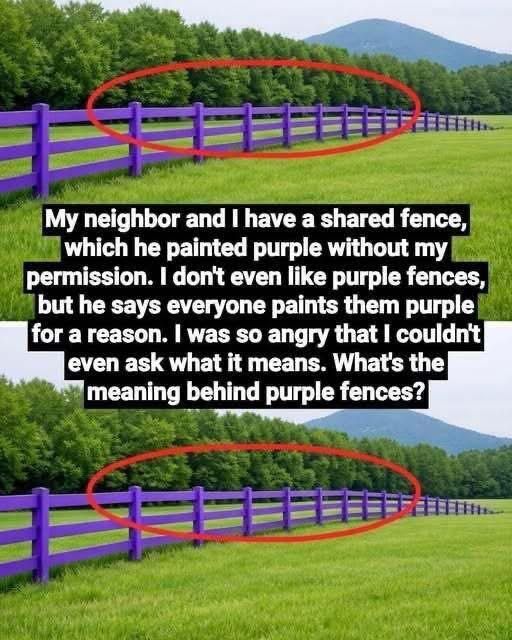
  • The Hidden Meaning Behind Purple Painted Fences and Trees and Why This Unusual Color Serves as a Legal No Trespassing Warning Across Many US States for Landowners Hikers and Anyone Who Enjoys Exploring Rural Areas Safely Respecting Property Boundaries and Avoiding Costly Legal Trouble

    The Hidden Meaning Behind Purple Painted Fences and Trees and Why This Unusual Color Serves as a Legal No Trespassing Warning Across Many US States for Landowners Hikers and Anyone Who Enjoys Exploring Rural Areas Safely Respecting Property Boundaries and Avoiding Costly Legal Trouble

    At first glance, a purple-painted fence post or a tree marked with a bold violet stripe may seem unusual, even decorative. To someone unfamiliar with its purpose, it might appear to be a random artistic choice, a quirky rural trend, or an attempt to make a property stand out visually. In reality, however, purple paint carries a very specific and legally recognized message in many parts of the United States. It is not decoration, and it is not arbitrary. It is a clear, deliberate warning: the land beyond this point is private property, and entry without permission is not allowed.

    The use of purple paint as a “no trespassing” signal is rooted in practicality, safety, and legal clarity. While many people are accustomed to seeing posted signs warning against trespassing, rural landowners often face challenges when relying solely on traditional signage. Signs can be torn down, weathered, vandalized, stolen, or simply fade over time. In contrast, paint applied directly to trees or fence posts lasts much longer and requires less maintenance. Purple, in particular, was chosen because it is highly visible, uncommon in nature, and not easily confused with other markings.

    This system of marking property boundaries did not emerge randomly. It developed over time as a solution to recurring problems faced by farmers, ranchers, and landowners who needed a durable, unambiguous way to communicate property lines. Over the years, several U.S. states formally recognized purple paint as a legally valid substitute for “No Trespassing” signs. This recognition gives the color legal weight, meaning that ignoring it can carry the same consequences as ignoring a posted sign.

    Understanding what a purple fence or tree marking means is important not only for landowners, but also for hikers, hunters, photographers, outdoor enthusiasts, and anyone who spends time in rural or semi-rural environments. Misunderstanding or ignoring these markings can lead to legal trouble, fines, or potentially dangerous encounters. Knowing the meaning behind the color helps people navigate landscapes responsibly and respectfully.

    The choice of purple was intentional and carefully considered. Unlike red or yellow, which may already be associated with other warnings or natural features, purple stands out clearly in outdoor environments. It is rarely used in forestry markings, trail blazes, or agricultural indicators, making it distinct. Purple is also visible in different lighting conditions and seasons, whether against green foliage, bare winter trees, or weathered wooden posts.

    In states that recognize purple paint laws, the markings must meet specific requirements to be considered legally valid. These rules are designed to ensure clarity and consistency so that the message cannot be misunderstood. Typically, the paint must be applied as a vertical stripe rather than a random splash or shape. This vertical orientation helps distinguish it from accidental paint marks or environmental discoloration.

    The size of the marking also matters. In many states, the stripe must be at least one inch wide and approximately eight inches long. This ensures that it is noticeable from a reasonable distance. Placement height is also regulated. The stripe is usually required to be positioned between three and five feet above the ground, making it visible to people on foot, on horseback, or operating small vehicles like ATVs.

    Spacing between markings is another important factor. To clearly define a property boundary, purple paint stripes are often required to be placed at regular intervals, commonly every 100 feet or less. This repetition reinforces the warning and makes it difficult to claim that the boundary was unclear. When properly applied, a line of purple markings creates an unmistakable visual barrier, even in the absence of fencing.

    It is important to note that purple paint laws are not universal across the United States. Some states fully recognize and enforce them, while others do not. In states without purple paint statutes, landowners may still use the color as an informal warning, but it may not carry the same legal authority as posted signage. This variation makes it essential for landowners to understand their local laws before relying solely on paint to mark boundaries.

    For those traveling or recreating outdoors, the safest assumption is always to treat purple paint as a stop signal, regardless of location. Even in states where the law does not formally recognize it, the presence of purple markings almost always indicates that the landowner does not want uninvited entry. Respecting that signal helps avoid conflict and demonstrates consideration for private property rights.

    The rise of purple paint laws also reflects changing attitudes toward land use and safety. As rural areas have seen increased recreational traffic from hikers, hunters, and tourists, the need for clear boundary communication has grown. At the same time, landowners have sought methods that reduce confrontations and eliminate ambiguity. A visible paint mark sends a message without requiring personal interaction, which can be safer for both parties.

    Another reason purple paint has become popular is its durability. High-quality outdoor paint can last for years, even in harsh weather conditions. Unlike signs that may rust, warp, or be obscured by vegetation, paint remains visible with minimal upkeep. This makes it a cost-effective solution for large properties where installing and maintaining signage along long boundaries would be impractical.

    There is also a legal advantage for landowners. Clear boundary markings help establish intent and notice. If a trespassing incident occurs, the presence of properly placed purple paint can support the landowner’s claim that the individual was adequately warned. This can be important in both civil and criminal cases, particularly when liability or safety issues are involved.

    For hunters, the implications are especially significant. Entering private land without permission can result in fines, loss of hunting privileges, or confiscation of equipment. Purple paint provides a clear visual cue to stop and verify access rights before proceeding. Ethical hunting practices emphasize respect for landowners and property boundaries, and recognizing purple markings is part of that responsibility.

    Hikers and outdoor photographers also benefit from understanding this system. With the growing popularity of outdoor recreation, many people explore areas that are not clearly separated by fences or signs. Purple paint offers a subtle but firm boundary that helps people stay on public land or designated trails. Ignoring it, even unintentionally, can lead to uncomfortable or unsafe situations.

    In some regions, purple paint has become so widely recognized that it is immediately understood by locals. For visitors unfamiliar with the practice, however, the meaning may not be obvious. This knowledge gap is why awareness is important. What might look like an aesthetic choice is, in fact, a legal warning with real consequences.

    There are also misconceptions surrounding purple paint markings. Some people assume they indicate danger, hazardous materials, or utility infrastructure. Others believe they mark hunting zones or conservation areas. While purple paint can coexist with other markings in some contexts, its primary meaning where recognized by law is private property and no trespassing.

    The use of purple paint also reflects a balance between visibility and restraint. Unlike large signs with aggressive wording, paint communicates the message quietly but firmly. It avoids confrontational language while still establishing boundaries. This approach aligns with a broader trend toward passive safety measures that reduce the likelihood of conflict.

    For landowners considering using purple paint, proper application is critical. Following local regulations ensures that the markings are legally defensible. Using the correct color shade, applying it at the proper height, and maintaining consistent spacing all contribute to the effectiveness of the warning. Consulting local statutes or agricultural extension offices can provide guidance tailored to specific regions.

    It is also worth noting that purple paint does not replace all forms of boundary management. In many cases, it works best alongside fencing, gates, or natural barriers. Together, these elements create a comprehensive system that clearly defines ownership and access expectations.

    From a cultural perspective, purple paint laws illustrate how communities adapt simple solutions to complex problems. Rather than relying solely on enforcement, the system emphasizes communication and mutual respect. It acknowledges that most people do not intend to trespass maliciously; they simply need clear information to make responsible choices.

    As outdoor recreation continues to grow and land use becomes more complex, the importance of understanding visual signals like purple paint will only increase. Education and awareness help bridge the gap between landowners and visitors, reducing misunderstandings and promoting coexistence.

    In practical terms, the takeaway is straightforward. If you see a fence post or tree marked with purple paint, stop. Do not cross unless you have explicit permission from the landowner. Treat it with the same seriousness as a posted “No Trespassing” sign. This simple act of recognition can prevent legal issues, preserve relationships, and ensure personal safety.

    For landowners, purple paint offers a reliable, low-maintenance way to communicate boundaries. For the public, it serves as a reminder that not all open land is public land. Respecting these markings is part of being a responsible neighbor, visitor, and outdoor enthusiast.

    In the end, the purple fence or tree marking is a powerful example of how a simple visual cue can carry significant meaning. It is a quiet but firm statement of ownership, safety, and intent. Understanding it transforms confusion into clarity and curiosity into respect. The next time you encounter purple paint in a rural setting, you will know that it is not just a color choice. It is a message, clearly and deliberately painted, asking you to pause, recognize the boundary, and choose respect over assumption.

  • Why Women Who Live Alone Should Hold Off on Switching On the Lights, and What That Small, Ordinary Decision Reveals About Safety, Habit, Fear, Independence, and the Quiet Calculations Women Learn to Make Without Ever Being Taught

    Why Women Who Live Alone Should Hold Off on Switching On the Lights, and What That Small, Ordinary Decision Reveals About Safety, Habit, Fear, Independence, and the Quiet Calculations Women Learn to Make Without Ever Being Taught

    There is a small pause that happens almost nightly for many women who live by themselves. It’s quiet, easy to miss, and from the outside it looks insignificant. A door closes behind her, the lock clicks, and instead of reaching for the switch, she waits. She stands still in the low light, letting the room reveal itself slowly.

    This moment isn’t rooted in fear or theatrics. It’s something learned over time, absorbed through experience rather than instruction. Women pick it up from stories that end badly, from warnings passed between friends, from the subtle realization that being alone is often noticed more than it should be.

    Light carries information. A brightly lit apartment announces presence, timing, solitude. Delaying that light buys anonymity. In the darkness, there is a brief reclaiming of control—a chance to enter without immediately broadcasting oneself to the outside world.

    Living alone sharpens perception. You learn the language of your space: which sounds are familiar, which aren’t, how the building breathes at night. You notice patterns, rhythms, absences. Waiting before turning on the lights allows that awareness to stay intact, uninterrupted.

    Often this habit begins after something minor but unsettling. A comment that lingered too long. Someone paying too much attention to your routine. Nothing dramatic enough to explain, just enough to adjust behavior. Over time, those small adjustments become instinct.

    There’s also an emotional reason for the pause. When you live alone, no one witnesses the transition between public and private. The dark offers a soft landing. It allows exhaustion, relief, and vulnerability to exist without performance. Light makes things official; darkness allows you to simply arrive.

    These quiet safety rituals are rarely acknowledged. When they are, they’re often dismissed as unnecessary. But nothing happens precisely because of them. Caution doesn’t announce itself when it works—it disappears into normalcy.

    Waiting before turning on the lights isn’t about expecting danger. It’s about choosing when to be seen. It’s a small act of autonomy in a world that often treats women’s presence as information. Some stand in the dark for a moment not because they are afraid, but because awareness has taught them how to move gently through their own lives.