Breaking News

  • Chelsea Clinton Opens Up About a Personal Challenge She Recently Faced

    Chelsea Clinton Opens Up About a Personal Challenge She Recently Faced

    Chelsea Clinton surprised many this week when she chose to speak openly about a personal challenge she had been navigating quietly. During a recent panel discussion focused on public health awareness and community resilience, she shared that she had tested positive for a seasonal viral infection that had been circulating widely.

    She explained that the past few weeks had been physically exhausting and emotionally draining, and she felt it was important to acknowledge the experience rather than hide it. Her openness created an atmosphere of understanding, reminding listeners that setbacks can affect anyone, regardless of background. In her remarks, Chelsea emphasized that her decision to share the news was motivated by a desire to encourage transparency around health issues.

    She highlighted how easily individuals can feel pressured to continue working, traveling, or meeting obligations even when unwell. By discussing her own situation, she aimed to normalize taking time to recover and to promote a thoughtful, responsible approach to wellness. She also spoke about the support she received from family, colleagues, and friends. Their encouragement helped her rest, reset her routine, and return to her commitments with renewed clarity.

    Chelsea noted that stepping back briefly allowed her to reconnect with simple habits that often go overlooked, such as better sleep, mindful pauses, and balanced scheduling. In closing, Chelsea encouraged others to listen to their bodies and to seek help when needed. Her message resonated widely, not because the situation was unusual, but because her honesty reminded people that openness and self-care remain essential in maintaining both personal health and community well-being.

  • GMA Mourns Beloved Stage Manager Michele Mayer

    GMA Mourns Beloved Stage Manager Michele Mayer

    Sadness swept through GMA overnight as anchors and staff mourned the loss of longtime colleague Michele Mayer. Though largely unseen by viewers, Mayer played a crucial role in shaping the broadcasts millions watched. From her early days as a teleprompter operator to her trusted role as stage manager, she quietly ensured every live show ran smoothly.

    Her calm guidance, from printed “Sit up straight” reminders to gentle but firm directions during broadcasts, left a lasting mark on everyone around her. For anchors like Peter Jennings, Charles Gibson, Diane Sawyer, and David Muir, Mayer was more than a colleague—she was a steady hand in high-pressure moments. She earned respect through competence and kindness, making the complex world of live television feel manageable.

    Her presence was felt even when cameras weren’t rolling, touching both veteran journalists and newcomers alike. As World News Tonight paused to honor her, the grief felt less like the departure of a coworker and more like the studio losing its heartbeat. Muir described her as his “partner in crime,” while Sawyer fondly recalled two Kentucky girls making it in the big city together.

    Now Mayer is returning home—to family, horses, and countryside—leaving a team forever changed by her quiet leadership. Though no longer behind the camera, the lessons she imparted and the stability she provided will continue to guide those who followed her, a lasting legacy of care, precision, and dedication.

  • A Doctor Explains Important Health Considerations Around End-of-Life Contact

    A Doctor Explains Important Health Considerations Around End-of-Life Contact

    A recent video shared by Moldovan physician Dr. Viktor Ivanovik has sparked a wide and thoughtful conversation online about health considerations during moments of farewell. With a following of more than one million people on TikTok, Dr. Ivanovik often uses his platform to explain medical topics in simple, accessible terms. In this particular video, he addressed a subject that many people rarely associate with health risks: physical contact with loved ones who have passed away. His message was not meant to shock, but to inform, encouraging viewers to be aware of factors that are often overlooked during times of deep grief.

    In the video, Dr. Ivanovik explains that several hours after death, natural biological changes begin to occur in the body. As part of these changes, microorganisms that are normally contained can become more active. According to him, close contact at this stage may carry health risks, including potential effects on the senses, such as smell. His advice, delivered calmly and directly, was intended as a precaution rather than a judgment. By framing the issue from a medical perspective, he aimed to help people make informed decisions while navigating emotionally difficult moments.

    The public response to the video has been mixed and deeply personal. Many viewers expressed appreciation for the information, noting that they had never considered possible health implications during such moments of farewell. Others shared heartfelt stories about saying goodbye to parents or close family members, emphasizing that emotional connection outweighed any concern about personal risk. These reactions highlight the powerful role that love, tradition, and culture play in grief. For many families, physical gestures such as holding a hand or offering a final kiss are deeply meaningful acts that provide comfort and closure.

    What the discussion ultimately reveals is the complexity of balancing emotional needs with health awareness. Dr. Ivanovik’s video does not attempt to dismiss cultural or personal practices, but instead adds a medical viewpoint to an already sensitive conversation. It also underscores the growing role of social media in sharing health information that might not otherwise reach a broad audience. Platforms like TikTok allow medical professionals to engage directly with the public, opening space for dialogue rather than silence around difficult topics. In the end, the video serves as a reminder that even during moments of sorrow, knowledge can empower individuals to make choices that feel right for both their hearts and their well-being.

  • After a Major Inheritance, My Marriage Ended — Until a Legal Detail Changed Everything

    After a Major Inheritance, My Marriage Ended — Until a Legal Detail Changed Everything

    For ten years, I believed marriage meant standing beside someone no matter how heavy life became. As Curtis’s wife, I gave more than love—I gave time, patience, and myself. When his father, Arthur, fell gravely ill, it was I who stepped forward. Curtis claimed he couldn’t bear to watch his father fade and said the responsibility affected his focus and well-being. So I became Arthur’s caregiver. I helped him through painful days and sleepless nights, read to him when his strength failed, and offered comfort when fear overtook him. In those quiet moments, Arthur became more than my father-in-law; he became family. Curtis, meanwhile, appeared only briefly, always polished and distant, asking questions that revealed where his true attention lay.

    Arthur’s passing left a deep emptiness in my life. I mourned him sincerely, while Curtis seemed to step into a future he had already imagined. Just days after the funeral, I returned home to find my belongings packed carelessly and left by the door. Curtis calmly informed me that our marriage was over. He spoke of his inheritance as if it were a personal victory and dismissed our decade together as something transactional and finished. He offered me a small check, called it compensation, and insisted I leave before his attorney arrived. That night, I slept in my car, stunned by how quickly devotion had been replaced with indifference. The man I loved felt suddenly unfamiliar, as though the truth had simply been waiting for the right moment to surface.

    Weeks later, I was summoned to the reading of Arthur’s will. Curtis made it clear he expected nothing more than a brief formality and treated my presence as an inconvenience. Confident and impatient, he listened as the attorney confirmed that the inheritance included the family home, assets, and a vast fortune. Curtis celebrated prematurely, certain everything had gone exactly as planned. Then the attorney paused and read a final provision Arthur had added shortly before his illness worsened. It was a clause that tied the inheritance not just to family ties, but to character, loyalty, and compassion—qualities Arthur had quietly observed during his final days.

    The room fell silent as Arthur’s words revealed his intent. If Curtis had remained married and treated me with respect, the inheritance would be his. But if he had abandoned me, the fortune would pass instead to the person who had shown true care. Curtis’s certainty collapsed into disbelief as the attorney confirmed that his own actions had activated the clause. The assets, the home, and the inheritance were legally transferred to me. Curtis pleaded, reframing cruelty as grief, but the truth was already written. I walked away not just with material security, but with clarity. Arthur had seen what I once refused to accept: that love reveals itself most clearly when nothing can be gained from it. And in that understanding, I found the beginning of a new life—one built not on wealth alone, but on dignity and self-respect.

  • What the Small Aluminum Ring on Sausage Sticks Is Used For

    What the Small Aluminum Ring on Sausage Sticks Is Used For

    If you have ever taken a closer look at a sausage stick, you may have noticed a small aluminum ring attached to one end. At first glance, it might seem like a leftover piece from the packaging process or an unimportant manufacturing detail. Because it is tiny and blends into the overall design, most people barely give it a second thought. However, this small ring is not accidental or decorative. It serves a specific and important purpose that supports the quality, safety, and handling of sausage products long before they reach store shelves or home kitchens.

    The main role of the aluminum ring is to securely seal the sausage casing. Sausages are typically encased in natural or synthetic materials that must be tightly closed to protect the contents inside. The aluminum ring is crimped around the casing to create a strong, reliable seal that keeps air, moisture, and external contaminants out. This helps preserve freshness, flavor, and texture while reducing the risk of spoilage. In addition, the ring reinforces the end of the sausage, helping it hold its shape during processing, shipping, and storage. Without this simple but effective closure, sausages would be far more likely to leak, dry out, or become damaged during transport.

    Beyond sealing the casing, the aluminum ring also offers practical benefits during production and storage. In many facilities, sausages are hung during curing, smoking, or drying processes, and the ring provides a convenient attachment point that allows for even air circulation. This helps ensure consistent quality across large batches of products. For consumers, the ring can sometimes make sausages easier to handle, separate, or position without tearing the casing. While most people remove and discard it before use, some individuals have even found creative ways to reuse these small rings for organizing lightweight items or simple household projects. These secondary uses may be minor, but they show how a small design element can serve multiple purposes.

    The reason this aluminum ring often goes unnoticed is because it is designed to work quietly in the background. Its job is to be functional rather than eye-catching. Aluminum rings have been used in sausage production for many decades, especially in established food industries across Europe and North America, because aluminum is durable, hygienic, and food-safe. Over time, this small component has become a trusted part of the manufacturing process. The next time you see one on a sausage stick, it may still seem insignificant, but it represents a thoughtful solution shaped by years of experience in food production. Sometimes, the most ordinary details reveal how much care goes into everyday products we often take for granted.

  • Many People Grow the “Money Tree” at Home, But Few Know the Deeper Meaning, Hidden Symbolism, Care Secrets, Energy Beliefs, Feng Shui Connections, Growth Myths, Environmental Benefits, Cultural History, Common Mistakes, and What This Popular Houseplant May Reveal About Wealth, Balance, Intentions, and the Atmosphere of Your Living Space

    Many People Grow the “Money Tree” at Home, But Few Know the Deeper Meaning, Hidden Symbolism, Care Secrets, Energy Beliefs, Feng Shui Connections, Growth Myths, Environmental Benefits, Cultural History, Common Mistakes, and What This Popular Houseplant May Reveal About Wealth, Balance, Intentions, and the Atmosphere of Your Living Space

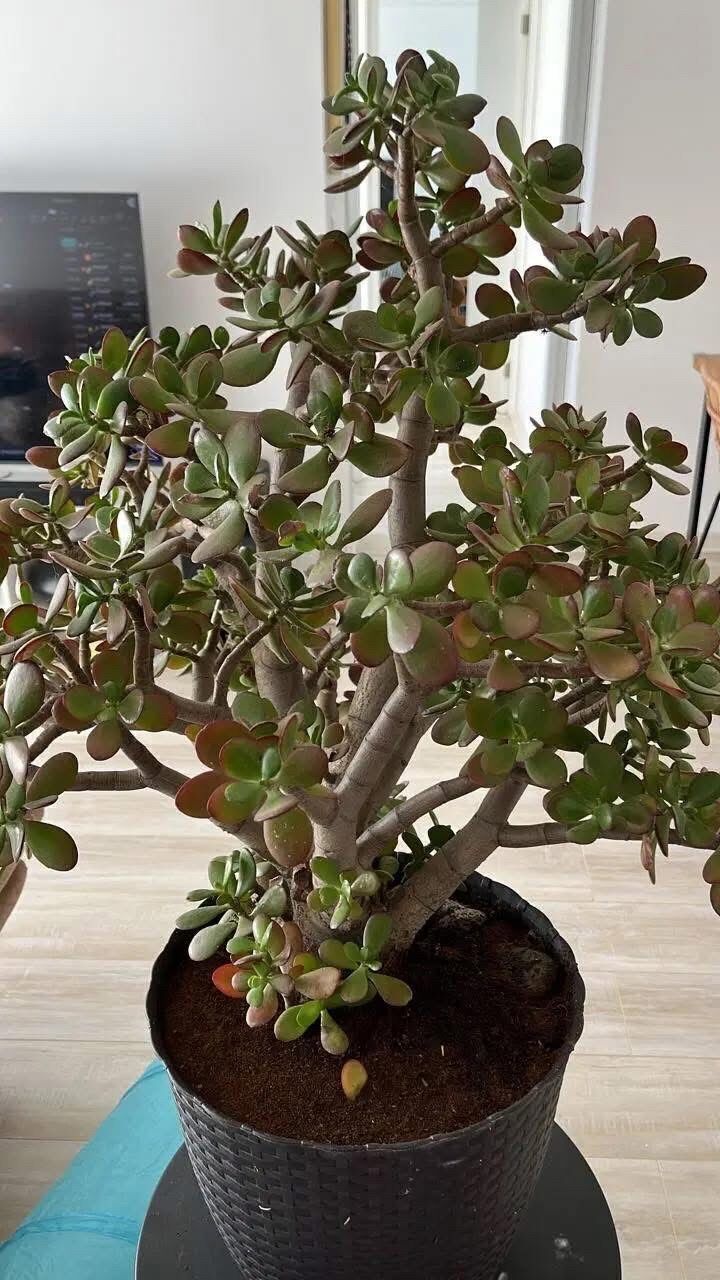
    The money tree has become one of the most recognizable and widely kept houseplants in modern homes, offices, and workplaces. Its braided trunk, glossy green leaves, and reputation for attracting prosperity make it a favorite among people seeking both beauty and symbolism in their living spaces. Often gifted for new homes, businesses, or fresh beginnings, the money tree is commonly associated with luck, abundance, and positive energy, especially in Feng Shui traditions. Yet for most people, the plant’s meaning stops there. It is admired, watered occasionally, placed near a window, and quietly assumed to be little more than a decorative charm. What few realize is that the money tree carries a deeper cultural, historical, and practical significance that goes far beyond its reputation for financial fortune. For centuries, plants have been valued not only for their appearance but also for their energetic qualities and traditional healing uses. The money tree sits at the intersection of these worlds—symbolic, environmental, and practical. Understanding this plant more fully invites a different relationship with it, one rooted in awareness, respect, and care rather than superstition alone. When viewed through a broader lens, the money tree becomes less of a passive ornament and more of a living presence that reflects balance, intention, and responsibility within the space it inhabits.

    In Feng Shui, the money tree is believed to attract wealth not simply because of its name, but because of the energetic qualities associated with its structure and growth. The five-leaf pattern commonly seen on mature plants is thought to represent the five elements: wood, water, fire, earth, and metal. Balance among these elements is central to Feng Shui philosophy, and a healthy money tree is considered a visual and energetic symbol of that harmony. Placed intentionally—often in the southeast corner of a room, which is associated with wealth and abundance—the plant is said to encourage steady growth rather than sudden or unstable gain. Unlike symbols that promise instant riches, the money tree reflects a slower, more sustainable approach to prosperity, one built on patience, consistency, and care. This symbolism extends beyond money in the literal sense. Many practitioners interpret “wealth” more broadly, encompassing emotional stability, good health, meaningful relationships, and a sense of purpose. From this perspective, the money tree does not magically create abundance, but serves as a reminder of the conditions needed for it to grow. Neglecting the plant, overwatering it, or placing it in poor light often leads to wilting or leaf loss—an outcome that mirrors imbalance rather than misfortune. In this way, the plant subtly teaches that abundance is not passive; it requires attention, moderation, and respect for natural rhythms.

    Beyond its symbolic associations, the money tree has a lesser-known history of traditional use in folk practices related to skin care and minor topical relief. In some cultures, the leaves have been used externally for their soothing properties, particularly in cases of minor skin irritation. These traditional applications are rooted in the plant’s natural anti-inflammatory and antibacterial compounds, which have been observed in various botanical studies of related species. Historically, crushed or gently heated leaves were sometimes applied to calluses, small cuts, minor burns, insect bites, cold sores, and acne as a calming, protective layer. It is important to understand that these practices belong to traditional and anecdotal knowledge rather than modern clinical medicine. They were passed down through generations in communities where access to pharmaceutical treatments was limited, and plants served as the primary source of care. While such uses are still referenced today, they should be approached with caution and awareness. The money tree is not a substitute for medical treatment, nor should it be used on open wounds or serious conditions. Its traditional value lies in gentle, external application for minor skin concerns, always with attention to individual sensitivity and hygiene. This aspect of the plant’s history adds another layer to its identity, revealing that its value has long extended beyond symbolism alone.

    The idea that a houseplant could offer both energetic balance and physical comfort reflects a broader human relationship with nature that has gradually faded in modern life. For much of history, plants were not categorized strictly as decorative or functional; they were integrated into daily living in multiple ways. A plant in the home was a source of shade, air purification, emotional grounding, and sometimes basic remedies. The money tree, with its thick leaves and resilient nature, fits naturally into this older worldview. Its leaves, when healthy, are firm, smooth, and rich in moisture, qualities often associated with soothing effects in traditional herbal practices. At the same time, its presence indoors can subtly improve environmental quality. Like many houseplants, the money tree contributes to air humidity and can help reduce stress simply through visual exposure to greenery. Studies on indoor plants consistently show that green spaces, even small ones, can lower anxiety, improve focus, and create a sense of calm. While these benefits are not unique to the money tree, its association with positive intention often amplifies their psychological impact. When people believe a plant brings good energy, they tend to care for it more attentively, creating a feedback loop of nurturing and mindfulness that benefits both the plant and the person.

    Despite its appealing qualities, the money tree must be handled with care and responsibility. Traditional topical uses of its leaves come with important limitations. The plant should only ever be used externally on intact skin, and even then, a small patch test is recommended to ensure there is no allergic reaction. Individuals who are pregnant, breastfeeding, or under the age of twelve are generally advised to avoid such uses altogether, as sensitivity can vary and safety data is limited. These cautions are not meant to instill fear, but to encourage informed respect. Natural does not automatically mean safe, and traditional knowledge must be balanced with modern understanding. Even in symbolic terms, the money tree teaches moderation. Overwatering can lead to root rot, while excessive sunlight can scorch its leaves. Similarly, overextending its use beyond gentle, traditional boundaries undermines the very balance it represents. Caring for the money tree properly—providing indirect light, well-draining soil, and moderate watering—reflects the same principles that underpin its symbolic meaning. It thrives when conditions are steady and thoughtful, not extreme or careless.

    The growing popularity of the money tree in modern homes may reflect a deeper cultural longing for stability in uncertain times. As people face financial stress, rapid change, and constant stimulation, the appeal of a plant that symbolizes grounded growth becomes understandable. Yet the true value of the money tree lies not in promises of sudden wealth or miracle cures, but in what it quietly represents: patience, care, and intentional living. Whether admired for its Feng Shui symbolism, respected for its traditional external uses, or simply enjoyed as a beautiful houseplant, it asks something of its owner. It asks to be noticed, tended, and respected as a living organism rather than a decorative object. In doing so, it mirrors the way abundance and well-being function in real life. They grow slowly, respond to care, and diminish when neglected. The money tree does not change a home through magic, but through presence. It reminds those who live with it that balance is cultivated, not wished into existence.

    Ultimately, the money tree stands as a symbol of integration—between nature and home, symbolism and practicality, beauty and responsibility. It carries centuries of belief, quiet tradition, and modern reinterpretation within its braided trunk and glossy leaves. To some, it will always be a charm for prosperity; to others, a calming presence; to a few, a plant with gentle traditional uses worthy of careful respect. None of these perspectives are wrong, but they are incomplete on their own. When understood more fully, the money tree becomes a reminder that true wealth is not limited to finances. It includes health, balance, knowledge, and the ability to care thoughtfully for the living things we invite into our spaces. Handled with care and awareness, this beautiful plant offers more than decoration—it offers a quiet lesson in harmony, patience, and mindful living.

  • The Sandwich Man’s Secret: A Mysterious Daily Routine, a Quiet Street Corner, Warm Bread and Simple Fillings, Curious Neighbors, Unspoken Kindness, Hidden Generosity, Lives Touched in Silence, Unexpected Connections, and the Powerful Truth Behind One Man’s Habit That Changed an Entire Community Forever

    The Sandwich Man’s Secret: A Mysterious Daily Routine, a Quiet Street Corner, Warm Bread and Simple Fillings, Curious Neighbors, Unspoken Kindness, Hidden Generosity, Lives Touched in Silence, Unexpected Connections, and the Powerful Truth Behind One Man’s Habit That Changed an Entire Community Forever

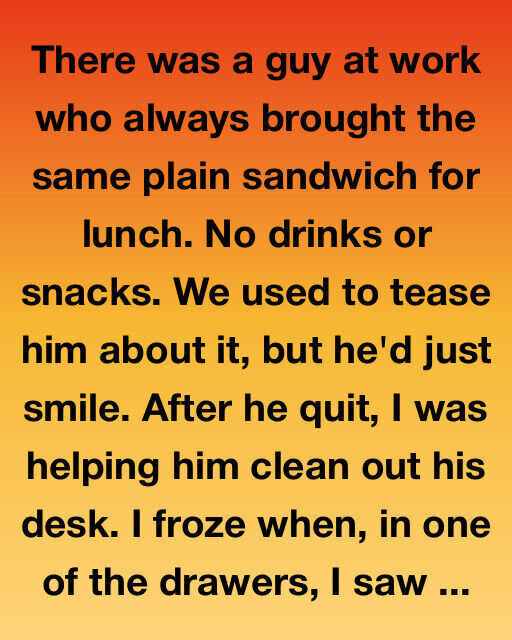
    Paul had always blended into the background of the office, the kind of person people noticed only by his habits rather than his presence. He arrived at exactly 8:20 every morning, hung his jacket on the same hook, nodded politely to anyone who made eye contact, and sat down at his desk near the window that overlooked the parking lot. His clothes were clean but worn, his shoes practical rather than stylish, and his voice so soft that meetings often continued as if he hadn’t spoken at all. What people remembered most about Paul, though, was his lunch. Every single day, without variation, he unwrapped the same sandwich from the same brown paper bag. Two slices of plain white bread. No crusts cut. Inside, either peanut butter or ham and cheese, never both, never anything fancy. No chips. No cookie. No soda. Just the sandwich and a small apple. At first, it was just an observation. Then it became a joke. “Living on the edge today, Paul?” someone would say, laughing. Another coworker once asked him if he was saving up for something big, since he clearly wasn’t spending money on lunch. Paul would smile politely, shrug, and say, “It works for me.” He never bristled, never defended himself, never explained. Over time, the teasing softened into background noise, the way office chatter always does. People stopped asking. Paul kept eating his sandwich, day after day, quietly chewing while others scrolled through their phones or debated where to order lunch from. No one wondered much beyond that. In an office full of loud personalities and constant movement, Paul was simply… there.

    When Paul gave his notice, it surprised everyone. He didn’t announce it dramatically or explain his reasons. He just sent a brief email thanking the team and stating that his last day would be Friday. There was speculation, of course. Some thought he’d finally found a better-paying job. Others assumed he was retiring early or moving closer to family. Paul deflected every question with the same gentle smile. “It’s time,” he said, nothing more. On his final afternoon, the office gathered awkwardly around his desk with a store-bought cake and a card passed hastily from hand to hand. People thanked him for his reliability, for always being on time, for never causing trouble. He thanked them in return, shook hands, and packed his things into a single cardboard box. When most people drifted back to their desks, it was Mark from accounting who stayed behind to help carry the box to Paul’s car. As Paul stepped out to grab his jacket, Mark noticed something tucked into the bottom drawer of the desk—something Paul must have forgotten. It was a thick bundle of papers, tied together with twine. Mark hesitated, then pulled it out, intending to hand it back. What he saw stopped him cold. Crayon drawings. Dozens of them. Bright colors, uneven lines, stick-figure children holding hands with a smiling man. Hearts filled the margins. Speech bubbles said things like “Thank you for lunch!” and “You make the best sandwiches!” One drawing showed a man with a familiar gentle smile handing a paper bag to a child under a sun drawn far too large for the page. Tucked between the drawings were handwritten notes in careful, childlike script: I wasn’t hungry today because of you. My mom says you’re kind. Thank you for remembering me. Mark felt a lump rise in his throat, confusion mixing with something heavier. When Paul returned, Mark held up the bundle. “You forgot this,” he said quietly. Paul’s face changed—not panicked, not angry, just… exposed. For a moment, it seemed like he might take them and leave without explanation. Instead, he sighed softly. “I suppose it’s time someone knew,” he said.

    They talked for nearly an hour in the empty break room, long after the cake had been cleared away and the lights dimmed. Paul didn’t dramatize his story. He spoke the same way he always had—calm, measured, almost apologetic. Years earlier, he explained, he’d volunteered once at a local library that ran an after-school program for children whose families struggled to make ends meet. One afternoon, he noticed a little boy sitting apart from the others, not reading, not playing, just watching. When Paul asked him what was wrong, the boy shrugged and said he was hungry but didn’t want to say anything because his mom worked late and he didn’t want to be trouble. Paul went home that night and made an extra sandwich the next morning. Then another. Then a few more. He started showing up at the library every weekday after work with a bag of simple lunches—nothing fancy, just filling, familiar food. The program grew quietly. Other kids lined up. Some days there were five. Some days there were twenty. Paul paid for everything himself. He never asked for donations. Never posted about it. Never told anyone at work. “I didn’t want it to become a thing,” he said. “They didn’t need attention. They needed consistency.” The reason his own lunch was so plain, he explained, was practice. He wanted every sandwich to be the same. Easy to make. Affordable. Something he could prepare half-asleep at five in the morning and know would be good enough. The drawings were thank-you gifts the kids insisted on giving him. He kept every single one.

    A week later, curiosity and something like guilt pushed Mark to do what Paul had suggested casually during their conversation: “If you ever want to see them,” he’d said, “I’ll be at the West End Library most afternoons.” The library sat between a laundromat and a shuttered grocery store, its brick exterior faded but welcoming. Mark almost turned back twice, unsure if he was intruding on something sacred. But when he stepped inside, he saw Paul immediately. He was standing behind a folding table near the children’s section, brown paper bags neatly stacked beside him. His posture was different there—still quiet, but purposeful. A line of children waited patiently, some holding books, others just swinging their legs. Paul greeted each one by name. “How was your math test?” “Did your sister like the story I gave her?” He handed out the bags without ceremony, as if this were the most ordinary thing in the world. The children took them with reverence. No grabbing. No shouting. Just soft thank-yous and shy smiles. Mark stood frozen, watching the man he’d known for years transformed not into someone else, but into someone more fully himself. When Paul finally noticed him, he smiled, unsurprised. “You found the place,” he said. Mark nodded, unable to speak. He stayed until the last child left, until Paul wiped down the table and packed up the empty bags. They walked out together into the early evening light. “Why didn’t you tell anyone?” Mark finally asked. Paul considered the question. “Because then it wouldn’t be this,” he said simply. “It would be something else.”

    Word spread slowly after that—not because Paul shared it, but because Mark couldn’t carry it alone. He told one person, then another, always careful not to embellish. People from the office began stopping by the library under the pretense of donating books or volunteering for an hour. They saw the same thing Mark had seen: no speeches, no cameras, no credit taken. Just a man making sandwiches and showing up, day after day. Some began contributing quietly—dropping off bread, leaving envelopes of cash with no names. Paul accepted help reluctantly, only when it meant more food for the kids. He never changed the routine. The sandwiches stayed simple. The bags stayed brown. The focus stayed on the children. Over time, the library expanded the program, adding tutoring sessions and a small pantry. Paul stepped back slightly, letting others take on more visible roles. He didn’t disappear, though. He was always there, somewhere in the background, smiling at a child, wiping down a table, making sure no one was left out. At the office, people spoke of him differently now. Not with awe or gossip, but with a softened respect. The jokes about his plain lunch stopped. Some habits, once understood, no longer invite ridicule.

    Years later, long after Paul had fully faded from the day-to-day memory of the office, Mark kept one of the drawings framed on his desk. It showed a man handing a sandwich to a child beneath a sun that took up half the page. Visitors sometimes asked about it, and Mark would tell them the story—not as a lesson, not as a moral, but as a reminder. He’d say that kindness doesn’t always look impressive. Sometimes it looks repetitive. Sometimes it looks boring. Sometimes it looks like the same sandwich, made the same way, every single day. Paul never sought recognition, and he never got rich or famous for what he did. But in quiet ways that never made headlines, he changed lives. The children he fed grew older. Some moved away. Some returned to the library years later, taller, more confident, carrying memories of a man who showed up when they were hungry and didn’t ask questions. The secret of the sandwich man was never really a secret at all. It was simply this: consistency can be a form of love, and the smallest routines, repeated with care, can leave the deepest marks.

  • Men born in these months are said to make the best husbands, with personality traits, seasonal influences, and astrological factors linked to loyalty, kindness, commitment, and compatibility—raising playful curiosity about whether your partner’s birth month puts him among the so-called ‘elite.’

    Men born in these months are said to make the best husbands, with personality traits, seasonal influences, and astrological factors linked to loyalty, kindness, commitment, and compatibility—raising playful curiosity about whether your partner’s birth month puts him among the so-called ‘elite.’

    Finding a loving, loyal, supportive partner is one of life’s greatest hopes, and many people spend years searching for someone who brings out their best, offers emotional safety, and helps build a steady future. We often think of compatibility in terms of shared values, communication, trust, and timing—but throughout history, people have also looked to birth months, seasons, and astrological traditions for clues about personality. While science does not confirm that the month someone is born guarantees any specific traits, many cultures believe that seasonal influences and symbolic qualities can shape temperament, motivation, and even relationship style. For some, it’s playful curiosity; for others, it feels surprisingly accurate.

    So, when people say certain birth months produce “the best husbands,” they’re tapping into a long-standing idea that personality patterns can align with the time of year a person enters the world. Whether taken seriously or simply enjoyed for fun, these observations give us a new way to reflect on the qualities that make a romantic partner truly exceptional: kindness, commitment, emotional maturity, loyalty, patience, and the willingness to grow alongside someone. With that spirit in mind, let’s explore what people often associate with different birth months—and why some men born during certain parts of the year are believed to make especially devoted and attentive husbands.
    January: The Steady Builders

    Men born in January are often described as grounded, practical, and hardworking. Symbolically tied to the start of the year—a time of planning and resolution—they’re believed to carry a natural sense of responsibility. Many people view January-born partners as dependable providers, loyal teammates, and long-term thinkers who approach marriage like a partnership built on consistency and shared goals. They may not always be the most expressive romantically, but their devotion often shows up in reliability: paying bills on time, keeping promises, and showing up when it matters most. A January husband tends to think in terms of the future—making him a steady presence during life’s unpredictable moments.
    February: The Deep Feelers

    Men born in February are often linked to introspection, creativity, and emotional depth. People commonly describe them as thoughtful listeners who value authentic connection. Rather than treating relationships like routines, they approach love with curiosity and imagination. This type of partner may surprise their spouse with meaningful gestures, handwritten notes, or tender conversations at unexpected moments. While February-born men sometimes prefer solitude or personal space, that same reflective nature can help them understand a partner’s needs in ways that feel comforting and intimate. When committed, they’re believed to love with intensity and loyalty, valuing emotional honesty above all else.
    March: The Gentle Supporters

    March is often associated with kindness, patience, and a naturally nurturing spirit. Men born in this month are sometimes described as gentle, compassionate, and eager to help others succeed. In marriage, they may prioritize harmony and emotional safety, making them attentive listeners and supportive partners. A March husband is often seen as someone who wants to be a teammate rather than a rival—someone who celebrates their spouse’s success instead of competing with it. Their calm presence can be a powerful source of comfort during stressful times, helping relationships feel peaceful, steady, and balanced.
    April: The Passionate Protectors

    Men born in April are commonly associated with strong energy, confidence, and boldness. They’re often seen as passionate partners who throw their whole heart into love. In marriage, they may take on a protective, motivated role—working hard to build security and stability for their families. They tend to act quickly, speak directly, and love intensely, which can make them exciting and dynamic husbands. While their fiery nature sometimes leads to spirited disagreements, their passion also fuels loyalty. When they commit, they commit fully—often bringing enthusiasm, adventure, and dedication into the relationship.
    May: The Loyal Providers

    May-born men are often tied to consistency, comfort, and devotion. People frequently describe them as loyal partners who value home, family traditions, and emotional routine. A May husband might show love through practical acts: cooking meals, fixing the car, remembering anniversaries, or building a cozy home environment. They may be slow to fall in love, but once they do, they’re known for long-term commitment and unwavering loyalty. Their steady nature can help relationships feel secure and rooted, making them ideal partners for those who crave stability over drama.
    June: The Communicators

    June-born men are believed to be expressive, social, and conversational. They’re often seen as natural communicators—people who enjoy sharing ideas, discussing feelings, and keeping the emotional channels open. In marriage, this can translate into healthy conflict resolution, honest dialogue, and a willingness to work through challenges rather than avoid them. A June husband may be playful, witty, and charming, making everyday life feel lively. Their openness helps build trust, and their curiosity makes them attentive partners who keep the relationship dynamic and mentally engaging.
    July: The Family-Hearted Husbands

    Men born in July are frequently associated with emotional warmth, protectiveness, and strong family values. They tend to be deeply loyal, sometimes shy, but always loving once they feel safe. In relationships, they often put their spouse and children above everything else. A July husband may be the type who remembers everyone’s favorite meals, attends every school event, or plans holiday traditions. Their devotion can be tender and heartfelt, making them the emotional anchor of the family. They value deep bonding over surface-level romance and often build homes filled with affection and security.
    August: The Strong Leaders

    August-born men are often linked with confidence, ambition, and leadership. In marriage, they may take on a guiding role—organizing plans, solving problems, and motivating the household. They’re typically proud, loyal, and protective of their loved ones. While their strong personalities can be intense at times, they’re also generous partners who enjoy providing for others. A spouse married to an August husband may feel encouraged, supported, and admired. Their determination helps them build stable lives, and their big-hearted nature often shines in moments of celebration or crisis.
    September: The Perfectionists With Heart

    September-born men are often associated with intelligence, careful planning, and attention to detail. In relationships, this can translate to thoughtful gestures, well-planned dates, and strong financial responsibility. They may be practical, organized, and focused on creating a comfortable life. A September husband tends to show love through acts of service—fixing things, managing schedules, or researching solutions to problems. While they can be self-critical or perfectionistic, their intentions come from a place of care and dedication. They want to build a stable marriage that stands the test of time.
    October: The Peacemakers

    Men born in October are commonly described as diplomatic, fair-minded, and relationship-oriented. They value balance, cooperation, and shared decision-making. In marriage, they often strive to keep the peace, resolve conflicts calmly, and maintain emotional harmony. A spouse may find them charming, sociable, and generous. October husbands tend to enjoy partnership in the truest sense—seeing marriage as a union where both voices matter. Their sense of justice and empathy can make them exceptionally attentive and supportive partners.
    November: The Intensely Loyal Lovers

    November-born men are often associated with depth, passion, and mystery. When they love, they love fiercely—prioritizing emotional intimacy and loyalty. They may be private or slow to open up, but once they do, they form strong, enduring bonds. In marriage, they can be protective, devoted, and intensely committed. They value trust and honesty above all else, and betrayal is something they take seriously. A November husband may be deeply romantic in a quiet, soulful way—bringing emotional richness to the relationship.
    December: The Optimistic Companions

    Men born in December are often described as cheerful, adventurous, and hopeful. They bring humor and positivity into relationships, helping lighten difficult moments. A December husband might plan spontaneous trips, crack jokes to ease tension, or encourage his partner to dream bigger. Their playful spirit can make marriage feel joyful and vibrant. Beneath the fun-loving exterior, they’re often loyal and big-hearted, valuing connection and shared experiences. They may not dwell on problems; instead, they focus on solutions and forward momentum.
    The Bigger Truth

    While these qualities are commonly associated with their respective months, it’s important to remember that no birth month guarantees relationship success. The best husbands come in every season, every background, and every personality style. Love thrives through communication, respect, empathy, and effort—not the calendar.

    Still, exploring birth months can be a fun and insightful way to reflect on the traits we value in a partner—and to appreciate the strengths that different personalities bring into marriage.

    In the end, the “best husband” isn’t defined by when he was born, but by how he loves, listens, grows, and shows up—day after day, year after year.


  • A Strange Find in the Ceiling: Homeowners Were Stunned After Discovering a Hidden Object Above Their Living Space That Raised Chilling Questions About the House’s Past, Its Previous Occupants, and the Unexpected Secrets That Can Linger Undetected Overhead for Decades Inside Ordinary Homes

    A Strange Find in the Ceiling: Homeowners Were Stunned After Discovering a Hidden Object Above Their Living Space That Raised Chilling Questions About the House’s Past, Its Previous Occupants, and the Unexpected Secrets That Can Linger Undetected Overhead for Decades Inside Ordinary Homes

    A strange discovery in a ceiling often begins innocently: a faint discoloration, a hairline crack, a soft spot noticed during cleaning, or an unfamiliar sound overhead in the quiet hours of the night. Ceilings are among the most overlooked parts of a home, largely because they sit out of reach and out of sight, quietly performing their role without demanding attention. Yet they also act as a boundary between living spaces and the hidden infrastructure above—attics, crawl spaces, plumbing lines, wiring networks, insulation layers, and structural framing. When something unusual appears on a ceiling, it is rarely random. Brown or yellow stains, for instance, are one of the most common and alarming ceiling discoveries homeowners encounter. These stains typically signal moisture intrusion, which can originate from a roof leak, damaged flashing, cracked shingles, clogged gutters forcing water backward, or leaking plumbing lines from an upstairs bathroom. Condensation caused by poor insulation or extreme temperature differences can also create moisture accumulation over time. The danger lies not just in the unsightly appearance, but in the slow, silent damage moisture can cause—weakening drywall, rotting wooden beams, rusting metal fasteners, and creating an ideal environment for mold growth. Ignoring such stains can allow minor issues to evolve into costly structural repairs, making early investigation essential. Checking attic insulation for dampness, inspecting visible pipes, and tracing the stain’s shape and growth pattern can provide early clues before professional intervention becomes unavoidable.

    Beyond stains, homeowners are often unsettled by physical debris appearing indoors—particularly small piles of sawdust, tiny holes, or crumbling material collecting on furniture or floors beneath the ceiling. These signs frequently point to wood-boring insects such as carpenter ants or powderpost beetles, pests that prefer the concealed safety of ceiling cavities and framing. Carpenter ants do not consume wood the way termites do, but they excavate it to build nesting galleries, gradually hollowing out beams and joists. Powderpost beetles, on the other hand, lay eggs inside wood, and their larvae feed from within, reducing structural lumber to a fragile shell over time. The fine, flour-like sawdust known as frass is often the first visible clue that these insects are present. Because ceilings conceal the damage until it becomes severe, infestations can remain undetected for years. Spotting live insects, hearing faint clicking or rustling sounds, or noticing repeated sawdust accumulation should prompt immediate action. Professional pest control is crucial in these cases, not only to eliminate the insects but also to assess the integrity of the affected framing. Left untreated, wood-boring pests can compromise load-bearing structures, leading to sagging ceilings, cracked walls, and in extreme cases, partial collapse.

    Sounds emanating from ceilings are among the most anxiety-inducing discoveries a homeowner can experience. Scratching, scurrying, gnawing, or thumping noises—especially at night—often indicate the presence of rodents or wildlife nesting in attic or ceiling voids. Mice, rats, squirrels, raccoons, and even birds can find their way into these hidden spaces through remarkably small openings along rooflines, vents, chimneys, or damaged soffits. Once inside, they build nests using insulation, chew through wiring and wood, and leave behind droppings that pose health risks. Rodents are particularly dangerous due to their tendency to gnaw on electrical wires, increasing the risk of short circuits and fires. Greasy rub marks near entry points, droppings in attic spaces, and chewed materials are telltale signs of infestation. Addressing the problem requires more than simply removing the animals; entry points must be sealed, contaminated insulation replaced, and wiring inspected for damage. Wildlife removal professionals are often necessary, especially when dealing with protected species or larger animals, as improper removal can worsen the problem or violate local regulations. The longer animals remain in ceiling spaces, the greater the potential for damage, odors, and health hazards.

    Visual changes to the ceiling surface itself—such as bubbling paint, peeling layers, or warped drywall—often indicate prolonged exposure to moisture or excessive humidity rather than a single isolated leak. Bathrooms, kitchens, and laundry rooms are common culprits, especially in homes with inadequate ventilation. Steam from showers, cooking, or drying clothes can rise and condense on cooler ceiling surfaces, gradually penetrating paint and drywall. Over time, this trapped moisture causes paint to blister and materials to soften. In some cases, poorly installed insulation or blocked ventilation channels in the attic prevent moist air from escaping, exacerbating the problem. While these symptoms may appear cosmetic at first, they often mask deeper issues. Moisture that remains unchecked can migrate into insulation and framing, reducing energy efficiency and fostering mold growth. Solutions include improving exhaust fan usage, installing higher-capacity ventilation systems, using dehumidifiers in moisture-prone areas, and repairing any active leaks before cosmetic repairs are attempted. Simply repainting a damaged ceiling without addressing the underlying moisture source is a temporary fix that almost guarantees recurrence.

    One of the most concerning discoveries in ceilings involves unusual growths or textures—white, cottony patches; greenish discoloration; or black, fuzzy clusters spreading across the surface. These are often signs of mold, a problem that extends beyond aesthetics into serious health territory. Mold thrives in damp, dark environments, making ceiling cavities an ideal breeding ground when moisture issues persist. Exposure to mold spores can trigger respiratory problems, allergic reactions, headaches, and fatigue, particularly in children, elderly individuals, or those with compromised immune systems. Attempting to clean mold without proper protection can release spores into the air, worsening exposure. Identifying and eliminating the moisture source is the most critical step in mold remediation, as mold will continue to return as long as conditions remain favorable. Small, isolated areas may be manageable with appropriate precautions, but larger infestations typically require professional remediation to ensure complete removal and prevent cross-contamination. Alongside biological hazards, homeowners sometimes uncover old vents, abandoned pipes, or unused wiring concealed within ceilings. These remnants of past renovations can be confusing and occasionally dangerous, especially if their status is unclear. Inactive electrical wires or capped plumbing lines may pose no threat, but incorrectly handled, they can become safety hazards. Consulting qualified electricians or plumbers ensures these elements are properly identified, secured, or removed.

    Not all strange ceiling discoveries are harmful or hazardous; some are simply unexpected windows into a home’s past. During renovations or repairs, homeowners occasionally uncover old letters, photographs, tools, coins, newspapers, or personal belongings hidden above ceilings. These items may have been intentionally stashed by previous occupants, forgotten during construction, or left behind by workers decades earlier. Such finds can carry historical or sentimental value, offering glimpses into the lives of those who lived in the home long before. However, even seemingly harmless discoveries should be handled carefully. Old materials may be fragile, contaminated with dust or mold, or contain sensitive personal information. Documenting the find before removal allows homeowners to preserve its context, and in rare cases, valuable or historically significant items may warrant appraisal. Still, alongside curiosity and intrigue, it is crucial to recognize when a strange ceiling find signals immediate danger. Foul odors combined with stains may indicate sewage leaks, buzzing or crackling sounds could point to electrical arcing, and sagging ceilings often signal severe water saturation or structural failure. In these situations, delaying professional help can put occupants at risk. Ultimately, ceilings are silent storytellers, reflecting the hidden conditions of a home. Paying attention to their changes, investigating unusual signs, and responding promptly can prevent minor mysteries from becoming major disasters, while occasionally uncovering fascinating traces of the past hidden just above our heads.

  • The 2 A.M. Phone Call That Nearly Broke My Marriage — Until the Truth Finally Came Out, Exposing Secrets, Misunderstandings, Hidden Fears, Late-Night Silence, Trust Tested, Emotions Unraveled, Love Questioned, Boundaries Crossed, Hard Conversations, Painful Revelations, Forgiveness, Healing, and the Moment Everything Finally Made Sense Again After Years of Doubt

    The 2 A.M. Phone Call That Nearly Broke My Marriage — Until the Truth Finally Came Out, Exposing Secrets, Misunderstandings, Hidden Fears, Late-Night Silence, Trust Tested, Emotions Unraveled, Love Questioned, Boundaries Crossed, Hard Conversations, Painful Revelations, Forgiveness, Healing, and the Moment Everything Finally Made Sense Again After Years of Doubt

    The phone buzzed at exactly 2:07 a.m., its vibration sharp and insistent against the quiet of our bedroom. I surfaced from sleep slowly, tangled in the heavy fog that comes from being pulled out of a dream too abruptly. For a second, I considered letting it ring, assuming it was a wrong number or some automated call that slipped through the silence of the night. But something about the timing made my chest tighten. Without checking the caller ID, I answered, my voice thick with sleep. There was no greeting on the other end, no hesitation. A woman’s voice snapped through the line, tense and controlled, as if she had rehearsed this moment. “Stay away from Max and his family,” she said, every word clipped and sharp. “Or I’ll tell your husband everything.” My heart slammed against my ribs so hard it felt physical, painful. “I think you have the wrong—” I began, but the line went dead. The call ended as abruptly as it began, leaving nothing behind but silence and the sound of my own breathing. I stared at the dark ceiling, my mind scrambling to catch up. Max. The name meant nothing to me. I didn’t know anyone named Max. I hadn’t spoken to anyone new, flirted with anyone, crossed any lines. And yet the threat hung there, heavy and real. My mouth went dry as I turned my head toward my husband, who was lying beside me, breathing evenly, still asleep. In that moment, fear bloomed into something darker. The woman hadn’t sounded confused. She’d sounded certain. Certain enough to threaten my marriage with a single sentence. I whispered my husband’s name, my voice shaking. He stirred, blinking awake. “It’s… it’s for you,” I said, handing him the phone as if it were something dangerous. He took it, pressed it to his ear, and after a brief pause, said quietly, “Yeah.” Just one word. Calm. Familiar. My stomach dropped. That single syllable echoed louder in my head than the woman’s threat. In the space between that word and the silence that followed, my mind filled in every possible betrayal, every story I never wanted to imagine.

    When the call ended, he set the phone down on the nightstand with deliberate calm and turned to face me. The dim light from the hallway traced the edges of his face, and I searched it for signs—guilt, panic, defensiveness. Instead, he looked tired, slightly annoyed, but not shaken. “What was that?” I asked, trying to keep my voice steady. He sighed softly. “Just a mix-up,” he said. “Her name is Laura. She’s married to a guy I work with. Max. She must’ve dialed the wrong number.” His explanation came quickly, almost too quickly, and my chest tightened again. “She threatened me,” I said. “She said she’d tell me everything.” He frowned, genuinely this time. “That doesn’t make any sense,” he replied. “I barely talk to Max outside of work, and I’ve met his wife maybe once, at a company dinner.” He reached for his phone, scrolling through messages, his movements unhurried. “Look,” he said, handing it to me. There were texts—mundane, work-related, harmless. Conversations about schedules, deadlines, jokes about meetings running too long. Nothing intimate. Nothing secretive. I stared at the screen longer than necessary, looking for hidden meaning where none existed. Relief washed over me in waves, but it didn’t erase the lingering unease. I handed the phone back, nodding, telling myself it was over. We lay back down, but sleep didn’t come easily. My mind replayed the woman’s voice over and over, the certainty in her threat, the confidence that she held something that could shatter my life. Even as logic told me the explanation made sense, fear lingered in the corners of my thoughts. Trust, I realized in that sleepless hour, isn’t the absence of doubt. It’s the choice to believe even when doubt whispers loudly in the dark.

    The next morning arrived too soon. Sunlight filtered through the curtains, exposing the ordinariness of our bedroom, as if the night before had been nothing more than a strange dream. Over coffee, my husband brought it up again, unprompted. “I’m going to talk to Max today,” he said. “I don’t want this hanging over us.” His willingness reassured me, though part of me braced for what might come. The day crawled by. Every time my phone buzzed, my heart jumped. I replayed the call in my head, analyzing the woman’s tone, the specific phrasing she’d used. Stay away from Max and his family. The words implied history, intent, wrongdoing. None of which applied to me. When my husband came home that evening, he looked frustrated but calm. “I talked to him,” he said. “Laura’s been paranoid lately. She thought I was texting her husband behind her back. I wasn’t. She must’ve found your number on his phone when he was scrolling through contacts at work. She apologized.” He showed me another message—an awkward, stilted apology from an unknown number. It should have ended there. And on the surface, it did. Life resumed its normal rhythm. Work deadlines. Grocery lists. Weekend plans. But something subtle had shifted inside me. That call had cracked open a door I hadn’t realized was there, a door behind which lived all the fears we never voice in a marriage: the fear of being blindsided, of not knowing the full story, of trusting someone so completely that the idea of betrayal feels catastrophic. I found myself paying closer attention to small things—his tone when he answered the phone, the way he angled his screen when texting, the pauses in conversation. None of it revealed anything suspicious, but the vigilance itself felt exhausting. I hated that a stranger’s voice had planted this seed so easily.

    Weeks passed, then months. The memory of the call faded into something we referenced occasionally, usually with a shake of the head and a rueful laugh about how absurd it all was. But then, slowly, something else began to surface. Not evidence of infidelity, but conversations we’d been avoiding. One evening, after a long day, we sat at the kitchen table long after dinner was finished, plates pushed aside, the house quiet. “That call scared me,” I admitted, surprising myself with the suddenness of the confession. “Not because I thought you were cheating. But because I realized how much I stand to lose.” He listened without interrupting, his expression thoughtful. “It scared me too,” he said. “Not because of what she said. But because I realized how easily trust can be shaken by something completely out of context.” We talked longer that night than we had in months, about stress we’d been carrying silently, about how routine had slowly replaced intimacy, about assumptions we made instead of asking questions. The call hadn’t revealed a secret affair, but it had exposed a quiet distance that had crept in unnoticed. In that sense, the threat hadn’t been entirely empty. It had threatened something fragile—not fidelity, but connection. And in acknowledging that, we found ourselves closer, not further apart. We began to check in with each other more intentionally, to share fears before they hardened into suspicion. The call became less of a trauma and more of a catalyst, forcing us to confront the parts of our marriage that needed attention.

    The truth, when it finally settled, was both simpler and heavier than I expected. There was no Max-shaped betrayal lurking in the shadows. No double life. No hidden messages waiting to be uncovered. The truth was that marriages are built on trust that must be maintained, not assumed. That certainty is comfortable, but vulnerability is what keeps a relationship alive. That night at 2 a.m. had shaken my sense of security, but it had also reminded me why trust matters so much in the first place. It isn’t blind faith. It’s an active choice, made again and again, especially when fear offers easier narratives. I realized how quickly our minds can leap to worst-case scenarios, filling in gaps with imagined betrayals that feel real simply because they hurt. The woman on the phone had believed she was protecting her family. In doing so, she had inadvertently forced me to confront my own fears about mine. And while her call had nearly broken something between us, it ultimately strengthened what remained. We learned to ask instead of assume, to speak instead of stew, to choose belief even when uncertainty knocked loudly at the door.

    Looking back now, the memory of that call no longer tightens my chest. It feels distant, softened by time and understanding. But I don’t dismiss it as meaningless. It taught me that trust isn’t proven only in moments of clarity, when everything makes sense and reassurance is easy. It’s proven in moments of confusion, when doubt feels justified and fear feels reasonable. That night, half-asleep and shaken, I chose to believe my husband even before the proof was placed in my hands. He chose transparency without defensiveness. Together, we chose to let an unsettling moment open a conversation rather than a wound. The truth that finally came out wasn’t about another person at all. It was about us—about how fragile and resilient love can be at the same time. And how sometimes, the most terrifying interruptions arrive not to destroy what we have, but to remind us to protect it more carefully.