It started as a routine afternoon in the kitchen—chopping onions, browning meat, and following a cherished family recipe for goulash—when an innocent question paused everything.
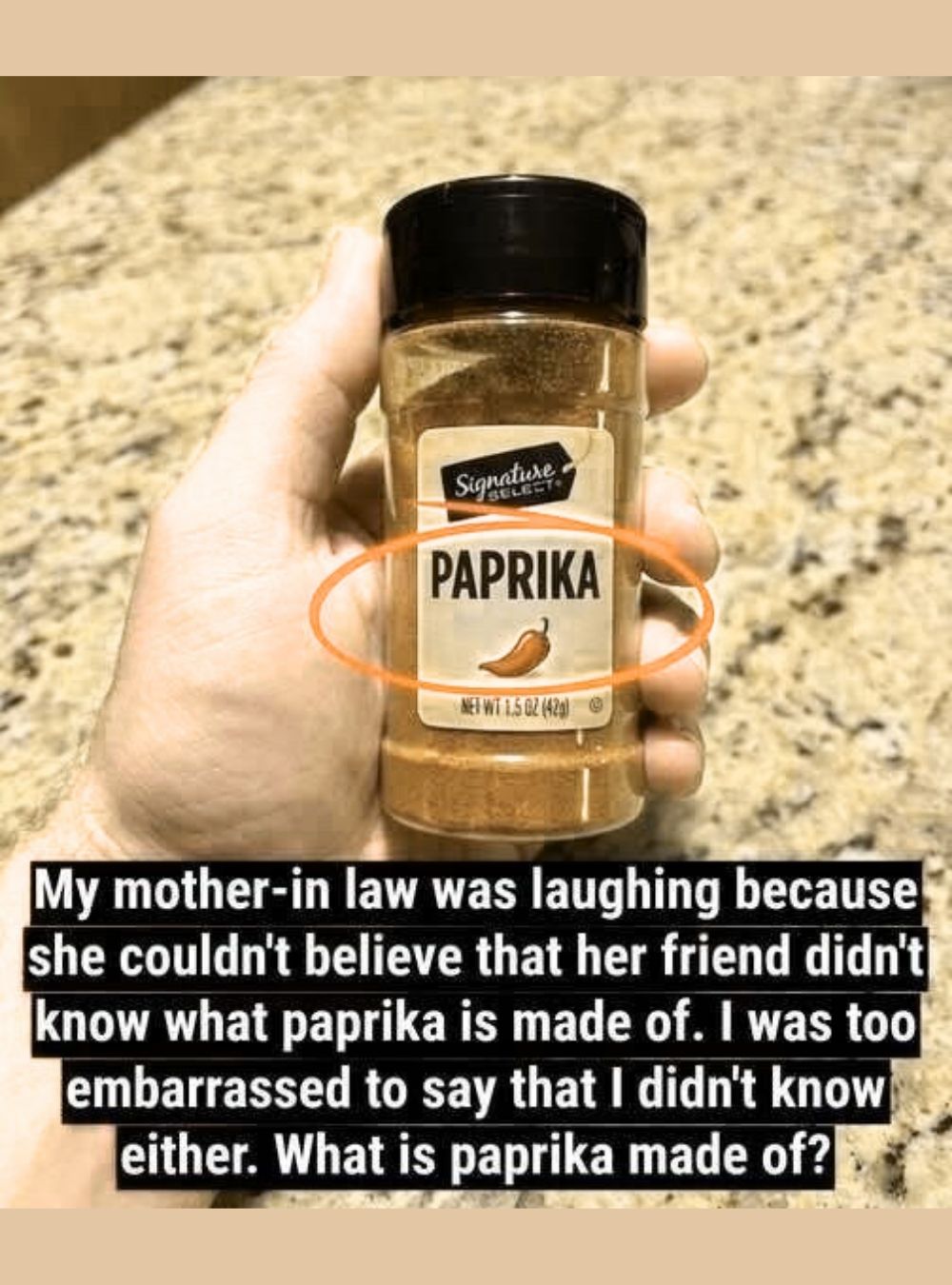
“What is paprika actually made from?”
For a moment, it seemed almost mysterious. Was it a root, a bark, or some rare seed from a distant land? After all, paprika had been a staple in the pantry for years, yet its origin had never been considered.
The answer was surprisingly simple: paprika comes from ground sweet red peppers. Dried peppers, carefully crushed into a vibrant powder, transform into the spice that colors and flavors countless dishes. For someone accustomed to sprinkling it without a second thought, the realization felt unexpectedly fresh. Something so familiar had quietly carried a story all along.
Beyond its simplicity, paprika is packed with nutritional value. The red peppers used to make it are rich in vitamin A and beta-carotene, compounds that support vision, immunity, and overall cellular health. Its bold red hue comes from carotenoids, potent antioxidants found in many brightly colored vegetables.
Some varieties of paprika also contain capsaicin, the compound that gives spicy peppers their heat. Capsaicin has been studied for potential benefits in circulation, heart health, and metabolism, adding a subtle but meaningful layer of wellness to any dish.
Paprika is not a single spice but a family of flavors. Sweet paprika offers gentle warmth and color, smoked paprika brings depth and richness from peppers dried over wood smoke, and hot paprika delivers a punch of heat. Each variation tells a story of pepper type, drying method, and regional tradition.
What began as a casual kitchen question became a quiet reminder: the ingredients we use every day often have histories, origins, and benefits we overlook. Something as ordinary as paprika can hold more than flavor—it can carry a little wonder, waiting to be noticed.
Sometimes, the most remarkable discoveries are hiding in plain sight, in the simple, everyday ingredients that have been part of our lives all along.
Leave a Reply