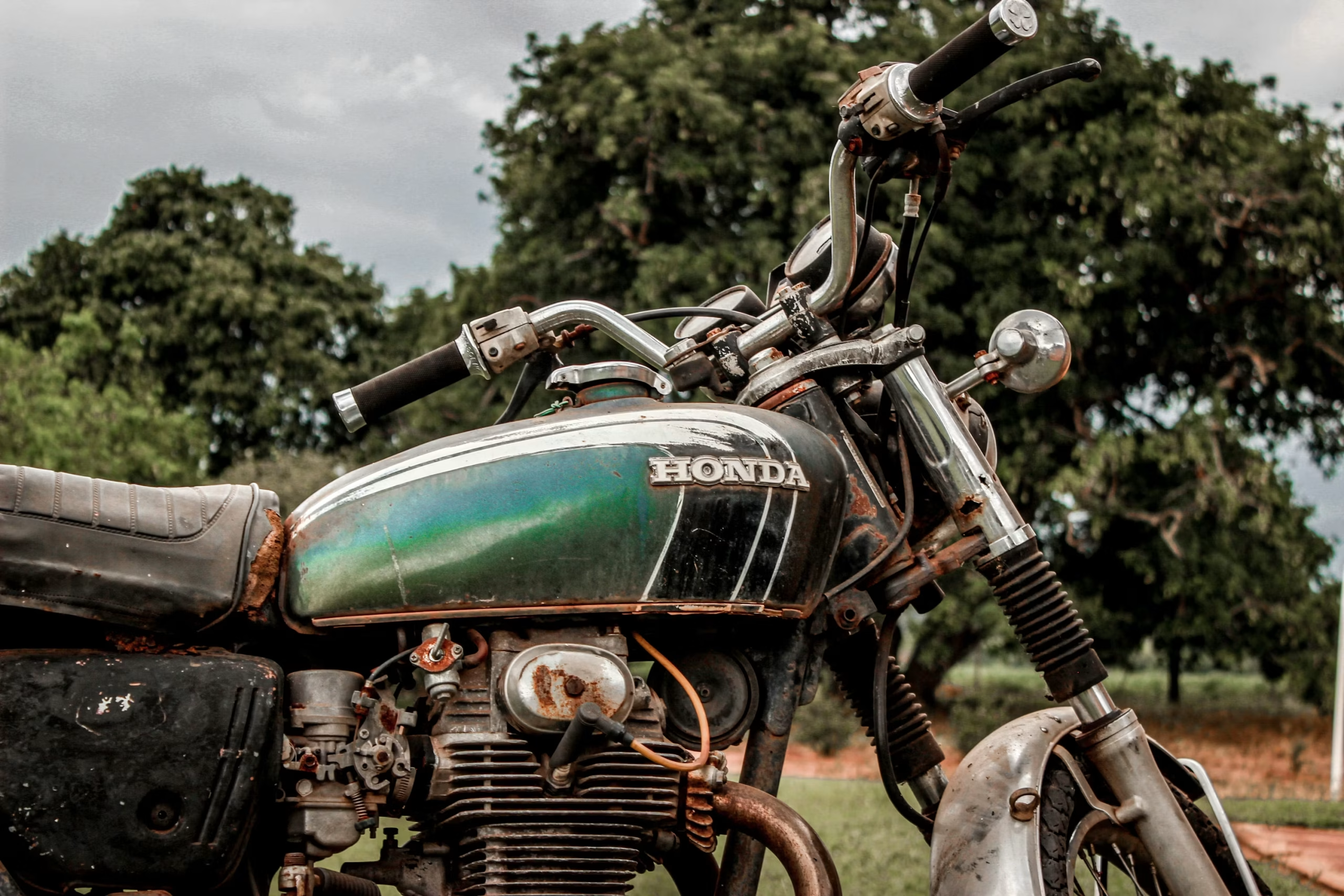
It happened just outside town, less than ten minutes into what was supposed to be a short ride. Traffic was light, the weather was fine, and the bike had been running normally all week. There were no warning lights, no strange sounds—nothing that suggested trouble.
Coming out of a long curve, the engine suddenly lost power. Not a violent cut, just a gradual drop, like the throttle wasn’t connected anymore. The rider pulled in the clutch and coasted to the shoulder, thinking it might be bad fuel or a clogged line.
After a brief stop, the first restart attempt seemed normal. The starter turned, the engine fired for a second, then died. A second try did the same. On the third attempt, the engine sounded tighter, slower, but still no obvious alarm.
What wasn’t visible at the time was the real issue: oil pressure had dropped when the engine overheated earlier in traffic. Restarting the bike before the oil could circulate properly caused dry friction inside the top end—something you can’t hear immediately from the roadside.
The rider waited a few minutes and tried again. This time, there was a faint knocking sound that hadn’t been there before. It disappeared as quickly as it came, which made it easy to ignore. The bike finally started and was ridden less than a mile before shutting down again.
At the workshop later that day, the problem became clear. Scoring was visible inside the cylinder, and one bearing showed early signs of damage. The mechanic’s conclusion was simple: the engine should never have been restarted right away.
What surprised the rider most was how normal everything felt at first. No smoke, no warning lights, no dramatic failure. Just a few restart attempts that seemed harmless but quietly made things worse.
Situations like this are common, especially with older motorcycles. When an engine stops without a clear reason, forcing it to run again can turn a minor issue into major damage. Waiting, checking basics, or calling for help often saves far more than it costs.
Leave a Reply