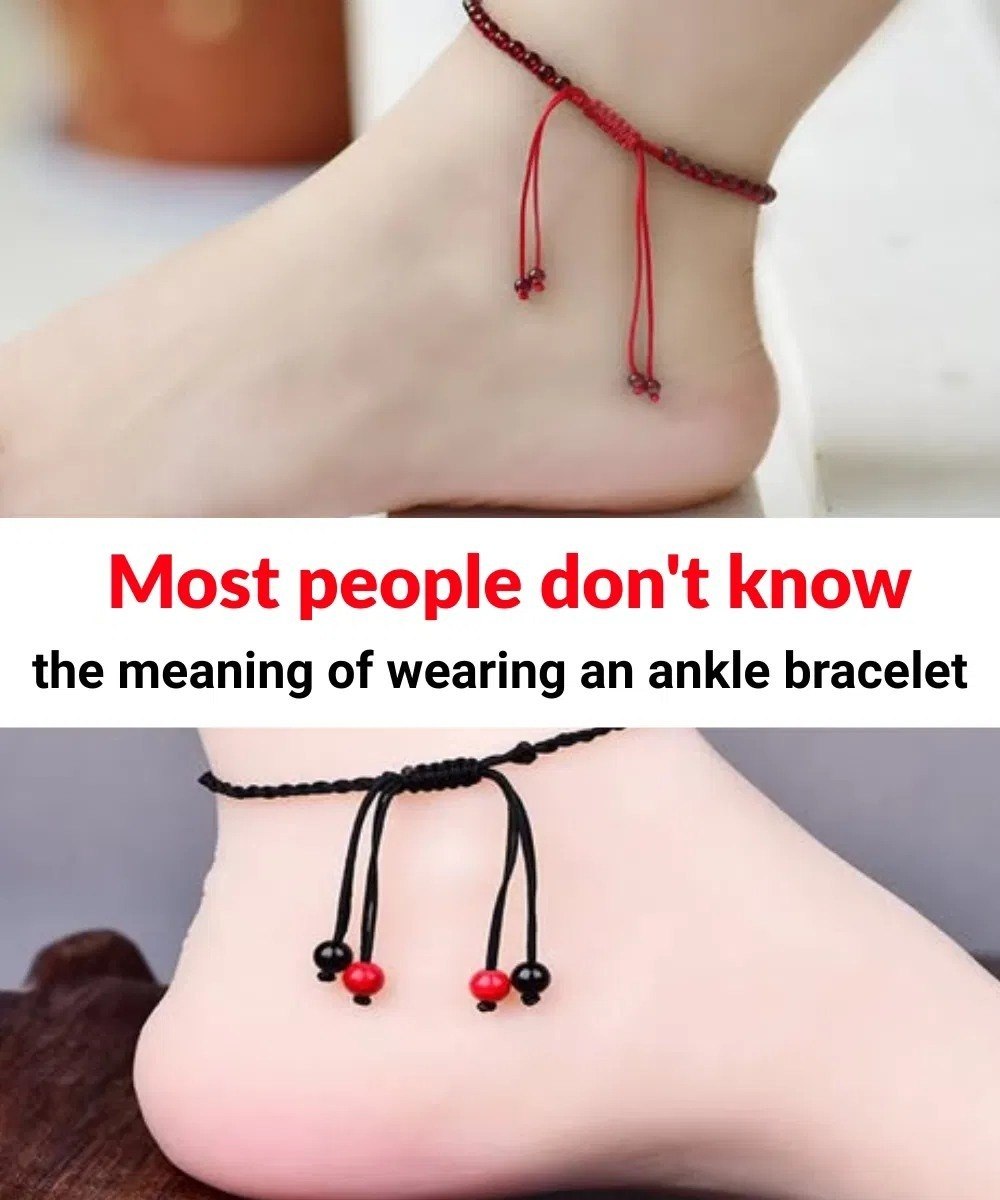
Lightweight and refined, the ankle bracelet continues to captivate fashion lovers with its quiet sophistication. Resting delicately against the skin, it highlights one of the most graceful parts of the body while adding a subtle shimmer to any outfit. Though often seen today as a simple seasonal accessory, the anklet carries a story that stretches far beyond modern trends.
Across centuries and continents, this small ornament has held powerful cultural meaning. Civilizations of the ancient world embraced ankle jewelry not only for beauty but also for symbolism. The enduring appeal of the anklet lies in its unique ability to combine elegance with heritage.
In ancient Egypt, ankle bracelets were more than decorative adornments. Historical accounts suggest they were believed to offer protection and attract good fortune. Some laborers wore anklets fitted with tiny charms that produced a soft sound while walking, a feature thought to ward off insects and provide spiritual reassurance.
In South Asia, particularly in India, the anklet — known as payal — remains deeply rooted in tradition. Commonly crafted from silver, these ornaments are often associated with marriage and femininity. Their gentle chime has long symbolized grace, commitment, and cultural continuity, especially during wedding ceremonies and festive occasions.
Other societies also attached social meaning to ankle jewelry. In parts of the Middle East and even in ancient Rome, anklets were linked to status and prosperity. The material and craftsmanship often reflected the wearer’s wealth or position within the community.
Over time, the anklet transitioned from a marker of identity and ritual to a global fashion staple. Designers reimagined the accessory to suit changing tastes, introducing minimalist chains alongside more elaborate styles. Despite evolving aesthetics, the anklet’s essential charm has remained intact.
Today’s versions range from delicate gold strands to beaded, shell, and pearl designs. Colorful threads and adjustable cords appeal to younger wearers, while classic metallic finishes maintain timeless appeal. The accessory pairs effortlessly with sandals, summer dresses, and beachwear, offering an understated yet eye-catching detail.
While myths occasionally surround which ankle one should choose, there is no universal rule. Modern wearers select a side based purely on comfort and personal style. Ultimately, the ankle bracelet stands as a testament to how a small piece of jewelry can carry centuries of meaning while continuing to inspire contemporary fashion.
Leave a Reply