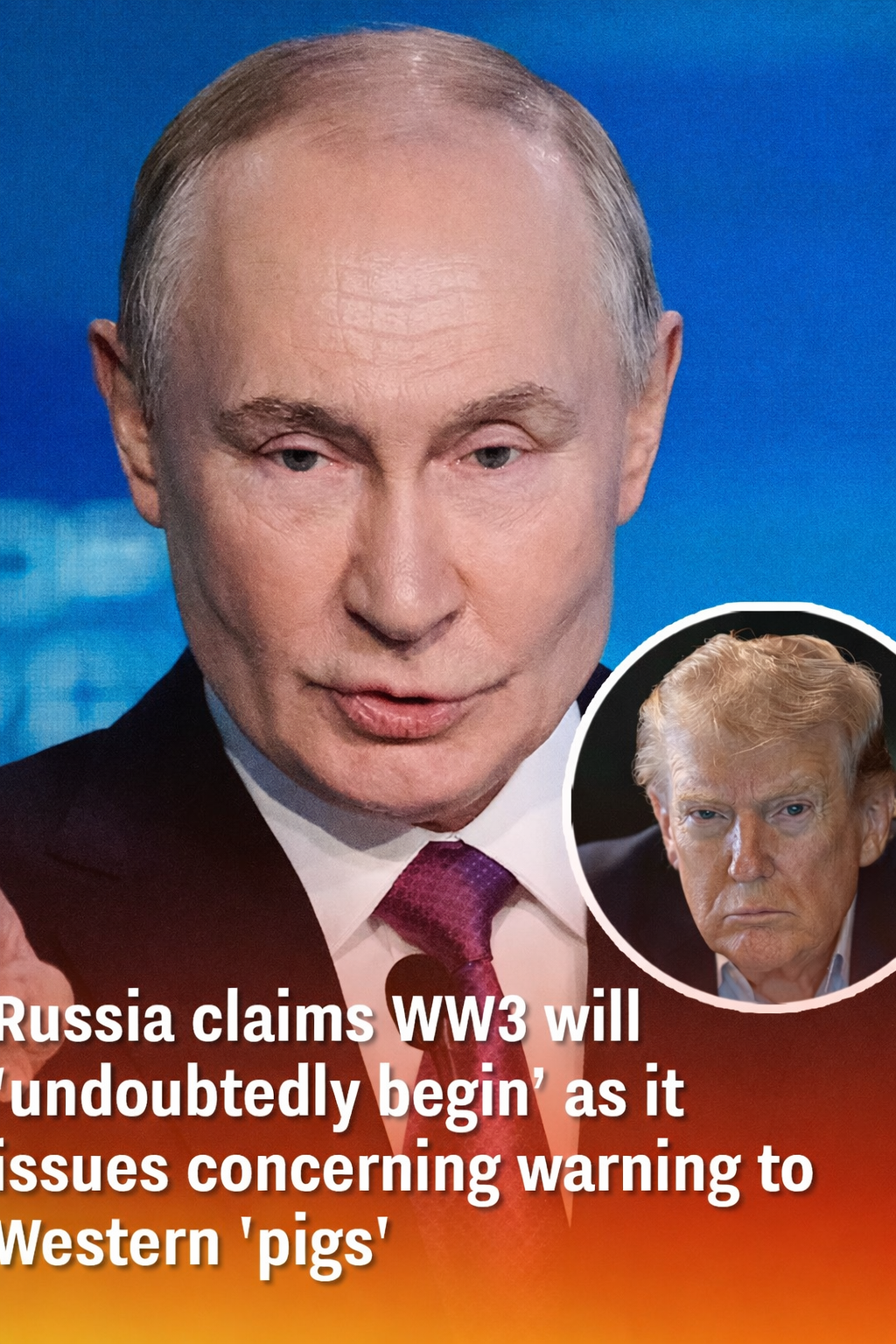
Recent tensions in global politics have intensified following sharp remarks from Dmitry Medvedev, a close ally of Vladimir Putin, who warned that escalating conflict in the Middle East could trigger a broader international crisis. Medvedev criticized policies associated with Donald Trump, particularly in relation to military pressure on Iran, arguing that continued strikes risk destabilizing an already volatile region.
According to U.S. and Israeli officials, recent coordinated operations by the United States and Israel have targeted Iranian missile facilities and military infrastructure. Authorities describe the campaign as a preventative measure aimed at limiting Tehran’s missile capabilities and countering regional militant networks. Defense officials insist the actions are strategic and limited in scope, though critics argue the situation carries unpredictable consequences.
Amid the escalation, unverified reports circulated online alleging that Iran’s Supreme Leader, Ali Khamenei, had been killed in a strike. However, no credible international confirmation has substantiated those claims, and Iranian state media has rejected such reports. Analysts caution that misinformation during periods of conflict can spread rapidly, amplifying fear and uncertainty across global audiences.
In Moscow, Medvedev warned that sustained military action could draw additional powers into the conflict, increasing the risk of confrontation between major states. While his comments reflected strong opposition to Western military moves, experts note that Russia remains heavily focused on its ongoing war in Ukraine, limiting the likelihood of immediate large-scale involvement elsewhere. Political analysts suggest Russia may instead pursue diplomatic positioning and rhetorical pressure rather than direct engagement.
In Washington, President Trump acknowledged that operations could continue for several weeks, framing the campaign as part of a broader deterrence strategy. He emphasized that the objective is to prevent future threats and protect U.S. allies in the region, while also stating that diplomatic channels remain open. Administration officials argue that strength and negotiation must operate in tandem to achieve long-term stability.
Across the Middle East, governments have heightened security measures as missile alerts, drone interceptions, and cyber defense warnings ripple through the region. Civil aviation routes have been adjusted, and military installations in neighboring countries remain on alert. The uncertainty has also affected global financial markets, with energy prices climbing amid concerns about potential disruptions to oil supply chains.
International institutions have responded with urgent appeals for restraint. The United Nations has called for immediate de-escalation and renewed diplomatic engagement, warning that prolonged confrontation could have severe humanitarian and economic consequences. European and Asian leaders have echoed similar concerns, urging all sides to prioritize negotiation over retaliation.
As the situation develops, analysts stress that the coming weeks will be critical. While rhetoric remains heated and military activity continues, history demonstrates that miscalculation often poses the greatest risk during high-tension standoffs. For now, the world watches closely, aware that decisions made by a handful of leaders could shape regional stability — and potentially global security — for years to come.
Leave a Reply