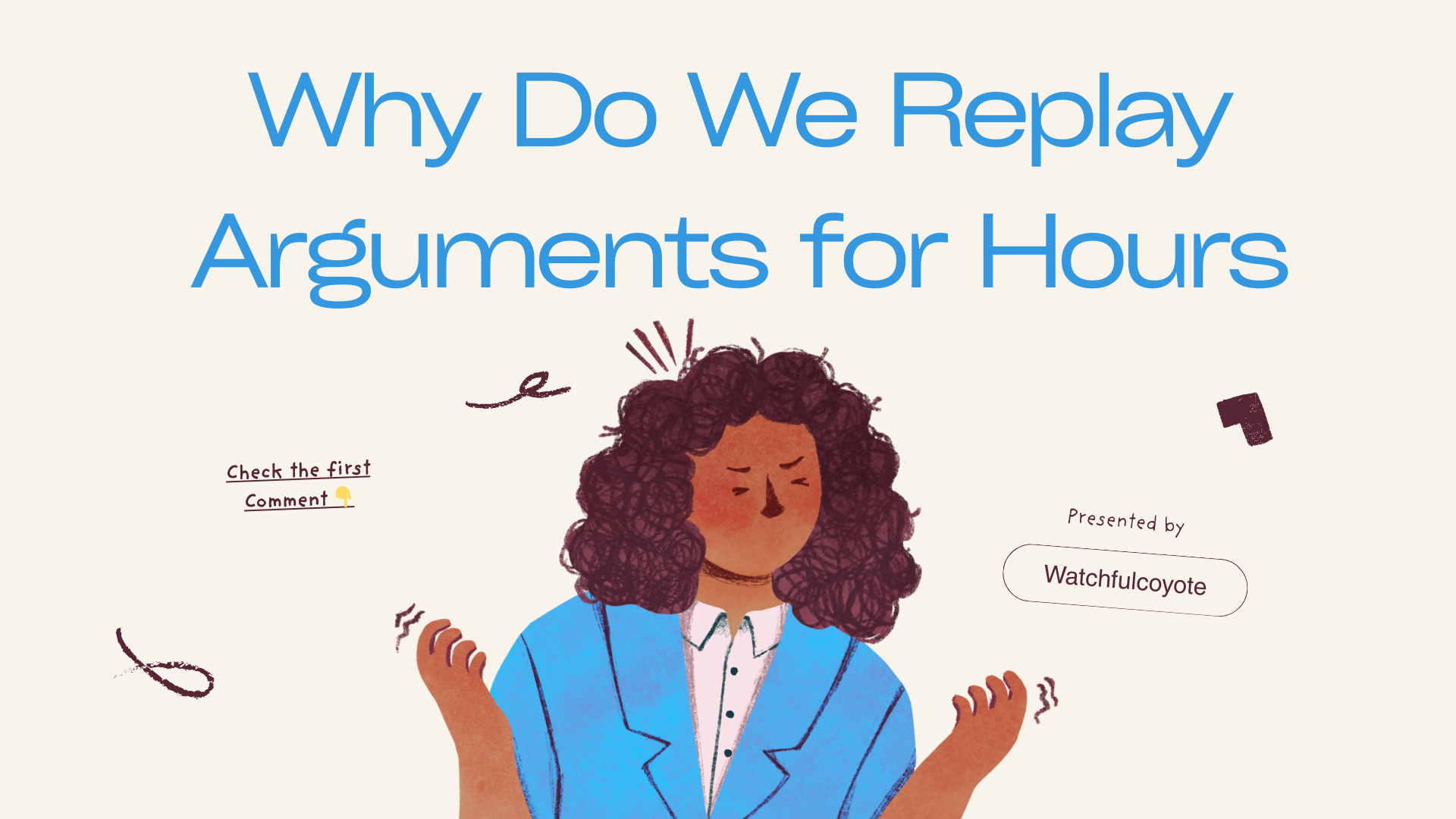
Have you ever walked away from a conversation, only to find yourself reliving it again and again in your head? Hours later, you’re still thinking of what you should have said, how you could have stood taller, or how you might have handled it differently. This isn’t because you’re dramatic or overly sensitive. It’s because your brain treats unfinished conflict like an unresolved threat.
When someone disrespects you, questions your competence, or makes you feel small, your nervous system doesn’t simply shrug and move on. It flags the interaction as potential danger. Human beings evolved in social groups where status and belonging were directly tied to survival. A social wound—rejection, embarrassment, humiliation—could once mean exclusion from the tribe. And exclusion meant risk.
At the center of this reaction is a region of the brain called the anterior cingulate cortex. This area plays a major role in processing social pain, and fascinatingly, it activates in ways similar to physical pain. To your biology, embarrassment and rejection can register almost like injury. That’s why a harsh comment can “sting” long after the moment has passed.
Your brain hates unresolved danger. So it does what it’s designed to do: it runs simulations. It replays the argument, testing alternative responses. What if you had said this instead? What if your tone had been firmer? What if you had walked away sooner? This mental rehearsal is your brain’s attempt to regain control and prepare you for future threats.
Interestingly, this is the same visualization circuitry that athletes use before a big competition. They mentally rehearse successful moves to strengthen neural pathways and boost performance. When you replay an argument, you’re using that same system—except you’re visualizing “winning” a conversation that already ended. Your mind is trying to rewrite the script so it feels less vulnerable next time.
The problem is that unlike athletic practice, argument replay often lacks closure. There’s no whistle to signal the end of the game. Without resolution, the brain keeps looping the scene, searching for a version that feels safe or empowering. Each replay briefly gives the illusion of control, but it can also reinforce the emotional charge.
There’s also an identity component involved. When someone challenges you publicly or privately, it can threaten how you see yourself. Are you competent? Respected? Strong? The brain reacts not just to the words spoken, but to what those words imply about your place in the social hierarchy. That’s why the replay can feel so personal and persistent.
Understanding this pattern is powerful. You’re not “crazy” for replaying arguments. You’re witnessing your brain trying to protect you. The key isn’t to shame yourself for the loop, but to gently recognize it. When you notice the replay starting, remind yourself: the threat has passed. The moment is over. You don’t need to win it anymore—you just need to move forward.
Leave a Reply