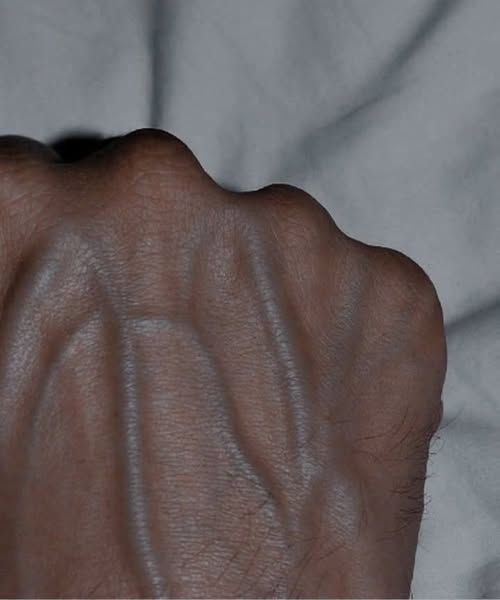
Visible or protruding veins can look concerning at first glance, but in many cases they are completely harmless. It’s common for veins to stand out under certain conditions, and appearance alone does not automatically signal a medical problem.
Everyday factors often make veins more noticeable. Physical activity increases blood flow, hot weather expands blood vessels, and tight clothing can restrict circulation temporarily. Aging also thins the skin, while genetics, sun exposure, and higher body weight can all influence how prominent veins appear.
Sometimes veins look more defined simply because of short-term circulation changes. When blood flow shifts due to temperature, movement, or body position, veins may expand briefly before returning to normal. These fluctuations are usually harmless.
Veins become bulging when blood does not move efficiently back toward the heart. If vein walls or valves weaken, blood can collect inside the vessel instead of flowing smoothly upward. This pressure causes the vein to enlarge and become more visible.
This process may lead to varicose veins — enlarged, twisted veins most often seen in the legs but sometimes noticeable in the arms. While they are often a cosmetic concern, symptoms such as aching, swelling, heaviness, or skin color changes should not be overlooked.
Medical experts, including those at the Cleveland Clinic, identify several risk factors linked to varicose veins. Smoking, excess body weight, family history, hormonal shifts (particularly during pregnancy), and long periods of standing or sitting can all increase strain on the veins over time.
Treatment depends on how severe the condition becomes. Mild cases may improve by elevating the legs, increasing movement, and wearing compression stockings to support circulation. In more advanced situations, procedures such as injection therapy or minor surgical techniques may be recommended.
If ignored, varicose veins can sometimes lead to complications. These may include venous ulcers — slow-healing sores near the ankles — or more serious issues like deep vein thrombosis and pulmonary embolism, which require urgent medical attention. Although not all cases can be prevented, maintaining a healthy weight, exercising regularly, avoiding smoking, and supporting proper circulation can significantly reduce risk and promote long-term vein health.
Leave a Reply