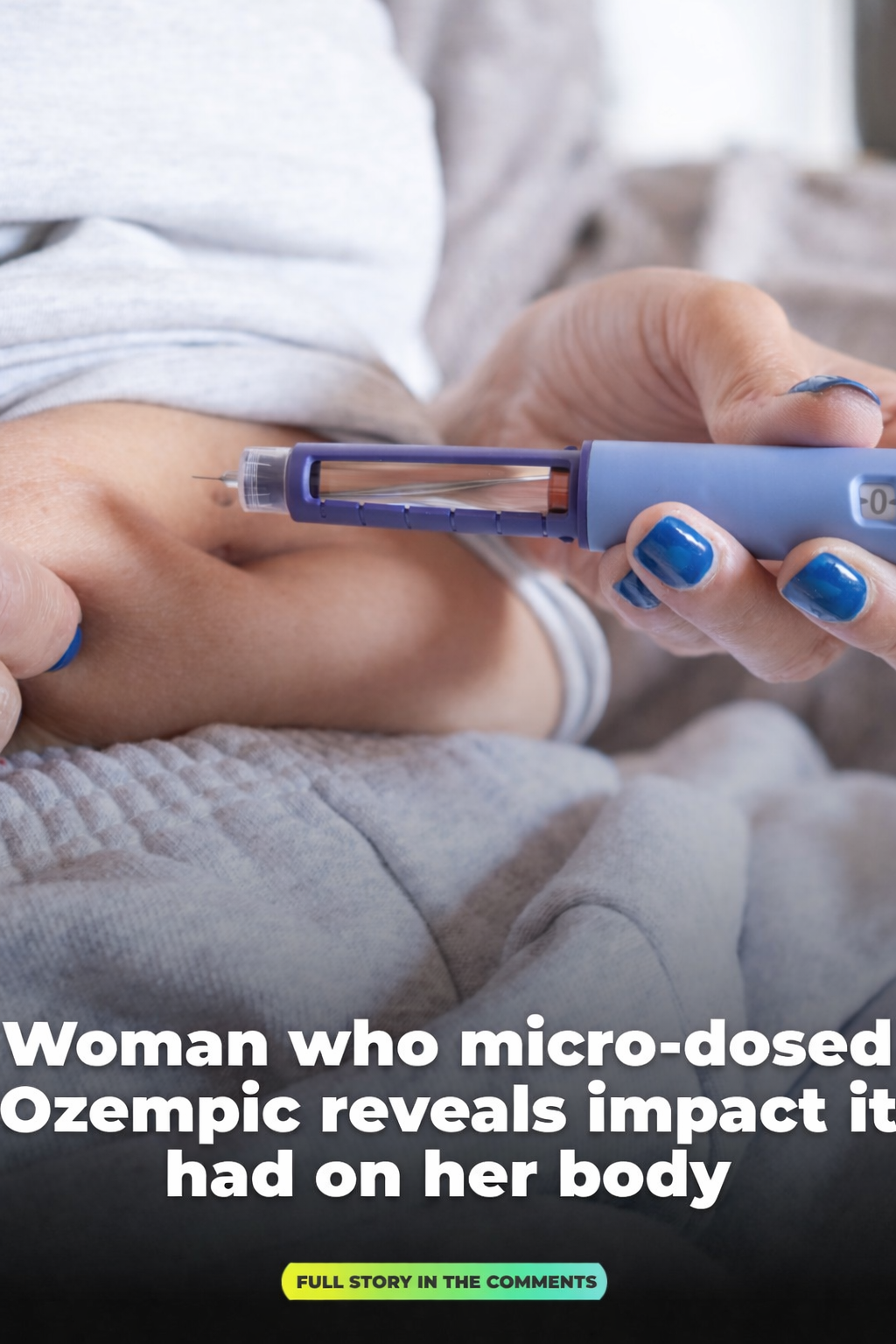
A woman who experimented with micro-dosing Ozempic has shared her experience, revealing that while the approach helped her lose weight, it also came with unexpected challenges.
Originally developed to treat Type 2 diabetes, Ozempic has become widely known for another effect. Its active ingredient, semaglutide, helps reduce appetite and food cravings, which has led many people to use the medication in hopes of losing weight.
Recently, a new trend called micro-dosing has started gaining attention online. Instead of following the standard dosage schedule, some users take smaller amounts of the medication or space their injections further apart to make the prescription last longer.
The micro-dosing trend
Ozempic typically comes in a pre-filled injector pen containing four doses. Treatment often begins with 0.25 mg and gradually increases, sometimes reaching 2 mg per week, with injections usually taken once every seven days.
However, some users on social media claim they stretch the medication by dividing doses or extending the time between injections. In some cases, people report turning four doses into five or six. Supporters say this method helps reduce costs while still providing weight-loss benefits.
One supporter of the approach, Madison Burgess, said the strategy helped her lose around 60 pounds over two years.
A journalist tries it herself
Not everyone who tried micro-dosing had the same experience. Journalist Charlotte Cripps, writing for The Independent, said she decided to test the approach herself.
Cripps explained that she divided her 1 mg dose into two 0.5 mg injections and took them every two weeks instead of once per week.
According to her, the method helped save money and still seemed to work for weight loss. She also said it appeared to reduce some common Ozempic side effects such as nausea and fatigue.
However, she warned that there is very little research on the safety of micro-dosing.
“The idea behind microdosing is that you may be able to get the same benefits with less of the drug. But there are no studies comparing microdosing with approved dosages,” Cripps wrote.
She added that constantly adjusting the medication and monitoring doses eventually became exhausting.
Unexpected downsides
Although Cripps said she lost about a fifth of her body weight within a year and even improved her cholesterol levels, the experience took a toll on her daily life.
She described feeling anxious about nutritional deficiencies and muscle loss, especially because maintaining a high-protein diet was difficult as a vegetarian.
At one point, she said her routine revolved around consuming large amounts of high-protein yogurt, nuts, and berries, leaving her frustrated with the restrictive diet.
Cripps also admitted the medication affected her social life. She sometimes skipped meals with friends and even family dinners in order to stick to a strict nutritional plan that included high-calorie protein drinks.
Experts still uncertain
According to Medical News Today, it is still unclear whether micro-dosing semaglutide is safe or effective. The medication is usually prescribed at specific doses not only for diabetes but also to help lower certain cardiovascular risks.
Some supporters argue that taking smaller amounts may reduce side effects such as vomiting, nausea, and constipation.
For Burgess, the symptoms on a full dose were so severe that she struggled to eat at all before her doctor suggested trying a lower-dose strategy.
“I’m a big advocate now of micro-dosing,” she said. “Going slow and staying low is my motto.”
Her final verdict
Cripps ultimately decided the experiment was not worth continuing. While she acknowledged that it helped her lose weight and rethink her eating habits, she said she felt relieved to stop the routine.
Looking back, she described ending the process as finally being “free from the hell of micro-dosing.”
Leave a Reply